Teaching Food Joy: How to Raise Children Who Actually Love to Eat
Click the card below to discover what your mealtime approach reveals about your child’s future relationship with food.
TAP TO REVEAL
Your Hidden Food Message
Every “just one more bite” teaches children to ignore their body’s signals. The truth? Joy comes from trust, not control.
Here’s something nobody tells you when you become a parent: the way your child eats today shapes not just their nutrition, but their entire relationship with pleasure, trust, and their own body for decades to come.
I remember the first time my little one pushed away a plate of carefully mashed sweet potato. My grandmother would have gasped. In Caribbean households, refusing food isn’t just impolite—it’s practically sacrilege. But something in my gut told me that forcing those spoonfuls would cost more than it gained. That moment, that pause, became the beginning of a different feeding philosophy altogether. One where food wasn’t a battleground, but a playground. Where mealtimes weren’t about clean plates, but about curiosity, connection, and yes—pure, unapologetic joy.
Teaching food joy means helping children see eating as pleasurable, flexible, and connected to their bodies, culture, and relationships, rather than as a rigid, rule-driven task focused only on nutrients or weight control. It emphasizes modeling enthusiasm, exploring flavors together, using cooking as play, and protecting a positive relationship with food through autonomy-supportive feeding practices. This approach runs counter to decades of “clean your plate” rules, food rewards, and diet culture messaging that many of us absorbed growing up.
Why Food Joy Matters More Than You Think
A 2025 review on learning to eat in infancy and early childhood highlights that family mealtimes support social, emotional, and cognitive development and help establish “healthy eating patterns, a positive relationship with food, and joyful eating experiences.” This isn’t just about getting vegetables into tiny bellies. It’s about raising humans who trust their hunger, enjoy their meals, and don’t spend their twenties unlearning toxic food rules.
Research with children aged 8–12 revealed something profound: kids don’t just link food with health. They connect it to pleasure, emotions, eating together, and what researchers call “food-empowerment”—a sense of agency and joy around eating. When we focus solely on nutrition and ignore these dimensions, we’re missing the bigger picture entirely.
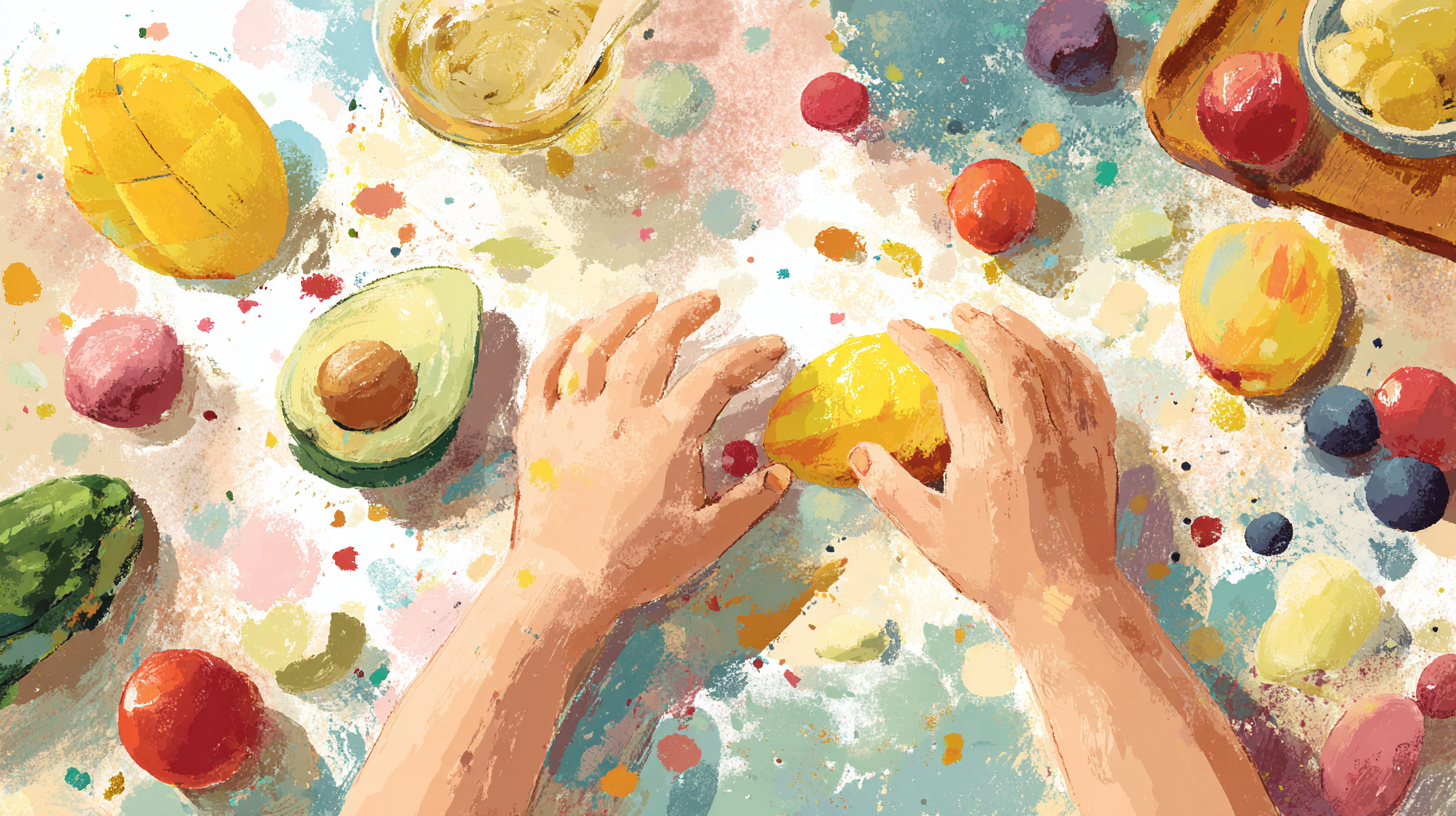
Consider this: a 2023 longitudinal study found that greater parental encouragement to eat nutritious foods was associated with higher child “enjoyment of food” across toddlerhood to early childhood. The key word here is encouragement, not pressure. There’s a world of difference between “Would you like to try this mango?” and “You can’t leave the table until you finish your vegetables.” One invites curiosity. The other breeds resentment.
The Foundation: Division of Responsibility
If there’s one framework that revolutionized child feeding, it’s Ellyn Satter’s Division of Responsibility. The concept is beautifully simple: parents decide what food is served, when meals happen, and where eating takes place. Children decide whether to eat and how much to consume.
This isn’t permissive parenting. It’s structured trust. You’re providing the guardrails—nutritious options, regular mealtimes, a pleasant eating environment. But within those guardrails, your child has autonomy. They learn to listen to their body’s hunger and fullness signals instead of external rules or your anxious hovering.
Select your most common mealtime approach:
When parents control how much children eat through pressure, bribes, or restrictions, research shows it backfires. Controlling practices are linked with emotional overeating, increased pickiness, and lower enjoyment of food. Children who are pressured to eat more often eat less. Kids whose favorite foods are restricted often fixate on and overeat those foods when they finally get access. The control creates the very problems it aims to prevent.
Modeling Enthusiasm: Your Plate Is a Teaching Tool
Children are exceptional mimics. They watch how you talk about food, how you eat, what makes it onto your plate, and crucially, what emotions you display around eating. If you’re constantly commenting on calories, skipping meals, or labeling foods as “good” and “bad,” your child absorbs all of it.
One of the most powerful things you can do is eat with your child when possible and show genuine interest in flavors. Instead of “This broccoli is healthy for you,” try “Mmm, this broccoli is crunchy and a bit sweet at the tips. What do you think?” You’re shifting the conversation from moralizing to sensory exploration.
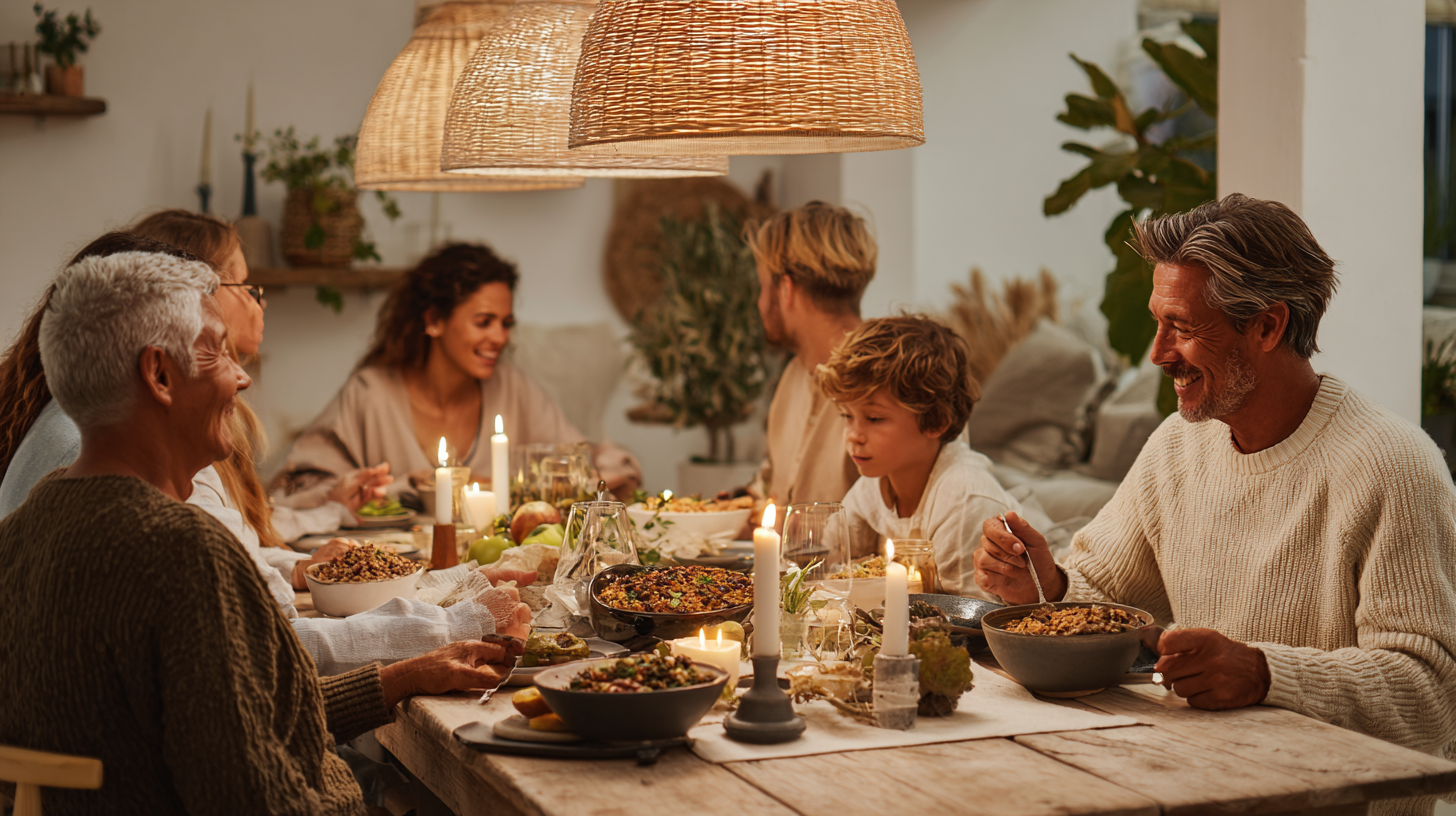
In Caribbean culture, we have a beautiful tradition of gathering around food. Whether it’s Sunday rice and peas, Saturday soup, or just a quick roti after school, meals are social events. There’s talking, laughing, sometimes debating. Food isn’t eaten in isolation—it’s woven into family connection. That’s the kind of atmosphere that teaches children food is about more than fuel. It’s about belonging, culture, and joy.
This doesn’t mean you need Instagram-perfect family dinners every night. Even ten minutes together over breakfast, chatting about the day ahead while you both eat, sends the message: eating together matters. You matter. This food matters—not because it’s “clean” or has the right macros, but because it’s shared.
Exploring Flavors Together: The Sensory Adventure
Repeated, varied sensory experiences in positive contexts are drivers of long-term food enjoyment. Translation: the more times your child encounters a food without pressure, the more likely they are to eventually accept and even love it. Some research suggests it takes 10–15 exposures before a child accepts a new food. Some kids need more. The key is exposing without forcing.
How adventurous is your child’s palate? Select the flavors they’ve tried:
Introducing your child to a wide range of flavors early—especially during the complementary feeding window from 6 months to about 2 years—can shape their palate for life. Studies show that early flavor experiences and positive social contexts around eating influence later food pleasure and openness to variety. That’s why incorporating diverse ingredients like those found in Caribbean cooking—coconut milk, plantains, mangoes, thyme, allspice, ginger, turmeric—can expand your child’s flavor vocabulary while connecting them to cultural heritage.
If you’re looking for creative, island-inspired recipes to introduce bold, authentic flavors to your little one, the Caribbean Baby Food Recipe Book offers over 75 recipes featuring ingredients like sweet potatoes, mangoes, coconut milk, plantains, and beans—all tailored for babies 6+ months. It’s a practical way to merge nutrition with culture and joy from the very first spoonfuls.

Offer small, repeated tastes of new foods alongside familiar favorites. Let your child touch, smell, squish, and even play with food. Yes, it’s messy. Yes, it’s inefficient. But sensory exploration is how they learn. A toddler who mashes avocado through their fingers is learning texture, color, and how things change when manipulated. They’re also learning that food is safe, interesting, and doesn’t come with punishment if they don’t immediately swallow it.
And here’s a secret: modeling works even when you think they’re not watching. When you cheerfully try a new fruit at the market, when you talk about how the roasted pumpkin smells amazing, when you admit “I wasn’t sure I’d like this, but it’s actually really good!”—you’re demonstrating that food exploration is lifelong, judgment-free, and fun.
Cooking as Play: Hands in the Pot, Joy in the Heart
Experiential cooking programs for children aged 5–12 improve attitudes toward fruits, vegetables, and cooking itself, with several studies reporting modest but real increases in vegetable intake after hands-on cooking activities. But the benefits go far beyond broccoli consumption. Cooking together teaches math (measuring), science (what happens when you mix baking soda and vinegar?), sequencing, patience, and the satisfaction of creating something from scratch.
More importantly, it shifts the power dynamic. Instead of food being something done to children, it becomes something they help create. That sense of ownership and pride often translates into willingness to taste. Research on a family recipe-kit program found parents reported more cooking and eating together, more food talk, greater child willingness to try vegetables and new flavors, and notably, less mealtime stress.
Click the age range to reveal safe, fun tasks your child can handle:
Ages 2–3: Washing produce, tearing lettuce, sprinkling herbs, stirring thick batters in a big bowl.
Ages 4–5: Mashing soft foods (bananas, avocado), measuring and pouring, mixing, kneading dough.
Ages 6–8: Peeling soft fruits, spreading, cutting soft items with a child-safe knife, cracking eggs (with supervision).
Ages 9+: Chopping harder vegetables, using the stovetop with supervision, following simple recipes independently, plating dishes.
In Caribbean homes, cooking is rarely a solitary task. It’s communal. Grandmothers, aunties, cousins—all in the kitchen, seasoning, tasting, debating how much pepper is too much. Children grow up watching, helping, absorbing. That’s food joy in action: cooking isn’t a chore, it’s connection. It’s play with purpose.
You don’t need elaborate recipes. Start simple. Let your toddler help rinse rice. Let your preschooler pour coconut milk into a pot for porridge. Let your school-age child help assemble a tray of roasted plantains and sweet potatoes, brushing them with a little oil and sprinkling cinnamon. These small acts build competence, confidence, and positive associations.
When children participate in preparing meals like Calabaza con Coco (Pumpkin & Coconut Milk) or Coconut Rice & Red Peas, they’re not just learning about food—they’re connecting with flavors, textures, and traditions that tell them: this is who we are, and it’s delicious.
Building Positive Food Relationships: What Research Really Says
Let’s get clear on what the science shows about raising children who trust food and their bodies:
- Pressure backfires. Children pressured to eat more often eat less and enjoy food less. Those pushed to eat vegetables may develop lifelong aversions.
- Restriction breeds fixation. Limiting access to sweets or “junk food” can increase children’s desire for and overconsumption of those foods when they’re available.
- Encouragement works. Gentle, repeated invitations to try nutritious foods are associated with greater enjoyment and acceptance over time.
- Autonomy is protective. Children allowed to self-regulate intake—deciding how much to eat based on hunger and fullness—are more likely to maintain healthy eating patterns and positive body image long-term.
- Social context matters immensely. Pleasant, relaxed family meals are linked to better dietary intake, fewer eating disorders, and stronger emotional health.
Emerging research on intuitive eating in children shows that when parents model and support intuitive eating principles—eating in response to internal cues, making food choices without guilt, respecting body signals—children are more likely to develop adaptive eating behaviors. A recent scoping review found associations between parent intuitive eating and child eating behaviors, suggesting that the best way to raise an intuitive eater is to be one yourself.
Myth-Busting: What Doesn’t Actually Help
Real-World Strategies: Making Food Joy Happen Daily
Theory is beautiful. Implementation is where the magic—and the mess—happens. Here are evidence-backed, practical strategies you can start today:
1. Structure with flexibility. Offer meals and snacks at predictable times, roughly every 2–3 hours for young children. This prevents constant grazing and ensures they come to the table hungry. But within that structure, let them decide whether and how much to eat from what you’ve offered.
2. Serve family-style when possible. Put dishes in the center of the table and let everyone serve themselves (with help for little ones). This gives children practice with portion awareness and autonomy while still providing structure—you chose what’s on offer.
3. Include at least one “safe” food per meal. Always offer something you know your child will accept alongside new or less-preferred foods. This removes anxiety and prevents mealtime meltdowns. They won’t starve; they have a safe option. But they also have opportunities to explore.
4. Talk about food neutrally and sensory-rich. Instead of “Spinach is healthy, you need to eat it,” try “This spinach is bright green and a little bit earthy-tasting. I like it with lemon juice.” You’re teaching vocabulary, observation, and preference without moralizing.
5. Normalize all foods. Yes, even the cookies. When treats are forbidden, they become even more desirable. When they’re just another food offered sometimes within your meal structure, they lose their charged power. You might serve a small dessert with dinner, not as a reward, but as part of the meal. Kids often eat less of it when it’s not the forbidden fruit.
6. Make cooking a regular, low-stakes event. Aim for one meal a week where your child is genuinely involved—not just watching, but doing. Let them choose a recipe, help shop for ingredients, and lead parts of the preparation. Celebrate the result together, even if it’s imperfect.
7. Model food enjoyment and body respect. Eat a variety of foods. Speak kindly about your own body. Avoid diet talk, weight commentary, or labeling foods as “guilty pleasures.” Show your child that food is fuel, pleasure, culture, and connection—not a moral test.
8. Stay calm when they refuse. Your child rejecting a meal you worked hard on is not personal. It’s not defiance (usually). It’s them exercising autonomy, testing boundaries, or simply not being hungry. Your job is to offer. Their job is to eat—or not. Trust the division of responsibility.
Challenges You’ll Face (And How to Navigate Them)
Let’s be honest: this approach can feel uncomfortable, especially if you grew up with rigid food rules or in a culture where refusing food is disrespectful. You might worry about waste, about judgment from relatives, about your child’s nutrition. Those feelings are valid.
Parents today are navigating conflicting messages: intense public health focus on childhood obesity and ultra-processed foods, alongside non-diet guidance warning against restriction and moralizing. It’s confusing. Social media amplifies both sides, often in extreme, fear-mongering ways. You might see a post demonizing seed oils one day and a post about letting kids eat whatever they want the next. Neither extreme serves you or your child well.
Time stress, cost of food, and lack of cooking confidence also limit opportunities for joyful cooking and shared meals. If you’re working multiple jobs, getting home late, and exhausted, the idea of cooking with your toddler may feel laughable. I get it. Food joy doesn’t require perfection. It requires presence where you can offer it. Even five minutes of your child helping you assemble a quick meal, even just sitting together to eat leftovers, counts.
You will also face pushback from well-meaning relatives. “Just give him one more spoon.” “She’s too skinny, make her eat more.” “Why are you letting him decide? He’s just a child.” This is where you hold your ground, gently but firmly. Explain the research. Share resources. Set boundaries. Your child’s relationship with food is too important to outsource to someone else’s food baggage.
The Long Game: What Food Joy Looks Like Years From Now
Imagine your child at fifteen, sitting down to dinner after a long school day. They serve themselves a reasonable portion, eat until satisfied, and stop. They don’t stress about carbs or guilt-spiral over dessert. They don’t secretly binge on snacks when you’re not looking. They simply…eat. With pleasure, with intuition, with trust.
Imagine them at twenty-five, living on their own, making food choices that honor both their health and their joy. They cook sometimes because it’s satisfying. They order takeout sometimes because it’s convenient. They eat birthday cake because it tastes good and celebrating matters. They don’t attach moral value to their lunch. They don’t punish themselves at the gym for eating pizza. They’re free.
That freedom—that ease—is what you’re cultivating now, one mealtime at a time. It won’t always be linear. There will be phases of pickiness, of food jags where they eat only beige foods for weeks. There will be social pressures, peer influence, perhaps some diet culture creeping in from friends or media. But the foundation you’re building—trust, autonomy, joy, connection—will be their anchor.
The real success isn’t how many vegetables they ate today. It’s whether they grow up believing their body is trustworthy, food is pleasurable, and they deserve to be fed—both literally and metaphorically—with care, respect, and abundance.
Your Next Step: Start Small, Stay Consistent
Choose ONE practice to commit to this week. Small shifts create lasting change.
Teaching food joy isn’t a destination; it’s a practice. Some days you’ll nail it—a peaceful dinner, your child trying something new, laughter over a messy cooking project. Other days you’ll default to chicken nuggets eaten in the car between activities. Both are okay. Progress, not perfection.
The research is clear: joyful eating experiences, family connection around food, autonomy in feeding, and repeated exposure to variety within a supportive structure create children who trust food and enjoy eating. But beyond the studies and the strategies, there’s something deeper here. You’re teaching your child that their body is wise, that pleasure is not something to earn or fear, that food is one of life’s great gifts—not a battle to be won or a test to pass.
If you want to deepen this work with practical, culturally rich recipes that make joy and nutrition easy, explore resources like the Caribbean Baby Food Recipe Book, which provides over 75 island-inspired meals designed to introduce bold flavors and authentic ingredients from the very beginning. Because food joy is easier when the food itself is worth celebrating.
The Moment Is Now
You don’t need to wait until you have the perfect kitchen, the perfect schedule, or the perfect child who eats everything. You start with what you have: this meal, this moment, this child in front of you. You offer food with warmth. You sit together when you can. You let them say no without punishment. You show them, through your own actions, that food is safe, varied, delicious, and never a weapon.
Years from now, your child won’t remember every vegetable they ate or didn’t eat. But they will remember how mealtimes felt. They’ll remember whether food was a source of stress or joy, control or connection, shame or celebration. That memory, that feeling, will shape how they feed themselves—and maybe one day, their own children—for the rest of their lives.
So take a breath. Trust the process. Trust your child. And teach them this one essential truth: food is meant to be enjoyed, and they are worthy of that joy. Every single bite.

Kelley's culinary creations are a fusion of her Caribbean roots and modern nutritional science, resulting in baby-friendly dishes that are both developmentally appropriate and bursting with flavor. Her expertise in oral motor development and texture progression ensures that every recipe supports your little one's feeding milestones while honoring cultural traditions.
Join Kelley on her flavorful journey as she shares treasured family recipes adapted for tiny taste buds, evidence-based feeding guidance, insightful parenting anecdotes, and the joy of celebrating food, culture, and motherhood. Get ready to immerse yourself in the captivating world of Kelley Black and unlock the vibrant flavors of the Caribbean for your growing baby, one nutritious bite at a time.