Why Your Baby’s “Sweet Tooth” Is Normal—And How to Handle It Without Stress
How Strong Is Your Baby’s Sweet Preference?
Before we dive in, let’s identify where your little one falls on the sweet-loving spectrum. Tap the scenario that sounds most like your situation:
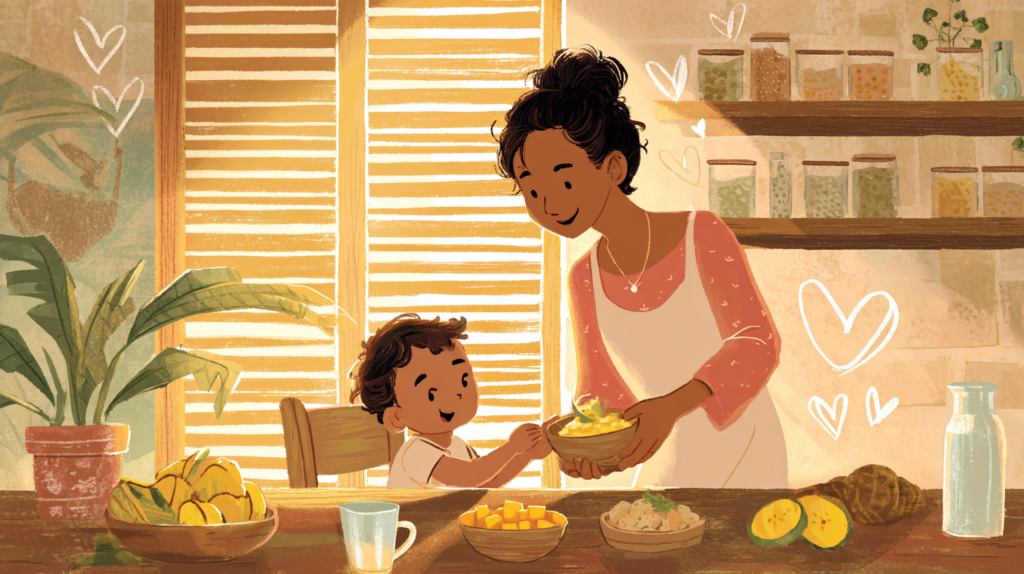
Here’s what nobody tells you when you’re spooning mashed sweet potato into your baby’s mouth for the first time: that delighted face, those eager hands reaching for more? That’s biology, not a character flaw. Your baby isn’t being difficult when she spits out green beans but gleefully devours mango. She’s being human.
The science is clear and surprisingly reassuring. Babies arrive in this world already wired to prefer sweet tastes. Research tracking infant responses to different flavors shows that newborns relax their faces, suck more vigorously, and show classic “pleasure” behaviors when given sweet solutions. It’s not learned; it’s built in. Evolutionary biologists think this preference helped our ancestors survive by steering babies toward safe, energy-rich foods like breastmilk and ripe fruit, while making them wary of bitter tastes that often signal toxins in nature.
But here’s where modern life collides with ancient biology: that same innate preference now exists in a world overflowing with ultra-processed foods engineered to deliver sweetness at levels no wild fruit ever could. Recent US data shows about 60% of infants aged 6 to 11 months and over 98% of toddlers aged 12 to 23 months consume added sugars on any given day—despite expert guidance to avoid added sugar entirely before age two. The result? A generation of babies whose natural sweet preference is being amplified and locked in by an environment saturated with sweetened yogurts, fruit pouches with hidden sugars, and juice boxes at every playdate.
So let’s cut through the noise. This guide isn’t about shaming you for the banana bread your mother-in-law brought over or the sweet potato fries your toddler ate at a restaurant. It’s about understanding what’s happening biologically, recognizing where the real risks are, and giving you practical, culturally grounded strategies to gently steer your baby’s palate toward natural sweetness and diverse flavors without creating food battles or anxiety around treats.
What “Sweet Tooth” Really Means in Babies
When researchers talk about babies’ heightened sweet preference, they mean something measurable and specific. Studies comparing sweetness preferences across ages show that children prefer sweetness intensities significantly higher than what adults find pleasant. A concentration of sugar that would make you wince might be your toddler’s “just right.” This isn’t taste buds gone rogue—it’s a normal developmental phase. Children’s preference for high levels of sweetness and salt gradually declines toward adult levels only in later childhood and adolescence.
The sweetness babies crave comes in two very different forms. There’s the gentle, naturally occurring sweetness in breastmilk, fruit, cooked sweet potato, ripe plantain, or coconut milk. Then there’s added sugar—the kind stirred into baby cereals, hidden in “natural” fruit pouches, or drizzled into toddler snacks. Professional guidelines from the American Heart Association, US Dietary Guidelines, and World Health Organization are unanimous: zero added sugar before age two, and minimal amounts after that, keeping it under about 6 teaspoons per day for young children.
Why the hard line on added sugar? Because early exposure to high-sugar foods isn’t just about cavities. Large observational studies link added sugar intake in infancy and toddlerhood with higher risks of obesity, elevated blood pressure, insulin resistance, and chronic disease patterns that track into adulthood. Babies who regularly consume sweetened drinks and snacks are also more likely to develop strong preferences for very sweet tastes, making it harder to enjoy vegetables, plain grains, and other less sweet whole foods that form the backbone of a healthy diet.
The Hidden Sugar Problem You’re Probably Missing
Myth Buster: Test Your Sweet Tooth Knowledge
Tap each statement below to reveal the truth:
Most parents I talk to are shocked when they realize how much hidden sugar is in foods marketed for babies. That “organic” puff snack? Often sweetened. The fruit and veggie pouch that looks so healthy? Many contain added juices or purees that push sugar content sky-high. Even baby cereals and teething biscuits frequently have sugar listed in the first few ingredients.
Reading labels becomes a detective game. Ingredients like “fruit juice concentrate,” “evaporated cane juice,” “brown rice syrup,” and even “organic fruit puree” in the ingredients list often signal added sweetness beyond what the whole food would naturally provide. If a label doesn’t specify “no added sugar” or “unsweetened,” assume it’s been sweetened. Check the nutrition facts panel for “added sugars”—if there’s any number above zero for a baby or toddler food, put it back.
The most insidious source? Sweetened drinks. Juice boxes, flavored milk, sweetened plant milks, and toddler “nutrition” drinks train babies to expect every sip to be sweet, crowding out water and plain milk. Research consistently shows that sweetened beverage consumption in early childhood is one of the strongest predictors of excess weight gain and sweet preference later on. Water and breastmilk or formula (or plain whole milk after age one) are the only drinks babies need. Period.
What Your Baby’s Genes Might Be Telling You
Not every baby has the same level of sweet craving, and recent genetic research helps explain why. Scientists have identified variants in sweet taste receptor genes—particularly TAS1R2—and related olfactory genes that correlate with stronger sweet preferences in both mothers and their children. In one study tracking mother-child pairs, mothers with certain genetic variants not only preferred sweeter tastes themselves but their children also showed higher sweet preference and consumed more added sugar.
If you’ve always had a serious sweet tooth and your baby does too, there might be a genetic component amplifying what’s already a universal human tendency. This doesn’t mean your baby is doomed to a high-sugar diet, but it does mean you might need to be extra intentional about the food environment you create. Structural strategies—keeping high-sugar foods out of the house, making water and whole fruit the default, offering vegetables early and often—become even more important when biology is working against you.
On the flip side, this research also means you can let go of guilt. A baby with a strong genetic pull toward sweetness isn’t the result of you “doing something wrong.” You’re navigating a biological reality that requires thoughtful boundaries, not perfect control.
How Early Exposure Shapes Lifelong Preferences
Your Baby’s Flavor Development Timeline
Click each age to see what’s happening with your baby’s sweet preference and what you can do:
Your Action: If breastfeeding, eat a varied diet including vegetables, herbs, and diverse flavors. If formula feeding, know that standard formulas are sweeter than breastmilk, but that’s okay—avoid switching to sweetened or flavored versions.
Your Action: Start with vegetables before or alongside fruit. Offer plain, unsweetened foods. Use naturally sweet roots like sweet potato, pumpkin, or plantain for gentle sweetness, but rotate them with greens, beans, and grains. Repeat new foods 8-15 times even if refused.
Your Action: Keep added sugar at zero. Serve whole fruit as snacks, not juice or sweetened pouches. Make vegetables visible and available at every meal. Use herbs, spices, and healthy fats (coconut milk, olive oil) for flavor instead of sugar. Model eating and enjoying less-sweet foods.
Your Action: Introduce occasional small treats (after age 2) calmly, without making them “special” or using them as rewards. Keep offering vegetables with every meal even if rejected. Serve sweets alongside regular food, not as a separate reward course. Maintain water and milk as default drinks.
The first two years are a flavor-learning bootcamp. Research on early complementary feeding shows that babies who are repeatedly exposed to vegetables, herbs, and varied flavors during the 6-to-12-month window are more likely to accept those foods later. Conversely, babies whose early diet is dominated by very sweet foods—whether from added sugar or even just an overreliance on naturally sweet options like banana, sweet potato, and apple—can develop a narrower palate and resist less-sweet foods.
This doesn’t mean you can’t serve fruit or sweet vegetables. It means you need balance and repetition. Serve green beans ten times, even if your baby spits them out nine times. Offer avocado, lentils, plain rice, and unsweetened yogurt alongside that mango. Use coconut milk for creaminess and mild natural sweetness in Caribbean-inspired dishes rather than adding sugar. When babies see, smell, and taste diverse flavors regularly in a calm, low-pressure setting, their acceptance widens.
Flavor exposure even starts before birth. Babies swallow amniotic fluid, and mothers who eat varied, vegetable-rich diets during pregnancy may give their babies an earlier start on accepting those flavors. Breastfeeding extends this advantage because breastmilk carries flavors from the maternal diet, while most formulas taste consistently sweet. Neither choice is wrong, but if you’re breastfeeding, your own varied diet becomes one more tool in the flavor-shaping toolbox.
The Caribbean Advantage: Natural Sweetness Done Right
Growing up Caribbean or raising babies with Caribbean foodways offers a built-in advantage when it comes to managing sweet preference naturally. Traditional island ingredients bring gentle, complex sweetness without needing added sugar: ripe plantain, calabaza (pumpkin), coconut milk, sweet potato, yam, papaya, mango, soursop, and sapodilla all deliver satisfying sweetness plus fiber, vitamins, and minerals.
Take plantain, for example. Green plantain is starchy and mild, perfect for a savory mash or simple finger food. As it ripens, it develops natural sweetness that toddlers love, and it can stand in for processed sweet snacks. Mashed ripe plantain mixed with a pinch of cinnamon becomes a naturally sweet porridge or pancake base with no added sugar needed. Traditional dishes like Jamaican cornmeal porridge made with coconut milk, Dominican majarete (fresh corn pudding), or Guyanese farine cereal offer creamy, subtly sweet textures that satisfy babies without the sugar spike of commercial baby cereals.
If you’re looking for ways to incorporate these ingredients into your baby’s meals, the Caribbean Baby Food Recipe Book has over 75 recipes specifically designed for babies 6 months and up, using ingredients like calabaza, plantain, coconut milk, callaloo, and tropical fruits in age-appropriate textures. You’ll find simple purees, finger foods, and family-style meals that introduce authentic Caribbean flavors while keeping added sugar at zero.
Root vegetables are another secret weapon. Batata (white sweet potato), malanga, yam, dasheen, and cassava provide hearty, filling carbohydrates with mild natural sweetness and creamy textures babies love. Pair them with leafy greens like callaloo, protein from beans or lentils, and healthy fats from coconut or avocado, and you’ve built a balanced, nutrient-dense meal that doesn’t rely on sugar for appeal.
Even naturally sweet tropical fruits can be used strategically. Instead of fruit pouches or sweetened fruit cups, serve whole papaya spears, mango slices, or chunks of soursop that babies can hold and explore. The fiber and chewing slow down sugar absorption and build oral motor skills, and the whole-food experience teaches babies that sweetness comes from real food, not packages.
Smart Swaps That Actually Work
The Sugar Swap Challenge
Can you identify the better choice for your baby? Tap the option you think is healthier for each scenario:
Small changes compound over time. Swapping sweetened baby cereal for plain oats or farine mixed with mashed banana eliminates added sugar while keeping meals satisfying. Replacing flavored yogurt with plain whole-milk yogurt topped with diced papaya or a drizzle of coconut milk does the same. Instead of buying fruit pouches—even “no sugar added” ones that concentrate natural fruit sugars—serve whole fruit your baby can see, touch, and chew.
Drinks deserve special attention because they’re such a common sugar source. Swap juice for water flavored with a few crushed berries or a thin slice of lime. If your toddler is used to sweetened drinks, dilute them progressively over a few weeks: half juice, half water, then mostly water with just a splash of juice for flavor, and eventually plain water. Most toddlers adapt within days if you stay consistent and don’t negotiate.
When cooking at home, use spices and aromatics instead of sugar for flavor. A pinch of cinnamon or nutmeg, fresh ginger, a bay leaf, thyme, or a bit of vanilla extract (after age one) can make plain grains, porridge, or mashed roots taste complex and interesting without sweetness. Traditional Caribbean seasonings—scallion, garlic, a tiny pinch of allspice or cumin (introduced carefully after 8-10 months)—build savory flavor profiles that teach babies food can be deeply satisfying without being sweet.
For baking or special occasion foods after age two, you can reduce sugar in most recipes by a quarter to a third without affecting texture. Use ripe mashed plantain or banana, applesauce, or mashed sweet potato to add moisture and mild sweetness to muffins, pancakes, or simple cakes. You’re not eliminating treats—you’re making them less intensely sweet so your child’s palate stays flexible.
What to Do When Family and Culture Push Back
Let’s be real: you can control what happens in your own kitchen, but the minute you step into Grandma’s house or a family gathering, all bets are off. Aunties arrive with sweetened cake, cousins hand your toddler a juice box, and everyone looks at you like you’re overreacting when you hesitate.
This is where knowing your “why” becomes critical. You’re not withholding sweets to be mean or controlling. You’re protecting your baby’s developing palate, metabolic health, and long-term relationship with food during the brief window when preferences are most malleable. That doesn’t mean you need to wage war at every birthday party, but it does mean having a clear boundary and a calm, consistent explanation.
For close family, try: “We’re waiting until after age two for sweets and sweet drinks. It’s what the pediatrician and nutrition guidelines recommend, and it’s really helping her enjoy vegetables and other foods. I know you want to treat her, and I appreciate that—here are some things she loves that you can offer instead.” Then provide a short list: sliced mango, avocado, plantain chips (unsalted), plain yogurt, or a favorite savory snack.
At larger gatherings, you might decide to allow a small taste of something sweet rather than police every bite, especially as your child gets older and starts eating socially. The key is keeping your home environment and daily routine sugar-free or very low-sugar so that occasional exposures don’t derail the overall pattern. One slice of cake at a birthday party won’t undo months of vegetable exposure and whole-food meals at home.
Cultural food traditions are important, and many Caribbean sweets—coconut drops, tamarind balls, sweet bread, gizzadas—are part of family identity and celebration. You don’t have to reject them entirely. You’re simply delaying them until your child is older, and when you do introduce them, you’ll offer small portions as part of a meal, not as the centerpiece of the day or a reward for good behavior. This keeps treats in perspective and prevents them from becoming emotionally loaded or a symbol of love.
When to Worry (and When to Relax)
Most babies go through phases of strong sweet preference, and most grow out of them—especially if their overall food environment stays balanced. You don’t need to panic if your eight-month-old eagerly devours sweet potato but turns her nose up at green beans for a few weeks. Keep offering the green beans calmly, rotate in other vegetables, and give it time.
Here’s when you should check in with your pediatrician or a pediatric dietitian:
- Your baby or toddler refuses almost all foods except sweet ones, and growth or weight gain is affected
- There are signs of nutritional deficiency (pale skin, fatigue, irritability, slow development)
- Your child has extreme oral sensitivity or sensory responses to textures, tastes, or food-related experiences beyond normal pickiness
- Feeding is causing daily battles, high stress, or significant disruption to family life
- Your baby has underlying medical conditions (prematurity, reflux, developmental delays, food allergies) that complicate feeding
Professional feeding therapy—often involving an occupational therapist, speech-language pathologist, or dietitian trained in pediatric feeding—can help when sweet preference crosses into a more serious feeding problem. These specialists use structured exposure techniques, sensory integration strategies, and behavioral approaches to expand food acceptance while supporting parent confidence and reducing mealtime stress.
For most families, though, the solution is simpler: time, consistency, and low-pressure exposure. Keep offering a variety of foods without forcing, bribing, or pressuring. Trust that your baby’s appetite will guide portion sizes. Model enjoying less-sweet foods yourself. And remember that food preferences in early childhood are still forming—nothing is locked in yet.
Building Your Family’s Action Plan
✅ Create Your Personal Sweet-Tooth Strategy
Check off the actions you’re ready to commit to this week. We’ll build your custom plan based on your choices:
Your Personalized Plan
The best action plan is the one you’ll actually follow. Start with one or two changes this week. Maybe it’s switching from juice to water, or committing to serve a green vegetable every dinner even if your toddler ignores it. Next week, add another change. Small, sustainable shifts in your daily routine accumulate into major transformation over months.
If you’re cooking at home and want structured guidance, having a collection of recipes designed around natural sweetness and balanced nutrition makes everything easier. The Caribbean Baby Food Recipe Book includes dozens of options—from simple purees like Calabaza con Coco to finger foods like plantain pancakes to family meals like Cook-Up Rice with beans—that rely on whole-food sweetness and Caribbean flavor traditions rather than added sugar.
Track your baby’s exposure to different food groups each week rather than obsessing over single meals. Aim for a pattern where vegetables, fruits, whole grains, proteins (beans, lentils, fish, eggs, or meat), and healthy fats all show up regularly. When naturally sweet foods like fruit, sweet potato, or plantain appear alongside greens, grains, and proteins rather than dominating the plate, your baby learns that sweetness is just one flavor in a rich, varied diet.
The Long Game: Raising a Flexible Eater
Sweet vs. Savory Balance Quiz
Test your understanding with these real-world scenarios:
Your goal isn’t to raise a baby who never tastes sweetness or who grows up anxious around dessert. It’s to raise a flexible eater who enjoys a wide range of flavors, eats mostly whole foods, and has a healthy, calm relationship with treats.
Research on long-term feeding outcomes shows that babies who experience consistent, low-pressure exposure to varied foods during the first two years are more likely to be adventurous eaters at age five and beyond. In contrast, babies whose diets are dominated by a narrow range of very sweet or very bland foods, or who experience high-pressure or restrictive feeding, are more likely to be picky, resistant to new foods, and prone to emotional eating patterns later.
The “division of responsibility” framework developed by feeding expert Ellyn Satter offers a helpful mental model: You decide what foods are offered, when, and where. Your baby decides whether to eat and how much. You control the food environment and set boundaries (no added sugar before age two, vegetables at every meal, water as the default drink). Your baby controls her own intake and preferences within that structure. This balance respects your baby’s autonomy and hunger cues while protecting her from an environment designed to exploit her natural sweet preference.
When sweets do eventually enter the picture—and they will, because you’re raising a child in the real world—normalize them. Serve a small cookie alongside lunch, not as a reward for finishing vegetables. Let treats be boring, just another food, not a forbidden treasure that becomes more desirable because it’s restricted. Model eating sweets occasionally, in small portions, without guilt or drama. When sweets are neither villainized nor elevated, kids learn to regulate them naturally.
What Happens Next
Here’s the truth nobody warns you about: this doesn’t resolve overnight. You’ll have days where your toddler eats three bites of rice and beans and then asks for mango five times. You’ll have meals where she throws the green beans on the floor and you’ll wonder if any of this is working. You’ll face judgment from relatives who think you’re being too strict, or from other parents who think you’re not strict enough.
And through it all, your job is to hold steady. Keep offering the vegetables. Keep the added sugar out. Keep modeling calm, varied eating. Keep trusting that repeated, low-pressure exposure works even when it feels like it’s not. Because here’s what the research tells us, and what parents who’ve walked this road ahead of you confirm: it does work. Slowly, unevenly, with plenty of setbacks—but it works.
Your baby’s sweet tooth isn’t a problem to solve. It’s normal biology meeting a modern food environment, and your role is to gently, consistently guide her toward balance. Give her the gift of experiencing real food—calabaza roasted with coconut milk, ripe plantain with a sprinkle of cinnamon, fresh mango slices, creamy avocado, stewed beans with thyme, cornmeal porridge made with love. Give her the gift of family meals where a variety of flavors show up without pressure or performance. Give her the gift of your own calm presence at the table, trusting her appetite and letting her learn to love food for nourishment, connection, and pleasure—not just sweetness.
That’s the long game. That’s the work. And you’re already doing it by being here, reading this, and caring enough to ask the questions. Your baby is lucky to have you.
Your Next Steps Start Today
Knowledge is powerful, but only if you use it. So before you close this tab and get pulled into the next thing, commit to one action right now. Not five, not ten—one.
Maybe it’s checking your pantry and tossing (or finishing yourself) the sweetened baby snacks and pouches. Maybe it’s texting your partner or co-parent to align on the “no added sugar before two” rule. Maybe it’s meal planning for this week with at least one new vegetable to introduce. Maybe it’s bookmarking a few recipes from the Caribbean Baby Food Recipe Book that use plantain, pumpkin, or coconut milk to deliver natural sweetness in balanced meals.
Whatever it is, do it now. Write it down. Tell someone. Make it real.
Because your baby’s palate is forming right now, today, with every meal you serve. The preferences she’s building this year will echo for decades. And while that might feel like pressure, it’s also an incredible opportunity. You have the chance to shape a lifetime of healthy, joyful eating, starting with the choices you make this week.
The work isn’t about being perfect. It’s about being consistent, informed, and intentional. It’s about saying yes to whole foods and no to food industry marketing. It’s about trusting that gentle, repeated exposure will win out over time. It’s about protecting your baby’s natural ability to regulate her own appetite and enjoy diverse flavors, even in a culture that profits from the opposite.
You’ve got this. And your baby? She’s got you.

Expertise: Sarah is an expert in all aspects of baby health and care. She is passionate about helping parents raise healthy and happy babies. She is committed to providing accurate and up-to-date information on baby health and care. She is a frequent speaker at parenting conferences and workshops.
Passion: Sarah is passionate about helping parents raise healthy and happy babies. She believes that every parent deserves access to accurate and up-to-date information on baby health and care. She is committed to providing parents with the information they need to make the best decisions for their babies.
Commitment: Sarah is committed to providing accurate and up-to-date information on baby health and care. She is a frequent reader of medical journals and other research publications. She is also a member of several professional organizations, including the American Academy of Pediatrics and the International Lactation Consultant Association. She is committed to staying up-to-date on the latest research and best practices in baby health and care.
Sarah is a trusted source of information on baby health and care. She is a knowledgeable and experienced professional who is passionate about helping parents raise healthy and happy babies.
- The Clean Plate Club Myth: Why Making Your Baby Finish Every Bite Could Backfire - October 20, 2026
- The Protein Truth Nobody Tells You: What Your Baby Really Needs Between 6-12 Months - October 19, 2026
- Raw Vegetables for Baby: When Are They Safe? - October 18, 2026