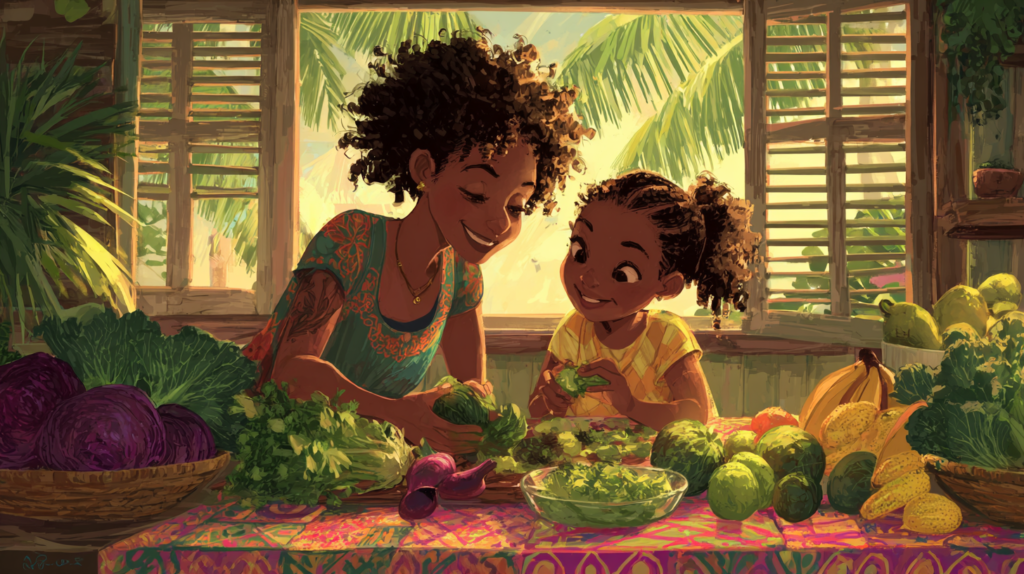
Why Your Child’s “Picky Eating” Might Actually Be Their Superpower (And How to Harness It)
Discover Your Child’s Taste DNA
Before we dive in, let’s uncover something fascinating about your little one. Answer this quick question:
When your child first tried broccoli or kale, what was their reaction?
Here’s something that might flip your entire approach to feeding on its head: that grimace your toddler makes when they taste bitter greens? It’s not stubbornness. It’s not them being “difficult.” It’s actually their biology working exactly as designed—and it might even be protecting them in ways you never imagined.
What if the very trait that makes dinnertime feel like a battlefield is actually a sophisticated genetic advantage that two-thirds of children possess? The truth is, your child isn’t rejecting vegetables to test your patience. They’re experiencing bitterness up to three times more intensely than you do, thanks to a fascinating quirk in their taste receptor genes.
But here’s where it gets really interesting: while that heightened sensitivity starts as a biological safeguard against toxins, it doesn’t have to stay that way forever. The palate is remarkably plastic, especially in childhood, which means you can actually help your child grow into someone who genuinely appreciates—maybe even craves—those nutrient-packed bitter greens that currently send them running. And the window to make this happen? It’s wider and more forgiving than you think.
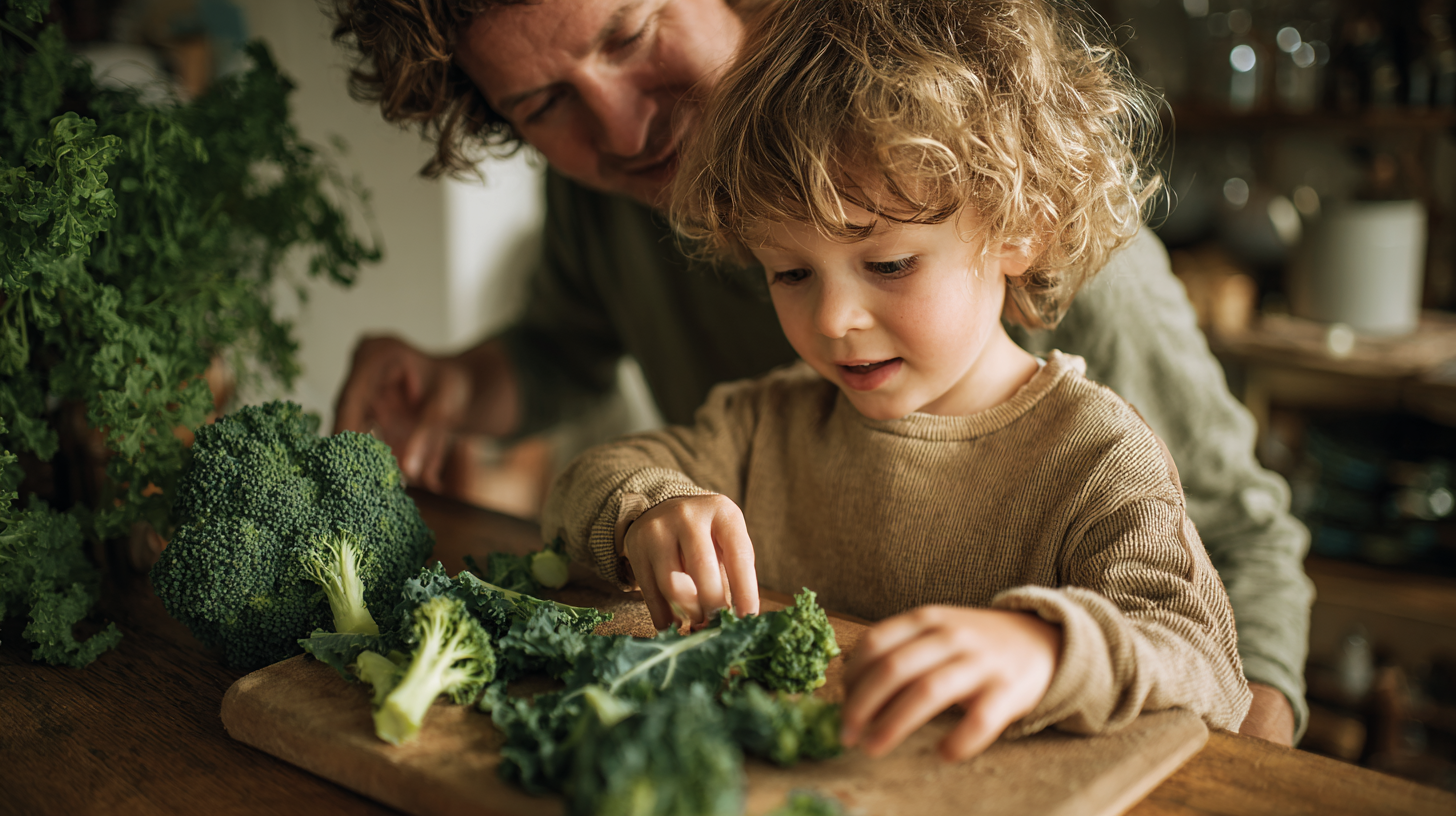
The Biology Behind the Battle: Why Bitter Tastes So… Bitter
Let’s start with the science, because once you understand what’s actually happening on your child’s tongue, everything else makes more sense. Bitter taste is detected by specialized receptors called T2Rs scattered across the tongue and even in other tissues throughout the body. These receptors evolved as an early warning system—a biological alarm that screams “potential poison!” when bitter compounds hit the tongue.
Think about it from an evolutionary perspective: thousands of years ago, a child who instinctively rejected bitter plants had a better chance of avoiding toxic leaves and berries. That heightened sensitivity wasn’t a flaw—it was survival insurance. And here’s the kicker: that same protective mechanism is still hardwired into your child today, even though the bitter foods you’re offering (like kale, Brussels sprouts, or broccoli rabe) are actually packed with health-promoting compounds rather than toxins.
Research on bitter taste receptors shows that genetic variations, especially in the TAS2R38 gene, create distinct “bitter-sensitive” and “non-taster” phenotypes. Roughly two-thirds of children fall into the bitter-sensitive category, meaning they experience bitter flavors much more intensely than adults or non-taster children. If your child recoils from broccoli while their cousin happily munches away, it’s not a character flaw—it’s genetics at play.
But biology isn’t destiny. Studies consistently show that repeated, low-pressure exposure to bitter vegetables—often 8 to 15 separate tastings—can significantly increase acceptance and intake, even among bitter-sensitive children. The catch? It has to be done without force, without pressure, and with an understanding that this is a gradual maturation process, not an overnight transformation.
Myth-Busting: What You Think You Know About Bitter Foods
Tap each myth to reveal the truth!
❌ MYTH: “Kids will outgrow pickiness naturally”
✅ TRUTH: Preferences don’t just appear with age—they’re shaped by repeated exposure and experience. Children who aren’t offered bitter foods during key developmental windows may never develop a taste for them, missing out on lifelong dietary diversity.
❌ MYTH: “Hiding vegetables is the best strategy”
✅ TRUTH: While sneaking veggies into smoothies or sauces can boost intake short-term, it doesn’t teach children to recognize, tolerate, or appreciate the actual flavor. True palate development comes from direct, repeated tasting—not masking.
❌ MYTH: “If they don’t like it after 2-3 tries, they never will”
✅ TRUTH: Research shows it takes 8-15 exposures (sometimes more!) for children to move from rejection to acceptance. Most parents give up way too early, right before the breakthrough would happen.
❌ MYTH: “Bitter vegetables aren’t that important anyway”
✅ TRUTH: Bitter greens like kale, collards, dandelion greens, and broccoli are among the most nutrient-dense foods on the planet—loaded with vitamins A, C, K, antioxidants, fiber, and anti-inflammatory compounds that reduce chronic disease risk throughout life.
The Health Goldmine Hiding in Those Rejected Greens
Here’s what makes this whole conversation worth having: the very foods your child is most likely to reject are also the ones that pack the biggest nutritional punch. Bitter vegetables—especially dark leafy greens and cruciferous vegetables—are nutritional powerhouses that deliver benefits far beyond basic vitamins and minerals.
A 2024 review on bitter compounds and polyphenols highlights that these phytochemicals contribute to reduced oxidative stress, improved metabolic markers, and lower risk of chronic diseases including heart disease, type 2 diabetes, and certain cancers. Bitter greens like kale, collards, dandelion greens, mustard greens, and broccoli rabe are rich in vitamins A, C, and K, along with potassium, calcium, magnesium, fiber, and a diverse array of antioxidants.
Recent research has even expanded our understanding of bitter taste receptors beyond the tongue, linking them to immune function, respiratory health, and infection resistance. T2R receptors play roles in innate immunity and inflammatory responses throughout the body, which means the bitter compounds in vegetables aren’t just tolerated—they’re actively beneficial at a cellular level.
But here’s the disconnect: public health guidelines urge families to eat more vegetables, especially bitter greens, while children’s biology is designed to reject them. This mismatch creates frustration, pressure, and mealtime battles. The solution isn’t to force your child to eat kale today—it’s to help them build a relationship with bitter flavors over months and years, so that by the time they’re making their own food choices, those nutrient-dense foods feel familiar, safe, and even enjoyable.
Reframing the Goal: Palate Maturation, Not Perfection
This is where the magic happens—when you stop seeing bitter vegetable acceptance as a checkbox to tick off and start viewing it as a long-term developmental journey. Just like learning to read more complex books or appreciate different types of music, developing a mature palate is a skill that grows with practice, exposure, and time.
The framing matters. Instead of thinking, “My child needs to finish their broccoli tonight,” shift to, “I’m helping my child’s taste preferences evolve over the coming months and years.” This isn’t about winning tonight’s battle—it’s about setting up your child for a lifetime of flexible, adventurous eating.
Leading researchers in child nutrition consistently emphasize that children’s initial rejection of bitter foods is normal and expected. Developmental studies show that preferences remain plastic throughout childhood, meaning the home food environment, parental modeling, and calm, repeated offers can meaningfully reshape children’s taste worlds. The key is creating opportunities for exposure without pressure, praise for trying without forcing, and patience as tiny tastes accumulate into genuine acceptance.
Think of it this way: every time your child takes a tiny taste of a bitter vegetable—even if they make a face—they’re building neural pathways that say, “This is safe. This is familiar. This is food my family eats.” Over time, those pathways strengthen, and what once felt threatening starts to feel normal. That’s palate maturation in action.
Your Child’s Bitter Acceptance Journey Tracker
Most parents underestimate how much progress they’re making because change happens slowly. Let’s map out where your child might be:
The Exposure Strategy: How to Actually Make This Work
So how do you turn biology and research into a practical dinner table strategy? The core principle is deceptively simple: repeated, low-pressure exposure. But the execution matters, and that’s where most parents either push too hard or give up too soon.
The evidence is clear: offering a small taste of a disliked or novel vegetable 8 to 15 times (or more) on different days, alongside familiar foods, can significantly increase acceptance. A randomized controlled trial even found that parent-administered exposure protocols, delivered through simple mailed instructions, were enough to increase preschoolers’ intake of a target vegetable. You don’t need elaborate strategies—you just need consistency and patience.
Start by offering a pea-sized bite—literally, as small as a single pea—of the bitter vegetable at meals where your child is already comfortable and eating well. Don’t make a big deal about it. Don’t hover or beg. Just put it on the plate, model eating it yourself with neutral or positive language (“I love how crunchy this is” or “This tastes peppery today”), and then let your child decide whether to try it.
Praise the behavior you want to see: “I noticed you touched the kale today—you’re so brave!” or “You took a tiny taste! Your taste muscles are getting stronger!” Focus on the exposure, not the volume consumed. Every single time your child interacts with that vegetable—even if it’s just looking at it or pushing it around the plate—they’re building familiarity.
Flavor-shaping techniques can help ease the transition. Research shows that serving bitter vegetables with dips like yogurt-based dressings, hummus, or even a bit of applesauce can increase intake among bitter-sensitive children without completely erasing the underlying flavor. Cooking methods matter too: roasting Brussels sprouts with a bit of oil and garlic, or sautéing kale with aromatics, can round off sharp edges and make the flavors more approachable.
If you’re looking for culturally rich, flavor-forward ways to introduce complex tastes early, the Caribbean Baby Food Recipe Book offers over 75 recipes that naturally incorporate ingredients like callaloo, dasheen bush, and bitter greens alongside sweet potatoes, coconut milk, and plantains. These recipes are designed to build adventurous palates from the start, making bitter acceptance feel less like a chore and more like a delicious family tradition.
When Genetics Meet the Dinner Table: Supporting Your Bitter-Sensitive Child
If your child is one of the two-thirds born with heightened bitter sensitivity, you’re not facing an impossible task—you’re just working with a different starting line. Bitter-sensitive children can absolutely learn to enjoy bitter vegetables; it just takes a bit more creativity, patience, and strategic exposure.
First, acknowledge that your child’s experience is real. They’re not being dramatic when they say broccoli tastes “yucky”—to them, it genuinely does. Validating their sensory experience (“I hear you—it tastes pretty strong, doesn’t it?”) builds trust and makes them more willing to keep trying over time.
Second, lean into flavor pairing and preparation methods that soften bitterness without hiding it completely. Pair bitter greens with naturally sweet elements like roasted sweet potatoes, ripe plantains, or a touch of coconut milk. The Caribbean Baby Food Recipe Book includes combinations like Sweet Potato & Callaloo Rundown and Caraille Green Mix, which balance bitter notes with creamy, comforting textures and just a hint of natural sweetness.
Third, don’t rely solely on dips and sauces forever, but use them strategically as a bridge. Studies confirm that bitter-sensitive children eat more vegetables when dips are available, but the goal is gradual weaning as tolerance builds. Start with generous dip portions, then slowly reduce over weeks and months as your child’s acceptance grows.
Finally, involve your child in the process. Let them wash, tear, or season the greens. Talk about how their “taste muscles” are training, just like their bodies get stronger with exercise. Frame bitter vegetables as a grown-up flavor that they’re learning to enjoy as they get older. Kids love feeling capable and mature—this narrative taps into that natural drive.
Flip & Discover: Smart Bitter Vegetable Pairings
Tap each card to reveal a pairing strategy that works with, not against, your child’s biology:
Kale
Pair with sweet roasted yam and a drizzle of coconut cream
Broccoli
Roast with garlic and serve alongside Plantain Paradise
Brussels Sprouts
Halve and sauté with a touch of honey and thyme
Collard Greens
Simmer in coconut milk with spices, serve over rice
Arugula
Mix with mild greens and top with sweet mango chunks
Mustard Greens
Blend into a mild curry with pumpkin and coconut
Real-World Scenarios: What Palate Maturation Looks Like in Action
Let’s make this concrete. Here’s how the principle of low-pressure, repeated exposure translates into everyday family life across different ages and stages.
Preschoolers (Ages 3-5): Offer a “learning bite” of lightly sautéed spinach or steamed broccoli twice a week alongside preferred foods like rice or chicken. Make it a predictable routine—maybe every Tuesday and Friday. Track exposures on a fun chart focused on tasting, not volume. Celebrate every interaction: “You touched it! You’re learning!” Keep portions tiny—truly pea-sized—so it feels achievable, not overwhelming.
School-Age Kids (Ages 6-10): Involve them in prep. Let them wash and tear kale for “kale chips,” then season together and bake. Taste as a family and talk about how everyone’s “taste muscles” are different and growing. Introduce rotations: one week it’s kale, the next it’s collard greens, then mustard greens. Use language like, “Your palate is maturing—you’re becoming a more adventurous eater!”
Tweens and Teens (Ages 11+): Shift to co-creation. Challenge them to find a bitter vegetable recipe they want to try, then make it together. Discuss the health benefits in terms they care about—clearer skin, better athletic performance, sustained energy. Frame bitter acceptance as a sign of sophistication and maturity, not compliance. At this age, peer influence and autonomy matter, so let them lead while you support.
Whole Family Approach: Rotate bitter greens in mixed dishes like soups, stir-fries, stews, or blended into sauces for pasta. Gradually increase the proportion of bitter vegetables as everyone’s comfort grows. If you’re drawing from Caribbean culinary traditions, recipes like Callaloo Rundown, Karaille Bhaji, or Dasheen Bush Silk (all featured in the Caribbean Baby Food Recipe Book) naturally incorporate bitter greens in flavorful, culturally meaningful ways that the whole family can enjoy.
Exposure Counter: Are You On Track?
Studies show 8-15 exposures are often needed. Let’s see where you stand with your child’s most-rejected vegetable.
The Early Years Advantage: Why Starting Young Matters (But It’s Never Too Late)
One of the most powerful insights from child nutrition research is that there’s a “critical period” from late pregnancy through early childhood when exposure to varied flavors—especially vegetables—can shape preferences for years or even decades to come. Babies exposed to vegetable flavors through amniotic fluid and breastmilk show greater acceptance of those vegetables during weaning and beyond.
This doesn’t mean you’ve “missed the window” if your child is older. Preferences remain plastic throughout childhood and even into adulthood. But it does mean that if you’re pregnant, breastfeeding, or introducing solids, you have a golden opportunity to build a foundation of flavor familiarity that makes bitter acceptance easier down the road.
During the complementary feeding period (roughly 6-12 months), babies are uniquely open to new flavors. Their neophobia—fear of new foods—hasn’t fully kicked in yet. This is the ideal time to introduce tiny tastes of mild bitter greens like steamed spinach, pureed kale, or finely minced callaloo mixed into familiar foods. Even if they make a face, keep offering. Facial expressions don’t always correlate with acceptance; babies often grimace at new flavors even when they’re willing to keep eating.
The Caribbean Baby Food Recipe Book is built around this principle, with age-appropriate recipes that introduce complex, authentic flavors—including mild bitterness from greens—starting at 6+ months. Recipes like Dasheen Bush Silk, Caraille Green Mix, and Lalo ak Kalbas (Jute Leaves and Squash Puree) are designed to gently train young palates while respecting Caribbean culinary traditions.
What the Experts Say (And What They Don’t)
Researchers at institutions like the Monell Chemical Senses Center and pediatric nutrition groups worldwide emphasize a consistent message: children’s bitterness avoidance is a normal biological starting point, not a behavioral problem. Genetic differences influence intensity of perception, but experience—specifically repeated, non-pressured tasting opportunities—can override many initial dislikes.
What’s interesting is the debate around flavor masking. Some experts worry that relying too heavily on dips, sauces, or mixing bitter vegetables into sweet smoothies may increase short-term intake but fail to teach children to truly recognize and appreciate the flavor. Others argue that any exposure is better than none, and that bridges like dips can be gradually reduced as tolerance builds. The consensus seems to be: use flavor enhancements strategically as a stepping stone, not a permanent crutch.
There’s also growing acknowledgment that access, culture, and family food traditions matter. Not all families have easy access to fresh bitter greens, and not all bitter vegetables are represented equally in mainstream nutrition research. Traditional bitter foods from African, Caribbean, Asian, and Indigenous cuisines often carry deep cultural significance, and helping children appreciate those flavors can be an act of cultural preservation and identity-building as much as a nutrition strategy.
Challenges You’ll Face (And How to Navigate Them)
Let’s be real: this isn’t always easy. The mismatch between children’s natural preferences and public health guidelines creates real tension. Kids are hardwired to prefer sweet and salty foods, while nutrition advice pushes vegetables, especially bitter ones. Add to that a food environment flooded with ultra-processed, hyperpalatable options, and you’ve got a perfect storm of resistance.
Pressure is a common pitfall. When you’re worried about your child’s nutrition, it’s tempting to push—”three more bites or no dessert!” But coercive tactics consistently backfire in research, often strengthening resistance and creating negative associations with the food. The challenge is to stay patient and trust the process, even when progress feels glacially slow.
Another challenge is the emotional labor of cooking separate meals or constantly offering foods that get rejected. It’s draining. But remember: you’re not offering these vegetables to get them eaten tonight. You’re offering them to build familiarity over time. Reframing the goal from “they need to eat this” to “they need to see and interact with this” can ease some of that frustration.
Finally, there’s the question of individual variability. Some kids are bitter-sensitive, some aren’t. Some are naturally adventurous, others are cautious. Some have sensory processing differences that make certain textures or flavors genuinely distressing. One-size-fits-all approaches don’t work. You need to observe your child, respect their cues, and adjust your strategy accordingly.
️ Your 30-Day Bitter Acceptance Challenge
Ready to put this into practice? Here’s a simple, pressure-free 30-day framework. Tap each week to see the focus:
Week 1: Exposure Without Expectation
Simply place a tiny piece of one bitter vegetable on your child’s plate 3 times this week. No pressure to taste. Just presence. Model eating it yourself. Track each exposure.
Week 2: Touch & Explore
Invite your child to help wash or prepare the vegetable. Encourage touching, smelling, talking about it. Offer tastes but celebrate any interaction, even non-eating ones.
Week 3: First Tastes
Introduce a “learning bite”—a pea-sized taste. Use a dip or pairing if needed. Praise trying, not finishing. Aim for 3-4 tasting opportunities this week.
Week 4: Building Routine
Make the bitter vegetable a regular (but not mandatory) part of 2-3 meals. Rotate preparations: raw, steamed, roasted. Notice any shifts in your child’s response. Celebrate the journey, not perfection.
Looking Ahead: What the Future Holds for Bitter Acceptance Research
The science of taste and feeding is evolving rapidly. Future research is likely to deepen our understanding of the links between bitter receptors, immune function, and systemic health, potentially leading to personalized dietary guidance based on individual genetic profiles. As more data confirm the protective effects of bitter phytochemicals against metabolic and inflammatory diseases, we may see bitter vegetables positioned not just as “healthy” but as essential preventive medicine.
In child-feeding practice, expectations are shifting. The focus is moving away from “get them to finish the broccoli tonight” toward “help them build a flexible, adventurous palate over months and years.” Digital tools, family-focused education, interactive recipe platforms, and community challenges are likely to expand, giving parents practical, step-by-step frameworks for introducing bitter foods in collaborative, autonomy-supportive ways.
Public health messaging is also evolving. Instead of framing vegetable acceptance as a moral imperative or a test of parental success, future campaigns may emphasize palate maturation as a developmental milestone—like learning to read or ride a bike. This reframing positions children as active learners and eases the shame and pressure that often surround feeding challenges.
Your Child’s Palate Is a Long Game Worth Playing
Here’s the truth that nobody tells you when you’re in the thick of feeding a vegetable-refusing toddler: this isn’t about tonight’s dinner. It’s about the eater your child becomes over the next five, ten, twenty years. Every tiny taste, every neutral exposure, every moment of curiosity you nurture is a vote for a future where they can walk into any kitchen, any culture, any meal and feel confident, capable, and open.
Bitter acceptance isn’t a battle to win—it’s a skill to build. And just like any skill, it takes time, practice, and patience. Your child’s heightened sensitivity to bitterness isn’t a flaw or a sign of failure on your part. It’s a biological starting point that can be gently, gradually reshaped through the power of repeated exposure, positive modeling, and cultural connection.
The foods you’re offering—those nutrient-dense, antioxidant-packed, anti-inflammatory bitter greens—are some of the most powerful tools for lifelong health. But they only work if your child learns to eat them, not just tonight, but for decades to come. And that learning happens slowly, bite by bite, meal by meal, without force or pressure.
So the next time your child makes that face at the kale on their plate, take a breath. Smile. Remind yourself: this is biology, not defiance. This is a palate under construction. And you’re not just feeding a child—you’re raising an eater. One who, someday soon, might surprise you by reaching for the bitter greens all on their own. Because they’ve learned, through your patient, persistent, pressure-free approach, that complex flavors are worth exploring. That growing up means expanding your tastes. And that the dinner table is a place of curiosity, not conflict.
That’s the kind of eater—and the kind of relationship with food—that lasts a lifetime.

Kelley's culinary creations are a fusion of her Caribbean roots and modern nutritional science, resulting in baby-friendly dishes that are both developmentally appropriate and bursting with flavor. Her expertise in oral motor development and texture progression ensures that every recipe supports your little one's feeding milestones while honoring cultural traditions.
Join Kelley on her flavorful journey as she shares treasured family recipes adapted for tiny taste buds, evidence-based feeding guidance, insightful parenting anecdotes, and the joy of celebrating food, culture, and motherhood. Get ready to immerse yourself in the captivating world of Kelley Black and unlock the vibrant flavors of the Caribbean for your growing baby, one nutritious bite at a time.
- The Feeding Revolution: Why Your Everyday Meals Are Changing the World - October 13, 2026
- Your Feeding Story Matters More Than The “Perfect” One Online - October 12, 2026
- Looking Forward: Stepping Into Your Confident Feeding Future - October 11, 2026