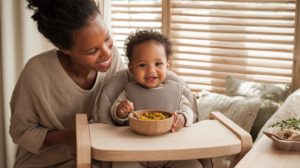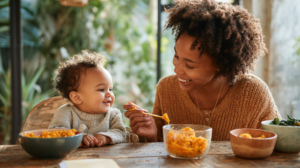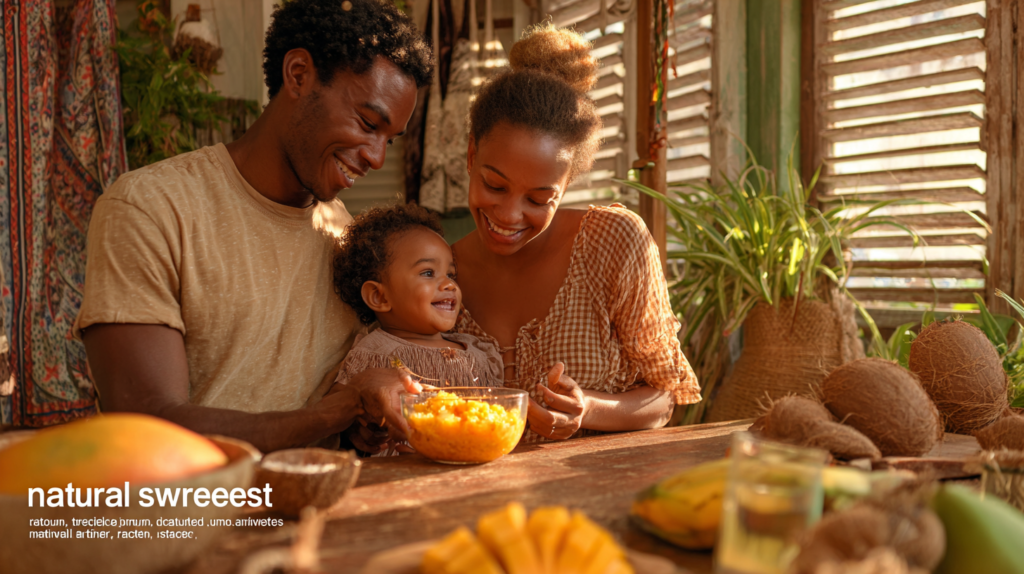
Raising a Sweet- Savvy Kid: How to Grow a Naturally Sensitive Palate (Without a Sugar Battle)
Tick what sounds familiar, then tap the button to reveal your family’s “sweetness starting point.”
Here is the quiet truth: children are born loving sweet tastes, but the modern food world turns that gentle preference into a constant sugar shout. Many parents feel stuck between wanting to protect their child’s health and not wanting mealtimes to feel like a war zone over juice boxes and cookies.
The good news? You do not have to “fight” your child’s sweet tooth. You can train it. Just like you help them learn words and rhythms, you can help their taste buds learn to spot the soft sweetness of a ripe mango, the gentle creaminess of coconut, or the earthy sweetness of roasted pumpkin. This article will show you how to develop your child’s palate so natural sweetness shines and added sugar can take a graceful step back.
By the end, you will have a science-backed, Caribbean-flavored game plan to move from “only sweets please” to “Mama, this pumpkin and coconut mash is so sweet!” – with interactive tools, simple swaps, and family-friendly rituals you can start this week.
Why Kids Love Sweetness (And How That Can Help You)
From birth, children are wired to love sweet tastes. Sweetness signaled safe, calorie-rich foods long before supermarkets existed, which is why even tiny babies relax and suck more strongly when they taste something sweet. This built-in “sweet tooth” is not a flaw; it is an ancient survival tool that today’s food industry has learned to amplify.
Researchers studying taste development have found that children not only like sweetness more than adults, they are less sensitive to it. In other words, they often need higher sugar levels to notice sweetness at all, and they tend to prefer more intensely sweet flavors in their early years. That is one reason foods like sugar-sweetened yogurt, juice drinks, and flavored cereals can quickly become their default “normal.”
At the same time, studies following children over time show that exposure matters. Babies and young children who frequently taste naturally sweet foods – like fruits, root vegetables, and whole grains – become more accepting of those flavors later. Taste is not fixed; it is a living, changing language their brain and body are constantly learning.
For parents, this means you are not powerless. Instead of trying to erase your child’s love of sweetness, you can redirect it toward gentler, naturally sweet flavors. Think of yourself as your child’s “sweetness guide,” helping their palate move from loud, artificial sweetness to softer, layered sweetness that comes wrapped in fiber, vitamins, and culture.
The Sugar Landscape Your Child Is Growing Up In
Today’s children grow up in a food landscape where sugar is everywhere: in breakfast cereals, flavored yogurts, granola bars, sauces, bread, and drinks. Public health data show that a large share of kids far exceeds daily recommended limits for added sugar, often without parents realizing it because so much of that sugar is hidden in everyday products.
At the policy level, schools and governments are starting to respond. Some places are tightening school meal standards to reduce added sugars, while others use front-of-pack labeling or taxes on sugary drinks. Community-based interventions in different countries have demonstrated that when families are guided to reduce sugary drinks and “treat” foods, children’s intake of discretionary sugar drops noticeably even within a few months.
• Children’s taste buds often need a stronger sweet signal to notice sweetness, so high-sugar products feel “just right,” while natural foods can seem “boring” at first.
• Studies tracking children over time show that early high added sugar intake is linked to a greater risk of chronic disease in adulthood.
• On the positive side, when families reduce sugary drinks and heavily sweetened snacks, kids gradually start to accept and even prefer less intense sweetness.
One particularly powerful finding from long-term research: children exposed to lower sugar diets early in life tend to show lower risk for chronic conditions and do not “miss out” nutritionally. Instead, their taste preferences often shift toward less sugary options, especially when family meals are consistent and flavorful. Family patterns – what is served, how often, and how it is talked about – matter more than any one cupcake.
Families of Caribbean heritage can turn this challenge into an opportunity. Many traditional dishes already celebrate natural sweetness – think pumpkin with coconut milk, ripe plantain, sweet potato, corn, soursop, papaya, guava, and millet porridges. When you bring those foods to your baby’s bowl in a calm, regular way, you are not only honoring culture; you are giving their palate a wider, more interesting world than any candy aisle can offer.
How Taste Buds Grow: The Science of a Sensitive Palate
Taste preferences begin forming even before birth. Flavors from the pregnant parent’s diet travel into the amniotic fluid, then later into breast milk, giving babies tiny “previews” of family foods. Early studies of flavor learning show that repeated exposure to certain tastes – like carrot, garlic, or anise – makes babies more accepting of those flavors when they start solids.
In infancy and early childhood, taste receptors and smell pathways are still developing. Researchers talk about a “flavor window,” roughly in the early toddler and preschool years, when children are especially open to learning new tastes. At the same time, they may respond very strongly to bitter or sour notes, which is why leafy greens and some vegetables are often rejected at first while sweet tastes feel safe and familiar.
Scientists also find that children vary in how sensitive they are to sweetness. Some can detect lower sugar levels; others need more to notice. These differences partly explain why one child happily eats plain yogurt with sliced mango while another insists on fruity yogurt cups. However, across the board, repeated exposure to less sweet options – offered without pressure – can shift what tastes “normal” over time.
The big takeaway: your child’s taste preferences are not a fixed personality trait; they are more like a playlist you curate together. The sooner you add naturally sweet tracks – roasted pumpkin, mashed sweet potato, plantain, papaya, guava, green banana, coconut-based porridges, and lightly spiced Caribbean purees – the more likely they are to become the “hits” your child asks for later.
For babies 6+ months, a Caribbean-style approach works beautifully. Simple purees like Papaya & Banana Sunshine, Batata y Manzana (white sweet potato with apple), or Calabaza con Coco (pumpkin and coconut milk) showcase natural sweetness and smooth textures. As your baby grows, dishes like Cornmeal Porridge Dreams, Ti Pitimi Dous (sweet millet cereal with cinnamon), and Sweet Potato & Callaloo Rundown gently layer sweetness with spices and savory notes, stretching their palate step by step.
If you want a ready-made roadmap of these kinds of meals, the Caribbean Baby Food Recipe Book: Easy & Healthy Homemade Meals for Infants & Toddlers is packed with over 75 recipes featuring sweet potato, mango, plantain, coconut milk, papaya, beans, and more. It makes it easier to consistently offer naturally sweet, culturally rooted dishes without having to invent recipes every week.
Hidden Sugar vs Natural Sweetness: What Parents Need to Know
One of the biggest challenges for busy parents is that sugar has slipped into many foods that do not look like dessert. Flavored yogurts, snack bars, some baby snacks, sauces, and even “healthy” drinks can carry a surprising amount of added sugars. Children’s biology makes them less sensitive to sweetness, so products are often formulated extra sweet to feel appealing.
At the same time, natural sweetness from whole foods often arrives with fiber, water, and micronutrients that slow down sugar absorption and support overall health. A ripe mango or roasted plantain will of course contain sugars, but in a package that also feeds the gut, supports growth, and introduces complex flavor notes. That difference – added sugar vs. naturally occurring sugar in whole foods – is crucial when thinking about palate development.
Tap the option that gently supports your child’s natural sweetness palate.
What nutrition researchers observe is that when children’s diets are dominated by intensely sweet processed foods, their baseline for “sweet enough” shifts upward. Then naturally sweet foods – a roasted pumpkin mash, a mango and banana puree, or a simple corn pudding – can taste flat or even bland at first. The key is to slowly bring that baseline back down by reducing added sugar while increasing exposure to whole, naturally sweet foods.
In the Caribbean context, this might mean slowly shifting from sweetened boxed drinks toward water flavored with slices of orange or pineapple, from commercial cookies toward snacks like Green Papaya Pleasure, or from packaged puddings toward Majarete Cream (fresh corn pudding) sweetened mostly with the corn and a modest amount of sugar or fruit. Each swap gently re-teaches your child where sweetness naturally lives.
Simple Strategies to Develop a Sensitive Palate
Think of the journey away from added sugar as a series of small, sustainable steps rather than a strict “no sugar ever” rule. Research on real families shows that multi-component approaches – combining home changes, school or daycare shifts, and gentle parent guidance – are more effective than one-off restrictions. The goal is not to ban treats but to shrink their share of your child’s taste world while expanding everything else.
Here are practical strategies you can start using this week to help your child recognize and enjoy natural sweetness:
- Set a “sweetness rhythm.” Decide when sweet foods belong (for example, one small sweet snack in the afternoon or a shared dessert on weekends) and when they do not. Predictability reduces begging and bargaining.
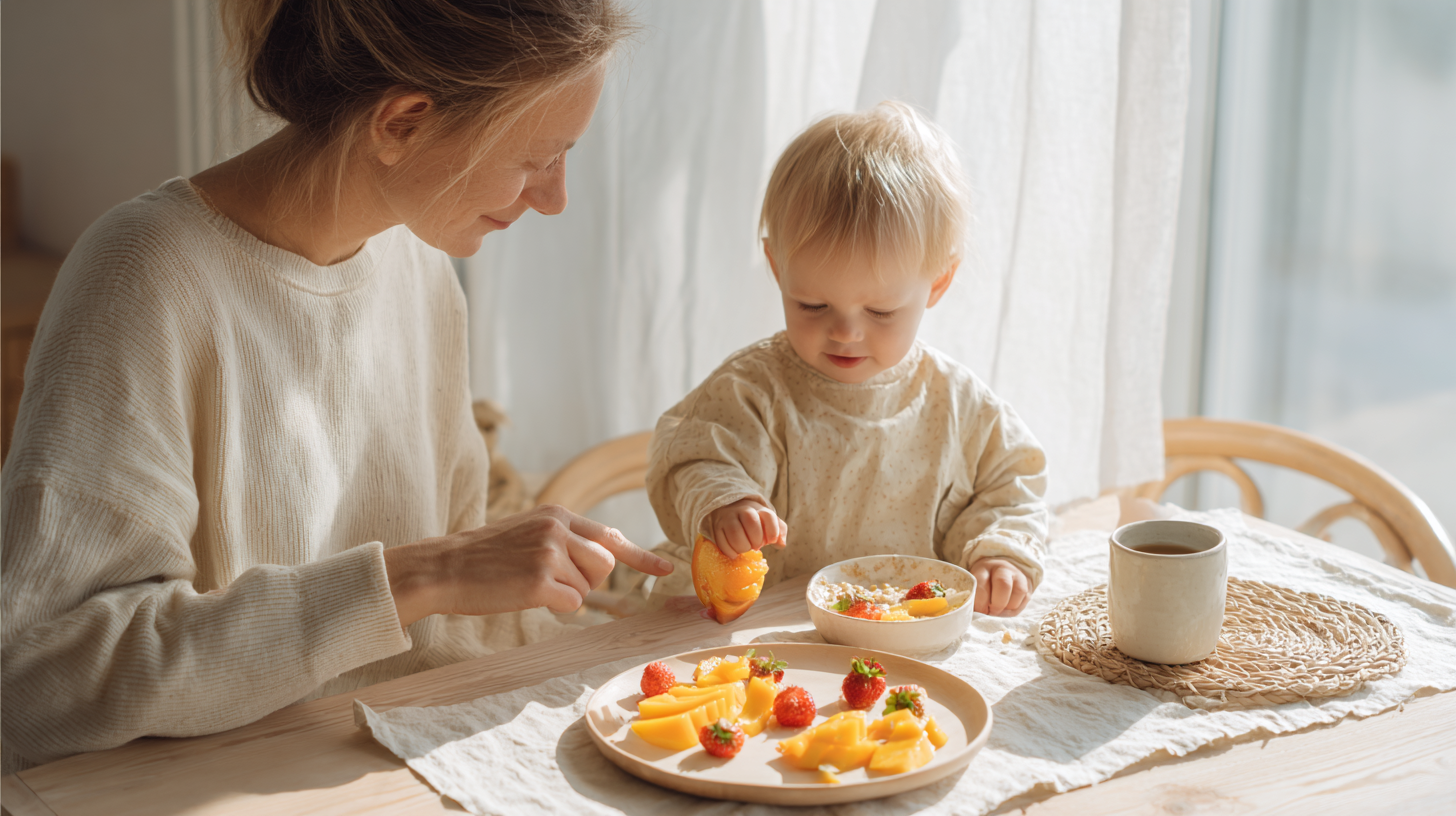
- Serve fruit as the default sweet. Offer ripe mango, papaya, banana, guava, soursop, or baked plantain as dessert or snack. Describe what you taste: “This mango is so sweet and juicy.” Naming sweetness helps kids notice it.
- Lean on creamy roots and grains. Sweet potato, pumpkin, yam, malanga, and millet porridge all have gentle sweetness that can be enhanced with coconut milk, cinnamon, and vanilla instead of sugar.
- Use “flavor bridging.” Pair a new, less sweet food with an old favorite. For example, mix mashed banana into Amerindian Farine Cereal, or stir a little Papaya & Banana Sunshine into plain yogurt.
- Slowly dilute and reduce. If your child is used to sweet juices or flavored milk, start adding water or plain milk a little at a time. Over weeks, their expectation for intensity will shift.
A helpful shortcut is to build your weekly menu around recipes that already balance natural sweetness with nourishing ingredients. In addition to the dishes mentioned above, recipes like Coconut Rice & Red Peas, Ti Pitimi Dous, and Sweet Potato & Callaloo Rundown gently expose children to sweetness wrapped inside complex flavors. You can find many of these in the Caribbean Baby Food Recipe Book: Easy & Healthy Homemade Meals for Infants & Toddlers, which organizes meals by age and ingredient so you can match recipes to your child’s readiness.
Caribbean-Inspired Ideas to Showcase Natural Sweetness
Growing up in a Caribbean home often means that sweetness shows up in more ways than just cake. There is the gentle sweetness of cornmeal porridge simmered with coconut milk, the caramelized edges of ripe plantain in the pan, the soft sweetness in pumpkin soup, and the honeyed perfume of a just-cut papaya. Those memories are powerful tools when you are feeding your own baby.
For babies 6–9 months, smooth purees and mashes are a great starting point. You might offer:
- Papaya & Banana Sunshine: a bright orange puree that blends two naturally sweet fruits, teaching your baby that dessert-level sweetness can come straight from nature.
- Batata y Manzana: white sweet potato and apple gently steamed and blended, pairing root vegetable sweetness with fruit, and creating a sweet taste that also offers fiber and slow-release energy.
- Calabaza con Coco: pumpkin cooked with coconut milk, creating a creamy, naturally sweet bowl that feels like comfort food for tiny bellies.
As your child moves toward 9–12+ months, you can introduce thicker textures and more layered flavors:
- Sweet Potato & Callaloo Rundown: subtle sweetness from sweet potato enriched with coconut milk and tender greens, gently seasoned so baby tastes both the sweet and the savoury.
- Coconut Rice & Red Peas: a smooth or lightly mashed version of this classic rice-and-beans dish offers creamy sweetness from coconut milk plus protein and iron from the peas.
- Ti Pitimi Dous (Sweet Millet Cereal with Cinnamon): a softly sweet cereal where most of the sweetness comes from milk, millet, and a whisper of spice rather than sugar.
These are not just recipes; they are tiny lessons in flavor literacy. Every spoonful teaches your child that sweetness can be creamy, nutty, fruity, earthy – not just “sugar.” To explore dishes like Green Papaya Pleasure, Guanabana Dreams (soursop), Plantain Paradise, and more, you can lean on the Caribbean Baby Food Recipe Book: Easy & Healthy Homemade Meals for Infants & Toddlers as your kitchen companion.
Each time you tap a step you have tried recently, the bar will fill to show how far along your “natural sweetness” journey you are.
What About Treats, Social Events, and Real Life?
No matter how intentional you are at home, there will be birthday parties, grandparents, school events, and random lollipops at the bank. Researchers looking at family sugar habits often find that social settings are one of the hardest places to keep added sugar in check. The goal, however, is not to wrap your child in a sugar-free bubble; it is to build skills and habits that travel with them into those spaces.
One helpful shift is to think less in terms of “forbidden foods” and more in terms of frequency and portion. Making sweets feel extremely special or forbidden can backfire, increasing their appeal. Instead, calmly decide ahead of time how often sweets fit your family values and how you will talk about them. For example, you might say, “We enjoy sweet party foods when we go out, and at home we mostly choose foods that help our bodies grow strong.”
At home, keep your focus on what you are adding, not just what you are taking away. If your weekly rhythm includes naturally sweet dishes like Cornmeal Porridge Dreams, Plantain Paradise, Sweet Potato & Callaloo Rundown, and fresh fruit snacks, then occasional cake at Grandma’s house becomes part of a balanced pattern rather than a disruption. Over time, your child learns that sweetness is just one color on their plate, not the entire canvas.
If you could introduce one new naturally sweet Caribbean-inspired dish this week, which would you choose?
Sweet Memories, Healthy Futures
When parents think about sugar, the conversation often gets stuck on fear: fear of cavities, weight gain, or future health problems. The research does confirm that early high added sugar intake is linked to greater risk of chronic diseases later in life. But the same body of research also tells a more hopeful story: children’s tastes are flexible, especially in the early years, and patterns built in family meals can soften those risks significantly.
Developing a sensitive palate is not about raising a child who never touches a cupcake; it is about raising a child who can notice the sweetness in roasted pumpkin, freshly cut guava, or a bowl of cornmeal porridge – and enjoy those foods just as much as the birthday treats. It is about teaching them that sweetness can be gentle, complex, and nourishing, not always loud and overwhelming.
One day, you might watch your child at a family gathering reach for a piece of ripe mango or a spoon of pumpkin and coconut mash alongside the dessert table, and realize: their taste buds have learned a new language. That is the long-term reward of the small steps you are taking now – diluting a drink here, serving fruit there, bringing Caribbean-inspired purees and porridges to the table, talking about flavors, and holding your boundary around everyday sweets without shame or drama.
If you are ready to make this easier on yourself, let your next grocery list be guided by a resource that already speaks this natural sweetness language. The Caribbean Baby Food Recipe Book: Easy & Healthy Homemade Meals for Infants & Toddlers gathers dishes like Batata y Manzana, Coconut Rice & Red Peas, Green Papaya Pleasure, Plantain Paradise, Ti Pitimi Dous, and more in one place. It turns the idea of “less sugar, more flavor” from a vague goal into a weekly rhythm you can actually follow.
Your child is already wired to love sweetness. Now you have the tools, the recipes, and the cultural flavor to help that sweetness grow in the healthiest, most joyful direction – one tiny spoonful, one shared meal, and one Caribbean-inspired memory at a time.

Kelley's culinary creations are a fusion of her Caribbean roots and modern nutritional science, resulting in baby-friendly dishes that are both developmentally appropriate and bursting with flavor. Her expertise in oral motor development and texture progression ensures that every recipe supports your little one's feeding milestones while honoring cultural traditions.
Join Kelley on her flavorful journey as she shares treasured family recipes adapted for tiny taste buds, evidence-based feeding guidance, insightful parenting anecdotes, and the joy of celebrating food, culture, and motherhood. Get ready to immerse yourself in the captivating world of Kelley Black and unlock the vibrant flavors of the Caribbean for your growing baby, one nutritious bite at a time.
- The Feeding Revolution: Why Your Everyday Meals Are Changing the World - October 13, 2026
- Your Feeding Story Matters More Than The “Perfect” One Online - October 12, 2026
- Looking Forward: Stepping Into Your Confident Feeding Future - October 11, 2026