The Freezer Revolution: How Cooking Once Can Feed Your Family for Weeks
Your Family’s Hidden Treasure Calculator
Ever wonder how much time and money disappears each week on last-minute meals? Let’s uncover the truth together.
Your Annual Impact:
What if I told you that one afternoon in your kitchen could eliminate the 6 PM weeknight panic for an entire month? That the freezer sitting in your home right now holds the power to give you back 156 hours every year—hours you could spend reading bedtime stories, taking evening walks, or simply breathing?
The freezer meal revolution isn’t about batch-cooking bland casseroles your family will tolerate. It’s about reclaiming your time, protecting your sanity, and yes—keeping flavors that make everyone ask for seconds. According to recent market data, the U.S. frozen food industry reached $49.9 billion in 2025, projected to hit $183.68 billion by 2034, driven largely by families seeking convenient, nutritious home meal solutions. But here’s what the industry won’t tell you: you don’t need to buy pre-made options when you can create a superior system at home.
After years of trial, error, and countless conversations with families who’ve mastered this approach, I’m pulling back the curtain on the comprehensive freezer meal system that’s transforming kitchens across the Caribbean and beyond. This isn’t just about recipes—it’s about building infrastructure that works when life gets messy.
Understanding the Freezer Meal System
A freezer meal system is more than throwing leftovers in plastic containers and hoping for the best. It’s a deliberate approach to preparing multiple meals during planned cooking sessions, then preserving them using proper techniques so they emerge from the freezer tasting fresh, not freezer-burned. The concept traces back to Clarence Birdseye’s quick-freezing innovations in the 1920s, but modern home systems leverage advances in packaging, labeling, and science-backed freezing methods.
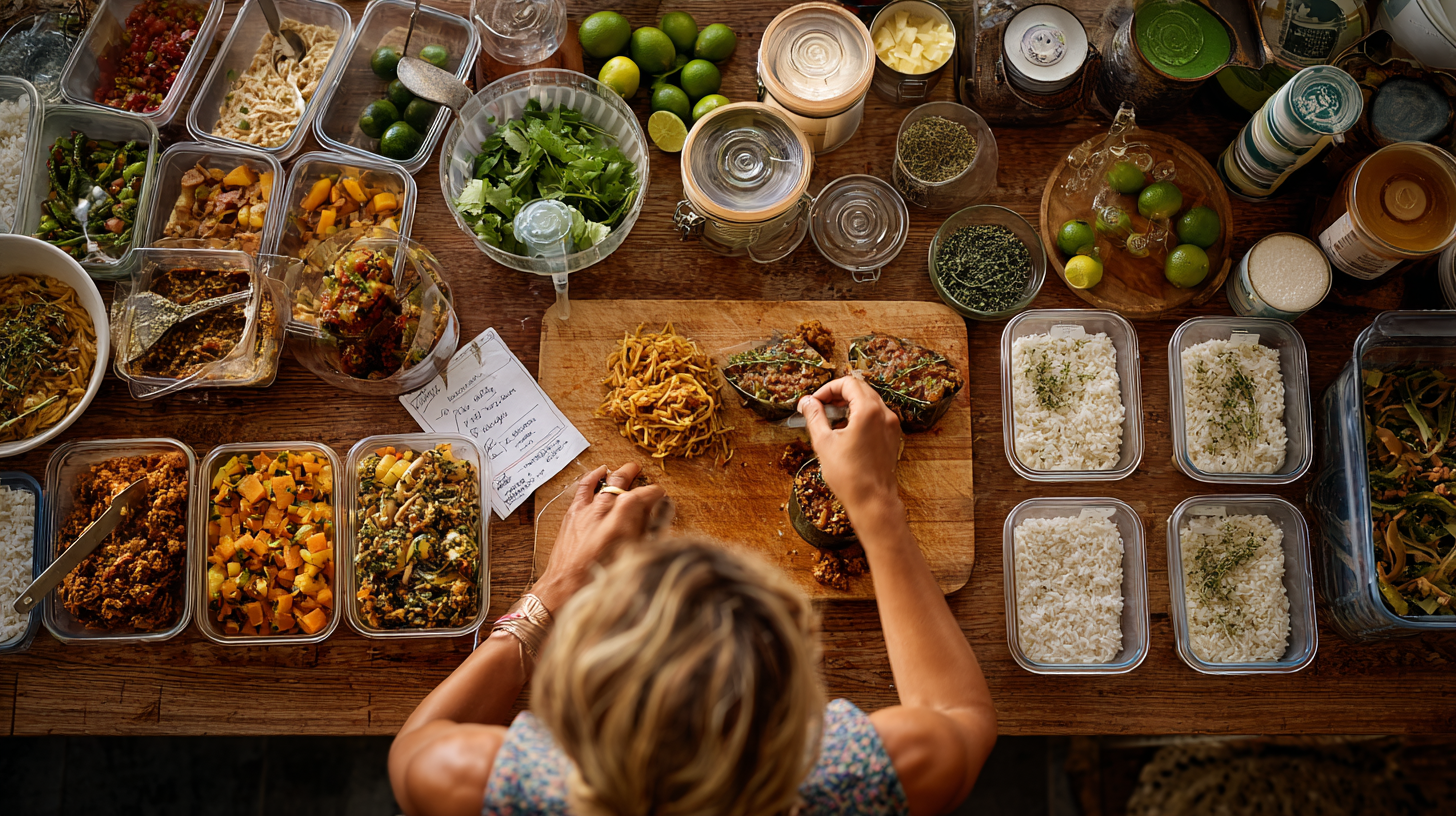
The beauty lies in the multiplication effect: one afternoon of cooking yields 10-15 ready-to-reheat meals. This system addresses the fundamental challenge busy families face—the decision fatigue and time crunch that hits hardest between 5-7 PM when everyone’s hungry and patience runs thin.
Current data shows household freezer unit sales reached 2.3 million in 2023 compared to 1.5 million in 2019, reflecting surging interest in home food storage post-pandemic. Families are recognizing what grandmothers knew all along: a well-stocked freezer equals peace of mind.
Caribbean Wisdom: In island households, we’ve always practiced versions of this—batch-cooking rice and peas, stewing large pots of oxtail, preparing provisions in quantity. The freezer meal system simply formalizes and expands what our elders knew: cook when you have energy, eat when you don’t. If you’re introducing your little ones to these rich flavors early, the Caribbean Baby Food Recipe Book features over 75 recipes using sweet potatoes, plantains, and coconut milk—ingredients that freeze beautifully for baby and family meals alike.
The Science Behind Successful Freezing
Not all foods freeze equally, and understanding why separates mediocre results from restaurant-quality meals pulled from your freezer. Flash-freezing technology—which freezes food rapidly at extremely low temperatures—preserves cell structure, preventing the ice crystals that cause mushiness. While commercial operations use specialized equipment, home cooks can approximate these results through strategic techniques.
Freeze flat for maximum efficiency. Lay soups, sauces, and stews in freezer-safe bags, press out air, and freeze flat on baking sheets. Once frozen, stack them like files—this maximizes space and minimizes thaw time. Research shows flat-frozen meals thaw up to 40% faster than block-frozen containers.
Remove air aggressively. Oxygen is the enemy. Use vacuum sealers when possible, or employ the water displacement method: submerge filled bags in water up to the seal, allowing pressure to push air out before closing. Even using a straw to suck out excess air reduces freezer burn risk significantly.
Temperature matters more than you think. Your freezer should maintain 0°F (-18°C) or below. Every 10-degree increase cuts safe storage time in half. Invest in a freezer thermometer—one of the cheapest insurance policies for your food investment.
Freezer Superstar Quiz: What Should You Batch Cook?
Discover which meals will deliver the biggest impact for your family’s freezer system.
Soups & Stews
Casseroles
Marinated Proteins
Breakfast Items
Grains & Sides
Burritos & Wraps
Foods with high water content need special handling. Vegetables like lettuce and cucumbers turn to mush when frozen raw because water expands during freezing, rupturing cell walls. However, cooked vegetables in sauces or soups maintain texture beautifully. Dairy-based dishes can separate—but adding a stabilizer like cornstarch or cooking with full-fat dairy products significantly improves results.
Building Your Recipe Arsenal
The global freezer meal market is projected to reach $80 billion by 2025, with a CAGR of approximately 6%, driven largely by dual-income households seeking quality convenience. But the most successful home systems focus on versatile, flavor-packed recipes that satisfy diverse palates.
Soups and stews reign supreme for good reason. Caribbean favorites like pepperpot, red pea soup with dumplings, and curry chicken stew emerge from the freezer tasting even better—the extended time allows flavors to marry. Avoid adding fresh herbs or starches until reheating; they compromise texture.
Casseroles offer one-dish convenience. Lasagna, shepherd’s pie, and macaroni pie freeze exceptionally well. Assemble completely but undercook by 10-15 minutes before freezing—they’ll finish cooking during reheating, preventing dry, overcooked results.
Marinated proteins deliver double benefits: the freezing process tenderizes meat while infusing flavor. Jerk chicken, curry goat, and teriyaki pork absorb marinades during thawing, emerging supremely flavorful. Freeze in portion sizes matching your family’s needs.
Breakfast solutions transform morning chaos. Banana pancakes, breakfast burritos filled with scrambled eggs and vegetables, and muffins freeze beautifully. Reheat directly from frozen—convenient when you’re barely conscious at 6 AM.
Island Adaptation: Caribbean recipes featuring coconut milk, beans, plantains, and root vegetables freeze exceptionally well. The Caribbean Baby Food Recipe Book includes family-friendly versions of classics like Coconut Rice & Red Peas, Sweet Potato & Callaloo Rundown, and Cook-Up Rice—all freezer champions that scale up beautifully for family portions while introducing babies to authentic island flavors.
The Labeling System That Actually Works
Here’s an uncomfortable truth: 40% of frozen meals never get eaten because families forget what’s in there or can’t identify mystery packages. A robust labeling system isn’t optional—it’s the difference between a functional system and a graveyard of freezer-burned good intentions.
Essential label information includes: food name (be specific—”chicken” versus “jerk chicken with rice and peas”), freeze date (not just month—include the day), use-by date (most cooked meals stay prime for 2-3 months), portion size (serves 4 versus serves 2), and reheating instructions (oven 350°F for 45 minutes, for example).
Use moisture-resistant, freezer-safe labels or permanent markers directly on bags. Regular adhesive labels peel in cold temperatures, rendering them useless. Position labels facing outward when stacking—you should identify contents without excavation.
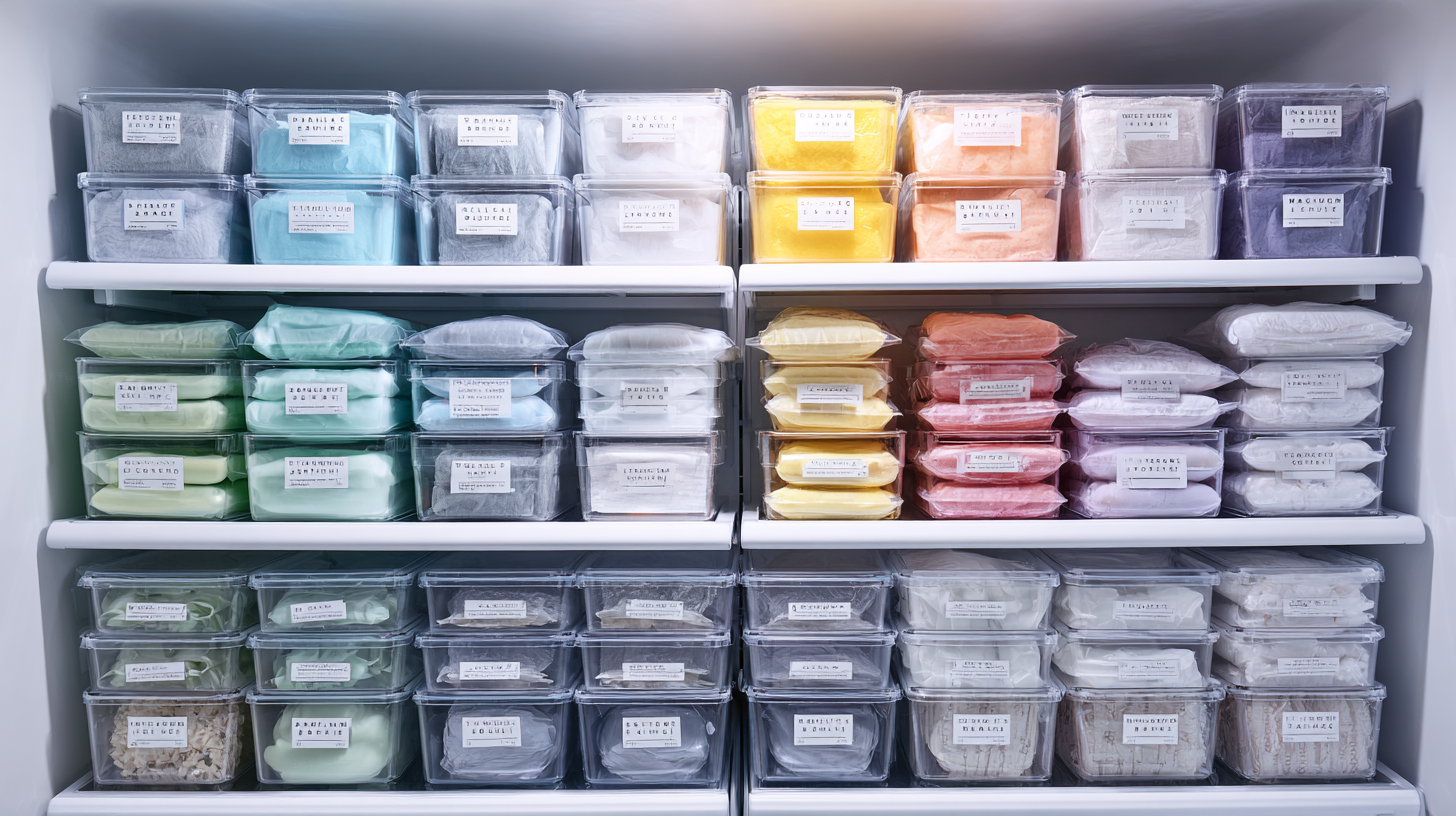
Color-coding elevates organization dramatically. Assign colors to categories: red for beef dishes, yellow for chicken, green for vegetarian, blue for breakfast. One glance reveals options without reading every label. Dollar-store colored tape or markers make this system virtually free.
Smart Label Content Revealed
Click to discover the hidden elements that separate amateur from expert freezer organization.
The Complete Freezer Label Template
TOP SECTION:
Meal Name: [Be descriptive – “Caribbean Curry Chicken with Rice”]
Freeze Date: [MM/DD/YYYY]
Use By: [3 months from freeze date]
MIDDLE SECTION:
Serves: [Number of people]
Heat Level: [Mild/Medium/Spicy]
⚠️ Contains: [Common allergens]
BOTTOM SECTION:
Reheat: [Method + Time + Temperature]
➕ Add Fresh: [Items to add when serving – “fresh cilantro, lime wedges”]
PRO TIP: Laminate a master list of your freezer inventory and post it on the freezer door. Check off meals as you use them. This prevents the “did we already eat that?” confusion and ensures rotation.
Digital options work brilliantly for tech-savvy families. Apps like Freezer Inventory Manager or simple spreadsheets allow you to track meals, search by ingredient, and receive notifications when items approach expiration. Photograph meals before freezing—visual references help picky eaters choose dinner options.
Mastering Thawing and Reheating Techniques
The safest thawing method remains overnight refrigerator thawing—slow, controlled, and bacterial-growth-proof. Transfer meals from freezer to fridge 24 hours before needed. For faster results, submerge sealed packages in cold water, changing water every 30 minutes. This method thaws most meals in 1-3 hours while maintaining food safety standards.
Never thaw on the counter beyond 2 hours—bacterial growth accelerates dramatically at room temperature. The USDA emphasizes this point repeatedly, yet many families ignore it, risking foodborne illness.
Microwave defrosting works in emergencies but produces uneven results. Use the defrost setting (30% power), rotate containers every 2-3 minutes, and expect some texture compromise. Foods with sauces fare better than dry proteins.
Reheating from frozen often delivers superior results, particularly for baked dishes. Add 50% more time to standard cooking instructions, covering with foil for the first half to prevent over-browning. A frozen casserole typically needs 90 minutes at 350°F, stirring halfway if possible.
Stovetop reheating suits soups, stews, and saucy dishes. Add 2-3 tablespoons of liquid (broth, water, or coconut milk for Caribbean dishes) to prevent scorching. Heat on medium-low, stirring frequently. Don’t rush this—low and slow prevents texture degradation.
Oven reheating restores crispy textures better than any other method. Frozen breaded proteins, casseroles with cheese topping, and baked pasta dishes benefit from uncovered oven time at 375°F. For even heating, let items rest at room temperature for 10 minutes before cooking.
The Rotation System That Prevents Waste
The “first in, first out” (FIFO) principle borrowed from commercial kitchens transforms freezer management. Every new meal goes to the back or bottom; older items move forward. This simple practice prevents the scenario where ancient meals fossilize in the back while new additions get repeatedly chosen.
Quarterly freezer audits catch problems before they become disasters. Set a recurring calendar reminder—first Saturday of each quarter works well. Remove everything, check dates, discard anything suspicious, and reorganize by category. This 30-minute investment saves money and prevents food waste.
Visible inventory systems dramatically improve rotation success. Use clear storage bins categorized by meal type—one for breakfasts, one for main dishes, one for sides. Wire baskets work excellently in upright freezers, while bins with handles suit chest freezers better.
Your Freezer Efficiency Score
Answer honestly to discover how your current system measures up—and what to fix first.
Question 1 of 5: How often do you find mystery meals you can’t identify?
Your Freezer Efficiency Rating:
Master lists posted on freezer doors eliminate guesswork. Create a printed inventory with checkboxes—laminate it and use dry-erase markers to update as you add and remove items. This low-tech solution often outperforms complex digital systems because it’s visible and requires zero device interaction.
Weekly Batch Cooking Sessions That Work
The most successful freezer meal practitioners dedicate 3-4 hours once or twice monthly to batch cooking, not daily cooking scaled up. This distinction matters—you’re entering a cooking marathon, not a sprint.
Choose recipes with overlapping ingredients to maximize efficiency. If you’re chopping onions for one recipe, chop for all recipes simultaneously. If the oven’s running for casseroles, roast vegetables for multiple dishes concurrently. This assembly-line approach can triple output compared to cooking recipes sequentially.
Prep everything before cooking anything. Dice all vegetables, measure all spices, prepare all proteins. Professional chefs call this “mise en place,” and it transforms chaotic cooking into smooth execution. You’ll spend 45 minutes prepping, then move through actual cooking with remarkable speed.
Strategic equipment deployment accelerates production. Run your slow cooker, Instant Pot, and stovetop simultaneously. Bake sheet pan meals while stovetop dishes simmer. My record: 18 complete meals in four hours using every appliance in strategic coordination.
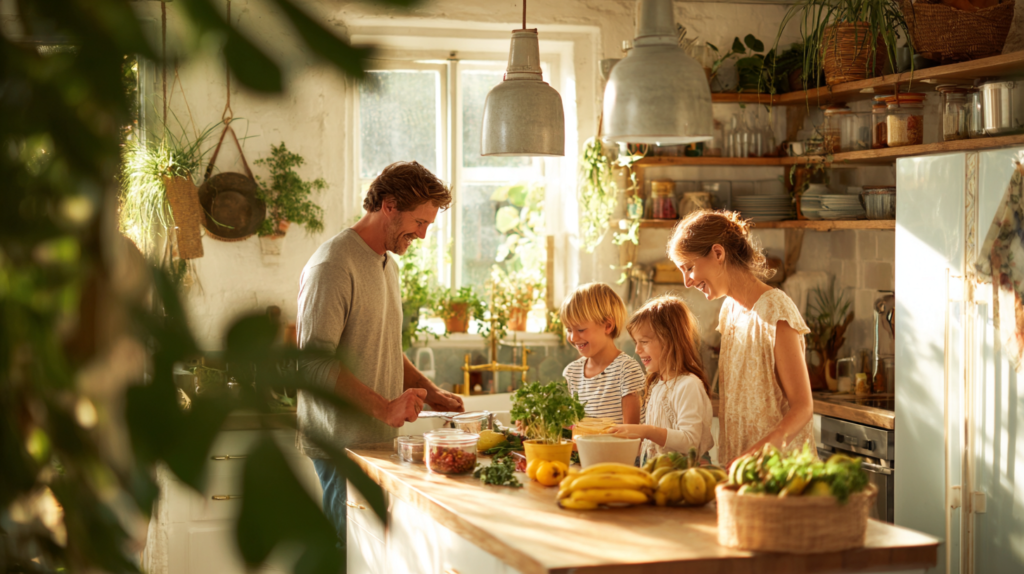
Recruit help—this shouldn’t be solo work. Partners can manage different stations. Older children can measure ingredients or assemble meals. Even toddlers can help with simple tasks while learning food skills. Family batch-cooking sessions build memories while building your freezer stockpile.
Budget Wisdom: Buy in bulk when meat goes on sale—chicken thighs, beef, pork shoulder—then immediately dedicate an afternoon to batch cooking. You’re effectively “shopping” your freezer later at pre-sale prices. This strategy alone saves families $100-200 monthly. Combined with nutrient-dense staples featured in the Caribbean Baby Food Recipe Book like beans, sweet potatoes, and plantains, you’re building affordable, nutritious meals that serve the whole family from baby through adulthood.
Packaging Solutions for Maximum Quality
Container choice directly impacts meal quality months later. Freezer-safe doesn’t mean the same as refrigerator-safe—pay attention to labeling. Materials must withstand temperature extremes without cracking or leaching chemicals.
Glass containers offer superior quality but require careful handling and significant freezer real estate. Leave 1-inch headspace for liquid expansion. Anchor Glass and Pyrex manufacture truly freezer-safe glass—cheap alternatives shatter under thermal stress.
Plastic containers labeled “freezer-safe” and BPA-free work well for most applications. Choose square or rectangular shapes over round—they stack more efficiently and maximize freezer space. Avoid containers with elaborate lids that prevent stacking.
Freezer bags deliver unmatched space efficiency and value. Lay filled bags flat to freeze, then stack vertically like files once solid. This technique fits 3-4x more meals than random container placement. Heavy-duty freezer bags (not storage bags) prevent freezer burn significantly better.
Aluminum pans wrapped tightly with heavy-duty foil excel for oven-ready meals. Buy them bulk at restaurant supply stores—far cheaper than retail prices. Once the meal’s reheated and served, disposal means zero cleanup beyond plates and utensils.
Vacuum sealers represent the gold standard for serious practitioners. Removing air extends storage life from 3 months to 6-12 months while maintaining restaurant-quality texture and flavor. Models start around $50—the investment pays for itself within months through reduced food waste.
Expert Perspectives on Long-Term Success
Dietitians advocate freezer systems for multiple reasons beyond convenience. Portion control becomes automatic—pre-portioned meals eliminate the “I’ll just have a little more” phenomenon that derails nutrition goals. Food waste drops dramatically, supporting both budget and environmental objectives. Families report eating more home-cooked meals, which consistently contain less sodium, sugar, and unhealthy fats than restaurant or takeout alternatives.
Industry leaders like Nomad Foods emphasize frozen food’s role in nutritious, balanced meal planning. Flash-freezing technology preserves nutrients often lost in fresh produce sitting in refrigerators for days. Frozen vegetables tested against “fresh” supermarket produce frequently contain higher vitamin content because they’re frozen at peak ripeness while “fresh” items were picked underripe for shipping.
Social media communities sharing freezer meal strategies report game-changing benefits: reduced decision fatigue, decreased evening stress, more family dinners together, and significant financial savings. One viral Reddit thread documented a family saving $847 monthly by eliminating takeout through consistent freezer meal use—that’s $10,164 annually returning to their budget.
Freezer Meal Myths Exposed
Think you know freezer meals? These shocking truths might surprise you.
The debate around taste quality continues, with opinions divided between purists who insist fresh always wins and pragmatists who appreciate frozen meals’ consistent quality. Reality lies between: properly frozen and reheated meals rival fresh cooking, while poorly executed freezer meals disappoint. Technique matters more than the freezing itself.
Navigating Challenges and Limitations
Not everything freezes successfully—acceptance prevents frustration. Cream-based sauces often separate unless stabilized with flour or cornstarch. Raw vegetables with high water content turn mushy. Fried foods lose crispness despite best efforts. Successful practitioners work within these limitations rather than fighting them.
Texture changes present the biggest complaint. Pasta continues absorbing liquid during freezing and reheating, often emerging overcooked. Cook pasta to barely al dente—underdone by 2-3 minutes—before freezing. The reheating process completes cooking to perfect texture.
Freezer burn results from air exposure, forming those unappetizing gray-white patches on frozen food. While not dangerous, it severely impacts taste and texture. Prevention beats cure: eliminate air from packaging, use proper containers, and maintain consistent freezer temperature.
Organization breakdown happens when enthusiasm fades after initial setup. Combat this by starting small—begin with 5-6 meals rather than ambitious 20-meal marathons. Success breeds motivation; early overwhelm breeds abandonment. Build habits gradually.
Space constraints challenge many families, particularly those with apartment-sized freezers. Prioritize flat freezing and vertical storage to maximize capacity. Consider whether a small chest freezer makes financial sense—models under $200 often pay for themselves within a year through enabled bulk buying and reduced takeout spending.
The Future of Home Freezer Meal Systems
Emerging technologies promise to revolutionize home freezer systems. Smart freezers with internal cameras let you view contents via smartphone—no more opening doors to check inventory. Temperature monitors alert you to concerning fluctuations before food spoils. IoT integration with meal planning apps suggests recipes based on current freezer inventory.
Personalization trends point toward AI-driven meal plan customization. Imagine apps that generate freezer meal plans matching your family’s dietary needs, preferences, and schedule, then auto-populate shopping lists with bulk-buying recommendations based on current sales. This technology exists in early forms; mainstream adoption approaches rapidly.
Sustainability focus drives innovations in eco-friendly packaging. Reusable silicone bags, compostable containers, and recyclable vacuum seal bags address environmental concerns while maintaining food quality. As climate consciousness grows, expect rapid advancement in sustainable freezer meal packaging solutions.
Plant-based and specialized dietary options expand continuously. The frozen food renaissance includes tremendous variety—gluten-free, keto, paleo, vegan options proliferate. Home systems benefit from this innovation as commercial products demonstrate what’s possible, inspiring creative home cooking.
Real Families, Real Results
Theory means nothing without practical application. Real families implementing comprehensive freezer meal systems report transformative results that extend far beyond convenience.
The Martinez family in Miami dedicates two Sunday afternoons monthly to batch cooking. They prepare 15-18 meals featuring Caribbean and Latin flavors their kids actually eat—no more dinner battles. Their monthly food budget dropped from $1,200 to $750, saving $5,400 annually. More importantly, they eat dinner together six nights weekly instead of three, with evening stress levels dramatically reduced.
Sarah, a working mother of three in Toronto, uses her freezer system to maintain her family’s Caribbean food traditions despite busy schedules. She batch-cooks Jamaican classics like curry goat, oxtail stew, and rice and peas—foods her children might otherwise rarely experience. “My kids are growing up tasting their heritage,” she explains. “The freezer makes that possible on Tuesday nights.”
The Chen-Williams family adapted freezer meal principles to accommodate multiple food allergies. They prepare allergy-safe versions of family favorites in individual portions, color-coded by which child can eat them. “Life-changing” barely captures their experience—reducing cross-contamination risk while ensuring every family member enjoys safe, delicious meals.
Budget-conscious families report the most dramatic savings. One single father documented saving $437 his first month by eliminating takeout and shopping sales aggressively. Six months in, he’d saved over $2,400—money redirected toward his daughter’s college fund. The freezer meal system transformed from cooking strategy to wealth-building tool.
Starting Small Success: Begin with just one or two meals you know your family loves. Master those before expanding. One family started with just Sunday batch-cooking cornmeal porridge and breakfast burritos—simple, beloved items. Once that routine felt effortless, they added dinner items. Within three months, they’d built a complete system without ever feeling overwhelmed. When you’re ready to expand into baby and toddler-friendly island flavors, explore the Caribbean Baby Food Recipe Book for recipes that freeze beautifully and scale up as your little one grows.
Creating Your Personalized System
Cookie-cutter approaches fail because every family differs. Your system must reflect your family’s unique needs, preferences, and constraints.
Start by auditing current eating patterns. What meals do you cook repeatedly? What takeout orders appear most frequently? Your freezer system should replicate successful meals, not force unwanted changes. Build from existing preferences rather than imposing theoretical “healthier” options nobody will eat.
Assess your time availability honestly. Can you dedicate four hours twice monthly? Or would six 45-minute sessions work better? Neither approach is superior—sustainability beats intensity every time. Design around your reality, not aspirations.
Consider equipment investments strategically. A $30 pack of quality freezer bags delivers more value than a $300 vacuum sealer for beginners. A $15 freezer thermometer matters more than fancy containers. Start minimal; upgrade as the system proves itself.
Involve family members in planning and execution. Children who help choose recipes and assist preparation become invested in success. Partners sharing labor prevents resentment. Freezer systems work best as family projects, not individual burdens.
Establish realistic goals. Five reliable meals beats twenty mediocre ones. Consistency trumps ambition. You’re building a sustainable practice, not winning a cooking competition.
Your Path Forward
The comprehensive freezer meal system I’ve outlined might seem overwhelming initially—that’s normal. But here’s the truth: you don’t implement everything simultaneously. You start with one small step, then another, building a system that serves your family’s unique needs.
Maybe your first step is simply organizing your current freezer and labeling what’s there. Perhaps it’s batch-cooking one favorite recipe this weekend. Or possibly it’s just buying proper freezer bags and committing to flat freezing from now on. Every journey begins with a single step—yours starts wherever makes sense for your current situation.
The families who succeed with freezer meal systems share one characteristic: they started imperfectly and learned through experience. They burned some meals, lost items to freezer burn, made labeling mistakes. But they persisted because the vision—reclaimed time, reduced stress, consistent family meals, significant savings—mattered more than temporary setbacks.
Imagine six months from now. You open your freezer and see rows of carefully labeled meals—familiar favorites and exciting new recipes. No panic, no takeout menus, no exhausted negotiations about what to eat. Just calm competence as you select tonight’s dinner, knowing your family will enjoy a delicious, nutritious, home-cooked meal you prepared weeks ago when you had time and energy.
That future is available to you. The freezer sitting in your home right now contains that potential. The question isn’t whether freezer meal systems work—evidence overwhelmingly confirms they do. The question is whether you’ll take the first step toward transforming your family’s meal routine.
The revolution happening in kitchens across the Caribbean and beyond isn’t about cooking better—it’s about living better. It’s about choosing presence over panic, planning over scrambling, purpose over exhaustion. Your freezer is the tool. The system is the method. The life you reclaim is the reward.
What will you do with the hours you get back? Where will you redirect the money you save? How will evening routines change when dinner stress disappears? Those aren’t hypothetical questions—they’re your near future if you commit to building this system.
Start today. Start small. Start imperfectly. Just start. Your future self—the one enjoying calm Tuesday evenings instead of chaotic takeout scrambles—will thank you for taking this first step. The freezer meal revolution begins now, in your kitchen, with your family’s unique needs. Everything you need is already in your hands.

Kelley's culinary creations are a fusion of her Caribbean roots and modern nutritional science, resulting in baby-friendly dishes that are both developmentally appropriate and bursting with flavor. Her expertise in oral motor development and texture progression ensures that every recipe supports your little one's feeding milestones while honoring cultural traditions.
Join Kelley on her flavorful journey as she shares treasured family recipes adapted for tiny taste buds, evidence-based feeding guidance, insightful parenting anecdotes, and the joy of celebrating food, culture, and motherhood. Get ready to immerse yourself in the captivating world of Kelley Black and unlock the vibrant flavors of the Caribbean for your growing baby, one nutritious bite at a time.
- The Feeding Revolution: Why Your Everyday Meals Are Changing the World - October 13, 2026
- Your Feeding Story Matters More Than The “Perfect” One Online - October 12, 2026
- Looking Forward: Stepping Into Your Confident Feeding Future - October 11, 2026