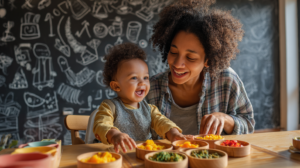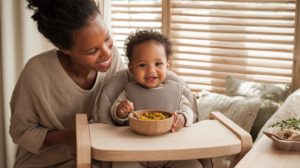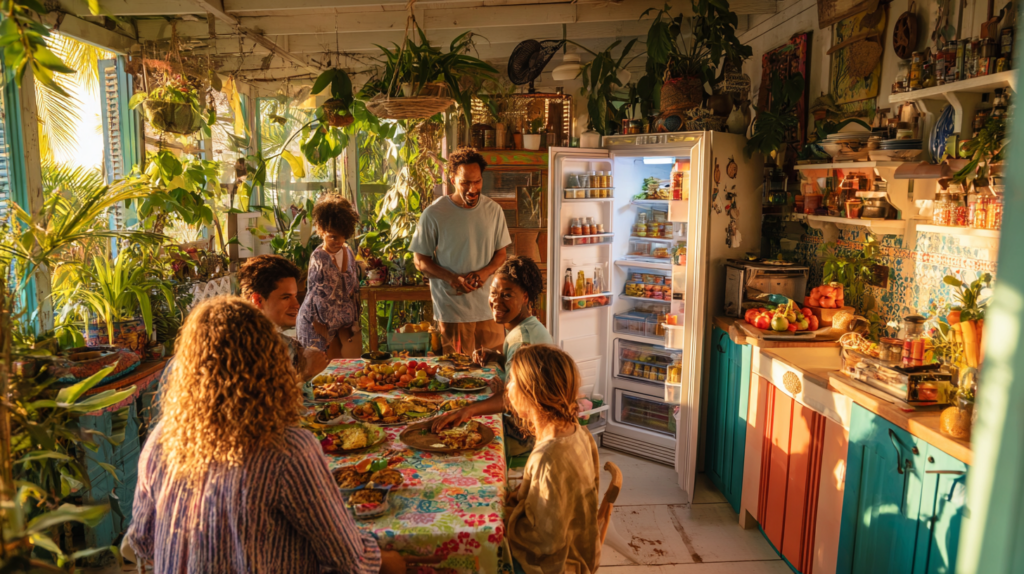
The Kitchen Rebellion: How One Plate of Leftovers Changed Everything
️ Your Leftover Reality Check
Before we dive in, let’s get real about your relationship with leftovers. Click the statement that hits closest to home:
Here’s what nobody tells you about leftovers: they’re not the problem. The way we’ve been taught to think about them is.
Last Tuesday evening, I stood in front of my fridge, staring at containers of rice, half a roasted chicken, some steamed vegetables that had seen better days, and a bowl of coconut milk. My daughter tugged at my shirt asking what’s for dinner, and my first instinct was to close that fridge door and order takeout. Again. Because who gets excited about reheated Tuesday food on a Wednesday night?
But something shifted in that moment. What if these weren’t leftovers at all? What if they were ingredients waiting for a second act—a transformation so complete that my family wouldn’t just tolerate dinner, they’d actually look forward to it?
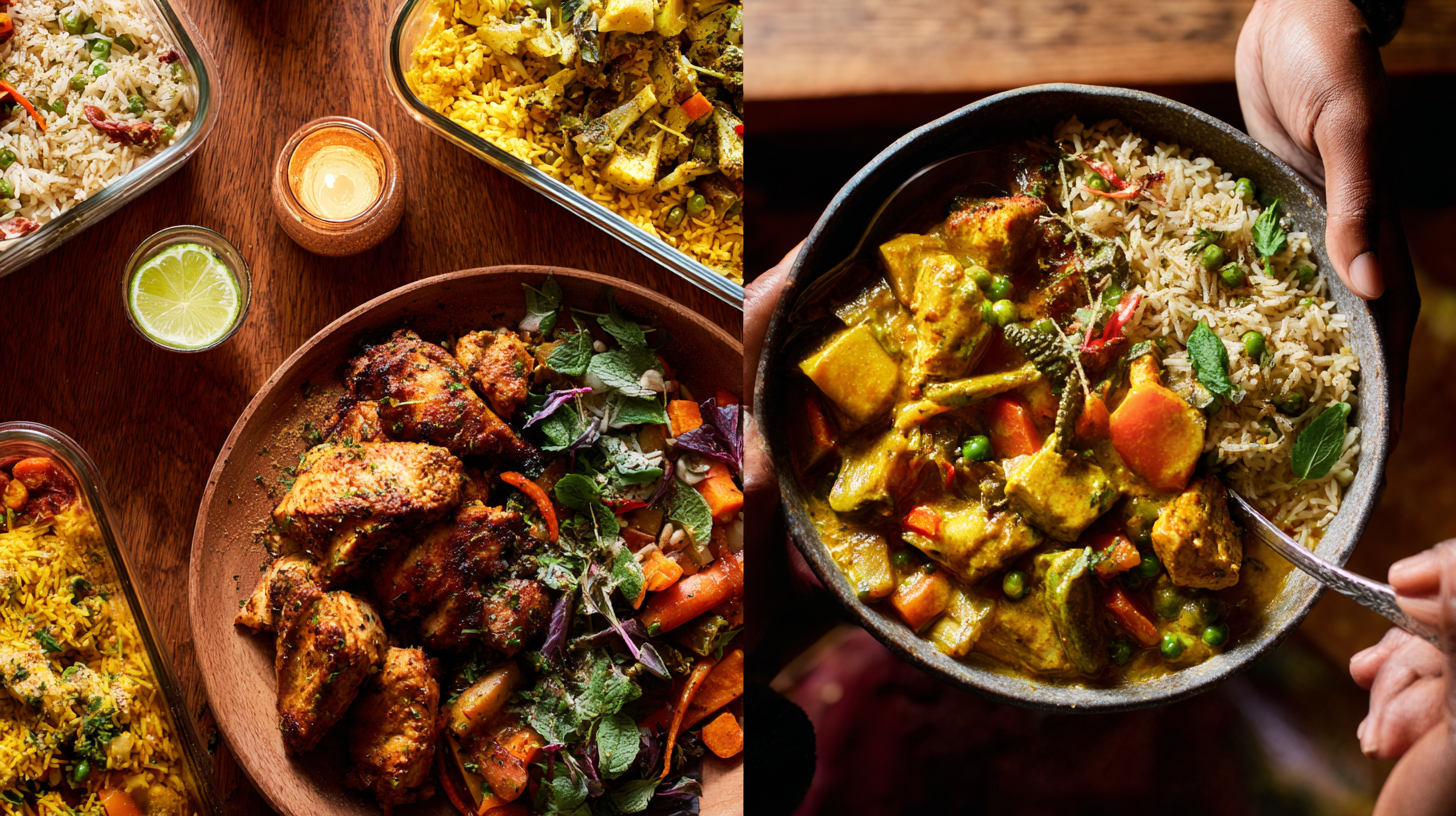
That night, those “boring leftovers” became something my grandmother would’ve called “provisions with purpose.” The rice got fried up with the vegetables and some curry powder. The chicken got shredded and folded into the coconut milk with a little scotch bonnet pepper and thyme—suddenly we had a Caribbean-inspired curry bowl that had my husband asking for seconds. The entire meal took 15 minutes and cost nothing extra. Zero waste. Zero complaints. And that, my friend, is where this journey begins.
The Shocking Truth About Food Waste
Every year, Americans throw away 73.9 million tons of surplus food—that’s 442 pounds per person annually. Think about that for a second. We’re literally tossing the equivalent of a small adult in food weight every single year. And here’s the part that really stings: about 85% of that surplus food ends up in landfills or incineration facilities, despite ambitious national goals to cut food waste in half by 2030.
The financial impact? Over $382 billion annually in the United States alone goes straight into the garbage. That’s money disappearing from your wallet, from your family’s future, from resources that could build memories around the dinner table instead of rotting in a landfill.
But here’s what changed everything for me: food waste isn’t really about the food. It’s about a broken relationship with creativity in our kitchens. Somewhere along the way, convenience became king and imagination got dethroned. We started seeing leftovers as inferior instead of seeing them as tomorrow’s blank canvas.
The research tells us that consumer misconceptions about food safety and quality are major barriers to leftover transformation. We’ve been conditioned to believe that day-old food is somehow less nutritious or less safe—when in reality, many dishes actually improve with time as flavors meld and deepen. That rice and peas from Sunday dinner? By Monday, those seasonings have married beautifully, creating a richer base for dozens of new meals.
What Our Ancestors Knew That We Forgot
Long before refrigeration, our grandmothers and great-grandmothers were transformation artists. They didn’t call it “reducing food waste”—they called it “making do” or “stretching provisions.” In Caribbean culture, this wisdom runs deep. Nothing went to waste because resources were precious and creativity was currency.
Historically, leftovers weren’t just a necessity—they were celebrated. During the Great Depression and war periods, transforming yesterday’s meal into today’s feast wasn’t just smart economics, it was survival art. Methods like pickling, fermenting, and drying extended food life and created entirely new flavor profiles. The industrial era brought canning and freezing, but it also brought something else: the stigma that fresh is always better.
That stigma is costing us dearly. Not just financially, but emotionally too. How many times have you felt guilty throwing away food? How often have you served the same reheated meal to sighs and complaints? That guilt and those groans are symptoms of a disconnected food culture that values convenience over creativity.
The Secret Caribbean Leftover Philosophy
Discover the 3 principles that transformed how island families turned every meal into tomorrow’s treasure. Click to reveal:
The Three Pillars of Caribbean Leftover Wisdom:
1. Texture Transformation: Never reheat the same way. Rice becomes fried rice, porridge becomes fritters, roasted vegetables become filling for pastries. Change the texture, change the experience entirely.
2. Flavor Layering: Yesterday’s mild becomes today’s bold. Add fresh herbs, spices, a splash of coconut milk, or a squeeze of lime. Each addition builds complexity that makes the dish taste brand new.
3. Purpose Shifting: Breakfast becomes lunch, dinner becomes breakfast. Side dishes become main courses. The transformation isn’t just culinary—it’s conceptual. When you shift the meal’s purpose, you shift everyone’s perception of it.
This is exactly why dishes like Cook-Up Rice, Pelau, and Oil Down exist—they’re transformation meals born from resourcefulness and elevated by creativity.
The Science Behind Why Leftovers Get Boring
There’s actual psychology at play here. Our brains are wired to seek novelty, especially when it comes to food. It’s an evolutionary survival mechanism—new foods meant new nutrients, new experiences meant learning opportunities. When we reheat the same meal in the same way, our brain registers it as “redundant input” and dulls our pleasure response. That’s why your kids groan at leftover night.
But here’s the beautiful twist: you don’t need entirely new ingredients to trigger that novelty response. You just need transformation. When you change the form, texture, or presentation of food, your brain processes it as something new. Roasted chicken becomes chicken salad, becomes chicken soup, becomes shredded chicken tacos—same protein, completely different dopamine response.
Recent research from school intervention programs like “Re-Licious” demonstrates this perfectly. When adolescents were taught to co-design recipes using leftovers, their attitudes toward food waste shifted dramatically. These weren’t just cooking lessons—they were creativity workshops that showed young people how resourcefulness could be exciting rather than restrictive.
Your Leftover Transformation Savings Calculator
Discover how much money (and food) you could save annually by transforming instead of tossing:
Your Annual Impact:
Money Wasted: $1,560
Food Wasted: 104 pounds
If you transformed just 75% of these leftovers, you’d save $1,170 per year—enough for a family vacation or a well-stocked pantry of quality ingredients!
The Five Transformation Categories That Change Everything
After experimenting with hundreds of leftover combinations, I’ve discovered that nearly every transformation falls into five categories. Master these, and you’ll never look at your fridge the same way again.
Category 1: The Texture Flip
This is where soft becomes crispy, smooth becomes chunky, or wet becomes dry. Yesterday’s mashed sweet potato becomes today’s sweet potato fritters. Leftover porridge gets pan-fried into crispy cakes that pair beautifully with eggs. The transformation is tactile and immediately noticeable—your family won’t recognize what they’re eating until you tell them.
In Caribbean cooking, this technique is everywhere. Leftover cornmeal porridge becomes turned cornmeal (sliced and fried). Rice becomes rice cakes. Even leftover provisions get mashed and formed into fritters with a little seasoning and a hot skillet.
Category 2: The Flavor Boost
Take something mild and make it sing. This is where spices, fresh herbs, citrus, and bold ingredients come into play. That plain roasted chicken gets shredded and tossed with scotch bonnet pepper, lime juice, and fresh cilantro—suddenly it’s the base for Caribbean chicken tacos or a spicy chicken salad.
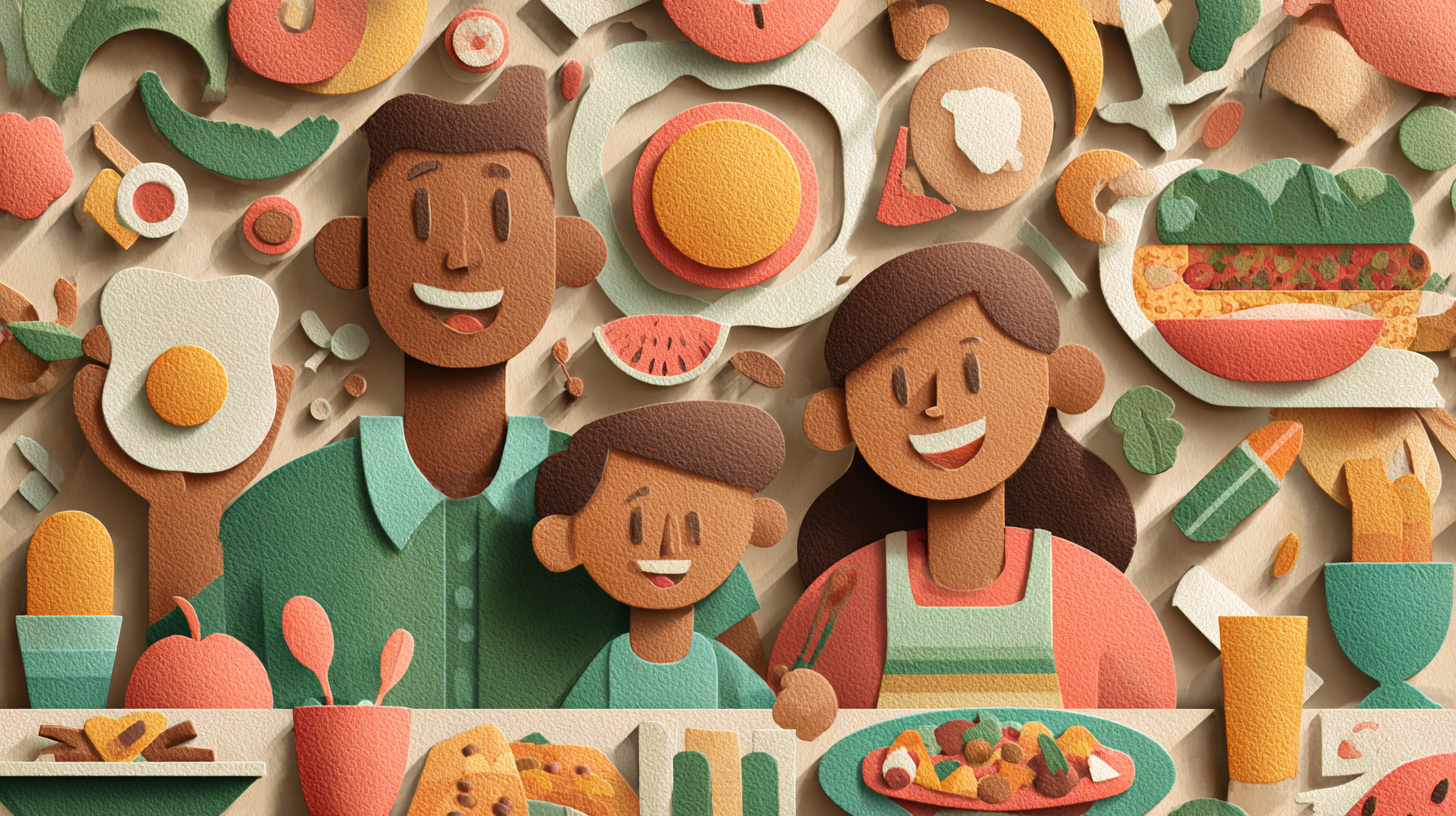
The key here is understanding flavor layering. You’re not trying to mask the original dish—you’re building on it. Leftover rice and peas gets a handful of fresh vegetables, a drizzle of coconut milk, and some curry powder. Now it’s a one-pot curry rice bowl that tastes intentional, not improvised.
This approach also works beautifully for baby and toddler meals. If you’re already making family dishes with ingredients like coconut milk, plantains, sweet potatoes, and beans, you can easily adapt portions for little ones. The Caribbean Baby Food Recipe Book includes over 75 recipes showing exactly how to transform adult meal components into age-appropriate purées and finger foods—teaching your children from day one that food is versatile, not fixed.
Category 3: The Format Switch
Change what the meal is, not just how it tastes. Dinner becomes breakfast. A side dish becomes the main course. Dessert becomes a breakfast porridge.
Leftover stewed peas? Blend it smooth, thin it with a little broth or coconut milk, and you have a hearty bean soup. Leftover roasted vegetables become the filling for a breakfast omelet or a savory hand pie. Leftover curry becomes a topping for baked potatoes or a filling for stuffed bell peppers.
Category 4: The Mix Master
This is where multiple leftovers come together to create something entirely new. It’s the ultimate creative challenge and often produces the most surprising results.
Leftover rice + leftover vegetables + leftover protein = fried rice, casserole, stuffed peppers, or soup base. The possibilities multiply exponentially when you start combining. I’ve made some of my family’s favorite meals this way—dishes that never would have existed if I’d been starting from scratch.
Category 5: The Deconstruction
Break down a complete dish into its components and rebuild it differently. Leftover pasta with sauce becomes baked pasta cups (portion into muffin tins, top with cheese, bake until crispy). Leftover casserole gets crumbled and used as a savory topping for baked mac and cheese or mixed into scrambled eggs.
This technique is particularly genius for picky eaters. When they don’t recognize the meal format, they’re more likely to try it. The flavors might be familiar, but the presentation is brand new.
You have leftover rice, half a roasted chicken, and steamed broccoli. Which transformation would you try first?
Building Your Leftover Transformation Toolkit
You don’t need fancy equipment or exotic ingredients to become a transformation expert. But you do need a strategic toolkit—ingredients and tools that act as bridges between yesterday’s meal and tomorrow’s masterpiece.
The Essential Flavor Bridges:
- Fresh herbs: Cilantro, parsley, thyme, and scallions can completely change a dish’s profile in seconds
- Citrus: Lime and lemon juice brighten flavors and make day-old dishes taste fresh again
- Coconut milk: Adds richness and transforms textures—turns rice into creamy rice pudding, vegetables into curry
- Hot peppers: Scotch bonnet, jalapeño, or even hot sauce adds excitement and masks “leftover taste”
- Aromatics: Fresh garlic, ginger, and onions create the illusion that you’re cooking from scratch
- Quality spices: Curry powder, allspice, cumin, and cinnamon transform mild into memorable
- Cheese and eggs: Both act as binding agents and add protein—perfect for transforming loose ingredients into cohesive dishes
The Game-Changing Tools:
- A good blender for soups, sauces, and smoothie bowls from leftover fruits
- Cast iron skillet for crisping, frying, and achieving that “fresh-cooked” texture
- Muffin tins for portioning casseroles, frittatas, and individual baked dishes
- Sheet pans for roasting and transforming multiple leftovers simultaneously
- Mason jars for storing and shaking together quick salad dressings and marinades
The beauty of this toolkit is that it works at every life stage. The same coconut milk and sweet potato that become a simple purée for your six-month-old (like the recipes in Caribbean Baby Food Recipe Book) can also transform leftover chicken into a creamy curry for the rest of the family. You’re not cooking separate meals—you’re cooking smart base ingredients that adapt to everyone’s needs.
Real Families, Real Transformations
Theory is beautiful, but practice is where the magic happens. Let me share some real transformations from families who’ve embraced this approach.
The Monday Night Miracle: Jasmine from Atlanta had leftover jerk chicken, plain rice, and some tired-looking bell peppers. She shredded the chicken, diced the peppers, scrambled everything together with eggs and a little cheese, then wrapped it in tortillas. Her kids dubbed it “Caribbean breakfast burritos” and now request it specifically. Total time: 12 minutes. Food waste: zero.
The Soup That Saved Thanksgiving: Marcus in Toronto had a fridge full of Thanksgiving remnants—turkey, mashed potatoes, green beans, stuffing. Instead of serving plate after plate of reheated holiday food, he threw it all into a pot with chicken broth, some thyme, and a splash of cream. Turkey pot pie soup. His family ate it for three days straight without complaint. He froze the rest in portions for quick lunches.
The Porridge Revolution: Keisha in London makes a big batch of cornmeal porridge every Sunday (her grandmother’s recipe with coconut milk and cinnamon). By Wednesday, what’s left gets sliced and pan-fried until crispy on the outside, creamy on the inside. Served with a fried egg and some sautéed greens, it’s become the family’s favorite mid-week breakfast.
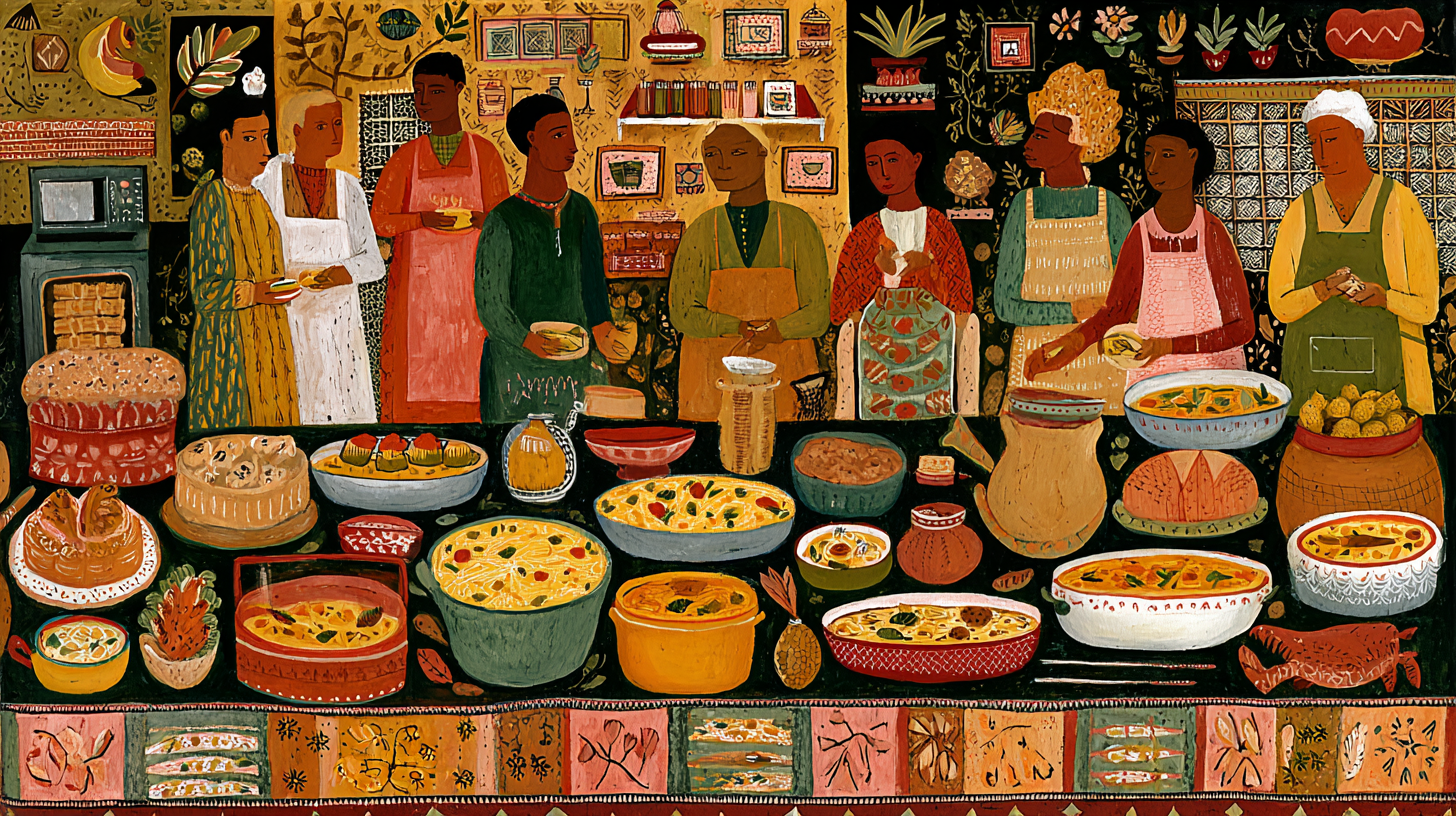
The Baby Food Bonus: When Maya started making homemade baby food for her daughter using Caribbean ingredients—yams, plantains, callaloo, coconut—she realized the adult portions could be transformed too. Leftover mashed plantain became plantain pancakes. Extra sweet potato and callaloo purée got mixed into scrambled eggs for toddler breakfast. The entire family started eating better because she stopped thinking in rigid meal categories.
These aren’t celebrity chefs or food bloggers—they’re regular parents and caregivers who decided that food waste wasn’t acceptable and boring leftovers weren’t inevitable.
Match the Leftover to Its Best Transformation
Test your transformation knowledge! Click one item from each column to create a match:
Teaching Kids the Art of Creative Reuse
One of the most powerful things you can do as a parent is model resourcefulness. When your children watch you transform leftovers into something exciting, you’re teaching them far more than cooking skills. You’re teaching them that limitations breed creativity, that waste isn’t inevitable, and that value isn’t always found in something brand new.
Make it a game. Friday night becomes “Invention Night” where everyone looks in the fridge and proposes a meal from what’s available. Let your kids pick the transformation technique—will it be fried, baked, souped, or wrapped? Give them age-appropriate tasks: stirring, seasoning, plating.
My daughter is four, and she already understands that “leftovers” is just another word for “ingredients waiting to happen.” When we open the fridge together, she doesn’t see old food—she sees possibilities. That shift in perspective is worth more than any cooking lesson I could ever give her.
For babies and toddlers, this means exposing them early to ingredient-based eating rather than meal-based eating. When you prepare a pot of coconut rice and peas, you portion some out before heavy seasoning for baby, season the rest for older kids, and add proteins or extra vegetables for adults. Everyone’s eating the same core ingredients, just adapted. This is the philosophy behind Caribbean baby feeding—foods that grow with your child rather than separate “baby food” that gets discarded once they age out.
The Social Media Movement You’re Already Part Of
If you’ve spent any time on TikTok, Instagram, or YouTube lately, you’ve seen the leftover transformation trend exploding. Home cooks are sharing everything from Thanksgiving leftover hacks to creative uses for yesterday’s takeout. These aren’t food waste guilt trips—they’re celebrations of creativity and resourcefulness.
What makes social media particularly powerful for this movement is the visual proof. When someone shows you how boring rice becomes a stunning fried rice bowl in 60 seconds, it demystifies the process. You see that transformation doesn’t require special skills or fancy equipment—it just requires a willingness to experiment.
Recent videos showing Caribbean leftover transformations have gone viral precisely because they challenge the narrative that ethnic foods are “difficult” or “time-consuming.” When you see someone toss leftover rice and peas with vegetables and curry powder in real-time, you realize it’s faster than ordering delivery and infinitely more satisfying.
The movement also validates what many immigrant and Caribbean families have been doing forever. These aren’t trendy new techniques—they’re ancestral knowledge getting the recognition it deserves. Your grandmother was a sustainability expert before it was cool. Social media just gave her methods a bigger audience.
Overcoming the Mental Barriers
Let’s talk about the real reason leftovers pile up in your fridge until they’re science experiments: mental barriers. It’s not that you don’t know how to reheat food. It’s that reheating feels uninspired, and inspiration requires energy you don’t always have after a long day.
The solution isn’t more recipes—it’s a mental shift. Here’s how to rewire your relationship with leftovers:
Barrier 1: “I don’t have time to be creative.”
Truth: Transformation takes less time than cooking from scratch and often less time than waiting for delivery. Fried rice takes 10 minutes. Soup takes 15. Quesadillas take 5. These aren’t elaborate projects—they’re quick pivots.
Barrier 2: “My family will know it’s leftovers.”
Truth: Only if you tell them. When you change the format, texture, and presentation, most people don’t make the connection. My husband has praised “new dishes” that were 100% leftovers transformed. The key is committing to the transformation rather than apologizing for it.
Barrier 3: “I’m not creative enough.”
Truth: Creativity in the kitchen isn’t about inventing new flavor combinations—it’s about pattern recognition. Once you learn the five transformation categories, you’ll start seeing patterns everywhere. Leftover X + technique Y = dinner Z. It becomes automatic.
Barrier 4: “What if it doesn’t turn out?”
Truth: Even “failed” transformations are usually edible and always educational. The worst-case scenario is you learn what doesn’t work. The best-case scenario is you create a new family favorite. The risk-reward ratio is heavily in your favor.
Your Leftover Transformation Journey
Track your progress as you master each transformation skill. Click each milestone as you achieve it:
The Bigger Picture: Sustainability Starts at Home
Every container of leftovers you transform instead of toss is a small rebellion against a wasteful food system. When 73.9 million tons of food go to waste annually in the U.S. alone, individual action matters more than we realize.
But this isn’t about guilt or perfectionism. You won’t transform every leftover, every time. Some meals will still end up in the compost or trash, and that’s okay. Progress, not perfection.
What matters is the cumulative effect. If you transform just one leftover meal per week that you would have otherwise thrown away, that’s 52 meals per year. Assuming an average value of $15 per meal, that’s $780 saved annually. If a million families did this, we’d collectively save $780 million and prevent thousands of tons of food from landfills.
The environmental impact extends beyond the food itself. Every meal you don’t cook from scratch saves energy. Every grocery run you skip because you used what you had reduces transportation emissions. Every time you choose transformation over takeout, you’re voting with your actions for a more sustainable food system.
And it ripples outward. Your children watch and learn. Your friends ask how you made that amazing dish from “nothing.” You share a transformation on social media and inspire someone else. Small actions create cultural shifts.
Caribbean Wisdom for Modern Kitchens
There’s something uniquely suited to leftover transformation in Caribbean cooking traditions. The cuisine itself was born from resourcefulness—enslaved Africans, indentured laborers, and indigenous peoples making extraordinary food from limited resources. Provisions were precious. Nothing was wasted. Every ingredient had multiple purposes.
This is why so many Caribbean dishes work beautifully as transformation vehicles. Rice and peas becomes fried rice or rice cakes. Stewed peas becomes soup or dip. Roasted provisions become mash, fritters, or casserole base. The foundational foods of Caribbean cooking—rice, beans, root vegetables, plantains, coconut—are inherently versatile.
The spice tradition also lends itself perfectly to transformation. When you have a well-stocked spice cabinet—allspice, cumin, curry powder, thyme, scotch bonnet—you can change a dish’s entire flavor profile in seconds. That’s the secret weapon. Plain becomes exciting with the right seasonings.
When you introduce your baby to these flavors early through recipes like those in the Caribbean Baby Food Recipe Book—where sweet potatoes meet coconut milk, where plantains meet cinnamon, where mangoes meet cardamom—you’re doing more than feeding them. You’re teaching their palate to appreciate complexity and their mind to see food as culturally connected and infinitely adaptable.
Your First Week of Leftover Transformations
Ready to start? Here’s a realistic one-week plan that doesn’t require you to overhaul your entire cooking routine:
Monday: Cook a large batch of rice and a protein (chicken, fish, beans). Eat half fresh. Refrigerate half.
Tuesday: Transform yesterday’s rice into fried rice with whatever vegetables you have. Shred leftover protein and add it in.
Wednesday: Make a fresh meal. Save deliberate leftovers (extra vegetables, extra starch).
Thursday: Combine Wednesday’s leftovers into either a soup (add broth), a casserole (add cheese and bake), or a grain bowl (arrange beautifully and add a sauce).
Friday: “Invention Night”—pull everything from the fridge and let family members vote on the transformation technique.
Weekend: Cook fresh meals, but store components separately so they’re easier to transform later.
Notice what’s happening: you’re not cooking leftovers every night. You’re strategically creating transformation opportunities while still enjoying fresh meals. This is sustainable because it’s flexible.
When Transformation Becomes Second Nature
Six months into this practice, something shifts. You stop seeing individual meals and start seeing ingredient systems. Your grocery shopping changes—you buy more versatile base ingredients and fewer single-use items. Your meal planning becomes fluid rather than rigid. Your stress around dinner decreases because you always have options.
You also start noticing transformation opportunities everywhere. Restaurant leftovers come home with purpose. Partial cans of coconut milk get frozen in ice cube trays for future curry. The sad vegetables in your crisper become soup stock. Nothing is written off as waste until you’ve explored its potential.
Your children develop a different relationship with food too. They see abundance in what you already have rather than scarcity. They understand that value comes from creativity, not cost. They’re more likely to eat what’s served because they helped imagine it into existence.
And here’s the unexpected gift: you become a better cook overall. Transformation requires you to understand flavors, textures, and techniques in a deeper way than following recipes ever could. You develop intuition. You taste and adjust. You experiment without fear. These skills transfer to all your cooking, not just leftover projects.
The Invitation You’ve Been Waiting For
This isn’t about becoming perfect or never wasting food again. It’s about shifting from passive consumption to creative participation in your kitchen. It’s about recognizing that the food already in your fridge holds more potential than you’ve been taught to see.
Every time you transform leftovers, you’re practicing a radical act of resourcefulness. You’re rejecting the narrative that convenience equals buying new things and embracing the truth that satisfaction comes from making extraordinary from ordinary.
You’re also connecting to a lineage of cooks who came before you—grandmothers and great-grandmothers who would marvel at our abundance while shaking their heads at our waste. They knew what we’re rediscovering: that the most memorable meals often come from necessity rather than plenty, from creativity rather than spending.
Start small. Pick one leftover this week that you’d normally toss or reluctantly reheat. Choose one transformation technique from this article. Commit 15 minutes to the experiment. Notice what happens—not just to the food, but to how you feel about your capabilities as a cook and a steward of your family’s resources.
Because here’s what I’ve learned standing in front of that fridge on countless Tuesday evenings: the ingredients for something amazing are usually already in your hands. You just have to be willing to see them differently.
The kitchen rebellion starts now. Not with a grocery haul or a meal plan overhaul, but with one container of leftovers and the audacity to imagine it could be something more. You already have everything you need. Let’s make something extraordinary.
A Final Note on Building Lifelong Habits: If you’re raising young children, the transformation mindset you model now will shape their relationship with food for decades. When they see you turning “scraps” into family favorites, they learn that resourcefulness is creative, not restrictive. Consider starting them early with culturally-rich, adaptable ingredients—the foundation recipes in the Caribbean Baby Food Recipe Book teach exactly this approach, with 75+ recipes that grow with your child from purées to family meals. Because the best legacy we can leave our children isn’t a spotless kitchen—it’s the confidence to create magic from what they already have.

Kelley's culinary creations are a fusion of her Caribbean roots and modern nutritional science, resulting in baby-friendly dishes that are both developmentally appropriate and bursting with flavor. Her expertise in oral motor development and texture progression ensures that every recipe supports your little one's feeding milestones while honoring cultural traditions.
Join Kelley on her flavorful journey as she shares treasured family recipes adapted for tiny taste buds, evidence-based feeding guidance, insightful parenting anecdotes, and the joy of celebrating food, culture, and motherhood. Get ready to immerse yourself in the captivating world of Kelley Black and unlock the vibrant flavors of the Caribbean for your growing baby, one nutritious bite at a time.
- The Feeding Revolution: Why Your Everyday Meals Are Changing the World - October 13, 2026
- Your Feeding Story Matters More Than The “Perfect” One Online - October 12, 2026
- Looking Forward: Stepping Into Your Confident Feeding Future - October 11, 2026