Whole Grains for Kids: Making the Switch from Refined Without the Battle
The Grain Swap Challenge: Flip & Discover
Tap each refined grain below to reveal its whole grain counterpart and discover what your child is actually missing out on. Each flip reveals a shocking nutritional truth.
Here’s something that stopped me cold in the grocery aisle last month: I watched a mother load her cart with organic vegetables, free-range chicken, and then toss in white bread, white rice, and refined pasta without a second thought. The truth is, we’re all guilty of this. We obsess over pesticides and hormones but completely overlook one of the most significant nutritional decisions we make for our kids every single day.
The reality? Most children today consume less than half the recommended whole grain intake, despite growing evidence that this single dietary change could reshape their health trajectory for decades to come. After school meal reforms pushed whole grain content higher, children’s fiber intake improved, but the moment they leave those cafeteria doors, intake plummets again. Because at home, we’re still serving the familiar white stuff.
But here’s where it gets interesting. This isn’t about perfection or completely overhauling your pantry overnight. It’s about understanding why whole grains matter, recognizing the sneaky barriers that keep us stuck in refined grain patterns, and learning the gradual, pressure-free strategies that actually work with real kids who have real opinions about their food.
What Makes Whole Grains Actually “Whole”
When I first started researching whole grains, I assumed it was just marketing hype. Turns out, the difference between whole and refined grains is dramatic, and it’s something most parents never learn.
Whole grains contain all three parts of the grain kernel: the fiber-rich bran, the nutrient-packed germ, and the starchy endosperm. Refined grains? They’re stripped down to just that endosperm, losing most of their fiber, B vitamins, iron, magnesium, and antioxidants in the process. It’s like serving your child a beautiful Caribbean mango with all the flesh scooped out and only the pit remaining. Sure, it’s still technically fruit, but you’ve thrown away everything that makes it valuable.
Historically, we ate far more whole grains before industrial food processing became widespread. Our grandparents didn’t have a choice between white and brown rice in most cases; they ate what grew, which was often whole. But somewhere along the way, refined became refined in both senses of the word—associated with wealth, status, and “better” food. White bread became aspirational. And nutritionally, we’ve been paying for it ever since.
Current dietary guidelines now recommend that at least half of children’s grain intake should come from whole sources, with some experts pushing for even higher proportions for toddlers. New research suggests two-thirds whole grains for young children ages 12-23 months could be optimal. Yet most kids don’t even hit the halfway mark.
The numbers don’t lie:
- Following WIC program updates, whole grain bread purchases in low-income households tripled—proving that when whole grains are accessible and normalized, families embrace them.
- Brown rice purchases jumped to 30% of all rice bought after policy changes made whole grains the default option.
- Despite school meal improvements, whole grain consumption still accounts for less than 50% of total grains for most children.
- Children who consume whole grains show significantly higher fiber intake and improved overall diet quality compared to peers eating mostly refined grains.
Translation: We know whole grains work. We know kids will eat them. The only thing stopping us is habit—and that’s something we can change starting today.
The Nutrition Benefits Your Pediatrician Wishes You Knew
Let me be straight with you: whole grains aren’t just “a little better” than refined grains. They’re fundamentally different foods with completely different impacts on your child’s developing body.
The fiber in whole grains does more than prevent constipation, though trust me, that alone is worth the switch if you’ve ever dealt with a toddler’s digestive drama. That fiber slows down digestion, which means more stable blood sugar levels throughout the day. No more sugar spike followed by the inevitable cranky crash an hour after snack time. It also means your child feels fuller longer, which can help prevent the constant snack-seeking that drives parents up the wall.
But the benefits run deeper. Whole grains are associated with improved diet quality overall in children. Kids who eat whole grains tend to consume more nutrients across the board, possibly because whole grain foods often come packaged with other healthy choices. The B vitamins in whole grains support brain development and energy metabolism—critical for kids whose brains are growing at lightning speed. The magnesium supports hundreds of biochemical reactions in their bodies, including muscle and nerve function.
Age-Based Whole Grain Guide
Select your child’s age to see exactly how much whole grain they need and what that actually looks like on their plate:
One thing that surprised me during my research: whole grains aren’t just about what they add, but what they displace. When kids fill up on whole grain foods, there’s simply less room for the ultra-processed junk that offers nothing but empty calories. It’s nutritional crowding-out at its finest.
And if you’re raising kids who love Caribbean flavors like I am, you’re in luck. Many traditional Caribbean staples already lean toward whole grains and fiber-rich foods. Think provisions like sweet potato, breadfruit, and cornmeal. If you’re looking for ways to introduce those authentic island flavors while building healthy whole grain habits, the Caribbean Baby Food Recipe Book offers over 75 recipes featuring whole grain-friendly ingredients like oats, cornmeal, and millet alongside classic Caribbean provisions.
Why Kids Resist Whole Grains (And It’s Not What You Think)
Let’s talk about the elephant in the kitchen: texture resistance. Parents tell me all the time, “My kid won’t eat brown rice,” or “She says whole wheat bread tastes weird.” And I get it. I’ve been there, watching my own child pick at a perfectly good whole wheat sandwich while eyeing their friend’s Wonder Bread with envy.
But here’s the thing: it’s rarely about the actual taste. Most of the time, it’s about familiarity. Our brains are wired to prefer what we know, what feels safe. If your child has been eating white rice since they started solids, brown rice isn’t just different—it’s wrong in their mind. The color’s wrong, the texture’s wrong, the chewiness is wrong. It’s not that they hate whole grains. They just love what they know.
Research on sensory acceptability shows that with repeated exposure—and I mean truly repeated, like 10-15 times, not the three tries we usually give before declaring defeat—kids’ acceptance of whole grain foods grows significantly. The catch is that exposure has to be pressure-free. The minute you start pushing, pleading, or bribing, you’ve turned food into a battleground, and nobody wins that war.
What’s Your Texture Resistance Strategy?
Discover your best approach based on your child’s eating personality:
Another hidden barrier: social media misinformation. I’ve seen posts claiming whole grains spike blood sugar dangerously or cause digestive problems in all children. The truth? For healthy kids, whole grains actually stabilize blood sugar better than refined grains, and while some children do have sensitivities to certain grains, that’s the exception, not the rule. The benefits far outweigh the risks for the vast majority of children.
Price and accessibility can also be obstacles, particularly for families on tight budgets. Whole grain products often cost more and may not be available in all neighborhoods. But here’s where policy changes have shown promise: when programs like WIC made whole grains the default option and provided them at no extra cost, families embraced them. It’s not that people don’t want better nutrition for their kids—sometimes the barriers are simply too high.
The Gradual Transition Strategy That Actually Works
Forget the cold turkey approach. Forget dumping all your white rice and declaring that from now on, this is a whole grain household. That’s a recipe for rebellion, tears, and you sneaking refined grains back in within a week.
The strategy that works—backed by research and real parents in the trenches—is stealth health through gradual substitution. You’re not trying to trick your kids; you’re giving their taste buds time to adjust without the drama.
Start with mixing. Cook half brown rice, half white rice in the same pot. Make pasta that’s 50-50 whole wheat and regular. Buy bread made with white whole wheat flour, which has a milder flavor and lighter color than traditional whole wheat. Your kids might not even notice the difference, and if they do, it’s subtle enough that they’re unlikely to revolt.
Here’s where it gets fun: let them choose within boundaries. “We’re having whole grain pasta tonight—do you want the spiral shape or the penne?” You’ve made the grain decision, but they get autonomy over something else. Kids who feel they have some control are far more likely to cooperate.
Your 4-Week Whole Grain Transition Plan
Follow this week-by-week roadmap to make the switch without the stress:
Pair new whole grains with familiar favorites. If your child loves cheese, serve whole grain crackers with their favorite cheese. If they’re obsessed with a particular dip, use that dip with whole grain pita. You’re creating positive associations, linking the new texture with flavors they already trust.
And never, ever underestimate the power of family modeling. Kids watch everything we do. If you’re serving them brown rice while eating white rice yourself, they notice. If you wrinkle your nose at whole wheat bread while expecting them to eat it happily, they pick up on that too. Make whole grains the norm for everyone in the house, and suddenly they’re not weird or special—they’re just food.
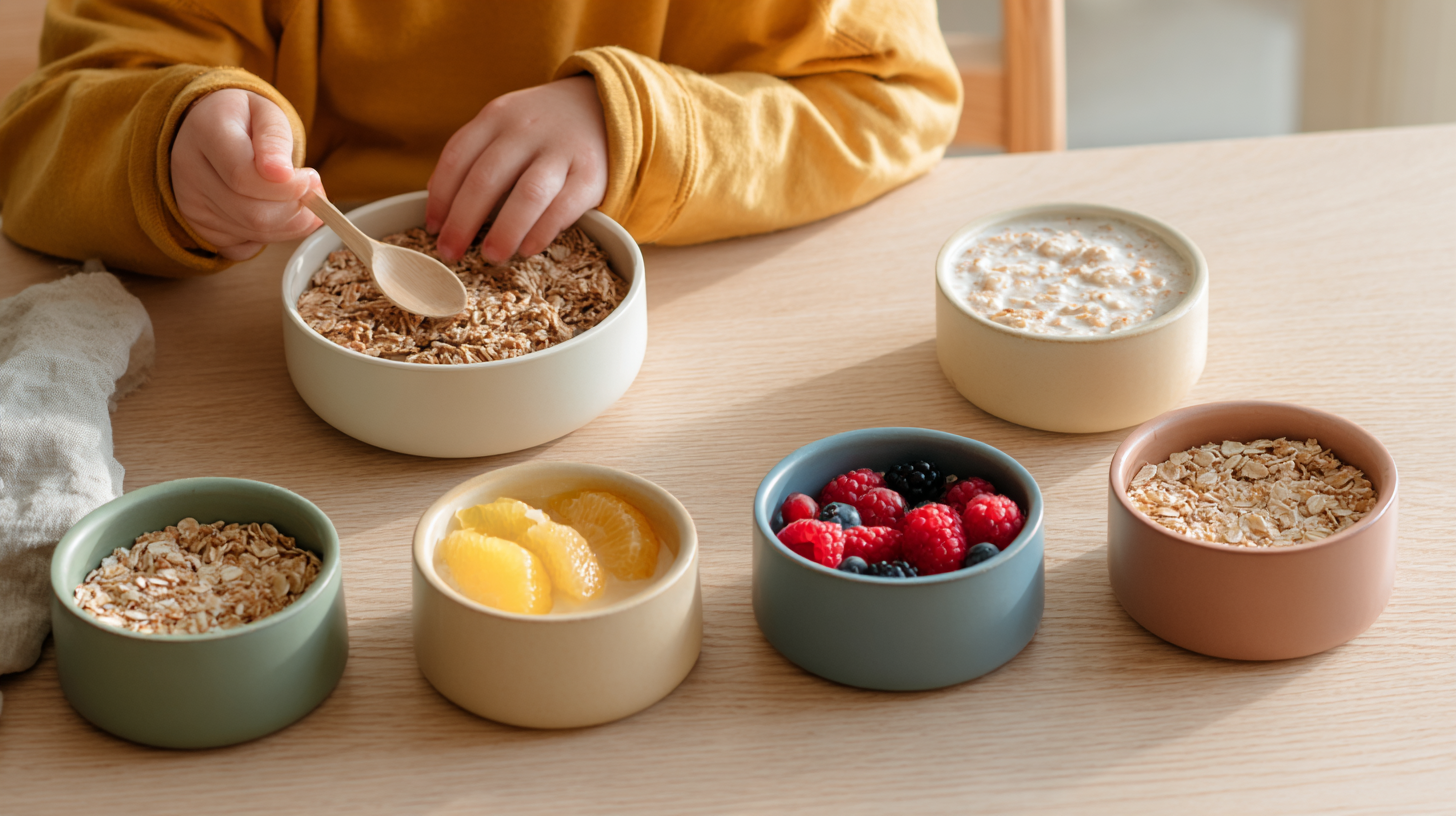
For families introducing solids to babies and toddlers, this is your golden window. Start them on whole grain cereals like oats, introduce whole grain porridges early, and you’ll skip the resistance phase entirely. The Caribbean Baby Food Recipe Book includes recipes like Cornmeal Porridge Dreams and Amerindian Farine Cereal that use whole grain bases with flavors babies naturally love—sweet, creamy, and familiar.
Kid-Friendly Whole Grain Foods That Pass the Picky Eater Test
Theory is great, but let’s get practical. What whole grain foods are actually going to make it past your child’s discerning palate?
Whole grain cereals are often the easiest gateway. Most kids already eat cereal, and there are dozens of whole grain options that taste virtually identical to their refined counterparts. Look for cereals with at least 3 grams of fiber per serving and whole grains listed as the first ingredient. Pro tip: don’t make a big announcement about the switch. Just buy it, pour it in the bowl, and move on with your morning.
Whole grain bread can be trickier, but white whole wheat is your secret weapon here. It’s made from a different variety of wheat that has a lighter color and milder taste, making it far more acceptable to kids used to white bread. Brands like Arnold and Sara Lee make versions that are nutritionally comparable to regular whole wheat but with better kid appeal.
Pasta is another surprisingly easy switch. Whole grain pasta has come a long way from the mushy, cardboard-tasting versions of the past. Brands like Barilla and Ronzoni make whole grain pastas that cook up with a texture very similar to regular pasta. And if you toss it with a familiar sauce your kid already loves—marinara, butter and Parmesan, whatever works in your house—the pasta itself becomes secondary.
Don’t sleep on snacks. Whole grain crackers, popcorn (which is 100% whole grain), whole grain pretzels, and graham crackers made with whole wheat flour are all options that kids genuinely enjoy. Again, serve them with familiar dips, cheese, or spreads, and you’re golden.
And let’s talk about cultural foods, because this is where things get really interesting. Many traditional cuisines around the world have been using whole grains for centuries. Corn tortillas are whole grain. Oatmeal is whole grain. Quinoa, bulgur, farro—these ancient grains are having a moment, and they bring flavors and textures that can actually be more interesting than boring old white rice.
If you’re cooking Caribbean-style meals, cornmeal-based dishes, rice and peas made with brown rice, or provisions paired with whole grain sides can all work beautifully. The Caribbean Baby Food Recipe Book features ingredients like sweet potato, plantain, pumpkin, and beans that naturally complement whole grains and create meals that feel comforting rather than “health food.”
Expert Strategies and Social Media Reality Checks
Pediatric dietitians and public health experts universally support gradual introduction and family modeling as the gold standard for increasing whole grain intake in children. The research backs this up: interventions that involve hands-on experiences, positive language, gradual exposure, and family participation consistently outperform approaches that rely on lectures, restrictions, or pressure.
One particularly successful program, the GReat-Child Trial in Malaysia, used principles from social cognitive theory to improve children’s knowledge, attitudes, and practices around whole grains. Kids who participated showed genuine increases in whole grain consumption that were sustained over time. The key elements? Making it fun, giving kids agency, and involving families as a whole.
Myth vs. Truth: Whole Grains Edition
Tap each myth below to reveal the evidence-based truth:
For healthy children, whole grains support digestive health through fiber, which helps regulate bowel movements and feeds beneficial gut bacteria. Gradual introduction allows digestive systems to adapt comfortably. Some children may have specific sensitivities, but that’s the exception, not the rule.
Research on infant cereals and school meals shows that when whole grains are introduced early or gradually, children accept them readily. The issue isn’t taste—it’s familiarity. Kids who are exposed to whole grains from the start or through gradual transition eat them without complaint.
The opposite is true. The fiber in whole grains slows digestion and glucose absorption, leading to more stable blood sugar levels. This helps prevent energy crashes and may reduce risk of metabolic issues long-term. Refined grains, lacking fiber, cause faster spikes and crashes.
Recent expert guidance suggests that for toddlers ages 12-23 months, two-thirds whole grains may be more optimal. While half is better than none, research indicates that higher proportions of whole grains in early childhood set better long-term eating patterns.
But let’s address the social media noise, because it’s loud and it’s confusing. Influencers with no nutrition credentials sometimes spread fear about whole grains, conflating them with ultra-processed foods or making blanket statements about blood sugar impacts that don’t hold up under scrutiny. The scientific consensus from credentialed experts remains clear: whole grains are beneficial for the vast majority of children.
That said, the conversation is nuanced. Not all “whole grain” products are created equal. A whole grain cookie is still a cookie. Whole grain pop-tarts are still pop-tarts. The goal is to choose minimally processed whole grain foods—think oats, brown rice, whole wheat flour—rather than relying on packaged products that slap “whole grain” on the label while still being loaded with sugar and additives.
What the Future Holds for Whole Grains and Kids
The trajectory is promising. As school meal programs continue to emphasize whole grains, as WIC and other nutrition assistance programs make them more accessible, and as food manufacturers respond to consumer demand with better-tasting products, whole grain consumption among children is likely to keep climbing.
Expect to see more innovation in product development. Food scientists are working on ways to increase fiber and whole grain content while maintaining the taste and texture that kids prefer. Some are exploring ancient grains like teff, amaranth, and sorghum, which bring different nutritional profiles and flavors to the table. Others are using “stealth health” techniques—like high-amylose wheat flour that increases fiber content without changing the eating experience.
Policy changes will continue to drive progress. When institutions make whole grains the default rather than the alternative, families follow suit. We’ve seen it happen with WIC, with schools, and increasingly with daycare centers and after-school programs. The more normal whole grains become in children’s lives outside the home, the easier it becomes for parents to maintain those patterns at home.
And there’s growing recognition that early introduction matters enormously. The babies and toddlers who start on whole grains from the beginning don’t develop the resistance that older kids who’ve been eating refined grains exhibit. This suggests that pediatric feeding guidance will continue to emphasize whole grains from the start of solids, potentially reshaping the next generation’s relationship with these foods entirely.
Making It Happen in Your Kitchen, Starting Today
All the research in the world means nothing if you can’t translate it into your actual daily life with your actual children who have actual opinions about their food. So let’s bring this home.
Start with one meal. Just one. Maybe it’s breakfast—swap regular cereal for a whole grain version, or make oatmeal instead of cream of wheat. Don’t announce it, don’t make it a thing, just do it. See what happens. Chances are, nothing dramatic will happen, and that’s exactly the point.
Next, identify your family’s grain staples. What do you eat most often? Rice? Bread? Pasta? Pick one and start the gradual substitution process. Mix it, blend it, or choose a milder whole grain version. Give it two weeks before you assess whether it’s working. Remember: kids need 10-15 exposures before their preferences shift. Three servings is not a fair trial.
Get your kids involved in age-appropriate ways. Toddlers can help pour ingredients. Preschoolers can stir. School-age kids can read labels with you, learning to identify whole grains on ingredient lists. When kids participate in food preparation, they’re more invested in eating what they’ve made.
Keep whole grain snacks visible and accessible. Kids eat what they see. If the whole grain crackers are front and center and the chips are hidden in the back of the pantry, you’ve just made the healthier choice the easier choice. That’s not manipulation; that’s smart environmental design.
And give yourself grace. Some days, you’re going to serve white rice because it’s what you have, or because you’re exhausted, or because your kid is melting down and you just need them to eat something, anything. That’s fine. We’re not aiming for perfection. We’re aiming for progress, for patterns that trend toward whole grains over time, not rigid all-or-nothing rules that set everyone up for stress and failure.
For families with babies and toddlers just starting their food journey, you have an incredible opportunity. Starting with whole grain options from the very beginning means you skip the transition phase entirely. Recipes that incorporate whole grains in baby-friendly textures—like smooth cornmeal porridge, creamy oat cereals, or rice-based purees made with brown rice—set the foundation for a lifetime of better eating. The Caribbean Baby Food Recipe Book makes this even easier with culturally rich recipes that naturally feature whole grains and fiber-rich provisions your baby will love.
The Small Change That Changes Everything
Here’s what I want you to take away from all of this: switching from refined to whole grains isn’t about judgment or perfection or suddenly becoming a different kind of parent. It’s about making one small, sustainable change that compounds over time into significantly better nutrition for your kids.
Every whole grain meal is a win. Every time your child eats brown rice instead of white, whole wheat bread instead of white, or whole grain pasta instead of refined, they’re getting more fiber, more vitamins, more minerals, and better blood sugar stability. Those small differences add up meal after meal, day after day, year after year.
And perhaps most importantly, you’re shaping their palate and their habits in ways that will serve them long after they’ve left your table. The kid who grows up eating whole grains doesn’t think of them as “health food” or something they should eat but don’t want to. They think of them as normal food, as just food. And that normalization is worth more than any single nutritional benefit.
The research is clear, the strategies are proven, and the products are better than ever. The only question is: are you ready to start? Not tomorrow, not after you finish your current box of white rice, but today. Right now. With the next meal you serve, the next snack you offer, the next grocery trip you make.
Because the truth is, clarity doesn’t come from waiting. It comes from doing. From taking that first small step, seeing that it wasn’t as hard as you thought, and then taking another. The path forward isn’t something you can see from the start. You create it by walking, by cooking, by offering whole grains again and again until one day you realize your kid just ate a whole wheat sandwich without comment, and you’ve won.
That’s the magic of this particular change. It’s not flashy, it’s not dramatic, and your kids probably won’t thank you for it. But twenty years from now, when their bodies are functioning optimally and they’re passing these same habits down to their own children, you’ll know you made a difference. A small, unglamorous, absolutely crucial difference.
So go ahead. Flip that first grain card. Mix that first batch of brown and white rice. Buy that loaf of whole wheat bread. Start before you feel ready, because you’ll never feel completely ready, and that’s okay. The only regret you’ll have is that you didn’t start sooner.

Kelley's culinary creations are a fusion of her Caribbean roots and modern nutritional science, resulting in baby-friendly dishes that are both developmentally appropriate and bursting with flavor. Her expertise in oral motor development and texture progression ensures that every recipe supports your little one's feeding milestones while honoring cultural traditions.
Join Kelley on her flavorful journey as she shares treasured family recipes adapted for tiny taste buds, evidence-based feeding guidance, insightful parenting anecdotes, and the joy of celebrating food, culture, and motherhood. Get ready to immerse yourself in the captivating world of Kelley Black and unlock the vibrant flavors of the Caribbean for your growing baby, one nutritious bite at a time.
- When to Seek Professional Feeding Help: Your Complete Guide to Recognizing Warning Signs and Taking Action - September 9, 2026
- Finding Your Feeding Community: The Support That Changes Everything - September 8, 2026
- Your Feeding Journey: The Growth You’re Not Seeing (But Should Celebrate) - September 7, 2026