Garden to Table: Growing Food with Kids – Where Tiny Hands Plant Big Futures
Discover Your Child’s Garden Personality
Click on the garden activity that excites your child most:
Digging & Exploring
Watering Plants
Picking Vegetables
Cooking Harvest
Last summer, my niece stood in her family’s tiny backyard garden—no bigger than a parking space—holding a tomato she’d grown from seed. Her eyes were wide with something I hadn’t seen in months of screen time: pure wonder. “Auntie,” she whispered, “I made food.” Not bought it. Not ordered it. Made it.
That moment changed everything for their family. Because here’s what nobody tells you about gardening with kids—it’s not really about the vegetables. The carrots and tomatoes? Those are just the beautiful side effects of something far more valuable: teaching children that they have the power to create, nurture, and sustain life itself.
We’ve entered an era where most children have no idea where their food actually comes from. Studies show over 2.6 million children have participated in garden-based learning programs, and the impact goes far beyond nutrition. Research demonstrates that garden interventions significantly improve children’s willingness to try vegetables, reduce food neophobia, and increase physical activity. These aren’t just kids learning to garden—they’re developing life skills that will serve them for decades to come.
Why Your Kitchen Scraps Are About to Become Your Best Teaching Tool
Before we dive into what to plant, let’s talk about something revolutionary happening in kitchens across the Caribbean and beyond. You know those green onion roots you usually toss? The sweet potato that sprouted in your pantry? They’re not trash—they’re your entry point into showing kids the absolute magic of regeneration.
Garden-based learning has evolved from simple play into structured educational programs that combine hands-on experience with science education and health promotion. The connection from soil to table creates what experts call “ecological literacy”—understanding that we’re part of a food system, not separate from it. This knowledge builds environmental stewardship and sustainable thinking from an early age.
The Shocking Truth About Store-Bought Vegetables: Most supermarket produce travels an average of 1,500 miles before reaching your plate. When children grow their own food, they’re not just eating healthier—they’re reducing carbon footprints and learning sustainability in the most hands-on way possible.
Here’s what transformed my own approach: I started saving kitchen scraps in a small container. Carrot tops, the base of celery, the bottom inch of green onions. Within a week, we had a windowsill experiment that cost nothing and taught everything. The kids checked progress daily. They measured growth. They asked questions I’d never heard them ask before: “Why do plants need sun?” “Where do roots get food?” “Can we eat this yet?”
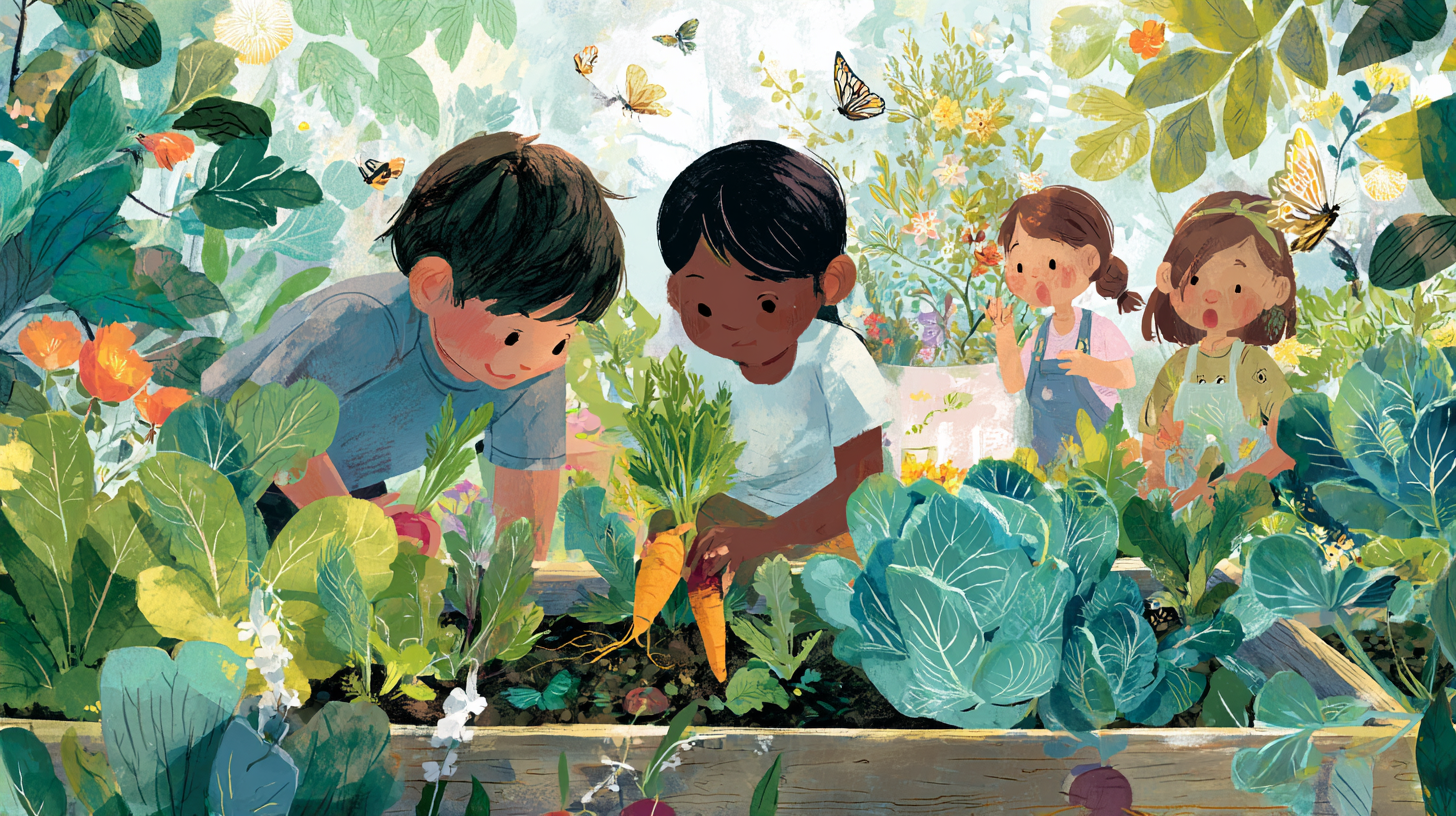
The real magic happens when you connect these growing experiments to meals. When children see green onions they sprouted from scraps ending up in the rice and peas on their dinner plate, something clicks. Food isn’t mysterious. It’s not just something that appears in stores. It’s a cycle they can participate in, influence, and eventually lead.
The Vegetables That Never Fail (Even When You Think You’re Failing)
Your Personalized Starter Garden Blueprint
Select your growing conditions to reveal the perfect vegetables for YOUR space:
Let’s be honest—most “easy vegetable” lists are written by people who’ve never gardened with an impatient four-year-old. Children operate on a different timeline than peppers and tomatoes. They need quick wins. They need vegetables that practically grow themselves. They need success before their attention span expires.
Research confirms what experienced family gardeners already know: the fastest-growing vegetables create the most engagement. Radishes can go from seed to harvest in just 25 days. Cherry tomatoes produce continuously once they start, giving children multiple harvests and ongoing excitement. Lettuce grows so fast kids can literally see changes day-to-day.
The Caribbean Advantage: In tropical and subtropical climates, you have growing superpowers. While gardeners up north struggle with short seasons, you can grow year-round. Callaloo, a nutritional powerhouse featured in the Caribbean Baby Food Recipe Book, grows prolifically in warm weather. Sweet potato vines spread like crazy. Tomatoes produce almost continuously in the right conditions.
Here’s my tested-and-proven starter list, organized by success rate with actual children (not idealized garden catalog children):
Tier 1: Nearly Impossible to Kill
Cherry tomatoes are the gateway drug of vegetable gardening. They produce abundantly, taste incredible fresh off the vine, and children will actually eat them. Sweet potatoes grow from slips you can start in a jar of water—kids love watching the roots develop. Green beans climb beautifully on simple trellises, and children can harvest them when they’re big enough to see but still tender enough to eat raw.
Tier 2: Reward Patience with Abundance
Pumpkins and calabaza turn into Halloween decorations and pie filling. The vines spread impressively, giving children a sense of accomplishment as they watch their garden “take over.” Carrots require more patience—about 70 days—but pulling them from the soil is pure magic for young gardeners. Lettuce varieties grow fast and children can pick leaves without killing the plant, teaching sustainable harvesting.
The Caribbean Secret Weapons:
Callaloo grows so vigorously it’s almost a weed. Children can pick leaves regularly, and it keeps producing. Once mature, you can use these nutrient-dense greens in everything from the Sweet Potato and Callaloo Rundown recipe (a family favorite) to smoothies. Pigeon peas thrive in warm climates and fix nitrogen in the soil, improving growing conditions for other plants. Plantains take longer—about 9 months—but the educational value of growing this Caribbean staple is immeasurable.
Creating a Garden Space That Works for Small Bodies and Big Dreams
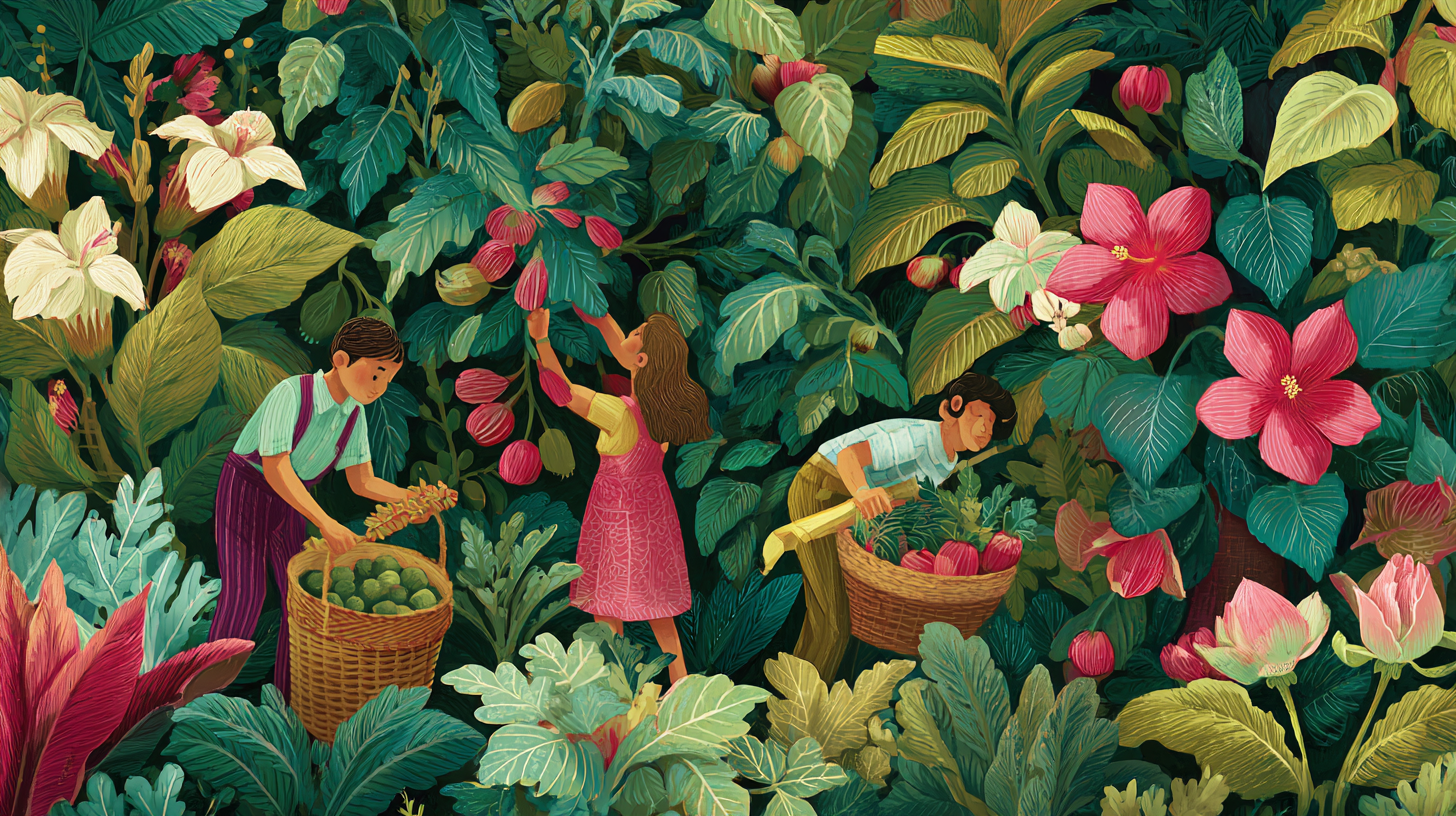
The biggest mistake I see families make is creating gardens designed for adults. They build beds that are too tall for short arms to reach. They plant in rows too wide for little legs to navigate. They forget that a garden for children needs to be physically accessible and psychologically inviting.
Programs like Boulder County’s Garden to Table initiative, reaching over 6,000 students annually across 17 schools, have refined kid-friendly garden design to a science. Their insights reveal that successful children’s gardens share common characteristics: multiple sensory experiences, clear ownership of space, and elements scaled to child heights and abilities.
Raised Beds Revolution: Building raised beds at child height—about 18 to 24 inches—changes everything. Children can reach the entire growing area without trampling plants or stretching dangerously. Use untreated wood, concrete blocks, or even stacked tires. The contained space helps children understand boundaries and gives them clear responsibility zones.
I’ve seen magical transformations when families give each child their own small garden section. Even a 2-foot by 2-foot square becomes their kingdom. They make decisions about what to plant. They water their section. They deal with consequences if they forget. This ownership builds the responsibility and patience that the garden-to-table process promises.
Watch Your Garden Grow: Interactive Growth Tracker
Click each stage to learn what happens (and what your child learns):
Container Gardening Freedom: No yard? No problem. Some of the most successful kid gardens I’ve witnessed were entirely container-based. Five-gallon buckets with drainage holes become tomato planters. Window boxes grow herbs and lettuce. Hanging baskets produce strawberries at eye level for toddlers.
The container advantage goes beyond space-saving. Children can arrange and rearrange their garden. They can move plants to follow sun. They can bring containers inside during storms, learning weather awareness. When a plant outgrows its container, the repotting process becomes a biology lesson about root systems.
The Harvest-to-Meal Connection That Changes How Kids Eat Forever
Here’s where garden-to-table becomes more than a buzzword—it becomes transformation. Research shows children who participate in garden-based programs that include cooking components demonstrate significantly improved eating behaviors, particularly increased vegetable consumption and willingness to try new foods.
The key is making the connection explicit and immediate. When children harvest, they should cook. The same day if possible. The same hour if you can manage it. That cherry tomato still warm from the sun? It goes directly into their mouth or into tonight’s salad. Those green beans? They become part of dinner while the garden dirt is still under fingernails.
I learned this watching a friend’s previously vegetable-resistant son devour an entire bowl of roasted calabaza. The same calabaza he’d refused a month earlier. The difference? This time, he’d planted the seeds. He’d watered the plant. He’d watched the pumpkin grow from flower to full size. He’d helped harvest and cut it. By the time it hit the oven, it wasn’t just food—it was his achievement.
Harvest to Snack
Click to discover instant recipes
Cherry Tomatoes: Rinse and eat immediately
Green Beans: Blanch 2 minutes, season with lime
Lettuce: Make personal salads
Radishes: Slice thin, sprinkle with salt
Garden to Dinner
Click for family meals
Callaloo: Sauté with onions and garlic
Sweet Potato: Roast and mash with coconut milk
Pumpkin: Make Caribbean-style curry
Herbs: Season rice, beans, any dish
Baby Food Gold
Click for infant recipes
Garden vegetables make perfect first foods! Check recipes like:
Sweet Potato Pure
Calabaza con Coco
Yellow Yam & Carrot
All featured in baby-friendly versions
The Caribbean Kitchen Connection: Traditional Caribbean cooking is garden-forward by nature. Most classic dishes started as “cook what’s growing” meals. When you grow callaloo, sweet potatoes, pumpkin, and herbs, you’re not just gardening—you’re preserving culinary heritage.
The Caribbean Baby Food Recipe Book includes over 75 recipes that transform garden harvests into age-appropriate meals for infants and toddlers. The Sweet Potato and Callaloo Rundown, Calabaza con Coco, and Yellow Yam and Carrot Sunshine recipes all use vegetables that thrive in Caribbean gardens and teach children about their cultural food heritage while nourishing their growing bodies.
Building Responsibility Without Turning Gardening Into a Chore
This is the tightrope every parent walks: how do you teach responsibility without sucking all the joy out of an activity? Garden programs struggle with this constantly. Research on school gardens identifies adult over-control and turning gardening into forced labor as primary causes of children losing interest.
The solution lies in natural consequences and age-appropriate ownership. Young children (ages 3-5) should have simple, obvious tasks: watering, harvesting ripe vegetables, pulling weeds (make it a game). They’re building the habit of garden care without the pressure of total responsibility.
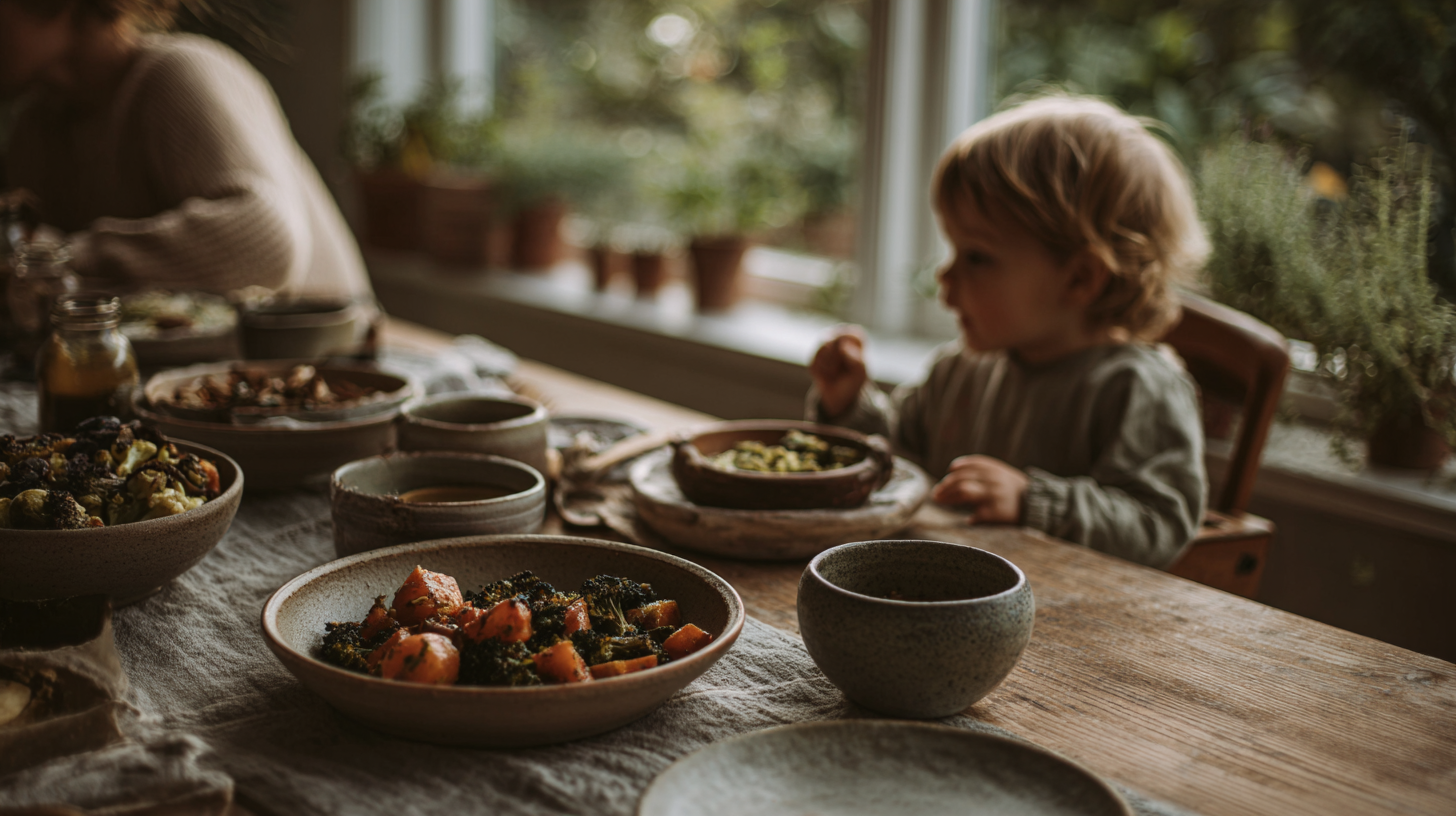
Elementary-age children (6-10) can handle more complex tasks: planting seeds at correct depths, checking soil moisture before watering, identifying pests, harvesting at peak ripeness. This is when ownership becomes real. If they forget to water, the plant wilts. If they over-water, roots rot. These aren’t failures—they’re education.
I watched this play out with my neighbor’s seven-year-old daughter. She forgot to water her tomato plant during a hot week. The plant drooped dramatically. She was devastated. Her mom resisted the urge to rescue the situation. Instead, they watered it together, and she explained that plants can often recover. The tomato bounced back within hours. That child has never forgotten to water since—not because she was punished, but because she experienced the natural consequence and the relief of recovery.
Your Garden Success Tracker
Track your family’s garden-to-table journey:
The Patience Paradox: Gardening teaches patience, but children aren’t naturally patient. The solution? Plant a mix of quick-reward and delayed-gratification crops. Radishes satisfy the “I want it now” impulse while tomatoes teach that good things come to those who wait. Both lessons matter.
Create garden rituals that build anticipation rather than impatience. Daily garden checks become adventures, not tasks. Measuring plant growth becomes a game. Predicting harvest dates becomes a family betting pool (winner gets first taste). When you frame waiting as exciting rather than boring, patience becomes easier to practice.
Navigating Common Challenges Without Losing Your Mind or Your Garden
Let’s talk about what actually goes wrong, because perfect gardens exist only in Instagram posts. Real gardens—especially kid-run gardens—face real problems. The question isn’t whether you’ll encounter challenges. It’s how you’ll respond to them as teaching opportunities rather than failures.
School garden research identifies the most common obstacles: maintenance during breaks, inconsistent watering, pest damage, children’s impatience with slow-growing plants, and adult burnout from doing all the work. The families and programs that succeed long-term have strategies for each challenge.
The Vacation Problem: Gardens don’t stop growing when families go away. The wilted, dead plants that greet you after a week’s vacation can kill enthusiasm permanently. Solutions include self-watering systems (as simple as inverted water bottles in soil), asking neighbors to water, or choosing drought-tolerant plants. Some families intentionally schedule planting around vacation times, ensuring harvests happen before or after trips.
The Pest Reality: Bugs will eat your vegetables. Snails will decimate seedlings overnight. This isn’t failure—it’s ecology. Use pest encounters as biology lessons. Let children observe which insects are helpful (ladybugs, bees) and which are harmful (aphids, caterpillars). Hand-picking pests becomes a game. Creating barriers becomes engineering practice.
Caribbean gardens face specific pest pressures. The warm, humid climate that makes plants grow abundantly also makes pests thrive. Natural solutions work better than chemicals, especially in gardens where children will eat the harvest. Neem oil spray, companion planting with strong-smelling herbs, and physical barriers like mesh covers protect crops while keeping gardens safe for small hands and mouths.
The Impatience Crisis: When children ask “Is it ready yet?” for the fortieth time in a week, you’re facing the core challenge of gardening with kids. Expert gardeners recommend keeping a garden journal where children track progress. Drawing pictures of plants at different stages creates visual evidence of growth that impatient eyes might miss day-to-day. Comparing photos from week one to week four proves that growth is happening, even when it feels slow.
The Real Failure Point: Most family gardens fail not because plants die, but because parents take over. When adults do all the work, children lose ownership. When gardens become another item on the parental to-do list, resentment builds. The solution is lowering expectations. A scraggly, child-run garden that produces three tomatoes teaches more than a perfect, parent-run garden that yields bushels.
Teaching Food Origins and Sustainability Through Dirt Under Fingernails
Here’s where garden-to-table transcends vegetables and becomes values education. Every time children put seeds in soil, they’re learning that food doesn’t come from stores—it comes from earth, water, sun, and time. This understanding, formed young, shapes how they’ll interact with food for life.
The sustainability lessons emerge organically from garden practice. Composting kitchen scraps becomes a loop children can see and understand. The banana peels from breakfast become soil amendments that feed next season’s plants. Rainwater collection makes sense when children water gardens—why waste treated tap water when the sky provides? Seed saving connects this year’s harvest to next year’s planting, teaching both frugality and agricultural heritage.
Garden to Table programs in schools have documented remarkable shifts in children’s environmental awareness. Students who participate in garden-to-kitchen curricula develop stronger connections to local food systems, better understanding of seasonal eating, and increased interest in sustainable agriculture. These aren’t abstract concepts taught from textbooks—they’re concrete experiences lived through planting, tending, harvesting, and eating.
The Cultural Connection: For Caribbean families, gardening connects children to agricultural traditions that sustained ancestors for generations. Before supermarkets, communities grew what they ate. Kitchen gardens weren’t hobbies—they were survival and culture. Teaching children to grow callaloo, sweet potatoes, pigeon peas, and plantains isn’t just gardening—it’s cultural preservation.
The recipes in the Caribbean Baby Food Recipe Book celebrate this heritage. When families grow the ingredients for dishes like Cook-Up Rice and Beans Smooth, Geera Pumpkin Puree, or Sweet Potato and Callaloo Rundown, they’re not just feeding babies—they’re passing down foodways that have nourished island communities for centuries.
Sustainability education becomes powerful when children understand their role in the food system. They’re not passive consumers—they’re active participants. They can grow food. They can compost waste. They can save seeds. They can share surplus harvests with neighbors. Each action reinforces that individuals matter, choices matter, and small efforts accumulate into meaningful change.
Expanding Beyond the First Garden: What Comes After Success
Once you’ve tasted success—literally—the question becomes: what’s next? Families that catch the gardening bug face beautiful problems. Gardens want to expand. Children want to try new crops. The harvest-to-meal connection becomes a lifestyle rather than an experiment.
Advanced gardeners incorporate succession planting, where new crops are planted every few weeks to ensure continuous harvests. Children learn that gardens can produce year-round with planning. Crop rotation teaches soil health and pest management. Saving seeds from this year’s best plants to grow next year closes the loop and introduces basic genetics concepts.
Some families progress to community garden plots, expanding space and social connections. Children meet other young gardeners. They compare plants. They trade seeds. They learn that gardening is both personal practice and community activity. Studies show community gardens enhance social cohesion and provide mental health benefits for families, particularly in urban areas with limited green space.
The Entrepreneur Opportunity: Youth-led garden businesses are emerging as both educational and economic opportunities. Teenagers grow microgreens for farmers’ markets. Middle schoolers sell seedlings and transplants in spring. Garden cooperatives teach business skills alongside agricultural knowledge. What starts as a family backyard project can evolve into entrepreneurship that funds college savings.
Integration with livestock offers next-level learning for families with more space. Chickens provide eggs, eat garden pests, and produce fertilizer. Rabbits process garden waste into rich compost. Even worm composting bins teach children about decomposition, nutrient cycling, and closed-loop systems. Each addition creates new responsibilities and new learning opportunities.
The Truth Nobody Tells You About Garden-to-Table Parenting
Let me be completely honest about what garden-to-table family life actually looks like, because the glossy articles skip the messy reality. Your children will track dirt through the house. They will over-water plants and under-water plants and accidentally pull up the good plants along with the weeds. They will fight over whose tomato is bigger. They will refuse to eat vegetables they grew, contradicting every study that says garden kids love vegetables.
Some days you will want to quit. You will question whether this is worth the effort. You will look at the tiny, struggling garden and wonder why you didn’t just buy vegetables at the store like normal people. These moments are normal. They don’t mean you’re failing—they mean you’re parenting real children in real life.
But here’s what also happens: Your child will discover a ripe tomato you didn’t know was ready and eat it immediately, juice running down their chin, declaring it the best thing they’ve ever tasted. They will bring you a fistful of lettuce they picked themselves and demand a salad for lunch. They will explain to their grandmother exactly how pumpkins grow from flowers. They will ask to plant a garden at school because “everyone should know how to grow food.”
These moments don’t happen every day. They’re not Instagram-perfect. But they’re real, and they’re profound, and they justify every frustration that came before. You’re not just teaching gardening—you’re shaping how a human being understands their relationship to food, nature, effort, and reward. That’s not a small thing.
The Long Game Perspective: Garden-to-table parenting is measured in years, not weeks. The seven-year-old who reluctantly waters plants might become the teenager who asks for garden space to grow ingredients for cooking experiments. The toddler who mostly eats dirt might become the young adult who instinctively looks for locally grown produce and questions industrial food systems. You’re planting seeds that take years to mature—just like the calabaza vine that starts small and eventually sprawls across the yard.
Your Garden Grows the Gardener as Much as the Vegetables
So here’s where we circle back to that moment with my niece and her tomato—the moment she understood she could make food. That realization didn’t just change her relationship with vegetables. It changed her understanding of herself. She went from passive consumer to active creator. From helpless child to capable contributor. From someone who needed adults to provide everything to someone who could provide for herself.
That transformation is what garden-to-table promises. Not perfect gardens. Not children who suddenly love every vegetable. Not elimination of picky eating or instant sustainability consciousness. The promise is simpler and more profound: children who understand where food comes from, who’ve experienced the patience required to nurture living things, who’ve connected effort to reward in the most tangible way possible.
The statistics support what gardeners already know. Children in garden programs show increased fruit and vegetable consumption, improved attitudes toward healthy eating, enhanced environmental awareness, and stronger science achievement. But numbers can’t capture the pride on a child’s face when they serve vegetables they grew to their family. Data doesn’t measure the confidence built when a child successfully nurtures a seed to harvest.
Starting a kid-friendly garden doesn’t require massive space, extensive experience, or perfect conditions. It requires seeds, soil, water, and willingness to let children learn through doing. It requires accepting imperfection. It requires trusting the process when a six-year-old insists on planting all the tomato seeds in one hole or waters with such enthusiasm that half the seedlings wash away.
The gardens that succeed aren’t the ones with perfect yields or magazine-worthy aesthetics. They’re the ones where children feel ownership, experience natural consequences, celebrate harvests no matter how small, and make the connection from seed to soil to table to body. Your scraggly tomato plant teaching patience matters more than a pristine garden maintained entirely by adults.
For families interested in deepening the harvest-to-meal connection, especially those introducing babies and toddlers to garden-fresh Caribbean flavors, the Caribbean Baby Food Recipe Book offers over 75 recipes that transform homegrown vegetables like sweet potatoes, callaloo, pumpkin, and plantains into age-appropriate meals. It’s the bridge from garden to high chair, from harvest to heritage.
So start small. Plant one container of cherry tomatoes. Sprout green onions on the windowsill. Save seeds from the pumpkin you cook for dinner. Let children water. Let them harvest. Let them eat. Let them fail sometimes. Let them succeed often. And watch as they develop relationships with food that will serve them for decades to come.
That’s the real harvest—not the vegetables, but the values. Not the produce, but the understanding. Not the garden itself, but the gardener it grows. Your children, with dirt under their fingernails and wonder in their eyes, learning that they have the power to plant, nurture, and sustain life. That’s garden-to-table. That’s sustainability education. That’s responsibility and patience, built one seed at a time.
The best time to start was last season. The second-best time is today. Those seeds won’t plant themselves, but those children? They’re ready to learn. They’ve been ready all along. They’re just waiting for you to hand them the watering can and show them that food—real food—begins not in stores, but in soil, with their own small hands making big futures.

Kelley's culinary creations are a fusion of her Caribbean roots and modern nutritional science, resulting in baby-friendly dishes that are both developmentally appropriate and bursting with flavor. Her expertise in oral motor development and texture progression ensures that every recipe supports your little one's feeding milestones while honoring cultural traditions.
Join Kelley on her flavorful journey as she shares treasured family recipes adapted for tiny taste buds, evidence-based feeding guidance, insightful parenting anecdotes, and the joy of celebrating food, culture, and motherhood. Get ready to immerse yourself in the captivating world of Kelley Black and unlock the vibrant flavors of the Caribbean for your growing baby, one nutritious bite at a time.
- What Feeding Success Really Looks Like (Hint: Not the Empty Plate) - September 29, 2026
- Beyond the Plate: How Feeding Becomes Your Quietest (and Loudest) Parenting Philosophy - September 28, 2026
- Breaking Generational Feeding Patterns: The Cycle You’re Brave Enough to Change - September 27, 2026