Skip to content

Feeding Equipment Essentials: What You Actually Need (and What to Skip)
How Much Are You About to Waste?
Tap the items you’re considering buying. Let’s see how much money you’re about to throw away on things that’ll collect dust in your closet.
Bottle Sterilizer
$89 – You can boil water for free
Bottle Warmer
$45 – Warm water works just fine
Formula Mixer
$120 – Your wrist can shake a bottle
Wipe Warmer
$65 – Room temp wipes work great
10-Piece Feeding Set
$55 – You’ll use 3 pieces max
Themed Plate Set
$35 – Basic bowls do the job
Your Potential Savings: $0
Items you’re about to waste money on:
This is money you could spend on what actually matters—or better yet, save for when your little one inevitably throws their sippy cup behind the couch for the 47th time today.
Three weeks after my daughter was born, I stood in my kitchen surrounded by seventeen feeding items I’d never once used. A bottle warmer gathering dust. A sterilizer that cost more than my weekly grocery bill. A wipe warmer—yes, a wipe warmer—because apparently, room temperature wipes are too harsh for modern babies. I’d spent over $400 on things that marketing convinced me were “essential,” when what I actually needed cost about $80.
Here’s what nobody tells you when you’re pregnant and vulnerable to every Instagram ad and baby registry checklist: the baby feeding industry is a $4.38 billion empire built on your fear of doing it wrong. They’ve convinced us that good parenting requires credit card debt and a garage full of single-use gadgets. But here’s the truth that’ll save you hundreds of dollars and countless hours of decision fatigue: babies need very little. They need food, something to eat it from, and someone who loves them. Everything else is just noise.
This isn’t another one of those “here’s what I bought” articles. This is the guide I wish someone had handed me before I registered for seventeen bottles I never opened. We’re cutting through the marketing garbage to focus on what actually works, what’s worth splurging on, what you can safely buy secondhand, and what you should walk past without a second glance. Because the goal isn’t to buy less for the sake of minimalism—it’s to buy smart so you can spend less time researching bottle nipple flow rates and more time actually feeding your baby.
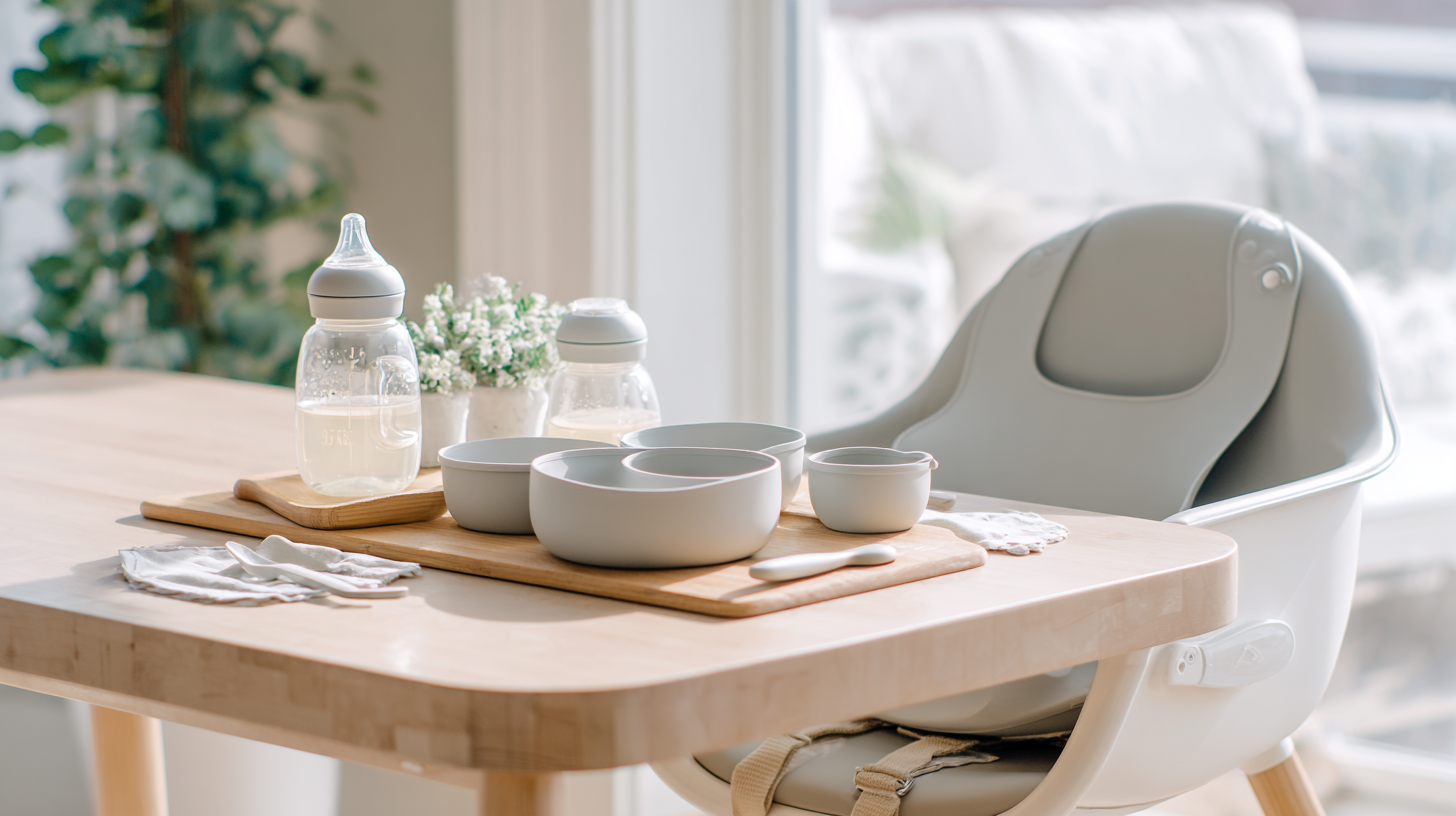
The Billion-Dollar Lie Nobody’s Talking About
The global baby feeding accessories market hit $2.36 billion in 2024 and is projected to nearly double to $4.38 billion by 2034. That’s not because babies suddenly need more stuff—it’s because marketers have gotten exceptionally good at making you believe you do. Bottles and nipples alone make up 32.8% of this market, yet most parents use maybe two or three bottles regularly. The rest sit in a cabinet, judging you every time you open it.
The formula marketing scandal taught us something crucial: the baby industry doesn’t always have your child’s best interests at heart. They have profit margins. And those margins depend on convincing you that basic feeding requires specialized equipment. Smart bottles that track ounces. Temperature-sensing spoons. Anti-colic systems with seventeen parts to wash. Meanwhile, babies have been successfully eating from simple vessels for thousands of years, including in the Caribbean where my grandmother raised seven children with one pot, wooden spoons, and coconut shells.
Studies show that nearly two-thirds of supermarket baby products make health or nutrition claims that are questionable at best, prohibited by WHO guidelines at worst. If they’re lying about the food, what makes you think they’re telling the truth about the gear? The uncomfortable reality is this: most feeding equipment isn’t designed to feed your baby better—it’s designed to make you buy more.
What You Actually Need
Let’s start with the truth: a minimalist feeding setup requires shockingly little. Two to four bottles if you’re bottle-feeding. A couple of sippy cups when they’re ready. Three good baby spoons with soft tips. One suction plate or bowl made from silicone or bamboo. A high chair that actually supports their posture with an adjustable footrest. That’s it. That’s the list. Everything else is optional, and most of it is completely unnecessary.
If you’re breastfeeding, the essentials get even simpler: nursing pads to prevent uncomfortable leaks, perhaps a Haakaa to catch letdown from the other side, and a breast pump only if you’re going back to work or need to build a stash. The fancy nursing covers, the seventeen-position pillows, the milk storage systems that look like laboratory equipment—skip all of it until you know you need it. You can’t return opened nursing pads, but you also can’t return the $200 you spent on gear that never left the box.
When it comes to introducing solids, this is where things get fun—and where marketers really ramp up the pressure. You’ll need those few spoons, a couple of bowls, and bibs that actually catch food instead of decoratively displaying it on your baby’s chest. Silicone bibs with the deep pocket work better than fabric ones that require immediate washing after every meal. As your baby grows into exploring flavors, simple kitchen tools become your best friends—think of traditional Caribbean foods like calabaza con coco (pumpkin with coconut milk) or yellow yam and carrot mash, which require nothing more than a pot, a fork for mashing, and maybe some coconut milk. The same ingredients your grandmother used. For more nutrient-dense island-inspired recipes that work with basic equipment, check out the Caribbean Baby Food Recipe Book, which features over 75 recipes using simple, wholesome ingredients like plantains, sweet potatoes, and beans.
Essential or Skip? Tap to Reveal
Bottles & Nipples
Tap to see the verdict
ESSENTIAL: Get 2-4 glass or BPA-free bottles with slow-flow nipples. Start with the basics and add more only if needed. Skip the “systems” with 12 bottles—you’ll just be washing them constantly.
Bottle Sterilizer
Tap to see the verdict
SKIP IT: Boiling water is free and works perfectly. Unless you’re pumping multiple times daily with zero time, this is a space-wasting money drain.
High Chair
Tap to see the verdict
ESSENTIAL (SPLURGE): This is where you invest. Get one with adjustable height, a footrest for proper posture, and easy-to-clean surfaces. Skip the fancy pads and toy attachments.
Bottle Warmer
Tap to see the verdict
SKIP IT: Warm water in a bowl does the exact same thing in the same amount of time. Save your counter space and your money.
Breast Pump
Tap to see the verdict
CONDITIONAL ESSENTIAL: If you’re returning to work or building a freezer stash, a double electric pump is worth it. Otherwise, wait and see if you need it before spending $300.
10-Piece Feeding Set
Tap to see the verdict
SKIP IT: You’ll use 3 pieces. Buy those 3 pieces separately for a fraction of the cost. Don’t fall for the “set” trap.
Where to Splurge
Not all baby gear is created equal, and there are exactly three things worth spending real money on when it comes to feeding: a quality high chair, a reliable breast pump if you’re pumping regularly, and one set of truly good bottles if you’re bottle-feeding. Everything else can be basic, secondhand, or skipped entirely.
The high chair matters because your baby will spend hours in it over the next few years, and proper positioning affects their eating development. Look for adjustable height so it grows with them, a footrest for proper posture (dangling feet lead to poor eating mechanics), and surfaces that wipe clean in under ten seconds. The fancy wooden ones look Instagram-perfect until you’re scraping mashed plantain out of crevices at 10 PM. The convertible models that go from infant to toddler to booster are worth the investment—you’ll use them for years, not months.
If you’re pumping, a double electric pump is the difference between managing and surviving. The manual pumps and single electrics might save you money upfront, but they’ll cost you time and frustration. Insurance often covers pumps—check before you buy. The splurge here isn’t about getting the fanciest model with Bluetooth tracking; it’s about getting one that’s efficient and comfortable. Your nipples will thank you.
The Secondhand Safety Question
Here’s where parents get nervous, and rightfully so. Not everything is safe to buy secondhand, but far more items are safe than the baby industry wants you to believe. Glass bottles, stainless steel cups, silicone plates, metal utensils, and high chairs that meet current safety standards—all perfectly fine secondhand, assuming they’re clean and undamaged. The rule is simple: if it’s a hard, cleanable surface with no expiration date and no safety recalls, secondhand is smart shopping.
What you should never buy used: bottle nipples, breast pump tubing and flanges (the main pump body is fine), anything plastic that’s scratched or cloudy, and any feeding item that’s been recalled. Check the manufacture date on high chairs and make sure they meet current safety standards—regulations change, and what was safe ten years ago might not be now. If it’s got cracks, discoloration, or wear, walk away. Your budget matters, but so does your baby’s safety.
The best secondhand finds are often the premium items other parents bought and barely used. Convertible high chairs, glass bottle sets, stainless steel cups—these are the splurge items that someone else bought, used for three months, and sold when they realized their baby preferred a $6 IKEA bowl. Facebook Marketplace and local parent groups are goldmines if you know what to look for. Just inspect everything thoroughly, wash it obsessively, and trust your instinct. If something feels off, it probably is.
What Should You Buy First?
Choose your budget, and we’ll show you exactly where to spend your money first.
Your Smart Shopping Priority List
Marketing Myths That Cost You Money
The baby feeding industry thrives on manufactured anxiety. They’ve convinced parents that feeding a baby requires specialized equipment for every scenario, when the truth is far simpler and far cheaper. Let’s dismantle the biggest lies they’re selling you.
Myth number one: bottles need sterilizing after every use. The CDC says wash thoroughly with hot soapy water, and sterilize occasionally if your baby is under three months or immunocompromised. That’s it. The $89 sterilizer is solving a problem that doesn’t exist for most families. Boiling water works perfectly when you need it, and it’s free.
Myth number two: you need different bottles for every feeding method. Breast milk, formula, introducing solids—apparently each requires its own specialized bottle system. Except they don’t. A simple bottle with a slow-flow nipple works for everything. The “systems” with color-coded bottles and seventeen accessories are designed to make you buy more, not feed your baby better.
Myth number three: baby food must be made with special equipment. Food processors marketed for baby food cost twice as much as regular ones and do the exact same thing. My grandmother made baby food with a fork and a pot, and somehow all seven of her children survived to adulthood. You can blend sweet potato and callaloo rundown in any blender, steam yellow yam in any pot, and mash plantains with any fork. The baby food maker is optional. The food is not. Speaking of which, if you want tried-and-tested recipes using everyday ingredients like coconut milk, beans, and mangoes, the Caribbean Baby Food Recipe Book gives you 75+ options that work with whatever kitchen tools you already own.
️ Secondhand Safety Test
Test your knowledge: Which items are safe to buy secondhand?
1. Glass Bottles
Correct! Glass bottles are perfectly safe secondhand—just inspect for cracks and wash thoroughly.
2. Bottle Nipples
Correct! Never buy used nipples—they wear out, harbor bacteria, and cost only a few dollars new.
3. Stainless Steel Cups
Correct! Stainless steel is durable, easy to sanitize, and safe to buy used as long as it’s not dented or damaged.
4. High Chair (No Recalls)
Correct! High chairs are great secondhand purchases—just verify no recalls, all straps work, and it meets current safety standards.
What Real Parents Actually Use
Theory is nice. Reality is better. Here’s what parents who’ve survived the feeding stage actually use daily, as opposed to what’s gathering dust in their closets.
The most-used items are the simplest: two or three bottles, rotated constantly. One really good silicone bib with a deep pocket that catches 90% of the food before it hits the floor. A basic high chair that wipes clean in seconds. Three baby spoons—one in the dishwasher, one in use, one as backup when the first two mysteriously vanish. One suction bowl that actually stays on the table instead of launching across the room mid-meal. That’s the daily rotation for most families, regardless of feeding method.
Parents also swear by open cups introduced early, around six months, for water. Not sippy cups with valves and seventeen parts to clean—just small, basic open cups that teach drinking skills faster and wash in about three seconds. The fancy cups with handles and spouts and weighted bottoms that never tip? They tip. They also grow mold in the valve, leak in diaper bags, and cost five times more than a simple cup.
For making baby food, the winners are surprisingly low-tech: a regular blender for purees, a fork for mashing, and a steamer basket that fits in any pot. One mom I know made eighteen months of baby food with a $15 immersion blender and a set of ice cube trays for freezing portions. No special equipment, no expensive systems, no gadgets that only work for one developmental stage. Just regular kitchen tools used efficiently. And when it comes to flavor-packed, nourishing first foods, recipes like coconut rice with red peas, sweet potato and callaloo, or basic mixed dhal provide the nutrition babies need without requiring specialty equipment—simple ingredients, simple prep, found in the Caribbean Baby Food Recipe Book alongside countless other culturally rich options.
Bust the Marketing Myths
Tap each claim to reveal the truth behind the marketing lie.
MYTH: “BPA-Free Means Safe”
“Our bottles are BPA-free for ultimate safety!”
BPA-free often means they replaced it with BPS or other chemicals we don’t know enough about yet. Glass and stainless steel are your safest bets.
MYTH: “Clinically Proven to Reduce Colic”
“Studies show our bottles reduce gas and colic!”
Most “clinical studies” are funded by the company selling the product. Colic is complex and rarely solved by expensive bottles.
MYTH: “Designed by Experts”
“Pediatrician recommended feeding system!”
“Recommended” often means one pediatrician somewhere approved it—usually with financial ties to the company. Ask your own pediatrician.
MYTH: “Mimics Breastfeeding”
“Breast-like nipple for easy switching!”
Nothing mimics breastfeeding except breastfeeding. These bottles cost 3x more and work the same as basic ones. Your baby will adapt regardless.
The True Cost of Overbuying
It’s not just about the money, though that’s significant. The average parent spends $400-$600 on feeding equipment in the first year, and half of it goes unused. That’s money that could cover diapers for months, build an emergency fund, or actually go toward things your family needs. But the financial cost is only part of the story.
There’s the mental cost of decision fatigue—spending hours researching bottles, reading contradictory reviews, joining Facebook groups to ask strangers which sippy cup changed their life. There’s the physical cost of clutter, of cabinets stuffed with gear you trip over daily but can’t bring yourself to throw out because you spent money on it. There’s the environmental cost of plastic items used once and discarded, filling landfills with products that promised to make parenting easier but just made the planet worse.
And there’s the emotional cost nobody talks about: the guilt. Guilt that you bought the “wrong” bottle and that’s why your baby won’t eat. Guilt that you didn’t buy the fancy high chair and maybe that’s why feeding is hard. Guilt that you’re not doing enough, buying enough, being enough—when the truth is, you were always enough. The gear doesn’t make you a better parent. Showing up does. Being present does. Caring enough to read articles like this one, trying to do right by your child—that does.
Building Your Minimalist Arsenal
Here’s your actual shopping list, the one that’ll serve you from birth through toddlerhood without requiring a second mortgage. Start with bottles only if you’re bottle-feeding—two to four maximum, with slow-flow nipples you’ll replace every three months. Buy new nipples, but the bottles themselves can be secondhand glass if they’re undamaged. Save your money for the high chair, which should be adjustable, supportive, and easy to clean. This is your splurge item.
For nursing, keep it simple: nursing pads to prevent leaks, a Haakaa or similar collector if you want to save letdown milk, and a breast pump only if you’re pumping regularly. Don’t buy the pump until you know you need it—insurance often covers them, and some hospitals have rental programs. The fancy nursing pillows and covers can wait until you know your nursing journey is established and you actually want them.
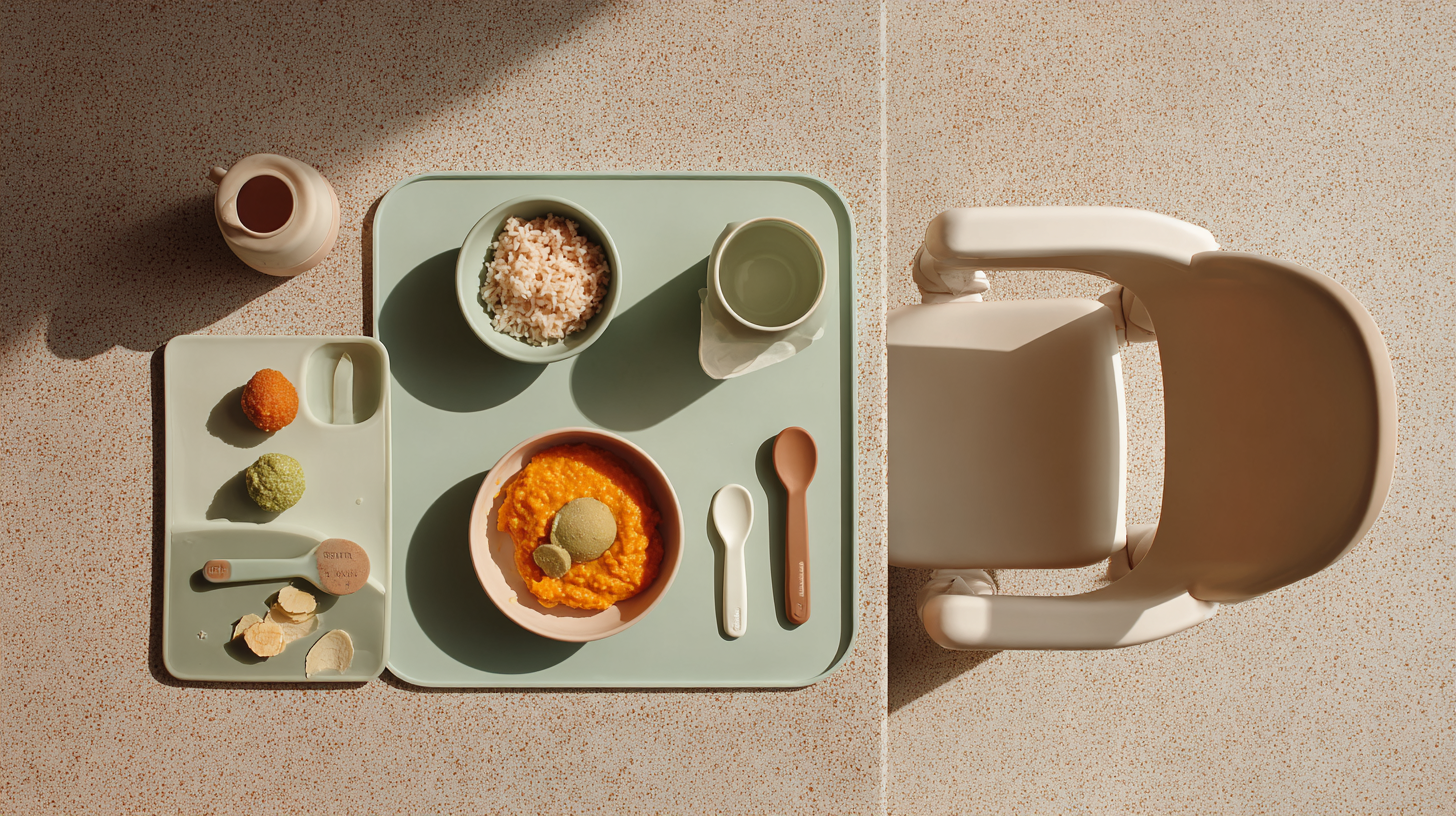
When your baby’s ready for solids around six months, you need three soft-tipped spoons, one or two suction bowls or plates, a couple of silicone bibs with pockets, and basic open cups for water. Skip the complete feeding sets, the themed plates, the cups with complicated valves. If you’re making baby food, use what you have: a blender, a pot, a fork. You don’t need special equipment to mash a plantain or steam some pumpkin with coconut milk. Keep it simple, keep it functional, and keep your money in your pocket.
✅ Build Your Personal Essentials List
Check off what you actually need for YOUR feeding journey. Watch your list build in real-time.
Bottles & Feeding
Breastfeeding (if applicable)
Starting Solids
Big Splurge Item
Your Essential Shopping List:
Select items above to build your list
Estimated total cost: $80-$200 (versus the $400-$600 average parents waste)
The Freedom of Enough
There’s something liberating about knowing you have enough. Not everything marketed to you, not every item on some blogger’s “essential” list, not every gadget that promises to make feeding easier—just enough. Enough to feed your baby safely. Enough to make your life manageable. Enough to stop second-guessing and start enjoying the messy, beautiful chaos of teaching a tiny human how to eat.
The baby feeding industry profits from your uncertainty, your fear of missing out, your worry that you’re not doing enough. They want you scrolling through reviews at 2 AM, convinced that the right bottle or cup or plate will somehow make everything easier. But here’s what actually makes feeding easier: simplicity. Having a few reliable items you trust. Knowing exactly where the bottles are because you only have three. Cleaning up faster because you don’t have seventeen parts to scrub. Spending less time shopping and more time watching your baby discover that plantains are delicious and sweet potato makes their face light up.
You don’t need permission to buy less, but I’m giving it to you anyway. You’re not depriving your child by skipping the bottle warmer. You’re not failing them by buying secondhand plates. You’re not less of a parent because your feeding setup fits in one cabinet instead of taking over your entire kitchen. You’re enough. What you have is enough. And your baby, covered in mashed pumpkin and grinning at you with two teeth, thinks you’re doing just fine.
Your Next Steps
Start small. If you haven’t bought anything yet, start with the absolute basics: bottles if you’re bottle-feeding, a pump if you’re exclusively pumping, and three spoons for when solids begin. Wait on everything else. See what you actually need instead of what Instagram tells you to need. Buy secondhand when it’s safe, splurge only on the high chair, and trust that your instincts about feeding your baby are more reliable than any marketing campaign.
If you’ve already bought too much, don’t beat yourself up. We’ve all been there, standing in our kitchens surrounded by unused gear, wondering how we got convinced this was necessary. Sell what you can, donate the rest, and start with what actually works. It’s not too late to simplify. It’s never too late to choose less stuff and more presence.
And when you’re ready to think about what goes in those simple bowls and bottles—when you want to move past bland rice cereal and explore foods with actual flavor, nutrition, and cultural connection—consider bringing some Caribbean sunshine to your baby’s plate. Foods like coconut milk porridge, callaloo and sweet potato, or plantain mashes that babies love and parents can feel good about. Real ingredients, simple preparation, and flavors that tell stories. That’s what feeding should be: simple tools, real food, and the time to enjoy watching your baby discover the world one bite at a time. The Caribbean Baby Food Recipe Book offers 75+ recipes that require no fancy equipment—just the essentials you already have and ingredients you can find anywhere.
You’ve got this. You’ve always had this. And you definitely don’t need another piece of plastic to prove it.

Kelley's culinary creations are a fusion of her Caribbean roots and modern nutritional science, resulting in baby-friendly dishes that are both developmentally appropriate and bursting with flavor. Her expertise in oral motor development and texture progression ensures that every recipe supports your little one's feeding milestones while honoring cultural traditions.
Join Kelley on her flavorful journey as she shares treasured family recipes adapted for tiny taste buds, evidence-based feeding guidance, insightful parenting anecdotes, and the joy of celebrating food, culture, and motherhood. Get ready to immerse yourself in the captivating world of Kelley Black and unlock the vibrant flavors of the Caribbean for your growing baby, one nutritious bite at a time.
- From “Who’s Right?” to “We’ve Got This”: Building a Feeding Partnership That Actually Works - September 13, 2026
- You’re More Than Just the Person Who Feeds Your Baby - September 12, 2026
- You’re Doing Your Best: The Self-Compassion Revolution Every Feeding Parent Needs - September 11, 2026