
Food Allergy vs. Intolerance: What Parents Need to Know
Let’s Start With What You’re Seeing
Tap the symptoms your baby has experienced after eating. This quick check will help us understand what might be happening:
Last Tuesday evening, my neighbor knocked on my door, her six-month-old daughter in her arms, tears streaming down both their faces. “She broke out in hives after I gave her scrambled eggs,” she said, her voice shaking. “Is this an allergy? Should I never give her eggs again? What if it’s something else?”
That moment—standing at my doorway, seeing the fear and confusion in a parent’s eyes—reminded me why understanding the difference between food allergies and intolerances matters so deeply. It’s not just medical terminology. It’s about knowing whether your child needs an EpiPen or just a different approach to introducing foods. It’s about moving forward with confidence instead of living in constant worry.
Here’s what nobody tells you until you’re in the thick of it: approximately 32 million Americans have food allergies, including about 5.6 million children. That’s roughly 1 in 13 children—which means in any given playgroup or daycare room, at least one parent is navigating these waters. But here’s the twist: food intolerances are even more common, yet they get far less attention. And the confusion between the two? That’s where parents get stuck, often restricting their babies’ diets unnecessarily or, worse, missing signs of a true allergy.
I’ve spent years working with Caribbean families introducing traditional foods to their babies—foods rich in flavor, nutrition, and cultural heritage. Along the way, I’ve learned that the difference between an allergy and an intolerance isn’t just academic. It shapes everything from how you introduce new foods to what you pack in your diaper bag to whether you can pass down your grandmother’s pelau recipe without fear.
The Truth About Food Allergies and Intolerances
Let me break this down the way I wish someone had explained it to me years ago. A food allergy is your baby’s immune system mistaking a harmless food protein for a dangerous invader. Within minutes to two hours of eating that food, the body launches an all-out defense—releasing chemicals like histamine that cause reactions ranging from mild hives to life-threatening anaphylaxis. This is an IgE-mediated response, meaning specific antibodies are triggered, and the reaction happens fast and unmistakably.
A food intolerance, on the other hand, is your baby’s digestive system struggling to break down certain components of food. Think of it like trying to process something without the right tools—maybe your baby lacks the enzyme lactase needed to digest lactose in milk, or certain food additives irritate the gut lining. The symptoms show up slowly, often hours after eating, and they’re uncomfortable but not dangerous. No immune system involvement, no risk of anaphylaxis, just a digestive system saying, “I can’t handle this right now.”
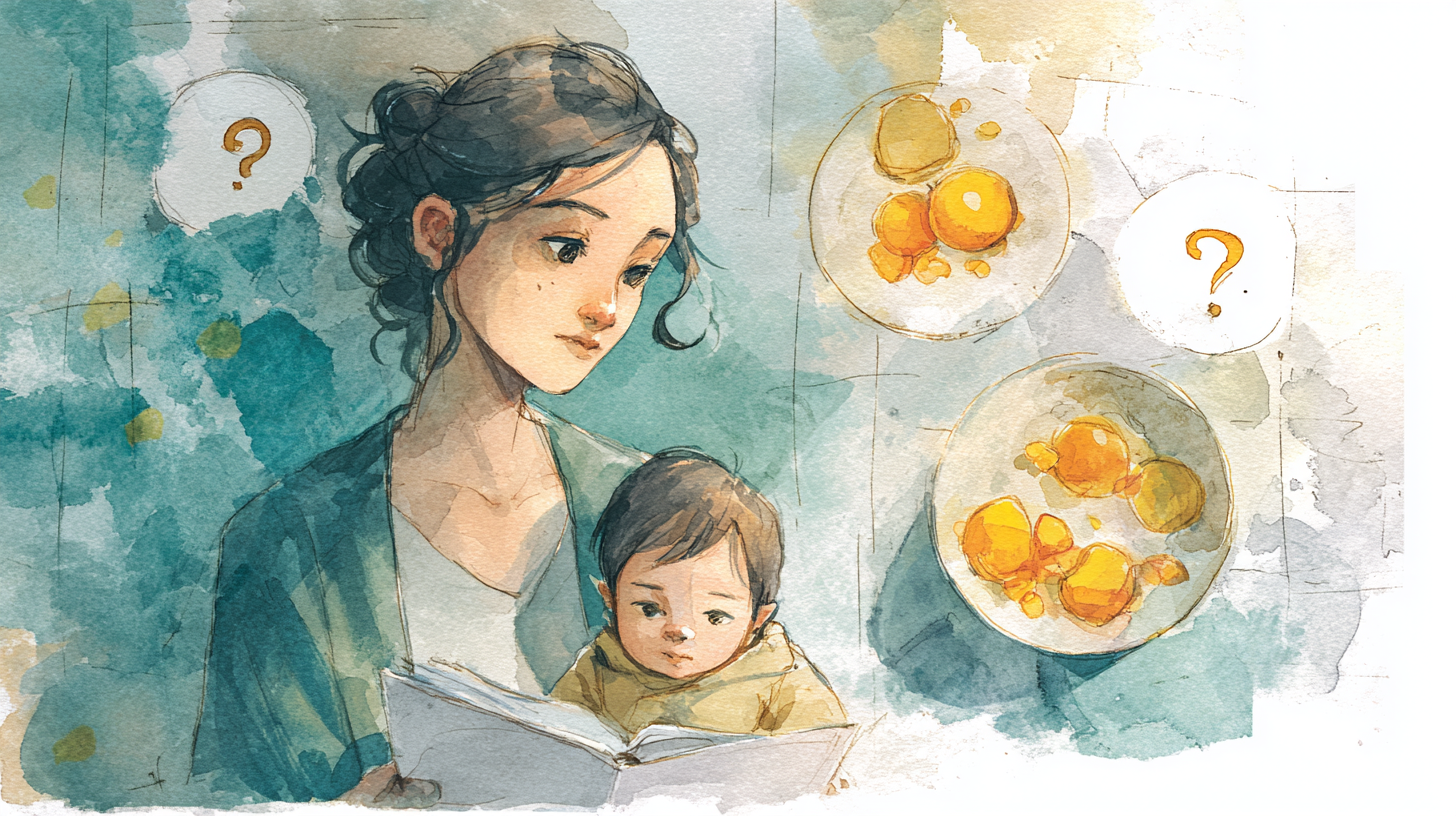
The most common food allergens—the “Big Eight”—are cow’s milk, eggs, peanuts, tree nuts, wheat, soy, fish, and shellfish. These account for about 90% of all food allergies in children. The most common intolerance? Lactose, affecting millions worldwide. But intolerances can also involve food additives, sulfites, histamines in certain foods, or even the natural sugars in fruits.
What confuses parents most is that both can cause vomiting or diarrhea. But here’s the key difference: allergic reactions involve multiple body systems—skin, respiratory, cardiovascular, digestive—while intolerances stay confined to the digestive tract. An allergy might give your baby hives and wheezing along with vomiting. An intolerance will just upset their tummy.
⏱️ Understanding Reaction Timing
Slide to see how quickly symptoms typically appear:
What You’ll Actually See
When my cousin’s baby had her first taste of mashed sweet potato with coconut milk—a staple in our Caribbean Baby Food Recipe Book—we watched carefully. Within ten minutes, small red welts appeared around her mouth. Her lips started swelling. She began rubbing her eyes frantically. That’s a classic IgE-mediated allergic reaction, and we knew immediately to stop and call her pediatrician.
Contrast that with another baby I know who gets fussy and gassy every time his parents give him regular cow’s milk, but yogurt and cheese don’t bother him at all. The symptoms appear 30 minutes to several hours later—bloating, loose stools, irritability. No hives, no swelling, no breathing issues. That’s lactose intolerance, and it’s manageable with simple dietary adjustments.
Allergic reactions typically include: hives or eczema flare-ups, swelling of the lips, tongue, or face, vomiting or diarrhea (often with other symptoms), wheezing or difficulty breathing, repetitive coughing, a hoarse voice, pale or bluish skin, a weak pulse, dizziness or confusion, and in severe cases, anaphylaxis—a rapid, multi-system reaction that requires immediate epinephrine.
Intolerance symptoms are different: gas, bloating, abdominal cramping, diarrhea (often the primary symptom), nausea without vomiting, headaches in older children, and general irritability or discomfort. These symptoms come on slowly and don’t involve the skin, respiratory system, or cardiovascular system.
Here’s what surprised me most when I started researching this: the severity of an allergic reaction doesn’t always predict the next one. A child might have mild hives the first time and a severe reaction the second time they encounter the same food. That’s why allergies require strict avoidance and emergency preparedness, while intolerances can often be managed with portion control or food preparation adjustments.
Getting the Right Diagnosis
This is where parents often feel lost. You know something’s wrong, but how do you figure out what it is? The answer starts with documentation. Keep a food diary for your baby—write down everything they eat, when they eat it, and any symptoms that follow, including timing. This simple step gives your pediatrician or allergist the information they need to guide testing.
For suspected allergies, your doctor might recommend: skin prick tests, where tiny amounts of potential allergens are placed on the skin to see if a reaction occurs; blood tests (specific IgE tests) that measure antibody levels to specific foods; and oral food challenges, considered the gold standard, where your baby eats increasing amounts of a suspected allergen under medical supervision. Component-resolved diagnostics, a newer approach, can identify which specific proteins within a food trigger reactions, helping predict severity.

For suspected intolerances, testing is less straightforward. There’s no simple blood test for most intolerances. Instead, doctors use elimination diets—removing suspected foods for two to four weeks and then reintroducing them one at a time to see if symptoms return. Lactose intolerance can be diagnosed with a hydrogen breath test or stool acidity test. For other intolerances, careful observation and trial-and-error become the diagnostic tools.
Here’s what frustrates parents: even with testing, food allergies can be unpredictable. Skin prick tests and blood tests show sensitization—meaning your baby’s immune system recognizes the food—but they don’t always predict whether eating the food will cause a reaction. That’s why oral food challenges, though nerve-wracking, provide the most reliable answers. A 2025 study on food allergy thresholds emphasizes this complexity, noting that individual tolerance levels vary significantly.
Quick Knowledge Check
Which test is considered the “gold standard” for diagnosing food allergies?
Managing Each Condition
Once you have a diagnosis, the paths diverge completely. Managing a food allergy means strict avoidance—no exceptions, no “just a little bit.” You’ll need to read every food label, question every ingredient at restaurants, educate caregivers, and always carry emergency medication. For babies and toddlers, this means being vigilant about cross-contamination, teaching them early (when age-appropriate) not to share foods, and creating an action plan for emergencies.
Your allergist will prescribe an epinephrine auto-injector (like an EpiPen) if your child has an IgE-mediated allergy to food. This is non-negotiable. Keep two doses—one at home, one in your diaper bag. Know how to use it before you need it. And understand that epinephrine is the first line of defense in anaphylaxis; antihistamines alone won’t stop a severe reaction.
But here’s where the conversation is shifting: new treatments are emerging. In 2024, the FDA approved Omalizumab (Xolair) as the first multi-food allergy drug, offering protection against reactions to peanut, milk, egg, wheat, and tree nuts. Oral immunotherapy—gradually introducing tiny, increasing amounts of an allergen under medical supervision—is becoming more common, helping some children build tolerance. These aren’t cures, but they’re game-changers for families living with severe allergies.
Managing an intolerance is different. You don’t need to eliminate the food entirely—you need to find your baby’s threshold. Maybe they can handle a few spoonfuls of yogurt but not a full cup of milk. Maybe aged cheeses sit well but fresh milk causes trouble. For lactose intolerance, lactase enzyme drops added to milk can help. For other intolerances, cooking methods matter—slow-cooked beans might be easier to digest than quickly prepared ones.
This is where cultural foods become important. Many Caribbean dishes naturally accommodate intolerances. Take coconut milk, featured in recipes like our Calabaza con Coco—it’s a creamy, dairy-free alternative that introduces rich flavors without lactose. Or consider naturally fermented foods and slow-cooked legumes that are easier on sensitive digestive systems. You don’t have to abandon your heritage foods; you just adapt them thoughtfully.
️ Safe Food Introduction Tracker
Tap the foods you’ve successfully introduced to your baby (this is just for practice!):
When to See an Allergist
Not every food reaction requires a specialist, but some absolutely do. See an allergist if your baby has had any reaction involving difficulty breathing, significant swelling (especially of the face, lips, or tongue), multiple body systems affected simultaneously, or repeated reactions to the same food. Also seek evaluation if there’s a strong family history of food allergies, eczema, or asthma—these conditions cluster together in what’s called the “atopic march.”
An allergist will do more than just test—they’ll create a comprehensive management plan tailored to your family. This includes identifying cross-reactive foods (foods with similar proteins that might trigger reactions), developing an emergency action plan, prescribing appropriate medications, and providing guidance on food introduction strategies for siblings.
Current guidelines, updated in recent years, actually recommend early introduction of common allergens like peanuts and eggs (around 4-6 months, once a few other foods have been introduced successfully). This is a dramatic shift from old advice to delay these foods, and research shows early introduction can reduce allergy risk by up to 80% for high-risk babies. Your allergist can guide this process, especially if your baby already has eczema or other food allergies.

The Challenges Parents Face
Let’s be honest about what nobody talks about: the emotional toll. Managing food allergies means constant vigilance. It means second-guessing every playdate, every birthday party, every family gathering. It means being the parent who brings separate food, who asks a million questions, who might seem overprotective to people who don’t understand.
But here’s what research confirms: parents managing their children’s food allergies experience significant stress and anxiety. A 2020 study on parent perceptions found that fear of accidental exposure, social isolation, and the burden of constant monitoring affect families’ quality of life deeply. This isn’t being dramatic—it’s real, and it’s valid.
Add to this the confusion around testing. Current diagnostic tools aren’t perfect. Skin prick tests and blood tests can show false positives, leading parents to restrict foods unnecessarily. Oral food challenges carry risks and require medical supervision. And for intolerances, there’s often no clear test at all—just trial, error, and patience.
There’s also the challenge of misinformation. Social media is full of unverified food sensitivity tests, elimination diet fads, and pseudoscience. Parents desperate for answers can end up restricting their babies’ diets based on unreliable information, potentially causing nutritional deficiencies. The key is working with qualified professionals—pediatricians, allergists, registered dietitians—who base recommendations on evidence, not trends.
Know Your Emergency Response
Click each scenario to reveal the correct response:
Looking Ahead
The future of food allergy management is brighter than ever. Beyond Omalizumab, researchers are exploring new biologics, refined immunotherapy protocols, and even potential vaccines. AI-enhanced diagnostics are improving accuracy in predicting reaction severity. Non-invasive testing methods, like skin tape sampling, are in development to reduce risks associated with traditional food challenges.
There’s also growing understanding of the “window of opportunity” for allergy prevention. Studies from 2024 and 2025 emphasize that how and when we introduce foods during infancy may shape immune tolerance for life. This means parents today have more power than ever to potentially prevent allergies in their babies—something previous generations didn’t have.
For intolerances, advances in understanding the gut microbiome are opening new doors. Researchers are exploring how probiotics, prebiotics, and dietary changes might improve tolerance over time. While we’re not there yet, the goal is moving from “avoid forever” to “build tolerance gradually.”
Practical Wisdom for Your Family
Let me leave you with what I’ve learned works in real life. First, trust your instincts. You know your baby better than anyone. If something feels off after eating, take it seriously—document it, discuss it with your doctor, and don’t let anyone dismiss your concerns.
Second, introduce new foods one at a time, waiting 3-5 days before introducing another. This makes it easier to identify what might be causing a reaction. When introducing common allergens, do it at home during the day when you’re alert and medical help is accessible. Start with small amounts—a tiny taste mixed into a food your baby already tolerates well.
Third, build your support network. Connect with other parents managing food allergies through local groups or online communities. Share recipes, swap tips on label reading, and lean on each other during tough moments. Organizations like FARE (Food Allergy Research & Education) provide excellent resources and community connections.
Fourth, don’t let food allergies or intolerances rob your family of culinary joy. Our Caribbean Baby Food Recipe Book features over 75 recipes that can be adapted for various allergies and intolerances—from dairy-free coconut-based dishes like Sweet Potato & Callaloo Rundown to naturally egg-free purees like Plantain Paradise and Geera Pumpkin. Food is culture, connection, and love—find ways to share your heritage safely.
Fifth, prepare for the emotional journey. It’s okay to feel overwhelmed, frustrated, or scared. Seek support from a therapist if the stress becomes unmanageable. Take breaks when you need them. Celebrate small victories—every successful food introduction, every confident outing, every day your child stays healthy and happy.
Test Your Allergen Awareness
Can you identify the “Big 8” allergens? Click each card:
Moving Forward With Confidence
That evening when my neighbor showed up at my door, terrified about her daughter’s reaction to eggs, we sat down together. We documented exactly what happened—the timeline, the symptoms, the severity. We talked through the difference between an allergy and an intolerance. And I helped her prepare for her pediatrician appointment the next morning, armed with information and questions.
Two weeks later, after seeing an allergist and getting proper testing, she had her answer: a confirmed egg allergy. Yes, it meant lifestyle changes. Yes, it meant learning to read labels and carry an EpiPen. But it also meant clarity. No more guessing, no more fear of the unknown. Just a clear path forward, a management plan, and the knowledge that her daughter would be safe.
That’s what I want for you—clarity instead of confusion, confidence instead of fear. Whether your baby has a food allergy, an intolerance, or neither, you deserve accurate information and practical support. You deserve to feed your child foods that nourish their body and connect them to their heritage. And you deserve to move forward knowing you’re making informed decisions based on evidence, not guesswork.
The difference between a food allergy and an intolerance isn’t just medical jargon—it’s the foundation for everything that comes next. It determines your approach to food introduction, your emergency preparedness, your social decisions, and your family’s daily routines. Get the diagnosis right, work with qualified professionals, trust your instincts, and remember: you’re not alone in this journey.
Every baby who breaks out in hives, every parent who feels confused and scared, every family navigating these challenges—they’re all part of a growing community learning to manage food sensitivities with knowledge, resilience, and love. The path isn’t always easy, but it’s absolutely manageable. And the reward—a healthy, thriving child who grows up knowing their parents fought for their wellbeing every single day—is worth every careful label read, every conversation with a caregiver, every moment of vigilance.
Your baby’s food journey is uniquely theirs. Whether you’re introducing your first spoonfuls of mashed ackee, offering a taste of cornmeal porridge, or navigating the complexities of multiple allergies, approach it with patience, information, and confidence. Document everything, ask questions, advocate fiercely, and trust that you’ll find your rhythm. Because at the end of the day, feeding your baby isn’t just about nutrition—it’s about love, culture, and building a foundation for a lifetime of health.
And when in doubt, remember: you don’t have to have all the answers right now. You just need to take the next right step. Whether that’s scheduling an allergist appointment, starting a food diary, joining a support group, or simply taking a deep breath and trusting yourself—that next step is enough. You’ve got this.

Kelley's culinary creations are a fusion of her Caribbean roots and modern nutritional science, resulting in baby-friendly dishes that are both developmentally appropriate and bursting with flavor. Her expertise in oral motor development and texture progression ensures that every recipe supports your little one's feeding milestones while honoring cultural traditions.
Join Kelley on her flavorful journey as she shares treasured family recipes adapted for tiny taste buds, evidence-based feeding guidance, insightful parenting anecdotes, and the joy of celebrating food, culture, and motherhood. Get ready to immerse yourself in the captivating world of Kelley Black and unlock the vibrant flavors of the Caribbean for your growing baby, one nutritious bite at a time.
- The Feeding Revolution: Why Your Everyday Meals Are Changing the World - October 13, 2026
- Your Feeding Story Matters More Than The “Perfect” One Online - October 12, 2026
- Looking Forward: Stepping Into Your Confident Feeding Future - October 11, 2026