After-School Snack Strategies: Fueling Without Spoiling Dinner
Your Snack Personality Quiz
What’s your biggest after-school challenge?
Here’s what nobody tells you about after-school snacks: that innocent handful of crackers your child grabs at 4 PM might be sabotaging your entire evening. I learned this the hard way when my little one started treating dinner like a foreign concept, pushing away perfectly good meals night after night. The culprit? Those “harmless” snacks were basically second dinners.
But here’s the thing that changed everything for me—the gap between 3:30 PM school dismissal and 6:00 PM dinner isn’t just time on the clock. It’s a nutritional tightrope walk where you’re balancing energy needs, homework concentration, emotional regulation, and that sacred family dinner you’re desperately trying to preserve. And right now, over 1.25 million children receive structured afterschool snacks through official programs, showing just how universal this challenge has become. Yet most of us parents are still winging it, hoping a handful of goldfish crackers will magically solve the late-afternoon hunger crisis.
The truth is that the after-school snack window has become one of the most critical—and most misunderstood—eating moments in a child’s day. Get it right, and you’ll see focused homework sessions, stable moods, and kids who actually show up hungry at dinnertime. Get it wrong, and you’re in for an evening of battles, tears, and wasted meals. Let me show you exactly how to nail this daily challenge using research-backed strategies that actually work in real life, not just on paper.
Why After-School Snacks Matter More Than You Think
The moment your child walks through that door after school, their body is running on fumes. Think about it: they ate lunch somewhere between 11:30 AM and 12:30 PM, and now it’s been four to five hours without fuel. Their blood sugar has dropped, their brain is exhausted from a full day of learning, and their emotional regulation is hanging by a thread. This isn’t just “being hungry”—it’s a biological emergency their body is experiencing in real time.
Recent studies on portion size and energy intake confirm what many of us have witnessed firsthand: when children are given larger snack portions, they consume significantly more total daily calories. But the flip side is equally troubling—when kids don’t get adequate fuel after school, they arrive at dinner in such a desperate state that they either overeat or they’re too tired and emotional to eat properly at all. This is the paradox that traps so many well-intentioned parents.
What’s happening inside your child’s body during this vulnerable window is fascinating. Their metabolism has been working overtime all day, their brain has been burning through glucose reserves during class, and their muscles need replenishment if they’re heading to sports or play. The after-school snack isn’t just about stopping hunger—it’s about restoring cognitive function, stabilizing blood sugar, and preventing the cortisol spike that comes with extended hunger. In Caribbean households, we’ve always understood this intuitively. That’s why traditions like quickly preparing plantain-based snacks or coconut porridge have been passed down through generations—they provide sustained energy without weighing kids down.
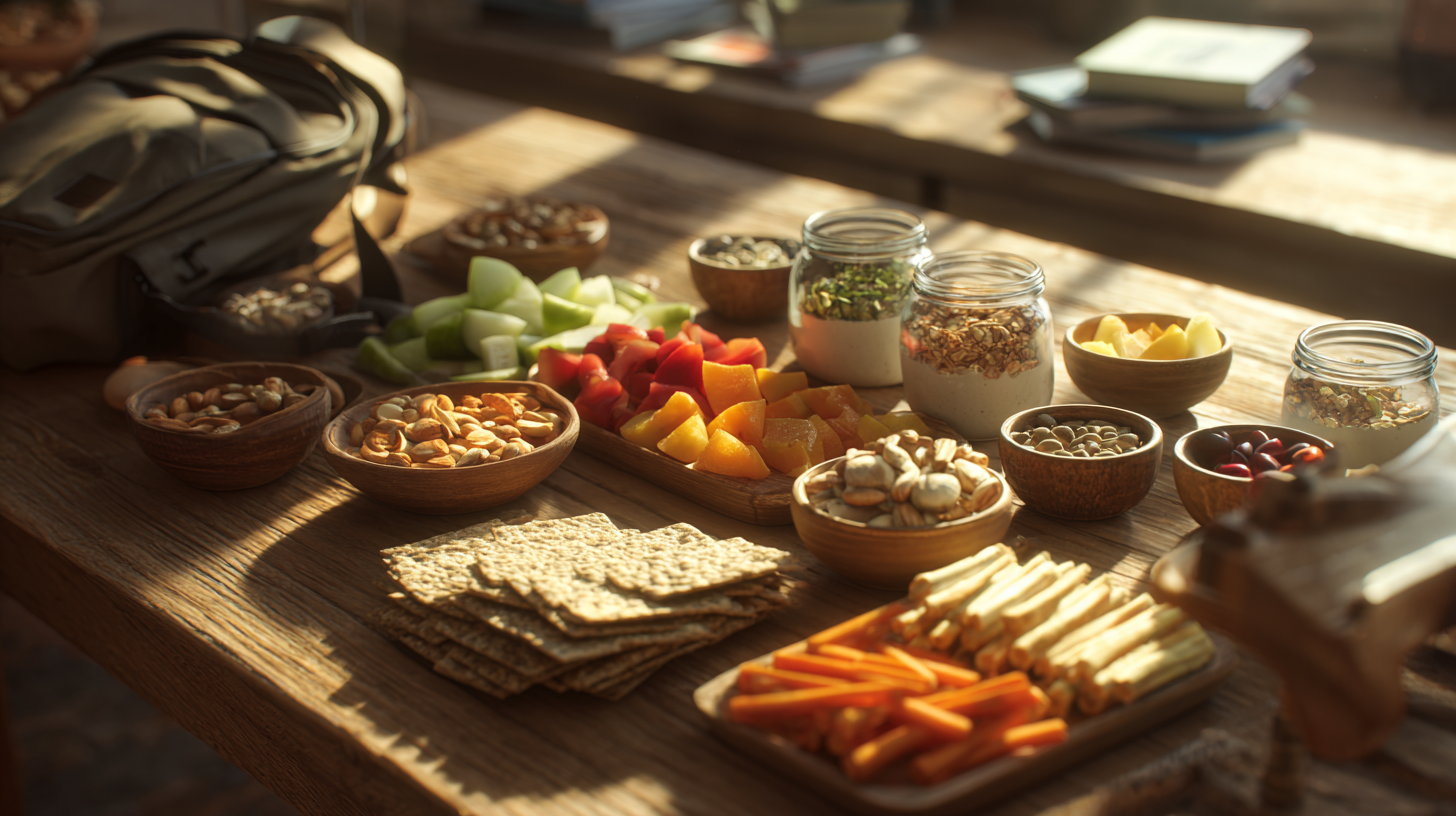
Nutritionists and dietitians consistently emphasize that the composition of after-school snacks matters far more than the quantity. A snack combining protein, fiber, and healthy fats—like apple slices with almond butter, Greek yogurt with berries, or hummus with vegetable sticks—creates sustained energy release and genuine satiety. Compare that to the standard processed snack pack of crackers or cookies, which spikes blood sugar rapidly and leaves kids hungry again within 45 minutes. The difference isn’t subtle; it’s the difference between a child who can focus on homework and one who’s foraging through the pantry every twenty minutes.
Perfect Timing Calculator
When does your child get home from school?
What time is dinner?
The Science of Snack Timing (And Why 4 PM Is Magic)
Timing your after-school snack isn’t guesswork—it’s science. The general rule that registered dietitians follow is straightforward: provide a snack 1.5 to 2 hours before dinner. This gives your child’s body enough time to process the food, utilize the energy, and build up a proper appetite again before the evening meal. But here’s where most parents go wrong: they treat this as a rigid rule rather than a flexible framework that adjusts based on their individual schedule.
Let’s say your child arrives home at 3:30 PM and dinner is at 6:00 PM. That’s a 2.5-hour gap, which means you should offer a snack around 4:00 PM. This gives them a full two hours before dinner—enough time to prevent that hungry crash but not so close that they’re still full when you call them to the table. But if dinner is delayed until 6:30 or 7:00 PM (and let’s be honest, life happens), you might need to offer a slightly more substantial snack or even split it into two smaller offerings.
The biological reason this timing works so well relates to how our digestive system processes different nutrients. Simple carbohydrates digest within 30 to 60 minutes, which is why a snack of crackers alone leaves kids hungry so quickly. Proteins take 3 to 4 hours to fully digest, and healthy fats can take even longer. When you combine these macronutrients in proper proportions—like pairing whole grain crackers with cheese or offering yogurt with nuts—you create a sustained energy release that bridges the gap to dinner without overfilling their stomach.
Here’s something fascinating: research shows that children who consume well-timed, nutrient-dense snacks actually eat more vegetables at dinner compared to kids who skip snacks or eat poorly timed ones. Why? Because they’re not arriving at the dinner table in a state of desperate hunger where only familiar, comforting carbs seem appealing. They have the emotional bandwidth to be adventurous with food. This is where cultural food traditions really shine—dishes like the Caribbean recipes found in our Caribbean Baby Food Recipe Book teach children to appreciate complex flavors and whole-food ingredients from an early age, making them more receptive to varied dinner offerings.
Portion Control Without the Power Struggles
Now let’s talk about the elephant in the room: portion sizes. This is where I see parents swinging between two extremes—either offering snacks so small they don’t actually satisfy hunger, or presenting what amounts to a fourth meal that completely destroys dinner appetite. The sweet spot exists, but it requires understanding your individual child’s energy needs and activity level.
Research indicates that a well-balanced after-school snack should provide roughly 100 to 200 calories, which translates to about 10 to 15 percent of a child’s daily caloric needs. But here’s what those numbers actually look like on a plate: one medium apple with two tablespoons of peanut butter, a cup of yogurt with a handful of berries, or a hard-boiled egg with baby carrots and hummus. These portions might seem modest at first glance, but when they contain the right balance of macronutrients, they’re remarkably satisfying.
The mistake many parents make is offering bottomless snack bowls. You know the scene: your child sits in front of the TV with a giant bag of pretzels, mindlessly eating while watching cartoons. Studies on portion size interventions show that children consistently eat more when larger portions are presented, regardless of their actual hunger levels. This isn’t about willpower or discipline—it’s simply how human brains respond to environmental cues. The solution? Pre-portion snacks into small bowls or containers. This creates a natural stopping point and helps children develop internal awareness of appropriate serving sizes.
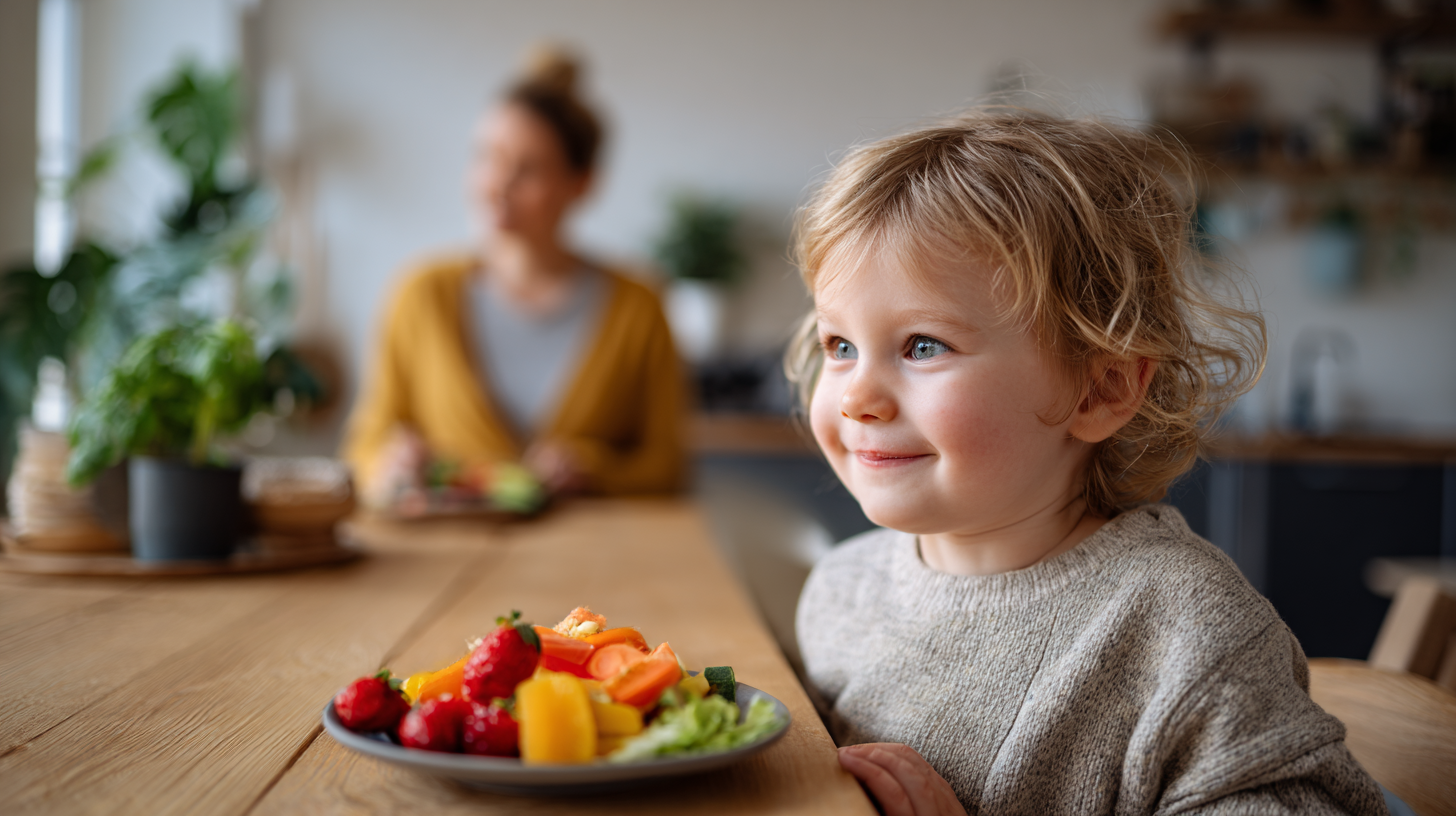
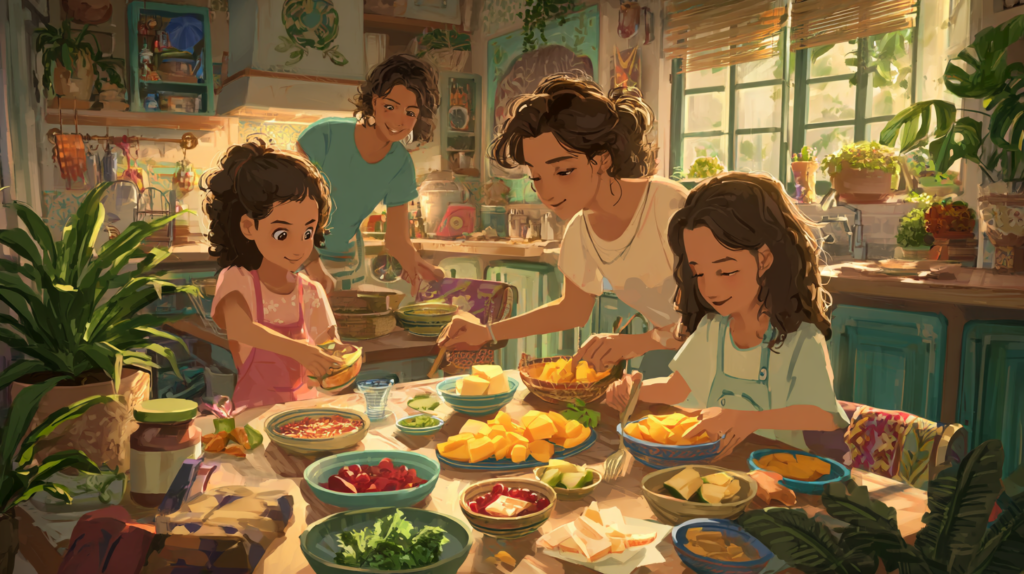
Here’s a practical tip that transformed snack time in my household: involve your children in the portioning process. Let them help fill small containers with trail mix, cut vegetables into snack-size portions, or assemble their own mini snack plates. This accomplishes two things simultaneously—it teaches them what appropriate portions look like, and it gives them ownership over their food choices, which dramatically reduces those dreaded power struggles. When kids feel like they have agency in what and how much they eat, they’re far more likely to be satisfied with reasonable portions.
For active children heading to sports practice or dance class, you might need to adjust portions upward slightly. A child burning significant energy through athletics might need a more substantial snack—perhaps a small sandwich half, a smoothie made with banana and protein powder, or a handful of nuts paired with cheese cubes. The key is being responsive to your individual child’s needs rather than following rigid portion rules that don’t account for their activity level and growth stage.
The Nutrient-Dense Snack Revolution
The snack landscape has shifted dramatically in recent years, and it’s about time. The 2024-2025 school nutrition standards now prioritize whole grains, fruits, vegetables, and lean proteins over the processed, sugary options that dominated previous decades. Over 63,000 more children gained access to improved afterschool snack programs between 2022 and 2023, with these programs specifically emphasizing nutrient density over empty calories. This policy shift reflects what nutrition science has been telling us for years: what children eat matters just as much as when and how much they eat.
Snack Myths Revealed
TRUTH: Whole fruits contain natural sugars packaged with fiber, vitamins, and water that slow digestion and prevent blood sugar spikes. A medium apple has just 95 calories and 4 grams of fiber—far superior to “low-sugar” packaged snacks made with refined ingredients.
TRUTH: Children thrive on real, whole foods. Items marketed as “kid snacks” are often ultra-processed and designed for shelf stability, not nutrition. Real food like cheese, vegetables, hummus, and nuts provide superior nutrition without artificial additives.
TRUTH: Carbs alone cause blood sugar rollercoasters. The ideal after-school snack pairs complex carbs with protein and fat—like whole grain crackers with nut butter—for sustained energy that lasts until dinner.
So what does nutrient density actually mean in practical terms? It means choosing foods that pack the most nutritional value per calorie. Instead of a 100-calorie package of fruit snacks (which contains mostly corn syrup and artificial colors), offer a 100-calorie portion of fresh strawberries with a small dollop of Greek yogurt. Both have similar calorie counts, but one delivers vitamins, minerals, antioxidants, protein, probiotics, and fiber, while the other delivers essentially nothing but sugar and food dye.
Current trends in 2024-2025 show parents increasingly gravitating toward protein-forward snacks, which makes perfect sense given the research on satiety and blood sugar management. Hard-boiled eggs have made a major comeback as a go-to snack—they’re portable, protein-rich, and can be prepared in advance. Greek yogurt has become a staple, often transformed into parfaits with fruit and a sprinkle of granola. Nut butters (when allergies aren’t a concern) paired with apple slices or celery sticks provide both protein and healthy fats. And hummus with vegetables has transcended its health-food-store origins to become a mainstream favorite.
But here’s where Caribbean food wisdom offers something truly special: the tradition of making snacks from whole food ingredients rather than packages. Think about the nutritional powerhouse of a small serving of plantain chips made at home (or purchased from quality sources), or a mini portion of sweet potato pudding, or even adapted versions of traditional dishes that work beautifully as afternoon fuel. The recipes in my Caribbean Baby Food Recipe Book introduce these flavor profiles to young palates, building familiarity with coconut, plantains, sweet potatoes, and beans—ingredients that translate beautifully into satisfying after-school snacks as children grow.
Homework Fuel: The Brain-Body Connection
Let’s talk about what happens when your child sits down to tackle homework on an empty stomach versus a properly fueled one. The difference is remarkable. The brain consumes roughly 20 percent of the body’s total energy despite being only about 2 percent of body weight. During intense cognitive work like homework, that energy demand increases further. Without adequate glucose and nutrients, concentration plummets, frustration tolerance drops, and what should be a 20-minute assignment turns into an hour-long battle.
The ideal homework fuel combines complex carbohydrates for steady glucose release, protein for sustained energy and neurotransmitter production, and healthy fats for brain cell function. This might look like whole grain crackers with cheese, a small smoothie made with banana and nut butter, or trail mix containing nuts, seeds, and dried fruit. These combinations provide the specific nutrients the brain needs for focus, memory formation, and problem-solving.
Match the Snack to the Activity
Test your snack wisdom! Tap pairs that belong together:
(Brain Fuel)
(Quick Energy)
(Sustained Energy)
(Light & Satisfying)
But timing matters here too. If your child needs to complete homework immediately after arriving home, offer a lighter snack first—perhaps some cucumber slices with a small amount of ranch dressing or a few strawberries with a cheese stick. Then, once homework is complete, you can offer a slightly more substantial second snack if needed, depending on the dinner timeline. This staged approach prevents the post-snack sluggishness that can come from eating a large portion right before mental work.
I’ve watched this play out countless times in my own home. On days when we nail the snack timing and composition, homework gets done efficiently with minimal drama. On days when snacks are skipped or poorly chosen, everything takes twice as long and involves ten times more frustration. It’s not a coincidence. We’re literally fueling (or failing to fuel) the brain’s capacity to function optimally.
Managing the Dinner Appetite Preservation Challenge
Here’s the ultimate parenting paradox: your child needs fuel after school, but you also desperately want them to eat the nutritious dinner you’ve prepared. These two goals feel contradictory until you understand the nuances of appetite regulation. The key insight is this: a properly timed and portioned snack doesn’t spoil dinner appetite—it actually enhances it by preventing the desperation-hunger that leads to poor dinner behavior.
Think about how you feel when you arrive at a meal absolutely starving versus pleasantly hungry. When you’re desperate, you want quick-digesting carbs and familiar comfort foods. Your decision-making around food becomes impaired. But when you’re moderately hungry, you have the patience and openness to enjoy a varied, balanced meal. The same principle applies to children, except their window of tolerance is even narrower.
The Golden Rule: A snack should take the edge off hunger, not eliminate it entirely. If your child declares they’re “full” after the snack, it was too large. If they’re still desperate and grabbing for more food, it was too small. You’re aiming for comfortable, where they’re content to wait for dinner but will arrive at the table with genuine appetite.
One strategy that works exceptionally well is what I call “dinner preview snacking.” This involves offering a component of the upcoming dinner as part of the afternoon snack. If dinner includes roasted vegetables, offer some raw veggie sticks with hummus as the snack. If dinner features chicken, include a small portion of protein in the snack like cheese or hard-boiled eggs. This approach accomplishes multiple goals: it ensures nutrient diversity throughout the afternoon, it familiarizes children with dinner components so nothing feels completely foreign at mealtime, and it naturally limits snack quantity since these items will reappear shortly at dinner.
Another approach is creating snack boundaries through environment rather than restriction. Establish a designated snack area (maybe the kitchen table) rather than allowing snacking while watching TV or playing. This creates mindfulness around eating and prevents mindless overconsumption. Similarly, implementing a “kitchen closed” window—perhaps 45 minutes before dinner—gives clear boundaries while still allowing adequate snacking earlier in the afternoon.
Real-World Implementation: What Actually Works
Let’s get practical. Theory is valuable, but what matters is what works when you’re exhausted, your kids are cranky, and you have seventeen other things demanding your attention. Here are the strategies that parents successfully implementing these principles actually use day to day.
First, prep is everything. Successful after-school snacking requires having the right options readily available. This means dedicating 20 to 30 minutes on the weekend (or whatever your prep day is) to washing and cutting vegetables, portioning nuts and trail mix into small containers, hard-boiling a batch of eggs, and washing fruit so it’s grab-and-go ready. When healthy options require less effort than unhealthy ones, you’ve set up an environment where the right choice becomes the easy choice.
Second, create a snack station that children can access independently. Stock a designated drawer or shelf with pre-portioned options they can select from. This might include small containers of crackers and cheese, individual yogurt cups, pre-cut fruit in containers, string cheese, and similar items. Age-appropriate independence here serves multiple purposes: it reduces your workload, it teaches decision-making skills, and it eliminates the constant “can I have a snack” negotiations because the parameters are already established.
Third, rotate your offerings to prevent snack rut burnout. Kids (like adults) get bored eating the same things repeatedly. Create a mental rotation of 10 to 15 go-to snacks that you cycle through. This might include traditional options like yogurt and fruit, hummus and vegetables, cheese and crackers, but also more creative options like mini rice cakes with avocado, homemade energy balls, or small smoothies. Cultural foods offer wonderful variety here—items like plantain chips, coconut-based treats, or bean dips introduce exciting new flavors while delivering solid nutrition.
Choose what best describes your current approach:
Fourth, communicate expectations clearly. Children function better with predictable routines than with constantly changing rules. Establish when snack time happens, where it happens, and what the parameters are. You might say, “After school, you can choose one snack from the snack drawer. We’ll have dinner at 6:00, so the kitchen closes at 5:15.” Clear expectations eliminate negotiations and power struggles because everyone knows the framework in advance.
Fifth, model the behavior you want to see. If you’re mindlessly snacking on chips while preparing dinner, it’s unrealistic to expect your children to make better choices. When kids see you choosing apple slices over cookies, drinking water instead of soda, and sitting down to eat snacks rather than eating while standing at the counter, they internalize these patterns. Your actions teach more powerfully than any lecture about healthy eating.
When Challenges Arise: Troubleshooting Common Issues
Even with the best strategies, challenges will emerge. Let’s address the most common ones and how to navigate them without losing your sanity or abandoning your principles.
The “But I’m Starving” Drama: Some children genuinely experience more intense hunger than others due to metabolism, activity level, or growth spurts. If your child consistently seems hungry despite adequate snack portions, first evaluate whether the snack composition is right. Are you including enough protein and fat for satiety? If the snack is well-balanced and they’re still struggling, consider offering two smaller snacks instead of one larger one—perhaps a light snack immediately after school and another about an hour before dinner. Just ensure the total quantity still aligns with preserving dinner appetite.
The Picky Snacker: Children who resist healthy snack options often do so because they’ve become accustomed to highly processed, hyper-palatable foods that have trained their taste buds to expect intense sweetness or saltiness. The solution isn’t force, but gradual transition. Start by pairing accepted foods with new options. If they’ll eat crackers, serve crackers with cheese or hummus. If they love fruit, pair it with yogurt or nut butter. Slowly, the accepted foods become vehicles for introducing new options. And remember, taste preferences develop through repeated exposure—research shows children often need 10 to 15 exposures to a new food before accepting it.
The “I Want What My Friend Has” Comparison: Children notice what their friends eat and often want the same packaged snacks they see at friends’ houses. Rather than making these items completely forbidden (which often backfires by making them more desirable), incorporate them occasionally while maintaining healthy options as the foundation. You might say, “On Fridays, you can choose one packaged snack, but Monday through Thursday, we eat snacks from our snack station.” This approach teaches moderation rather than restriction.
The Schedule Chaos: Life rarely follows perfect schedules. Sports practice, after-school activities, appointments—all of these disrupt the ideal snack timing. Build flexibility into your system by having portable snack options ready. A small insulated bag with an ice pack can carry yogurt, cheese, and fruit. Trail mix, granola bars (choose ones with minimal added sugar), and nut butter packets travel well. The goal isn’t perfection; it’s consistency within reasonable parameters.
Looking Ahead: Building Lifelong Healthy Habits
Here’s what keeps me motivated when the daily snack grind feels tedious: these patterns we’re establishing right now become the foundation for our children’s lifelong relationship with food. The child who learns to recognize hunger cues, choose nutrient-dense foods, and practice portion awareness today becomes the teenager who doesn’t develop disordered eating patterns and the adult who maintains a healthy weight and relationship with food.
The after-school snack window is actually a powerful teaching opportunity. It’s a low-stakes moment when we can guide children toward making nourishing choices without the pressure and emotions that often surround main meals. When we involve kids in snack preparation, teach them about why certain foods make their bodies and brains feel good, and give them age-appropriate autonomy within healthy boundaries, we’re building critical life skills that extend far beyond childhood.
Research on eating-disorder prevention consistently shows that children who grow up in homes where food is neither restricted nor used as reward or punishment develop the healthiest relationships with eating. The after-school snack routine, when approached with this philosophy, reinforces these protective factors. We’re not creating food rules that breed rebellion; we’re creating frameworks that support health while respecting autonomy.
And here’s the beautiful part: when you establish these patterns, they eventually become automatic. The chaos of those early weeks—when you’re figuring out timing, portions, and acceptable options—eventually transforms into a smooth routine. Your children internalize the expectations, know how to make choices from available options, and understand that these boundaries exist to help them feel their best. The daily negotiation fades, replaced by a sustainable system that serves everyone’s needs.
Your Action Plan Starting Tomorrow
If you’re feeling overwhelmed by all this information, let me give you a simple starting point that you can implement immediately. Begin with just these three changes, and build from there:
Week 1: Establish consistent snack timing. Choose a specific time window (like 4:00-4:15 PM) and stick to it for one week. This alone will begin regulating your child’s appetite patterns and reduce random grazing.
Week 2: Prep five different snack options on Sunday. Focus on combinations that include protein plus produce: cheese and apple slices, yogurt and berries, hummus and carrots, hard-boiled eggs and cherry tomatoes, nut butter and banana. Having these ready eliminates the “what should I give them” decision fatigue.
Week 3: Create a simple visual guide (even just a list on the fridge) of approved snack options, and begin giving your child choice within these parameters. “Would you like the cheese and crackers or the yogurt and fruit?” This small amount of autonomy dramatically increases cooperation.
That’s it. Three weeks, three simple implementations. You’re not overhauling your entire food system overnight. You’re making strategic, manageable changes that compound over time into a complete transformation of your after-school routine.
And when you need inspiration for broadening your family’s food horizons—introducing flavors beyond the standard kid-food repertoire—explore resources that celebrate diverse, nutrient-dense ingredients. The recipes and approaches in our Caribbean Baby Food Recipe Book specifically focus on building adventurous palates from the very beginning, with ingredients like coconut, plantains, sweet potatoes, and beans that create the foundation for varied, wholesome eating throughout childhood.
The Evening You’re Creating
Picture this: your child walks through the door at 3:30 PM. Instead of immediately diving into a frantic search for something, anything, to eat, they know exactly what to expect. They head to the snack station, select their pre-portioned option, and sit at the table to eat it mindfully. Twenty minutes later, they’re fueled and ready to tackle homework with focus and good humor. You’re not battling over endless snack requests because the boundary is clear and the need has been met.
Fast forward to 6:00 PM. You call everyone to dinner, and your child actually comes to the table with appetite. They’re not so desperately hungry that they’re only interested in bread and pasta, but they’re genuinely ready to eat. The meal you prepared—complete with protein, vegetables, and whole grains—gets eaten without drama. Your child has the emotional capacity to try new foods, engage in family conversation, and enjoy the meal.
This isn’t fantasy. This is what happens when after-school snack strategies align with children’s biological needs and family dinner goals. It’s what happens when we stop fighting against our children’s hunger and instead work with it through thoughtful timing, appropriate portions, and nutrient-dense choices.
The after-school hours don’t have to be a battleground. They can become a rhythm, a routine, a predictable pattern that supports everyone’s wellbeing. It starts with understanding that the snack isn’t the enemy of dinner—poorly planned snacking is. When we get this right, we’re not just solving a daily logistical challenge. We’re building healthy habits, teaching nutrition literacy, fostering food autonomy, and creating peaceful evenings where family meals can actually happen.
Your children are watching and learning from every food interaction you navigate together. Make these moments count. Build the framework now that will serve them for decades to come. And remember, progress over perfection. Even small improvements in your after-school snack strategy will create ripple effects throughout your entire evening routine. Start where you are, use what you have, and watch as these small changes transform your family’s relationship with food, one after-school snack at a time.

Kelley's culinary creations are a fusion of her Caribbean roots and modern nutritional science, resulting in baby-friendly dishes that are both developmentally appropriate and bursting with flavor. Her expertise in oral motor development and texture progression ensures that every recipe supports your little one's feeding milestones while honoring cultural traditions.
Join Kelley on her flavorful journey as she shares treasured family recipes adapted for tiny taste buds, evidence-based feeding guidance, insightful parenting anecdotes, and the joy of celebrating food, culture, and motherhood. Get ready to immerse yourself in the captivating world of Kelley Black and unlock the vibrant flavors of the Caribbean for your growing baby, one nutritious bite at a time.
- The Feeding Revolution: Why Your Everyday Meals Are Changing the World - October 13, 2026
- Your Feeding Story Matters More Than The “Perfect” One Online - October 12, 2026
- Looking Forward: Stepping Into Your Confident Feeding Future - October 11, 2026