Vegetarian Baby Feeding: Complete Nutrition Without Meat
Here’s something that keeps vegetarian parents up at night: That nagging voice asking, “But where will my baby get enough protein? What about iron? B12?” I remember sitting in my pediatrician’s office, my six-month-old daughter bouncing on my lap, when the doctor casually asked what proteins I’d be introducing. When I mentioned our vegetarian lifestyle, her eyebrows shot up. That single look sent me down a rabbit hole of research, doubt, and eventually—liberation.
Because here’s what I discovered: raising a thriving vegetarian baby isn’t just possible—it’s backed by decades of research and practiced successfully by millions of families worldwide. But the gap between conflicting advice and evidence-based guidance? That’s where parents get lost. Let me be your compass through this journey, because what you’re about to learn will transform anxiety into confidence.
MYTH BUSTER CHALLENGE: Test Your Vegetarian Baby Knowledge
Click on the statement you believe is TRUE:
The Science Behind Vegetarian Infant Nutrition
Let’s cut through the noise with hard facts: According to recent 2024 research published in Maternal & Child Nutrition, well-planned vegetarian and vegan diets can support normal growth and development throughout infancy and childhood. The key phrase here? Well-planned. This isn’t about winging it with mashed bananas and hope—it’s about strategic nutrition that gives your baby everything they need without a single bite of meat.
The American Academy of Pediatrics, the Academy of Nutrition and Dietetics, and the European Society for Paediatric Gastroenterology, Hepatology and Nutrition have all confirmed that appropriately planned vegetarian diets are suitable for infants. But here’s what makes the difference: understanding critical nutrients, their plant-based sources, and the supplementation strategies that bridge any gaps.
The 2024 systematic review on supplementation guidelines for vegan complementary feeding reveals something crucial: vitamin B12, vitamin D, iron, zinc, iodine, and omega-3 fatty acids require particular attention in plant-based infant diets. Not because plant foods are inadequate, but because these nutrients exist in different forms or concentrations in plant versus animal sources. Think of it like speaking different dialects of the same language—the message is there, but you need to know how to communicate it properly.
Plant-Based Protein Power: Building Blocks Without Meat
Here’s where parents spiral: “How much protein? From where? Is it enough?” Take a breath. Between 6-12 months, babies need approximately 11 grams of protein daily. By 12-24 months, that increases to 13 grams. Sounds daunting? It’s actually simpler than you think.
YOUR BABY’S DAILY PROTEIN TRACKER
Click the foods your baby ate today to see their protein intake:
Total Protein: 0g
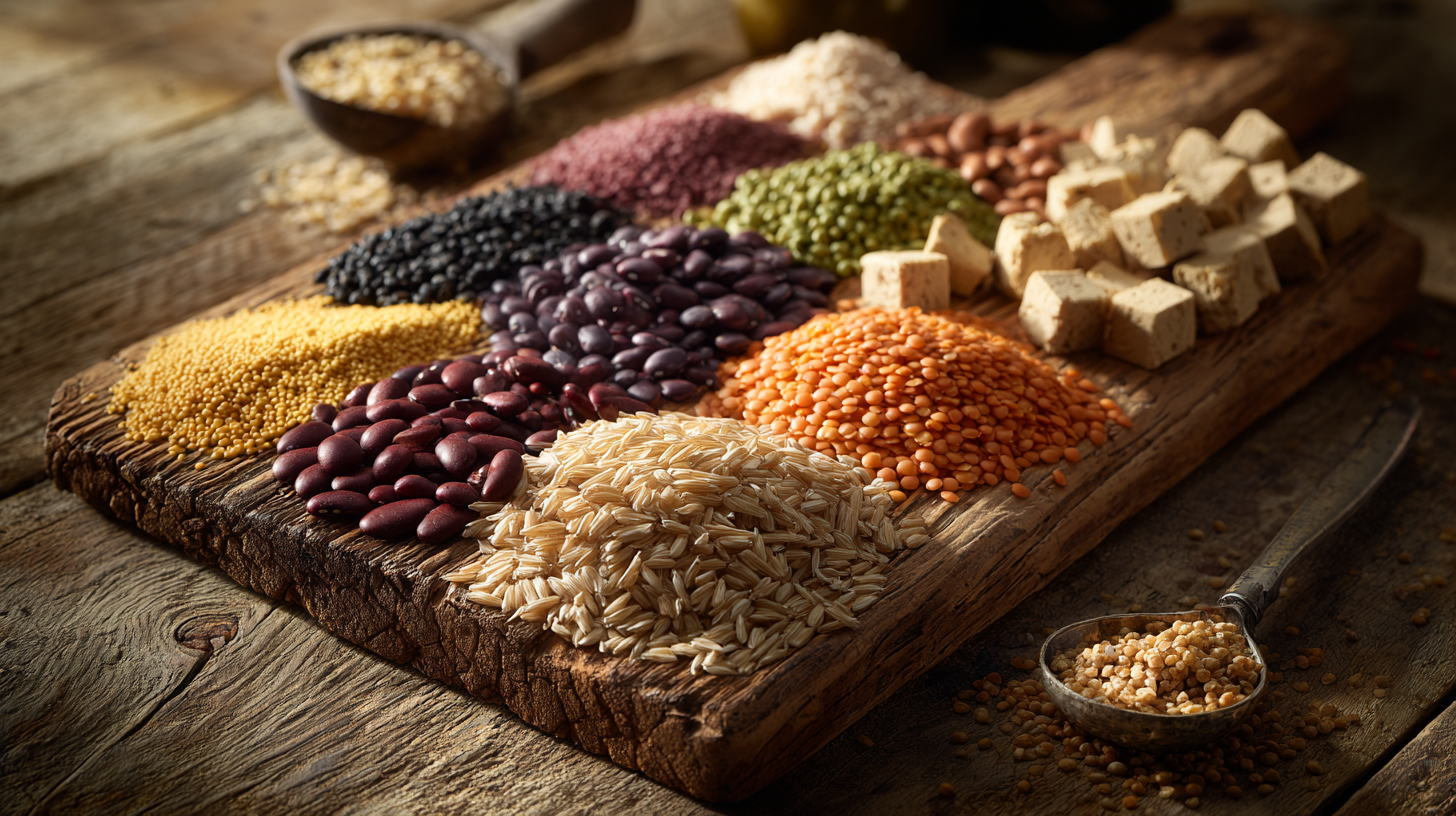
The protein powerhouses in your vegetarian arsenal include legumes (lentils, chickpeas, black beans), whole grains (quinoa, oats, amaranth), dairy products (if lacto-vegetarian), eggs (if ovo-vegetarian), nuts and seeds (in appropriate forms), and soy products like tofu and tempeh. What’s revolutionary about this list? Variety. While meat-eating families rely on one primary protein source, vegetarian babies get exposed to diverse amino acid profiles, textures, and flavors from day one.
In my Caribbean heritage, we’ve mastered plant-based proteins for generations. The Caribbean Baby Food Recipe Book features protein-rich recipes like Basic Mixed Dhal Purée (combining multiple legumes for complete amino acids), Coconut Rice & Red Peas (a protein and iron powerhouse), and Pholourie Snack made with split pea flour—each delivering substantial protein in baby-friendly forms. These aren’t just recipes; they’re nutritional traditions tested across generations.
The B12 Strategy: Non-Negotiable for Vegetarian Babies
Let me be crystal clear about vitamin B12: this is your most critical concern as a vegetarian parent, and there’s zero room for guesswork. B12 is essential for neurological development, red blood cell formation, and DNA synthesis. Unlike other nutrients where you might have wiggle room, B12 deficiency in infants can cause irreversible developmental delays.
Here’s the stark reality from 2024 research: B12 exists naturally only in animal products and fortified foods. If you’re exclusively breastfeeding and don’t consume adequate B12 yourself, your milk won’t contain enough for your baby. The solution? Systematic supplementation combined with fortified foods once solids begin.
YOUR PERSONALIZED B12 ACTION PLAN
Select your feeding style to reveal your B12 strategy:
For lacto-ovo vegetarian families, dairy and eggs provide reliable B12 sources. One large egg contains about 0.6 mcg of B12, and one cup of whole milk provides roughly 1.1 mcg. Infants 6-12 months need 0.4 mcg daily, increasing to 0.9 mcg for ages 1-3 years. But here’s the catch: B12 absorption varies significantly between individuals, and cooking can destroy up to 30% of B12 content. This means relying solely on food sources without monitoring is risky.
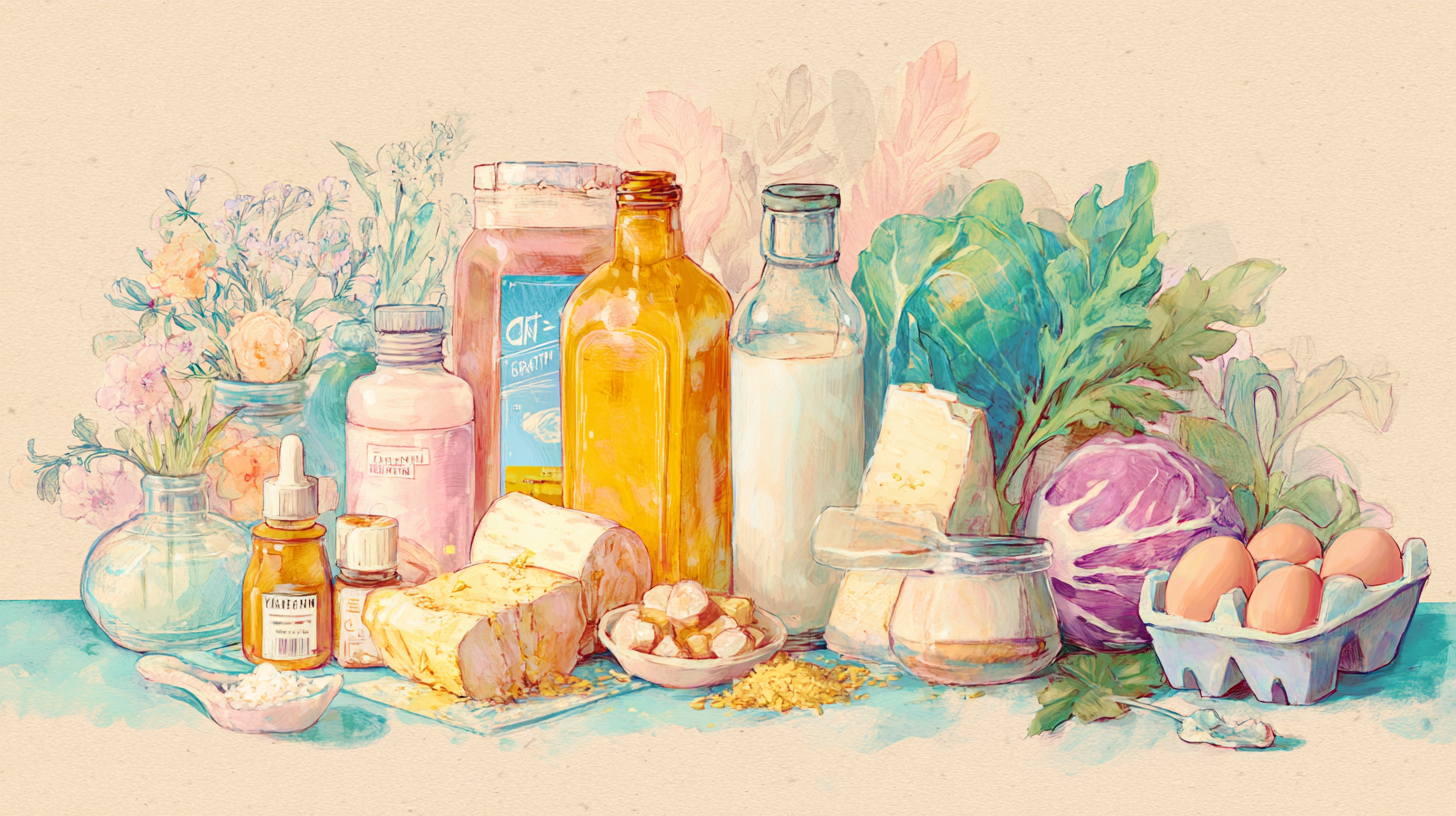
The gold standard? Pediatric B12 supplements in liquid or sublingual form, combined with fortified foods like nutritional yeast, fortified plant milks, and fortified cereals. Work with your pediatrician to establish baseline B12 levels through blood tests at 6 months, 12 months, and annually thereafter. This isn’t paranoia—it’s precision parenting.
Mastering Iron Without Meat: The Absorption Game-Changer
Iron deficiency is the most common nutritional deficiency worldwide, affecting up to 43% of children under five globally. For vegetarian families, understanding iron becomes an art and science combined. Here’s what changes the game: not all iron is created equal.
Heme iron (from meat) has 15-35% absorption rates. Non-heme iron (from plants) has only 2-20% absorption. Before you panic, here’s the beautiful twist: you can triple non-heme iron absorption with strategic food pairing. Vitamin C is your secret weapon—it can increase plant-based iron absorption by up to 300%.
IRON ABSORPTION MATCHING GAME
Match iron-rich foods with their vitamin C boosters!
Iron-Rich Food:
Pair it with:
Infants need 11 mg of iron daily from 7-12 months—more than adult men! This is because they’re depleting the iron stores they built during pregnancy while experiencing rapid growth. Plant-based iron champions include lentils (1.8 mg per ¼ cup cooked), fortified infant cereals (up to 7 mg per serving), tofu (1.5 mg per ¼ cup), quinoa (0.8 mg per ¼ cup cooked), and blackstrap molasses (3.5 mg per tablespoon).
Now here’s the Caribbean wisdom my grandmother taught me: traditional dishes already incorporate this iron-boosting magic. Our Caribbean Baby Food Recipe Book includes recipes like Cook-Up Rice & Beans Smooth (iron-rich beans paired with tomatoes), Caraille Green Mix (iron from dark leafy greens with citrus notes), and Baigan Choka Smooth featuring eggplant with tomato—each naturally designed for maximum iron absorption. Sometimes ancestral cooking is more scientifically sound than we realize.
Age-Appropriate Vegetarian Meal Planning: Your Monthly Roadmap
Timing matters profoundly in infant feeding. Introduce foods too early, and the immature digestive system struggles. Too late, and you miss critical developmental windows. Here’s your evidence-based progression:
6-8 Months: Foundation Building
Start with iron-fortified cereals mixed with breast milk or formula, then single-ingredient vegetable and fruit purées. Introduce legumes like lentils and split peas in smooth, well-cooked forms. Avocado becomes your best friend—packed with healthy fats crucial for brain development. Avoid honey (botulism risk), nuts and seeds in whole forms (choking hazard), and added salt or sugar.
8-10 Months: Texture Progression
Introduce mashed and lumpy textures, combination foods, and finger foods. This is when tofu cubes, well-cooked chickpeas, soft-cooked quinoa, and small pasta shapes enter the picture. Begin offering vegetarian proteins at two meals daily. Continue breast milk or formula as the primary nutrition source, with solids complementing rather than replacing milk feeds.
10-12 Months: Independence Emerging
Most foods can be offered in soft, small pieces. Beans, lentils, and split peas in whole or slightly mashed forms work beautifully. Introduce egg (a complete protein and excellent B12 source if ovo-vegetarian), nut butters thinly spread, and combination meals like vegetarian curries or stews. Aim for three meals plus 1-2 snacks daily.
12+ Months: Family Table Integration
Your toddler can eat modified versions of family meals. Whole milk (dairy or fortified plant-based), full-fat yogurt, and cheese become regular features. Portions increase—about ¼ to ½ cup per food group per meal. Continue focusing on iron-rich foods at every meal, vitamin C-rich foods to boost absorption, and B12 sources daily.
️ INSTANT VEGETARIAN MEAL PLAN GENERATOR
Select your baby’s age for a complete daily meal plan:
One meal planning principle transformed my feeding journey: batch cooking with intention. Every Sunday, I’d prepare three legume bases (red lentils, chickpeas, black beans), two grain batches (quinoa and brown rice), and four vegetable purées. Mix and match throughout the week, adding vitamin C sources fresh at mealtime. Suddenly, vegetarian feeding became less stressful than friends managing meat preparation and food safety concerns.
Addressing the Concerns Nobody Talks About
Let’s discuss the elephant in the room: family pressure and social judgment. When my mother-in-law suggested my daughter looked “pale” and needed chicken soup, I didn’t argue—I showed her the pediatrician’s growth charts. When strangers at the playground questioned our choices, I didn’t justify—I watched my energetic daughter outrun their kids.
The research backs you up. A 2024 systematic review in Nutrients examining plant-based diets in children found that when properly planned with attention to critical nutrients, vegetarian children show growth and development patterns comparable to omnivorous children. Some studies even suggest benefits: lower rates of obesity, reduced cardiovascular disease risk factors, and healthier eating patterns extending into adolescence and adulthood.
But proper planning isn’t optional—it’s essential. The cases of malnourished vegetarian babies making headlines? They involve severely restricted diets lacking professional guidance, often with ideological extremism trumping nutritional science. This isn’t vegetarian feeding—it’s neglect dressed in a plant-based costume.
FLIP THE CONCERN: Your Evidence-Based Responses
Click each concern to reveal the scientific response:
Work with a registered dietitian specializing in pediatric nutrition, especially during the first year. This isn’t admitting defeat—it’s strategic parenting. The investment of 2-3 consultations can prevent years of nutritional deficiency consequences. Many insurance plans cover nutritional counseling, and the peace of mind? Priceless.
Caribbean Vegetarian Traditions: Ancestral Wisdom Meets Modern Science
Growing up in a Caribbean household, I didn’t realize we were practicing “plant-forward” eating decades before it became trendy. Our traditional meals centered on rice and peas (beans), ground provisions (starchy vegetables), and legume-based dishes—accidentally creating complete, balanced vegetarian nutrition.
What my grandmother called “good eating” aligns perfectly with current vegetarian infant feeding guidelines. Her Basic Mixed Dhal Purée combined multiple legume types for complete amino acid profiles. The Coconut Rice & Red Peas delivered iron, protein, and healthy fats in one dish. Even our snacks—like Pholourie made from split pea flour—were protein-dense, nutrient-rich options that happened to be plant-based.
The Caribbean Baby Food Recipe Book preserves these traditions while adapting them for modern infant feeding guidelines. Each recipe includes nutritional breakdowns, age appropriateness, and preparation methods that maximize nutrient retention. You’re not just feeding your baby—you’re connecting them to generations of nutritional wisdom while meeting contemporary dietary standards.
The difference between traditional Caribbean vegetarian cooking and modern plant-based trends? We never needed to label it or justify it. It was simply how we ate, season after season, providing complete nutrition without overthinking. Sometimes the best innovations are actually rediscoveries of what worked all along.
Building Your Vegetarian Baby Feeding Confidence
Three years into this journey, here’s what I wish someone had told me at the beginning: vegetarian infant feeding isn’t harder—it’s just different. The learning curve feels steep initially, but once you internalize the key principles, it becomes second nature.
Your non-negotiables: B12 supplementation (through maternal intake if breastfeeding or infant drops), iron-rich foods at every meal paired with vitamin C sources, adequate fat intake for brain development (avocado, nut butters, coconut milk, full-fat dairy if included), vitamin D supplementation (recommended for all infants regardless of diet), regular growth monitoring and blood work (6 months, 12 months, annually), and consultation with pediatric nutrition professionals.
️ YOUR VEGETARIAN FEEDING READINESS CHECKLIST
Mark what you’ve already mastered:
Your flexibility points where perfectionism isn’t required: exact protein gram counting at every meal (variety over time matters more), organic versus conventional produce (both are nutritious; prioritize access and affordability), homemade versus store-bought baby food (convenience has its place), and strict meal timing (responsive feeding beats rigid schedules). Focus your energy where it creates the most impact, and release control where it doesn’t.
The moment everything clicked for me? When I stopped defending our choices and started celebrating them. My daughter’s first foods included Sweet Potato & Callaloo Rundown, Cornmeal Porridge Dreams, and Baigan Choka Smooth—dishes connecting her to her heritage while providing complete nutrition. She wasn’t missing out; she was experiencing more variety, more flavors, and more cultural richness than many omnivorous babies encounter.
Your Plant-Powered Parenting Journey Starts Now
Here’s what nobody tells you about raising a vegetarian baby: in five years, this won’t feel like a “special diet” requiring constant attention. It becomes simply how your family eats. The initial research phase, the careful planning, the nutritional tracking—they’re temporary scaffolding while you build confidence and competence.
Eventually, you’ll instinctively pair iron with vitamin C. You’ll batch cook legumes without thinking. You’ll navigate birthday parties and playdates with grace instead of anxiety. Your child will understand their dietary choices as normal, not restrictive. And when they’re older and their pediatrician compliments their excellent nutrition? You’ll smile, knowing you did this—you raised a thriving vegetarian child against skepticism, against pressure, against the current.
The vegetarian infant feeding gap that once felt overwhelming—that chasm between “just give them chicken” advice and evidence-based plant nutrition—doesn’t disappear. But you learn to bridge it. You become the expert on your child’s nutrition. You create the resource you wish had existed when you started.
For comprehensive meal ideas that make vegetarian baby feeding practical and delicious, explore the Caribbean Baby Food Recipe Book. You’ll find over 75 recipes demonstrating that plant-based infant nutrition isn’t just possible—it’s a celebration of flavor, culture, and optimal health from the very first bite.
So take that deep breath you’ve been holding. You’re not depriving your baby—you’re nourishing them completely, consciously, and competently. The evidence supports you. The traditions sustain you. And your growing, thriving, energetic child will prove every skeptic wrong. Welcome to vegetarian parenting. You’ve got this, and the science has your back.

Kelley's culinary creations are a fusion of her Caribbean roots and modern nutritional science, resulting in baby-friendly dishes that are both developmentally appropriate and bursting with flavor. Her expertise in oral motor development and texture progression ensures that every recipe supports your little one's feeding milestones while honoring cultural traditions.
Join Kelley on her flavorful journey as she shares treasured family recipes adapted for tiny taste buds, evidence-based feeding guidance, insightful parenting anecdotes, and the joy of celebrating food, culture, and motherhood. Get ready to immerse yourself in the captivating world of Kelley Black and unlock the vibrant flavors of the Caribbean for your growing baby, one nutritious bite at a time.
- Feeding and Your Relationship: How to Protect Your Partnership When Mealtimes Feel Like a War Zone - September 14, 2026
- From “Who’s Right?” to “We’ve Got This”: Building a Feeding Partnership That Actually Works - September 13, 2026
- You’re More Than Just the Person Who Feeds Your Baby - September 12, 2026