
Trust Your Journey: Why You Really Do Know Your Child Best
If your honest answer made your stomach flip a little, you are not alone. Modern parenting is saturated with expert opinions, viral reels, checklists, and “rules” that often make loving, thoughtful parents feel like they are constantly failing. At the same time, research is showing something powerful: when parents drown in advice, their confidence drops, their stress rises, and their natural ability to read their own child gets buried under noise.
This article is your permission slip and your reset button. Together, we are going to unpack what the research actually says about information overload, intensive parenting pressure, burnout, and “gentle parenting” perfectionism—and turn it into practical tools so you can quiet the noise, trust your inner knowing, and enjoy the child who is already right in front of you.

The Hidden Cost of Drowning in Parenting Advice
Many parents believe that consuming more information automatically makes them better caregivers, but newer studies paint a more complicated picture. When parents constantly scroll through social media, blogs, and parenting forums, they are more likely to feel overloaded and less sure that they can make good decisions for their own children. Over time, this can create a loop: you feel unsure, so you search more; the more you search, the more contradictions you see; the more contradictions, the more doubt you feel.
Researchers call this “information overload,” and it is not just about being busy or tired. Overload disrupts decision-making, increases anxiety, and makes it harder to weigh what actually fits your child’s temperament, culture, and family reality. Parents who feel overloaded are more likely to second-guess even small choices—like whether to offer a new food or how to respond to whining—and less likely to notice the quiet evidence that their child is actually doing just fine.
At the same time, digital parenting spaces are designed to capture attention, not to protect your nervous system. Algorithms amplify dramatic stories, perfect routines, and strong opinions, which makes “normal” parenting feel wrong and “good-enough” choices feel like failure. That constant comparison fuels guilt and shame, which are known risk factors for parental burnout and for harsher reactions toward children during stressful moments.
If your bar shot up, that is not a personal failure; it is a sign that the system around you is demanding too much and offering too little real support. The key is not to eliminate information, but to become intentional about it: knowing when to ask, whom to ask, and when to stop asking because your own observations are already telling you enough. This shift from “never enough information” to “enough for my child” is the heart of trusting your journey.
Intensive Parenting, Gentle Parenting, and the Perfect Parent Trap
Alongside information overload sits another heavy weight: intensive parenting culture. This is the idea that a good parent should be endlessly child-focused, constantly improving, and nearly perfect in every decision, from sleep to snacks to screen time. Studies consistently link these beliefs—especially among mothers—to higher stress, exhaustion, anxiety, and sometimes depression. When parents internalize the message that anything less than perfect is harmful, they begin to treat every small choice as a test of their worth.
Even well-intentioned movements like “gentle parenting” can become part of the trap when they are interpreted as strict formulas rather than flexible principles. Research shows that many gentle parents feel deeply committed and connected to their children, but a significant group also report uncertainty and burnout, especially when they believe they must always be calm, endlessly patient, and emotionally available. When they inevitably raise their voice, reach their limit, or set a firm boundary, they feel like they have failed at gentle parenting itself.
The truth is more freeing and more human: being emotionally responsive matters, but so do limits, rest, and your own mental health. A parent who occasionally gets frustrated, apologizes, and repairs the relationship is not breaking some sacred rule; they are modeling what real-world emotional life looks like. When you shift from “I must always be gentle and perfect” to “I aim to be kind, firm, and able to repair,” you step out of the perfect parent trap and back into a relationship with your actual child.
Studies on burnout, self-compassion, and co-parenting suggest that what protects families is not perfection, but balance: warmth plus boundaries, guidance plus flexibility, structure plus room for the unexpected. Gentle parenting principles can absolutely align with this, but only if they are held lightly and adapted to your child’s needs, your culture, and your resources. You are allowed to practice “gentle with myself” at the same time as “gentle with my child.”
Parental Burnout: When Love Is High but the Tank Is Empty
Parental burnout is not just being tired; it is a recognized pattern of deep exhaustion, emotional distancing from your child, and a painful sense that you are failing as a parent. Research from multiple countries shows that burnout tends to show up when there is a mismatch between huge demands—constant vigilance, high expectations, financial or time pressure—and limited resources, like rest, support, and self-compassion. Parents may still love their children fiercely while feeling utterly drained by the daily realities of care.
Burnout does not appear out of nowhere. It grows from many tiny moments where your needs are sidelined: skipping meals, never having quiet time, holding yourself to impossible standards, and feeling like you must carry it all alone. Over time, this can reduce your patience, your joy, and even your ability to see your child’s strengths. Studies also connect high burnout with harsher reactions to children, more conflict at home, and mental health struggles for both parents and kids.
The hopeful news is that burnout is not a character flaw; it is a signal. Interventions based on mindfulness and self-compassion have been shown to reduce burnout symptoms and help parents relate more kindly to themselves. Supportive co-parenting, where responsibilities and emotional load are shared, also acts as a protective factor. When parents are encouraged to ask for help, lower impossible standards, and take their own feelings seriously, burnout becomes something that can soften rather than a permanent identity.
- Feeling emotionally empty or “numb” in the parenting role.
- Snapping quickly over small behaviors that never used to bother you.
- Thinking often, “I am a terrible parent,” even when your child is okay.
- Wanting to be physically away from your children more than before.
- Feeling that parenting has become only tasks and no joy.
If several of these feel familiar, you deserve more support and softer expectations—not more self-criticism.
Why Your Inner Knowing Is Real (and Not Just “Mommy Intuition”)
It is easy to dismiss parental instinct as something vague or mystical, but psychologically, it rests on very real processes. Every day, your brain is collecting thousands of data points about your child: the way they breathe when they are coming down with a cold, how their cry changes when they are overtired versus overstimulated, which foods light up their eyes and which textures make them pull away. Over time, these patterns become a kind of internal map, even if you cannot always put words to it.
Researchers call this internal map “self-efficacy” when they look at you, and “attunement” when they look at the parent–child relationship. Parents who believe they can handle challenges tend to search less compulsively, adapt more quickly, and feel more emotionally stable. This is not because they know everything; it is because they trust their capacity to figure things out as they go. That confidence grows when they are encouraged to experiment, notice what works, and make adjustments without shame.
Your inner knowing is also shaped by your culture and community wisdom. Caribbean parents, for example, often lean on generational practices around herbs, spices, and foods like sweet potato, pumpkin, coconut milk, red peas, and callaloo. When those traditions are combined with modern safety guidance—such as age-appropriate textures and allergy awareness—they create a rich, grounded way of caring that science increasingly recognizes as protective: warm relationships, shared meals, storytelling, and a sense of belonging.
Filtering the Noise: A Simple Research-Informed System
One powerful way to trust your journey without ignoring evidence is to filter advice instead of absorbing it. Think of yourself as the head chef in your family’s kitchen: you choose the ingredients, you know who will be eating, and the recipe cards are suggestions, not commands. Studies on digital parenting show that parents who intentionally limit the number of sources they consult and who stop searching once they have “good enough” information feel less overloaded and more confident.
Start by choosing a small set of trusted sources: perhaps your pediatric provider, one or two evidence-based parenting platforms, and a community elder or experienced caregiver you respect. When new advice appears in your feed, run it through a simple set of questions: Is this based on evidence or just opinion? Does it fit my child’s age, temperament, and health needs? Does implementing this make me feel more connected or more anxious? If it increases anxiety without offering real safety or connection, it may not be for you.
Over time, you can build your own “family manual” by observing what actually works in your home. Maybe your toddler settles best after a warm bath and a story in patois. Maybe your baby thrives with sweet potato and callaloo mash. Maybe screen time rules that work online feel impossible in your tiny apartment, but a “no phones at dinner” boundary feels doable. The more you notice and record your wins, the more solid your internal compass becomes, and the easier it is to say, “That might work for some families, but it is not for us.”
If feeding is a major source of stress for you, curating your information can be especially powerful. Rather than jumping between dozens of recipes and conflicting opinions, you might decide to ground yourself in one trusted Caribbean-focused guide that already integrates cultural flavors with age-appropriate nutrition. That way, instead of wondering whether mango or coconut milk are “okay,” you have expert guidance that respects both your baby’s development and your island roots, letting you feel calmer and more confident at mealtimes.
For example, if you are drawn to nourishing, familiar flavors like pumpkin and coconut, sweet potato and callaloo, or coconut rice and red peas for older babies, a resource built around those ingredients can help you move from panic-scroll to peaceful prep. This is where a tool like the Caribbean Baby Food Recipe Book: Easy & Healthy Homemade Meals for Infants & Toddlers can quietly support your journey—it gathers over 75 Caribbean-inspired recipes into one place, so you spend less time comparing and more time connecting at the high chair. You can explore it here if it feels aligned with your needs: Caribbean Baby Food Recipe Book.
Turning Research into Everyday Confidence
Knowing the data is one thing; translating it into the moment when your toddler is screaming over the wrong color cup is another. This is where small, repeatable practices matter. Instead of aiming to “fix” yourself as a parent, you can build tiny rituals that strengthen your confidence a little each day. Research on self-compassion and burnout suggests that even brief pauses, reframed thoughts, and micro-moments of joy can shift your experience over time.
One simple ritual is the “three wins” reflection: at the end of the day, name three moments—no matter how small—where your choice helped your child. Maybe you noticed a rash early. Maybe you chose to cuddle instead of scroll. Maybe you served a bright bowl of pumpkin and coconut mash that your baby devoured. These micro-wins reinforce your brain’s sense that you are capable, attentive, and learning, which is exactly what the research links to lower information overload and healthier stress responses.
Another is the “good-enough script.” When you catch yourself thinking, “I am ruining my child,” you gently replace it with, “I am a learning parent, raising a learning child.” This kind of self-talk is not fluff; in burnout interventions, it is been shown to soften perfectionism and boost resilience. The goal is not to never feel guilty, but to treat guilt as a signal to check your values, not as proof that you are failing. Over time, your inner voice shifts from a harsh critic to a wise auntie, guiding you back to what you know.
Caribbean Flavors, Cultural Wisdom, and Trusting Your Baby’s Plate
Feeding is one of the first places parents feel external pressure collide with internal instinct. You might hear strict rules about “superfoods,” elaborate schedules for introducing allergens, or judgments about traditional dishes. Yet, when you look closely at Caribbean home cooking, you will notice that many of the ingredients you grew up with—sweet potato, pumpkin (calabaza), coconut milk, red peas, callaloo, plantain, millet, and more—offer a powerful mix of fiber, vitamins, and comforting familiarity when prepared in baby-friendly ways.
Imagine a soft mash of sweet potato and callaloo, a gentle pumpkin and coconut milk purée, or a smooth coconut rice and red peas blend for an older baby. These combinations draw directly from the way families already eat across the islands, simply adapted for smaller bellies and safer textures. When you offer these foods, you are not just feeding nutrients; you are serving identity, memory, and belonging. Research on family meals suggests that this sense of cultural continuity supports children’s emotional security and helps parents feel more grounded in their choices.
If you find yourself torn between wanting to honor your Caribbean roots and worrying whether certain spices or ingredients are “allowed,” remember that you can hold both tradition and safety. That might look like starting with milder versions of dishes, leaving out salt for babies, and introducing ingredients like coconut milk, beans, or pumpkin in simple, smooth recipes at age-appropriate stages. Resources that are designed specifically for this, such as the Caribbean Baby Food Recipe Book: Easy & Healthy Homemade Meals for Infants & Toddlers, can walk you through recipes like Calabaza con Coco, Sweet Potato & Callaloo Rundown, Coconut Rice & Red Peas, and Papaya & Banana Sunshine in a way that feels clear and reassuring. When you are ready, you can browse those culturally rooted ideas here: discover Caribbean baby food recipes.
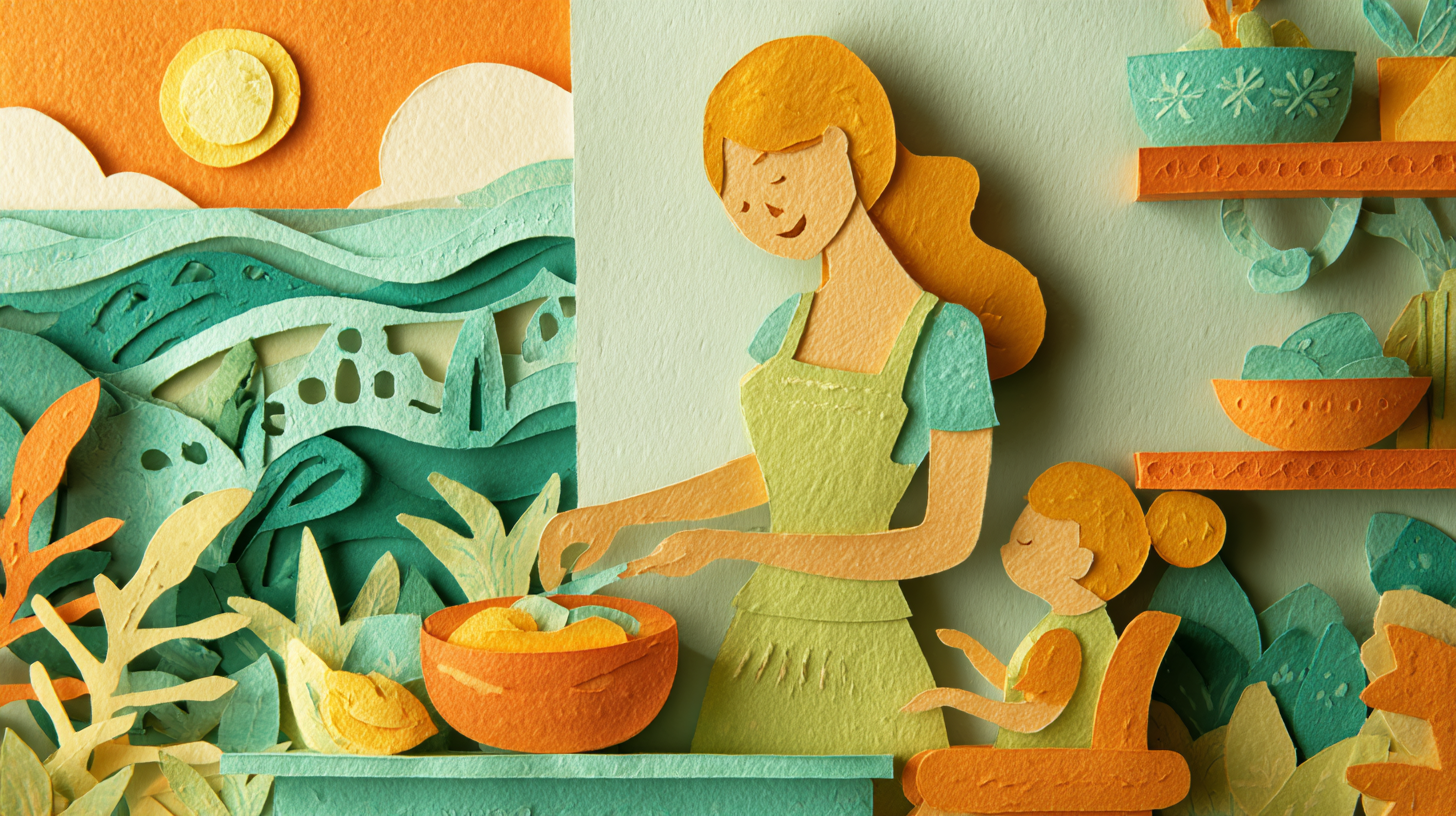
Letting Go of External Pressure (Without Ignoring Real Risks)
Trusting your journey does not mean ignoring medical advice or pretending risks do not exist. It means learning to distinguish between helpful guidance and unhelpful pressure. Helpful guidance usually comes in the form of clear safety recommendations—like back-sleeping for babies, keeping small objects away from toddlers, or using age-appropriate textures to prevent choking—paired with room for personal and cultural variation. Unhelpful pressure often shows up as moral judgment: “If you really cared, you would…”
In other words, “safety first, perfection never.” You can follow evidence-based recommendations and still decide how strictly to apply them based on your family’s reality. For example, you might follow safe allergy introduction guidelines while still choosing familiar Caribbean ingredients like pumpkin, plantain, and beans as your base. You might accept that some days your toddler watches more cartoons than you would like because you are solo-parenting and exhausted, but you keep firm about things like car seat safety and safe sleep.
When someone pushes advice that feels off, you are allowed to pause and ask: Does this increase my child’s safety in a meaningful way, or is it just someone else’s preference? Do I feel calmer and clearer after hearing it, or more anxious and ashamed? If it is mostly about preference, you can thank them for caring and still choose your own path. Over time, this practice builds a stronger boundary between your values and other people’s expectations, making it easier to return to your inner compass.
Real-Life Stories: When Parents Chose Their Own Path
Picture a mother in Kingston whose toddler refuses every plain purée but lights up for a smooth mash of pumpkin with a hint of coconut milk. Online, she sees warnings about “too much flavor” for babies, and for a while she forces herself to offer bland foods that both of them hate. Once she speaks to a trusted provider who reassures her about age-appropriate use of coconut milk and spices, she returns to her original plan: gentle island-inspired meals with safe textures. Her child begins eating more, mealtimes soften, and she realizes that her first instinct was right all along.
Or imagine a father in New York, raising his child away from his Caribbean family. The internet tells him that good parents never raise their voice, never show frustration, and always redirect with a calm smile. In reality, he is working long hours, commuting on crowded trains, and parenting in a small apartment. After a rough night, he snaps at his toddler and then spends hours spiraling in guilt. A counselor introduces him to research on burnout and self-compassion, and he starts practicing repair: saying sorry, hugging it out, and naming his own feelings. Over time, his instinct shifts from “I must be perfect” to “I can be honest and repair,” and both he and his child become more resilient.
These stories mirror what many studies are finding: when parents are given room to adapt—bringing together culture, circumstances, and evidence—their confidence and connection grow. When they feel policed or shamed, their anxiety rises and their ability to read their own child shrinks. Trusting your journey is not an excuse to ignore hard truths; it is an invitation to integrate them with your lived reality so that your child is guided by both science and love.

Your Inner Compass: A Simple Journey Map to Take with You
By now, you have seen how information overload, intensive parenting ideals, and burnout can drown out the quiet voice inside you that whispers, “You know this child.” You have also seen that research does not actually demand perfection; it points again and again to connection, realistic expectations, shared responsibility, and self-compassion. The question is: how do you carry this into tomorrow’s meltdown, mealtime, or midnight worry spiral?
Think of the rest of this section as your pocket compass—a set of small, repeatable moves you can come back to whenever you feel lost. You do not need to use them all at once. Instead, pick one that resonates, practice it for a week, and notice how your confidence shifts. You are building a new pattern: not of doing everything right, but of coming back to your own wisdom faster and kinder each time.
As you practice these steps, you might find it helpful to anchor some routines to daily tasks you already do. Maybe every time you stir a pot of sweet potato and pumpkin for your baby, you remind yourself: “I am allowed to blend evidence with culture.” Maybe every time you close a parenting app, you say: “I have enough information for today.” Over time, these small phrases become mental shortcuts back to your values, making it easier to drown out the pressure to perform and lean into the parent you already are.
When it comes to feeding in particular, having a trusted, culturally rooted guide can free up a surprising amount of mental space. Instead of endlessly researching whether millet or maize are okay, you can open a section on Ti Pitimi Dous or Chenchén con Leche adapted for babies and know that someone has done the research and testing for you. If you would like that kind of calm in your kitchen, you may find the Caribbean Baby Food Recipe Book: Easy & Healthy Homemade Meals for Infants & Toddlers to be a warm companion on your journey. It is available here if and when you are ready: Caribbean Baby Food Recipe Book.
Above all, remember this: no study, expert, or influencer spends as much time with your child as you do. You are the one who knows the feel of their breath on your neck, the sound of their half-asleep whimper, the exact way their eyes crinkle when they start to trust a new food. Research can guide you, culture can hold you, and community can support you, but your journey—this one, right here—is yours. You have always been your child’s first expert. Today is a beautiful day to start believing it.

Kelley's culinary creations are a fusion of her Caribbean roots and modern nutritional science, resulting in baby-friendly dishes that are both developmentally appropriate and bursting with flavor. Her expertise in oral motor development and texture progression ensures that every recipe supports your little one's feeding milestones while honoring cultural traditions.
Join Kelley on her flavorful journey as she shares treasured family recipes adapted for tiny taste buds, evidence-based feeding guidance, insightful parenting anecdotes, and the joy of celebrating food, culture, and motherhood. Get ready to immerse yourself in the captivating world of Kelley Black and unlock the vibrant flavors of the Caribbean for your growing baby, one nutritious bite at a time.
- Trust Your Journey: Why You Really Do Know Your Child Best - October 8, 2026
- The Secret Ingredient You’re Overlooking at the Table (And It’s Not Protein) - October 7, 2026
- Raising the Next Generation: How Your Everyday Feeding Choices Quietly Change the World - October 6, 2026