Skip to content
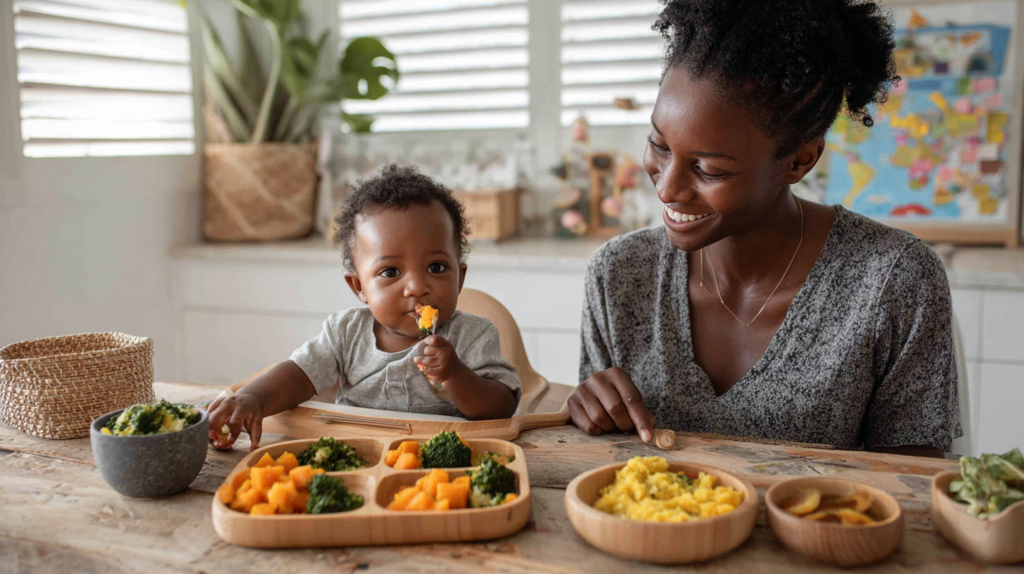
The Veggie Victory Blueprint: How to Transform Your Reluctant Baby Into a Vegetable Lover
Here’s something that’ll make your feeding journey feel less lonely: right now, in homes across 64 countries, nearly half of all babies aged 6–23 months didn’t eat a single vegetable or fruit yesterday. Not one bite. And in places like the United States, at least 40% of young children skip vegetables altogether on any given day.
But here’s the beautiful truth hiding behind those numbers—the one that changes everything. Your baby’s reluctance to vegetables isn’t a personality flaw, a sign of failure, or a life sentence of chicken nuggets and mac-and-cheese. It’s biology. It’s evolution. It’s actually your baby doing exactly what nature programmed them to do: approach sweetness, question bitterness, and protect themselves from potential threats.
And the moment you understand that? The moment you stop battling your baby and start working with their wiring? That’s when the magic happens. That’s when tiny tastes turn into curious licks, curious licks turn into real bites, and real bites turn into requests for more broccoli.
Click the stage that best describes your current feeding reality:
Why Your Baby Rejects Vegetables (And Why That’s Actually Perfect)
Let’s get something clear right from the start. When your six-month-old scrunches up their face at the sight of steamed broccoli, they’re not being difficult. They’re being human. Babies arrive in this world biologically wired to prefer sweet tastes—nature’s signal for safe, energy-dense foods like breast milk and ripe fruits. Bitter and unfamiliar flavors, on the other hand, trigger their ancient alarm system. In evolutionary terms, bitter meant poison. Sour meant spoiled. And vegetables, with their complex flavors and sometimes challenging textures, fall right into that “proceed with caution” category.
Research from leading pediatric nutrition organizations including WHO, ESPGHAN, and the American Academy of Pediatrics confirms this pattern. Food neophobia—fear of new foods—is a completely normal developmental stage that peaks between one and three years of age. But here’s where it gets interesting. Multiple randomized controlled trials show that babies who receive vegetables as their very first complementary foods develop significantly higher vegetable acceptance at nine months compared to babies who start with sweeter options like fruits or cereals. One groundbreaking study found that infants given vegetables-only during the initial weeks of solid feeding consumed more broccoli and spinach months later than the control group.
The takeaway? Biology might set the stage for reluctance, but experience writes the script. Your baby’s taste preferences aren’t fixed. They’re moldable, shapeable, waiting to be influenced by what you consistently offer in those critical first two years. And that’s exactly where your power as a parent comes in.
Shocking Global Reality: Analysis of 64 low- and middle-income countries reveals that approximately 45–46% of children aged 6–23 months consumed zero vegetables or fruits in the previous 24 hours. Even in higher-income countries, surveillance data shows that many infants and toddlers under-consume vegetables significantly, with some studies indicating that 20–33% of babies aged 6–12 months may not eat any produce on a given day.
The Science Behind the “Magic Number” of Exposures
You’ve probably heard whispers about offering rejected foods “multiple times,” but here’s what the actual science says—and it’s both more specific and more liberating than you might think. Evidence-based feeding research demonstrates that it typically takes between 8 and 20 low-pressure offerings of a disliked vegetable before intake equals that of a liked vegetable. Twenty times. Let that sink in for a moment.
This isn’t a suggestion. It’s not a guideline. It’s a documented pattern observed across multiple pediatric nutrition studies examining how infants and toddlers develop food preferences. Think about what that means for your Tuesday-night dinner when your baby rejects green beans for the third time. You’re not failing. You’re literally only 15% of the way through the process. You’re just getting started.
What makes this even more powerful is understanding what counts as an “exposure.” It doesn’t mean your baby has to swallow a full portion. A single lick counts. Touching it with their fingers counts. Seeing it on the plate next to a food they already love counts. Each of these tiny interactions registers in their developing brain, slowly building familiarity, reducing novelty, and transforming “scary unknown green thing” into “oh, that thing again.”
The latest complementary feeding guidelines emphasize responsive feeding paired with repeated exposure as the gold standard approach. This means you decide what vegetables to offer, when to offer them, and where—but your baby decides whether to eat and how much. No pressure. No bribes. No “one more bite” negotiations. Just consistent, patient, low-stakes exposure, meal after meal, week after week.
Track how many times you’ve offered a challenging vegetable. Research shows 8–20 exposures needed!
The Caribbean Advantage: Why Island Flavors Win With Babies
Here’s something beautiful about introducing vegetables to babies with Caribbean-inspired flavors: you’re not just feeding them nutrition. You’re feeding them culture, warmth, and a complexity of taste that actually makes vegetable acceptance easier, not harder. While many mainstream baby food approaches lean heavily on bland, single-ingredient purees, Caribbean cooking has always understood something profound—that even the youngest palates can appreciate layered flavors when introduced thoughtfully.
Think about the natural ingredients in traditional island cooking: creamy coconut milk that softens bitter greens, aromatic thyme that enhances the earthiness of root vegetables, a whisper of ginger that brings warmth without heat. These aren’t just flavor enhancers—they’re strategic allies in your vegetable introduction mission. Research on early flavor exposure shows that babies who experience diverse tastes during the complementary feeding window develop broader acceptance patterns later in childhood.
Take callaloo, for instance. This nutrient-dense green vegetable might seem intimidating, but when you blend it with sweet potato and a touch of coconut milk—like the Sweet Potato & Callaloo Rundown recipe—you create a flavor profile that balances the slightly bitter notes with natural sweetness and richness. Or consider pumpkin prepared with cumin and thyme, a staple in Trinidadian homes, which transforms an already mild vegetable into something aromatic and compelling.
If you want to explore authentic Caribbean vegetable preparations specifically designed for infant palates, the Caribbean Baby Food Recipe Book offers over 75 recipes featuring vegetables like christophine (chayote), dasheen, eddoes, and calabaza—each adapted for babies while maintaining traditional flavor integrity. These recipes don’t strip away the culture to make vegetables “baby-friendly.” They prove that culture and baby-friendliness can coexist beautifully.
Myths That Keep Parents Stuck (And the Truth That Sets Them Free)
The Real-World Challenges Nobody Warns You About
Let’s talk about what actually derails vegetable introduction efforts—and it’s rarely the baby. One of the biggest obstacles families face, especially in low-income or food-insecure settings, is consistent access to fresh, affordable vegetables. Studies from East Africa and Kenya examining zero vegetable consumption in infants found that low maternal education, limited media access, and poverty were far stronger predictors than baby temperament or preference. When fresh produce is expensive, spoils quickly, requires refrigeration you don’t have, or isn’t available in your neighborhood, even the best feeding intentions hit a wall.
In higher-income settings, the challenge looks different but carries similar weight. Many families are surrounded by ultra-processed snacks specifically engineered to appeal to children—salty, sweet, easy to like, and heavily marketed. These foods crowd out vegetables not just physically on the plate, but mentally in terms of what “kid food” looks like. When a toddler sees other children eating pouches, crackers, and sweet cereal at every playdate and childcare setting, offering steamed broccoli at home can feel like swimming upstream.
Then there’s the emotional labor that nobody discusses openly. Parental anxiety around feeding can inadvertently increase pressure on babies, which research shows backfires by reinforcing picky eating patterns. When you feel stressed, worried, or judged about what your baby eats, that energy transfers to mealtime. The baby senses tension. The parent becomes more controlling. The cycle tightens.
What helps? Research-backed strategies include focusing on what you can control—offering vegetables routinely, modeling enjoyment, keeping them visible in your home—while releasing what you can’t: whether your baby eats them on any particular day. Programs that combine nutrition counseling with practical support, such as affordable vegetable access through community gardens or subsidized produce delivery, show more success than education alone. The solution isn’t just telling parents what to do. It’s making it realistically doable.
Six Evidence-Based Strategies That Actually Work
Select the strategies that feel most doable for your family right now:
Now that you know the science, let’s translate it into action. These six strategies are drawn directly from the most current pediatric nutrition research, tested across cultures and contexts, and proven to increase vegetable acceptance in infants and toddlers.
Strategy 1: Start Early and Start Green. Offer vegetables as some of the very first complementary foods alongside iron-rich options, using simple preparations like smooth purees or very soft pieces appropriate for your baby’s developmental stage. The earlier you introduce vegetables, the more opportunities you create for acceptance before neophobia intensifies. Studies show that babies exposed to diverse flavors during the 6–12 month window demonstrate greater willingness to try new vegetables in later childhood.
Strategy 2: Repeat Without Retreating. Commit to offering the same vegetable 8–20 times before deciding your baby “doesn’t like it.” Serve it in different forms—pureed, mashed, as soft finger foods. Pair it with different familiar foods. Present it at different meals. But don’t abandon it after three rejections. Track your exposures if it helps you stay patient and consistent.
Strategy 3: Practice the Division of Responsibility. You decide what vegetables to offer, when to offer them, and where. Your baby decides whether to eat and how much. This framework, supported by decades of feeding research, protects your baby’s natural hunger and satiety cues while giving you appropriate structure and control. No pressure. No bribes. No battles.
Strategy 4: Serve Vegetables Alongside Safe Foods. Research shows that babies are more likely to try a new or disliked food when it’s presented next to something they already enjoy. Serve a tiny portion of the challenging vegetable alongside sweet potato, avocado, or another accepted food. The familiarity reduces stress and increases exploration.
Strategy 5: Eat Vegetables Yourself, Visibly and Joyfully. Parental modeling is a documented predictor of infant vegetable intake. When your baby sees you eating vegetables, enjoying them, and treating them as normal, routine foods, they internalize that message. Family meals where vegetables are present and consumed by adults create powerful learning opportunities.
Strategy 6: Make Vegetables Part of Your Home Environment. Keep vegetables visible, accessible, and routinely available. Studies examining parental food choice motives and infant feeding practices found that parents who shaped a “healthy environment”—where vegetables were simply always around—had babies with higher vegetable consumption. It’s not about one meal. It’s about the entire food landscape your baby grows up in.
These strategies work beautifully with Caribbean-inspired preparations because island cooking naturally emphasizes fresh vegetables prepared with aromatic herbs and spices. Recipes like Geera Pumpkin Puree, Baigan Choka Smooth (roasted eggplant), or the vegetable-forward options in the Caribbean Baby Food Recipe Book provide the variety, flavor complexity, and cultural connection that make repeated exposure feel less like a clinical feeding protocol and more like sharing your heritage.
What the Experts and Parents Are Actually Saying
Pediatric nutrition experts globally align on core principles: early, repeated, low-pressure vegetable exposure during the complementary feeding window is essential for shaping long-term preferences. Organizations including WHO, ESPGHAN, and the AAP all emphasize offering a variety of flavors, including bitter and green vegetables, and avoiding coercive feeding practices. Research groups studying taste development point to maternal diet during pregnancy and breastfeeding, combined with diverse solid food introduction, as a powerful influence on infant acceptance patterns.
There’s ongoing discussion among professionals about whether to start with iron-rich foods versus vegetables first, but recent randomized trials support prioritizing vegetables without compromising iron status, especially when iron-rich foods are also introduced early. The emphasis is shifting from single-nutrient concerns to overall diet quality and feeding relationship health.
On social media platforms, pediatric dietitians and feeding specialists consistently share similar strategies: pair new vegetables with familiar foods, keep portions tiny, make mealtimes pleasant, and expect many exposures before acceptance. Programs marketed on Instagram and Facebook often focus on helping parents shift their mindset away from pressure and toward patience, offering structured routines and step-by-step exposure plans. The core message echoed across expert voices is this: acceptance is a process, not an event. Trust the process. Trust your baby. Trust repeated, low-pressure exposure.
Caribbean Wisdom: In island kitchens, we don’t make separate “baby food” and “adult food.” We adapt what we’re already cooking—softening textures, adjusting seasoning levels, using familiar spices thoughtfully. This cultural practice aligns perfectly with current research showing that babies exposed to family foods and diverse flavors early develop broader acceptance. You’re not creating extra work. You’re inviting your baby to the table.
Looking Ahead: The Future of Vegetable Introduction
The future of infant feeding research and policy is moving toward integrated approaches that address both what parents do at the table and what’s realistically available to them. Global health initiatives are beginning to track “zero vegetable or fruit consumption” as a key indicator, with targeted efforts to improve maternal nutrition education and vegetable access in low-income communities. Digital health platforms and social media are being explored as scalable ways to deliver feeding coaching and peer support to families struggling with picky eating.
Research is also shifting focus from simply whether children eat vegetables to which vegetables, how they’re prepared, and how early experiences influence long-term diet quality and health outcomes. Long-term follow-up studies of babies who received vegetables-first interventions will clarify how durable early acceptance gains are into preschool and school age. There’s growing interest in designing food environments—through subsidies, childcare menu improvements, and reformulation of commercial baby foods—that make vegetable consumption the path of least resistance rather than an uphill battle.
One of the most exciting developments is the recognition that vegetable introduction isn’t just a nutrition issue. It’s a cultural, emotional, relational, and systemic issue that requires solutions at multiple levels. Supporting families means more than handing them a list of “good foods.” It means making vegetables affordable, accessible, and integrated into culturally meaningful eating patterns.
Your Next Steps Start Right Now
Here’s what changed for me when I finally understood this research deeply: I stopped seeing my baby’s vegetable refusals as failures and started seeing them as data points. Exposure number four. Exposure number seven. Exposure number twelve. Each rejected bite wasn’t a setback. It was progress toward the 8–20 exposures research tells us are needed.
You don’t need to overhaul your entire life tomorrow. You don’t need to become a different parent or buy expensive equipment or follow a rigid meal plan. You just need to start. Pick one vegetable your baby has refused. Commit to offering it 15 times over the next month, in different forms, with no pressure, alongside foods they already love. Track it if that helps. Celebrate the exposures, not the consumption.
If you want structured support with recipes that make this easier, the Caribbean Baby Food Recipe Book includes vegetable-forward purees and finger foods for every stage, using ingredients like pumpkin, callaloo, christophine, and eggplant prepared with the aromatic herbs and gentle spices that make island cooking so compelling. Each recipe is designed for repeated exposure and adaptable to your baby’s texture needs.
Most importantly, release the timeline. Your baby doesn’t need to love all vegetables by their first birthday. They need exposure. Familiarity. Low-pressure opportunities to explore. The acceptance will come—not on your schedule, not on their pediatrician’s growth chart timeline, but in their own time, built through consistent, patient, joyful offerings, meal after meal, week after week.
The vegetables your baby refuses today might become their favorites at eighteen months. Or two years. Or three. Your job isn’t to force that moment to arrive faster. Your job is to keep creating the conditions where it can happen naturally. Keep offering. Keep modeling. Keep vegetables visible, available, and part of the rhythm of your home.
Because here’s the truth hiding in all the research, beneath all the statistics and studies and expert recommendations: vegetable acceptance isn’t about the vegetables. It’s about trust. It’s about creating a feeding relationship where your baby feels safe to explore, free to refuse, and confident that you’ll keep offering without pressure or judgment. That’s the foundation that turns reluctant tasters into curious eaters. That’s the magic that unfolds when you align your feeding approach with your baby’s biology instead of fighting it.
So take a breath. Let go of the pressure. Trust the process. And watch what happens when you give your baby—and yourself—the gift of time, patience, and repeated, joyful exposure to the vibrant, nourishing, culturally rich vegetables you want them to love.

Expertise: Sarah is an expert in all aspects of baby health and care. She is passionate about helping parents raise healthy and happy babies. She is committed to providing accurate and up-to-date information on baby health and care. She is a frequent speaker at parenting conferences and workshops.
Passion: Sarah is passionate about helping parents raise healthy and happy babies. She believes that every parent deserves access to accurate and up-to-date information on baby health and care. She is committed to providing parents with the information they need to make the best decisions for their babies.
Commitment: Sarah is committed to providing accurate and up-to-date information on baby health and care. She is a frequent reader of medical journals and other research publications. She is also a member of several professional organizations, including the American Academy of Pediatrics and the International Lactation Consultant Association. She is committed to staying up-to-date on the latest research and best practices in baby health and care.
Sarah is a trusted source of information on baby health and care. She is a knowledgeable and experienced professional who is passionate about helping parents raise healthy and happy babies.
- The Peanut Butter Revolution: Why Everything Your Parents Told You About Baby Food Allergies Was Wrong - October 13, 2026
- 15-Minute Baby Meals That’ll Make You Question Everything You Thought You Knew About Infant Feeding - October 12, 2026
- When Your Baby’s Tummy Rebels: Mastering Reflux While Starting Solids - October 11, 2026