The Truth About Processed Foods: What Every Parent Needs to Know (And Why You Can Stop Feeling Guilty)
How guilty do you feel when your child eats processed foods? Click to reveal your honesty level:
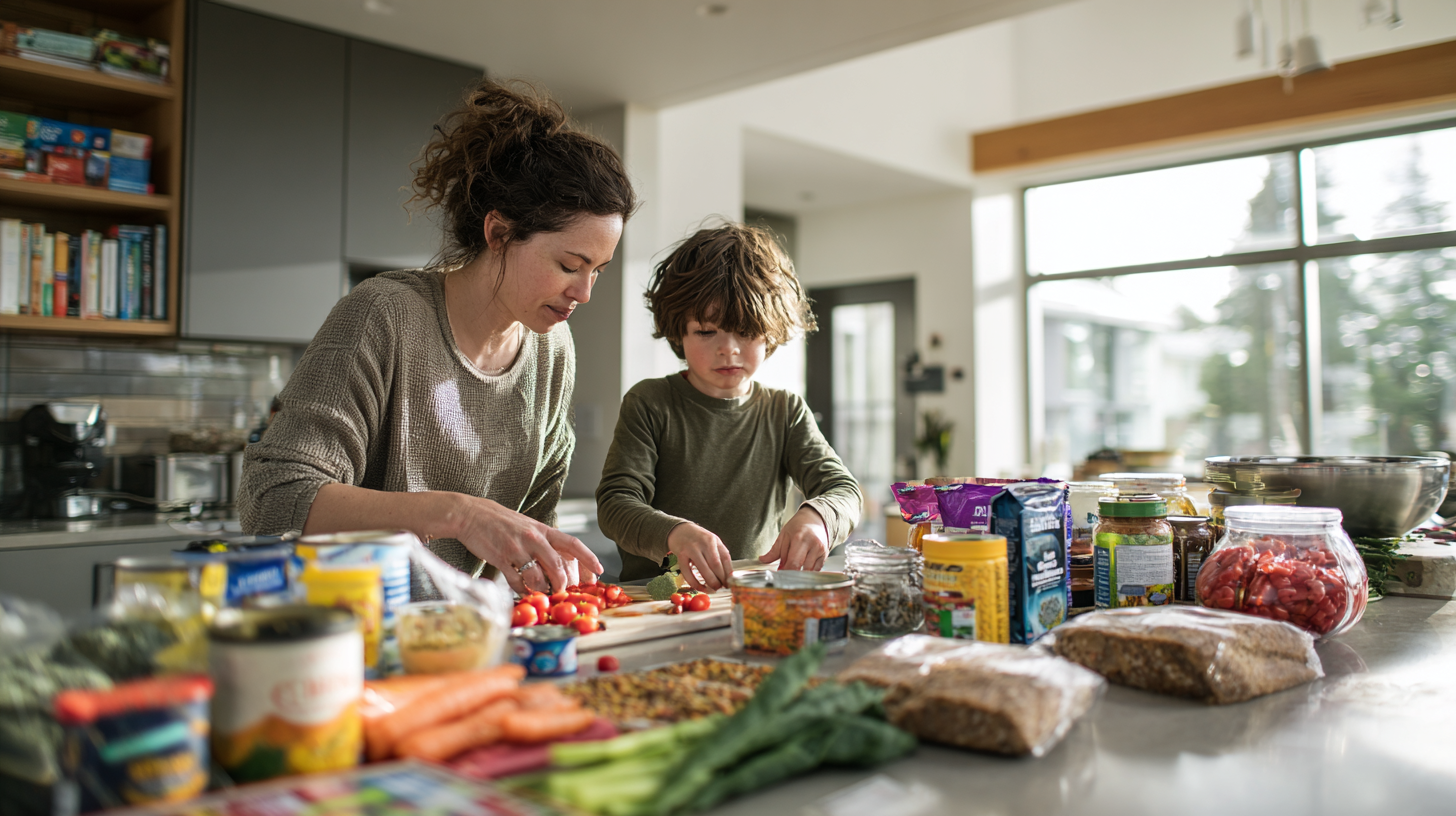
Last Tuesday at 6:47 AM, I stood in my kitchen holding a box of toaster waffles in one hand and my grandmother’s handwritten recipe for coconut porridge in the other. My daughter needed breakfast in thirteen minutes before the school bus arrived. The guilt hit me like a wave—the kind of guilt that makes you question every parenting decision you’ve ever made.
But here’s the truth that changed everything for me: Not all processed foods are created equal, and the belief that anything processed is automatically bad for our children is not only wrong—it’s making parenting unnecessarily harder. Research from 2024 shows that 56-67% of American children’s calories come from processed foods, yet many of these foods contribute essential nutrients like iron, calcium, and B vitamins that children need for healthy development.
The real question isn’t whether your child eats processed foods. They do. We all do. The real question is: Are you choosing the right processed foods? And more importantly, are you carrying around guilt that serves absolutely no one?
The Processing Spectrum Nobody Talks About
Let me tell you something that might shock you: Frozen vegetables are processed. So is yogurt. And tofu. And that whole wheat bread you feel virtuous about buying. The word “processed” has become food’s scarlet letter, but it actually exists on a spectrum—and understanding this spectrum is the key to feeding your family well without losing your mind.
The NOVA Food Classification System divides foods into four categories based on processing extent. Group 1 includes unprocessed or minimally processed foods—think fresh fruits, vegetables, milk, and eggs. These are foods in their natural state or with minimal preparation like cutting, freezing, or pasteurization. Group 2 covers processed culinary ingredients such as oils, butter, and sugar—ingredients you’d use to prepare meals at home.
Here’s where it gets interesting: Group 3 contains processed foods that combine Groups 1 and 2, like canned vegetables, cheese, and bread. These are actual foods with a few added ingredients for preservation or enhancement. Finally, Group 4 includes ultra-processed foods—products with multiple ingredients and industrial additives you wouldn’t typically find in a home kitchen, like certain packaged snacks, sugary cereals, and reconstituted meat products.
The critical insight? Groups 1 through 3 can all be part of a healthy diet for children. Even some Group 4 foods, when chosen strategically, provide valuable nutrition. A 2025 study examining foods across the NOVA system found that processing level alone doesn’t predict nutritional value—a fortified breakfast cereal classified as ultra-processed can provide more essential nutrients than an unprocessed food low in micronutrients.
Click each food to reveal its true processing level. Some answers might surprise you!
Just milk and bacterial cultures. Provides protein, calcium, and probiotics. The straining process that makes it “Greek” is simple physical processing—exactly the kind that preserves nutrition while adding convenience.
Flash-frozen at peak ripeness, actually locking in more nutrients than “fresh” spinach that’s traveled for days. Zero additives. This is processing at its best—preserving nutrition while preventing food waste.
Beans, water, maybe a pinch of salt. Provides fiber, protein, and iron. The canning process uses heat (just like home cooking) to preserve the beans. Rinse them, and you’ve got nutrition that costs $1 and takes 30 seconds to prepare.
Check the ingredient list. Good bread has flour, water, yeast, salt. The fortified versions add B vitamins and iron—nutrients children often need. This is strategic processing that fills nutritional gaps.
But here’s the nuance: Many provide 100% of daily iron requirements—crucial for preventing anemia that affects learning and energy. Choose versions with whole grains first, minimal added sugar, and recognize the fortification serves a purpose.
The Nutrient Density Secret
My friend Maria once told me she felt like a “bad Caribbean mother” because she wasn’t making fresh callaloo every morning like her grandmother did. Instead, she was serving fortified oatmeal with frozen berries. When I showed her the nutrition labels side by side, her eyes widened. The fortified oatmeal provided more iron, B vitamins, and just as much fiber—in one-tenth of the time.
This is what nutrient density means: the concentration of essential vitamins, minerals, and beneficial nutrients relative to calories. Some processed foods are remarkably nutrient-dense. Research examining children’s diets found that 66-84% of children’s total daily vitamin and mineral intake comes from processed foods—not because they’re eating junk, but because strategic processing adds nutrients that would otherwise be missing.
Consider iron-fortified cereals: A single serving can provide 100% of a child’s daily iron requirement. Iron-deficiency anemia affects learning, energy levels, and immune function—it’s not trivial. Natural iron from meat can be expensive and time-consuming to prepare daily. Fortified cereals bridge a critical nutritional gap for millions of children, especially those who don’t eat meat regularly.
Plain Greek yogurt undergoes processing—milk is strained to concentrate protein and remove liquid whey. The result? A food providing protein, calcium, vitamin B12, and selenium, all crucial for growth and brain development. Some yogurts also contain probiotics supporting gut health. Is this processed? Yes. Is it nutritious? Absolutely.
Even canned beans—when you rinse them to reduce sodium—provide protein, fiber, iron, and other minerals at prices that make nutrition accessible to every family. Half a cup of white beans delivers 4 mg of iron, lentils provide 3 mg, kidney beans offer 2 mg. These numbers matter when you’re trying to prevent anemia in growing children.
The key insight from pediatric nutrition research is clear: Nutritional composition matters more than processing level. A processed food with whole grains, protein, healthy fats, vitamins, and minerals serves your child better than an unprocessed food that’s primarily sugar or refined carbohydrates—even if the unprocessed version sounds healthier.
The Foods That Deserve a Place in Your Pantry
When my son started eating solids, I wanted to do everything “right.” I spent hours making sweet potato puree from scratch, only to discover that one batch had gone bad in the fridge because I’d made too much. The waste—of food, time, and energy—taught me something valuable: Perfect is the enemy of good enough.
Let’s talk about the processed foods that actually earn their place in your kitchen. These aren’t compromises—they’re strategic choices that provide real nutrition while acknowledging that you’re a human being with limited time and energy.
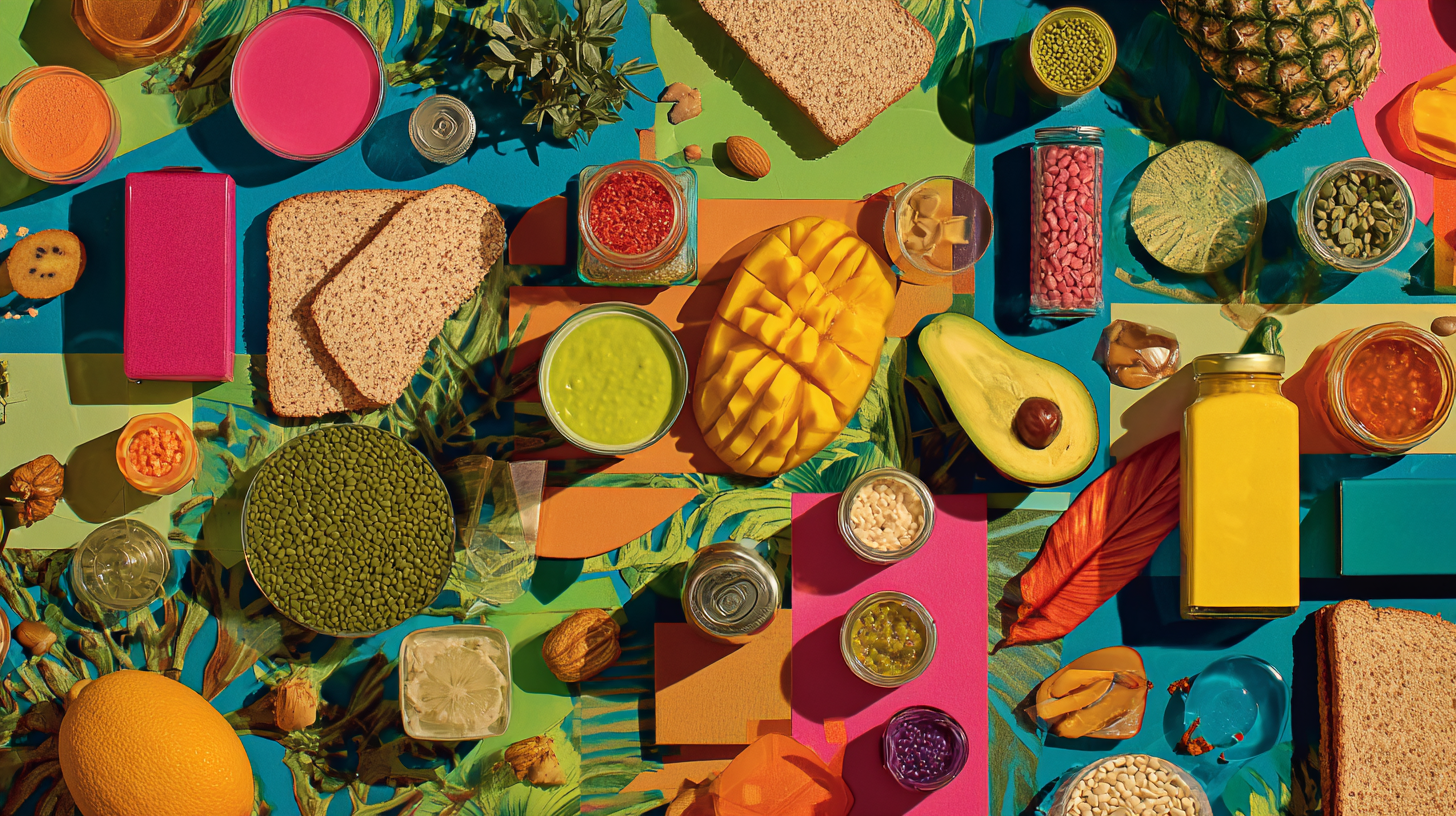
Fortified whole grain cereals sit at the top of this list for a reason. Many provide essential iron, B vitamins, and fiber—nutrients children frequently fall short on. Look for options with whole grains as the first ingredient and minimal added sugar. These cereals can prevent iron-deficiency anemia, which affects not just physical health but also cognitive function and school performance.
Plain Greek yogurt and other dairy products supply protein, calcium, vitamin B12, and selenium—all crucial for bone development and neurological function. Even flavored yogurts, while technically more processed, still provide calcium, protein, and vitamin D. When balanced with other foods throughout the day, they’re reasonable choices that children actually want to eat.
Canned beans deserve special recognition. Rinse them to reduce sodium, and you’ve got protein, fiber, iron, and other minerals for less than the cost of a coffee. They’re the ultimate convenience food that happens to be incredibly nutritious. In my Caribbean home, we use canned pigeon peas in recipes like Cook-Up Rice and stewed peas—foods that connect my children to their heritage without requiring hours of soaking dried legumes.
Frozen vegetables and fruits are processed—flash-frozen to lock in nutrients at peak ripeness. Studies show they often contain more vitamins than “fresh” produce that’s traveled across continents and sat in stores for days. Keep bags of frozen spinach, broccoli, mango, and berries in your freezer. They won’t go bad, they’re pre-chopped, and they’re available year-round regardless of season.
Tofu and other soy products provide complete protein, calcium (12% daily value per 2-ounce serving), and iron (1 mg or 14% daily value per serving). For children who don’t eat meat, tofu is invaluable. It’s processed from soybeans, yes—but it’s been a nutritional staple in Asian cultures for centuries, and the processing is straightforward: soybeans, water, and a coagulant.
Canned fish like light tuna supplies iron, protein, and omega-3 fatty acids with minimal calories and fat. A 3-ounce serving provides 1 mg of iron along with essential fats supporting brain development. The canning process preserves nutrients while making seafood accessible and affordable.
Whole wheat bread, pasta, and “white” whole-wheat options provide fiber, B vitamins, and iron through fortification. These staples make meeting whole grain recommendations practical for busy families. Look for products listing whole grains as the first ingredient—the processing transforms wheat into convenient forms while maintaining (and sometimes enhancing) nutritional value.
Natural nut and seed butters (ingredients: nuts, maybe salt) deliver protein, healthy fats, and iron. Peanut butter is particularly popular with children and pairs beautifully with whole wheat bread or fruit. These processed foods concentrate nutrition from their whole food sources into spreadable, shelf-stable forms.
Estimate how many processed foods your child eats daily. See if your balance is actually better than you think!
Where the Line Actually Is
I’ll be honest with you: My kids eat fish sticks. Sometimes from the freezer, straight to the oven. They also eat fresh vegetables, beans and rice, fruit, and yes—occasionally—cookies. The difference between processed foods that support health and those that don’t isn’t always black and white, but there are clear patterns.
Ultra-processed foods designed primarily for palatability rather than nutrition are where we need to draw boundaries. These are products with long ingredient lists full of items you’d never use in your kitchen: high-fructose corn syrup, partially hydrogenated oils, artificial colors, multiple preservatives, and flavor enhancers designed to trigger reward centers in the brain.
Research on ultra-processed foods shows they’re engineered to be hyperpalatable—creating a “bliss point” that makes children (and adults) want to keep eating even when not hungry. A 2024 study found that children consuming high amounts of ultra-processed foods showed increased cardiometabolic risk factors, including higher blood pressure, elevated triglycerides, and markers of insulin resistance.
The real concerns center on sugar-sweetened beverages, highly sweetened cereals, packaged snacks with minimal nutritional value, processed meats with high sodium and nitrites, and products where sugar appears multiple times in the ingredient list under different names (corn syrup, dextrose, maltose, sucrose).
But—and this is crucial—the occasional ultraprocessed food won’t harm your child. A registered dietitian and mother shared on social media that her kids “eat ultra-processed foods every day—from fish fingers to Oreos, baked beans to Haribo.” She wrote: “Despite the multitude of factors affecting our health and that of our children, society has begun to evaluate parenting based on the number of ingredients present in the food served. This all-or-nothing mentality is unproductive and places unattainable expectations on parents.”
What matters is the overall pattern. If most of your child’s diet consists of whole and minimally processed foods, with strategic use of fortified and convenience processed options, the occasional treat isn’t a crisis—it’s childhood. The parent serving homemade everything but creating anxiety around food serves their child no better than the parent who serves balanced meals that include some processed items alongside fresh foods.
The guideline from pediatric nutrition experts is simple: Limit sugar-sweetened beverages, choose whole grain options when possible, include fruits and vegetables at most meals (frozen and canned count), provide protein sources, and don’t stress about the processing level of foods that contain real nutrients. Read ingredient lists—if the first few ingredients are recognizable whole foods and the product provides vitamins, minerals, fiber, or protein, it’s likely a reasonable choice.
The Guilt That Serves No One
A groundbreaking 2023 study developed the Parental Food Choice Guilt Scale—the fact that researchers created a measurement tool specifically for food-related parental guilt tells you how widespread this problem is. The research found that guilt about food choices is strongly associated with unhealthy food decisions—not healthier ones.
Think about that: The guilt isn’t protecting your child. It’s paralyzing you. When you feel guilty about serving fish sticks on a busy Tuesday, you’re more likely to swing to the other extreme later—either becoming overly restrictive (which can create food issues) or giving up entirely because perfection feels unattainable.
Parents reported guilt arising from many aspects of child feeding: securing affection through unhealthy foods, time and cost constraints, exposure to conflicting nutrition messages, and the gap between what they know they “should” do and what’s actually feasible. One parent told researchers: “I feel guilty when I don’t have time to cook from scratch, so I end up ordering takeout, which makes me feel even worse.”
This guilt-driven cycle doesn’t serve anyone. Your child doesn’t need a perfect diet—they need consistent access to reasonably nutritious foods offered by a parent who isn’t stressed out of their mind. Research on child feeding practices consistently shows that parental stress and anxiety around food can contribute to eating difficulties, picky eating, and problematic relationships with food in children.
Here’s what helped me let go of the guilt: I started asking myself, “Over the course of a week, is my child getting a variety of foods including fruits, vegetables, proteins, whole grains, and dairy? Are they growing appropriately? Do they have energy? Are they learning and developing?” If the answers are yes, the processing level of individual foods matters far less than I thought.
One dietitian wrote: “Food should provide nourishment, but it must also fit into a life that is bustling, full, and imperfect.” That sentence changed my entire perspective. Nourishment isn’t just about nutrients—it’s about creating a sustainable, enjoyable relationship with food that you can maintain over years, not just during a motivated week in January.
Click each statement to reveal whether it’s a myth or truth:
Processing exists on a spectrum. Frozen vegetables, yogurt, canned beans, whole grain bread, and fortified cereals are all processed—and all can be part of a healthy diet. The type and extent of processing determines nutritional value, not processing itself.
Frozen vegetables and fruits are flash-frozen at peak ripeness, often containing MORE nutrients than “fresh” produce that traveled thousands of miles and sat in warehouses and stores for days. Frozen produce is processed—and that processing preserves nutrition.
Fortification is a proven public health strategy. Iron-fortified cereals prevent anemia in millions of children. Folic acid fortification of flour has reduced neural tube defects by 35%. Strategic fortification addresses genuine nutritional gaps, particularly for nutrients like iron, vitamin D, and B vitamins that many children don’t get enough of.
Canning uses heat—just like home cooking. While some heat-sensitive vitamins like vitamin C decrease slightly, most nutrients remain stable. Canned beans, tomatoes, and fish provide fiber, protein, iron, and other minerals. The convenience and affordability make nutrition accessible to more families.
This is solid advice. Products with short ingredient lists of whole foods (or whole foods plus fortification vitamins) are generally better choices than products with long lists of additives, multiple forms of sugar, and ingredients you wouldn’t use in your kitchen. This simple guideline helps identify nutrient-dense versus empty-calorie options.
Health Canada, the American Academy of Pediatrics, and registered dietitians emphasize that what matters is the overall pattern of eating—not whether Tuesday’s dinner included a processed item. A diet with mostly whole and minimally processed foods, some strategic processed conveniences, and occasional treats supports child health better than a restrictive diet that creates stress and food anxiety.
Making It Work in Real Life
Theory is lovely. Reality is a Tuesday evening when you’re exhausted, your toddler is melting down, your older child has homework, and dinner needs to happen in the next twenty minutes. This is where the rubber meets the road—and where smart use of processed foods literally saves the day.
Let me share what a realistic week looks like in my house. Monday night, I make a big pot of rice and beans using canned black beans (rinsed), frozen bell peppers, and canned tomatoes. Total active cooking time: about 15 minutes while the rice cooks. This provides protein, fiber, and iron. I serve it with a side salad using pre-washed greens (processed! convenient! nutritious!). The leftovers feed us for two more meals.
Tuesday breakfast is fortified whole grain cereal with milk and frozen berries that I thaw in the microwave. My kids get iron, calcium, B vitamins, fiber, and antioxidants. Preparation time: 3 minutes. Guilt level: zero, because I’ve learned that this breakfast provides more nutrition than many elaborate homemade options.
Wednesday dinner might be whole wheat pasta with canned tuna, frozen peas, a little olive oil, and garlic. It’s done in the time it takes to boil pasta. Protein, omega-3s, whole grains, vegetables—all from processed convenience foods that cost less than $10 to feed my family.
Thursday, I’m genuinely too tired. We have fish sticks (ultra-processed, yes), oven-roasted frozen sweet potato fries (minimally processed), and fresh apple slices. Is it perfect? No. Does it provide protein, complex carbohydrates, fiber, vitamins A and C? Yes. Are my kids fed, and am I still sane enough to help with homework? Also yes.
This is the real balance—mixing fresh ingredients with smart processed choices based on time, energy, and budget. The Caribbean recipes I grew up with often involved hours of preparation. Now, I make those same flavors using canned coconut milk, frozen vegetables, and canned beans, adapting tradition to modern life. My children still taste their heritage; I just don’t lose entire Saturdays to food prep.
Here are the strategies that work:
- Build meals around a mix of fresh and processed items. Frozen stir-fry vegetables, canned beans, and quick-cooking brown rice create a nutritious meal in under 20 minutes. Add tofu or canned fish for protein.
- Keep strategic processed staples stocked: Canned beans (multiple varieties), frozen vegetables (spinach, broccoli, mixed vegetables, cauliflower), frozen fruit (berries, mango), whole grain bread, natural nut butters, canned tomatoes, canned fish, plain yogurt, fortified cereals, and quick-cooking whole grains like instant brown rice or whole wheat couscous.
- Pair convenience items with something fresh. Fish sticks with frozen vegetables and fresh fruit. Grilled cheese on whole wheat bread with raw carrot sticks. Fortified cereal with milk and sliced banana. This ensures variety and additional nutrients without requiring everything to be made from scratch.
- Batch cook when you have energy, rely on processed options when you don’t. On Sunday, I might make a big pot of beans from dried. On Wednesday, I open a can. Both feed my family. Neither makes me a better or worse parent.
- Read ingredient lists as a guide, not a prison. If the first ingredients are whole foods and the product provides nutrients children need, it’s likely a reasonable choice. If the list is primarily sugar, refined flour, and additives you don’t recognize, skip it.
- Teach children that food is food—not “good” or “bad.” Some foods we eat more often because they give our bodies energy and help us grow. Other foods we eat sometimes for enjoyment. This creates a healthier relationship with food than categorizing everything into moral terms.
Track your family’s eating patterns over a week. Check off items as they happen. You’ll likely discover you’re doing better than you think!
What the Research Really Shows
Let’s talk numbers—real data that might change how you think about feeding your children. A 2024 CDC study confirmed that 56-67% of American children’s calories come from processed foods. At first glance, that’s alarming. But dig deeper into the research, and the picture becomes more nuanced.
Studies examining children’s nutrient intake found that 66-84% of their total daily vitamins and minerals come from processed foods—not because children are eating junk, but because many processed foods are fortified with essential nutrients. When researchers analyzed which foods contribute iron, calcium, vitamin D, and B vitamins to children’s diets, processed and fortified products topped the list.
A study on infant and toddler foods found that 79% of commercial products for children under 36 months are classified as ultra-processed. Yet the research also showed that many of these products contribute both beneficial nutrients (iron, zinc, whole grains) and nutrients to limit (added sugars, sodium). The conclusion? Individual food classification matters less than overall dietary quality.
Research comparing minimally processed versus ultra-processed diets found something fascinating: Replacing processed foods with less processed versions often increased cost and reduced shelf life without meaningfully improving nutrient profiles—particularly when the processed versions were fortified. A 2024 study titled “Using Less Processed Food to Mimic a Standard American Diet Does Not Improve Nutrient Value” found exactly what the title suggests: processing level alone doesn’t determine nutritional quality.
The science increasingly shows that the NOVA classification system, while useful, has significant limitations. A critical 2025 review found that NOVA “fails to account for nutritional composition, fortification benefits, and cultural food traditions.” Products with vastly different nutritional profiles get grouped together, “potentially oversimplifying complex nutritional relationships.”
What does work? Research on successful child feeding emphasizes variety, balance, and reducing parental stress. Children who experience high pressure and anxiety around food—whether from restriction or from parents’ visible stress—are more likely to develop eating difficulties. The goal isn’t perfection; it’s creating sustainable patterns that provide adequate nutrition without turning every meal into a battle or a source of guilt.
Studies on food fortification show remarkable success: Iron fortification costs just $0.08 per child and has significantly reduced anemia rates globally. Folic acid fortification of flour reduced neural tube defects by 35% in the United States. These are processed foods—they’re also public health victories that have improved children’s health outcomes on a massive scale.
The Bigger Picture
I’ve learned something important over my years of parenting and researching nutrition: The stress you carry about feeding your children might be more harmful than the occasional processed meal. When you’re constantly worried about whether every food choice is optimal, that anxiety affects your entire family dynamic.
Children are remarkably resilient. Their bodies can thrive on a wide variety of dietary patterns, as evidenced by healthy children growing up on traditional diets across cultures worldwide—diets that look completely different from each other yet all support growth and development. What children need is consistent access to adequate nutrition, variety over time, and a relaxed food environment where meals aren’t battlegrounds.
The future of food and nutrition is moving toward more nuanced understanding. By 2025, government agencies are working to develop uniform definitions that distinguish between processed foods based on nutritional content rather than processing method alone. Scientists are acknowledging that the current classification systems are too simplistic for the complex reality of modern food.
Meanwhile, parents are caught in the middle—bombarded by conflicting messages on social media, feeling judged for their food choices, and trying to do their best with limited time and resources. The answer isn’t to make parenting harder by insisting on perfection. It’s to provide clear, practical guidance that acknowledges real-life constraints while supporting child health.
Here’s what I want you to remember: You can raise healthy children while including processed foods in their diets. You can be a good parent and buy frozen vegetables. You can love your children deeply and serve them fortified cereal for breakfast. The food choices that matter are the patterns you establish over weeks and months—not whether Tuesday’s dinner came from a can or a cutting board.
In my Caribbean culture, food is love, community, and heritage. When I adapt traditional recipes to include convenient processed ingredients, I’m not betraying those values—I’m making it possible to pass them down to my children despite modern life’s demands. When you choose a nutritious processed food so you have energy left for playing with your child after dinner, you’re making the right choice. The best food for your child is the nutritious food they’ll actually eat, served by a parent who isn’t drowning in guilt and exhaustion.
If you’re looking for ways to blend convenience with cultural connection, I’ve found that combining quick-cooking staples with traditional flavors creates the best of both worlds. Resources like the Caribbean Baby Food Recipe Book show how traditional ingredients—sweet potatoes, plantains, beans, coconut milk—can be prepared simply and quickly, maintaining cultural identity while fitting modern schedules. These approaches honor heritage without requiring the time commitment our grandmothers had.
Moving Forward Without the Guilt
So where does this leave you? Standing in your kitchen at 6:47 AM with a box of waffles in your hand, hopefully feeling a lot less guilty than I used to feel. Because now you know: Those waffles aren’t a parenting failure. They’re a practical solution that gets your child fed, gives you time to pack lunches and find matching shoes, and might even provide some B vitamins and iron if you chose a fortified whole grain variety.
The revolution I’m suggesting isn’t in what you feed your children—it’s in how you think about feeding your children. Stop categorizing foods as “good” or “bad.” Start thinking about overall patterns. Stop feeling guilty about convenience. Start recognizing that your time, energy, and mental health matter too.
Here’s your new framework:
- Most of the time, choose minimally processed and nutrient-dense options: Whole grains, fruits and vegetables (fresh, frozen, or canned), lean proteins, beans, dairy or fortified alternatives, and healthy fats.
- Use strategically processed foods to fill gaps and save time: Fortified cereals, frozen vegetables, canned beans, whole grain bread, plain yogurt, nut butters, and quick-cooking grains.
- Limit ultra-processed items that provide mostly empty calories: Sugar-sweetened beverages, highly sweetened snacks, products with long lists of additives and minimal nutrients.
- Allow occasional treats without guilt: Cookies at a birthday party, ice cream on a hot day, fish sticks on a tired Tuesday—these don’t undermine a healthy overall dietary pattern.
- Focus on what you’re providing, not what you’re not: Instead of stressing about processed foods, celebrate that your child ate protein, vegetables, whole grains, and fruit today—regardless of how those foods were prepared or packaged.
The real gift you give your children isn’t a perfectly unprocessed diet. It’s teaching them that food is fuel, enjoyment, culture, and connection—but not a source of shame or anxiety. It’s modeling a balanced approach where you make practical decisions based on circumstances rather than rigid rules. It’s showing them that taking care of yourself while caring for them is not only acceptable but necessary.
Last week, my daughter asked me why her friend’s mom “only makes food from scratch” while I sometimes use “the frozen kind.” I took a breath, smiled, and said: “Different families do things differently, and that’s okay. We eat lots of different foods—some fresh, some frozen, some from packages—and they all help your body grow strong. What matters is that we eat together, try new things, and don’t worry so much about where food comes from that we forget to enjoy it.”
She thought about this, nodded, and went back to her dinner—which, for the record, included rotisserie chicken from the grocery store (processed!), frozen broccoli that I’d roasted (processed!), and fresh mango. She was happy. She was nourished. And I had enough energy left that evening to read her an extra bedtime story.
That’s the balance we’re aiming for. Not perfection. Not elaborate meal prep that leaves you exhausted. Not guilt over practical choices. Just feeding your family well enough, consistently enough, with enough variety and balance that they grow up healthy—and you stay sane in the process.
The box of waffles sitting in your freezer? They’re not the enemy. The real enemy is the voice telling you that you’re not enough, that you’re not doing enough, that your children deserve better than what you’re providing. That voice is lying to you. You’re doing a remarkable job navigating an incredibly complex task with limited resources, conflicting advice, and not nearly enough support.
So tomorrow morning, when you’re standing in your kitchen deciding what to serve for breakfast, I hope you’ll remember this: The mother who serves fortified cereal and the mother who makes homemade porridge are both good mothers. The mother who uses canned beans and the mother who soaks dried beans overnight are both feeding their children well. The mother who buys frozen vegetables and the mother who shops at the farmer’s market are both providing nutrition.
And the mother reading this right now—the one who’s been carrying guilt about her food choices, who’s been wondering if she’s doing right by her children, who’s been exhausted by trying to do everything perfectly—she’s exactly the mother her children need. Not perfect. Just present, loving, and doing her best. That’s always been enough. It always will be.
Go make yourself some toast. Whole grain if you’ve got it, white if that’s what’s in the house. Processed either way. Delicious regardless. And absolutely nothing to feel guilty about.

Kelley's culinary creations are a fusion of her Caribbean roots and modern nutritional science, resulting in baby-friendly dishes that are both developmentally appropriate and bursting with flavor. Her expertise in oral motor development and texture progression ensures that every recipe supports your little one's feeding milestones while honoring cultural traditions.
Join Kelley on her flavorful journey as she shares treasured family recipes adapted for tiny taste buds, evidence-based feeding guidance, insightful parenting anecdotes, and the joy of celebrating food, culture, and motherhood. Get ready to immerse yourself in the captivating world of Kelley Black and unlock the vibrant flavors of the Caribbean for your growing baby, one nutritious bite at a time.
- The Feeding Revolution: Why Your Everyday Meals Are Changing the World - October 13, 2026
- Your Feeding Story Matters More Than The “Perfect” One Online - October 12, 2026
- Looking Forward: Stepping Into Your Confident Feeding Future - October 11, 2026