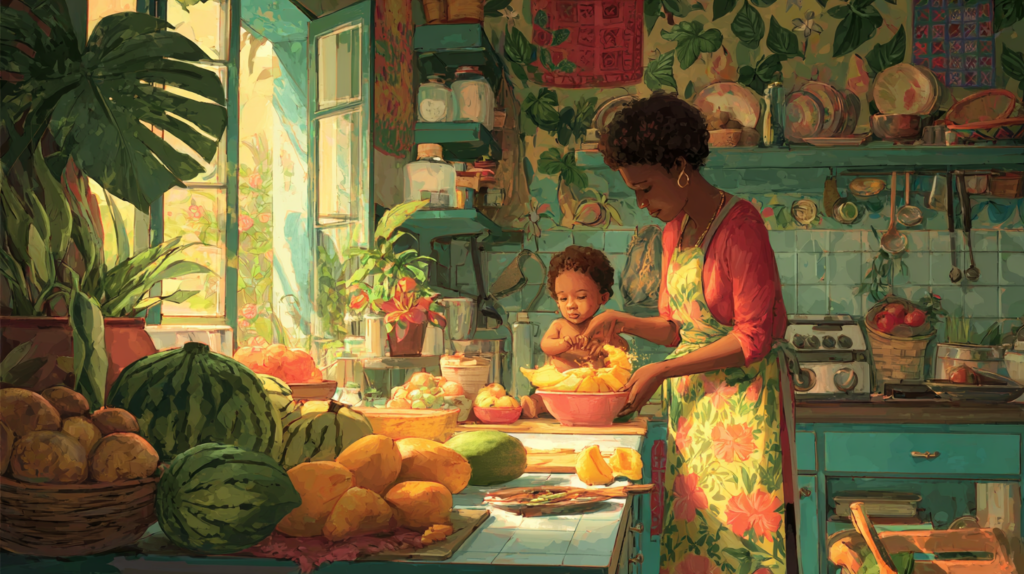
The Three White Lies About Baby Food (And Why Your Grandmother Was Half Right)
Quick Test: What’s Your “Forbidden Food” Knowledge Score?
Tap each statement to reveal if it’s TRUTH or MYTH
Here’s something nobody tells you when you leave the hospital with your precious bundle: you’re about to become a detective. Not the fun kind who solves mysteries in cozy English villages, but the kind who squints at ingredient labels under fluorescent supermarket lights, wondering if “evaporated cane juice” is just sugar wearing a fancy hat.
Last week, my cousin Marcia called me in tears. Her mother-in-law had given her eight-month-old son a spoonful of honey “to soothe his cough” while she was at work. Marcia spent the next six hours in the emergency room, watching her baby like a hawk for signs of infant botulism. Thankfully, he was fine. But that moment of terror? Completely preventable.
The truth is, when it comes to salt, sugar, and honey in that first year, we’re not just talking about “good parenting guidelines.” We’re talking about protecting developing kidneys, preventing a potentially fatal bacterial infection, and quite literally programming your child’s taste preferences for life. And here’s the part that’ll make you reach for your phone to call every parent you know: nearly 60% of commercial baby foods in the U.S. contain added sugars despite recommendations that infants under two consume absolutely none.
So let’s cut through the confusion, the well-meaning but dangerous advice from relatives, and those sneaky food labels that make corn syrup sound like a health food. Because by the time you finish reading this, you’ll know exactly what to avoid, why it matters, and how to spot the hidden sources that even pediatricians sometimes miss.
The Honey Horror Story Nobody Wants to Believe
Let me paint you a picture: somewhere in your baby’s developing digestive system is an ecosystem so delicate, so vulnerable, that introducing the wrong thing at the wrong time can trigger a medical emergency that paralyzes their nervous system from the inside out. That’s not me being dramatic. That’s infant botulism, and honey is the only food definitively proven to cause it.
Here’s what actually happens: honey contains microscopic spores of Clostridium botulinum bacteria. In your body or mine? No problem. Our mature gut microbiome and stomach acid neutralize these spores before they can cause trouble. But in a baby under 12 months? Those spores germinate in the intestines, multiply, and release a neurotoxin so powerful it’s considered one of the most lethal substances on Earth. The result: progressive muscle weakness starting with constipation, then a weak cry, poor feeding, and eventually—if untreated—respiratory paralysis.

The scariest part? Most infant botulism cases don’t even come from honey. They come from environmental exposure to dust particles containing the spores. But honey is the only dietary source we can definitively control, which is why the American Academy of Pediatrics, CDC, and WHO all say the same thing: absolutely no honey—not in food, not on pacifiers, not in baked goods—until after your baby’s first birthday.
“But it’s been heated!” your grandmother might protest. Unfortunately, C. botulinum spores are relatively heat-resistant. They laugh at your standard cooking temperatures. Even honey that’s been baked into bread or used in marinades can still harbor these spores.
⏰ The Honey Timeline: When & How to Introduce
The Salt Situation: When “Just a Pinch” Damages Tiny Kidneys
Now let’s talk about salt—or as my Jamaican grandmother called it, “the seasoning that makes everything taste like home.” But here’s the uncomfortable truth: what tastes like home to us can overwhelm a baby’s developing kidneys.
Your baby’s kidneys at six months are still learning their job. They’re like interns at a hospital—technically capable, but you wouldn’t want them handling the complicated cases alone. When you add salt to your baby’s food, those little kidneys have to work overtime to filter out excess sodium. Too much, too often, and you’re setting up a cascade of problems: from immediate strain on the renal system to potential long-term effects like altered taste preferences and increased risk of hypertension.
The science here is actually debated. A 2023 review published in Maternal & Child Nutrition challenges the “zero sodium” approach, noting that infants aged 6-12 months have adequate sodium excretion capacity. But here’s what isn’t debated: babies need very little added sodium. Breast milk and formula already contain what they need. Whole foods like sweet potatoes, plantains, and vegetables provide natural sodium. Complementary feeding recipes that showcase ingredients like calabaza con coco or yellow yam and carrot sunshine give babies rich, complex flavors without a single grain of added salt.
Research shows that early introduction to starchy table foods by six months—the kind typically seasoned with salt—was associated with increased affinity for plain salt at preschool age. Translation: you’re programming your child’s palate right now. Every salty bite you give them is a vote for “I prefer salty foods” that they’ll carry into adulthood.
Caribbean Flavor Without the Salt: A Practical Guide
Growing up, every pot in my house had salt, butter, and “seasoning” (which was more salt, plus MSG). But you can absolutely capture that Caribbean soul food essence without the sodium overload:
- Use fresh herbs boldly: Thyme, ginger, and bay leaf create depth without sodium
- Lean on aromatics: Onion, garlic, and scallion (introduced carefully after 6-8 months) build flavor complexity
- Embrace sweet heat: A tiny touch of scotch bonnet pepper (and I mean microscopic) adds that authentic island kick without salt
- Coconut milk is your friend: It adds richness and a subtle sweetness that makes salt unnecessary
- Prepare family portions separately: Make the base dish unsalted, serve baby their portion, then season the adult portions
Sugar: The Sweet Programming That Lasts a Lifetime
If honey is the immediate danger and salt is the kidney concern, sugar is the long con. It’s the one that doesn’t send you to the ER today but programs your child’s taste preferences, metabolism, and relationship with food for decades to come.
Here’s the uncomfortable truth that the formula industry would prefer you not think about too hard: U.S. infant formulas contain significantly higher levels of added sugars—particularly corn syrup solids—than formulas in many other countries. A 2025 report revealed that six-month-old infants consuming corn syrup-based formula experienced significant blood glucose spikes compared to those on lactose-based formulas, whose glucose levels were comparable to breastfed babies.
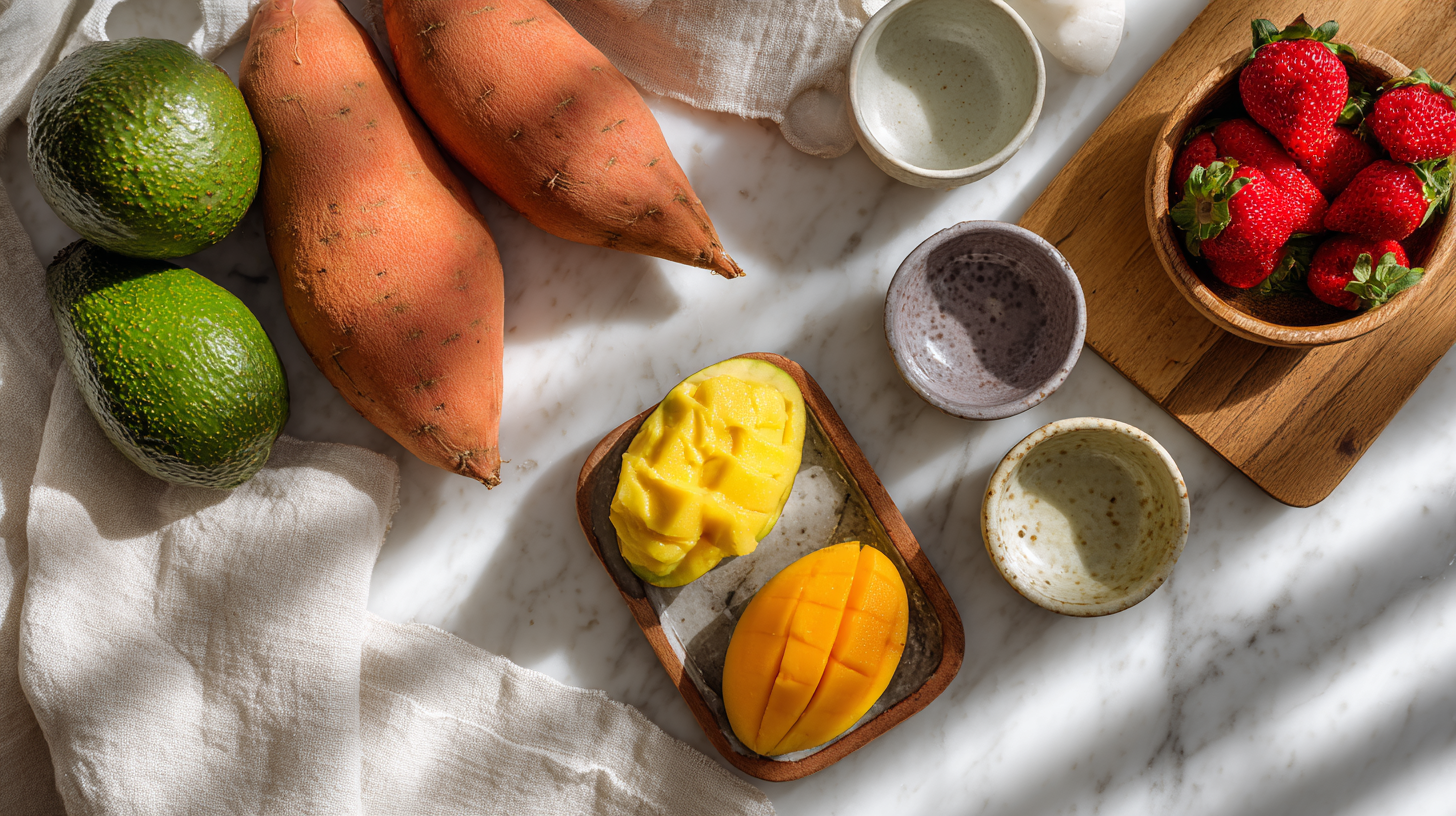
The research gets even more concerning: children exposed to corn syrup solids formula were 10% more likely to be obese by age four compared to those on lactose-based formulas. And that risk increased with every additional month of exposure, reaching 16% higher obesity risk at age two for children with 12 months of corn syrup formula exposure.
But it’s not just formula. Commercial baby foods are loaded with hidden sugars disguised under names like “fruit concentrate,” “rice syrup,” “juice,” “dextrose,” and “evaporated cane juice.” A study analyzing baby food products found those with “no added sugar” claims were paradoxically more likely to be classified as having high sugar content than those without such claims. Why? Because they’re loading up on fruit concentrates and other “natural” sugars that are metabolically identical to table sugar.
Hidden Sugar Detective Challenge
Can you identify which “healthy” baby food has the most hidden sugar? Test your label-reading skills!
“Organic Berry Blast” Pouch
Ingredients: Apple puree, strawberry puree, apple juice concentrate, lemon juice concentrate
“Garden Vegetable Medley” Jar
Ingredients: Sweet potato, carrot, peas, water, corn starch
Homemade Calabaza & Coconut Milk
Ingredients: Roasted calabaza (West Indian pumpkin), coconut milk, thyme
The Label Detective’s Survival Guide
Alright, let’s get practical. You’re standing in the baby food aisle, exhausted, probably with a squirming baby in the cart, and you just need to grab something that won’t harm your child. Here’s your cheat sheet:
First, flip the package around. Ignore everything on the front. Those “no added sugar,” “organic,” and “natural” claims are marketing, not nutrition. Go straight to the ingredients list.
Read ingredients in order. They’re listed by weight, so the first three ingredients are what you’re really buying. If you see any of these sugar pseudonyms in the top five ingredients, put it back: fruit concentrate, fruit juice, rice syrup, corn syrup, maple syrup, agave nectar, dextrose, maltose, glucose, sucrose, or anything ending in “-ose.”
Check the Nutrition Facts panel for “Added Sugars.” This is different from “Total Sugars.” A sweet potato naturally contains sugar—that’s fine. But added sugars? For babies under two, that number should be zero. Not “2g,” not “only a little bit.” Zero.
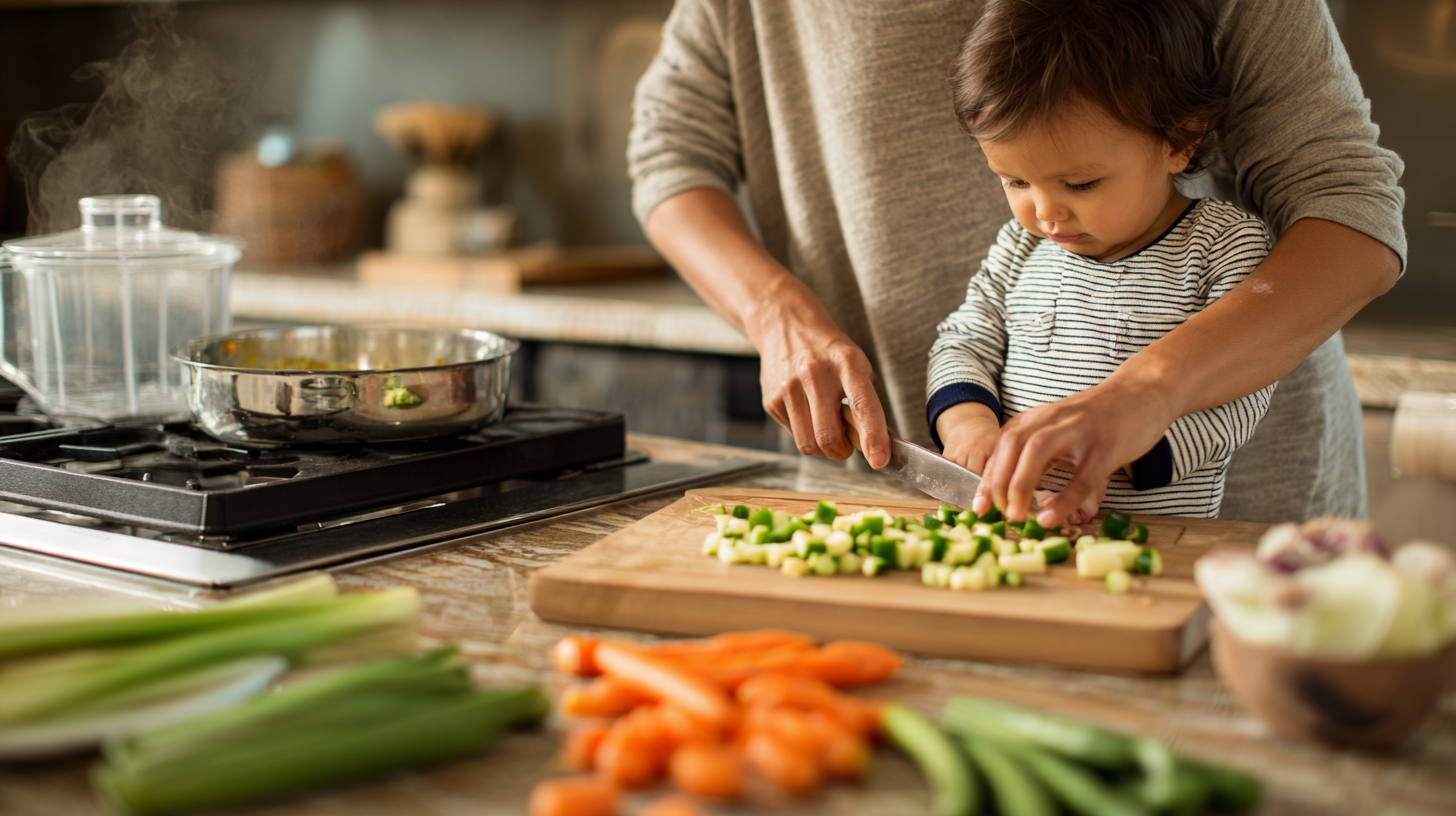
For sodium, look for less than 100mg per serving. Remember, babies aged 6-12 months need very little sodium, and they’re getting plenty from breast milk or formula plus whole foods. Complementary foods shouldn’t be the primary sodium source.
Count the ingredients. Generally, fewer is better. If there are more than five ingredients, ask yourself: would I have these items in my kitchen? Modified corn starch, whey protein isolate, and calcium carbonate are fillers, not food.
Build Your Safe Food List
Track which foods you’ve approved for your baby—because you won’t remember next week!
Safe Homemade Basics (6+ months)
Safe Store-Bought Options (Read every label!)
Items approved: 0/9
Keep building your safe food rotation!
When the Rules Become Guidelines: After the First Birthday
Here’s what changes after your baby blows out that first birthday candle (which, ironically, they still shouldn’t eat if it has honey in the frosting—though now they actually can):
Honey becomes safe because your toddler’s digestive system has matured enough to handle C. botulinum spores. Start with pasteurized honey in small amounts. Drizzle it on toast, stir it into plain yogurt, or use it in baking. But remember: honey is still sugar, so moderation is key.
Salt can be introduced in small amounts as you transition to more family-style eating. This doesn’t mean you should salt everything. It means you can stop preparing completely separate unsalted versions of dishes. Set aside baby’s portion before heavily seasoning family meals. Use herbs and spices to build flavor first, then add just enough salt that the food doesn’t taste bland to your adult palate.
Sugar remains restricted until age two according to the American Heart Association and American Academy of Pediatrics. After age two, limit added sugars to less than 10% of total daily calories—about 6 teaspoons or 25 grams per day. But here’s the thing: if you’ve successfully avoided added sugars in the first two years, your toddler won’t be demanding them. They’ll happily eat fruit for dessert because their taste preferences were programmed for whole foods, not processed sweetness.
This is where introducing babies to diverse, flavorful foods from your own culture pays dividends. Recipes that celebrate ingredients like basic mixed dhal, plantain paradise, or cornmeal porridge teach babies that food can be exciting, satisfying, and delicious without relying on salt, sugar, or processed additives.
Handling Well-Meaning but Wrong Advice
Let’s address the elephant in the room: your mother, your mother-in-law, your auntie who raised five kids, and your grandmother who thinks pediatricians are “too cautious.” These are the people who love your baby fiercely. They’re also the people most likely to undermine your feeding guidelines with a casual “a little honey never hurt anyone” or “babies need salt or their food tastes bland.”
Here’s my strategy, honed over years of navigating Caribbean family dynamics where everyone has an opinion about how you’re raising your child:
Lead with appreciation, follow with science. “Grandma, I love that you want to help soothe the baby’s cough. Did you know that honey can contain bacteria spores that paralyze a baby’s breathing muscles? I was shocked too! The doctor said we need to wait until after the first birthday when their digestive system can handle it.”
Make it about baby’s preferences, not your rules. “We’re trying to help her taste buds develop so she’ll actually like vegetables when she’s older. If we add salt now, research shows she’ll reject unsalted vegetables later. We’re playing the long game!”
Redirect to what they can do. “Instead of adding salt, could you show me how you make that delicious callaloo? We can make a low-sodium version for the baby and season yours afterward.”
Set firm boundaries on non-negotiables. For honey specifically, you need to be unequivocal: “The pediatrician was very clear—no honey in any form before 12 months. I need everyone who cares for her to respect this. If there’s confusion, I’m happy to have the doctor explain it to you.”
Your Action Plan: The Next 30 Days
Week 1: Audit & Eliminate
- Go through your pantry and refrigerator
- Read every label on baby foods you’ve purchased
- Eliminate anything with added sugars, honey, or more than 100mg sodium per serving
- Take photos of ingredient lists of foods you’re unsure about—send them to your pediatrician
Week 2: Master Homemade Basics
- Cook a large batch of 3-4 simple whole food purées
- Freeze in ice cube trays for easy portioning
- Experiment with herb combinations to build flavor without salt
- Try one Caribbean-inspired recipe from a trusted collection
Week 3: Educate Your Village
- Have the conversation with everyone who feeds your baby
- Share this article or print the key guidelines
- Create a “safe foods” list for babysitters and family members
- Address any resistance with empathy but firmness
Week 4: Build Your System
- Establish a weekly food prep routine
- Identify 5-7 “go-to” meals you can rotate
- Find baby-friendly versions of your favorite family recipes
- Celebrate making it through the first month of intentional feeding!
The Truth About “Natural” and “Organic”
Before we wrap up, I need to bust one more myth that’s costing parents both money and peace of mind: the idea that “organic,” “natural,” or “clean label” automatically means a product is appropriate for babies.
Organic honey is still honey. It will still cause infant botulism.
Natural cane sugar is still sugar. Your baby’s pancreas doesn’t care whether the glucose came from an organic sugar cane field or a conventional corn syrup factory—the metabolic effect is identical.
A “clean label” baby food pouch that lists only “organic apples, organic strawberries, organic apple juice concentrate” sounds virtuous. But that apple juice concentrate? It’s just another form of concentrated sugar. That pouch might contain more sugar than three Oreo cookies, and it’s teaching your baby that fruit should taste like candy.
The UK government announced in 2025 that baby food manufacturers must stop using misleading claims and reduce salt and sugar levels within 18 months or face regulatory action. Why? Because investigation revealed that popular baby food products often lack essential nutrients while being marketed as premium, healthy options. Parents were being systematically misled by feel-good language that meant nothing nutritionally.
The safest approach? Make as much food as you reasonably can yourself. When you do buy prepared foods, apply the detective skills we covered earlier. And remember: the fewer ingredients, the better. Ideally, baby food should be recognizable whole foods your great-grandmother would identify as food.
Building a Foundation That Lasts Beyond Babyhood
Here’s what nobody tells you in those early sleep-deprived months: the choices you make about salt, sugar, and honey aren’t just about surviving the first year. They’re about programming taste preferences that will influence your child’s food choices, health outcomes, and relationship with eating for decades.
When you offer unsalted steamed vegetables and your baby wrinkles their nose but eventually accepts them, you’re teaching their palate that this is what food tastes like. When you skip the sweetened yogurts and offer plain full-fat yogurt with mashed banana, you’re establishing that fruit is nature’s dessert. When you wait until after 12 months for honey and introduce it only in moderation, you’re demonstrating that sweet treats are occasional pleasures, not daily expectations.
The research backs this up: children who consume added sugars in the first year are significantly more likely to prefer ultra-processed foods throughout childhood. They’re more likely to reject vegetables. They’re more likely to struggle with obesity and metabolic issues. Not because of genetics or bad luck, but because their taste preferences were programmed during that critical window when you could still shape them.
My cousin Marcia, the one with the honey scare? She learned. Now when her mother-in-law visits, there’s a list on the refrigerator of approved foods and feeding guidelines. No more surprises. No more emergency room visits. No more stress wondering if well-meaning family members are undermining the foundation she’s trying to build.
And you know what? Her son just turned two. He devours roasted calabaza, gets excited about plantain, and thinks the best treat in the world is a ripe mango. He’s never had a juice box, never eaten a gummy snack, and doesn’t know that chicken nuggets exist. Is her life harder than parents who rely on packaged convenience foods? In some ways, yes—she spends Sunday afternoons doing food prep. But in other ways, it’s infinitely easier. She doesn’t battle a toddler who screams for cookies. She doesn’t have a kid who refuses to eat unless there’s ketchup on everything. She built a strong foundation, and now she’s reaping the rewards.
That’s the part they don’t put on the Instagram posts about baby-led weaning or complementary feeding—the part where all those careful choices you make in the first year or two actually pay off. Your toddler who eats what the family eats, who tries new foods without drama, who hasn’t developed a sugar addiction—that’s not luck. That’s the result of thousands of small decisions you made when everyone around you said you were being “too strict” or “overthinking it.”
You weren’t overthinking it. You were protecting developing kidneys, preventing potential botulism exposure, and programming taste preferences. You were parenting with intention, backed by science, even when it was inconvenient.
Your Baby’s Health Is Worth the Inconvenience
Look, I get it. Reading labels is tedious. Cooking from scratch takes time you don’t have. Explaining to your mother-in-law for the fifteenth time why you can’t put honey on the baby’s pacifier is exhausting. Preparing separate unsalted portions of family meals feels like you’re running a restaurant.
But here’s what I know after watching my own family navigate these waters, after talking to countless parents who’ve successfully protected their babies from unnecessary salt, sugar, and honey exposure: the inconvenience is temporary. The benefits last a lifetime.
Your baby won’t remember that you spent Sunday afternoons making batches of roasted sweet potato and calabaza to freeze in portions. They won’t recall that you read every label like it was a legal contract. They won’t have any memory of the battles you fought to keep well-meaning relatives from adding salt to their food.
But their body will remember. Their taste preferences will remember. Their developing palate, kidneys, and metabolism will carry forward the gift you gave them: a foundation of whole foods, diverse flavors, and healthy eating patterns that don’t depend on excess sodium, added sugars, or premature introduction to ingredients their bodies weren’t ready to handle.
That’s not just good parenting—that’s investing in your child’s long-term health in a way that compounds over time, like interest in a savings account. Except instead of money, you’re accumulating health, taste preference diversity, and a relationship with food that’s based on nourishment rather than hyperpalatability and processed convenience.
So the next time you’re standing in that supermarket aisle, squinting at an ingredient label while your baby fusses in the cart, remember: you’re not just shopping for dinner. You’re programming your child’s future. And that makes every minute of inconvenience worth it.
Because at the end of the day, nobody ever wished they’d been less careful about what they fed their baby in the first year. But plenty of parents—like my cousin Marcia after that honey scare—wish they’d been more vigilant. Don’t let that be your story.
Your baby is counting on you to be the gatekeeper, the label detective, the boundary-setter with relatives who mean well but don’t know better. You’ve got this. And when it feels overwhelming, remember: you’re not alone in choosing the harder path that leads to the better outcome. There’s a whole community of parents making the same careful choices, reading the same endless labels, and building the same strong foundations for our babies’ health.
Now go forth and feed your baby foods that actually look like food—stewed peas without the salt, cornmeal porridge without added sugar, sweet potato and callaloo without shortcuts. They deserve nothing less than your commitment to their long-term health. And you deserve the peace of mind that comes from knowing you did everything in your power to give them the best possible start.

Kelley's culinary creations are a fusion of her Caribbean roots and modern nutritional science, resulting in baby-friendly dishes that are both developmentally appropriate and bursting with flavor. Her expertise in oral motor development and texture progression ensures that every recipe supports your little one's feeding milestones while honoring cultural traditions.
Join Kelley on her flavorful journey as she shares treasured family recipes adapted for tiny taste buds, evidence-based feeding guidance, insightful parenting anecdotes, and the joy of celebrating food, culture, and motherhood. Get ready to immerse yourself in the captivating world of Kelley Black and unlock the vibrant flavors of the Caribbean for your growing baby, one nutritious bite at a time.
- The Feeding Revolution: Why Your Everyday Meals Are Changing the World - October 13, 2026
- Your Feeding Story Matters More Than The “Perfect” One Online - October 12, 2026
- Looking Forward: Stepping Into Your Confident Feeding Future - October 11, 2026