The Secret Language Your Child Already Speaks (And How Food Fits In)
Discover Your Child’s Play-Learning Style
Before we dive in, let’s figure out which playful nutrition approach will work best for YOUR child. Click the description that sounds most like your little one:
Three years ago, I watched my neighbor’s daughter reject every vegetable on her plate while her mother pleaded, “Just one bite of broccoli, please.” The tension was thick enough to cut with a knife. Fast forward to last week: that same little girl was in my kitchen, giggling as she pretended to be a “carrot scientist,” examining orange sticks under an imaginary microscope before crunching them with genuine delight.
What changed wasn’t the child. It wasn’t even the vegetables. What transformed was the approach—from pressure-filled lectures about vitamins to playful exploration that honored how children naturally learn. And here’s the truth most parenting books won’t tell you: kids are hardwired to learn through play, not PowerPoint presentations about food pyramids.
Research from systematic reviews analyzing experiential nutrition interventions shows that hands-on, play-based approaches consistently outperform traditional didactic teaching when it comes to improving children’s nutrition knowledge and willingness to try new foods. We’re talking about programs involving cooking, gardening, taste-testing, and games—all showing significantly better outcomes than classroom lectures or nutrition posters.
The gap between what we know works and what most parents actually do at mealtimes is staggering. We default to explaining, convincing, and occasionally bribing—when our children are literally designed to learn best by doing, playing, and exploring with all five senses.
Why Your Lecture About Vegetables Falls on Tiny Deaf Ears
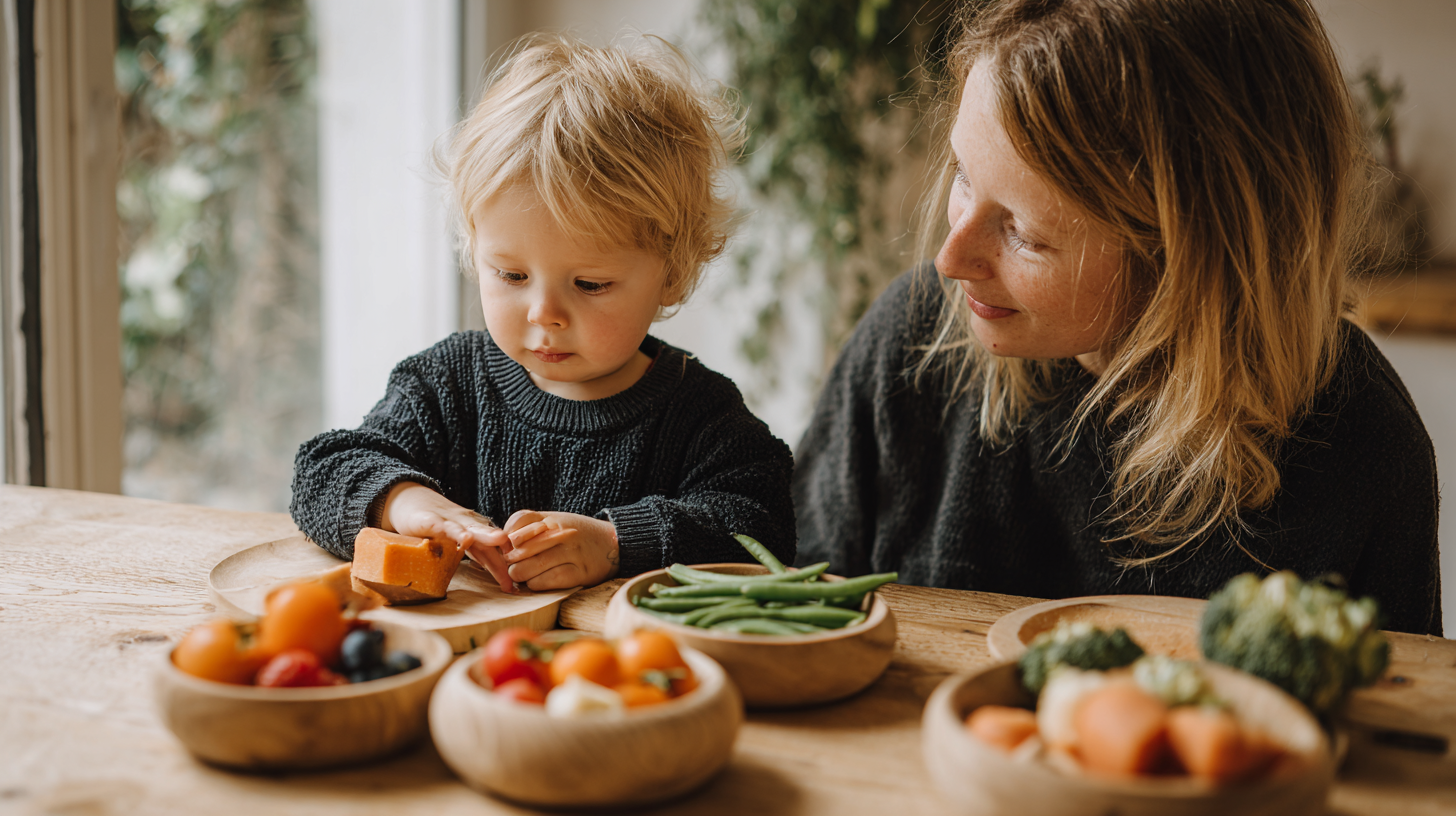
Let me paint you a picture of how children’s brains actually work. When you tell a 4-year-old that carrots have beta-carotene for good eyesight, their brain files that information in the “adult nonsense” category right next to “money doesn’t grow on trees.” But when that same child pretends carrots are magic wands that give them superhero vision and then crunches into one? That experience creates neural pathways linking pleasure, imagination, and food acceptance.
Experiential learning theory—the foundation behind play-based education—tells us that children construct knowledge through direct experience and reflection. Large-scale programs like Italy’s Giocampus, which integrated games and educational activities for over 16,000 children, showed significant increases in nutrition knowledge after just three months. The kicker? Kids didn’t even realize they were “learning.” They were just having fun.
The science backs this up in ways that should make every parent rethink dinnertime battles. Studies on picky eating reveal that children often need 6-15 exposures to a new food before accepting it—but here’s the catch: those exposures need to be pressure-free. One taste demanded under threat of “no dessert” doesn’t count. One curious sniff during a pretend farmers market game? That’s exposure number one.
Occupational therapists working with extremely selective eaters emphasize understanding the “why” behind rejection. Sometimes it’s genuine sensory sensitivity to texture or smell. Sometimes it’s normal developmental food neophobia. Either way, the solution isn’t more convincing—it’s more comfortable, playful interaction with food outside the pressure cooker of mealtime.
The Hidden Truth About “Healthy Eating” Messages
Click below to reveal what researchers discovered about traditional nutrition education…
The Shocking Finding: Many well-meaning nutrition programs improved children’s knowledge about healthy foods but showed mixed or minimal effects on actual eating behaviors over time. Kids knew broccoli was “healthy”—they just still didn’t want to eat it.
Why This Happens: Knowledge alone doesn’t drive behavior, especially in young children who live in the present moment and prioritize immediate sensory experience over future health outcomes they can’t conceptualize.
The Solution: Multi-sensory, repeated, playful exposure that builds positive associations and genuine curiosity, not just nutritional facts.
The Play-Based Nutrition Revolution (Happening Right Now)
Here’s where things get exciting. Digital serious games like Foodbot Factory, designed for elementary-aged kids, are being rolled out in large classroom trials after pilot studies showed significant gains in nutrition knowledge. These aren’t your typical educational apps—they’re mission-based adventures where kids learn food groups and label-reading through storylines and rewards that feel like actual games.
But you don’t need fancy technology. The most effective interventions combine multiple strategies: tasting sessions, cooking workshops, gardening activities, and simple games. A three-week experiential program in Europe that included farm visits, cooking together, and shared meals showed positive effects on children’s attitudes toward fruits and vegetables that lasted years later. Years. From three weeks of playful food experiences.
On the Caribbean side of my world, we’ve always had an intuitive understanding of this. Making festival together isn’t just cooking—it’s storytelling, it’s messy hands in cornmeal dough, it’s the sizzle and smell creating memories. When you introduce babies to flavors through recipes like Sweet Potato & Callaloo Rundown or Cornmeal Porridge Dreams, you’re not just feeding them—you’re building a foundation of positive food experiences rooted in culture and play.
Social media has amplified this revolution. Pediatric feeding therapists and dietitians are sharing bite-sized activities: food group bingo using real produce, rainbow fruit-and-veggie art projects, pretend grocery stores with play cash registers. National resources like Nutrition.gov now curate extensive libraries of games and interactive tools. The message is clear: the future of nutrition education is playful, weight-neutral, and grounded in joy rather than obligation.
Age-Appropriate Play Strategies That Actually Work
Let’s get practical. What does play-based nutrition education look like for different ages?
Play Activity Generator by Age
Select your child’s age group to get personalized activity ideas:
For babies (6-12 months): This is pure sensory exploration. Let them squish cooked sweet potato through tiny fingers. Offer steamed green beans to gnaw, drop, and investigate. The goal isn’t “eating vegetables”—it’s building comfort and curiosity. In the Caribbean tradition, introducing babies to soft, flavorful foods like Plantain Paradise or Yellow Yam & Carrot Sunshine provides natural sweetness and interesting textures that make exploration irresistible.
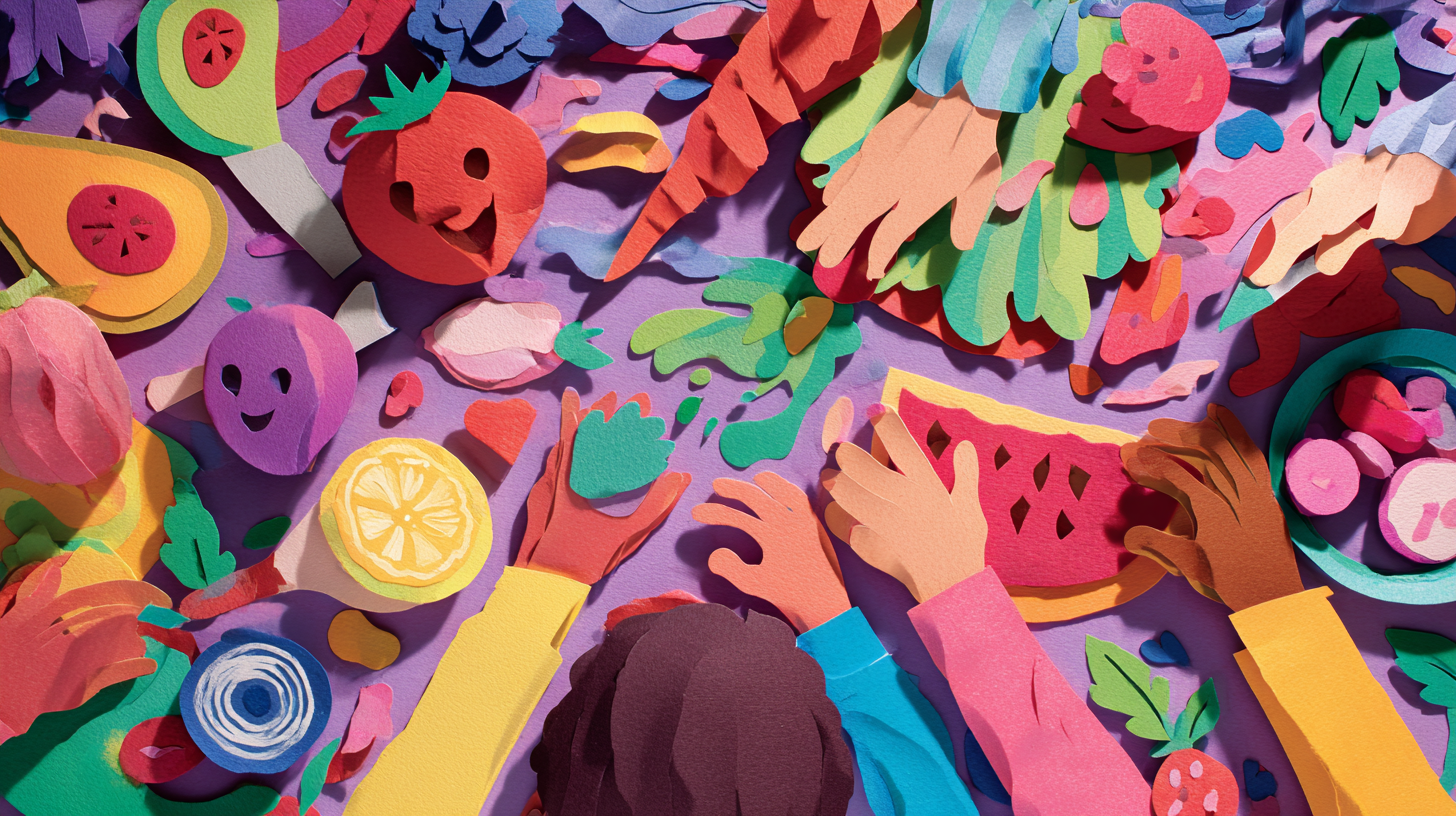
For toddlers (1-2 years): Pretend play begins. Set up a toy farmers market with real produce. Let them “sell” you tomatoes and “buy” bananas with play money. Create color-sorting games—red foods here, green foods there. Make animal snacks (cheese slice turtle, grape caterpillar). At this age, they’re learning through imitation, so involve them in simple tasks: washing berries, tearing lettuce, stirring yogurt.
For preschoolers (3-4 years): This is the golden age of imagination meeting capability. They can help with recipe-following, measuring, and pouring. Turn cooking into storytelling—we’re making “dragon soup” (vegetable soup) or “princess parfaits” (yogurt and fruit layers). Create food science experiments: what happens when we mix colors of fruit? Which vegetables sink or float? Start simple nutrition concepts through games, not lectures: “We need foods from every color of the rainbow to give our bodies different kinds of energy.”
For early elementary (5-7 years): They’re ready for more complex activities. Food group bingo with actual meal planning. Grocery store scavenger hunts where they find foods that match specific criteria. Simple cooking that they lead with your supervision. “Texture labs” comparing crunchy vs. smooth, investigating why some foods change when heated. At this stage, they can start connecting actions to outcomes—but keep it concrete and immediate, not abstract future health.
Research emphasizes that these activities work best with parental involvement and when they happen repeatedly, not as one-off events. The magic isn’t in a single perfect game—it’s in consistently making food exploration playful rather than pressured.
The Sensory Secret That Changes Everything
Here’s something most parents don’t realize: for many children, especially those labeled “picky eaters,” food rejection has nothing to do with being difficult. Recent studies on tactile sensitivity show that children with heightened sensory responsiveness genuinely experience certain textures, smells, or tastes more intensely than others. What adults perceive as mild bitterness might be overwhelming to a sensitive child.
Sensory-based food play addresses this beautifully. It removes eating from the equation entirely and focuses on comfortable exploration. Activities might include:
- Touch tolerance building: Playing with dried beans, rice, or pasta in a sensory bin. Progressing to wet textures like cooked noodles or mashed potatoes—with no pressure to taste.
- Smell exploration: Making a “scent garden” with herbs, letting kids sniff and identify without putting anything in their mouths.
- Visual investigation: Cutting vegetables in half to examine the “insides.” Comparing sizes, shapes, and colors like scientists with specimens.
- Sound awareness: The crunch of raw carrots vs. cooked. The pop of edamame from pods. Making music with dried goods in sealed containers.
Occupational therapists report that when children are allowed to explore food through non-eating activities, their tolerance gradually increases. A child who won’t touch tomatoes might paint with tomato paste, then eventually tolerate tomato sauce on pasta, and finally accept cherry tomatoes in their lunch. The journey takes months, but it’s built on reducing anxiety rather than increasing pressure.
Food Science Experiments You Can Do Today
Click each experiment to reveal the science and learning opportunity:
What the Experts Aren’t Telling You (The Uncomfortable Truths)
Let’s talk about what researchers debate behind closed doors. There’s a growing concern in the field about how to balance nutrition education with body image and anti-diet-culture principles. Some experts warn that even well-meaning games can backfire if they moralize foods or link “healthy eating” too directly with weight or appearance.
Think about food group sorting games that categorize items as “healthy” vs. “unhealthy.” A 2025 study with school children found that kids increasingly internalize rigid food rules that can contribute to disordered eating patterns later. The solution? Food-neutral language. Instead of “good” vs. “bad” foods, talk about “growing foods,” “energy foods,” “sometimes foods,” and “celebration foods.” Emphasize variety and body signals over external rules.
Another challenge: not all children have equal access to play-based nutrition opportunities. Schools in under-resourced communities often lack gardens, cooking facilities, or funding for experiential programs. Digital games require devices and internet access. The equity gap in food education is real and widening.
For parents, this means being intentional about creating low-cost, accessible play opportunities at home. You don’t need a garden—you can grow herbs in a windowsill cup. You don’t need fancy game apps—you can make food group bingo with hand-drawn cards. The most effective nutrition education often happens in everyday moments: letting your toddler help make breakfast, talking through grocery choices, involving them in meal prep.
And here’s the controversial part: some feeding specialists argue that for children with significant sensory issues or feeding disorders, standard “food play” activities can be overwhelming without professional guidance. Forcing participation or using exposure techniques incorrectly can increase anxiety rather than reduce it. If your child shows extreme distress around food, seek evaluation from a pediatric feeding team before implementing intensive play-based interventions on your own.
Building Your Family’s Playful Nutrition Toolkit
Let’s create a practical action plan you can start using this week. The beauty of play-based nutrition education is that it doesn’t require perfect execution—it requires consistent, pressure-free opportunities.
Kitchen Activities That Double as Learning:
- Grocery store prep games: Before shopping, make a picture list together of foods you need. At the store, let kids find items and put them in the cart. This builds autonomy and familiarity.
- Meal assembly stations: Set out ingredients for build-your-own tacos, yogurt parfaits, or sandwich bars. Kids choose components, learning about combinations and preferences without pressure.
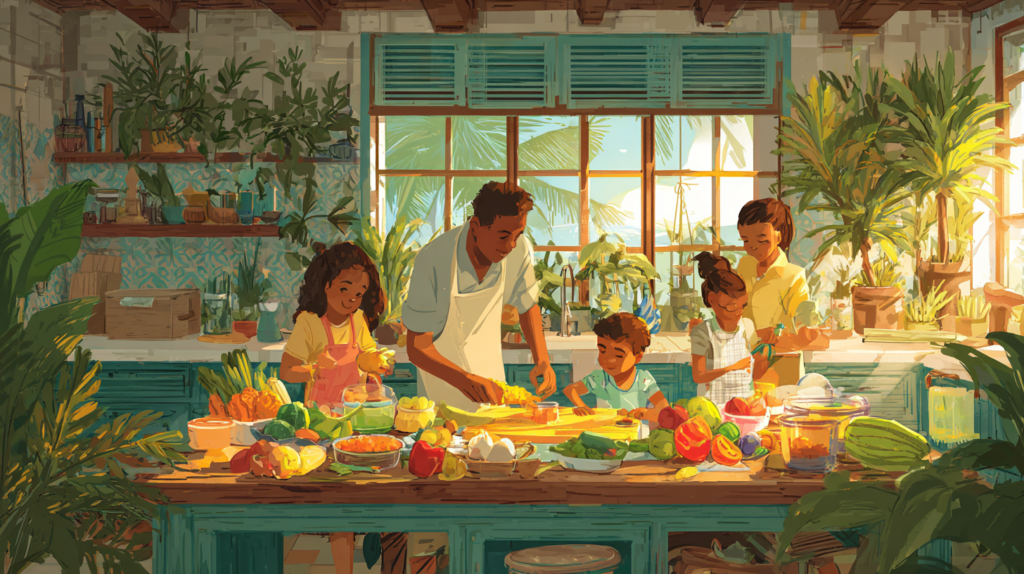
- Cultural cooking projects: Explore Caribbean-inspired recipes together—making Coconut Rice & Red Peas or Stewed Peas Comfort becomes an adventure in flavors and heritage. Cooking traditional foods connects children to culture while building kitchen skills.
- Recipe reading: For early readers, following simple recipe cards teaches sequencing, measurement, and reading comprehension—all while making something delicious.
Non-Cooking Play Ideas:
- Restaurant dramatic play: Set up a pretend restaurant with menus (drawn by kids), play food or real produce, and role-playing. Taking orders, “cooking,” and serving builds positive food associations.
- Food art projects: Stamping with celery and peppers, making veggie prints, creating faces from plate arrangements. Art removes eating pressure while increasing handling comfort.
- Storybook connections: Read books featuring food, then make a snack inspired by the story. “The Very Hungry Caterpillar” becomes an excuse to try fruits mentioned in the book.
- Body listening games: Before meals, check in: “Is your tummy growling hungry or just a little hungry? What foods sound good to your body right now?” This builds interoceptive awareness—the foundation of intuitive eating.
Track Your Playful Nutrition Journey
Research shows consistency matters more than perfection. Click activities as you complete them to see your progress:
Click activities above to track your journey!
The Long Game: What Happens When Play Becomes the Foundation
Here’s what researchers are discovering about the long-term effects of experiential nutrition education: the benefits extend far beyond childhood vegetable consumption. Programs that emphasized playful, hands-on food experiences showed that children developed into adolescents with better overall food literacy—the ability to plan meals, understand nutrition labels, cook basic dishes, and make informed choices without obsessive rule-following.
A three-week program with farm visits and cooking workshops showed attitude changes that persisted years later. Not because kids memorized facts about vitamins, but because they’d built positive emotional associations with diverse foods during a formative period. Those neural pathways connecting pleasure, curiosity, and food variety became the default rather than anxiety and restriction.
Future research is moving toward integrating nutrition education with sustainability and food systems thinking. Imagine children not just learning “eat your vegetables” but understanding where food comes from, how seasons affect availability, and what cooking together means for family connection. This holistic approach respects that food is about more than nutrients—it’s culture, environment, relationships, and joy.
For parents raising children right now, this research offers permission to reframe your approach. You’re not failing if your child doesn’t eat perfectly. You’re succeeding every time you create a pressure-free opportunity to explore, every time you model curiosity rather than anxiety around food, every time you prioritize connection over compliance at the dinner table.
The goal isn’t raising a child who knows every vitamin’s function by age five. The goal is raising an adult who has a healthy, flexible, joyful relationship with food—who can cook for themselves, appreciate diverse flavors, listen to their body’s signals, and share meals with others without stress. Play is the foundation for all of that.
Your Next Step: Starting This Week
I know what you’re thinking: “This sounds great, but I barely have time to get dinner on the table, let alone set up elaborate food games.” I hear you. But here’s the secret—play-based nutrition education doesn’t have to be Pinterest-perfect or time-intensive.
Start with one tiny shift this week. Maybe it’s letting your toddler wash vegetables in a bowl of water while you prep dinner. Maybe it’s playing “I Spy” with colors at the grocery store. Maybe it’s making Papaya & Banana Sunshine together and letting your child mash the fruit, even if it gets messy.
The research is clear: small, consistent exposures matter more than grand gestures. Six taste-testing moments spread over two weeks beats one intensive cooking marathon. Letting your child help with breakfast prep three times this week creates more learning than a single elaborate Saturday project.
Here’s your challenge: choose ONE activity from this article—just one—and do it before the week ends. Not perfectly. Not Instagram-worthy. Just playfully, with your child, focused on curiosity rather than outcome.
Because the truth that changed everything for my neighbor’s daughter, and for hundreds of families whose stories fill the research literature, is this: children don’t need to be convinced to love food. They need to be given space to discover it on their terms—through the language they already speak fluently, the language of play.
That carrot scientist in my kitchen? She’s not special. She’s just a kid who was finally allowed to be curious instead of compliant. Your child has that same potential, waiting for permission to explore.
The magic isn’t in the perfect lesson plan or the fancy nutrition game. The magic is in every moment you choose connection over correction, play over pressure, and patience over perfection. That’s how you raise a child who doesn’t just know about nutrition—they feel it, trust it, and carry that foundation into every meal for the rest of their life.
So go ahead. Get messy. Let them paint with beet juice. Build a tower of canned goods. Pretend bananas are telephones. Trust that every playful food moment is building something bigger than a meal—it’s building a relationship with nourishment that will serve them long after they’ve outgrown your kitchen counter.

Kelley's culinary creations are a fusion of her Caribbean roots and modern nutritional science, resulting in baby-friendly dishes that are both developmentally appropriate and bursting with flavor. Her expertise in oral motor development and texture progression ensures that every recipe supports your little one's feeding milestones while honoring cultural traditions.
Join Kelley on her flavorful journey as she shares treasured family recipes adapted for tiny taste buds, evidence-based feeding guidance, insightful parenting anecdotes, and the joy of celebrating food, culture, and motherhood. Get ready to immerse yourself in the captivating world of Kelley Black and unlock the vibrant flavors of the Caribbean for your growing baby, one nutritious bite at a time.
- The Feeding Revolution: Why Your Everyday Meals Are Changing the World - October 13, 2026
- Your Feeding Story Matters More Than The “Perfect” One Online - October 12, 2026
- Looking Forward: Stepping Into Your Confident Feeding Future - October 11, 2026