
The Portion Paradox: Why 73% of Parents Are Worried About the Wrong Thing
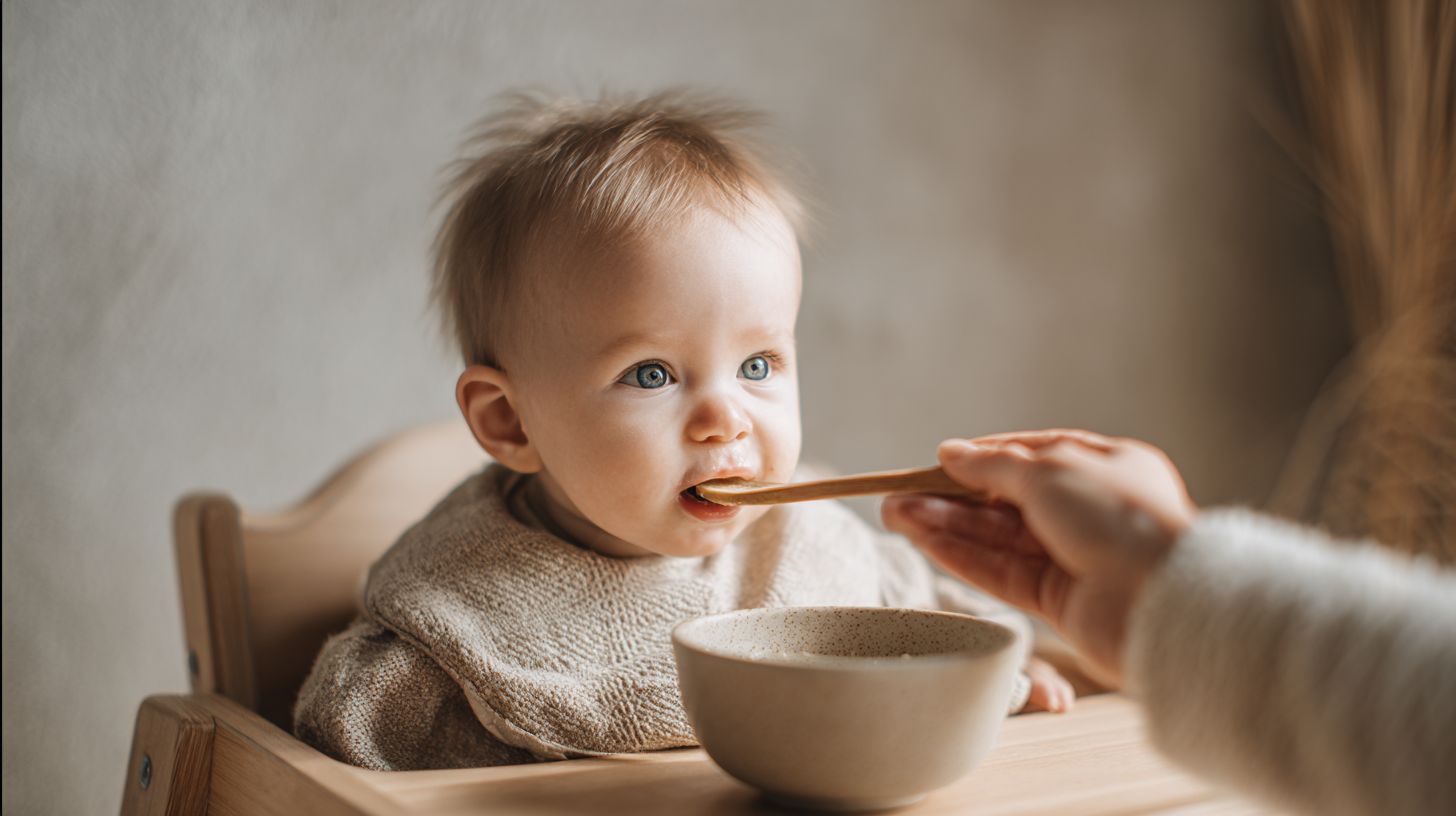
Your baby just turned away from the spoon after three bites. Your mind starts racing: Did they eat enough? Should I try one more time? What if they’re hungry later? Meanwhile, your mother-in-law is across the table saying, “Back in my day, babies cleaned their plates,” and that Instagram influencer you follow just posted their 10-month-old demolishing a bowl the size of your head.
Here’s the truth that’s going to change everything: you’re probably asking the wrong question entirely. It’s not “how much should my baby eat?” The real question is “how do I learn to trust that my baby already knows?”
Because while you’re lying awake at night Googling tablespoon measurements, your baby is doing something remarkable—they’re listening to their body in a way most adults have completely forgotten how to do. And every time we override that inner wisdom with our well-intentioned portion policing, we’re teaching them to ignore the most reliable nutrition compass they’ll ever have.
Quick Check: What’s Your Feeding Anxiety Style?
Click the one that sounds most like you:
The Numbers Game Nobody’s Winning
Let me tell you what the research actually shows—and it’s going to surprise you. A groundbreaking 2019 study found that 79% of parents routinely offer portions larger than recommended. But here’s the kicker: 73% of those same parents are worried their child isn’t eating enough. We’re simultaneously overfeeding and panicking about underfeeding.
Think about that for a second. Nearly three-quarters of us are anxious about the exact opposite of what’s actually happening. It’s like worrying your house is too cold while cranking the heat up to 80 degrees.
The problem isn’t that we don’t love our babies enough—it’s that we love them so much we’ve stopped trusting the brilliant biological system they were born with. Every healthy baby comes hardwired with hunger and fullness signals more accurate than any measuring cup you’ll ever own. But somewhere between the newborn stage and starting solids, we start second-guessing them.
I remember standing in my kitchen when my daughter was eight months old, staring at the two tablespoons of mashed sweet potato she’d refused. TWO TABLESPOONS. I’d spent twenty minutes steaming, mashing, and seasoning it perfectly. My grandmother (who’d raised five children on much less) watched me spiraling and said something that changed everything: “Chile, you think babies in the mountains back home had measuring spoons? They ate when hungry, stopped when full, and grew up strong enough to carry water up hillsides.”
She was right, of course. But it took months of research and letting go before I truly understood what she meant.
What “Normal” Portions Actually Look Like
Okay, I know what you’re thinking: “That’s all lovely and philosophical, but PLEASE just tell me how much I should put on the plate.” I hear you. So let’s talk actual numbers—but with an important caveat I’ll explain in a minute.
For a 6-month-old just starting solids, we’re talking 1-2 tablespoons of food once or twice daily. That’s it. That’s IT. I know it looks like barely anything. You could sneeze and accidentally blow that amount off the high chair tray. But remember, at this stage, milk (breast or formula) is still providing 90% of nutrition. These tiny portions are about exploration, not sustenance.
By 8-10 months, portions grow to about 2-4 tablespoons per meal, with 2-3 meals daily. At 10-12 months, you might see 4-5 tablespoons (roughly 100g) three times a day, plus 1-2 snacks. And for toddlers 12-24 months? Their meal portions are typically one-quarter of what you’d serve yourself. Their little fist is roughly the size of their stomach—that’s your visual guide.
Quick Portion Guide: Select Your Baby’s Age
But here’s that important caveat I promised: these numbers are averages based on populations, not prescriptions for your individual child. Using them as gospel is like saying everyone should wear size 7 shoes because that’s the average. Some babies need more, some need less, and the same baby needs different amounts on different days.
A baby who’s teething might barely eat anything for three days straight. A baby who’s going through a growth spurt might devour everything in sight and ask for seconds. A baby who’s learning to crawl is burning different calories than one who’s contentedly sitting and playing. And that’s all completely normal and healthy.
The Cues You’re Missing
Your baby is constantly communicating with you about food—you just need to learn their language. And here’s the beautiful part: once you tune into these signals, the measuring cups become irrelevant. You’ll know more from watching your baby than from following any chart.
Newborns and young babies have pretty obvious cues. Hands to mouth? Hungry. Turning away and going limp? Full. But as babies get older and start solids, the signals get more sophisticated. A 9-month-old who’s hungry might bang on their high chair tray, lean toward the spoon with mouth open, or get genuinely excited when they see food. Compare that to a full baby who plays with food instead of eating it, gets distracted by everything, or starts dropping pieces deliberately (yes, that’s communication, not just making a mess).
Master the Cue Recognition Game
Click each age to discover what your baby’s really telling you:
Hunger Signals:
- Hands moving to mouth, fist clenching
- Head turning toward breast or bottle (rooting)
- Lip smacking, sucking motions
- Becoming alert and active
Fullness Signals:
- Turning head away from feeding
- Closing mouth, refusing to suck
- Relaxed body, unclenched fists
- Appearing sleepy and content
Hunger Signals:
- Leaning toward food with open mouth
- Getting excited when seeing food
- Following food with eyes intently
- Reaching for your plate or spoon
- Making sounds or gestures toward food
Fullness Signals:
- Turning away or looking around
- Playing with food instead of eating
- Pushing food away or throwing it
- Keeping mouth closed when offered more
- Becoming fidgety or distracted
Hunger Signals:
- Asking for specific foods by name or pointing
- Wandering to kitchen or high chair
- Becoming cranky or clingy near meal times
- Eating eagerly when food is presented
Fullness Signals:
- Saying “all done” or using signs
- Eating very slowly or stopping mid-meal
- Wanting to leave the table or chair
- Only eating preferred foods, ignoring others
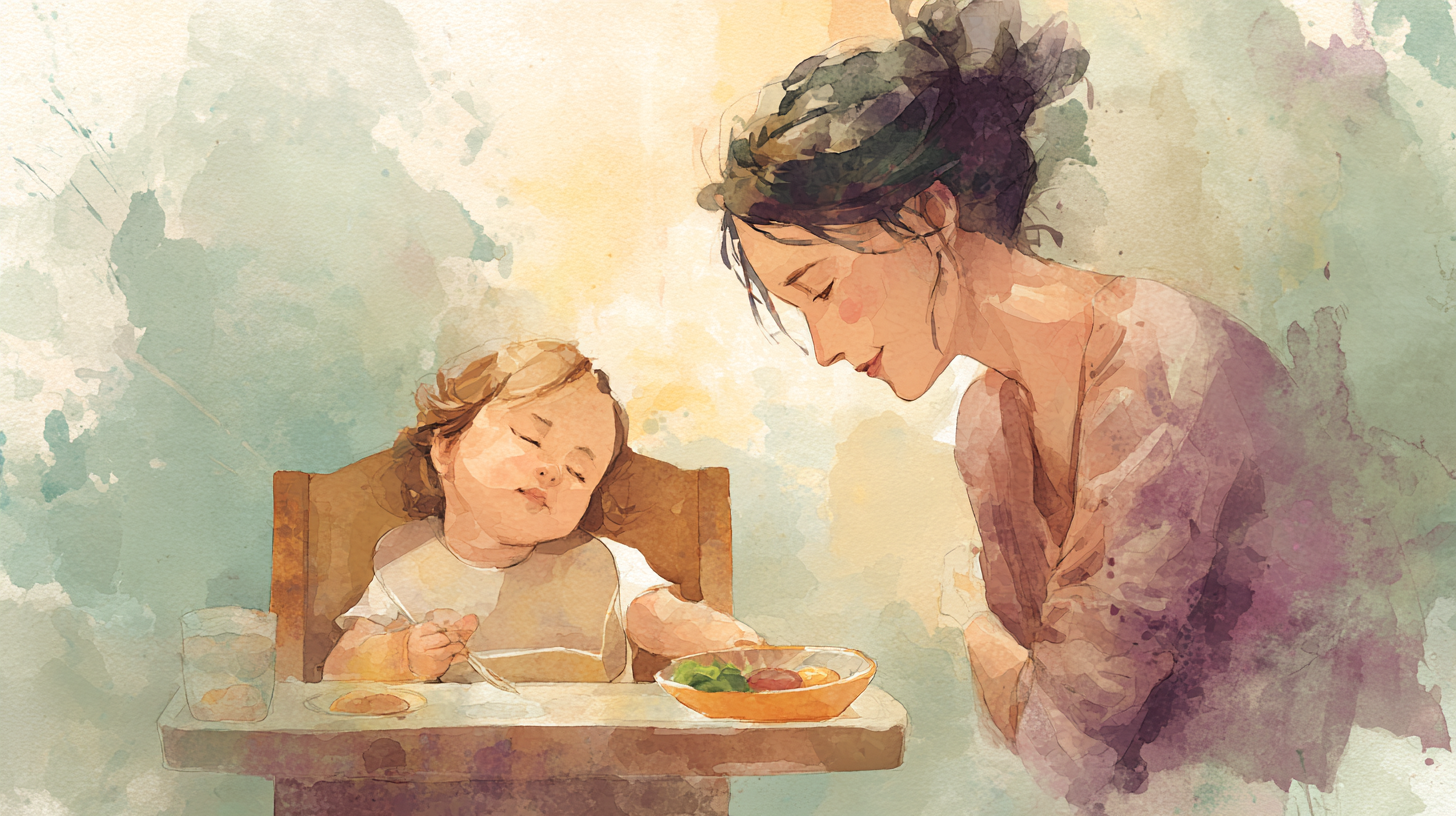
My son taught me this lesson when he was about 11 months old. I’d prepared this gorgeous meal—Sweet Potato & Callaloo Rundown, one of his previous favorites from my Caribbean Baby Food Recipe Book. He took three bites, then started methodically dropping each remaining piece on the floor while making direct eye contact. Old me would have panicked about “wasted food” and “not enough vegetables.” New me recognized it for what it was: a very clear “I’m done, thanks” signal.
And you know what? Two hours later, he devoured his snack like he’d never seen food before. His body knew exactly what it needed and when. Mine was the one getting in the way.
The Myths Keeping You Up at Night
Let’s blow up some of the most persistent portion myths right now. Because these lies are stealing your peace and undermining your baby’s natural eating competence.
Myth Busters: Click Each Card to Reveal the Truth
Building the Trust That Changes Everything
Here’s what responsive feeding actually looks like in practice—and why it’s revolutionary for both of you.
The Division of Responsibility, developed by feeding expert Ellyn Satter, gives you a framework that removes all the guesswork and guilt. You decide WHAT foods to offer, WHEN to offer them, and WHERE feeding happens. Your baby decides WHETHER to eat and HOW MUCH to consume.
Sound scary? It did to me too, at first. We’re so conditioned to control every aspect of our babies’ lives—how could we possibly trust them with something as important as nutrition? But here’s the thing: they’re better at this job than we are. Their bodies send them clear, accurate signals about hunger and fullness that we can’t possibly calculate with any measuring tool.
When my daughter was 14 months old, we went through a week where she ate almost nothing. I mean NOTHING. A few bites at each meal, refused most snacks, survived mostly on milk. My anxiety was through the roof. I was THIS close to forcing food, to playing the “just one more bite” game, to making meals a battleground.
Instead, I kept offering regular, varied meals without pressure. I watched her for actual signs of concern (there were none—she was happy, energetic, peeing normally). And then, exactly one week later, like someone flipped a switch, she ate like she’d been training for a competitive eating championship. Three full plates at dinner. Asking for more fruit. Demolishing snacks.
Turns out she was working on some big motor skills that week—pulling herself up to standing, cruising along furniture. Her body knew it needed to focus energy there, not on digestion. The following week, those skills mastered, she needed lots of fuel. She had it handled the whole time. I was the only one panicking.
The Language Shift That Builds Trust
Changing how we speak changes how babies learn to trust themselves:
Scenario 1: Baby Turns Away After Few Bites
Scenario 2: Baby Wants More After Finishing
Scenario 3: Baby Refuses Meal Completely
Scenario 4: Comparing to Other Babies
This approach works because it respects your baby as the expert on their own body while keeping you firmly in charge of the nutrition framework. You’re not being permissive—you’re being responsive. There’s a massive difference.
When preparing meals, I’ve found that Caribbean flavors and textures are actually perfect for this trust-building approach. Dishes like Yellow Yam & Carrot Sunshine or Coconut Rice & Red Peas from my recipe collection offer complex flavors that let babies explore preferences while providing solid nutrition. The key is offering appropriate foods consistently without pressure, then stepping back and watching them work their magic.
The Caribbean Wisdom Your Grandmother Knew
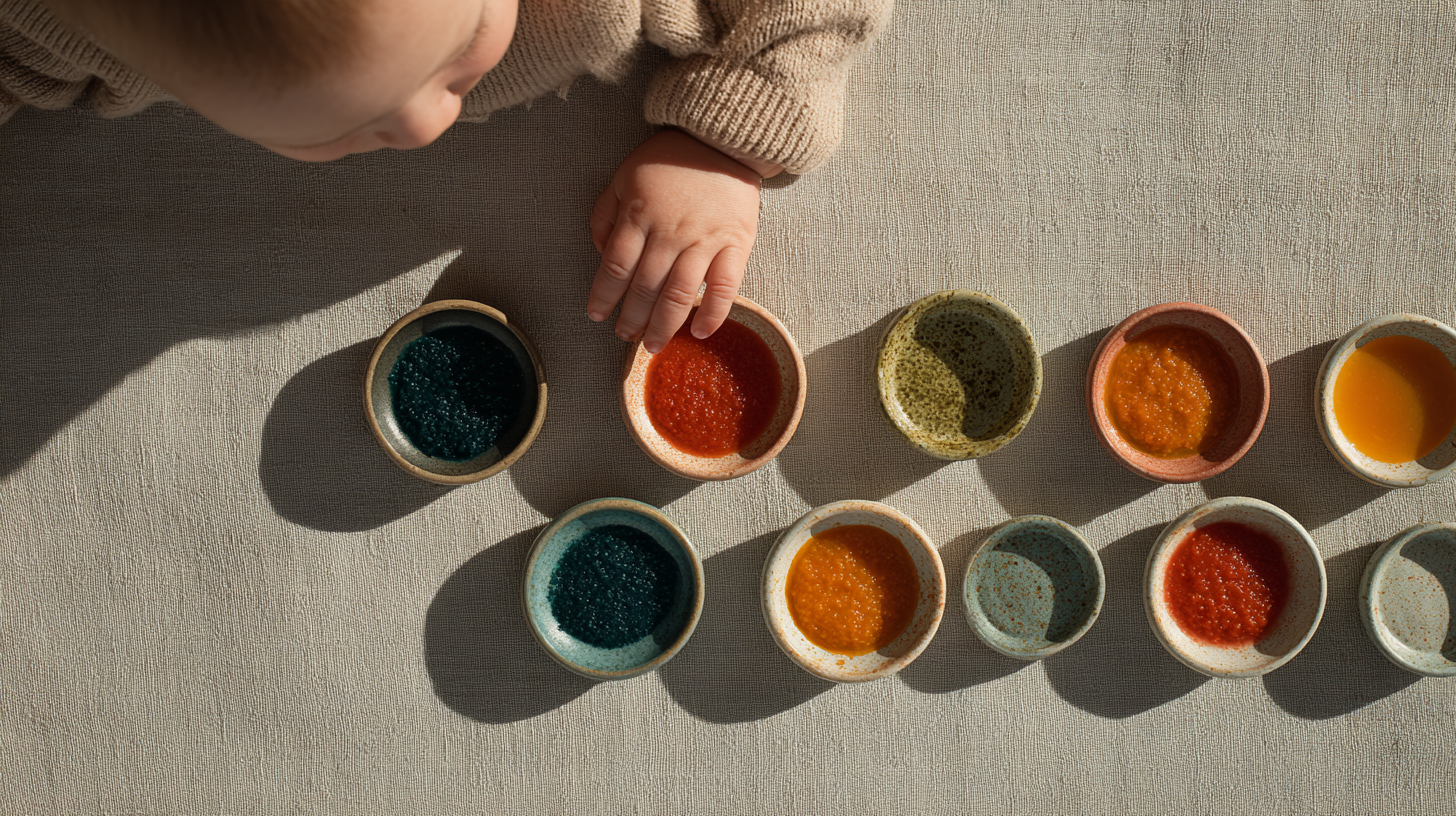
Growing up Caribbean, I watched my aunties feed babies without ever consulting a chart or measuring anything. They made big pots of food—provisions, rice and peas, stewed chicken—and babies got tiny portions of whatever the family ate (age-appropriate versions, of course). No one tracked tablespoons. No one panicked if a baby ate light one day and heavy the next.
There was this collective wisdom: babies eat when they’re hungry, stop when they’re full, and if you don’t make it a big drama, it all works out fine. Feed them good food regularly, let them explore, and trust their body to take what it needs.
My grandmother used to say, “A baby born with hunger will find the breast; a baby born full will push away. Neither one is doing anything wrong—they’re just listening to what their body tells them.”
That’s not old-fashioned nonsense—it’s actually what current research supports. Responsive feeding, the gold standard recommended by the American Academy of Pediatrics, the CDC, and the WHO, is essentially formalizing what Caribbean grandmothers have known forever: babies are born knowing how to eat; adults just need to get out of the way and provide the right environment.
When you’re introducing island flavors—whether it’s a gentle Cornmeal Porridge, Plantain Paradise, or Baigan Choka Smooth—start with small portions and let your baby guide the experience. One day they might love the texture and ask for more; another day, they might reject it completely. Both responses are information, not judgment of your cooking or their eating abilities.
Reality Check Quiz: Is Your Portion Anxiety Justified?
Click your situation to get personalized perspective:
When to Actually Worry
Okay, I’ve spent this whole article telling you to relax and trust your baby. But I’d be irresponsible not to mention the red flags that DO warrant concern. Because while most portion anxiety is unfounded, there are legitimate warning signs.
Contact your pediatrician if your baby is falling OFF their growth curve (not just staying on a lower percentile—that can be totally fine—but actually dropping percentiles consistently). If they’re lethargic, producing fewer wet diapers than normal, showing no interest in food or milk for extended periods, or missing developmental milestones, those are signs something needs checking.
The difference between normal appetite fluctuation and a real problem usually comes down to OTHER symptoms. A baby eating very little but playing happily, sleeping well, and staying hydrated? Probably just going through a phase. A baby eating very little AND seeming unwell, inactive, or showing other concerning symptoms? Time to call the doctor.
Your pediatrician is your partner in this. They’re monitoring growth patterns over time, checking development, and looking at the whole picture of your baby’s health. A single low-intake day or even a low-intake week rarely concerns them. What they’re watching is the trend line—and as long as that’s steady and healthy, you can breathe.
Also, trust your gut (while you’re teaching baby to trust theirs). You know your baby better than anyone. If something feels genuinely wrong beyond normal eating fluctuations, get it checked. But if you’re only worried because they ate less than yesterday, or less than your friend’s baby, or less than some chart told you they should? That’s anxiety talking, not intuition.
Your New Feeding Freedom
Here’s what I want you to remember when you’re standing in your kitchen at 6 PM, staring at the mostly uneaten dinner and feeling that familiar panic rising: this moment doesn’t define your baby’s nutrition. This day doesn’t either. What matters is the pattern over time—the consistent offering of good foods, the respectful response to their cues, the trust you’re building in their body’s wisdom.
Your job is to show up with nutritious options at regular intervals. To make mealtimes pleasant, not stressful. To model healthy eating yourself. To celebrate food as nourishment and pleasure, not a battleground or a measurement of your parenting success.
Your baby’s job is to decide what and how much enters their body. To listen to their hunger and fullness signals. To explore new foods at their own pace. To grow along their own unique curve.
When you both stay in your lanes, something magical happens: eating becomes simple again. Not easy every single day—toddlers and unpredictability go hand in hand, after all. But simple. Clear. Free of the anxiety that’s been stealing your peace.
That 73% of parents worrying about underfeeding while simultaneously overfeeding? You don’t have to be part of that statistic anymore. You can be part of the smaller group raising babies who stay connected to their internal cues, who eat when they’re hungry and stop when they’re full, who grow up with a healthy, joyful relationship with food.
The measuring cups and charts will always be there if you need reference points. But they’re just that—references, not mandates. The real wisdom is happening in your baby’s body right now, sending signals you’re learning to read and trust.
So tonight, when your baby pushes away that lovingly prepared meal after three bites? Take a breath. Remind yourself that they’re doing exactly what they’re supposed to do. Clean up without drama, knowing they’ll have another opportunity to eat in a few hours. And maybe—just maybe—let yourself feel a little bit of awe at this tiny person who already knows their own body better than any expert ever will.
That’s not giving up control. That’s gaining something better: peace, trust, and a feeding relationship that will serve both of you for years to come.
Ready to fill those little (appropriately sized!) portions with flavor?
Discover 75+ Caribbean Baby Recipes (with realistic portion guidance!) →The Only Measurement That Matters
Years from now, your grown child isn’t going to remember how many tablespoons they ate at 8 months old. They won’t recall whether they finished their plate or pushed it away. But they will carry with them the fundamental relationship with food and their body that you’re helping them build right now.
Will they trust their hunger and fullness cues, or have they learned to ignore them? Will they see food as nourishment and pleasure, or as a source of stress and conflict? Will they feel capable of meeting their own needs, or forever dependent on external validation and rules?
Those are the portions that really matter. And you’re measuring them perfectly—one trust-building moment at a time.

Kelley's culinary creations are a fusion of her Caribbean roots and modern nutritional science, resulting in baby-friendly dishes that are both developmentally appropriate and bursting with flavor. Her expertise in oral motor development and texture progression ensures that every recipe supports your little one's feeding milestones while honoring cultural traditions.
Join Kelley on her flavorful journey as she shares treasured family recipes adapted for tiny taste buds, evidence-based feeding guidance, insightful parenting anecdotes, and the joy of celebrating food, culture, and motherhood. Get ready to immerse yourself in the captivating world of Kelley Black and unlock the vibrant flavors of the Caribbean for your growing baby, one nutritious bite at a time.
- The Feeding Revolution: Why Your Everyday Meals Are Changing the World - October 13, 2026
- Your Feeding Story Matters More Than The “Perfect” One Online - October 12, 2026
- Looking Forward: Stepping Into Your Confident Feeding Future - October 11, 2026