
The Nutrition Lies Stealing Your Child’s Health: What Science Actually Says
Three years ago, I watched my neighbor refuse birthday cake at her daughter’s party because “sugar makes kids hyper.” The little girl sat there, tears streaming down her face, while every other child celebrated. That moment broke my heart—and it lit a fire in me.
Because here’s what I discovered when I dove into the actual research: that mom had been lied to. We all have been. By well-meaning friends, viral TikTok “nutritionists,” even some doctors who got maybe five hours of nutrition training in medical school.
The truth is this: Only 36% of nutrition information on social media is actually accurate. Which means nearly two-thirds of what you’re reading about feeding your child could be flat-out wrong—or even harmful.
And the stakes? They couldn’t be higher. Nearly 70% of children’s diets now consist of ultra-processed foods. Childhood obesity has reached crisis levels. But here’s the twist nobody talks about: some of the “healthy” choices we’re making in response—the ones that make us feel like good parents—are actually making things worse.
How many nutrition myths are you unknowingly following?
❌ MYTH: Sugar causes hyperactivity in children
Tap to reveal the science
❌ MYTH: 100% fruit juice is as healthy as whole fruit
Tap to reveal the science
❌ MYTH: Organic produce is more nutritious than conventional
Tap to reveal the science
❌ MYTH: Kids should limit carbs like adults do
Tap to reveal the science
❌ MYTH: Any plant milk is a healthy substitute for dairy
Tap to reveal the science
Every single one of those myths is actively circulating right now. And somewhere, a parent is making a feeding decision based on false information—with real consequences for their child’s health, growth, and relationship with food.
But you’re here. Which means you’re about to arm yourself with the truth. Let’s dig in.
The Social Media Nutrition Crisis
Here’s something that should terrify every parent: When researchers analyzed TikTok nutrition content in 2024, they found that registered dietitians—the only people actually qualified to give nutrition advice—make up just 5% of content creators. The other 95%? Influencers, wellness bloggers, and people with exactly zero nutrition credentials.
And it gets worse. Weight loss content—which comprises 34% of nutrition posts—contains the highest proportion of completely inaccurate information at 28%. Yet these are the videos going viral, racking up millions of views, convincing well-meaning parents to put their kids on restrictive diets.
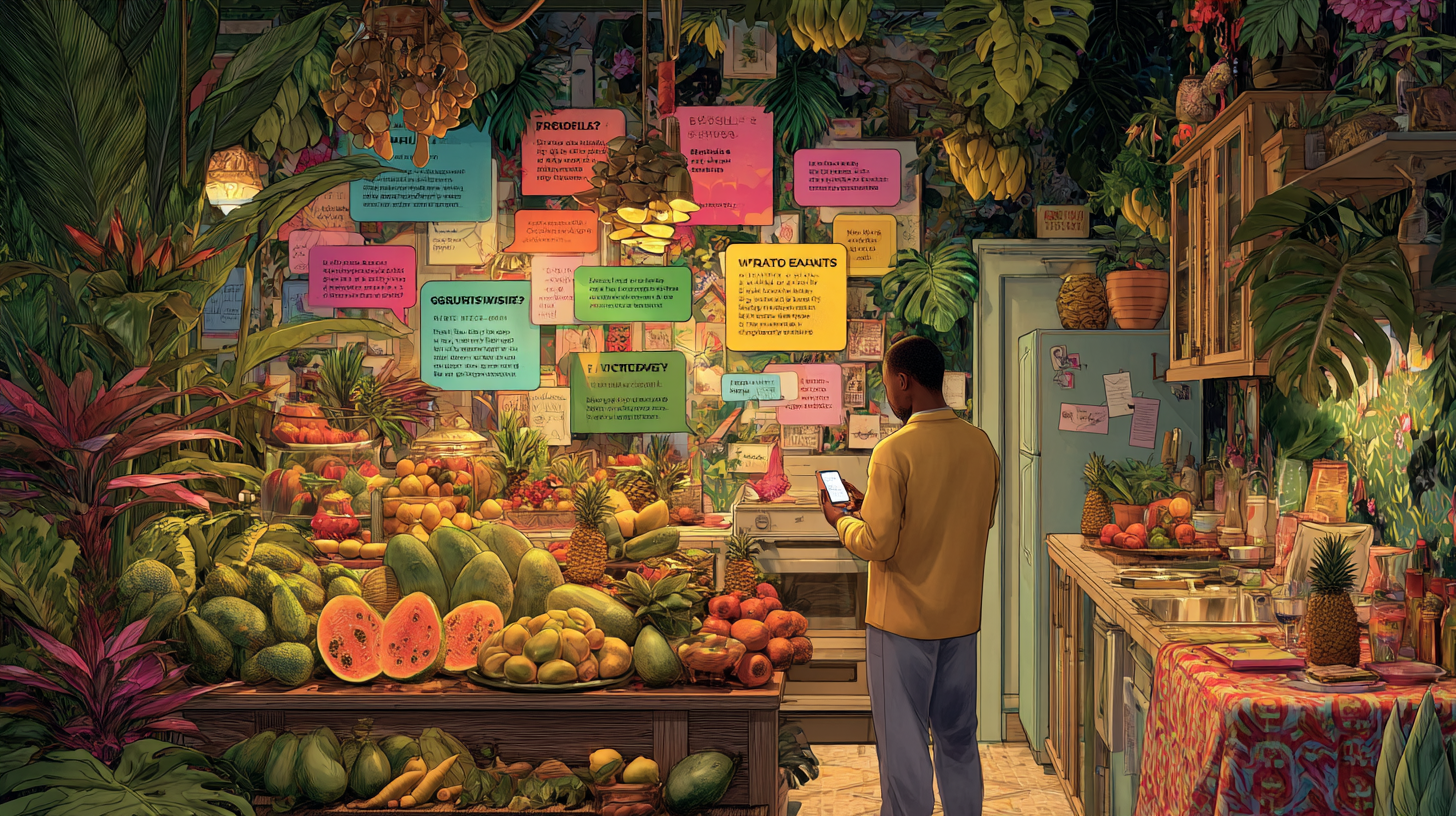
My cousin fell into this trap last year. She saw a viral video claiming gluten was “poisoning” all children and immediately eliminated it from her daughter’s diet. No testing. No doctor consultation. Just fear and a trending hashtag.
Six months later, her daughter was diagnosed with iron deficiency and folate deficiency. The pediatrician was blunt: “Unless your child has celiac disease, going gluten-free isn’t healthier—it’s harmful. Gluten-free products often lack the fortification standard products have.”
The Algorithm Problem: Platforms like TikTok reward engagement over accuracy. Shocking claims get shares. Measured, science-based advice gets scrolled past. The result? Misinformation spreads six times faster than facts.
Children and adolescents encounter approximately 200 food advertisements weekly on social media—and 70% of them promote unhealthy foods. Your kids are being targeted by sophisticated marketing disguised as friendly advice.
So how do you fight back? First, you learn to spot the red flags.
Can you identify the credible expert? Click to test your skills.
Only option C has actual qualifications. The others? Marketing dressed up as expertise. And that difference matters—potentially more than you realize.
The Birthday Party Sugar Myth
Let’s go back to that birthday party. That little girl crying over cake she wasn’t allowed to eat. Her mom believed she was protecting her daughter from hyperactivity. What she was actually doing was teaching her that celebration foods are dangerous, that she’s different from other kids, that food is something to fear.
The irony? Science definitively disproved the sugar-hyperactivity link decades ago. Multiple meta-analyses comparing sugar versus placebo found that in the vast majority of cases, sugar consumption did NOT lead to increased hyperactivity or disruptive behavior.
But here’s the fascinating part: In a 1994 study, parents who were TOLD their children consumed sugary beverages perceived their children as more hyperactive—even when the kids actually received sugar-free placebos. The hyperactivity was in the parents’ expectations, not the children’s behavior.
What’s Really Happening at Birthday Parties: The behavioral changes you observe stem from excitement, social stimulation, late bedtimes, and reward anticipation—not the sugar itself. The party environment is the cause, not the cupcake.
Now, does this mean sugar is healthy? Absolutely not. Excessive consumption of sugar-sweetened beverages does correlate with attention problems and ADHD diagnosis—but through different pathways related to overall diet quality, not acute hyperactivity from sugar molecules.
The nuance matters. Your child can enjoy birthday cake without bouncing off walls. What you SHOULD limit? Daily juice boxes, sugary drinks, and ultra-processed snacks that crowd out nutritious foods.
If you’re looking for ways to introduce naturally sweet, nutrient-dense foods that kids actually love, the Caribbean Baby Food Recipe Book offers over 75 recipes featuring mangoes, sweet potatoes, plantains, and coconut milk—ingredients that provide genuine nutrition while satisfying young taste buds. Recipes like Papaya & Banana Sunshine and Plantain Paradise show how to harness natural sweetness without added sugars.
The Gluten-Free Gamble
Between 2009 and 2014, the gluten-free food market exploded by 136%. But here’s the kicker: celiac disease prevalence remained stable at about 1% of the population. Which means millions of people—including children—went gluten-free for absolutely no medical reason.
This trend isn’t harmless. Research published in 2024 shows that gluten-free diets in children without celiac disease lead to iron deficiency, folate deficiency, and B vitamin deficiencies. Why? Because gluten-free products often aren’t fortified with the nutrients found in standard grain products.

I remember when my friend Elena told me she was going gluten-free with her twins because they seemed “tired” and “bloated.” No testing. Just a hunch influenced by wellness bloggers.
“But what if they actually have celiac disease?” I asked. “Shouldn’t you test them first?”
She waved me off. “Gluten-free is healthier anyway. What’s the harm?”
Here’s the harm: If her children DO have celiac disease, she’ll never know—because testing requires gluten consumption to be accurate. She may have eliminated their symptoms temporarily while missing a serious diagnosis that requires medical monitoring. And if they DON’T have celiac disease, she’s restricting their diet and nutrition unnecessarily.
Should YOUR child go gluten-free? Follow this evidence-based decision path:
Step 1: Does your child have diagnosed celiac disease?
The science is clear: unless diagnosed with celiac disease or wheat allergy through proper medical testing, children should NOT eliminate gluten. Whole grain products provide essential nutrients, fiber, and energy that growing kids need.
Complex carbohydrates—including those with gluten—are not the enemy. Ultra-processed junk food is. There’s a universe of difference between whole grain bread and a bag of chips, even though both contain carbs.
The Plant Milk Predicament
Walk into any grocery store and you’ll see it: oat milk, almond milk, cashew milk, coconut milk, hemp milk, rice milk. The plant-based beverage market exploded 61% between 2012 and 2017. And somewhere along the way, many parents got the message that these were “healthier” alternatives to dairy.
They’re not. At least not for children.
Here’s what the research shows: Only fortified soy beverages adequately meet children’s dairy needs among plant-based alternatives. All the others? They risk deficiencies in calcium, zinc, iodine, riboflavin, vitamin B12, and essential amino acids.
And this isn’t theoretical. Between 2005 and 2015, French pediatricians identified 34 children who suffered medical complications—including failure-to-thrive, protein-energy malnutrition, iron-deficiency anemia, and rickets—from consuming inappropriate non-dairy drinks as infants.
The Marketing Loophole: Plant-based beverages are marketed as “milk,” but they’re not nutritionally equivalent. A glass of almond milk contains about 1 gram of protein compared to 8 grams in cow’s milk. That matters for growing children.
Now, if your child has a legitimate milk allergy or your family follows a vegan lifestyle for ethical reasons, plant-based milks CAN work—but only with careful planning, appropriate fortification, and often supplementation. This isn’t something to wing based on a wellness influencer’s recommendation.
My sister-in-law, who’s raising her kids vegan, works closely with a pediatric dietitian. Her kids are thriving. But she’s doing it right—tracking nutrients, using fortified products strategically, incorporating diverse protein sources, and monitoring growth carefully.
That’s the difference between a thoughtful dietary choice and jumping on a trend.
Real Talk: If you’re introducing your baby to solid foods and want to build a foundation of nutrient-dense, naturally flavorful meals, cultural food traditions often have it figured out. The Caribbean Baby Food Recipe Book includes recipes using ingredients like coconut milk in appropriate contexts—Calabaza con Coco (Pumpkin & Coconut Milk) and Coconut Rice & Red Peas—showing how traditional ingredients support nutrition when used thoughtfully.
The Juice Box Deception
Every parent’s been there. Your child refuses to eat fruit. But they’ll drink juice. So you compromise—100% fruit juice seems like a win, right?
Not according to the latest science.
A 2024 meta-analysis involving 45,851 children found that each additional serving per day of 100% fruit juice is associated with BMI gain. Younger children under 11 showed even greater weight gain effects than older kids.
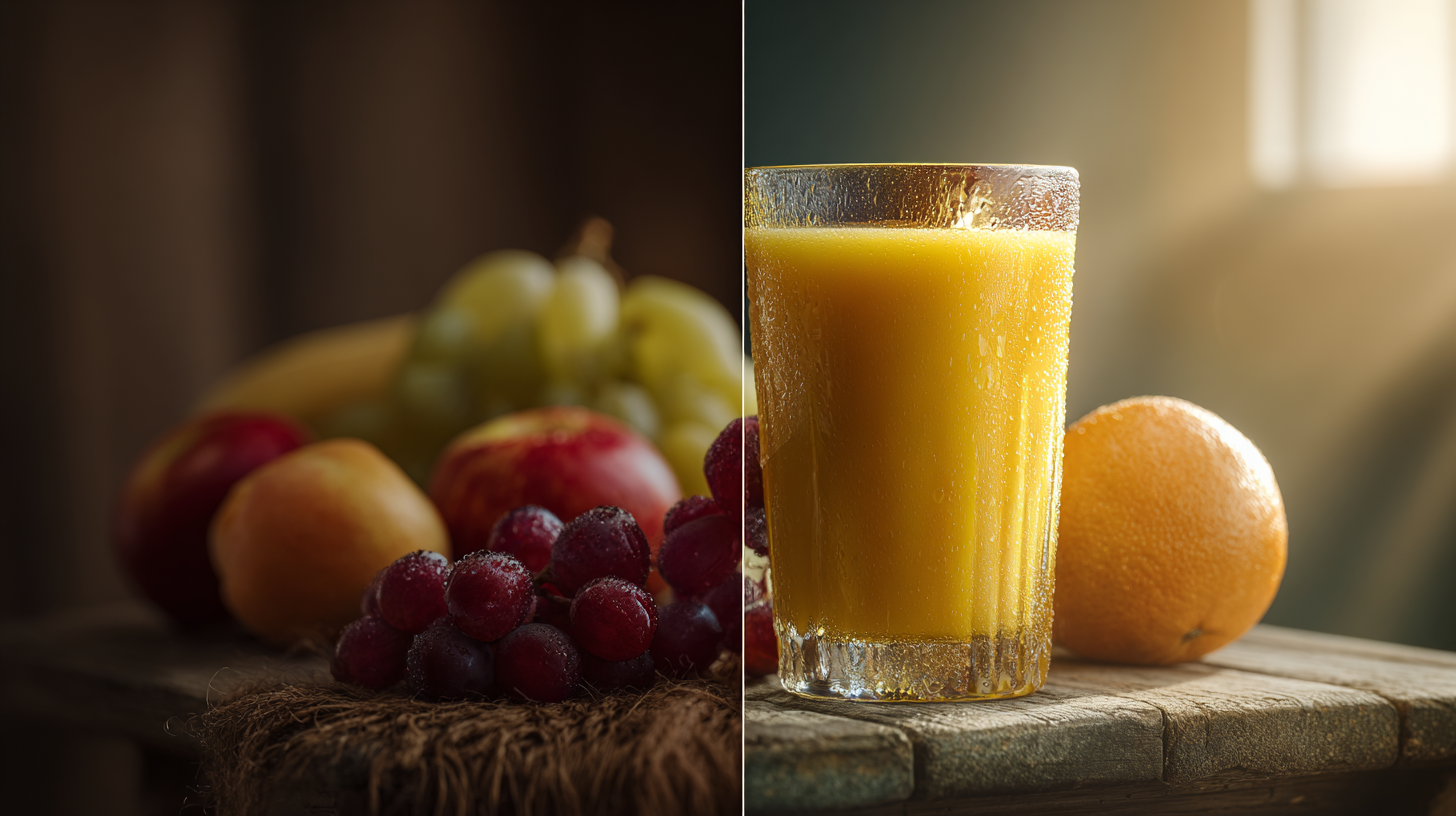
Why does this happen? Juice lacks the fiber that makes whole fruit filling and beneficial. It concentrates natural sugars, making it easy to consume excess calories quickly. And it doesn’t trigger satiety the same way eating does.
Think about it: How many oranges would your child eat in one sitting? Probably one, maybe two. But a glass of orange juice contains the equivalent of 3-4 oranges worth of natural sugar—without the fiber that would normally slow consumption and digestion.
How much fruit is your child actually consuming?
1 glass per day
The American Academy of Pediatrics now recommends limiting juice to prevent excess calorie intake and weight gain. Their advice? Favor whole fruits instead.
But here’s where it gets real: Nearly 50% of children and adolescents consume at least one serving of fruit juice daily, with younger children showing the highest consumption rates. That’s a lot of kids whose parents think they’re making a healthy choice—when they’re actually contributing to obesity risk.
Want a better approach? Offer water as the primary beverage. Milk (or appropriate fortified alternatives) with meals. And actual whole fruits for snacks. Your child’s teeth, weight, and metabolism will thank you.
The Fad Diet Danger Zone
Paleo. Keto. Intermittent fasting. Juice cleanses. Detox protocols.
These diets have become so normalized in adult culture that some parents are applying them to their children. And it’s dangerous.
Let me be crystal clear: Children are not small adults. Their nutritional needs during critical growth periods are fundamentally different. Restrictive diets that might work for adults can cause serious harm in developing bodies.
Paleo diets for children risk vitamin D and calcium deficiencies due to dairy exclusion, plus insufficient carbohydrates for growth and development. Keto diets can impact brain development since children’s brains require carbohydrates for optimal function. Intermittent fasting may cause muscle loss, nutritional deficiencies, and caloric insufficiency during periods of rapid growth.
And detoxes or cleanses? Pediatric experts are unequivocal: they’re inappropriate and potentially dangerous for children. Kids’ bodies naturally detoxify through liver and kidney function—they don’t need juice cleanses or supplement protocols.
The Hidden Cost: Beyond physical nutrition, restrictive diets affect children’s relationship with food and self-esteem, potentially laying groundwork for eating disorders. When you label foods as “toxic” or “forbidden,” you’re teaching fear—not healthy eating.
I’ll never forget the conversation I had with a pediatrician friend about a patient whose parents put her on a “clean eating” protocol at age seven. The child developed such anxiety around food that she refused to eat at friends’ houses or birthday parties. She’d lost weight. She was socially isolated.
“The parents thought they were protecting her health,” my friend said. “But they were stealing her childhood.”
That’s the part nobody talks about when they share their family’s dietary transformation on Instagram. The social cost. The psychological impact. The message children internalize about their bodies and their worth.
Building Food Confidence
So if social media is full of lies, fad diets are dangerous, and even some of your doctor’s advice might be outdated—what DO you do?
You build food confidence. Not by restriction, but by education. Not through fear, but through curiosity and exploration.
Here’s what evidence-based nutrition for children actually looks like:
Focus on food patterns, not individual meals. One birthday party cupcake doesn’t undo a week of nutritious eating. One vegetable rejection doesn’t mean your child will never eat greens. Zoom out. Look at the overall pattern across days and weeks.
Embrace the division of responsibility. You decide what foods to offer, when to offer them, and where eating happens. Your child decides how much to eat and whether to eat. This framework—developed by feeding expert Ellyn Satter—reduces mealtime battles while supporting healthy eating patterns.
Prioritize variety over perfection. Aim for diverse colors, textures, and food groups across the week. But don’t stress if Tuesday’s dinner was scrambled eggs and toast because you were exhausted. Progress, not perfection.
Model, don’t mandate. Children learn eating behaviors by watching you more than listening to your lectures. Eat vegetables yourself. Enjoy treats without guilt or compensation. Show that all foods can fit in a balanced approach.
Teach critical thinking. As kids get older, help them evaluate nutrition claims. Ask questions like: “Who is saying this? What are their qualifications? Are they trying to sell something? What does the research say?”
Rate your current approach to get personalized insights
We eat vegetables at least once daily:
Sometimes
I stress about my child’s eating:
Moderate stress
We limit juice and sugary drinks:
Sometimes
Remember: Building food confidence isn’t about having all the answers. It’s about knowing how to find reliable information, trusting your child’s internal cues, and releasing the diet culture garbage that’s been loaded onto feeding our kids.
When you introduce foods from diverse culinary traditions—like the nutrient-rich sweet potatoes, plantains, beans, and tropical fruits featured in the Caribbean Baby Food Recipe Book—you’re not just feeding your child. You’re expanding their palate, exposing them to natural flavors, and building positive food experiences from the start. That foundation matters more than any superfood or supplement.
The Real Conversation We Need
Here’s what nobody wants to admit: The reason nutrition myths spread so easily is because feeding our children feels like the ultimate test of good parenting. Every meal feels like a referendum on whether we’re doing enough.
So when an influencer promises that THIS one change will transform your child’s health, we want to believe it. When a blog post warns that gluten or dairy or sugar is secretly harming our kids, we panic. When friends share their family’s dietary transformation, we feel guilty about the chicken nuggets we served last night.
But that guilt? It’s not protecting your children. It’s just making you miserable.
The truth is messier and less Instagram-worthy: Good nutrition is about consistent, varied, mostly-whole-foods eating. It’s about teaching kids to listen to their bodies. It’s about making meals generally nutritious without making food morally loaded. It’s about meeting your children where they are—developmentally, temperamentally, taste-preference-wise—and gently expanding from there.
It’s not about perfection. It’s not about rules. And it’s definitely not about whatever went viral on TikTok last week.
My Mama’s Wisdom: My Jamaican grandmother used to say, “A child who eats with joy is healthier than a child who eats with fear.” She was right. The research backs her up. Positive food experiences and low-pressure eating environments predict better long-term outcomes than rigid dietary control.
So yes, serve vegetables. Limit juice. Choose whole grains. But also? Let them have birthday cake. Don’t catastrophize the occasional fast food meal. Remember that feeding your child is a marathon, not a sprint.
Your Next Right Step
If you take nothing else from this article, take this: You have more power than you think. And you need less perfection than you fear.
The nutrition lies stealing your child’s health aren’t just the myths themselves—they’re the anxiety, the guilt, and the constant second-guessing that comes from swimming in a sea of conflicting information.
But now you know how to spot BS. You know the science behind the biggest myths. You know that credentials matter, that context matters, that your child’s individual needs matter more than trending protocols.
The next time someone tells you to eliminate food groups, detox your child, or follow a restrictive protocol—you’ll know to ask: Where’s the evidence? Who says so? Is this actually backed by pediatric nutrition science, or is it just wellness theater?
Choose THREE evidence-based actions you’ll implement this week:
Start small. Start today. Start with one change that feels doable—maybe it’s switching from juice to water, or letting go of the sugar-hyperactivity fear, or simply deciding to verify credentials before taking nutrition advice.
That little girl crying at the birthday party? She’s older now. Her mom reached out to me last month after reading research debunking the sugar myth. “I feel like I stole something from her,” she said. “All those celebrations she missed because I was scared.”
But here’s what I told her, and what I’m telling you: It’s never too late to course-correct. It’s never too late to trade fear for facts, restriction for balance, guilt for grace.
Your children don’t need perfect nutrition. They need consistent nutrition. They need parents who make generally good choices without losing their minds over imperfect meals. They need to learn that food is fuel, pleasure, culture, and connection—not a moral test.
And they need you to stop believing the lies.
Ready to build a foundation of real, nourishing food from the start? The Caribbean Baby Food Recipe Book offers over 75 recipes featuring nutrient-dense ingredients like sweet potatoes, mangoes, plantains, beans, and coconut milk—showing you how cultural food wisdom and modern nutrition science work together. From first purees to family meals, these recipes help you feed your baby with confidence, flavor, and genuine nutrition.
Because at the end of the day, the best nutrition plan for your child isn’t the one trending on social media. It’s the one that’s evidence-based, sustainable, culturally meaningful to your family, and doesn’t make anyone cry at birthday parties.
That’s what science actually says. Now you know it too.

Kelley's culinary creations are a fusion of her Caribbean roots and modern nutritional science, resulting in baby-friendly dishes that are both developmentally appropriate and bursting with flavor. Her expertise in oral motor development and texture progression ensures that every recipe supports your little one's feeding milestones while honoring cultural traditions.
Join Kelley on her flavorful journey as she shares treasured family recipes adapted for tiny taste buds, evidence-based feeding guidance, insightful parenting anecdotes, and the joy of celebrating food, culture, and motherhood. Get ready to immerse yourself in the captivating world of Kelley Black and unlock the vibrant flavors of the Caribbean for your growing baby, one nutritious bite at a time.
- The Feeding Revolution: Why Your Everyday Meals Are Changing the World - October 13, 2026
- Your Feeding Story Matters More Than The “Perfect” One Online - October 12, 2026
- Looking Forward: Stepping Into Your Confident Feeding Future - October 11, 2026