The Dirty Dozen Truth: How I Slashed My Organic Bill in Half Without Poisoning My Baby
Quick question: If I told you that the organic strawberries you just spent $7 on might protect your baby less than you think, while those conventional sweet potatoes you passed over are actually perfectly safe—would you want to know which is which?
Here’s the truth nobody talks about at those bougie farmers’ markets: not all produce needs to be organic, and understanding the difference could save your family hundreds—maybe thousands—of dollars each year while still protecting your little one from pesticide exposure.
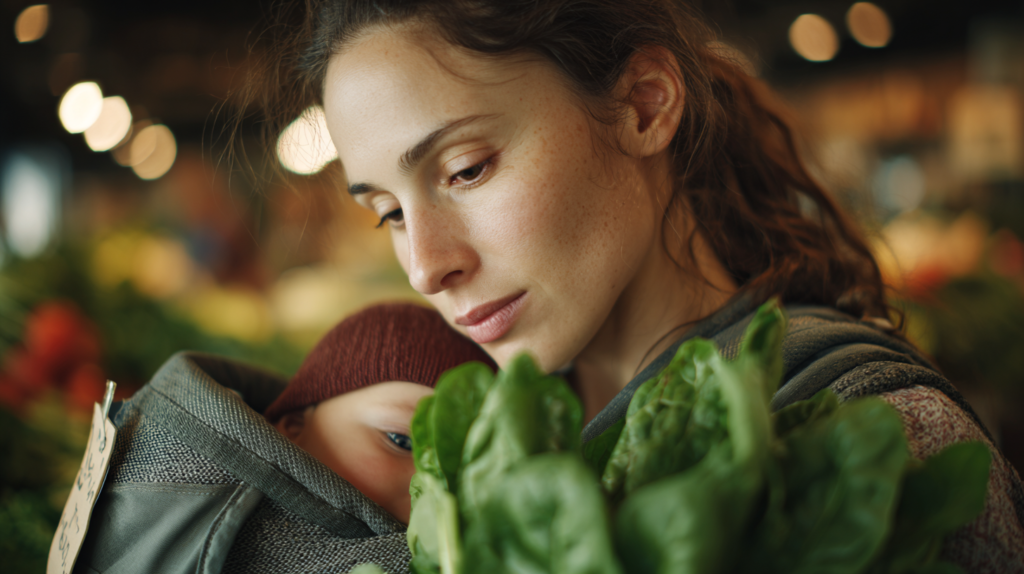
Three months ago, I stood in the grocery store, my baby strapped to my chest, staring at two bundles of spinach. One was labeled “organic” with a price tag that made me wince—$5.99 for what looked like three sad leaves. The other? Conventional spinach, lush and full, for $1.99. I picked up the organic one anyway, because that’s what “good parents” do, right?
Wrong.
That night, after putting my daughter to bed, I stumbled down a research rabbit hole that changed everything. I discovered the Environmental Working Group’s Dirty Dozen and Clean Fifteen lists—annual rankings of produce based on actual pesticide residue data from over 53,000 samples. And suddenly, my grocery shopping strategy flipped upside down.
Your Grocery Budget Reality Check
Choose your typical weekly produce spending:
Your Potential Annual Savings:
By strategically buying organic only for the Dirty Dozen and choosing conventional Clean Fifteen items, you could save this much every single year—without compromising your baby’s health. That’s money for college funds, family vacations, or that Caribbean Baby Food Recipe Book you’ve been eyeing to make nutritious homemade meals with those fresh ingredients!
The magic isn’t in buying everything organic. It’s in knowing exactly what to buy organic and what you can safely skip. Because here’s what the pediatricians at UC Davis confirmed: children eating organic diets show urinary pesticide levels 6 to 9 times lower than kids eating conventional—but only when you target the right foods.
What Nobody Tells You About the 2025 Dirty Dozen
This year’s Dirty Dozen isn’t just a random list thrown together by well-meaning activists. It’s based on rigorous USDA Pesticide Data Program testing, and for 2025, the methodology got even more sophisticated. The EWG now factors in not just pesticide frequency and concentration, but toxicity levels—meaning they’re highlighting produce with both high pesticide presence and potential health hazards.
And there’s been a shake-up. Spinach dethroned strawberries after nine years of berry dominance, claiming the #1 most contaminated spot. Two new members joined the list: blackberries and sweet potatoes. This matters because children’s bodies process pesticides differently than adults—their detoxification systems are immature, and they eat more food relative to their body weight.
“Chronic low-dose pesticide exposure impairs neurodevelopment. Studies have linked prenatal pesticide exposure to 7-point IQ deficits in children whose mothers had the highest exposure levels.”
The 2025 Dirty Dozen (buy these organic when possible):
- Spinach (NEW #1!)
- Strawberries
- Kale, collard greens, and mustard greens
- Grapes
- Peaches
- Cherries
- Nectarines
- Pears
- Blackberries (NEW)
- Sweet potatoes (NEW)
- Blueberries
- Apples
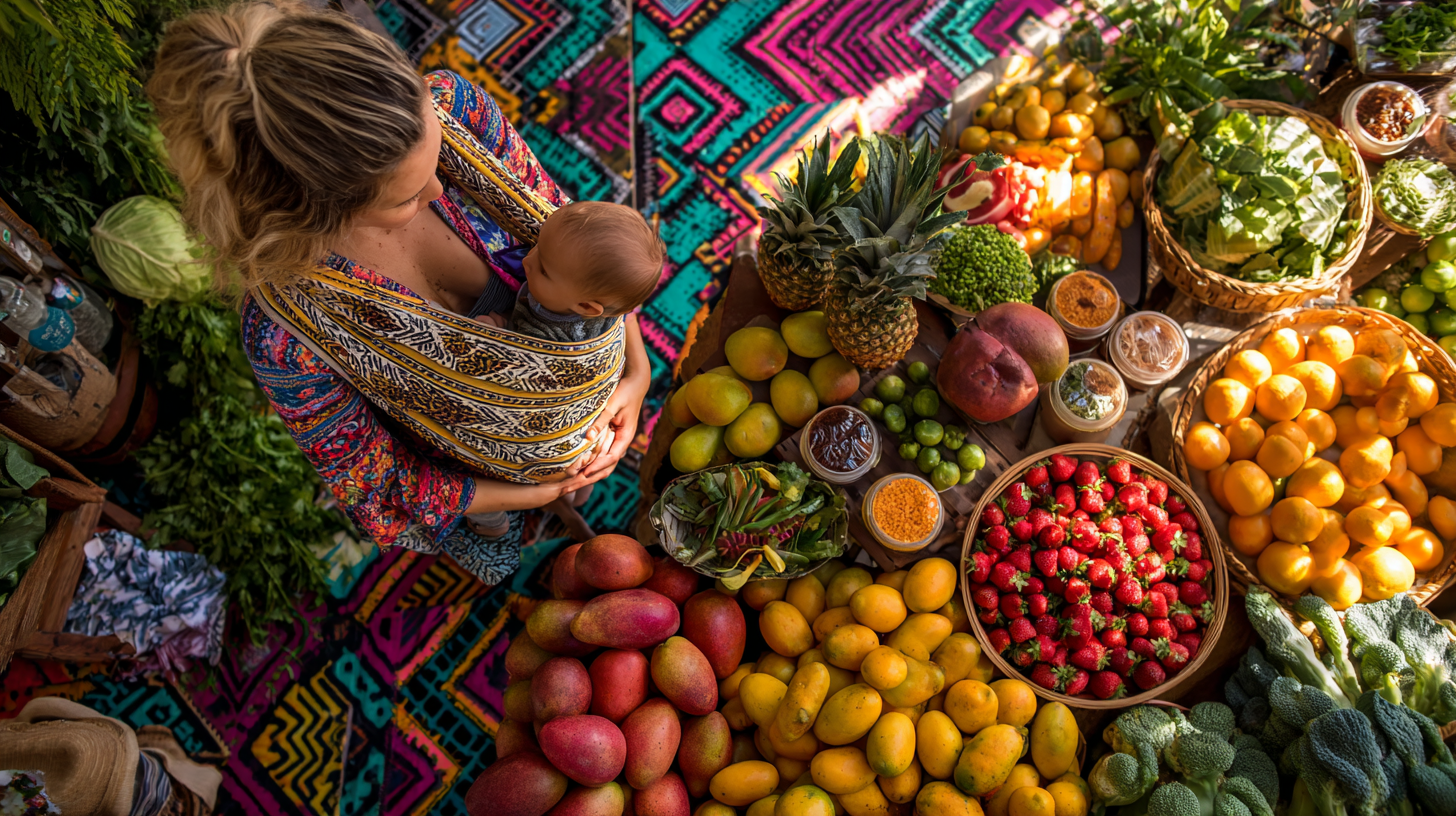
More than 90% of samples from these items tested positive for pesticide residues, with 209 different pesticides detected across the list. Blueberries raise particular concern—12% of samples contained phosmet, an organophosphate insecticide potentially harmful to children’s developing brains.
But here’s where it gets interesting: conventional produce from the Clean Fifteen shows dramatically lower contamination. Only 7% of organic samples contain detectable pesticide residues compared to 38% of conventional samples overall—but for Clean Fifteen items specifically, that gap narrows considerably.
The 2025 Clean Fifteen (safe to buy conventional):
- Avocados
- Sweet corn
- Pineapple
- Onions
- Papaya
- Sweet peas (frozen)
- Asparagus
- Honeydew melon
- Kiwi
- Cabbage
- Watermelon
- Mushrooms
- Mangoes
- Sweet potatoes (white/regular)
- Carrots
Test Your Organic IQ: Dirty Dozen vs. Clean Fifteen
Can you spot which produce belongs on which list?
Question 1: Your baby LOVES mashed avocado. Should you buy organic?
Question 2: You’re making strawberry puree for your 7-month-old. Conventional or organic?
Question 3: Sweet corn is your toddler’s favorite veggie. Organic necessary?
Your Organic Shopping Score:
The Budget Truth: What Selective Organic Actually Costs
Let’s talk real numbers, because “buy organic” sounds lovely until you’re standing at checkout watching your total climb past your monthly grocery budget before you’ve even grabbed the diapers.
Organic produce costs an average of 52.6% more than conventional. But that premium varies wildly: organic iceberg lettuce costs 179.3% more, Brussels sprouts 126.8% more, and Granny Smith apples 123.3% more. One quarter of organic items cost at least 75% more than conventional versions.
Here’s where strategy changes everything.
When you buy organic selectively—targeting only the Dirty Dozen while choosing conventional Clean Fifteen items—you’re making the highest-impact choices for the lowest cost increase. Think of it like this: you’re spending your organic dollars where pesticide exposure risk is actually documented, not where fear-based marketing tells you to.
Your Personal Savings Calculator
Based on your family’s eating habits, see exactly how much you could save:
Your Strategic Shopping Breakdown:
Annual spend if buying ALL organic:
Annual spend with Dirty Dozen strategy:
This savings assumes you buy organic only for Dirty Dozen items your family actually consumes, while choosing conventional Clean Fifteen produce. Money saved could fund homemade baby food supplies—like ingredients for the nutrient-rich recipes in the Caribbean Baby Food Recipe Book, featuring sweet potatoes, mangoes, and plantains!
The Science Behind the Scare
I need you to understand something crucial: the research on pesticide exposure in children is real, documented, and honestly a bit terrifying. This isn’t fear-mongering—it’s data.
Children consuming organic diets show urinary pesticide metabolite levels 6 to 9 times lower than children eating conventional diets. When children switch from conventional to organic diets, those metabolites drop to almost undetectable levels. One study demonstrated a 94% reduction in health risk from eating organic versions of just six pesticide-intensive fruits.
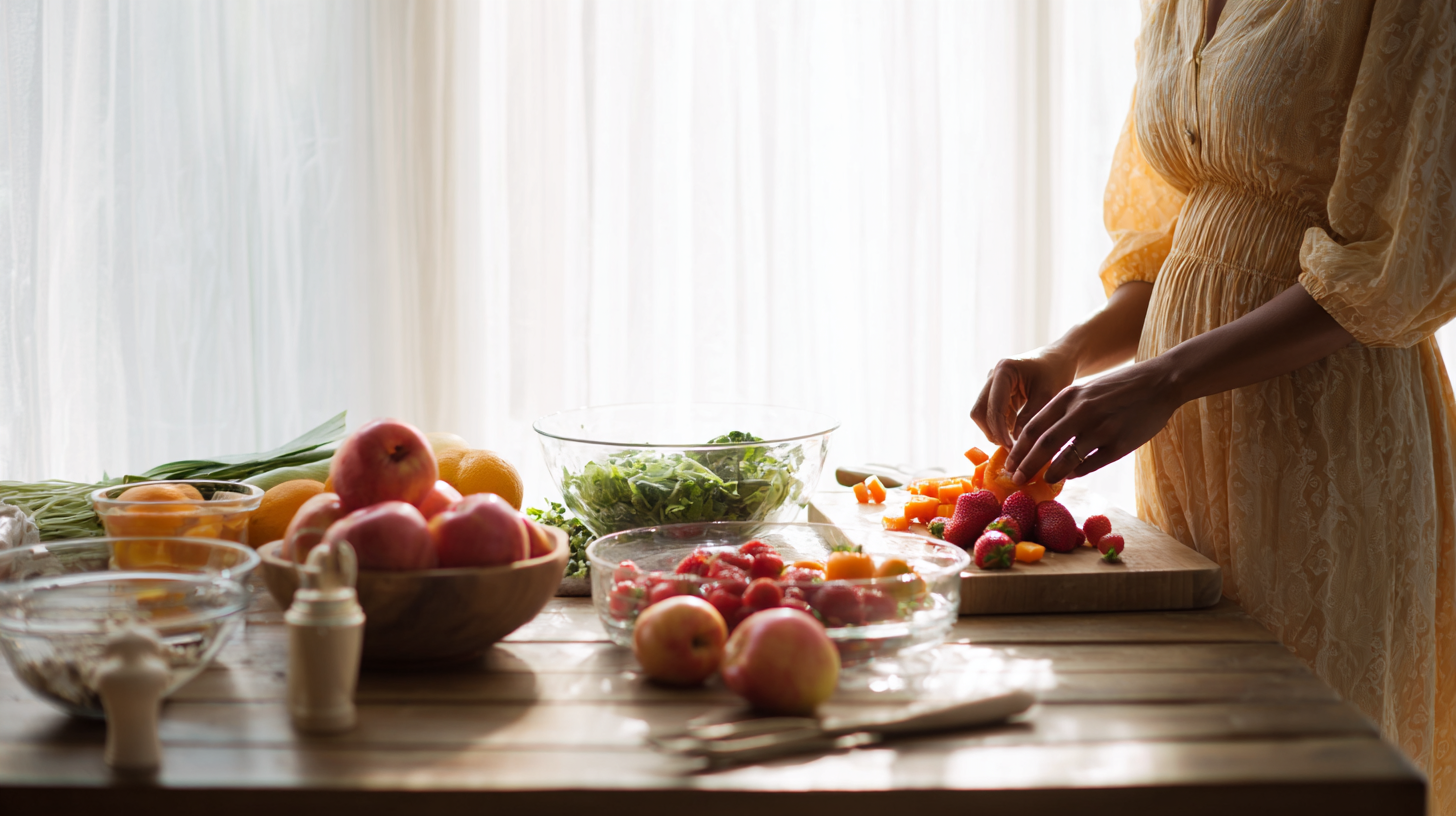
Research has linked prenatal pesticide exposure to 7-point IQ deficits, with studies showing consistent associations between higher urinary pesticide metabolites in early childhood and more pronounced ADHD problems by age 10. The risks include neurodevelopmental problems, attention-deficit/hyperactivity disorder, cognitive deficits, and increased cancer risk.
But—and this is important—context matters.
The EPA establishes pesticide safety thresholds, and most conventional produce falls well below these limits. A 2019 systematic review concluded that both organic and conventional produce can be safe as long as pesticide residues remain within regulated limits. The debate centers on whether these limits adequately protect children, whose bodies process toxins differently than adults.
One peer-reviewed study argued that exposures to pesticides on Dirty Dozen commodities pose “negligible risks to consumers” and that “substitution of organic forms does not result in any appreciable reduction of consumer risks.” However, this research was challenged by scientists who noted it failed to consider extensive government data on pesticide combinations and associated health risks.
The Shocking Truth They Don’t Want You to Know
There’s a hidden reality about “organic” that could change how you shop forever…
Caribbean Kitchen Wisdom Meets Modern Science
My grandmother, who raised seven children in Jamaica without ever hearing the word “organic,” had strategies that align perfectly with what we now know about selective purchasing. She bought what was abundant and affordable at the market, focusing her limited budget on foods that mattered most.
That same wisdom applies today, but with scientific backing.
When you’re making sweet potato puree for your baby—a staple in Caribbean cooking—you can confidently choose conventional white sweet potatoes (Clean Fifteen) while saving your organic dollars for the leafy callaloo or spinach that tops the Dirty Dozen. Making mango puree? Conventional mangoes are Clean Fifteen #13. Planning plantain porridge? Plantains aren’t even on the tested list, so conventional works beautifully.
Caribbean Baby Food Strategy: Focus organic spending on berries for smoothies and leafy greens for traditional dishes. Choose conventional for root vegetables (cassava, yams, regular sweet potatoes), tropical fruits (mangoes, papaya, pineapple), and plantains. The Caribbean Baby Food Recipe Book features over 75 recipes using these ingredients, showing you exactly how to prepare nutritious meals like Calabaza con Coco (pumpkin with coconut milk), Yellow Yam & Carrot Sunshine, and Papaya & Banana Sunshine—all optimized for baby’s developing palate!
Traditional Caribbean ingredients like coconut milk, pigeon peas, and cornmeal offer nutrient density that commercial baby food rarely matches. When you’re making Cornmeal Porridge Dreams or Cook-Up Rice & Beans Smooth using mostly Clean Fifteen vegetables (carrots, sweet peas) and pantry staples, you’re providing excellent nutrition at conventional prices.
The beauty of Caribbean cooking for babies is its reliance on whole foods and simple preparations. You’re not dependent on expensive organic bell peppers or out-of-season berries. You’re working with produce that’s naturally lower in pesticide residues or protected by thick peels: avocados, sweet corn, pineapple, papaya, mangoes.
Budget-Friendly Strategies That Actually Work
Let me share what transformed my grocery bill without compromising what I feed my daughter.
1. Frozen organic for Dirty Dozen favorites. Fresh organic strawberries cost $7 in winter? Buy frozen organic strawberries for $3.99. Same nutrition, lower price, perfect for purees and smoothies. The freezing process happens at peak ripeness, often preserving more nutrients than “fresh” berries shipped cross-country.
2. Shop seasonal. Organic blueberries in July cost half what they do in February. Buy extra, freeze in single-serving portions, and you’ve got economical organic berries year-round. This strategy works brilliantly for all Dirty Dozen items.
3. Farmers’ market end-of-day deals. I show up 30 minutes before closing on Saturdays. Farmers would rather sell at discount than pack unsold produce back to the farm. I’ve scored organic spinach for $2 a bunch, organic apples for $1/pound. Build relationships—when they know you’re a regular customer, deals get even better.
4. CSA boxes. Community Supported Agriculture programs deliver weekly boxes of seasonal organic produce directly from farms. I pay $25/week for more organic vegetables than I’d get spending $50 at the grocery store. Yes, you don’t choose exactly what you get, but it forces creativity. Last week’s box included organic kale, apples, and carrots—two Dirty Dozen items plus a Clean Fifteen, all organic, for less than buying them separately.
5. Grow what you can. Even apartment dwellers can grow herbs and spinach in containers. My windowsill herb garden saves me from buying $4 packages of organic parsley and cilantro. If you have outdoor space, strawberries and cherry tomatoes are remarkably easy.
6. Strategic substitution. Recipe calls for kale? Conventional cabbage (Clean Fifteen) offers similar nutrition and texture for one-third the price. Want berries for breakfast? Mix expensive organic strawberries with affordable conventional watermelon chunks. Your toddler won’t know the difference.
7. Buy conventional Clean Fifteen without guilt. This is permission to buy conventional avocados, sweet corn, pineapple, onions, papaya, sweet peas, cabbage, mushrooms, mangoes, and carrots. These items show minimal pesticide residues even when conventionally grown. Spend those savings on organic versions of the foods that actually matter.
Quick-Reference Shopping Swaps
Hover over each card to see the money-saving swap!
Expensive: Organic strawberries year-round
✅ Smart: Frozen organic berries + seasonal fresh organic when cheap
Expensive: All organic leafy greens
✅ Smart: Organic spinach/kale + conventional cabbage for bulk
Expensive: Organic apples for applesauce
✅ Smart: Buy organic apples in fall, make large batch, freeze portions
Money waster: Organic avocados
✅ Smart: Always buy conventional—they’re Clean Fifteen #1!
What to Do Right Now
Here’s your action plan, starting today:
Step 1: Screenshot the lists. Take a photo of the 2025 Dirty Dozen and Clean Fifteen with your phone. Keep it in your photos for quick reference while shopping. Better yet, print it and stick it in your wallet or purse.
Step 2: Audit your current purchases. Look at last week’s grocery receipt. How many Dirty Dozen items did you buy conventionally? How many Clean Fifteen items did you waste money buying organic? Calculate what you could have saved.
Step 3: Identify your baby’s top five most-consumed produce items. If three of those five are Dirty Dozen items, prioritize buying those organic. If they’re Clean Fifteen, celebrate the money you can redirect.
Step 4: Find your best local sources. Research farmers’ markets, CSA programs, and stores with good organic selections in your area. I use an app called “Local Harvest” to find farms near me. Sign up for one CSA box on a trial basis. Check your grocery store’s frozen section for organic options.
Step 5: Prep like a boss. When you get home with organic Dirty Dozen items, wash and prep them immediately. Berries get sorted, washed with baking soda solution, dried, and frozen in single portions. Leafy greens get washed, dried, and stored properly to extend life. You paid premium prices—don’t let them rot in your crisper drawer.
Pro tip for Caribbean-inspired meals: Many traditional Caribbean recipes use Clean Fifteen ingredients as bases—think sweet corn for cornmeal porridge, avocado for first foods, mangoes for purees, and carrots for mashes. The Caribbean Baby Food Recipe Book features recipes specifically designed around accessible, affordable ingredients like Coconut Rice & Red Peas, Maíz Tierno con Leche (fresh corn with milk), and Batata y Manzana (white sweet potato & apple)—all emphasizing Clean Fifteen produce where possible!
Step 6: Washing technique matters. For conventional Clean Fifteen items, wash thoroughly with water. For conventional produce you couldn’t avoid from the Dirty Dozen, use this method: Fill a large bowl with water, add 1 tablespoon baking soda per 2 cups water, soak produce for 12-15 minutes, rinse well under running water. This removes significantly more pesticide residues than water alone.
Step 7: Peel strategically. For items like conventional apples (when organic isn’t available), peeling removes surface pesticides but also some nutrients. It’s a trade-off. For your baby’s purees, I’d recommend peeling conventional Dirty Dozen items when organic isn’t accessible. For older kids and adults, the nutrition benefit might outweigh the pesticide risk—you decide based on your comfort level.
Your New Shopping Reality
Three months after I started shopping this way, my grocery bills dropped by an average of $60 per week. That’s $3,120 annually that now goes into my daughter’s college fund instead of into overpriced organic bell peppers (which aren’t even high-risk).
But more importantly, I stopped feeling guilty. I stopped feeling like I was failing as a parent every time I couldn’t afford all-organic everything. Because I learned that smart choices matter more than expensive choices.
My daughter eats organic strawberries, spinach, and apples—the things she consumes most often that appear on the Dirty Dozen. She gets conventional avocados, sweet corn, and mangoes—nutrient-dense foods that test low for pesticides. She’s thriving. My budget is healthier. And I sleep better knowing I’m making evidence-based decisions, not fear-based ones.
The Dirty Dozen and Clean Fifteen aren’t about perfection. They’re about precision. They let you direct your limited resources toward maximum impact. They acknowledge that most parents can’t afford all-organic everything—and they provide a roadmap for protecting your child without breaking the bank.
This isn’t about judging anyone’s choices. If you can afford all-organic, wonderful. If you can’t afford any organic, you’re still feeding your child nutritious food, and that matters more than anything. But if you’re somewhere in the middle—wanting to reduce pesticide exposure while respecting your budget—this strategy gives you a clear path forward.
The research is clear: organic diets reduce pesticide exposure in children by measurable, significant amounts. The research is also clear: strategic organic purchasing focused on high-risk items provides most of that benefit at a fraction of the cost.
You don’t need to choose between your child’s health and your financial stability. You need information, strategy, and permission to make imperfect but intelligent choices.
That $5.99 organic spinach? Now I buy it without hesitation, because I know it’s one of the highest-impact purchases I can make. Those $7 organic strawberries? I buy them frozen for $3.99, or I wait until summer when they drop to $4.99 fresh, or I buy a flat at the farmers’ market for $20 and freeze portions for six months.
Those conventional avocados, mangoes, and sweet corn? I buy them proudly, knowing the science says they’re safe—and I use the savings to stock up on ingredients for homemade baby food that puts jarred options to shame.
The power isn’t in spending more. It’s in spending smarter. And now you know exactly how to do that.
So next time you’re standing in that grocery store, baby strapped to your chest, staring at two bundles of produce with wildly different price tags—you’ll know exactly which one to choose. Not because someone shamed you into it, not because marketing convinced you, but because you understand the data and you’re making the best choice for your family.
That’s not just smart shopping. That’s confident parenting. And that’s worth more than any organic label could ever promise.

Kelley's culinary creations are a fusion of her Caribbean roots and modern nutritional science, resulting in baby-friendly dishes that are both developmentally appropriate and bursting with flavor. Her expertise in oral motor development and texture progression ensures that every recipe supports your little one's feeding milestones while honoring cultural traditions.
Join Kelley on her flavorful journey as she shares treasured family recipes adapted for tiny taste buds, evidence-based feeding guidance, insightful parenting anecdotes, and the joy of celebrating food, culture, and motherhood. Get ready to immerse yourself in the captivating world of Kelley Black and unlock the vibrant flavors of the Caribbean for your growing baby, one nutritious bite at a time.
- The Feeding Revolution: Why Your Everyday Meals Are Changing the World - October 13, 2026
- Your Feeding Story Matters More Than The “Perfect” One Online - October 12, 2026
- Looking Forward: Stepping Into Your Confident Feeding Future - October 11, 2026