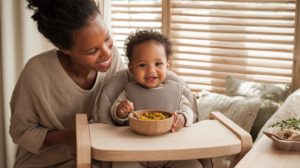
The Dinner Table Revolution: How 20 Minutes Can Transform Your Family Forever
️ What’s Stealing Your Family Dinners?
Click the scenario that hits closest to home—and discover what’s really happening at your table.
Here’s something nobody tells you when you become a parent: the dinner table is the most underrated tool in your parenting arsenal. Not the fancy educational toys. Not the expensive extracurriculars. The simple act of sitting down together, passing the rice and peas, and actually talking to each other.
But somewhere along the way, family dinner became just another task to check off. Another logistics puzzle involving hockey practice, conference calls, and figuring out what everyone will actually eat. We’ve forgotten that mealtimes aren’t just about filling bellies—they’re about building humans.
Recent research from over 200 studies confirms what your grandmother already knew: families who eat together regularly see measurable improvements in children’s nutrition, mental health, academic performance, and even substance abuse prevention. We’re not talking about Instagram-worthy tablescapes or gourmet meals. We’re talking about regular, predictable times when your family sits together, puts away the distractions, and remembers why you’re doing this whole parenting thing in the first place.
Why Your Kitchen Table Matters More Than You Think
The COVID-19 pandemic accidentally gave us a glimpse of what we’ve been missing. When the world shut down in 2020, something unexpected happened: over 60% of families started eating dinner together more often. Not because they suddenly had time, but because they had no choice. And you know what? They reported more gratitude, more laughter, and more real connection—even as everything else fell apart.
Post-pandemic surveys show that many families are trying to hold onto those routines, even as life has rushed back to its usual chaos. Because once you’ve tasted what it feels like to actually know what’s happening in your child’s life, it’s hard to go back to ships passing in the kitchen.
The umbrella review published in 2023 looked at decades of research and found consistent associations between frequent family meals and better outcomes across the board: healthier eating patterns, lower obesity rates, fewer behavioral problems, better grades, and stronger family relationships. When researchers asked what made the difference, it wasn’t the food quality or the meal duration. It was the emotional climate—the warmth, the listening, the sense that this time mattered.

The Truth About “Perfect” Family Dinners
Let’s clear something up right now: nobody’s asking you to cook elaborate meals or enforce Victorian table manners. The research is very clear that what matters most isn’t what’s on the table, but who’s at the table and how they’re treating each other.
Some of the most connected families serve convenience foods, eat breakfast together instead of dinner, or count four shared meals a week as a win. Flexibility matters more than perfection. What kills the magic isn’t imperfect food or messy tables—it’s phones at the table, TV in the background, and the sense that everyone’s mentally somewhere else even when they’re physically present.
Your Family Connection Score
Tap the elements that describe your typical dinner. No judgment—just honest assessment.
Experts in family research emphasize that the “right” family meal looks different for different households. Single parents working evening shifts might prioritize breakfast. Families with teens might manage four dinners a week instead of seven. Cultural traditions matter too—in some Caribbean households, Sunday lunch is the sacred meal where three generations gather over curry goat and rice.
What matters is creating some predictable, protected time when your family sits together, minimizes distractions, and treats each other with warmth and curiosity. Even three to four such meals per week show measurable benefits for children’s development and family functioning.
What’s Really Stealing Your Dinners
Time scarcity is the villain everyone names first. Between work schedules, after-school activities, homework, and the mental load of just deciding what to cook, dinnertime feels like another stressor instead of a refuge. A 2023 study interviewing parents across different time periods found that even parents who deeply value family meals describe feeling “pulled in all directions” by competing demands.
But here’s the uncomfortable truth that emerges from the research: time scarcity is real, but technology and overscheduling are often bigger culprits. Parents and children alike are bringing phones to the table, checking notifications, scrolling feeds. The TV stays on “for background noise.” We’ve normalized being physically present but mentally absent.
One qualitative study found that families described their mealtimes as “chaotic” or “disconnected” even when everyone was in the same room, because devices had become the invisible sixth family member at the table. Parents reported ambivalence about enforcing no-screen rules, worried it would cause conflict or lose them the brief peace that screens provided.
The other hidden barrier? We’ve set the bar too high. Somewhere along the way, family dinner became associated with elaborate home cooking, perfect behavior, and Martha Stewart aesthetics. When real life doesn’t match that image, we give up entirely instead of embracing good enough. Research consistently shows that even simple, semi-prepared meals eaten together with minimal conflict outperform elaborate solo eating every time.
The Small Shifts That Change Everything
The families who successfully protect their mealtimes don’t do it with grand gestures. They do it with small, sustainable rituals that remove decision fatigue and create predictability. Here’s what actually works, according to intervention studies and real-world examples:
Start with structure, not perfection. Pick 3-4 nights per week when everyone commits to being home by a certain time. Mark it on the calendar like you would a doctor’s appointment. This meal time is sacred—not because the food is fancy, but because the connection is non-negotiable.
Simplify the menu until it feels almost boring. Taco Tuesday. Pasta Thursday. Leftover Friday. Theme nights eliminate the daily “what’s for dinner” spiral and let you buy the same staples on repeat. If you’re looking for easy, culturally-rich meal ideas that even picky eaters enjoy, the Caribbean Baby Food Recipe Book includes family meal adaptations for classics like Coconut Rice & Red Peas and Sweet Potato & Callaloo that scale up beautifully for the whole family.
The Shocking Truth About Mealtime Technology
Think keeping your phone on the table “just in case” is harmless? The research reveals something surprising…
Here’s what researchers found: Even when phones aren’t actively being used, their mere presence on the table reduces the quality of conversation and the sense of connection people report. One study tracking family interaction patterns found that meals with phones visible (even face-down) had 23% less meaningful dialogue and 31% more interruptions than phone-free meals.
Your brain knows that phone could buzz at any moment, so it never fully relaxes into presence. The same study found that children whose parents kept phones at the table were more likely to report feeling “not important” to their parents during mealtimes. The solution? A tech basket by the door where everyone—adults included—parks devices before sitting down.
Create a device-free zone. This is non-negotiable if you want actual connection. Get a basket, a drawer, or even a decorative box near the kitchen entrance. Everyone—parents included—puts their phones there before sitting down. Yes, even on silent. Yes, even face-down. The research is clear: the mere presence of phones, even unused, reduces conversation quality and feelings of closeness.
If your teenagers protest, frame it as a family rule, not a punishment. “For 20 minutes, we focus on each other. Then you’re free.” Consistency matters more than compliance. It will feel awkward at first. That’s normal. The awkwardness is actually everyone relearning how to be present with each other.
Start with a simple ritual. Rituals don’t have to be elaborate. Some families do “rose and thorn”—each person shares the best and worst part of their day. Others play “would you rather.” Some Caribbean families say grace or share gratitude. The content matters less than the consistency—it signals that dinner is starting, and this is a different kind of time.

When Mealtimes Feel Like Battlegrounds
Let’s be honest: not every family dinner feels like a Norman Rockwell painting. Sometimes kids refuse to eat. Sometimes siblings bicker. Sometimes you’re so exhausted that conversation feels impossible. This is where the research on emotional climate becomes crucial.
Studies that measured not just meal frequency but meal quality found that the tone of interaction matters more than the duration. A warm 15-minute dinner beats a tense 45-minute ordeal every time. This means your job isn’t to force perfect behavior or enthusiastic participation. Your job is to create a space where people feel safe, heard, and valued.
Practical strategies that evidence-based interventions have tested include: keeping conversation neutral and curious rather than interrogative (“Tell me about recess today” works better than “How was school?”); avoiding mealtime as the venue for discipline or corrections; teaching and modeling polite disagreement instead of demanding silence; and accepting that young children will fidget, spill, and need to leave the table sooner than adults.
For picky eaters—a source of major mealtime stress for many families—the current best practice is “division of responsibility”: parents decide what is served and when, children decide whether and how much to eat. Pressure, bribing, and food battles almost always backfire. When mealtimes feel relaxed and judgment-free, children are more willing to try new foods over time. You can introduce a variety of flavors and textures without stress by adapting recipes like Yellow Yam & Carrot Sunshine or Plantain Paradise, both found in the Caribbean Baby Food Recipe Book, which shows how to build adventurous palates from the start.
✅ Your Sacred Dinner Readiness Checklist
Which of these building blocks do you already have in place? Tap to check off—then see where to focus next.
The Caribbean Wisdom We’re Rediscovering
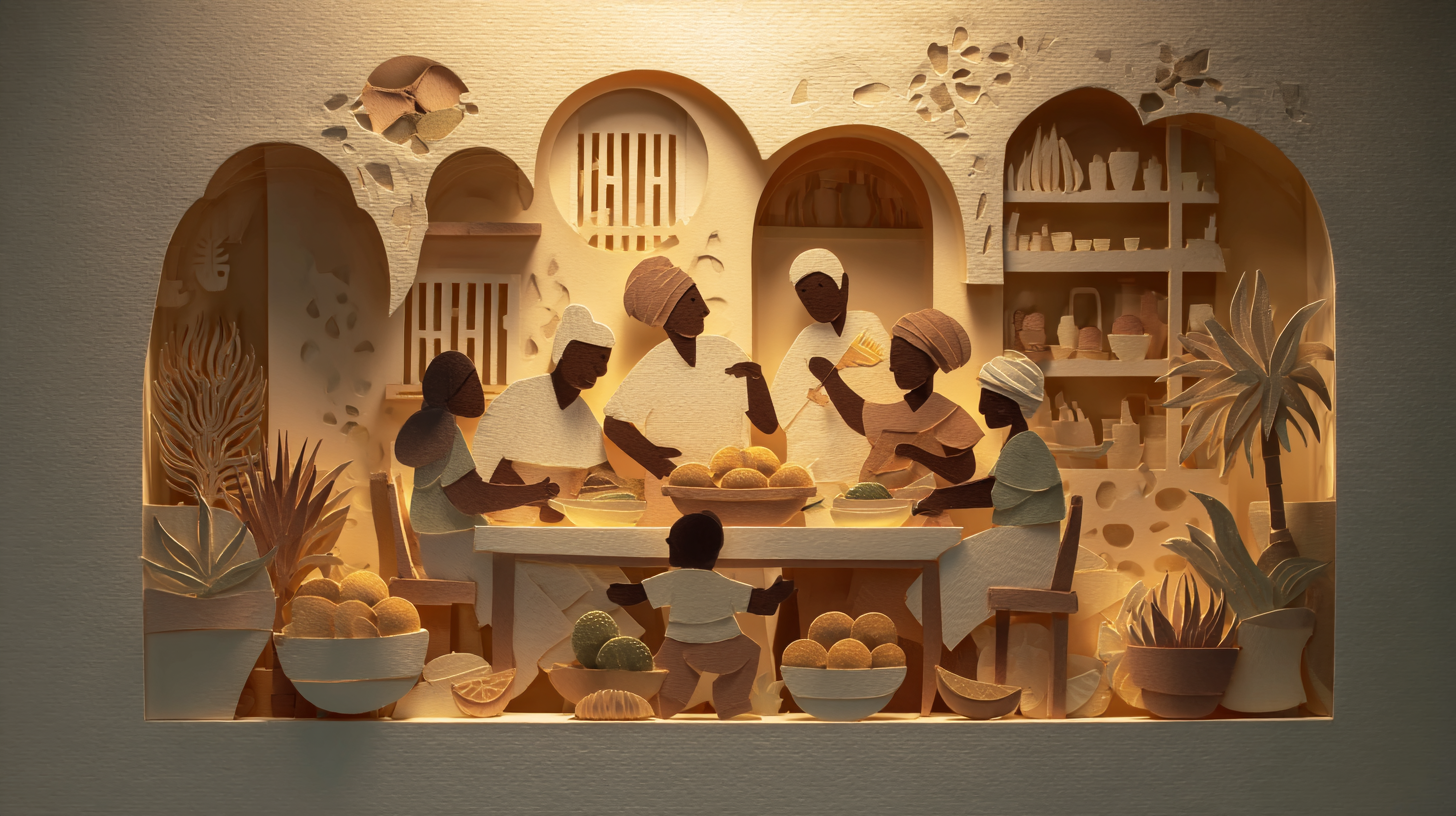
If you grew up in a Caribbean household, you already know this: mealtimes aren’t just about food. They’re about gathering. About elders telling stories while stirring the pot. About children learning patience, respect, and cultural identity through the rituals around the table.
Caribbean food culture has always understood what Western nutritionism is only now rediscovering—that meals are social glue. The practice of everyone gathering for Sunday dinner isn’t quaint tradition; it’s intergenerational relationship maintenance. The expectation that children help with meal prep isn’t child labor; it’s skills transfer and quality time disguised as chores.
Many Caribbean parents raising children outside the islands worry about passing on these values in a culture that treats eating as fuel-up time between activities. But you don’t need a full Sunday spread every week to keep the tradition alive. You can infuse weeknight dinners with the same spirit by cooking familiar flavors, telling stories about “back home,” teaching children the names of ingredients in patois or Creole, and protecting that time as sacred the way your own parents or grandparents did.
The recipes in the Caribbean Baby Food Recipe Book—from Stewed Peas Comfort to Cornmeal Porridge Dreams—are designed precisely for this purpose: keeping cultural connection alive through food, even when you’re pressed for time and working with a toddler who throws half their dinner on the floor.
Real Families, Real Solutions
Intervention studies have tested various approaches to help families increase meal frequency and quality. What emerges from successful programs is a focus on removing barriers rather than adding requirements. Families who succeeded typically: simplified meal planning through theme nights or batch cooking on weekends; shifted their “sacred meal” to breakfast or weekend brunch when dinner schedules were impossible; involved children in age-appropriate cooking tasks, which increased both their investment in meals and their willingness to try foods; and explicitly discussed and agreed on device rules rather than trying to enforce them unilaterally.
One family interviewed in a 2023 study described how they were eating together nightly but felt disconnected. They implemented two small changes: phones went in a basket by the door, and they started each meal with “one good thing” from everyone’s day. Within three weeks, both parents and children reported feeling closer. The children started volunteering information without prompting. Dinner went from 12 minutes of parallel eating to 25 minutes of actual conversation. No fancy recipes. No perfect behavior. Just presence.
Another family with conflicting work schedules decided that Tuesday and Thursday dinners were non-negotiable, and Saturday breakfast became their third weekly meal. They stopped trying to force seven perfect dinners and found that three intentional, device-free meals were transformative. Their teenage daughter later said those meals were when she felt “actually known” by her parents, not just managed.
What Technology Gets Right (and Wrong)
Here’s where it gets interesting: the same technology that threatens family dinners can also support them—if used intentionally. AI meal planners, grocery delivery, and recipe apps are making it easier than ever to decide what to cook and get the ingredients without the cognitive load that used to make dinner prep exhausting. One 2025 industry report found that families using meal-planning apps reported lower stress around dinner and more frequent home cooking.
The key is using technology before meals to reduce friction, then banishing it during meals to protect connection. Use your phone to order groceries, pull up a recipe, or set a family calendar reminder. Then put it away when everyone sits down. The goal isn’t to reject modern convenience—it’s to let technology serve family connection instead of eroding it.
Smart families are also using shared family calendars to block “dinner time” the same way they’d block doctor appointments, signaling that this time is as important as any external obligation. When the whole family can see that Tuesday and Thursday from 6:00-6:30 is “family dinner” on the shared calendar, it changes the conversation from “Can we eat together?” to “What’s getting scheduled around our dinner time?”
Looking Forward: The Future of Family Meals
Post-pandemic research suggests we’re at an inflection point. Many families experienced what connected meals felt like during lockdowns and don’t want to lose it. At the same time, the return to pre-pandemic busyness is making it hard to sustain. What happens next depends on whether families treat mealtimes as optional when convenient or as essential infrastructure for family health.
Forward-thinking researchers are calling for more nuanced measures of meal quality, not just frequency. They want to understand what makes some family meals feel nourishing and others feel like obligation. Early findings suggest that meals characterized by warmth, curiosity, shared decision-making, and low conflict have the strongest positive effects—even when they’re short or simple.
There’s also growing recognition that supporting family meals requires structural change, not just individual willpower. Some organizations are piloting workplace policies that protect dinner time, schools that limit evening homework and activities, and community programs that provide low-cost meal kits or cooking education. The goal is to make shared family meals easier, not to judge families who struggle to achieve them in our current overextended, under-supported culture.
Build Your Custom Mealtime Ritual
Select one element from each category to create a simple ritual that fits YOUR family—no perfection required.
Start ritual:
During meal:
End ritual:
Starting Tonight: Your First Steps
You don’t need a complete overhaul to start protecting family mealtime. You need one small shift this week. Pick the change that feels most doable for your family right now:
If time is your biggest barrier: Commit to just two meals this week. Mark them on the calendar. Keep the food ridiculously simple—rotisserie chicken, rice, bagged salad. Use convenience foods without guilt. The meal is about the people, not the cooking performance.
If distraction is your biggest barrier: Implement the tech basket rule for just one meal this week. Tell everyone in advance. Expect pushback. Do it anyway. Notice what conversation emerges when everyone’s actually present.
If chaos is your biggest barrier: Add one tiny ritual to signal “dinner is starting.” It could be as simple as everyone sitting down at the same time, or one person saying “Thanks for being here.” Small rituals create psychological boundaries that help everyone shift gears from the day’s chaos into connection time.
If meal planning exhausts you: Choose one weeknight theme and stick with it for a month. Taco Tuesday. Pasta Thursday. Breakfast-for-dinner Friday. Decision fatigue is real—eliminate it by making some choices on autopilot. And if you’re looking for culturally-connected, nutritious options that don’t require a culinary degree, browse the Caribbean Baby Food Recipe Book, which includes family meal adaptations designed to be simple, affordable, and full of the flavors that make food meaningful.
The research consistently shows that families who set modest, specific goals are more likely to sustain changes than families who try to overhaul everything at once. Start where you are. Use what you have. Protect what matters.
The Long View: What You’re Really Building
Here’s what nobody tells you in the thick of toddler tantrums and picky eating battles: the children who grow up with regular family meals carry those patterns into adulthood. Studies tracking people from adolescence into their twenties found that young adults who experienced frequent family meals as teenagers were more likely to prioritize shared meals in their own families later, even when life got hectic.
You’re not just feeding your children tonight. You’re teaching them that relationships require intentional time. That showing up matters. That family is worth protecting from the demands of the outside world. These lessons don’t come from lectures—they come from the repeated experience of being gathered, being seen, being valued enough that you all put down your devices and chose each other for 20 minutes.
Longitudinal research also shows that family meal patterns are intergenerational. The ways your parents approached mealtimes shape your expectations and habits, even if you don’t consciously remember them. If you grew up with chaotic, disconnected meals, it takes deliberate effort to create something different. If you grew up with warm, predictable dinners, you have a template to draw on. Either way, you get to decide what you’re modeling for the next generation.
The truth is, your children won’t remember what you served on most Tuesday nights. But they’ll remember the feeling of being gathered. Of being worth your full attention. Of learning about your day and sharing theirs. They’ll remember the inside jokes, the stories told again and again, the rituals that made your family yours.
Your Table, Your Rules, Your Tradition
Every family’s version of “sacred mealtime” will look different, and that’s exactly as it should be. Some families will thrive with nightly dinners and elaborate Sunday spreads. Others will protect breakfast, or make weeknight meals quick and save connection for weekend brunch. Some will center meals around cultural foods and intergenerational storytelling. Others will keep it simple and focus on conversation games and check-ins.
What matters isn’t matching some idealized version of family dinner. What matters is that you’ve decided your family’s time together is worth protecting—from overscheduling, from technology, from the constant pull of busyness. That you’ve created some predictable space where everyone shows up, not because the food is fancy or the conversation is profound, but because this is what your family does. This is who you are.
The data is clear: when families protect even a few meals per week as device-free, emotionally warm, predictable time together, everyone benefits. Children’s nutrition improves. Behavioral problems decrease. Academic performance ticks up. Family relationships strengthen. And adults report feeling more connected and less stressed, even as life remains objectively chaotic.
You don’t need a bigger house, a better kitchen, or fancier recipes. You need a commitment that this time is sacred. That for 20 minutes, the most important thing happening in your world is the people at your table. Everything else can wait.
Because here’s the truth the research keeps confirming: the families who eat together aren’t perfect. They’re just present. And in a world that constantly demands your attention, your stress, and your distraction, presence is the most radical gift you can give your children.
So tonight, or tomorrow, or this weekend—whenever works for your family—put down the phones, turn off the TV, simplify the menu, and sit down together. It won’t be perfect. Someone will probably complain about the food. A sibling will likely start a fight. You’ll be tired. Do it anyway.
Because years from now, when your children are grown and scattered and building their own lives, they won’t remember your stress or your imperfect cooking. They’ll remember that you showed up. That you made time. That the dinner table was where your family became a family.
And that’s worth protecting.

Kelley's culinary creations are a fusion of her Caribbean roots and modern nutritional science, resulting in baby-friendly dishes that are both developmentally appropriate and bursting with flavor. Her expertise in oral motor development and texture progression ensures that every recipe supports your little one's feeding milestones while honoring cultural traditions.
Join Kelley on her flavorful journey as she shares treasured family recipes adapted for tiny taste buds, evidence-based feeding guidance, insightful parenting anecdotes, and the joy of celebrating food, culture, and motherhood. Get ready to immerse yourself in the captivating world of Kelley Black and unlock the vibrant flavors of the Caribbean for your growing baby, one nutritious bite at a time.
- The Feeding Revolution: Why Your Everyday Meals Are Changing the World - October 13, 2026
- Your Feeding Story Matters More Than The “Perfect” One Online - October 12, 2026
- Looking Forward: Stepping Into Your Confident Feeding Future - October 11, 2026