The Air Fryer Revolution: How One Countertop Appliance Changed the Way Families Eat (And It’s Not What You Think)
⚡ Your Air Fryer Reality Check
Choose what describes your air fryer journey:
Let me tell you something nobody admits at those family gatherings: we all bought air fryers thinking we’d revolutionize dinner. Then reality hit. Most of us ended up air-frying the same frozen foods we used to bake in the oven, just faster. Meanwhile, that gleaming appliance sits there, capable of so much more, practically begging us to discover what it can really do.
Here’s what I learned after speaking with nutritionists, poring over recent studies, and yes—burning more than a few experimental dinners. The air fryer isn’t just a “healthier deep fryer.” It’s actually a compact convection powerhouse that can transform how your family eats, but only if you understand what it truly offers beyond the frozen food aisle.
The numbers tell a story that surprised even me. Air frying can slash calories in traditionally fried foods by up to 80% compared to deep-frying. But here’s the kicker that nobody talks about: it also reduces acrylamide—that potentially cancer-causing compound that forms when you cook starchy foods at high heat—by up to 90%. That’s not marketing hype. That’s peer-reviewed science from 2024 studies examining how different cooking methods affect the foods we feed our families every single day.
The Truth About Air Fryer Health Benefits (The Realistic Version)
Walk into any appliance store and they’ll tell you air fryers are magic. The reality? They’re incredibly useful, but not miraculous. Let me break down what actually happens when you cook with circulating hot air instead of submerging food in oil.
Traditional deep-frying works by surrounding food in 350°F oil, which creates that coveted crispy exterior while cooking the inside. Your food absorbs a significant amount of that oil—sometimes 8-25% of its total weight becomes pure fat. An air fryer achieves similar results using rapid air circulation at temperatures between 350-400°F, requiring just a light spray or single tablespoon of oil. The difference in your body? A study published in 2023 found that people who ate air-fried meals had 67% less fat in their blood after eating compared to those who consumed deep-fried versions.
But before we get carried away, let’s talk about what air fryers don’t do. They won’t magically make french fries a health food. They won’t eliminate all the concerns about high-heat cooking. Recent research from 2024 noted that while air frying dramatically reduces harmful compound formation compared to deep-frying, it may slightly increase cholesterol oxidation products in fatty fish. The lesson? Air fryers are tools for harm reduction, not health perfection.
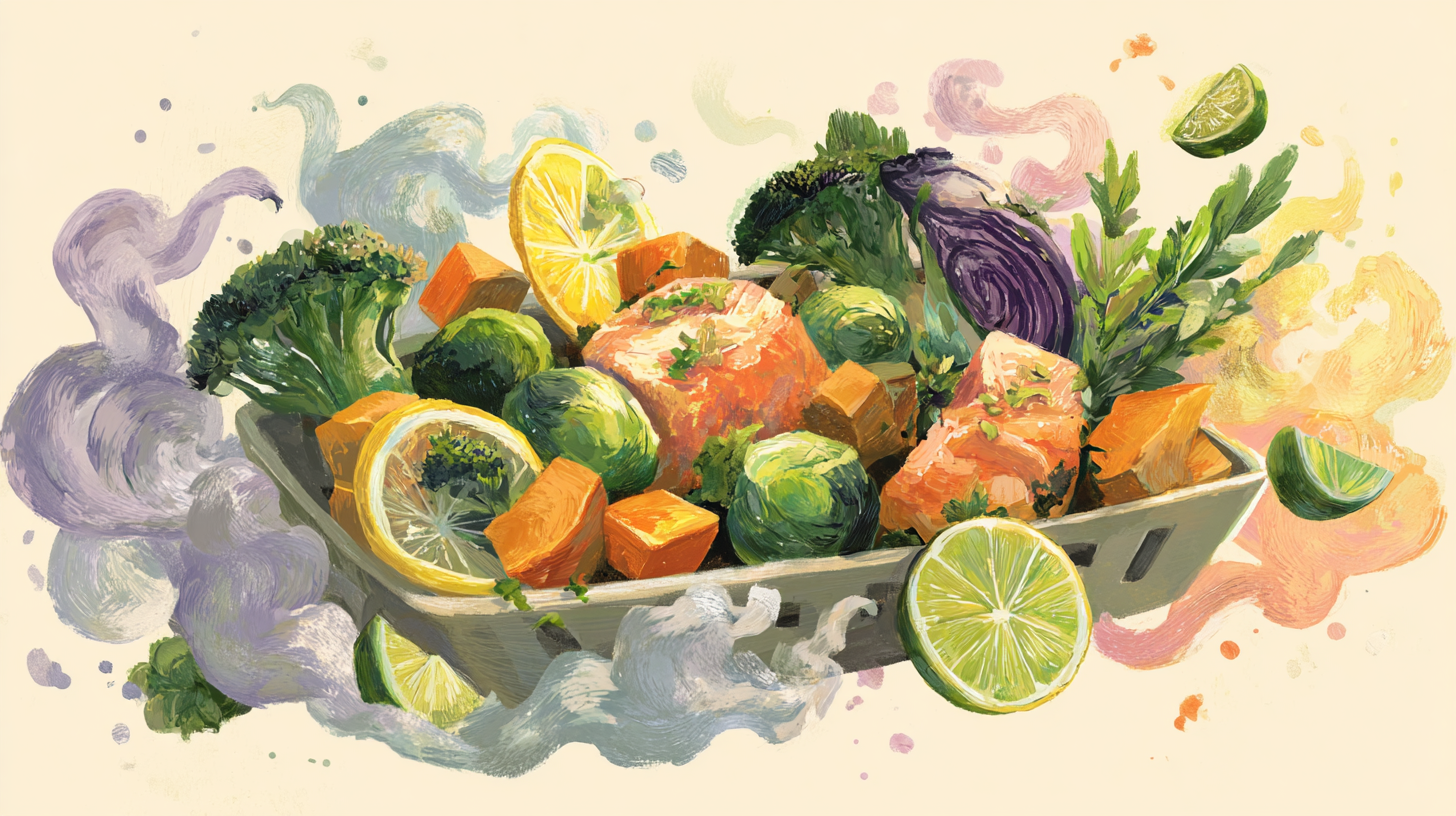
What genuinely excites nutritionists isn’t the air fryer’s ability to make “healthier” fried chicken—it’s its potential to make vegetables irresistible to kids who normally turn their noses up at anything green. A 2023 study on Brassica vegetables (think broccoli, Brussels sprouts, cauliflower) found that air frying actually preserved up to 90% of their nutrients while improving their antioxidant properties. Try getting that result from boiling.
Your Family’s Calorie Savings Calculator
How many times per week does your family eat fried foods?
3 times per week
Beyond Frozen: The Nutritious Applications Nobody Talks About
Here’s where air fryers become genuinely interesting for family nutrition. Forget the frozen foods for a moment. Think about all the fresh ingredients your family should be eating more of—vegetables, lean proteins, whole grains—but don’t because they seem boring or time-consuming.
Take Brussels sprouts. I know, I know—they’re the vegetable everyone loves to hate. But coat them lightly with olive oil, add a sprinkle of sea salt and garlic, air-fry them at 375°F for 15 minutes, and suddenly you’ve got crispy, caramelized little flavor bombs that kids actually request. The same transformation happens with chickpeas (hello, crunchy protein-packed snacks), cauliflower (buffalo cauliflower bites, anyone?), and even kale chips that don’t taste like punishment.
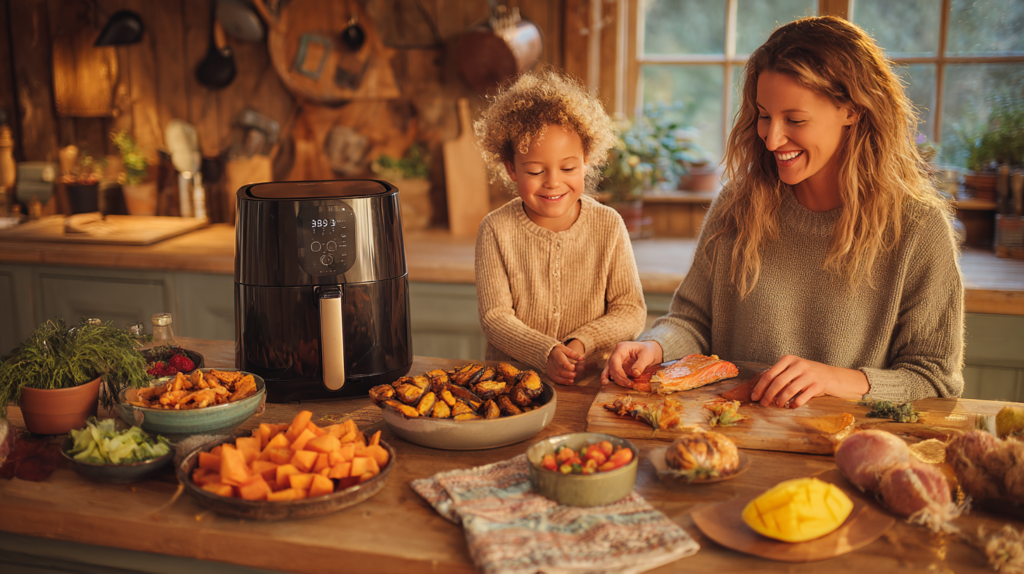
The global air fryer market tells us something fascinating about how families are actually using these appliances. Valued at $1.1 billion in 2023, it’s expected to double to $2.2 billion by 2033. But the growth isn’t coming from people wanting better frozen fries—it’s driven by families discovering they can make restaurant-quality roasted vegetables, perfectly cooked salmon fillets, and even meal-prep batches of sweet potato cubes for the week ahead, all with minimal cleanup and supervision.
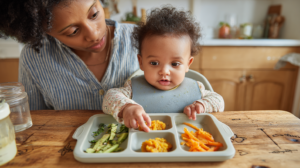
For families with young children, this matters more than you might think. If you’re introducing your little one to solid foods and want them to embrace diverse flavors early, the air fryer becomes an unexpected ally. Many Caribbean-inspired baby food recipes that incorporate sweet potatoes, plantains, and beans can evolve into toddler-friendly finger foods through simple air frying techniques—preserving nutrients while creating textures that help develop healthy eating habits. The Caribbean Baby Food Recipe Book offers over 75 recipes featuring ingredients like yams, mangoes, and coconut milk that transition beautifully from purees to air-fried toddler meals as your baby grows.
The Oil Reduction Secret Professional Chefs Use
Here’s what changed everything for me: Professional chefs don’t dump oil on food before air frying. They use a spray mister filled with their preferred oil and give ingredients exactly 1-2 seconds of mist—roughly ½ to 1 teaspoon total.
This creates an impossibly thin, even coating that promotes browning and crisping without adding significant calories. For comparison: pouring oil equals roughly 120 calories per tablespoon. Misting equals approximately 20-40 calories for an entire batch of vegetables.
The second secret? Pat everything dry first. Moisture is the enemy of crispiness. Use paper towels to remove surface water from vegetables, chicken, or fish before that light oil mist. The difference in texture is dramatic.
Pro move: For potatoes specifically, soak cut fries in cold water for 30 minutes before air frying. This removes excess starch and can reduce acrylamide formation by up to 50% while improving crispiness.
Family-Friendly Recipes That Actually Work
Let’s get practical. You need recipes that your family will actually eat, that don’t require specialty ingredients, and that fit into the chaos of weeknight dinners. After testing dozens, these emerged as the consistent winners that balance nutrition with real-world appeal.
Coconut Curry Cauliflower became an unexpected hit in my house. Break a head of cauliflower into florets, toss with one tablespoon of coconut oil, a teaspoon of curry powder, and a pinch of salt. Air-fry at 375°F for 12-15 minutes, shaking halfway through. The result tastes indulgent but delivers fiber, vitamins, and anti-inflammatory compounds. Serve it alongside rice and beans, and suddenly you’ve got a Caribbean-inspired meal that kids think is special.
Falafel made easy solves the protein puzzle for busy nights. Blend canned chickpeas (drained), fresh herbs, garlic, cumin, and just enough flour to bind. Form into patties, spray lightly with oil, and air-fry at 370°F for 12 minutes, flipping once. Research from 2021 optimized air-frying temperatures specifically for falafel, finding this method preserves maximum nutrition while achieving authentic texture. Serve in pita with vegetables or crumble over salads.

Salmon that doesn’t dry out is the holy grail of weeknight cooking. Season fillets simply—lemon, dill, salt, pepper—then air-fry at 380°F for just 8-10 minutes depending on thickness. The circulating air creates a slightly crispy exterior while keeping the inside moist. Yes, there’s a slight trade-off with omega-3 polyunsaturated fats compared to other cooking methods, but you’re still getting high-quality protein and nutrients in under 15 minutes total.
Sweet potato fries that rival restaurants require only one trick: cut them uniformly (about ⅓-inch thick), toss with one tablespoon of oil for a full potato, add your seasonings, and don’t overcrowd the basket. Air-fry at 380°F for 15-18 minutes, shaking every 5 minutes. These work brilliantly for baby-led weaning too—older babies and toddlers can practice their pincer grasp with perfectly soft-yet-holdable sweet potato sticks. Sweet potatoes feature prominently in recipes like the Batata y Manzana from the Caribbean Baby Food Recipe Book, which combines white sweet potato with apple for a naturally sweet, nutrient-dense meal.
Buffalo cauliflower wings convert vegetable skeptics into believers. Coat cauliflower florets in a simple batter (flour, plant milk, garlic powder, paprika), air-fry at 375°F for 15 minutes until crispy, then toss with buffalo sauce. Each serving delivers the satisfaction of wings with a fraction of the calories and fat, plus a full serving of vegetables nobody realizes they’re eating.
Veggie Revolution
Brussels sprouts, broccoli, asparagus, and green beans transform into crispy, caramelized versions kids actually request. Air-fry at 375°F for 10-15 minutes with minimal oil.
Protein Powerhouses
Chicken breasts, salmon, shrimp, tofu, and even hard-boiled eggs cook perfectly. Use temperatures between 360-400°F and always check internal temps for safety.
Grain & Legume Magic
Chickpeas become crunchy snacks, corn on the cob gets perfectly charred, and leftover rice transforms into crispy rice cakes. All in under 20 minutes.
Surprising Treats
Plantain chips, baked apples with cinnamon, even small batches of muffins work beautifully. The versatility goes far beyond savory meals.
The Cleaning Truth (And Why It Matters for Nutrition)
Let’s address the elephant in the kitchen: if your air fryer is a pain to clean, you won’t use it. And if you don’t clean it properly, you’re undermining all those health benefits you’re chasing.
Here’s what actually happens when you neglect air fryer maintenance. Grease and food particles accumulate, creating smoke during cooking, affecting flavors, and potentially releasing compounds you don’t want in your food. That pristine nonstick coating that makes cleanup easy? Harsh scrubbers and abrasive cleaners destroy it, eventually requiring you to use more oil to prevent sticking—defeating the entire purpose.
The realistic cleaning routine that works: after every use, let the basket cool slightly, then wash it with warm soapy water and a soft sponge. Most baskets are dishwasher-safe (top rack), but hand-washing extends the coating’s life. For the heating element and interior, wipe down with a damp cloth once cooled. That’s it. Five minutes max.
For stubborn buildup, here’s the method that actually works without chemicals: make a paste with baking soda and water, apply it to stuck-on areas, let it sit for 15 minutes, then wipe clean. For the basket, soak it in warm water with dish soap for 10 minutes before washing. Never use metal utensils or scrubbers—they’re the fastest way to destroy your nonstick surface.

The maintenance schedule nobody tells you about: every month, check the heating element for grease buildup. If you see significant accumulation, unplug the unit completely, let it cool, and gently wipe the element with a slightly damp cloth. Every six months, do a deep clean—remove all detachable parts, wash thoroughly, and check that air vents aren’t blocked. This 20-minute investment twice yearly keeps your appliance functioning efficiently and safely for years.
The Shocking Truth About Air Fryer Safety
The concern everyone whispers about: Do air fryers cause cancer? Here’s what recent research actually shows.
A 2024 study directly compared benzo[a]pyrene levels (a known carcinogen) in foods cooked by air fryer versus conventional oven. The findings? Air-fried foods showed consistently lower levels of these harmful compounds compared to oven-baked equivalents at similar temperatures.
However, air frying doesn’t eliminate all risks. Acrylamide still forms in starchy foods cooked at high temperatures—it’s just dramatically less than deep-frying. Cholesterol oxidation products can increase slightly in fatty fish. The key is understanding air frying as a harm-reduction strategy, not a magic solution.
The practical takeaway: Air frying is one of the safest high-heat cooking methods available for home use, significantly safer than deep-frying or conventional frying, and roughly equivalent to or better than oven-roasting for most foods.
To minimize any remaining risks: don’t overcrowd the basket (promotes more even, lower-temperature cooking), avoid cooking at maximum temperatures unless necessary, pre-soak starchy vegetables before air frying, and incorporate plenty of antioxidant-rich foods (vegetables, herbs, spices) which help counteract oxidative compounds.
What the Statistics Really Tell Us
Numbers don’t lie, but they need context. By 2020, 36% of US households owned an air fryer. That adoption rate rivals slow cookers and stand mixers—appliances that took decades to achieve similar penetration. What drove this explosive growth wasn’t clever marketing. It was families discovering a tool that genuinely simplified healthy cooking.
The health implications show up in unexpected places. Healthcare systems are taking notice—some insurance companies have started pilot programs offering air fryers as rewards for chronic disease management, specifically targeting diabetes and heart disease populations. Early data shows measurable improvements in HbA1c levels when families consistently swap deep-fried foods for air-fried alternatives. That’s not just interesting research; that’s real-world health outcomes changing because of a countertop appliance.
The social media phenomenon tells us something too. Over 2.5 billion TikTok views for #airfryer aren’t just about trendy recipes. They represent a generation of parents sharing what actually works in their kitchens, troubleshooting together, and building a collective knowledge base that goes far beyond manufacturer instructions. When a cooking method generates that level of organic engagement, it signals genuine utility, not just hype.
Market projections estimate the global air fryer industry will reach $2.2 billion by 2033, with the European market leading growth—driven specifically by families seeking healthier cooking methods without sacrificing flavor or convenience. This isn’t speculative. These are purchasing patterns from millions of households voting with their wallets for tools that support better nutrition.
The Real Challenges (And Honest Solutions)
Let’s talk about what doesn’t work, because that’s where learning actually happens. Air fryers aren’t perfect, and pretending otherwise sets families up for disappointment.
Challenge one: Capacity constraints. Most home air fryers cook 3-6 quarts of food. For families larger than four, that means cooking in batches or investing in a larger model. The honest solution? Embrace it as built-in portion control, or designate the air fryer for sides and vegetables while using other methods for bulk proteins. Alternatively, newer dual-basket models let you cook two different foods simultaneously at different temperatures—a genuine game-changer for mixed family meals.
Challenge two: Learning curve for timing and temperatures. Unlike ovens with decades of standard recipes, air frying still requires experimentation. Foods cook faster, and that compact space means mistakes happen quickly. The solution isn’t complex: start at 350°F for most vegetables (12-15 minutes), 375°F for proteins (10-20 minutes depending on thickness), and check frequently until you build intuition. Keep a notebook—seriously. Document what works for your specific model and preferences.
Challenge three: Not everything air-fries well. Wet batters slide right off, delicate fish can dry out, and some foods simply perform better with other cooking methods. The solution? Use breadcrumb or flour coatings instead of wet batters, add a small pan of water beneath delicate proteins to create humidity, and accept that air frying is one tool in your arsenal, not the only one.
Challenge four: Nutrition trade-offs. While air frying reduces harmful compounds compared to deep-frying, it’s not nutritionally superior to all other methods. Steaming preserves more water-soluble vitamins. Raw foods retain enzymes. The solution is variety—use air frying when it offers genuine advantages (making vegetables palatable for picky eaters, reducing oil in traditionally fried foods, quick weeknight proteins) but don’t force it where other methods serve better.
Smart Strategies for Family Success
After working with families who successfully integrated air fryers into their routines, patterns emerged. The households that stuck with it long-term—who didn’t let their air fryers become expensive dust collectors—followed similar approaches.
Strategy one: Start with familiar foods. Don’t begin your air fryer journey attempting exotic recipes. Make the chicken nuggets your kids already love, the roasted vegetables you normally bake, the salmon you usually pan-sear. Let everyone adjust to the textures and flavors before branching out. Familiarity breeds confidence.
Strategy two: Prep ingredients in bulk. Sunday food prep transforms air fryer utility. Cut vegetables for the week, portion proteins, prepare marinades. When ingredients are ready to go, air frying becomes genuinely faster than ordering takeout. Store prepped items in clear containers so family members can see options and potentially cook independently.
Strategy three: Create a rotation schedule. Meal decision fatigue is real. Develop a simple weekly rotation: Monday vegetables, Tuesday protein, Wednesday grain-based, Thursday leftovers remix, Friday family choice. This framework removes daily decision-making while ensuring variety. Families with Caribbean heritage might rotate between recipes featuring plantains, sweet potatoes, and legumes—ingredients that air-fry beautifully and connect children to cultural food traditions. The versatile recipes in the Caribbean Baby Food Recipe Book work perfectly in this context, as many infant-friendly dishes like mashed yams or coconut rice naturally evolve into toddler and family meals that adapt well to air frying.
Strategy four: Involve kids appropriately. Age-appropriate air fryer participation builds life skills and buy-in. Young children can wash vegetables and press start buttons. Older kids can prepare simple recipes independently—air fryers are safer than stovetops for supervised beginner cooking. Teenagers can experiment with seasoning combinations and timings, learning through trial and error with lower stakes than traditional cooking methods.
Strategy five: Track what works. Create a family “greatest hits” list. When something works—really works, where everyone eats without complaining—document it. Note the temperature, timing, seasonings, and any special tricks. Build your family’s personalized air fryer cookbook over time. This simple practice transforms the appliance from intimidating gadget to reliable kitchen workhorse.
Your 30-Day Air Fryer Mastery Journey
Click to track your progress as you expand your air fryer skills:
Cook familiar frozen foods, simple vegetables, basic proteins. Focus on timing and temperature basics.
Try 3 new vegetable preparations. Experiment with different seasonings. Find family favorites.
Master chicken, fish, and plant-based proteins. Learn proper internal temperatures for safety.
Try surprising uses—crispy tofu, roasted chickpeas, reheating leftovers, making “fries” from unexpected vegetables.
Establish meal prep routine, create your family favorites list, teach kids age-appropriate air fryer skills.
Looking Forward: The Evolution of Home Cooking
The air fryer phenomenon represents something larger than a trendy appliance. It signals a fundamental shift in how families approach home cooking—prioritizing both health and convenience rather than choosing between them.
The next generation of air fryers already incorporates AI technology that auto-adjusts cooking times and temperatures, suggests recipes based on ingredients, and connects to smartphone apps for guided cooking. By 2026, expect to see models with built-in cameras that monitor food doneness, voice control integration, and even nutritional analysis displays. These aren’t science fiction concepts—they’re already in development at major manufacturers.
More interesting than the technology itself is what it enables: genuine democratization of nutritious cooking. When an appliance removes the guesswork, reduces mess, minimizes oil, and cuts cooking time, it lowers the barriers that prevented many families from cooking healthier meals at home. The air fryer isn’t replacing skilled cooking—it’s creating a new entry point for families who previously relied heavily on processed convenience foods or takeout.
The ripple effects extend beyond individual households. Schools are exploring air fryers for cafeteria programs. Community centers are using them in cooking classes. Healthcare providers are recommending them as tangible tools for dietary interventions. When a cooking method achieves this level of institutional adoption, it suggests lasting impact rather than fleeting trend.
Your Family’s Next Steps
If you’ve read this far, you’re ready to move beyond frozen foods into genuine air fryer mastery. The path forward isn’t complicated, but it requires commitment to experimentation and accepting that not every meal will be perfect.
Start this week with one new application. Choose something your family already enjoys eating but typically involves more oil or longer cooking times. Transform it through air frying. Document what works. Share the result with your family and gather feedback. Build from there, one successful meal at a time.
Remember that the goal isn’t perfection or complete dietary transformation overnight. It’s incremental improvement—more vegetables, less added oil, faster weeknight meals, increased variety. Each small step compounds into significant long-term health outcomes for your family.
The air fryer sitting on your counter holds more potential than marketing materials suggest but less magic than social media promises. It’s a practical tool that, used thoughtfully, helps families eat better without requiring more time, money, or cooking expertise. That’s not revolutionary. It’s better—it’s achievable.
Your family’s relationship with food matters more than any single appliance or cooking method. But when a tool genuinely makes nutritious eating easier, more affordable, and more appealing—especially for children forming lifelong eating habits—it deserves a permanent place in your kitchen, not collecting dust in the pantry. The air fryer has earned that spot. Now it’s time to prove it can keep it.
For families with young children navigating the transition from baby food to family meals, air frying offers a natural bridge. Many of the nutrient-dense ingredients emphasized in early feeding—sweet potatoes, plantains, beans, mild proteins—translate beautifully into air-fried toddler foods that support continued healthy eating patterns. If you’re looking for inspiration on ingredient combinations that work across age ranges, the Caribbean Baby Food Recipe Book provides culturally rich foundations that grow with your child from purees through finger foods and beyond.

Kelley's culinary creations are a fusion of her Caribbean roots and modern nutritional science, resulting in baby-friendly dishes that are both developmentally appropriate and bursting with flavor. Her expertise in oral motor development and texture progression ensures that every recipe supports your little one's feeding milestones while honoring cultural traditions.
Join Kelley on her flavorful journey as she shares treasured family recipes adapted for tiny taste buds, evidence-based feeding guidance, insightful parenting anecdotes, and the joy of celebrating food, culture, and motherhood. Get ready to immerse yourself in the captivating world of Kelley Black and unlock the vibrant flavors of the Caribbean for your growing baby, one nutritious bite at a time.
- The Feeding Revolution: Why Your Everyday Meals Are Changing the World - October 13, 2026
- Your Feeding Story Matters More Than The “Perfect” One Online - October 12, 2026
- Looking Forward: Stepping Into Your Confident Feeding Future - October 11, 2026