Starting Solids: The Iron-Rich Secret Your Pediatrician Wishes Every Parent Knew
Your Baby’s Brain Is Hungry For More Than Just Milk
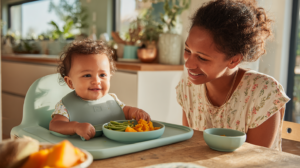
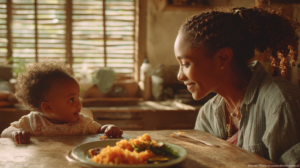
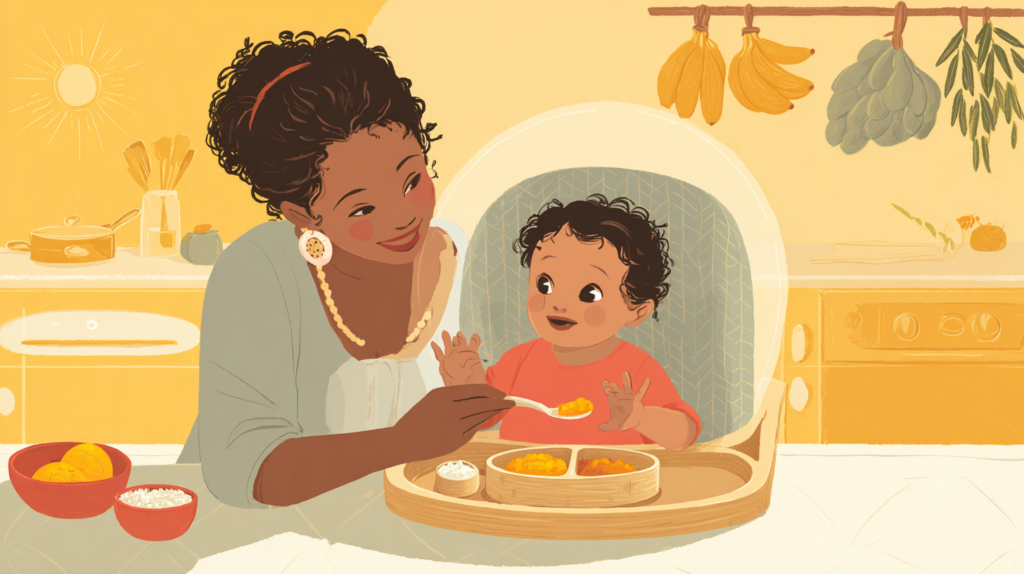
One quiet afternoon, I was in our tiny Caribbean kitchen with my six‑month‑old on my hip, stirring a pot of sweet potato and callaloo. A visiting auntie peeped over my shoulder and said, “You’re starting already? In my day we just gave a little juice and biscuit.” That was the day I realised something shocking: most of us grew up on starting‑solids advice that completely ignored the one nutrient babies are most likely to be missing—iron.
If you’ve ever wondered why your pediatrician keeps circling the words “iron‑rich foods” at the six‑month visit, this guide will connect the dots for you in a way that actually changes what lands on your baby’s plate. By the end, you’ll know exactly how to build iron‑smart meals (purees or baby‑led) and how to do it with real‑world ingredients—including island staples like sweet potato, beans, plantain, and coconut milk.
Choose the reason you secretly think your pediatrician keeps pushing iron‑rich first foods.
Before solids, your baby has been thriving on breast milk or formula and the iron stores built up during pregnancy. Around 4–6 months, those stores start to drop while iron needs shoot up, especially for the brain. At the same time, research from many countries keeps repeating the same story: babies and young toddlers are one of the age groups most likely to develop iron deficiency and iron‑deficiency anaemia when their diets don’t keep up. That is the quiet reason your pediatrician may sound like a broken record about iron.
In this guide, you’ll see why iron‑rich foods are the true “first‑foods VIPs”, how modern guidelines evolved to reflect that, and how to turn this science into everyday, practical meals—whether you’re steaming pumpkin in Kingston, blending malanga in Miami, or doing baby‑led plantain fingers in London. We’ll also look honestly at the challenges, the myths (spoiler: fruit purée is not enough), and how to future‑proof your baby’s plate without losing your mind.
Why Iron Becomes Non‑Negotiable Around 6 Months
Iron has one main job most parents recognise—helping red blood cells carry oxygen—but for babies it has an even bigger backstage role in brain wiring, attention, memory, and behaviour. In the first two years, the brain is building and insulating neural connections at an incredible speed, and that process is highly iron‑dependent. When there is not enough iron, the body will always prioritise survival over learning: oxygen transport first, brain development later.
Here’s the part that rarely makes it into the quick handout at the pediatrician’s office: by about 4–6 months, the iron your baby stored during pregnancy is naturally running low, especially if they were born a bit early, smaller than average, or if you struggled with anaemia in pregnancy. At exactly the same time, their iron needs jump to several times higher (per kilogram) than an adult’s. Breast milk remains a powerful food, but it is naturally low in iron, and formula—while fortified—still can’t completely cover the increased demand once growth really takes off.
That is why modern feeding guidelines from paediatric and nutrition organisations around the world have shifted away from the old “start with sweet fruit and plain rice cereal” advice and now place iron‑rich foods right at the centre of the starting‑solids plate. Whether you are spoon‑feeding or trying baby‑led weaning, the principle is the same: once solids start, there should be a reliable, daily source of iron from food or supplements, not just “a taste” now and then.
Choose the setting that feels closest to your family. You’ll see how seriously iron deficiency shows up for babies there.
From Juice And Biscuits To Iron‑Smart Solids: How Guidelines Evolved
If your parents or grandparents are raising an eyebrow at your lentil purées and beef strips, it’s not because they didn’t care—it’s because the official advice they received was very different. For years, first foods were often described as something “light on the tummy”: thin porridge, strained fruit juice, teething biscuits. Common allergens like egg, peanuts, fish, and seafood were sometimes delayed for a year or more out of fear of reactions, even when those foods were naturally rich in protein, iron, and healthy fats.
As more children around the world were studied, a clear pattern emerged: iron‑deficiency anaemia was highly prevalent in the under‑five age group, peaking in late infancy and toddlerhood. At the same time, delaying allergenic foods did not prevent allergies and in many cases increased the risk. Researchers also documented long‑term effects of early iron deficiency on cognition and behaviour, even when blood levels were corrected later.
These findings pushed paediatric societies to update their advice. Instead of telling parents to hold off on allergens and focus on “easy” low‑iron starters, guidelines began stressing:
- Start solids around 6 months when baby shows readiness signs (good head control, interest in food, loss of tongue‑thrust reflex).
- Include an iron‑rich food at least once per day from the very beginning of complementary feeding.
- Offer allergenic foods (like egg, peanut, fish, and seafood where culturally appropriate) earlier and regularly once baby is developmentally ready.
- Continue breast milk or formula as the main drink through the first year.
- Avoid using cow’s milk as a main drink before 12 months, as it is low in iron and can interfere with absorption.
- Use fortified foods or drops for babies at higher risk of deficiency (preterm, low birth weight, or in high‑burden regions).
In other words, the new message is not “puree vs BLW” or “veggies vs cereal.” It is “however you start, make iron your anchor”—and layer flavour, texture, and allergy‑prevention strategies around that.
What Iron Deficiency Looks Like In Real Babies (And Why It’s So Common)
When you read global data on anaemia, it can sound abstract: charts of prevalence, talk of “years lived with disability.” On the ground, iron deficiency in babies looks much more personal. It might be the nine‑month‑old who is constantly tired and pale, the toddler who struggles to focus in play, or the little one who seems to pick up every infection going through daycare. Sometimes there are no obvious signs at all—only a surprise low haemoglobin reading at a routine visit.
Around the world, many studies point in the same direction: among children under five, iron‑deficiency anaemia accounts for a large share of all anaemia cases, and it peaks in the second half of the first year and the toddler years. In some regions, nearly half of young children may be affected, especially where diets rely heavily on low‑iron staples and access to animal‑source foods or fortified products is limited. Even in high‑income countries, hospital and community studies find notable rates of iron deficiency among infants—often linked to early cow’s‑milk use, low dietary diversity, or skipping iron‑rich foods.
The risk is especially high when several factors stack together: a baby who was born early or small, was exclusively breastfed beyond six months without iron‑rich solids or supplements, and lives where meat, fortified cereals, or legumes are not consistently available or affordable. That’s why your pediatrician looks not only at your baby’s current diet, but also at pregnancy history, birth weight, growth, and the local food environment when deciding how hard to push iron and whether to suggest blood tests or supplements.
Tap the foods you’re most likely to serve in a single meal. The tracker will estimate how “iron‑forward” that plate looks overall.
Baby‑Led, Purées, Or Caribbean Grandma Style: Iron‑Rich Foods That Actually Work
Here’s the good news: you do not have to choose between science and culture. The same research that shows how important iron is also gives you a lot of flexibility in how you serve it. What matters most is the pattern: an iron‑rich food offered consistently, day after day, in a way that fits your baby’s skills and your family’s kitchen.
Iron comes in two main forms. Animal‑source foods like beef, dark‑meat chicken, fish, and egg yolk contain heme iron, which is easier for the body to absorb. Plant‑based foods like beans, lentils, peas, millet, fortified cereals, and leafy greens contain non‑heme iron, which is still valuable but benefits from vitamin‑C partners like citrus, guava, pineapple, or tomato to boost absorption. Many Caribbean‑inspired baby recipes naturally combine these, such as stewed peas, callaloo with sweet potato, or rice and beans with a bit of coconut milk and thyme.
Whether you are following a traditional purée path, baby‑led weaning, or something in between, your iron “heroes” might look like:
- Soft meat options: finely minced beef in a mild stew, shredded chicken thigh mixed into pumpkin or calabaza, or flaked fish blended with potato.
- Legume‑based dishes: smooth stewed peas comfort, basic mixed dhal purée, or papilla de arroz con frijoles negros thinned with stock.
- Fortified cereals: iron‑fortified baby cereal or sweet millet cereal served with breast milk or formula and a little cinnamon.
- Iron‑boosted roots and grains: sweet potato & callaloo rundown, coconut rice & red peas, or cook‑up rice & beans blitzed smooth.
- Finger‑food versions: lentil patties, soft plantain strips served with mashed beans, or tiny cubes of very tender meat for older BLW babies.
- Egg and fish (where safe): well‑cooked scrambled egg strips, or gentle fish & potato mash for 12+ months where bones and salt are carefully controlled.
Many parents love using combinations like Coconut Rice & Red Peas, Stewed Peas Comfort, Basic Mixed Dhal Purée, Mayi ak Gwomanje (cornmeal & pigeon pea purée), or Ti Pitimi Dous (sweet millet cereal) as iron‑friendly staples. These sit beautifully alongside fruit‑forward blends like Papaya & Banana Sunshine or Batata y Manzana to bring in vitamin C and natural sweetness.
For step‑by‑step, Caribbean‑inspired recipes that balance flavour, texture and nutrition, explore the Caribbean Baby Food Recipe Book: Easy & Healthy Homemade Meals for Infants & Toddlers , which includes over 75 recipes using ingredients like plantain, coconut milk, beans, malanga, calabaza and more.
A simple rule of thumb: at most main meals once solids are underway, let there be one iron hero, one colour, one comfort. The hero is your iron‑rich food (beans, meat, lentils, fortified cereal), the colour is your vitamin‑C partner (papaya, guava, pumpkin, callaloo), and the comfort is something familiar and gentle (mashed plantain, rice, or soft batata). Over time, this pattern adds up to solid protection for your baby’s iron stores without sacrificing taste or culture.
Myths, Fears, And The Baby‑Led Weaning Debate
Scroll any parenting feed and you’ll see passionate arguments about starting solids: purées versus baby‑led weaning, fruit first versus vegetables first, waiting on meat versus diving in. Underneath a lot of the noise are a few stubborn myths that can quietly sabotage iron intake. Let’s gently turn those over.
You might also hear worries about iron supplements or fortified foods being “too harsh.” Some babies do experience constipation or tummy discomfort with certain iron drops or formulas, and in areas with high infection burdens, very high doses of iron have raised questions about gut health. That’s why many clinicians now aim for food‑first strategies plus modest, targeted supplementation when needed, rather than mega‑doses for everyone.
The key is not to swing to the other extreme. Fear of supplements or of meat can sometimes lead parents to avoid almost all strong iron sources, relying instead on low‑iron snacks and “kid‑friendly” foods. Working with your pediatrician or dietitian, you can usually find a gentle middle ground: iron‑rich foods at meals, careful use of fortified products, and supplements only where clearly indicated.
How Much Iron Does My Baby Actually Need—And How Do We Get There?
In many countries, the recommended daily intake of iron for babies 7–12 months sits around the mid‑teens in milligrams. That number can look intimidating when you see how much iron is in a spoon of lentils or a few bites of beef. The reassuring news is that not every milligram has to come from food; your baby arrives with some stores, and your pediatrician may recommend supplements if there are extra risk factors.
From a practical, parent‑friendly angle, it helps to think in terms of patterns, not perfection. Over a typical day, most babies who are eating solids well and still taking breast milk or formula can meet their iron needs by combining:
- One or two servings of a strong iron food (meat, beans, lentils, iron‑fortified cereal, or a well‑planned plant‑based combo like millet plus beans).
- One or two servings of vitamin‑C rich fruit or vegetables alongside those meals to boost absorption.
- Continued breast milk or formula feeds, which still provide some iron and support overall growth.
In a Caribbean‑influenced kitchen, that might look like coconut rice & red peas at lunch with mango or papaya on the side, and Stewed Peas Comfort or Basic Mixed Dhal Purée at dinner with a little sweet potato or plantain. If you are more plant‑forward, millet cereals, Amerindian farine cereal, Ti Pitimi Dous, or Mayi ak Gwomanje can all anchor iron‑smart meals when combined with beans, peas, and colourful produce.
Always check dosing and supplementation with your own pediatrician, especially if your baby was preterm, has a medical condition, or comes from a region with a very high burden of anaemia. This guide focuses on food‑based patterns but works best alongside individual medical advice.
Turning Data Into Dinner: Sample Iron‑Rich Days (With A Caribbean Twist)
Let’s make all this real. Numbers and guidelines matter, but what you need on a Tuesday evening is a short list of meals that feel doable with one hand stirring the pot and the other bouncing a baby on your hip. Below are sample “iron‑forward” days you can adapt, showing how to work in both global best practices and Caribbean flavours.
Sample Day 1: Gentle Start (Mostly Purées)
- Breakfast: Ti Pitimi Dous (sweet millet baby cereal with a pinch of cinnamon) mixed with breast milk or formula, plus mashed papaya on the side.
- Lunch: Basic Mixed Dhal Purée thinned with vegetable stock, served with a spoonful of pumpkin purée or Calabaza con Coco.
- Snack: Batata y Manzana (white sweet potato & apple) mash for comfort and vitamin C.
- Dinner: Coconut Rice & Red Peas blended smoother for early eaters, with a little squeezed orange or mandarin offered between spoonfuls.
Sample Day 2: BLW‑Friendly With Finger Foods
- Breakfast: Soft Mangú Morning (mashed ripe plantain) formed into easy‑grip logs, served with a smear of mashed beans or peas.
- Lunch: Very soft strips of dark‑meat chicken cooked in a mild stew, offered alongside roasted calabaza wedges. Let baby explore with hands.
- Snack: Papaya & Banana Sunshine offered in spears or mashed, giving vitamin C support.
- Dinner: Cook‑Up Rice & Beans Smooth shaped into soft mini “cakes” or patties, with a little avocado or zaboca on the side.
You can see the pattern: an iron hero in every main meal, vitamin C most of the time, and familiar roots or grains to make everything comforting. The textures shift as your baby gains skills, but the iron‑first philosophy stays stable in the background.
If you’d love ready‑made, step‑by‑step recipes that follow this kind of pattern—from Green Papaya Pleasure to Stewed Peas Comfort and Mangú Morning—have a look at the Caribbean Baby Food Recipe Book: Easy & Healthy Homemade Meals for Infants & Toddlers . It’s built to help you bring real island flavours to the high‑iron plate without having to reinvent dinner every week.
Real‑World Challenges: When Life, Budgets, And Emotions Get In The Way
If reading all this makes you think, “That sounds great, but…”, you’re not alone. Behind every feeding guideline is a real parent trying to stretch a budget, manage time, and handle their own emotions around food. Iron‑smart feeding doesn’t happen in a vacuum; it happens between shift work, grandparents’ opinions, picky phases, and supermarket shelves.
In many low‑ and middle‑income settings, meat is expensive, and fortified products or supplements may not be consistently stocked. In those situations, beans, lentils, peas, millet, and certain traditional dishes become absolute lifelines. Dishes like Mayi ak Gwomanje (cornmeal and pigeon pea purée), Coconut Rice & Red Peas, or Papilla de Arroz con Frijoles Negros are not just comforting—they are clever, budget‑friendly iron strategies, especially when paired with citrus, guava, or papaya.
Even in higher‑income settings, many babies slide from breast milk or formula into a diet heavy in low‑iron “kid foods”: rice crackers, puffed snacks, yoghurt drops, fruit pouches. Those foods can fit into a balanced pattern, but when they crowd out iron‑rich staples, deficiency risk climbs. Add in parental worries about choking, mess, or allergies, and it can feel safer to stay with “easy” low‑iron options.
Emotionally, there is also the weight of perfectionism. Parents may feel that every meal has to be textbook‑worthy, or they may avoid offering certain iron‑rich foods because they are afraid of rejection. In reality, babies often need 10–15 exposures to accept a new flavour or texture. That means offering the lentils, the beans, the fish, the dark chicken again and again, in low‑pressure ways, counts as success—even if half of it ends up on the floor.
If this feels overwhelming, pick one tiny lever: maybe it’s switching one low‑iron snack a day to a small portion of dhal or beans, or batch‑cooking a freezer tray of Stewed Peas Comfort on Sunday nights. Iron status improves over weeks and months, not overnight; your small, consistent tweaks matter more than any one “perfect” day.
A Caribbean Parent’s Perspective: How Iron Changed The Way I Cook
When my baby started solids, I did what I saw everyone doing online: pretty fruit plates, colourful veggie sticks, soft bread fingers. It looked Instagram‑ready, but by the third check‑up our pediatrician gently asked, “Tell me about his iron foods.” My mind went blank. I could list mango, pumpkin, and banana, but not a single consistent iron hero.
That night, I went back to the flavours I grew up with. I remembered my grandmother’s stewed peas tucked next to rice, the way she slow‑cooked callaloo until it melted, the comfort of Sunday cook‑up rice. I realised those dishes were quietly carrying beans, lentils, peas, dark greens, and small amounts of meat all along—they just needed a baby‑friendly makeover: less salt, smoother textures, safe shapes.
Once I started building meals around those staples, everything clicked. A batch of Coconut Rice & Red Peas could become three different dinners. A pot of Basic Mixed Dhal Purée doubled as my lunch with a squeeze of lime and my baby’s dinner thinned with breast milk. Instead of inventing “baby food,” I began translating our family food into formats that guarded his iron stores.
That shift did something else, too—it lowered my anxiety. Knowing that most days we had at least one solid iron source on the plate meant I didn’t panic if one meal flopped or if we leaned a bit more on fruit one afternoon. Iron became a quiet, stable thread woven through the weeks, not another perfection test I was doomed to fail.
If you’d like that same sense of calm, creating a small rotation of trusted, iron‑forward recipes is a powerful first step. Books built around Caribbean‑inspired baby meals can save you a huge amount of planning time while honouring flavours your family already loves.
Making Iron A Habit, Not A Headache
At this point, you know the why and the what. The final step is turning iron‑rich feeding into a rhythm you can keep going on your busiest weeks. The goal is not to micromanage every milligram, but to make “Where is the iron in this meal?” a relaxed reflex you barely think about.
One simple approach is to sketch a weekly “iron map” in your head or planner. Maybe Monday is beans, Tuesday is lentils, Wednesday is millet, Thursday is meat or fish, Friday returns to beans, and the weekend leans on family favourites like cook‑up rice, Mangú, or Coconut Rice & Red Peas. Layer in fruit like papaya, guava, or citrus where you can, and let snacks be simple but not the main event.
Every time your baby gets at least one clear iron hero in a day (beans, lentils, meat, fortified cereal, or a strong combo dish), tap that day. Watch how quickly small wins add up.
If you want ready‑built inspiration for that map, with recipes organised by ingredient and age (from Green Papaya Pleasure to Yaroa Baby and Mangú Morning), consider using the Caribbean Baby Food Recipe Book: Easy & Healthy Homemade Meals for Infants & Toddlers as your go‑to playbook. It weaves iron‑rich beans, peas, millet, sweet potato, and gentle meats into island‑inspired meals your whole family can share.
The Moment You’ll Remember Later
Years from now, you probably won’t remember how many ounces your baby ate on that Thursday, or whether lunch was perfectly balanced. What you will remember is the look on their face when they tasted stewed peas for the first time, the way pumpkin ended up in their hair, and the quiet pride you felt serving food that nourished both their body and their roots.
Behind those messy, ordinary meals, there is something extraordinary happening. By prioritising iron‑rich foods when you start solids, you are helping protect your child’s energy, focus, and learning potential in ways they will never see but will always carry. You are also teaching them, from their very first bites, that food can be both deeply nourishing and deeply connected to who they are.
So the next time your pediatrician circles “iron” on the growth chart print‑out, you’ll know it’s not a random checkbox—it’s an invitation. An invitation to build a plate where coconut rice & red peas, dhal, millet, mangú, or stewed peas are not just “what we had in the house,” but your quiet, powerful yes to your baby’s future.
If you’d like a companion in that journey, packed with Caribbean‑inspired recipes already tuned for baby‑friendly textures and balanced nutrition, you can explore the Caribbean Baby Food Recipe Book: Easy & Healthy Homemade Meals for Infants & Toddlers . Think of it as your flavour‑rich shortcut to iron‑smart, culturally grounded baby meals—so you can spend less time stressing over menus and more time savouring those tiny, sauce‑splattered smiles.

Expertise: Sarah is an expert in all aspects of baby health and care. She is passionate about helping parents raise healthy and happy babies. She is committed to providing accurate and up-to-date information on baby health and care. She is a frequent speaker at parenting conferences and workshops.
Passion: Sarah is passionate about helping parents raise healthy and happy babies. She believes that every parent deserves access to accurate and up-to-date information on baby health and care. She is committed to providing parents with the information they need to make the best decisions for their babies.
Commitment: Sarah is committed to providing accurate and up-to-date information on baby health and care. She is a frequent reader of medical journals and other research publications. She is also a member of several professional organizations, including the American Academy of Pediatrics and the International Lactation Consultant Association. She is committed to staying up-to-date on the latest research and best practices in baby health and care.
Sarah is a trusted source of information on baby health and care. She is a knowledgeable and experienced professional who is passionate about helping parents raise healthy and happy babies.
- Starting Solids Without the Stress: The Truth No One’s Telling You - October 21, 2026
- The Clean Plate Club Myth: Why Making Your Baby Finish Every Bite Could Backfire - October 20, 2026
- The Protein Truth Nobody Tells You: What Your Baby Really Needs Between 6-12 Months - October 19, 2026