
Hydration for Active Kids: Beyond Just Water
The Shocking Truth About Your Child’s Hydration
Before we dive deep into the science and strategies, let me share something that changed everything for me. Did you know that up to 75% of young athletes arrive at practice already dehydrated? And here’s the kicker: most parents have no clue this is happening to their child.
Click on the hydration myth you believe is TRUE:
When my neighbor’s daughter collapsed during soccer tryouts last summer, the doctor’s words hit like a thunderbolt: “She’s severely dehydrated.” The family couldn’t understand it—she’d drunk water that morning. But that’s when everything started making sense. Hydration for athletic children isn’t about gulping water before the game. It’s a sophisticated dance of timing, electrolytes, and recognizing your child’s unique needs before their body sends distress signals.
If you’ve got an active or athletic child, you already know they’re not sitting still. They’re running drills, swimming laps, dancing, or dominating the basketball court. But what you might not know is that their hydration needs are radically different from sedentary kids—and getting it wrong can impact everything from performance to brain function to kidney health.
Here’s what nobody tells you at signup: adequate hydration isn’t just about preventing thirst. It’s about optimizing every system in your child’s rapidly growing body, protecting organs under stress, and giving them the foundation to excel. And the truth? Most of us are doing it wrong.
What Makes Active Kids Different
Let’s start with the basics, because understanding why your active child needs special attention changes everything. When children exercise, their bodies work differently than adults. Their surface-area-to-body-mass ratio is higher, meaning they heat up faster. They also produce more metabolic heat per kilogram of body weight during physical activity, and their sweating mechanisms are less efficient. Translation? They’re losing fluids faster than you think, and they’re not always great at replacing them.
Recent research reveals something startling: children aged 10-20 often have suboptimal hydration status even during normal daily activities. When you add sports into the mix, the stakes skyrocket. Studies document that 50-75% of child athletes start practice already hypo-hydrated—meaning they’re beginning from behind before they even break a sweat.
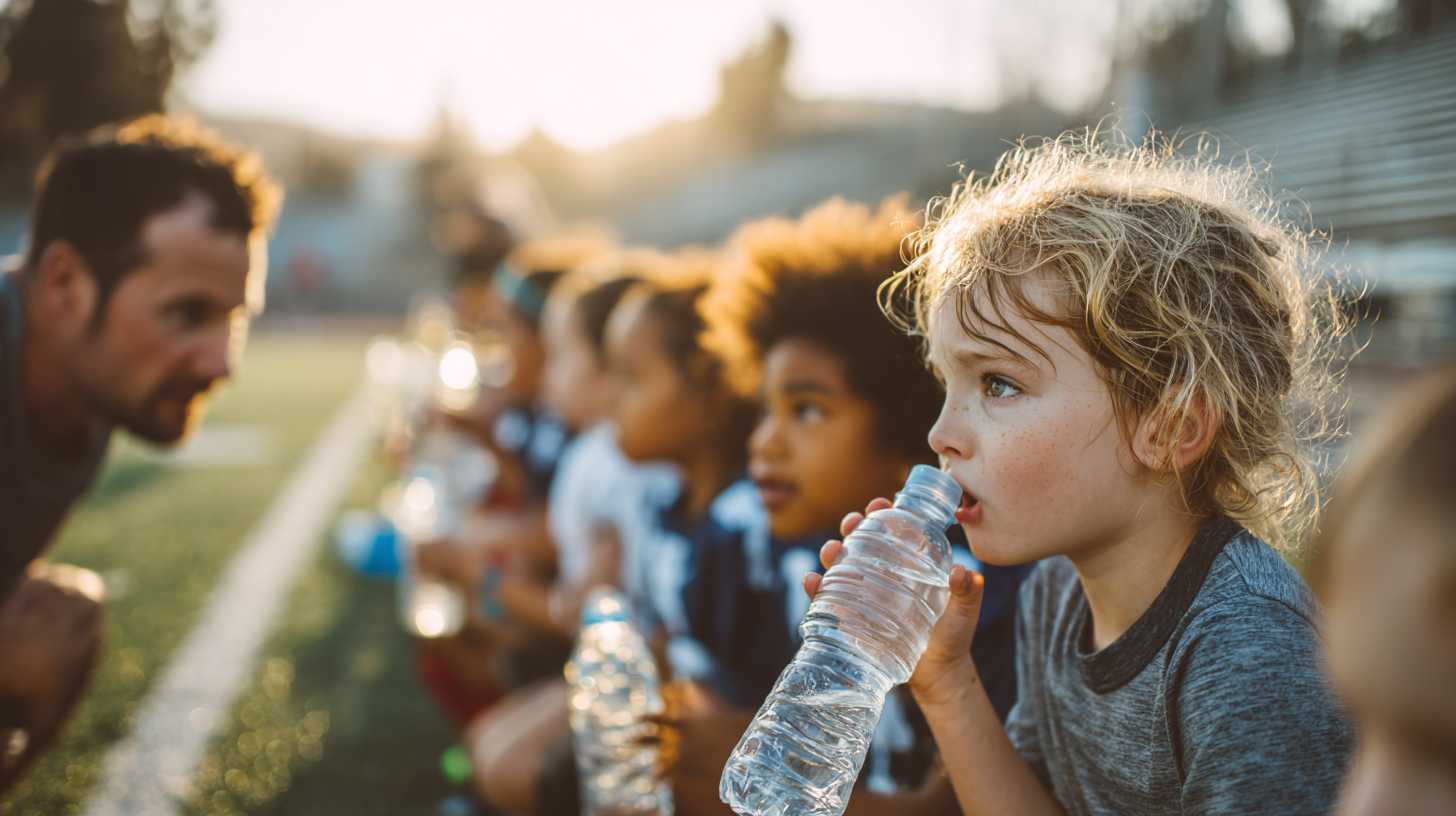
But here’s where it gets personal. My son used to come home from baseball practice exhausted, cranky, with headaches that I chalked up to “just being tired.” Then I started paying attention to his hydration—not just during the game, but throughout the entire day. The transformation was remarkable. Better focus, more energy, faster recovery. It wasn’t magic; it was science working the way it should.
The American Academy of Pediatrics and pediatric sports medicine councils agree: hydration needs to be individualized based on activity level, climate, duration, and intensity. For kids ages 4-8, baseline daily needs hover around 56 ounces (including water from food). Older teens can need up to 112 ounces daily. But during sports? These numbers can double or triple depending on conditions.
The Electrolyte Equation Nobody Explains
⚡ Calculate Your Child’s Activity Hydration Needs
Enter your child’s weight (in pounds):
When I first heard the word “electrolytes,” I thought it was just marketing jargon for overpriced drinks. But electrolytes—sodium, potassium, magnesium, and chloride—are the unsung heroes of hydration. They’re minerals that carry electrical charges, and they’re responsible for everything from muscle contractions to nerve signals to maintaining fluid balance.
Here’s the thing most parents don’t realize: water alone sometimes isn’t enough. When kids sweat, they don’t just lose water—they lose these critical minerals. Sodium is the biggie. During intense or prolonged activity (think tournaments, hot days, activities lasting over an hour), sodium losses can be significant. Without replacement, you risk hyponatremia—dangerously low sodium levels that can cause confusion, nausea, and in severe cases, life-threatening complications.
Registered dietitians and sports nutrition experts point to sodium as the primary electrolyte concern for children during extended activity. Potassium and magnesium are also important, but these are typically met through regular diet unless you’re dealing with extreme conditions or multi-hour exertion. The Caribbean way of eating actually gives us a natural advantage here. Foods rich in natural electrolytes—like the coconut water in your Caribbean Baby Food Recipe Book, sweet potatoes, plantains, and beans—provide a foundation that processed foods simply can’t match.
For most activities under an hour in moderate temperatures, water is perfectly adequate. But when conditions intensify—think summer soccer tournaments, long swim meets, or back-to-back games—strategic electrolyte replacement becomes essential. This doesn’t necessarily mean reaching for commercial sports drinks (we’ll get to that debate shortly). It can be as simple as a pinch of table salt in water, diluted coconut water, or a small handful of pretzels alongside regular hydration.
Sports Drinks vs. Water: The Great Debate
MYTH BUSTERS: Click Each Myth to Reveal the Truth
The sports drink industry wants you to believe that water is inadequate and that every young athlete needs their product. Pediatric hospitals and nutrition researchers tell a very different story. For the vast majority of youth sports situations—practices under an hour, moderate temperatures, typical intensity—water is not just adequate, it’s optimal.
Sports drinks were originally developed for elite adult athletes engaged in prolonged, intense exertion. They contain three main components: water, carbohydrates (sugar), and electrolytes. The sugar provides quick energy, and the sodium helps with fluid absorption and retention. The problem? Most kids’ activities don’t warrant the added sugar and sodium load.
A typical 20-ounce sports drink contains 34 grams of sugar (roughly 8 teaspoons) and 270 milligrams of sodium. For a child doing a standard 60-minute practice, this is overkill—and it comes with risks. Excessive sports drink consumption has been linked to increased dental cavities, excess caloric intake, and unnecessary sodium exposure in young children. A systematic review published in 2023 raised concerns about encouraging sports drink consumption outside truly demanding athletic contexts.
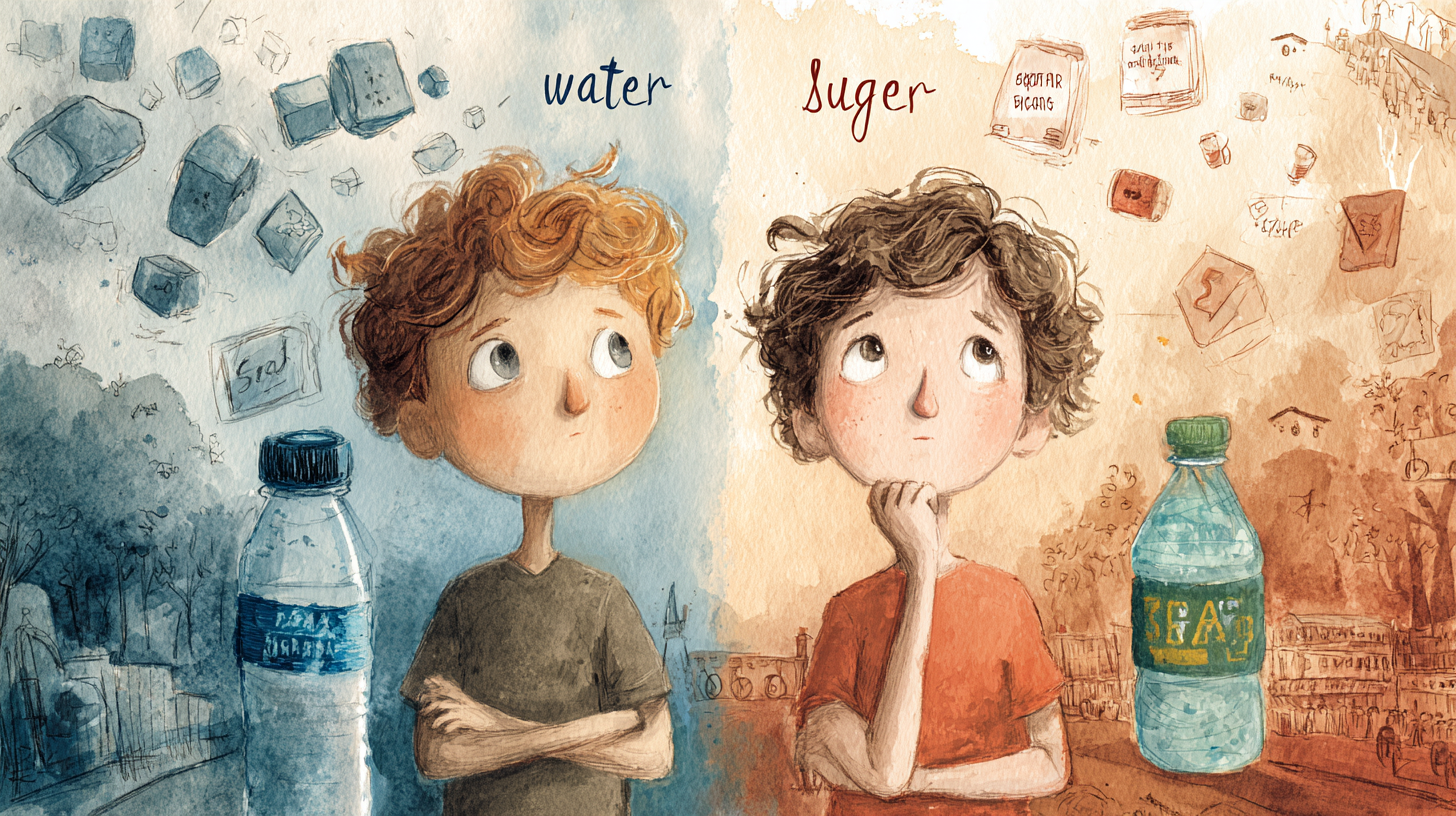
So when do sports drinks make sense? The expert consensus points to three scenarios: activities lasting longer than an hour, high-intensity tournaments with multiple games, or hot and humid conditions where sweat loss is significant. Even then, you have alternatives. Diluted fruit juice (one part juice to three parts water) offers natural sugars and some electrolytes without artificial additives. Coconut water provides potassium and natural sodium. Electrolyte powders or tablets formulated for children can be added to water without the sugar load.
Here’s my personal approach: For regular weekday practices and games under an hour, my kids drink water—period. I pack refillable bottles and ensure they drink before, during (at breaks), and after activity. For weekend tournaments in the summer heat or activities stretching beyond 90 minutes, I’ll prepare diluted coconut water or use a low-sugar electrolyte powder. And I make sure they’re eating well—because real food delivers electrolytes better than any drink can.
Speaking of food, this is where Caribbean nutrition traditions shine. Recipes from your own kitchen can support hydration naturally. The Caribbean Baby Food Recipe Book features over 75 recipes rich in hydration-supporting ingredients: sweet potatoes loaded with potassium, coconut milk providing natural electrolytes, plantains offering complex carbs and minerals. Teaching children that hydration starts at the table—not just the water fountain—builds lifelong healthy habits.
Recognizing Dehydration Before It’s Dangerous
The Dehydration Signs Parents Miss
Early Warning Signs (Mild Dehydration 1-2%):
- Increased thirst (though children often ignore this)
- Dry lips or mouth
- Decreased energy or complaints of fatigue
- Darker yellow urine, or urinating less frequently
- Mild headache
Moderate Dehydration Signs (3-5%):
- Irritability or mood changes
- Decreased performance and coordination
- Flushed skin
- Rapid breathing and increased heart rate
- Dizziness or lightheadedness
Severe Dehydration—Emergency Signs (>5%):
- Very dark urine or no urination for 8+ hours
- Sunken eyes
- Rapid, weak pulse
- Extreme fatigue or lethargy
- Confusion or difficulty concentrating
- Fainting or collapse
If you observe severe signs, seek medical attention immediately. Heat illness and dehydration can progress rapidly in children.
Recognizing dehydration in children can be tricky because kids often don’t communicate symptoms clearly—and they’re masters at pushing through discomfort when they’re having fun. But the consequences of missing the signs can be serious, ranging from decreased performance to heat illness to early kidney damage.
A longitudinal study published in 2022 revealed something chilling: chronic inadequate hydration in physically active children was associated with early markers of renal damage. Even children who were exercising regularly showed kidney stress when hydration wasn’t prioritized. This isn’t about scaring parents—it’s about understanding that hydration isn’t optional; it’s foundational for health.
The most practical monitoring tool? Urine color. Teach your child to check: pale yellow (like lemonade) is good, dark yellow or amber means they need more fluids. This simple visual check is more reliable than asking “are you thirsty?” because thirst lags behind actual need, especially in children.
Beyond urine, watch for behavioral changes. Is your usually energetic kid dragging? Complaining of headaches after practice? Getting cranky for no clear reason? These are often early dehydration signals that parents dismiss as tiredness. Performance drops—slower times, decreased accuracy, poor coordination—can also indicate inadequate hydration affecting both physical and cognitive function.
In hot weather or during intense activity, the risk escalates. Heat exhaustion and heat stroke are real dangers. Know the progression: heat cramps (muscle spasms) can advance to heat exhaustion (weakness, nausea, dizziness, heavy sweating), which can progress to heat stroke (high body temperature, confusion, rapid pulse, possible loss of consciousness). At any sign of heat illness, stop activity immediately, move to shade or air conditioning, and begin rehydration. Severe symptoms require emergency medical care.
The Timing Strategy That Changes Everything
Hydration Scenario Challenge: What Would You Do?
Test your hydration knowledge with real-world scenarios:
Here’s the game-changer that most parents miss: hydration isn’t a during-activity concern. It’s an all-day strategy. The research is crystal clear: pre-hydration, scheduled hydration during activity, and post-activity rehydration are all equally critical. Miss any piece, and your child starts the next day or next practice already behind.
Let me break down the optimal timing protocol backed by pediatric sports medicine:
Two Hours Before Activity: Children should drink 16 ounces of water. This allows time for absorption and gives kidneys a chance to eliminate excess, so they’re not uncomfortable during the game. This pre-loading phase ensures they start activity in an optimal hydration state.
10-20 Minutes Before Activity: Another 8 ounces. This tops off fluid levels right before exertion begins without causing stomach discomfort.
During Activity: This is where most families struggle because it depends on cooperation from coaches and scheduled breaks. The guideline: 4-8 ounces every 15-20 minutes during activity. For younger kids (9-12 years old), aim for the lower end; older teens can handle more. In practical terms, this means your child should be taking water breaks every quarter of the game or at regular intervals during practice, not waiting until they’re thirsty or until a convenient stoppage.

After Activity: This is the phase parents most commonly neglect. Post-activity rehydration should involve drinking approximately 16-24 ounces within two hours of finishing exercise. For prolonged or intense activity, pair fluids with a snack containing both carbohydrates and a bit of sodium to replenish energy and support fluid retention. This could be as simple as a banana with a small handful of pretzels, or in the Caribbean tradition, a serving of coconut rice and beans from the Caribbean Baby Food Recipe Book that naturally provides complex carbs, protein, and electrolytes.
One study conducted with athletic youth showed that an educational intervention focusing on proper water intake dramatically improved hydration status and enhanced exercise performance. The researchers emphasized that most young athletes and their families simply didn’t understand timing and quantity—but once educated, compliance and outcomes improved significantly.
Here’s my personal system that’s worked brilliantly: I set phone reminders two hours before any scheduled activity. My kids know that when the alarm goes off, they grab their water bottles. We have a rule: 16 ounces before we leave the house. They bring their bottles to practice, and I’ve had conversations with coaches about scheduled breaks (most are happy to oblige once they understand the why). After practice, there’s a rehydration routine: water first, then a snack, then more water over the next hour while they shower and settle down.
Practical Strategies for Real Families
Theory is great, but implementation is where most families stumble. You can know all the science in the world, but if your child refuses to drink water or forgets their bottle, you’re back to square one. Here are battle-tested strategies that work with real kids in real life.
Make Water Exciting: Invest in a water bottle your child genuinely loves—their favorite color, a beloved character, or one with motivational markers showing intake goals. Let them choose. When kids feel ownership over their hydration tools, compliance skyrockets. Some families use bottles with time markers (“Drink to this line by 10am”) which gamifies the process.
Model the Behavior: Children mimic what they see. If you’re walking around with your own water bottle, drinking regularly, and talking about hydration, they internalize this as normal. Make family hydration a shared commitment, not a lecture directed at your athlete.
Flavor Strategically: If your child resists plain water, small additions can help without sabotaging nutrition. Try adding slices of citrus, berries, cucumber, or fresh mint. In Caribbean households, we’ve long known that a squeeze of lime transforms water. These natural flavors add appeal without sugar. For children who truly struggle, very diluted juice (one part juice to four parts water) provides taste without excessive sugar.
Hydrating Foods Matter: Not all hydration comes from drinks. Watermelon, cucumber, oranges, strawberries, coconut, and soups all contribute to fluid intake. A diet rich in fruits and vegetables—especially the vibrant produce featured in Caribbean cooking—provides both water and electrolytes naturally. The recipes in the Caribbean Baby Food Recipe Book emphasize whole foods that support hydration: coconut milk-based dishes, fruit purées, and vegetable-rich meals that teach children from infancy that nutrition and hydration go hand-in-hand.
Create Rituals: Consistency breeds habit. Establish hydration rituals: water when you wake up, water with every meal, water in the car on the way to practice, water before bed. When these become non-negotiable routines—like brushing teeth—compliance becomes automatic.
Educate Your Child: Age-appropriate conversations about why hydration matters empower kids to take ownership. Explain how water helps their muscles work, keeps their brain sharp, and helps them play their best. When children understand the “why,” they’re more motivated than when it’s just another parental demand.
Communicate with Coaches: Don’t assume coaches are on top of hydration. Many aren’t trained in pediatric sports nutrition. Have a respectful conversation: explain your child’s hydration plan and ask about water break frequency. Most coaches appreciate informed parents and will accommodate reasonable requests. Some even welcome resources to share with the entire team.
Monitor Without Obsessing: Use urine color as your primary checkpoint. Check in after practice: “How are you feeling? Any headaches? Let me know if your pee looks darker than lemonade.” Keep it light and conversational, not interrogational. The goal is awareness, not anxiety.
Prepare for Tournament Days: Multi-game days or all-day competitions require extra planning. Pack a cooler with plenty of water, electrolyte options for later games, and hydrating snacks (fruit, veggie sticks, yogurt). Plan for your child to drink between games, not just during. Shade and rest matter too—dehydration accelerates in heat, so find air-conditioned spaces during breaks when possible.
The Caribbean Advantage: Food as Hydration
Growing up in a Caribbean household, hydration was never just about drinking water. It was woven into the culture of food, community, and care. Coconut water after playing in the yard. Fresh fruit juices (properly diluted, mind you) with lunch. Soups and stews rich with vegetables and broths. This ancestral wisdom aligns beautifully with modern sports nutrition science.
The whole-food approach to nutrition that defines Caribbean cooking naturally supports hydration. Sweet potatoes and yams—staples in dishes like Yellow Yam & Carrot Sunshine or Batata y Manzana found in the cookbook—are loaded with potassium, which helps regulate fluid balance. Coconut milk, used in everything from rice and peas to porridge, provides electrolytes and healthy fats. Plantains offer complex carbohydrates that help retain water and provide sustained energy.
When children grow up eating real food—not processed snacks and sugary drinks—they develop palates that appreciate natural flavors and they receive nutrition that supports every body system, including hydration. Teaching your child that a post-practice snack might be a bowl of coconut rice with beans, or a smoothie made with fresh mango and coconut water, sets a foundation that lasts a lifetime.
This is why resources like the Caribbean Baby Food Recipe Book are so valuable. They’re not just about feeding babies—they’re about building food cultures in families. When you introduce flavors like ginger, coconut, sweet potato, and plantain from infancy, children grow up embracing these foods. By the time they’re athletic kids and teens, reaching for coconut water or choosing a sweet potato over chips isn’t a health sacrifice—it’s genuinely what they prefer.
When to Seek Professional Guidance
While most families can successfully manage hydration for active kids with the strategies outlined here, some situations warrant professional input. If your child consistently struggles with hydration despite your best efforts, if they have frequent headaches, dizziness, or fatigue that doesn’t resolve with improved fluid intake, or if they have underlying health conditions (kidney issues, diabetes, heart conditions), consult a pediatrician or pediatric sports dietitian.
Similarly, if your child is engaged in elite-level athletics—training multiple hours daily, competing at high levels, or participating in intense summer camps—a sports nutritionist can develop individualized hydration protocols that account for sweat rate testing, specific electrolyte needs, and performance optimization.
Red flags that deserve immediate medical attention include signs of severe dehydration (sunken eyes, no urination for 8+ hours, extreme lethargy, confusion) or symptoms of heat stroke (high body temperature, rapid pulse, possible unconsciousness). These are emergencies.
Building Lifelong Healthy Habits
✅ Your Hydration Mastery Checklist
Track your progress as you implement these strategies. Click each item when completed:
At the end of the day, teaching your child proper hydration isn’t just about sports performance—though that’s a nice benefit. It’s about instilling habits that protect their health for decades to come. Children who learn to listen to their bodies, prioritize hydration, and understand the relationship between what they consume and how they feel are set up for lifelong wellness.
The truth is, most of us weren’t taught these things growing up. We drank when we were thirsty and called it good. But the science has evolved, and we now understand that optimal hydration—especially for active children—requires intentionality. The good news? Once you establish systems and routines, it becomes second nature. Hydration stops being a battle and becomes simply what your family does.
Think beyond the immediate season or sport. You’re teaching your child to value their body, to make informed choices, and to understand that peak performance in anything—school, sports, hobbies, eventually careers—starts with foundational self-care. Hydration is one of the most fundamental forms of self-care we can teach.
And here’s the beautiful thing: when you approach hydration as part of a holistic nutrition and wellness philosophy—one that includes real food, cultural traditions, family meals, and intentional habits—it all fits together. The child who grows up eating sweet potato and callaloo, drinking coconut water after playing outside, and understanding why water matters is the same child who, as a teenager and adult, makes wise choices instinctively.
Your Next Steps Start Now
Don’t wait for the next practice or game to start implementing these strategies. Optimal hydration begins today, right now, with the next glass of water your child drinks. Review the checklist above. Pick three things you can implement this week. Maybe it’s having the hydration needs conversation with your child, investing in that special water bottle, or talking to the coach about water breaks.
Make it a family project. Sit down together and create a hydration plan that feels doable and sustainable for your unique schedule and your child’s specific activities. Write it down. Put reminders in your phone. Make it visible—maybe a chart on the fridge tracking daily water intake for the whole family.
Remember that perfection isn’t the goal—progress is. Some days will be better than others. Some weeks, you’ll nail the routine; other weeks, life will get hectic and hydration will slip. That’s normal. What matters is the overall trajectory, the habits you’re building, and the awareness you’re creating.
And don’t underestimate the power of food in this equation. If you haven’t yet explored how nutrient-dense, culturally rich foods can support your child’s health and performance, now’s the time. The recipes and guidance in the Caribbean Baby Food Recipe Book offer a blueprint for building these habits from the very beginning—but they’re just as relevant for older kids. Adapt the flavors and ingredients to age-appropriate meals. Use them as inspiration for post-practice snacks or pre-game meals that naturally support hydration and performance.
The research is unequivocal: proper hydration protects organs, enhances performance, supports cognitive function, and prevents serious health complications. The challenge is translating research into real-life action. But you now have the knowledge, the strategies, and the framework. The only thing left is to begin.
Watch your child over the coming weeks as you prioritize hydration. Notice the differences—maybe subtle at first, then undeniable. More energy. Better focus. Faster recovery. Fewer complaints of headaches and fatigue. Improved performance on the field or court. These aren’t miracles; they’re the natural result of giving a growing, active body what it needs to thrive.
And perhaps most importantly, you’ll be teaching your child something that transcends sports: that their body is worth caring for, that small daily habits compound into major results, and that they have agency over their health and performance. These lessons will serve them far beyond childhood, far beyond athletics, into every arena of life.
So here’s to water bottles that actually get used, to urine the color of lemonade, to kids who understand why hydration matters, and to parents who refuse to settle for “good enough” when it comes to their children’s health. Here’s to the small moments—the reminder to drink, the conversation about electrolytes, the post-practice routine that becomes sacred—that add up to a lifetime of wellness.
Your child’s best performance, their optimal health, their brightest future—it all starts with something as simple and profound as a glass of water. Make it count.

Kelley's culinary creations are a fusion of her Caribbean roots and modern nutritional science, resulting in baby-friendly dishes that are both developmentally appropriate and bursting with flavor. Her expertise in oral motor development and texture progression ensures that every recipe supports your little one's feeding milestones while honoring cultural traditions.
Join Kelley on her flavorful journey as she shares treasured family recipes adapted for tiny taste buds, evidence-based feeding guidance, insightful parenting anecdotes, and the joy of celebrating food, culture, and motherhood. Get ready to immerse yourself in the captivating world of Kelley Black and unlock the vibrant flavors of the Caribbean for your growing baby, one nutritious bite at a time.
- The Feeding Revolution: Why Your Everyday Meals Are Changing the World - October 13, 2026
- Your Feeding Story Matters More Than The “Perfect” One Online - October 12, 2026
- Looking Forward: Stepping Into Your Confident Feeding Future - October 11, 2026