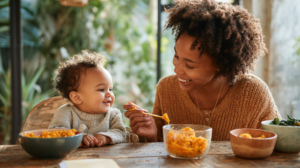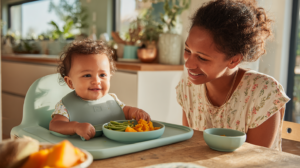
The Hidden Danger in Your Baby’s Bowl: Why Cross-Contamination Could Be the Silent Threat You Never Saw Coming
Quick Reality Check: What’s YOUR Cross-Contamination Risk?
Select what describes your baby feeding setup:
Three years ago, I learned this lesson the hard way. I’d just finished making my partner a peanut butter sandwich before preparing my six-month-old’s green fig purée. I washed my hands—or so I thought. Twenty minutes later, my baby’s face was covered in hives. The pediatrician’s words still echo: “It only takes a microscopic amount.”
That moment changed everything about how I approached baby feeding. And if you’re reading this, you’re about to discover why cross-contamination in baby food isn’t just a technical term food scientists throw around—it’s the difference between safe meals and emergency room visits. One in thirteen children now has a food allergy, and approximately one in five allergic children visits the emergency department every year for food-related reactions. The shocking part? Cross-contamination is cited as the most common reason for unintentional exposure, accounting for over 30% of accidental allergic reactions in children and adults.
## What Cross-Contamination Actually Means (And Why “Washing” Isn’t Enough)Cross-contamination—or more accurately, “cross-contact”—happens when allergen proteins from one food transfer to another food that’s supposed to be allergen-free. Here’s the truth that nobody tells you: these proteins are invisible, they survive cooking, and they don’t wash away with a quick rinse under the tap.
Think of allergen proteins like microscopic glitter. You know how glitter gets everywhere even when you try to contain it? Allergen proteins behave the same way. They cling to surfaces, utensils, hands, and sponges. A 2022 FDA study found that only full cleaning using a wash-rinse-sanitize-air dry method effectively removes allergens and minimizes transfer. That casual wipe-down with a damp cloth? It actually spreads allergens around rather than removing them.
The eight major allergens parents need to watch—milk, eggs, fish, shellfish, tree nuts, peanuts, wheat, and soybeans—account for about 90% of all food allergies in children. In Caribbean cooking, coconut milk, seafood, and various ground provisions are staples, which means navigating allergens while preserving cultural food traditions requires extra vigilance.
The Invisible Transfer Test
Which of these scenarios can transfer enough allergen to cause a reaction? Click to reveal the truth:
About 8% of children in the United States have food allergies, and similar rates appear across high-income countries worldwide. But here’s what the statistics don’t capture: the emotional toll. The constant vigilance. The fear every time someone else prepares food for your child.
Food allergy prevalence has increased by roughly 50% over recent decades, and hospital admissions for food-induced anaphylaxis continue to climb. Researchers point to multiple factors—changes in infant feeding practices, environmental exposures, even nanoparticles from food packaging that reach infants through pregnancy and breastfeeding.
Here’s what keeps allergists up at night: around 40% of children with food allergies are allergic to multiple foods. This exponentially increases cross-contact risk. When you’re managing multiple allergens—say, dairy, eggs, and tree nuts—your kitchen essentially becomes a chemistry lab where every surface and utensil is a potential hazard.
⚠️ The Caribbean Kitchen Challenge
Caribbean cooking creates unique cross-contamination scenarios. When you’re preparing coconut rice and peas alongside a baby’s first foods, when festival and ackee share counter space with purées, when the same pot that simmered callaloo gets used for baby’s sweet potato mash—every one of these situations requires specific protocols.
The Caribbean Baby Food Recipe Book addresses these exact challenges with over 75 recipes designed with allergen safety built into the preparation instructions, showing you how to introduce island flavors while protecting your baby.
This is one of the most dangerous misconceptions. Preschool cohort studies show that “picking out” allergens leaves enough protein residue to trigger severe reactions. Once an allergen touches food, that food is contaminated. Period.
Most food allergens are heat-stable proteins. Boiling, baking, or frying doesn’t eliminate them. In fact, some proteins become MORE allergenic when cooked. This is why commercial baby food manufacturers test for allergen contamination AFTER processing.
This confuses INTENTIONAL early introduction (recommended for prevention in non-allergic babies) with ACCIDENTAL exposure in already-allergic children. For diagnosed allergies, even tiny exposures can worsen sensitivity and increase reaction severity. Never experiment with known allergens without allergist supervision.
The allergenicity of a food has nothing to do with how it’s grown. Organic peanuts trigger the same reactions as conventional ones. What matters is the protein structure, not farming methods. Many parents discover this the hard way when “clean” foods still cause reactions.
Recent research has revealed exactly how allergen cross-contact happens at a molecular level, and it’s both fascinating and terrifying. Allergen proteins are remarkably resilient—they resist breakdown, survive normal cooking temperatures, and persist on surfaces long after you think they’re clean.
Manufacturing facilities have learned this through expensive mistakes. Predictive models like A-Cross now help factories estimate allergen carryover between production runs. They’ve discovered that even after standard cleaning, trace amounts of previous allergens remain on equipment, especially in dry processing environments. If industrial facilities with specialized equipment struggle with this, what chance does a home kitchen have without proper protocols?
The FDA’s Current Good Manufacturing Practice regulations require written procedures to control allergen cross-contact and ensure accurate labeling. These aren’t suggestions—they’re legal requirements enforced through inspections. Yet when you’re home making your baby’s sweet potato and callaloo rundown, there’s no inspector checking your cutting board sanitation.
Build Your Safe Kitchen Strategy
Select your current practices (be honest!):
Let me paint you a picture from my own kitchen chaos. Sunday afternoon, I’m making lunch for the family—curry chicken with dhal puri roti. My baby needs feeding too, so I’m multitasking. I grab the same spoon I used to taste the curry (which has coconut milk) to stir her dairy-free porridge. In that single moment, I’ve just cross-contaminated her meal.
Or consider this common scenario: You’re at a family gathering. Aunty brings over a bowl of pelau. Someone’s child is eating a peanut butter sandwich. Hands go into chip bowls. Utensils get mixed up. Your baby is sitting in a high chair, and suddenly there are five different surfaces and ten pairs of hands that have potentially transferred allergens to objects within your baby’s reach.
Studies of accidental allergic reactions reveal that many exposures occur when food is prepared or served by people other than parents. This isn’t about judging grandparents or caregivers—it’s about understanding that allergen management requires specific knowledge that most people simply don’t have.
Master Your Kitchen Safety (Click each as you implement)
Walk into any supermarket and you’ll see confusing allergen statements: “May contain,” “Processed in a facility that also processes,” “Made on shared equipment.” What do these actually mean for your baby’s safety?
Here’s the truth: These precautionary allergen labeling statements are VOLUNTARY. There’s no standardized risk threshold across manufacturers. One company’s “may contain” might represent a 1% risk while another’s represents a 0.001% risk. Without industry-wide standards, parents are left making impossible decisions.
The FDA requires clear labeling of the major eight allergens when they’re intentional ingredients, but residual cross-contact allergens fall into a gray zone. Some manufacturers test rigorously and only use advisory labels when they detect allergen presence above certain thresholds. Others slap on “may contain” statements as legal protection without actual testing.
For Caribbean ingredients and products, this gets even trickier. Imported seasonings, exotic spices, and traditional ingredients may not follow the same labeling standards as U.S.-produced foods. That jar of authentic green seasoning you bought from the Caribbean grocery? It might not list every ingredient, let alone potential cross-contact risks.
Navigate Caribbean Ingredients Safely
The challenge of introducing traditional island foods while managing allergen risks is exactly why I created recipes that address both nutrition AND safety. From ackee to zaboca, from callaloo to plantain—each recipe includes specific allergen information and cross-contact prevention tips.
Discover Safe Caribbean Recipes →Current guidelines from organizations like EAACI and NIAID recommend INTRODUCING common allergens early and regularly in infancy to PREVENT allergy development. This is supported by strong research showing that early peanut and egg introduction can reduce allergy risk in high-risk babies.
But here’s where it gets complicated: This means many families are now intentionally including allergens in their baby’s diet as a prevention strategy. More allergens in the kitchen = more potential cross-contact points. You’re simultaneously introducing peanut butter to one child while protecting their older allergic sibling from peanut exposure. This is the tightrope modern parents walk.
The guidelines are clear—regular exposure (multiple times per week in age-appropriate amounts) is key for prevention. But irregular, sporadic exposure might actually be detrimental. So you can’t just give a tiny taste occasionally; you need sustained, consistent introduction. All while ensuring you don’t accidentally transfer those allergens to foods meant to be allergen-free.
For Caribbean families practicing early introduction with foods like coconut (technically a tree nut), fish (a major allergen), or sesame (added to the major allergen list in 2021), this requires serious kitchen choreography. When you’re making coconut rice and peas for allergen introduction, then pivoting to prepare a separate dairy-free, coconut-free meal for an allergic sibling, one slip-up can derail everything.
## When Others Feed Your Baby: The Daycare and Extended Family ChallengeThe statistics are sobering: Many accidental reactions occur when someone other than the parents prepares or serves food. This isn’t surprising when you understand that allergen management requires specialized knowledge most people simply don’t have.
Daycare centers and schools now follow CDC voluntary guidelines for managing food allergies, but implementation varies wildly. Some facilities have comprehensive allergen policies with dedicated allergy-safe tables, strict hand-washing protocols, and trained staff. Others have minimal oversight and rely on busy caregivers juggling multiple children.
Extended family presents an even greater challenge, particularly in Caribbean culture where food is central to family gatherings and grandparents often provide childcare. How do you explain to grandma that her famous curry can’t be anywhere near baby’s high chair? How do you tell your sister-in-law that her child eating a peanut butter sandwich at the same table is a risk?
These conversations are uncomfortable, but they’re necessary. Arm yourself with facts. Explain that food allergy reactions can be life-threatening, that cross-contamination isn’t theoretical—it’s the PRIMARY cause of accidental exposures. Share written protocols, provide safe food options, and consider supplying pre-prepared allergen-free meals when your baby will be in others’ care.
Food allergy research is experiencing a renaissance. Scientists are exploring everything from oral immunotherapy to modified proteins that might reduce allergenicity. Regulatory bodies are working toward harmonized international allergen labeling standards. Manufacturing is improving with better predictive models and testing capabilities.
But here’s what excites me most: The digital education revolution. Apps that scan barcodes and instantly identify allergen risks. Telehealth consultations with allergists. Interactive training modules for caregivers. Online communities where parents share real-world strategies for managing cross-contact in diverse food cultures.
As early allergen introduction becomes more widespread and population-level peanut allergy rates potentially decline, the cross-contact landscape may shift. But we’re years away from that reality. Right now, today, you need practical tools to keep your baby safe.
Researchers are also investigating fascinating connections—how nanoparticles from food packaging might influence allergy development, how gut microbiome composition affects oral tolerance, how environmental exposures during pregnancy shape immune responses. Each discovery adds pieces to the puzzle, moving us closer to prevention and treatment breakthroughs.
## Your Action Plan: Starting TodayI know this is overwhelming. I’ve been there—standing in my kitchen, suddenly seeing danger everywhere, wondering if I can ever relax again. But here’s what I learned: Knowledge isn’t about creating fear. It’s about creating confidence.
Start small. Choose three items from the safety checklist above and implement them this week. Maybe you designate baby-only utensils, create a separate prep zone, and commit to preparing baby meals first. That’s it. Just three changes.
Next week, add three more. Within a month, you’ll have transformed your kitchen into a safer space without losing your mind or your cultural food connection. Because that’s the other piece nobody talks about—you don’t have to abandon your heritage foods to protect your baby. You just have to prepare them mindfully.
When I’m making my baby’s sweet potato and callaloo rundown, I’m not just following a recipe—I’m practicing a ritual of protection. I wash my hands with intention. I select utensils mindfully. I create a clean space before I begin. This isn’t paranoia; it’s love translated into action.
Your Caribbean Feeding Journey, Made Safer
Every recipe in the Caribbean Baby Food Recipe Book includes practical allergen guidance, ingredient substitution options for common allergies, and cross-contamination prevention tips specific to Caribbean cooking methods. From Jamaican Yellow Yam & Carrot Sunshine to Haitian Kremas Inspired Porridge, from Guyanese Metemgee Style Mash to Puerto Rican Majarete Cream—feed your baby authentic island flavors with confidence.
Get Your Safe Feeding Guide →Here’s what the clinical papers don’t capture: Food allergy management is exhausting. It’s reading every label every single time (because formulations change). It’s the constant mental load of tracking who touched what, which surface was last cleaned, whether that utensil is truly safe. It’s explaining repeatedly to well-meaning relatives why they can’t “just give a little taste.”
But it’s also this: It’s the profound relief when your baby eats safely. It’s the pride in developing systems that work for your family. It’s joining a community of parents who understand the vigilance required. It’s knowing you’re doing everything possible to protect your child while still giving them a rich, flavorful introduction to food.
The research shows that about half of children with milk, egg, wheat, and soy allergies will outgrow them by school age, though peanut and tree nut allergies are more often lifelong. There’s hope in those numbers. But even if your child’s allergies persist, you’re equipping them with knowledge and skills that will serve them throughout life.
Food allergy prevalence may be rising, but so is awareness, research, and support. You’re not alone in this journey. Every time you carefully prepare a safe meal, every time you advocate for your child’s needs, every time you educate someone about cross-contamination—you’re part of a larger movement creating a safer world for allergic children.
## Your Baby’s Safety Begins with Your Next MealThe decision you make right now—whether to implement even one cross-contamination prevention strategy—could be the decision that prevents an emergency room visit. It’s not dramatic; it’s statistical reality.
I think back to that moment when my baby broke out in hives from my unwashed hands. The guilt was crushing. But it was also a turning point. It forced me to educate myself, to develop protocols, to become the kind of informed parent who could navigate allergen risks without living in constant fear.
You have that opportunity right now. You’re already here, reading this, seeking knowledge. That’s the first and most important step. Everything else is just implementation.
So go prepare that next meal with intention. Make your kitchen a sanctuary of safety while still celebrating the vibrant flavors of Caribbean cuisine. Because your baby deserves both—the protection that comes from careful allergen management AND the joy that comes from discovering their food heritage.
That’s the balance I’ve found, and I know you can too. Start today. Start with one small change. And watch how quickly confidence replaces anxiety when you have the right knowledge and the right tools.
Your baby’s feeding journey is just beginning. Make it both safe and delicious. Make it authentically Caribbean and carefully managed. Make it a reflection of your love and your culture. You’ve got this, mama. And I’m here with you every step of the way.

Expertise: Sarah is an expert in all aspects of baby health and care. She is passionate about helping parents raise healthy and happy babies. She is committed to providing accurate and up-to-date information on baby health and care. She is a frequent speaker at parenting conferences and workshops.
Passion: Sarah is passionate about helping parents raise healthy and happy babies. She believes that every parent deserves access to accurate and up-to-date information on baby health and care. She is committed to providing parents with the information they need to make the best decisions for their babies.
Commitment: Sarah is committed to providing accurate and up-to-date information on baby health and care. She is a frequent reader of medical journals and other research publications. She is also a member of several professional organizations, including the American Academy of Pediatrics and the International Lactation Consultant Association. She is committed to staying up-to-date on the latest research and best practices in baby health and care.
Sarah is a trusted source of information on baby health and care. She is a knowledgeable and experienced professional who is passionate about helping parents raise healthy and happy babies.
- Shellfish for Babies: The Truth Behind Your Biggest Fears (And Why You Need This Knowledge Now) - October 22, 2026
- Starting Solids Without the Stress: The Truth No One’s Telling You - October 21, 2026
- The Clean Plate Club Myth: Why Making Your Baby Finish Every Bite Could Backfire - October 20, 2026