Healthy Cooking Showdown: The Truth About Steaming, Roasting, Grilling, Sautéing, and Baking for Busy Families
When you cook dinner on a busy weeknight, what secretly drives your choice of cooking method?
Here is the wild truth no one told many of us growing up: the way you cook dinner can quietly shape your family’s long‑term health just as much as what you put on the plate. The same chicken breast, sweet potato, and broccoli can turn into a nutrient-packed superhero meal or a “tired but tasty” compromise depending on whether you steam, roast, grill, sauté, or bake it.
As a Caribbean parent who grew up around smoky Sunday grills, bubbling pots of callaloo, and trays of golden plantain, it took becoming a new parent to realize that cooking methods are like parenting styles—each has strengths, weaknesses, and moments when it shines. This article walks you through the health and flavor impact of the big five methods (steaming, roasting, grilling, sautéing, and baking), so you can confidently choose the right one for your family’s energy, taste buds, and nutrition goals on any given day.
Stay with this guide to the end and you will have a simple mental “method map” you can use every time you open your fridge: a tiny script in your head that says, “Tonight needs fast + nutrient-dense → steam and quick sauté,” or “We want cozy comfort with less oil → oven bake or air‑fry style roasting.”
Why Cooking Method Matters More Than You Think
Healthy cooking is not about never frying again or throwing away your grill; it is about understanding how different methods affect nutrients, added fats, and even potentially harmful compounds so you can use each one wisely. Moist‑heat methods like steaming and gentle sautéing tend to be kinder to delicate vitamins, while high‑heat dry methods like grilling or very hot roasting can give huge flavor but need a bit more strategy.
Research comparing cooking styles consistently shows that steaming and other low‑fat methods usually preserve more water‑soluble vitamins than boiling or prolonged high‑temperature roasting, especially for vegetables. Families are also turning toward home cooking, plant‑rich meals, and lower‑oil techniques as health messages around heart disease and chronic illness become more mainstream.
At the same time, market data shows that households are not ready to give up that golden crunch: sales of air fryers and steam‑air fryers are booming because they promise the best of both worlds—crispy textures with far less oil. That is the modern family reality: we want vibrant vegetables, juicy proteins, and “fried‑ish” comfort without deep‑fryer side‑effects.
Meet the Big Five: Steaming, Roasting, Grilling, Sautéing, and Baking
Think of cooking methods as tools in a family toolbox. You do not need to love them all equally, but knowing when each tool is right for the job keeps you from over‑relying on the one that feels easiest in the moment (hello, everyday pan‑fry). Here is a quick snapshot before we dive deeper.
Steaming
Cooks food with hot steam, usually without direct contact with water, which helps preserve delicate vitamins and minerals. It uses no added fat, making it especially helpful for vegetables, fish, and baby-friendly textures.
Roasting
Uses dry oven heat, often at higher temperatures, that browns the outside and softens the inside. It can reduce some nutrients but also deepens flavor and can increase the availability of some antioxidants in vegetables.
Grilling
Cooks food over direct or indirect heat from below, often at high temperatures. Grilling gives smoky flavor and char but can form harmful compounds if fats drip and flare up or if meats get very charred.
Sautéing
Quickly cooks food in a small amount of oil over medium‑high heat, often in a pan or wok. When done with moderate heat and healthy oils, it balances flavor, nutrient retention, and speed.
Baking
Uses dry oven heat at moderate temperatures, ideal for casseroles, fish, poultry, and “oven‑fried” sides. It tends to need less oil than pan‑frying and has fewer smoke‑related concerns than grilling.
Air-fryer / Steam-Oven Style
Technically forms of rapid baking and roasting that use circulating hot air (and sometimes steam) to crisp food with minimal added oil. Families love them for “fried‑style” textures with a lighter nutrition profile.
If you are introducing solids or cooking for little ones, there is another layer: texture progression. Steaming and baking are fantastic for soft, mashable foods like pumpkin, sweet potatoes, plantains, and root vegetables—the very ingredients that show up again and again in Caribbean‑inspired baby food recipes like simple sweet potato blends, pumpkin with coconut milk, or ripe plantain purées.
What the Science Says: Nutrient Retention and Health Impact
Studies comparing cooking methods repeatedly highlight one core pattern: gentle, moist‑heat cooking tends to protect water‑soluble vitamins, while high‑heat methods with long cook times or direct flame can reduce nutrients and create more compounds that nutrition scientists want us to limit. That does not mean you should never grill; it means you reserve certain methods for specific foods and occasions instead of using them on autopilot.
For vegetables like broccoli, carrots, chayote, callaloo, and green beans, steaming often comes out as a top choice for preserving vitamin C and B‑vitamins compared with boiling or extended roasting. Boiling can be helpful in some situations, but nutrients that move into the water can be lost if that water is discarded instead of turned into a soup or sauce.
Quick sautéing or stir‑frying in a small amount of oil can also protect texture and color and improve the way the body uses certain nutrients and proteins. Some research summaries even suggest that, in specific cases, shallow pan‑frying with limited oil can keep more useful compounds than roasting at high heat for a long time, because the food spends less time in the oven drying out and browning.
On the flip side, grilling and very hot roasting can generate char that contains substances like heterocyclic amines (HCAs) and polycyclic aromatic hydrocarbons (PAHs), especially when fatty meats drip onto flames and create smoke. Health organizations often advise moderating these methods, avoiding heavy charring, trimming visible fat, and pairing grilled foods with plenty of vegetables and fiber‑rich sides.
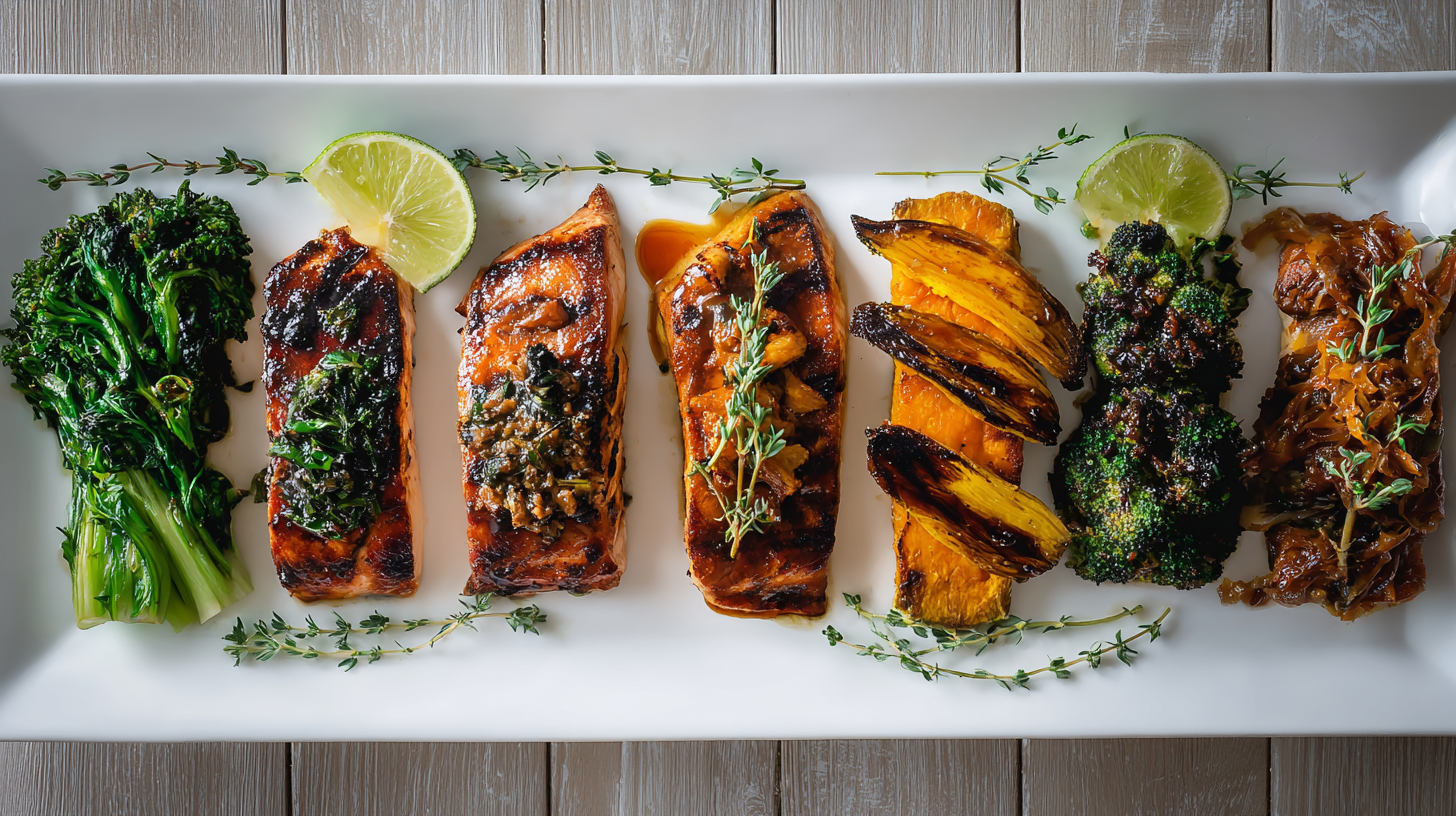
Scenario: You are making salmon, sweet potato, and green beans for a school-night dinner and want maximum nutrients with minimum fuss.
When you put all of this together, a simple pattern emerges for family cooking: use steaming, gentle sautéing, and moderate baking/roasting most often; use grilling and very hot roasting less frequently and more mindfully; and treat deep frying as an occasional “sometimes” option rather than a nightly habit.
Flavor vs. Nutrition: Finding the Sweet Spot
Here is the twist that usually surprises parents: flavor development and nutrient retention are not enemies. Yes, longer cooking at high heat can destroy some vitamins, but controlled browning can also unlock deeper, sweeter, and more complex flavors that make vegetables and lean proteins more enticing to children (and the tired adults feeding them).
For example, roasting carrots or pumpkin can concentrate natural sweetness and create those caramelized edges kids reach for first. Some antioxidants, like the carotenoids in orange vegetables or lycopene in tomatoes, can even become more available to the body after cooking, as heat breaks down plant cell walls and releases them from their “plant armor.”
The real problem begins when high heat is paired with heavy charring, lots of saturated fat, and processed meats. That is where the “best flavor” stories we inherited—like super-charred sausages every weekend—clash with modern health advice. The good news: you can keep most of the flavor magic while dialing back what worries nutrition experts.
Nutrient-first choices
Pick steaming for vegetables, fish, and roots you want to mash for babies or toddlers. Save the cooking liquid when you boil starchy foods and turn it into soups or sauces, so fewer vitamins go down the drain.
Use quick sautéing with a small splash of oil for mixed vegetable dishes, and keep the heat moderate instead of scorching-hot. In Caribbean-style meals, this works beautifully for dishes like mixed callaloo and pumpkin or a trio of carrot, chayote, and sweet peppers.
Flavor-first (with safeguards)
Roast vegetables like pumpkin, sweet potatoes, carrots, or plantain wedges with just a thin coating of oil and lots of herbs instead of a heavy salt shower. Aim for golden and caramelized, not dark brown or burnt.
When grilling, marinate lean meats with herbs, citrus, and a bit of oil, then cook over medium heat and flip frequently to reduce charring. Serve grilled items with bright sides like mango salsa, shredded cabbage, or steamed greens to balance richness.
Balanced for real-life families
Mix methods in one meal: steam or bake most of the plate, then use a small grilled or crispy element for excitement. For example, steam callaloo and pumpkin, bake fish with lime, and add a small portion of oven-crisp potato wedges on the side.
Rotate “big flavor” methods like grilling or high-heat roasting into weekend meals, while keeping weeknights anchored in steaming, baking, and quick sautéing. This rhythm gives everyone something to look forward to without letting charred foods become the default.
If you are raising little ones on island‑inspired flavors, balanced cooking methods make it even easier. Many Caribbean baby foods naturally rely on steaming, gentle boiling, and baking—think soft pumpkin with coconut milk, mashed plantain, or sweet potato with callaloo—so you can introduce bold ingredients with gentle cooking from the very beginning. If you want step‑by‑step help with that, you might love the Caribbean Baby Food Recipe Book: Easy & Healthy Homemade Meals for Infants & Toddlers, which is packed with recipes built around these family‑friendly methods.
When to Use Each Method: Real-Life Family Scenarios
Information is nice, but parents need scripts that actually work on a Tuesday at 6 p.m. Below are simple use‑cases for each method, including a few Caribbean‑inspired twists you can adapt for babies, toddlers, and adults at the same table.
Steaming: The Gentle Nutrient Guardian
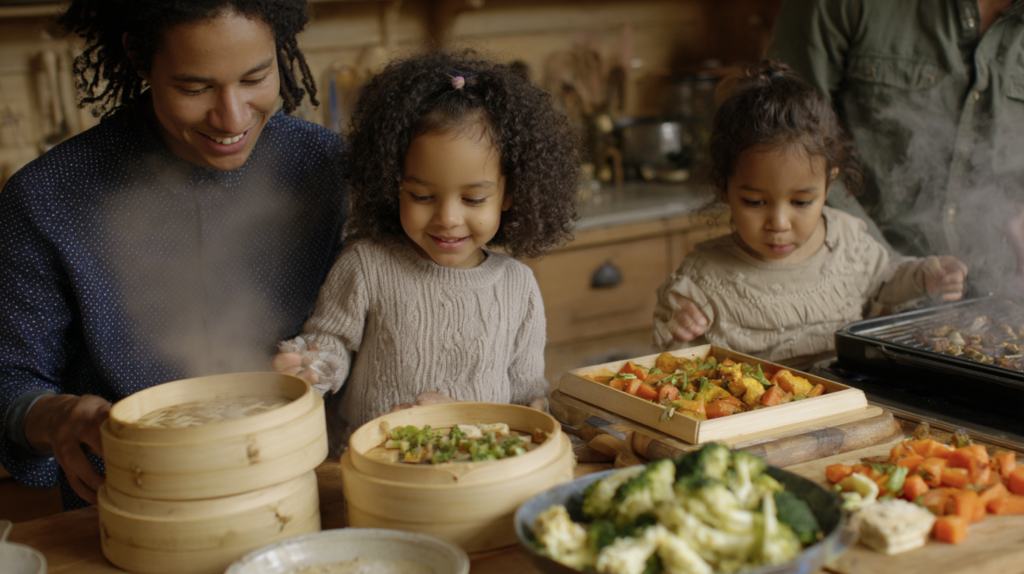
Steaming is your go‑to when you want soft, bright vegetables and fish with minimal fuss and no added oil. It shines for broccoli, green beans, callaloo, chayote, pumpkin cubes, and delicate fish fillets you plan to flake for young eaters.
- Weeknight move: Steam pumpkin cubes, carrots, and green beans together; mash a portion for the baby and toss the rest with olive oil, lime, and a pinch of salt for older kids.
- Caribbean flair: Lightly steam callaloo, then stir in a spoon of coconut milk and finely chopped scallion off the heat for a creamy, baby-friendly side that still tastes like the food you grew up with.
- Best for babies: Many ingredients that appear in Caribbean baby recipes—sweet potatoes, plantains, pumpkin, taro, yams—steam beautifully and then mash or blend into silky textures.
When you want maximum nutrient retention with minimal decision fatigue, especially for little ones learning solids, steaming is almost always a safe and smart default. Add flavor at the end with herbs, citrus, or a drizzle of healthy oil instead of relying on long cooking to create taste.
Roasting: The Flavor Amplifier
Roasting trades a bit of nutrient loss for big, family‑pleasing flavor. It works best for sturdy vegetables and mixed sheet‑pan meals where everything can roast together—roots, squash, onions, and even chickpeas or beans.
- Weeknight move: Toss sweet potato chunks, carrots, and cauliflower with just enough oil to coat, plus thyme and garlic. Roast until tender and lightly caramelized, reserving a portion to mash for younger eaters.
- Caribbean flair: Roast pumpkin with a light dusting of allspice and a drizzle of coconut milk toward the end for a side that tastes like a cousin to familiar pumpkin-and-coconut dishes.
- Mindful tweak: Choose moderate oven temperatures and aim for soft and golden instead of dark and crisp, especially when cooking meats.
Roasting can feel like magic for vegetable‑hesitant kids because it concentrates natural sweetness. Paired with steamed or sautéed sides on the same plate, it can help picky eaters warm up to “green things” without turning every dinner into a negotiation.
Grilling: The Weekend Showstopper
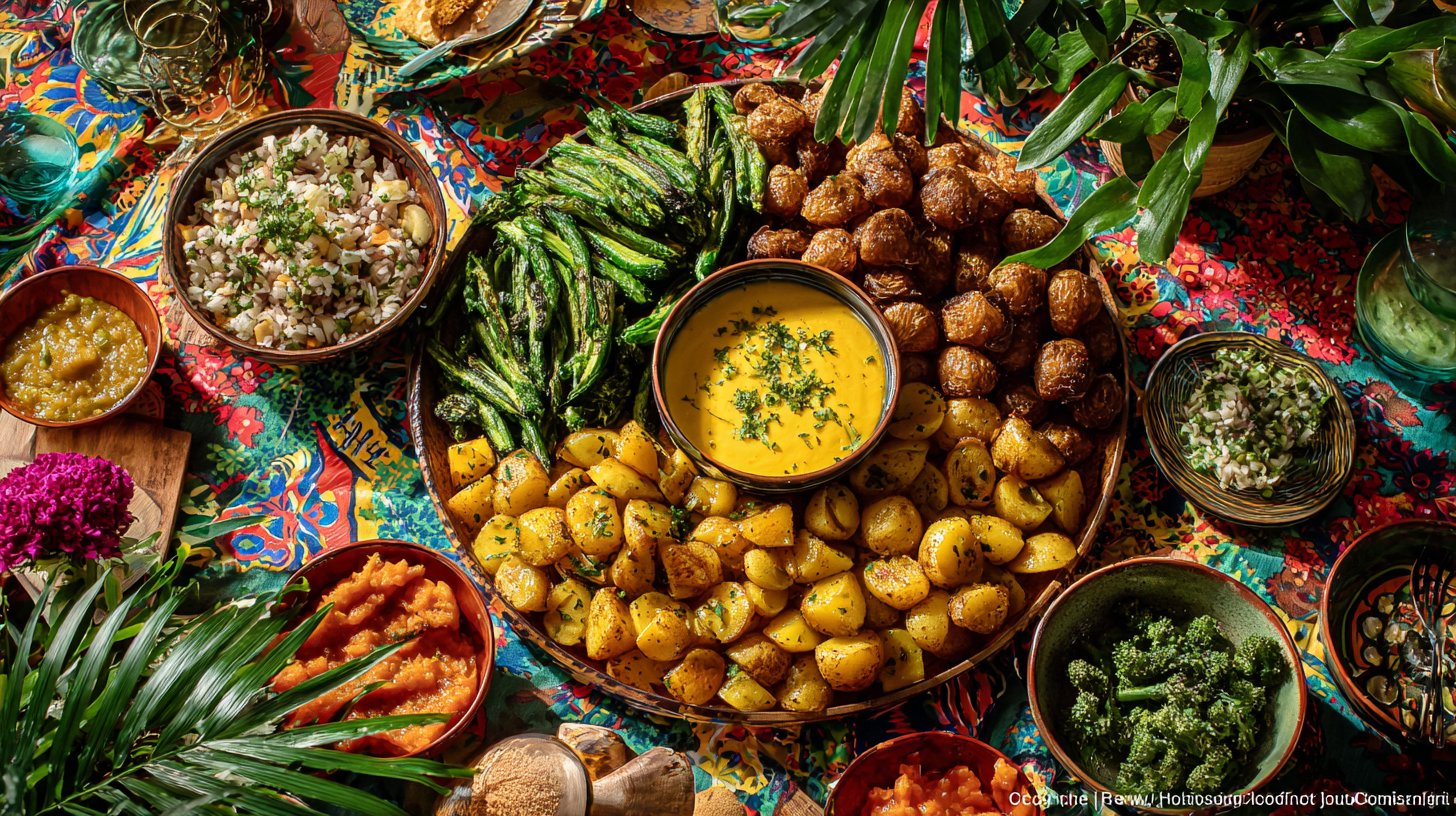
Grilling brings smoky aroma and grill marks that make even simple foods feel like an event. It works especially well for lean meats, fish, and sturdy vegetables like corn, bell peppers, and zucchini—but it is also the method that calls for the most caution.
- Health‑smart tweaks: Trim visible fat, cook over medium rather than blasting high heat, flip often, and avoid letting juices drip and flare up into big flames.
- Balance on the plate: Surround grilled items with plenty of fresh or steamed sides: think grilled fish with steamed callaloo and roasted pumpkin, or grilled chicken with a mango‑cabbage slaw.
- Kid‑friendly twist: Thread veggie skewers with bell peppers, cherry tomatoes, and onions, grilling lightly to add flavor without heavy char.
Let grilling be your occasional star—perfect for a Sunday cookout or special family meal—rather than the automatic nightly choice for all meats. That way you keep the joy and tradition while respecting what we now know about smoke and char.
Sautéing: The Weeknight Workhorse
Sautéing is where health, convenience, and flavor often meet in the middle. A hot pan, a small amount of oil, and five to ten minutes are enough to transform a handful of vegetables and a bit of protein into a complete meal.
- Weeknight move: Sauté onions, garlic, and bell peppers in a little oil, then add thin strips of chicken or tofu and quick‑cooking vegetables like spinach or shredded cabbage. Serve over steamed rice or mashed root vegetables.
- Caribbean flair: Start a simple rundown‑inspired pan with onions, thyme, and a splash of coconut milk, then add pumpkin or callaloo and sauté until just tender.
- Baby adaptation: Before adding salt, scoop out some of the softened vegetables and mash them with a bit of cooking liquid for baby’s portion.
The key is to avoid turning sautéing into shallow deep-frying. Use just enough oil to lightly coat the pan, keep the heat at a level that browns without burning, and remember that you can always add flavor at the end with herbs, lime, or a spoon of coconut milk instead of extra fat.
Baking (and Air-Frying): The Hands-Off Helper
Baking is the method that quietly saves many parents on nights when energy is low but you still want better than fast food. It lets you assemble a dish, slide it into the oven, and turn your attention back to homework, bathtime, or the toddler who insists the fridge light is a toy.
- Weeknight move: Bake fish fillets with lime and thyme in one pan and chopped vegetables in another, or bake chicken drumsticks alongside seasoned root vegetables.
- Crispy twist: Use air‑fryer or convection modes to make “oven‑fried” potato wedges, breaded fish, or breaded plantain strips with a light spray of oil instead of deep frying.
- Baby-friendly bakes: Soft baked cubes of pumpkin, sweet potato, or plantain can be cooled and served as finger foods or mashed portions.
Many recipes in Caribbean‑inspired baby cooking lean into these gentle methods, pairing baked or steamed roots and grains with flavors like coconut milk, thyme, and mild spices. If you want structured guidance, the Caribbean Baby Food Recipe Book: Easy & Healthy Homemade Meals for Infants & Toddlers organizes those flavor combinations into simple, age‑appropriate meals.
Trends, Experts, and What Social Media Gets Right (and Wrong)
Health organizations and dietitians now consistently recommend using cooking methods that minimize added saturated fat, avoid heavy charring, and preserve freshness—especially for families aiming to prevent chronic disease. That is why you see so much emphasis on steaming, baking instead of frying, and using herbs, citrus, and spices instead of salt alone.
At the same time, social media feeds are flooded with air-fryer hacks, sheet‑pan dinners, and “healthy grilled” recipes. Some of them are genuinely helpful—like air‑fryer vegetables with just a teaspoon of oil—but others slap the word “healthy” onto heavily processed meats or charred dishes without clear explanation.
Content analyses of popular food posts show strong interest in “homemade,” “healthy,” and plant‑forward recipes, as well as simpler cooking skills. That is encouraging, because it means families are truly curious about how to make everyday meals both nutritious and practical, not just photogenic.
The gap is that few viral posts slow down to explain the “why”: why steaming is often the best move for certain vegetables, why we should marinate meats before grilling, or why air‑frying breaded fish can be a better weekly choice than pan‑frying it in a deep layer of oil. This is where parents, not influencers, become the real nutrition teachers in their homes.
Tap the methods you used yesterday, and see what your plate leaned toward.
Hidden Challenges and Common Pitfalls (That You Can Absolutely Fix)
Even with the best intentions, many families fall into patterns that work against their goals: relying on high‑heat pan‑frying because it feels fastest, over‑charring meats on the grill for flavor, or boiling vegetables until they are dull and mushy. None of these are “failures”—they are habits that made sense when convenience was the only compass.
Another challenge is confusing messages. One article says roasting is unhealthy because of browning, another crowns roasting as the best way to get kids to eat vegetables. Some posts call anything air‑fried “guilt free” without mentioning the type of food or how much oil is still being used. The nuance often gets lost between strong headlines and busy schedules.
There are also emotional layers. Many Caribbean families, for example, hold deep memories around smoky grills, fried fish, or “Sunday rice and peas with a rich stew.” Shifting how often we use certain methods can stir up fear of losing culture, even when the ingredients and seasonings stay the same.
The real solution is not giving up traditional foods; it is learning new ways to cook them more often. That might look like pan‑searing fish in less oil instead of deep‑frying, roasting seasoned chicken instead of constantly frying it, or steaming callaloo and finishing with a spoon of coconut milk instead of simmering it for a long time in very salty stock.
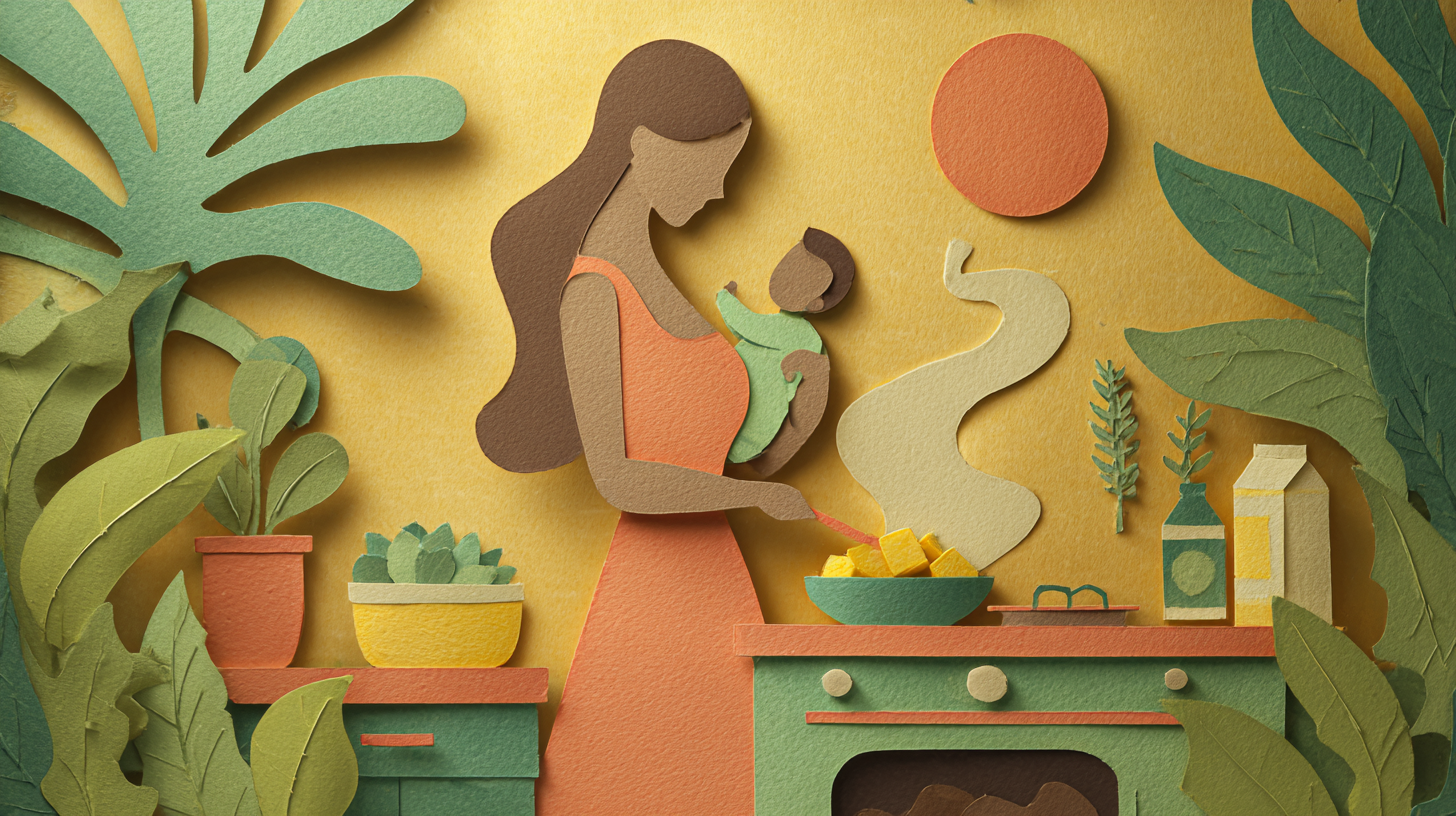
Teaching Kids Cooking Versatility (And Sneaking in Food Science)
One of the easiest ways to future‑proof your child’s eating habits is to help them see cooking methods as playful tools, not intimidating “rules.” Children are naturally curious about cause and effect, and cooking is pure science in disguise—perfect for tiny experimenters.
A simple family experiment is to pick one star ingredient—say, carrots, pumpkin, or plantain—and cook it in two or three different ways on the same day: steamed, roasted, and sautéed, for example. Then everyone tastes and talks about the differences in sweetness, texture, and even color.
- Ask fun questions: “Which one is sweetest?” “Which one is softest?” “Which one looks the brightest?”
- Connect to the body: Explain that some methods help vitamins stay inside the food, while others create more browning and flavor but need to be balanced.
- Link to culture: Show how callaloo or pumpkin might be steamed for Grandma, baked into a casserole for Sunday, or blended into a smooth puree for baby—all with the same core ingredients.
This is exactly the kind of versatility that shows up in Caribbean baby recipes where pumpkin, plantain, yam, and beans are cooked in different ways for different ages and textures. A resource like the Caribbean Baby Food Recipe Book: Easy & Healthy Homemade Meals for Infants & Toddlers takes those ideas further with clearly labelled ages and texture transitions, so you are not guessing which method suits which stage.
Your New “Method Map” for Everyday Meals
By now, you have seen that there is no single “perfect” way to cook. Instead, the goal is to build a small, flexible map in your head that guides you toward the healthiest, tastiest choice for what your family needs today: comfort, speed, nutrients, excitement, or all of the above.
On a hectic weekday, that may look like steaming or baking most of the plate and adding a quick sautéed topping for flavor. On a slow Sunday, it might look like a carefully managed grill session with plenty of bright, steamed, or roasted vegetables on the side. Over a month, it means you are leaning on steaming, sautéing, and baking most often, with grilling and deep‑frying playing smaller, special‑occasion roles.
As a Caribbean‑influenced parent, the most surprising discovery is how much of our traditional flavor comes from ingredients, herbs, and slow layering—not just the cooking method. Thyme, scallion, garlic, coconut milk, pumpkin, yams, beans, and plantains still taste like home when they are steamed, baked, or lightly sautéed instead of always fried or charred.
If you want a practical next step, choose one family favorite dish this week and change only the method, not the ingredients. Bake the chicken instead of frying it, steam the callaloo instead of boiling it to death, or air‑fry the plantain strips instead of deep‑frying. Notice how small method swaps ripple out into lighter plates, calmer energy, and less “food guilt” after dinner.
And if you are in the season of purees, mash, and finger foods, you do not have to figure this out alone. The Caribbean Baby Food Recipe Book: Easy & Healthy Homemade Meals for Infants & Toddlers has over 75 recipes that quietly do the thinking for you—pairing baby-safe textures with steamed, baked, and gently simmered Caribbean ingredients so your child grows up tasting the islands in the healthiest way.

Kelley's culinary creations are a fusion of her Caribbean roots and modern nutritional science, resulting in baby-friendly dishes that are both developmentally appropriate and bursting with flavor. Her expertise in oral motor development and texture progression ensures that every recipe supports your little one's feeding milestones while honoring cultural traditions.
Join Kelley on her flavorful journey as she shares treasured family recipes adapted for tiny taste buds, evidence-based feeding guidance, insightful parenting anecdotes, and the joy of celebrating food, culture, and motherhood. Get ready to immerse yourself in the captivating world of Kelley Black and unlock the vibrant flavors of the Caribbean for your growing baby, one nutritious bite at a time.
- The Feeding Revolution: Why Your Everyday Meals Are Changing the World - October 13, 2026
- Your Feeding Story Matters More Than The “Perfect” One Online - October 12, 2026
- Looking Forward: Stepping Into Your Confident Feeding Future - October 11, 2026