Cultural Feeding Practices: How Your Baby’s First Bites Shape Their Identity
Every sip of coconut porridge, every tiny spoonful of mashed plantain, every family meal your baby watches from the high chair is quietly voting on who they become. Not just their future taste buds—but their sense of home, story, and self.
As a Caribbean parent raising kids in a global, hyper-digital world, it is easy to feel pulled in every direction: one side says “perfect baby plates from social media,” another says “follow the guidelines exactly,” and your grandmother’s voice is in your head saying, “Just give the child some proper food.” Somewhere in the middle is your baby, absorbing everything without saying a word yet.
This article dives deep into what the research is quietly screaming: food in the first years of life is one of the most powerful tools you have to build your child’s cultural identity, emotional security, and long-term health. You will see the stats, hear the expert perspectives, and walk away with practical, Caribbean-flavored ways to use everyday meals to say to your child, “This is who we are—and you belong here.”
And yes, along the way there are some uncomfortable truths: globally, most young children are not getting the quality of food—or the cultural grounding—they deserve. But the good news is that small, consistent actions in your kitchen and at your table can flip that script, starting as early as today.
What Cultural Feeding Practices Really Are (And Why They Start Before the First Spoon)
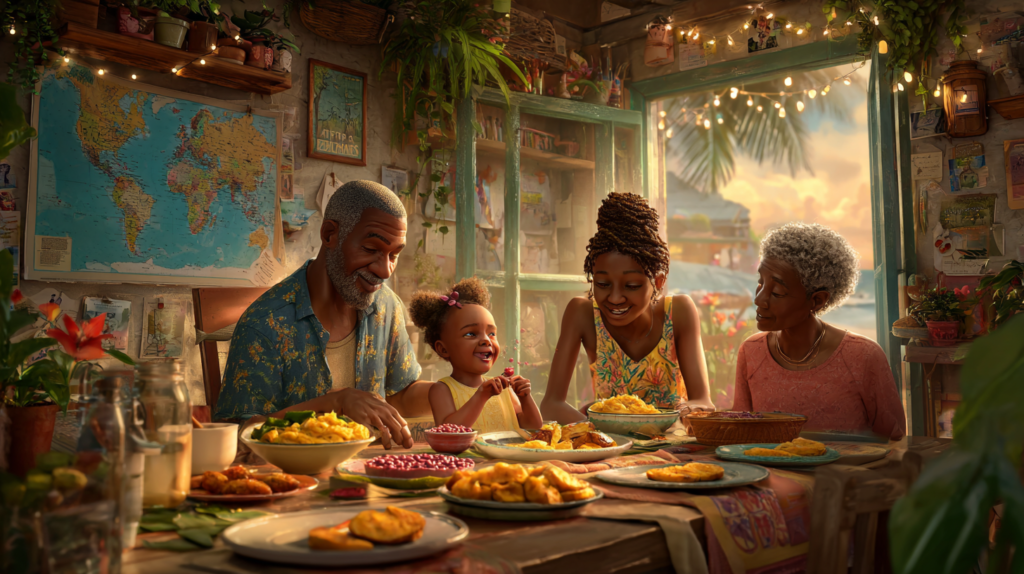
Cultural feeding practices are the routines, rules, and little rituals your family uses around food—what you serve, how you serve it, who eats together, and what those meals actually mean in your home. They show up in big ways, like Sunday rice and peas with everyone squeezed around the table, and in tiny moments, like the way a grandparent tastes the porridge first and then smiles before giving it to the baby.
From a research point of view, culture shapes almost every part of feeding: whether families expect breastfeeding or formula; when solids are started; whether babies are spoon-fed or share finger foods; which textures are considered “safe”; and what “a healthy baby” should look like. In many communities, plumpness is seen as evidence of good parenting, while in others, the focus is more on appetite or energy. These beliefs guide day‑to‑day decisions long before any app or guideline gets a say.
Historically, feeding was tied to survival and community. Recipes were passed down orally, linked to the land, seasons, and religious or spiritual beliefs. In Caribbean households, for example, stories about cassava, plantain, callaloo, or millet carry the memory of enslaved and Indigenous peoples who stretched simple ingredients into nourishing meals. As migration, colonization, and economic change rolled in, families layered new foods and practices on top of old ones—like canned milk alongside breastfeeding, or packaged cereal alongside homemade porridge.
Today, global recommendations promote ideas like “responsive feeding” (following baby’s hunger and fullness cues, avoiding pressure, and eating together), but these often reflect Western norms such as small nuclear families, quiet tables, and specific schedules. Many Caribbean and diaspora households are multigenerational, lively, and busy. Mealtimes might include music, conversation, phones, and multiple caregivers. This is not “wrong”—it is just a different starting point that deserves to be respected and intentionally shaped rather than erased.
What the Numbers Say About How Babies Are Really Eating
Let’s zoom out before we zoom back into your kitchen. When researchers look globally at what children aged 6–23 months are eating, the picture is sobering: in recent large analyses, fewer than one in three young children meet the basic standard for dietary diversity across food groups, and only a small fraction meet all quality indicators combined. In plain language, most babies and toddlers are not getting enough variety, even before we talk about culture.
When newer “report card” approaches score healthy eating among children in countries like Australia, Singapore, Hong Kong, and the United States, results are not much better. Fewer than half of children hit healthy eating targets, and only a small percentage eat from all five major food groups in a typical day. That means the default, even in higher‑income settings, is not what most parents imagine—they see full plates, but the diversity and balance are missing.
Urban studies in places like China show a similar tension. Many infants and toddlers are eating often enough, but still fall short on balanced, diverse meals. Rapid urbanization, caregivers working long hours, and cheap convenience foods squeeze out time‑intensive traditional dishes. For Caribbean families abroad, this can look like plantain and pumpkin slowly being replaced by nuggets, fries, and sugary snacks, even though the family still talks lovingly about the “real food” back home.
Add in oral health and growth, and the story becomes even clearer. Research consistently links certain feeding patterns—like bottles in bed, frequent sweet drinks, and constant snacking—to higher risks of early childhood tooth decay and later obesity. At the same time, healthier patterns (breastfeeding where possible, timely introduction of solids, reasonable structure at meals) are associated with better body‑mass outcomes. Culture can either reinforce the protective patterns or accidentally normalize the risky ones.
Tap the statements that feel true for your home right now. You will get a personalized nudge based on how rooted your baby’s food culture is today.
If your score felt lower than you expected, that is not a verdict—it is a wake‑up call. Globally, the data show that parents are swimming upstream against busy schedules, processed foods, and confusing advice. The goal is not perfection, but small shifts: more diversity, more participation in family meals, and more space for your cultural staples to appear on that tiny plate.
Shocking Truths: What Experts See Behind the High Chair
Nutritionists and pediatricians agree on many basics: breastmilk or formula as the primary milk in the first year, solids from around six months when baby is ready, and a focus on iron‑rich and varied foods. Where things get interesting—and honestly, a bit uncomfortable—is how often well‑meaning advice ignores the realities of culture, class, and daily life.
For instance, some communities receive strong messaging that traditional first foods are “backward” compared with imported baby cereal. Yet when researchers speak to parents and caregivers in Indigenous and lower‑income communities, they hear rich, careful logic behind practices: families think about satiety, warmth, digestion, and spiritual meaning, not just nutrient labels. When interventions dismiss those logics, caregivers understandably tune out—even if the nutrient science is solid.
Another surprising insight is how tightly feeding is tied to emotional life. Ethnographic studies of baby mealtimes show caregivers using exaggerated “mmm” sounds, facial expressions, and shared laughter to teach babies that eating together is pleasurable and safe. This is not fluff; it is part of how babies learn to enjoy food rather than fight with it. When a parent is stressed, rushed, or stuck between conflicting advice, that sense of joyful connection can quietly vanish.
Experts in global health are also calling out an uncomfortable pattern: many international guidelines assume a quiet table, stable schedules, and abundant access to fresh food. Caribbean and diaspora families may be juggling shift work, shared housing, and limited access to cultural ingredients. When a leaflet simply says, “Offer a variety of fresh fruits, vegetables, and lean proteins daily,” without acknowledging cost or availability, the message can feel out of touch.
The biggest expert shift in recent years is a move toward co‑creating feeding guidance with communities instead of prescribing from above. That looks like partnering with local cooks, elders, and parents to adapt recommendations into traditional dishes, using available ingredients and respecting flavor profiles children actually encounter at home.
When you put all of this together, a pattern emerges: your instincts to include family dishes, gather everyone at the table, and enjoy food together are backed by research. The “shocking” part is how often parents are told to put those instincts aside in favor of one‑size‑fits‑all regimes that feel nothing like home.
From Global Data to Your Kitchen: Turning Research into Caribbean‑Rooted Meals
Numbers and expert quotes are useful, but they only matter if they change what you cook tonight. The beautiful thing about Caribbean food culture is that it is already rich in ingredients that nutritionists love: pumpkin (calabaza), sweet potato (batata), plantain, beans and peas, callaloo, millet, taro (dasheen, malanga), corn, and more. These ingredients show up across islands and Latin Caribbean regions in countless baby‑friendly forms.
Think about dishes like a silky pumpkin and coconut mash, mashed ripe plantain with a touch of cinnamon, pureed callaloo with sweet potato, or soft rice and peas blitzed into a smoother texture. These are not just “nice” ideas—they check serious boxes for fiber, vitamins, and energy while wrapping your baby in the smells and tastes of home. When research teams describe the benefits of diverse, plant‑forward complementary feeding, this is exactly the kind of plate they have in mind.
Here is the twist: in the rush of modern life, it is often easier to grab a pouch labeled “tropical blend” than to steam and mash real pumpkin and plantain yourself. That is where having a practical roadmap makes a big difference. A well‑designed collection like the Caribbean Baby Food Recipe Book: Easy & Healthy Homemade Meals for Infants & Toddlers turns those traditional ingredients into step‑by‑step baby recipes, removing the guesswork on texture, timing, and spice.
If you peek inside an index like the one from that book, you will find a tour of the region in baby‑friendly form: Amerindian‑style farine cereal, Trini baigan choka smoothed for little mouths, Cuban geera pumpkin puree, Haitian millet porridge, Dominican corn puddings, Jamaican sweet potato rundown, and more. Each dish takes the global guidance—offer iron‑rich foods, rotate vegetables, introduce spices gradually—and weaves it into the flavors your child will recognize at family gatherings.
Tap one item from each row—base, flavor, and “soul ingredient”—to generate a simple, culturally rooted baby meal idea for 6+ months (always adjust texture and spice for your child’s age).
You can use combinations like this to plan an entire week: one night focusing on pumpkin and coconut, another on sweet potato and callaloo, another on red peas and rice. Over time, your child is not only getting variety but building a mental “playlist” of Caribbean flavors that feels as familiar as a favorite lullaby.
Social Media vs Family Wisdom: Who’s Really Weaning Your Baby?
There is a new player at your table: social media. On one side, it can be inspiring to scroll through perfectly plated baby‑led weaning trays, creative finger foods, and quick recipe reels. On the other side, those feeds often centre Western ingredients, aesthetics, and portion sizes that barely resemble what your family actually eats.
Some parents now joke about “social‑media‑led weaning”—where the algorithm decides what the baby eats more than the family’s traditions. That is not entirely a joke. When parents feel pressure to make every plate Instagram‑worthy, they may start sidelining dishes like callaloo, stewed peas, or farine cereal in favor of neat rows of avocado toast and blueberries, even if those foods are less affordable or less satisfying for the household.
The research lens adds another layer: constant exposure to performative, picture‑perfect meals can increase parental stress and guilt. Instead of tuning into baby’s cues and family rhythms, parents tune into likes and comments. Mealtimes become a bit of a stage performance instead of a grounded, cultural ritual. The baby may still get fed, but the emotional “flavor” of the meal shifts.
A much healthier pattern is using social media as a tool, not a boss. Save ideas that genuinely work with your ingredients, budget, and culture—and ignore the rest. If your baby can gnaw on soft strips of roasted plantain or pumpkin, those count as baby‑led weaning just as much as imported snacks. And when you share your own simple plates of Caribbean baby food, you push back against the myth that there is only one “right” way for baby meals to look.
Real Challenges Parents Face (And How to Gently Push Through Them)
Feeding a baby in 2025 is not just about what is “healthy.” It means navigating food prices, time pressure, cultural expectations, and conflicting advice. Caribbean families, whether on the islands or in the diaspora, often stand at the crossroads of multiple food cultures—hospital pamphlets on one side, elders’ wisdom on another, and social media in the middle.
One common challenge is the clash between older beliefs and newer recommendations. You might hear an aunt insist that a baby must be on “real food” at three months, while your pediatrician is telling you to wait closer to six months. Or a grandparent might push for sweetened teas or porridge “to help them sleep,” even as you read about tooth decay and excess sugar. Saying no to people you love is emotionally heavy, no matter how many articles you have read.
Another challenge is the “nutrition transition”—traditional staples being replaced by ultra‑processed options. Instead of boiled yam and fish, families might rely more on processed meats, sugary drinks, and snacks because they are quick, heavily marketed, and sometimes cheaper upfront. That shift chips away at both health and identity: the food story becomes global and generic rather than local and rooted.
For immigrant parents, there is an extra layer of worry about whether children will be teased for their “smelly” or “weird” food at school. Some parents soften their culture in the lunchbox to protect their children socially. While that is completely understandable, it also means children may miss out on the pride that comes from bringing their whole selves—including their food—to the table.
Overcoming these barriers rarely happens in one big leap. It looks more like picking one habit at a time: maybe it is batch‑cooking a pot of sweet potato and callaloo puree on Sundays, choosing water over juice in the sippy cup, or kindly telling your mother, “I love that you want to help—can we try this updated version of your recipe together?”
Having structured recipes designed specifically for Caribbean babies can be a lifesaver here. A resource like the Caribbean Baby Food Recipe Book: Easy & Healthy Homemade Meals for Infants & Toddlers takes beloved dishes like cook‑up rice, callaloo, plantain mash, and millet porridge, and spells out the baby‑safe textures, ages, and spice adjustments. Instead of debating theory, you can simply follow a clear, culturally grounded plan.
Future You Will Thank Present You: How Early Feeding Echoes Through Childhood
Researchers are increasingly tracking children from infancy into adolescence to see how early feeding patterns shape later life. They are finding threads that Caribbean parents have long suspected: children who are supported to explore a variety of flavors, eat with family, and listen to their own hunger cues are more likely to have a balanced relationship with food later on.
That does not just show up on the scale or in the dentist’s chair. It shows up in how children talk about their bodies, how they handle peer pressure around junk food, and even in their mental health. When food is used as punishment (“no dinner if you misbehave”) or bribery (“finish this and I will give you sweets”), children can start to tie eating to shame or reward rather than nourishment and connection. When food is treated as a shared joy and a piece of cultural heritage, it becomes a source of grounding rather than stress.
Imagine your child at 15, opening the fridge. Will they default to whatever packaged snack is closest, or have a memory bank full of simple, satisfying dishes that remind them of home? Those memories begin now, in this season of mashed pumpkin, dribbled callaloo, and rice stuck to tiny fingers.
Caribbean‑Inspired Action Steps You Can Start This Week
Theory is nice, but your baby still needs dinner in a few hours. Here are concrete ways to translate everything you have just read into action—no perfection required.
- Pick one “heritage ingredient” of the week. Maybe it is batata, plantain, callaloo, or red peas. Build two or three baby meals around it in different forms (puree, mash, soft finger pieces). You will boost both nutrition and familiarity.
- Anchor one family meal per day. Even if baby eats beforehand, sit them at the table in a high chair, offer a safe taste of the family dish, and narrate what everyone is eating. This simple habit aligns with research linking family meals to healthier patterns later.
- Start a “food story” ritual. Once a week, tell a one‑minute story while feeding—about how your grandmother cooked callaloo, how plantain grew in your backyard, or how your parents stretched a pot of peas to feed everyone. You are feeding your baby’s identity as much as their body.
- Update one traditional recipe. Choose a beloved dish and make a baby edition: less salt, no added sugar, appropriate texture. Over time, you can build a mini library of family‑favorite baby recipes that sit alongside your everyday adult version.
If you want that process to feel easier, not heavier, leaning on a curated resource helps. A guide like the Caribbean Baby Food Recipe Book: Easy & Healthy Homemade Meals for Infants & Toddlers essentially hands you plug‑and‑play menus featuring ingredients such as pumpkin, callaloo, plantain, millet, and red peas—each tested in baby‑friendly ways so you can skip the trial‑and‑error phase.
Each time you tap a button below, you will “level up” your baby’s cultural food legacy score and see how close you are to a rich, rooted food story.
Bringing It All Home: Your Baby, Your Culture, Your Call
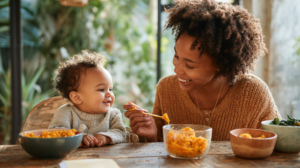
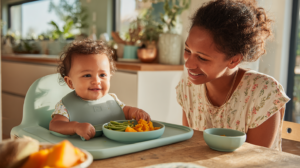
One evening not long ago, a little one in my family sat in a high chair, staring suspiciously at a spoonful of bright orange mash. The adults held their breath. After a slow first lick, those tiny eyes lit up, and a deep “mmmm” rippled around the table. That spoon held more than pumpkin and coconut—it held grandparents’ stories, island sunshine, and the quiet message: “You belong to us, and this is part of who you are.”
Research can talk about dietary diversity, responsive feeding, and acculturation, but at the heart of it all is this: your baby’s first bites are writing a story. A story about whether their food is something to rush through or savor, whether their culture is something to hide or celebrate, and whether they feel safely rooted even when the world around them shifts. You do not need a perfect schedule, expensive gadgets, or elaborate plates to write a beautiful story—just consistent, culturally honest meals made with care.
If you are ready to make that story a little easier to live out, especially on busy weekdays, consider keeping a tool beside your stove that thinks with you. The Caribbean Baby Food Recipe Book: Easy & Healthy Homemade Meals for Infants & Toddlers is more than a collection of recipes—it is a bridge between global nutrition guidance and the flavors that built you. Every time you ladle out a baby‑safe serving of callaloo, sweet potato, or plantain from its pages, you are feeding your child’s body, yes—but you are also feeding their roots.
Years from now, when your teen casually says, “Nobody’s pumpkin and coconut mash hits like the one from home,” you will know that these early choices mattered. Culture is not just taught in classrooms or on holidays; it is simmered, mashed, and shared—one small, messy, beautiful baby spoonful at a time.

Expertise: Sarah is an expert in all aspects of baby health and care. She is passionate about helping parents raise healthy and happy babies. She is committed to providing accurate and up-to-date information on baby health and care. She is a frequent speaker at parenting conferences and workshops.
Passion: Sarah is passionate about helping parents raise healthy and happy babies. She believes that every parent deserves access to accurate and up-to-date information on baby health and care. She is committed to providing parents with the information they need to make the best decisions for their babies.
Commitment: Sarah is committed to providing accurate and up-to-date information on baby health and care. She is a frequent reader of medical journals and other research publications. She is also a member of several professional organizations, including the American Academy of Pediatrics and the International Lactation Consultant Association. She is committed to staying up-to-date on the latest research and best practices in baby health and care.
Sarah is a trusted source of information on baby health and care. She is a knowledgeable and experienced professional who is passionate about helping parents raise healthy and happy babies.
- Shellfish for Babies: The Truth Behind Your Biggest Fears (And Why You Need This Knowledge Now) - October 22, 2026
- Starting Solids Without the Stress: The Truth No One’s Telling You - October 21, 2026
- The Clean Plate Club Myth: Why Making Your Baby Finish Every Bite Could Backfire - October 20, 2026