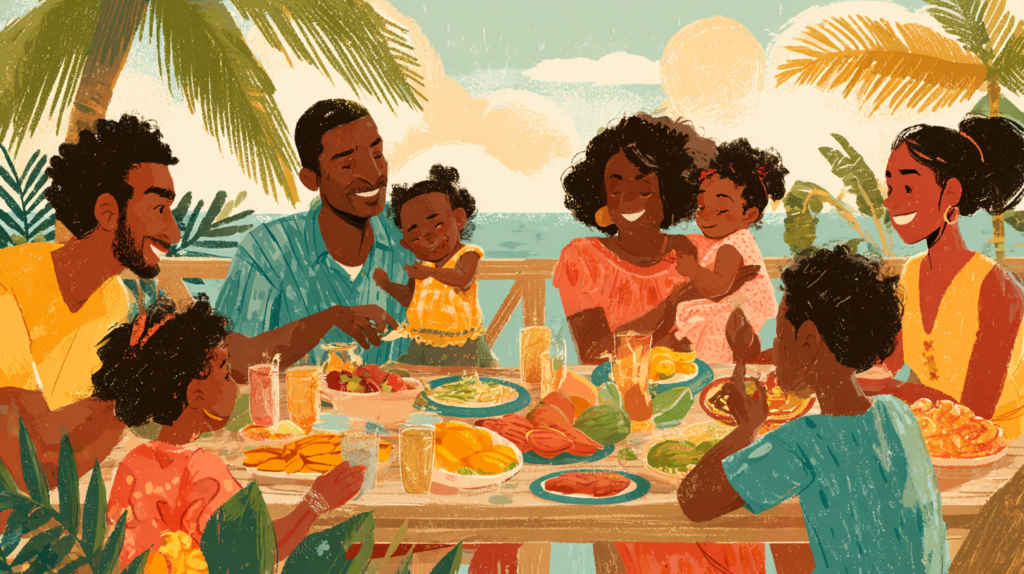
Building Healthy Eating Habits That Last: The Long Game
Twenty years from now, when your child sits down to dinner with their own family, what patterns will they carry forward? Click the moments below that you hope become their food memories:
Beautiful choices!
Every one of these memories starts with the decisions you make today. Research shows that feeding patterns established before age 6 powerfully predict lifelong eating behaviors. The good news? You’re building these foundations right now, one meal at a time. Let’s explore how to make them stick.
Here’s something nobody tells you when you’re spooning that first bite of sweet potato into your baby’s mouth: you’re not just feeding them lunch. You’re programming their relationship with food for the next seventy years.
That’s not meant to add pressure—though I know it might feel that way. But after diving deep into the latest research on childhood eating patterns, talking with pediatric nutritionists, and watching my own nephew go from refusing anything green to asking for “more broccoli trees,” I’ve realized something profound: the feeding decisions we make in these early years don’t just affect whether our kids eat vegetables today. They shape how our children will feed themselves, their stress levels around food, and even how they’ll nourish their own families decades from now.
Only 49% of children ages 1-5 ate vegetables daily in recent years, while over half drank sugary beverages weekly. But here’s what the statistics don’t capture: behind every one of those numbers is a family sitting at a table, navigating the same challenges you are. The difference between kids who develop lasting healthy habits and those who don’t isn’t about perfect parents or exceptional children. It’s about understanding a few key principles that most of us were never taught.
The Truth About Long-Term Eating Patterns
When researchers track children from infancy through adulthood, something remarkable emerges: the patterns established by age six are stunningly predictive of adult eating behaviors. Children who learn to drink water with meals, who end eating when satisfied rather than when plates are empty, who see vegetables as normal parts of meals—these patterns persist into their thirties, forties, and beyond.
But here’s where it gets interesting. The habits that stick aren’t the ones we force. They’re the ones woven into daily life so naturally that kids don’t realize they’re learning them. Think about how your child learned to talk—not through drilling or pressure, but through constant, patient exposure in a low-stress environment. Eating works the same way.
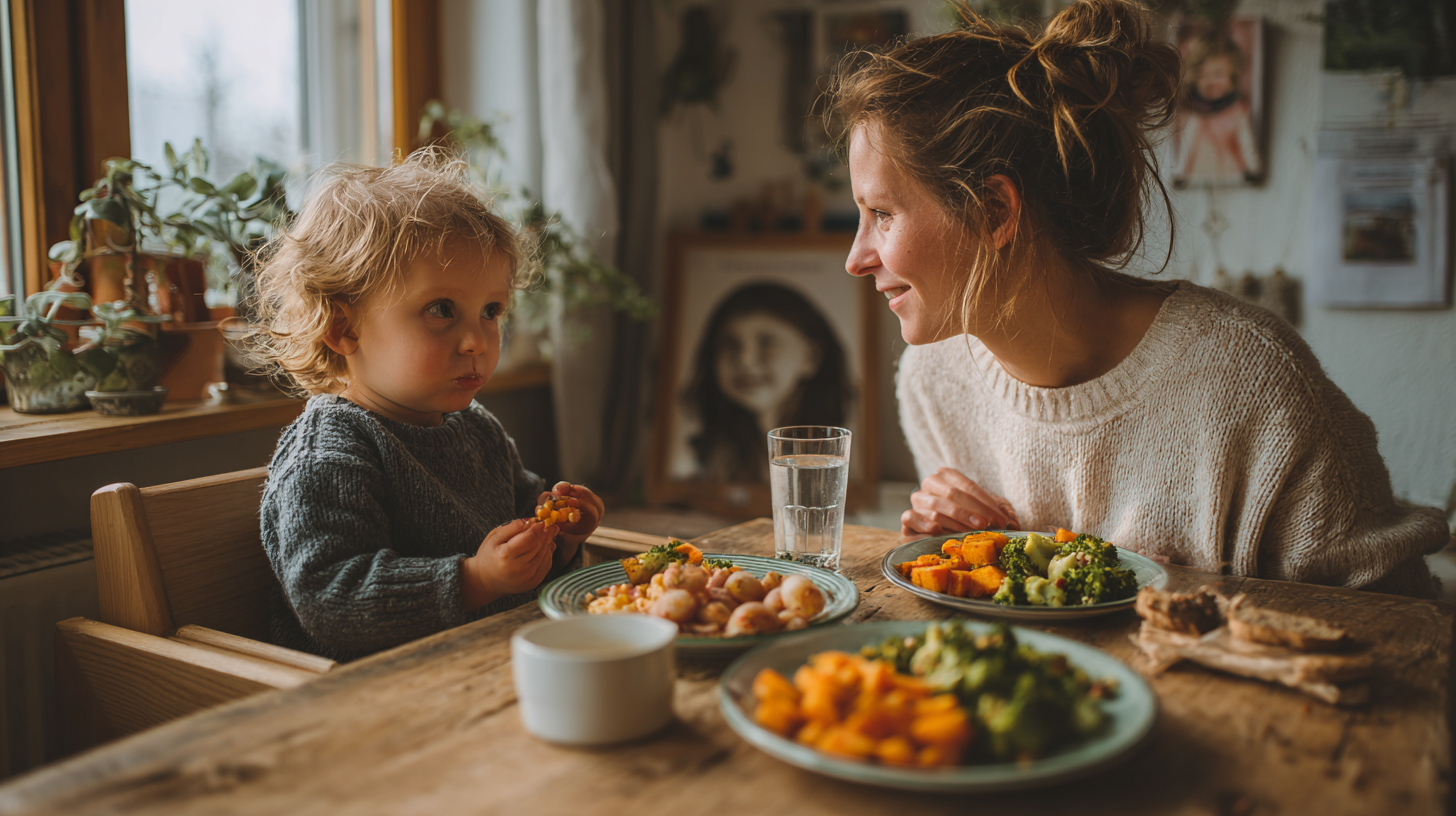
Recent studies on infant feeding practices reveal that exclusive breastfeeding for six months, followed by gradual introduction of varied complementary foods, correlates with improved neurodevelopment and lower obesity risk throughout childhood. But it’s not just about what foods you introduce—it’s about how you introduce them.
The World Health Organization and leading pediatric organizations emphasize responsive feeding: paying attention to your child’s hunger and fullness cues rather than following rigid schedules or portion expectations. When a six-month-old turns their head away from the spoon, they’re not being difficult. They’re practicing the exact skill they’ll need at sixteen, twenty-six, and sixty to maintain a healthy weight—the ability to recognize satiety.
Which of these foundation habits are you already establishing? (Click each one you practice)
The Common Pitfalls That Sabotage Success
Last month, my sister called me in tears. “He won’t eat anything except chicken nuggets and crackers. I’m failing him.” Her son is three. She’s not failing him—she’s fallen into one of the most common traps in early feeding, one that research shows actually makes picky eating worse: pressure.
Pressuring children to eat—whether through forcing bites, the “clean plate club,” food rewards, or even excessive praise for eating—disrupts their natural self-regulation. A comprehensive study tracking toddlers found that pressure feeding correlated with increased picky eating and slower growth. The more parents pushed, the more children resisted. The relationship between parent pressure and child eating problems is one of the most consistently documented findings in pediatric feeding research.
But pressure isn’t always obvious. It hides in statements that feel helpful: “Just try one bite.” “You can’t leave the table until you finish your vegetables.” “If you eat your broccoli, you can have dessert.” Each of these seemingly innocent phrases teaches children to ignore their internal cues and eat based on external rules or rewards.
How often do these scenarios happen in your home? (Select the frequency that feels most honest)
Making different meals when child refuses dinner:
Using dessert as a reward for eating vegetables:
Another major pitfall: becoming a short-order cook. When children know that refusing dinner means a preferred alternative will appear, they have zero motivation to try new foods. Research on feeding interventions consistently shows that the most successful families offer one meal for everyone, with at least one or two foods the child usually accepts. The child decides whether and how much to eat from what’s offered. This approach, rooted in Ellyn Satter’s Division of Responsibility, respects both parent authority and child autonomy.
The restriction trap is equally damaging. Parents who heavily restrict “unhealthy” foods often inadvertently make those foods more appealing. Children with highly restrictive parents show increased consumption of forbidden foods when given access, along with difficulty recognizing fullness cues. Balance matters more than perfection.
And let’s talk about the comparison trap—watching other kids eat perfectly while yours subsists on what seems like air and stubbornness. Every child’s appetite and growth pattern is unique. Some are naturally adventurous eaters; others need twenty exposures before they’ll try a new food. Comparing your child to others creates anxiety that children absolutely pick up on, making mealtimes tense instead of exploratory.
The Pressure-Free Revolution in Feeding
So if pressure doesn’t work, what does? The answer is beautifully simple and remarkably challenging: trust.
The pressure-free approach centers on division of responsibility. You control what foods are offered, when meals happen, and where eating occurs. Your child controls whether they eat and how much. This framework, developed by registered dietitian Ellyn Satter and supported by decades of research, removes the power struggle from mealtimes entirely.
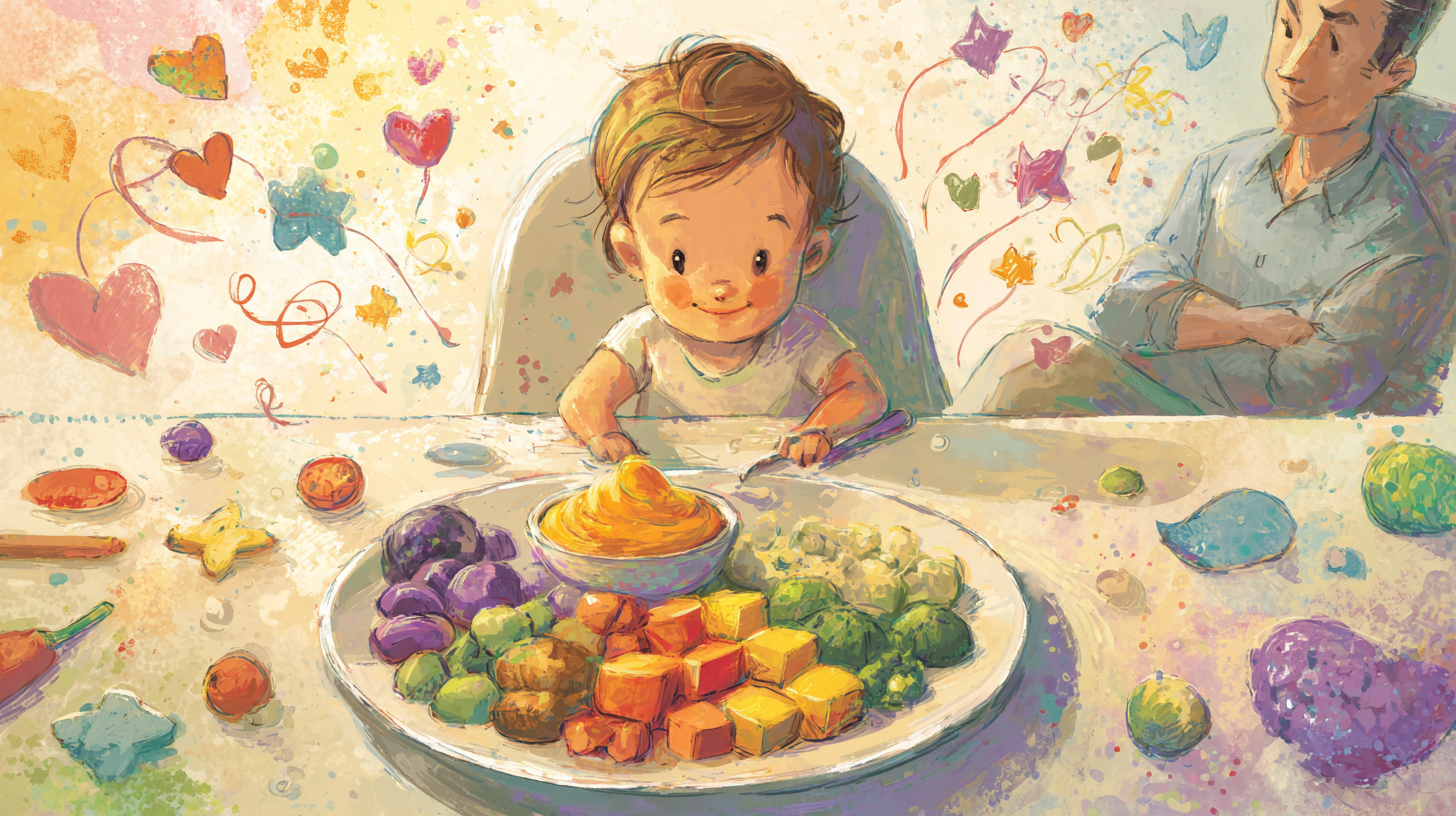
One study on pressure-free feeding approaches found that when parents stopped pressuring, children actually improved their self-regulation and willingness to try new foods. The no-pressure approach doesn’t mean no structure—in fact, it requires more thoughtful planning than the pressure approach. It means offering nutritious options regularly without emotional investment in whether they’re accepted.
Here’s what this looks like practically: You serve dinner—let’s say grilled chicken, roasted sweet potato, steamed green beans, and whole grain bread. Your toddler eats only the bread and sweet potato. Instead of coaxing, bargaining, or despairing, you continue your own meal peacefully. Tomorrow, you’ll offer vegetables again. And the next day. And the day after that.
This approach requires profound patience. It means accepting that some meals, your child will eat very little. It means trusting that over the course of a week, not a single meal, children will get the nutrition they need if healthy options are consistently available. It means believing that your job is to provide opportunities to eat well, not to control the consumption.
The pressure-free philosophy extends to positive pressure too. Excessive praise for eating (“Good job eating your broccoli!”) teaches children to eat for external approval rather than internal cues. Instead, keep food neutral: “I see you tried the carrots” works better than “I’m so proud you ate vegetables!”
Repeated exposure is key—but without pressure. Children may need to see a food 10-15 times before they’ll try it, and many more times before they like it. Just having the food on the table, seeing parents enjoy it, and being invited (but never forced) to try it plants seeds of future acceptance. One long-term feeding study found that frequent gentle exposure without pressure increased acceptance rates dramatically more than any form of coercion.
On a scale from high-pressure to fully pressure-free, where are your current mealtimes?
Modeling: The Silent Teacher
Children are relentless observers. They watch everything you do, especially around food. Your relationship with food becomes their blueprint.
If you skip breakfast, comment negatively about your body, label foods as “bad” or “good,” eat standing up while distracted, or restrict your own intake, your child absorbs these patterns. Research on parenting styles and dietary behaviors shows that children with parents who model balanced eating and positive food attitudes develop healthier patterns themselves.
The authoritative parenting style—high warmth combined with clear boundaries—produces the best outcomes for childhood eating. This means eating together regularly, demonstrating enjoyment of nutritious foods, and maintaining structure around meals without rigidity or control.
Here’s a personal example: When I started eating more mindfully, actually sitting down for meals instead of eating over the sink, my nephew started asking to “sit at the big table” instead of his usual spot in front of the TV. Children notice everything. They want to be like us. We can leverage that natural tendency by making our own food relationship one worth imitating.
The modeling extends to adventurous eating. When children see adults trying new foods, expressing curiosity rather than disgust, and handling dislike gracefully (“This isn’t my favorite, but I’m glad I tried it”), they learn that food exploration is safe and normal. When introducing Caribbean-inspired flavors—whether it’s the coconut-rich recipes in the Caribbean Baby Food Recipe Book with dishes like Sweet Potato & Callaloo Rundown or Calabaza con Coco—your own enthusiasm becomes their permission to explore.
Family meals matter enormously. Research consistently shows that children who eat with family more frequently consume more fruits, vegetables, and whole grains, and fewer sugary drinks and fried foods. It’s not just about the food on the table—it’s about the conversation, the unhurried pace, the modeling of social eating norms. Even 15 minutes together counts.
Your child is watching. What messages are your eating habits sending?
When you eat, you usually:
When trying new foods:
Your language about food is:
The Social Media Influence We Can’t Ignore
Let’s address the elephant scrolling through Instagram during dinner prep: social media.
A 2025 study found that parenting style and social media use directly impact children’s dietary behaviors. Social media can promote nutrition awareness and connect parents with helpful resources. But it also exposes families to unhealthy food marketing, unrealistic body ideals, and dangerous nutrition fads.
Children as young as two years old are influenced by food advertising, particularly for ultra-processed foods high in sugar, salt, and unhealthy fats. And when parents spend meals on devices instead of engaging, children mirror that distraction, eating mindlessly rather than responsively.
The solution isn’t abandoning social media—it’s curating it intentionally. Follow accounts that promote balanced, pressure-free feeding. Unfollow those that make you feel inadequate or promote restrictive approaches. Use social media as a tool for education and inspiration, not comparison or validation.
And establish device-free mealtimes. When phones are away, conversations happen. Eye contact occurs. You notice when your child is full or when they’ve discovered they actually like carrots after all. These micro-moments of connection matter more than any perfectly plated Instagram meal.

Building Flavor Foundations That Last
One of the most overlooked aspects of long-term healthy eating is developing a diverse flavor palate early. When children experience varied tastes, textures, and cuisines before age two, they’re significantly more likely to accept diverse foods throughout life.
This is where cultural foods become powerful tools. Introducing babies to the bold, complex flavors of Caribbean cuisine—coconut milk, plantains, mild spices, root vegetables—expands their acceptance far beyond bland purees. When your eight-month-old enjoys Cornmeal Porridge Dreams with cinnamon and nutmeg, they’re learning that food can be flavorful, comforting, and nutritious all at once.
The Caribbean Baby Food Recipe Book offers over 75 recipes specifically designed to introduce these authentic island flavors to babies 6+ months. Recipes like Yellow Yam & Carrot Sunshine, Stewed Peas Comfort, and Plantain Paradise provide nutrient-dense foundations while building adventurous palates. When children grow up eating foods with depth and character, they’re less likely to default to bland processed options later.
Recent evidence-based recommendations for promoting healthy eating behaviors emphasize early and repeated exposure to diverse flavors within a responsive feeding framework. The period between 6 and 24 months is a critical window for flavor learning. What you offer now shapes preferences for decades.
This doesn’t mean making separate “baby food”—it means adapting family meals to baby-appropriate textures while maintaining the flavors your family enjoys. When your toddler eats what you eat (adjusted for safety and texture), they learn that family food is their food. This seamless transition prevents the common pitfall of children eating separate “kid food” that they then struggle to move beyond.
The Role of Routine and Structure
While pressure-free doesn’t mean permissive, it does require structure. Children thrive on predictability, and eating is no exception.
Establishing regular meal and snack times—typically three meals and two to three snacks daily for toddlers—creates natural hunger and fullness rhythms. When children graze constantly, they never experience true hunger or the satisfaction of a full meal. They also don’t learn the skill of waiting, tolerating mild discomfort, and then experiencing relief through eating—all components of healthy self-regulation.
A fascinating 2025 study on infant routines found that everyday patterns in early infancy—including regular sleep, feeding schedules, and outdoor time—may shape later obesity risk. Babies with more consistent routines showed healthier weight trajectories. The structure itself seems protective, possibly because it supports biological rhythm regulation and reduces stress for both parent and child.
Structure also means eating in designated places. When snacks happen in the car, stroller, and in front of screens, children never learn to associate eating with sitting, focusing, and enjoying food. Designating a specific eating location—even if it’s just a particular chair—creates mental associations that support mindful eating throughout life.
And structure includes what happens after a refused meal. In pressure-free feeding, if a child chooses not to eat dinner, the kitchen closes until the next scheduled meal or snack. No alternative meals appear. This isn’t punishment—it’s natural consequences. Children learn that meals are opportunities, and hunger will return at the next eating time. This approach builds both trust and responsibility.
When to Worry and When to Trust
Every parent worries about whether their child is eating enough. It’s primal. But most feeding concerns—especially picky eating between ages two and five—are normal developmental phases.
Growth spurts and appetite vary wildly. Some weeks, toddlers eat like teenagers. Other weeks, they seem to live on air. But when you track intake over a week rather than a meal, most children consume adequate nutrition when healthy options are consistently available.
Red flags that warrant professional consultation include: significant weight loss or failure to gain weight over time, extreme restriction of food categories (eating fewer than 20 different foods), gagging or vomiting regularly, prolonged mealtimes lasting over 30 minutes, severe anxiety around food, or nutrition-related health issues like iron deficiency anemia.
For typical picky eating—even the frustrating kind where broccoli was loved yesterday and rejected today—trust the process. Continue offering variety without pressure. Maintain structure. Model adventurous eating. Most children naturally expand their preferences when pressure is removed and exposure continues.
If concerns persist, consult your pediatrician or a pediatric dietitian who specializes in feeding. Sometimes underlying issues like sensory processing challenges, oral motor delays, or undiagnosed food allergies contribute to extreme selectivity. Professional guidance can differentiate normal variation from situations needing intervention.
Based on current research, the patterns you establish now predict your adult child’s relationship with food. What future are you building?
If you continue building pressure-free, structured, modeled healthy eating:
They’ll likely: Trust their hunger and fullness cues naturally • Enjoy a wide variety of foods without moral judgment • Handle occasional indulgences without guilt or bingeing • Pass these patterns to their own children • Have significantly lower risk of disordered eating, obesity, and diet-related chronic disease
The science is clear: Authoritative feeding (structure + autonomy) produces adults with the healthiest eating patterns and most positive body image. Every pressure-free meal you offer today is an investment in your child’s lifelong well-being.
Practical Steps to Start Today
If you’re feeling overwhelmed, start small. Lasting change happens through consistent small actions, not overnight overhauls.
This week, choose one: Establish one device-free family meal daily, even if it’s just breakfast. Let your child serve themselves (with your help) to practice portion awareness. Add one vegetable to a meal without any expectation that it’s eaten. Stop commenting on how much or what your child eats. Sit and eat the same foods as your child at least once daily.
This month, add: Create a regular meal and snack schedule and stick to it for two weeks to establish rhythm. Plan one “adventure meal” weekly where the family tries a new food together—perhaps recipes from diverse culinary traditions like Coconut Rice & Red Peas or Plantain Paradise that expose children to rich, varied flavors. Remove all food rewards and focus on non-food praise and connection instead. Practice neutral language about food—eliminate “good,” “bad,” “junk,” and “healthy” labels around your child.
This year, commit to: Regular family meals at least five times weekly. Modeling adventurous eating yourself—try one new food monthly. Maintaining pressure-free offerings even when your child refuses foods repeatedly. Building a diverse recipe rotation that includes nutrient-dense foods with authentic flavors. Seeking support from feeding professionals if struggles persist beyond typical picky eating.
Remember, you don’t need to implement everything perfectly. Progress matters more than perfection. Every meal without pressure is success. Every family dinner is connection. Every new food offered (regardless of acceptance) is exposure. You’re playing the long game, and that game is won through consistency, not intensity.
The Caribbean Kitchen Advantage
There’s particular wisdom in looking to traditional foodways when building healthy eating foundations. Caribbean cuisine, rooted in whole foods, bold spices, and communal eating, offers nutritional and cultural richness perfectly suited to early feeding.
Root vegetables like sweet potatoes, yams, and malanga provide complex carbohydrates and fiber. Beans and peas offer plant-based protein and iron. Coconut milk delivers healthy fats crucial for brain development. Plantains supply resistant starch that supports gut health. These ingredients aren’t trendy superfoods—they’re time-tested staples that have nourished generations.
The Caribbean Baby Food Recipe Book makes these nutritional powerhouses accessible with 75+ age-appropriate recipes. From first purees like Papaya & Banana Sunshine for 6-month-olds to more complex dishes like Karhee Curry Blend for toddlers 12+ months, the book provides a roadmap for introducing authentic flavors while meeting developmental needs.
What makes Caribbean-inspired feeding particularly valuable for building lasting habits is the inherent diversity. When your child’s early food experiences include the aromatic spices of Jamaican cuisine, the coconut-rich traditions of Trinidad, the root vegetable foundations of Guyanese cooking, and the complex flavors of Dominican meals, their palate develops broad acceptance. They learn that “normal” food includes tremendous variety—a perspective that protects against the narrow preferences that plague many Western children.
And there’s something deeper: feeding children the foods of your heritage connects them to identity, family history, and cultural pride. When mealtimes carry meaning beyond nutrition—when a bowl of cornmeal porridge links them to their grandmother’s kitchen or when plantains connect them to island roots—food becomes about belonging, not just body fuel. That emotional richness supports positive food relationships in ways that sterile “healthy eating” rules never could.
Your Long-Game Mindset
Building healthy eating habits that last requires shifting from short-term thinking to long-term vision. The meal in front of you today matters less than the pattern you’re establishing over months and years.
This means releasing the need for immediate results. Your toddler won’t try green beans today after fifteen exposures? That’s okay—keep offering them. The research says acceptance often comes after twenty or more exposures. You’re not failing; you’re midway through the process.
It means trusting developmental timing. Children between two and five naturally prefer familiar foods and resist novelty—it’s evolutionary protection against poisoning. Fighting this stage creates trauma around food. Working with it, by continuing gentle exposure without pressure, allows children to move through it naturally.
It means prioritizing the relationship over the meal. When mealtimes become battlegrounds, you might win the broccoli battle but lose your child’s trust and joy around food. When mealtimes are peaceful, connected, and pressure-free, even if vegetables are refused, you’re building the foundation that ultimately matters most: your child’s sense that food is safe, mealtimes are pleasant, and their body can be trusted.
It means accepting imperfection. Some meals will be chaotic. Sometimes you’ll slip into pressure. Occasionally, chicken nuggets will be dinner. These moments don’t define the pattern—your typical approach does. Give yourself the same grace you’re learning to give your child.
And it means celebrating small wins: the day your child touches a new food without eating it, the meal where everyone sat together for ten whole minutes, the moment your toddler said “all done” and you respected it without pushing for one more bite. These are victories in the long game.
The Gift You’re Really Giving
When you commit to building healthy eating habits through pressure-free, structured, modeled approaches, you’re giving your child something far more valuable than a taste for vegetables. You’re giving them food peace.
You’re teaching them to trust their body’s signals—to eat when hungry, stop when full, and not override these cues for emotional or external reasons. You’re showing them that all foods can fit in a balanced life without moral judgment. You’re demonstrating that trying new things is safe and that preferences are allowed to evolve. You’re creating memories of mealtimes as connection rather than conflict.
These gifts compound over time. The child who trusts their hunger becomes the teenager who doesn’t skip meals to change their body. The toddler offered diverse foods without pressure becomes the adult who enjoys varied cuisines. The preschooler who sees parents eating mindfully becomes the grown-up who doesn’t turn to food for every emotional need.
Research on the long-term impacts of early feeding confirms these connections. Children raised with authoritative feeding—high warmth, clear structure, respect for autonomy—show healthier eating patterns, better self-regulation, more positive body image, and lower rates of disordered eating and obesity in adolescence and adulthood. The patterns you’re establishing now predict not just what your child eats at seven or seventeen, but how they feel about food and their body for life.
And perhaps most beautifully, these patterns transfer generationally. When you break cycles of pressure, restriction, and food anxiety in your own parenting, you change not only your child’s relationship with food but potentially your grandchildren’s and great-grandchildren’s. You become the generation that chose a different path—one rooted in trust, patience, and respect.
The Journey Continues
Every day you sit down with your child, you’re writing their food story. Some chapters will feel like victories—the day they ask for seconds of something green, the peaceful family dinner where everyone lingered at the table, the moment they tried a new food just because you were eating it.
Other chapters will feel like defeats—the week they ate nothing but toast and bananas, the meal where frustration got the better of you and pressure slipped back in, the dinner party where their refusal to eat anything embarrassed you in front of others.
But here’s what I want you to remember: this is a story told over years, not meals. The plot isn’t determined by a single chapter, and the ending isn’t written by a bad day or even a hard month. What matters is the overall arc—the consistent return to pressure-free offering, structured mealtimes, modeled eating, and trust in your child’s ability to learn.
You don’t have to be perfect. You just have to be consistent enough, patient enough, and trusting enough. The research, the experts, and the lived experience of families who’ve walked this path all point to the same truth: when you release the pressure and commit to the long game, children learn to eat well and feel good about food.
So tonight, when you place that plate in front of your child—whether it’s your family’s treasured stew recipe, an adventurous new flavor combination, or simple grilled chicken and rice—take a breath. Release the outcome. Your job is the offering. Their job is the eating. And together, meal by meal, pattern by pattern, you’re building something that will nourish them far beyond this single dinner.
You’re building healthy eating habits that last. Not just for this week or this year, but for their whole beautiful life ahead. And that’s worth every patient, pressure-free meal you serve.

Kelley's culinary creations are a fusion of her Caribbean roots and modern nutritional science, resulting in baby-friendly dishes that are both developmentally appropriate and bursting with flavor. Her expertise in oral motor development and texture progression ensures that every recipe supports your little one's feeding milestones while honoring cultural traditions.
Join Kelley on her flavorful journey as she shares treasured family recipes adapted for tiny taste buds, evidence-based feeding guidance, insightful parenting anecdotes, and the joy of celebrating food, culture, and motherhood. Get ready to immerse yourself in the captivating world of Kelley Black and unlock the vibrant flavors of the Caribbean for your growing baby, one nutritious bite at a time.