
Beyond the Scale: Redefining What Feeding Success Really Means
Before we dive deep, let’s get real about where your mind goes most often when you think about your child’s nutrition. Choose honestly—no judgment, just insight.
Ten years from now, when your child sits at a table—maybe in a college cafeteria, maybe in their own kitchen—what will matter most? The number on a scale they saw as a toddler? Or the confidence they feel choosing nourishing foods, listening to their body’s signals, and savoring meals without shame or anxiety?
If you’ve ever held your breath at a pediatric weigh-in, refreshed growth chart apps obsessively, or felt your stomach drop when the percentile line dipped or spiked, you’re far from alone. For generations, parents—especially in cultures where food is love, celebration, and survival—have been conditioned to measure feeding success through a single, narrow lens: weight gain and growth velocity. But modern research, supported by decades of child development science and emerging clinical consensus, tells a strikingly different story. The真正 markers of thriving—curiosity about food, emotional resilience, self-regulation, and joyful family connection—rarely show up on a growth chart.
This isn’t a theoretical debate. Between 2023 and 2025, pediatric feeding consultations have shifted dramatically. Studies now show that 37% of feeding-related visits center on behavioral struggles, mealtime stress, and food acceptance challenges—not weight concerns. Meanwhile, longitudinal research reveals that children whose parents emphasize responsive, pressure-free feeding develop healthier dietary patterns, stronger emotional regulation, and better long-term health outcomes than children whose families fixate on the scale.
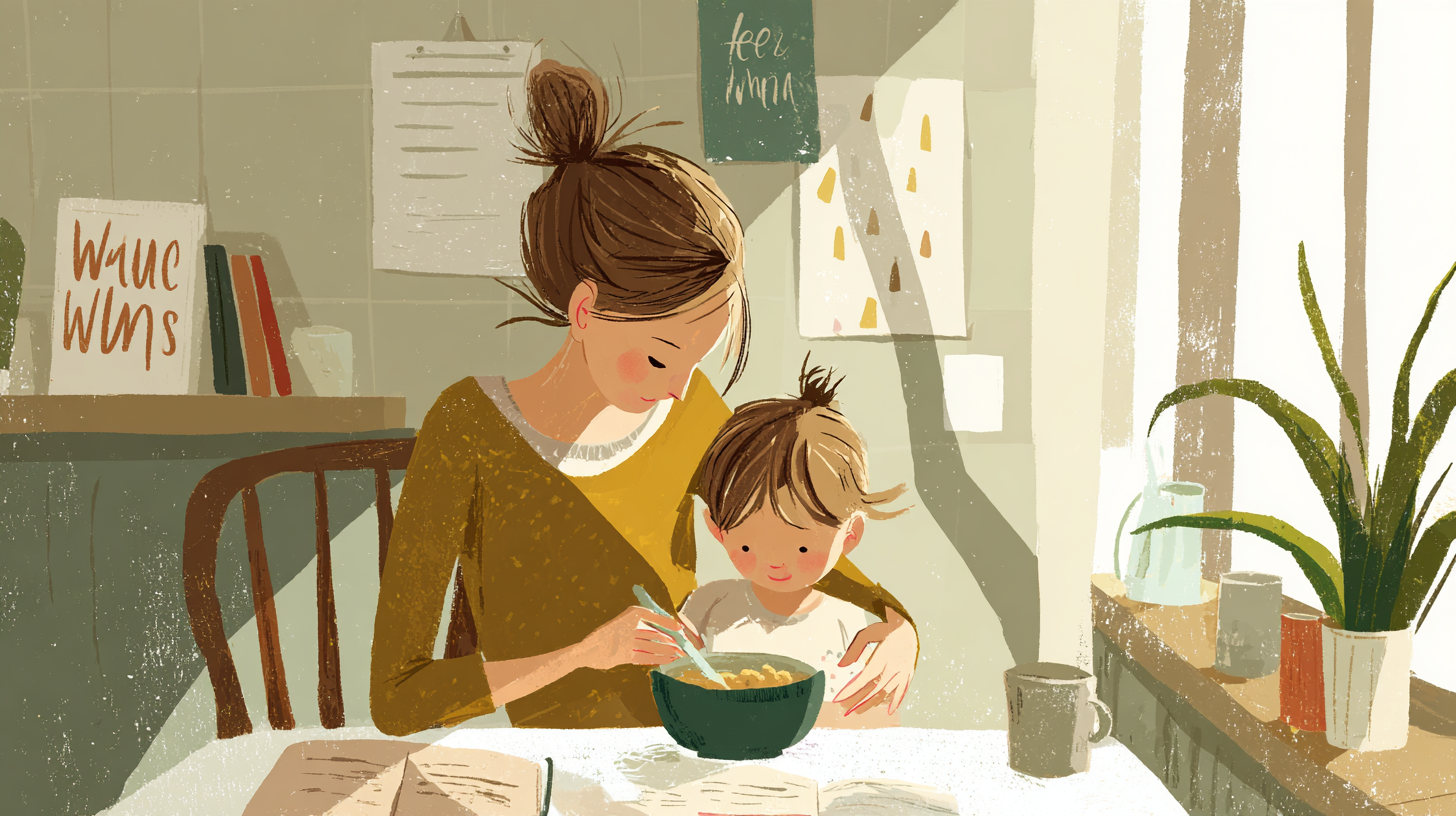
The Historical Weight Trap: How We Got Here
Understanding why we’re so weight-obsessed requires stepping back into history. In the early 20th century, when malnutrition and infectious disease were leading causes of child mortality, weight monitoring became a lifesaving public health tool. Pediatricians tracked growth curves to catch failure to thrive, rickets, and wasting diseases. As global nutrition improved and obesity rates began climbing in the 1980s and 1990s, the same weight-tracking infrastructure pivoted to prevention of overweight—but the narrow focus on numbers remained.
In Caribbean and diaspora communities, this history is layered with additional meaning. For families who experienced scarcity, colonialism, or food insecurity, a “chubby” baby became a symbol of prosperity, health, and good parenting. Grandmothers who survived lean times equate visible weight with vitality. Yet this cultural reverence for fullness can collide painfully with modern messages about childhood obesity, leaving parents trapped between conflicting ideals.
The problem? Weight tells only a fraction of the story. A child can be at the “perfect” percentile while developing restrictive eating patterns, food anxiety, or a disconnection from hunger cues. Conversely, a child slightly below average weight might be thriving—adventurous with food, confident in their body, and emotionally secure at meals.
What happened when pediatric guidelines began shifting from weight-only measures to holistic indicators?
The Real Metrics of Feeding Success
So what should we measure? Research teams from the University of Minnesota, Johns Hopkins, and Temple University—alongside Caribbean community health programs—have converged on a set of non-weight-based indicators that powerfully predict lifelong health and wellbeing:
- Food curiosity and variety-seeking: Does your child willingly taste new foods, even if it takes 10-15 exposures? This openness predicts dietary diversity and nutrient adequacy far better than weight.
- Interoceptive awareness (hunger/fullness recognition): Can your child say “I’m full” and stop eating, or “I’m still hungry” and ask for more? This self-regulation is the foundation of healthy eating across the lifespan.
- Mealtime emotional climate: Is your table a place of calm exploration, or tense negotiation? Research shows that low-stress mealtimes directly correlate with better nutrition and fewer eating disorders later.
- Age-appropriate autonomy: Does your child participate in choosing, preparing, or serving food? These skills build confidence and competence that weight measurements cannot capture.
- Resilience around food challenges: When your child rejects a food, can they recover without shame? This emotional flexibility matters more than any single meal’s intake.
- Family food culture and connection: Are meals a time to share stories, flavors, and traditions? This relational nourishment feeds the soul—and predicts health outcomes decades later.
A landmark 2024 study published in the International Journal of Behavioral Nutrition and Physical Activity tracked 436 parent-child pairs using real-time ecological momentary assessment. The findings were striking: supportive feeding practices (structure and autonomy support) were used at 88% of meals, while controlling or indulgent practices appeared at only 28% of eating occasions. Critically, children whose parents emphasized responsive feeding—not weight control—showed greater willingness to try new foods and healthier BMI trajectories over time.
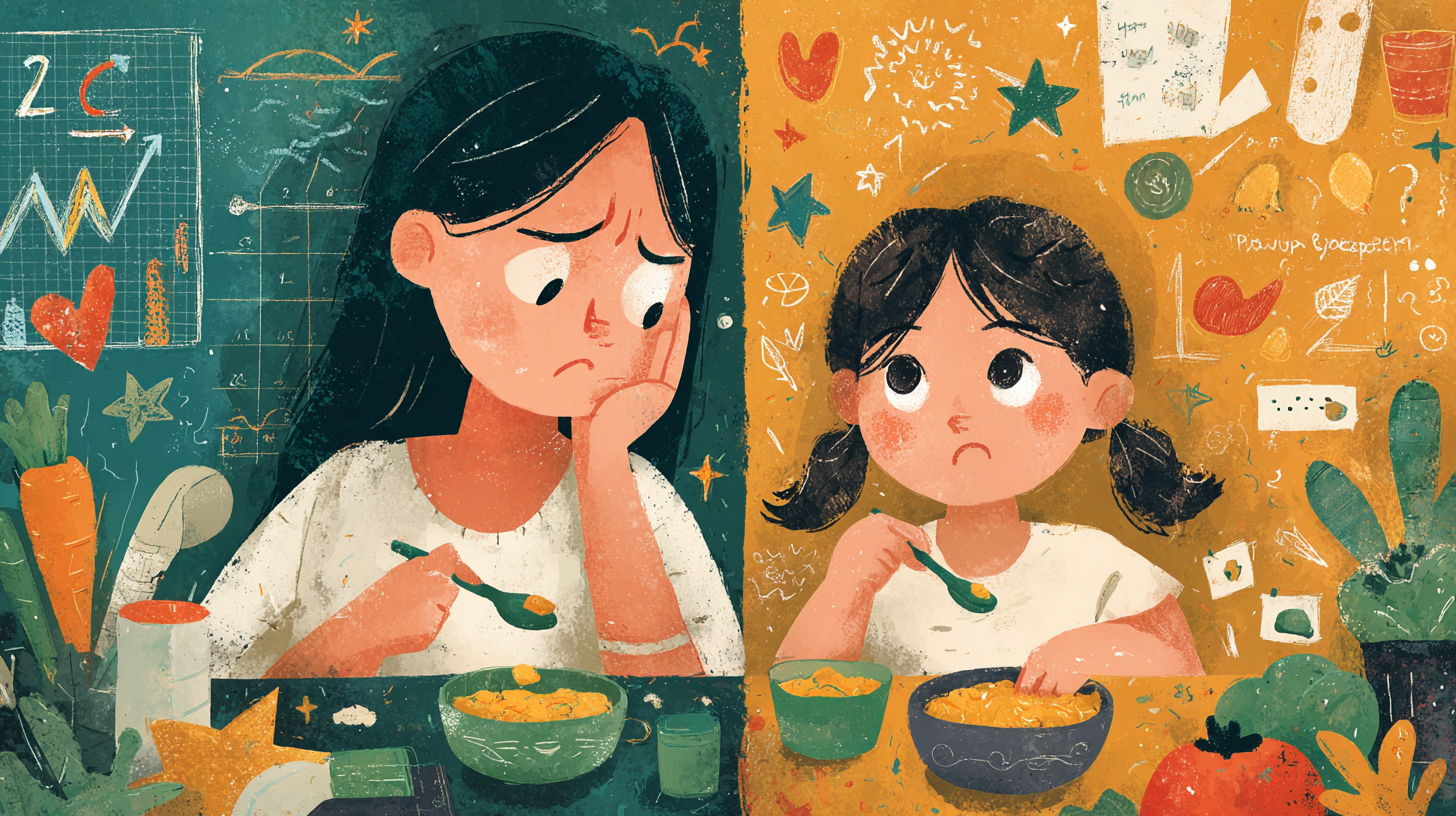
Which holistic feeding marker is already your family’s secret superpower?
The Science Behind Non-Weight Success
Let’s get into the data. In 2023-2024, multiple peer-reviewed studies confirmed what clinicians have observed: over 70% of parents still prioritize weight monitoring, yet up to 50% of children’s long-term nutrition and emotional health stems from behavioral and relational feeding patterns, not weight.
Consider responsive feeding—a framework where caregivers recognize and respond appropriately to a child’s hunger and satiety cues. A 2025 study in Pediatrics found that children raised with responsive feeding showed:
- Higher attention to internal hunger/fullness signals (versus external cues like “clean your plate”)
- Greater acceptance of diverse foods, including vegetables and whole grains
- Lower risk of both underweight and obesity across early childhood
- Reduced emotional eating and food-related anxiety in adolescence
Conversely, non-responsive practices—restricting food to control weight, pressuring children to eat more, or using food to soothe emotions—have been linked to:
- Disrupted self-regulation of intake
- Increased preference for “forbidden” foods and sneaking behavior
- Higher rates of disordered eating and body dissatisfaction in teens
- Paradoxically, higher BMI over time due to loss of interoceptive trust
The message from researchers is clear: controlling feeding practices often backfire. When we chase a number on the scale, we risk sacrificing the very skills—curiosity, self-trust, emotional security—that create lifelong health.
Tap below to discover which feeding factor predicts your child’s health 20 years from now—it’s not what most parents think.
Expert Voices: The Paradigm Shift
Leading voices in pediatric nutrition—from the World Health Organization to the American Academy of Pediatrics—have endorsed this paradigm shift. Dr. Ellyn Satter’s “Division of Responsibility” model, now taught in medical schools worldwide, explicitly divides feeding roles: parents decide what, when, and where food is offered; children decide whether and how much to eat. This framework respects children’s autonomy while providing structure—a balance research shows optimizes both nutrition and emotional health.
Caribbean pediatricians and nutritionists are championing culturally adapted versions of these principles. Dr. Marissa Hall, a Kingston-based pediatrician, notes: “In our communities, food is love. But we’re learning to show that love through offering traditional flavors—callaloo, ackee, plantain—not forcing them. When children help mash the pumpkin or stir the coconut rice, they develop ownership and curiosity.”
Social media has amplified these voices. Hashtags like #FeedingWins, #JoyfulMealtimes, and #BeyondTheScale feature thousands of parents sharing stories: the toddler who finally tried mango after 12 exposures, the preschooler who learned to say “my tummy is full,” the family that replaced dinner battles with a “taste explorer” game. These aren’t just feel-good anecdotes—they represent a grassroots revolution in how we define success.
Of course, not everyone is on board. Some clinicians worry that de-emphasizing weight could miss medical red flags. And it’s true: growth monitoring remains essential for detecting failure to thrive, metabolic disorders, or nutritional deficiencies. The goal isn’t to ignore weight—it’s to place it in context alongside behavioral, emotional, and relational indicators. As one pediatric dietitian put it, “Weight is a data point, not the data point.”
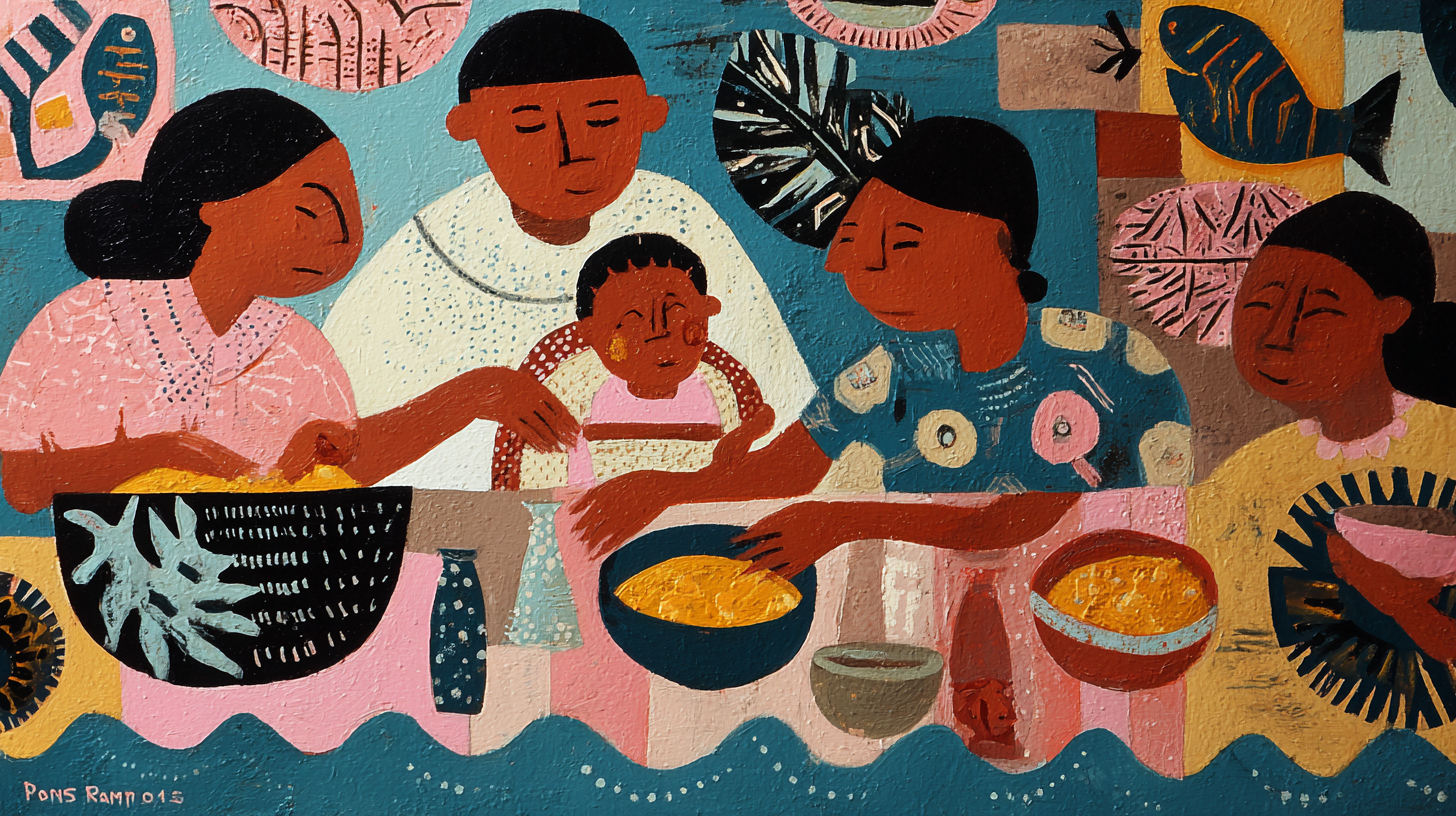
Challenges, Myths, and Cultural Pressures
Shifting away from weight-based thinking isn’t easy. Grandparents may equate a “skinny” child with neglect. Well-meaning relatives might comment, “She’s so small—is she eating enough?” Social media comparison traps abound. And many parents carry their own food baggage—dieting histories, body shame, or childhood experiences of being forced to clean their plate.
Let’s bust some common myths:
- Myth: “If I don’t focus on weight, my child’s health will suffer.”
Truth: Holistic feeding goals support healthy weight by fostering self-regulation, not undermining it. Studies show that responsive feeding leads to more stable, healthier growth trajectories. - Myth: “My child won’t eat vegetables unless I make them.”
Truth: Pressure backfires. Repeated, no-pressure exposure (serving veggies without comment, modeling enjoyment) is far more effective long-term. - Myth: “A child at the 10th percentile is unhealthy.”
Truth: Percentiles describe distribution, not health. A child consistently tracking the 10th percentile with good energy, development, and eating habits is thriving. - Myth: “Caribbean food is too rich for babies.”
Truth: Traditional ingredients—sweet potato, cassava, beans, coconut, mango—are nutrient-dense and perfect for introducing diverse flavors. The Caribbean Baby Food Recipe Book offers over 75 recipes celebrating these flavors safely and developmentally.
Ready to challenge one stubborn feeding myth? Choose your biggest worry below.
Practical Strategies: From Theory to Your Table
How do you actually do this? Here are research-backed, Caribbean-inspired strategies you can start today:
- Implement the Division of Responsibility: You choose what’s served (e.g., rice and peas, steamed callaloo, baked plantain). Your child chooses whether and how much to eat. No negotiating, no pressure.
- Create “food explorer” rituals: At each meal, offer one familiar favorite and one “adventure food.” Celebrate curiosity, not consumption. “You touched the mango! That’s brave!”
- Model, don’t preach: Eat the foods you want your child to enjoy. Say things like, “I love how sweet this papaya is!” rather than “You should eat this.”
- Involve children in food prep: Let them mash avocado for Zaboca and Green Fig Blend, sprinkle coconut on sweet potato, or choose between two vegetables. Ownership breeds acceptance.
- Protect mealtime mood: No screens, no battles, no commentary on how much anyone eats. Aim for 15 minutes of calm connection—even if food is rejected.
- Track non-weight wins: Keep a “feeding win journal.” Note: “Tried edamame,” “Said ‘I’m full’ and stopped eating,” “Helped cook dinner,” “No tears at lunch.”
- Use flavor diversity strategically: Caribbean cuisine offers incredible variety—nutmeg, allspice, coconut, ginger, scotch bonnet (mild!). Early exposure to diverse flavors predicts adventurous eating later. Recipes like Pumpkin Coconut Puree or Callaloo Rundown introduce these tastes gently.
One Trinidadian mother shared her breakthrough: “I stopped saying ‘just one more bite’ and started asking ‘what did you notice about that taste?’ Suddenly, dinner became a conversation, not a battle. My son’s still a slow eater, but he’s confident and curious—and that’s the win.”
Which research-backed approach will you try this week? Choose one, and we’ll give you a personalized implementation tip.
The Future of Feeding: Where We’re Headed
The momentum is building. By 2030, experts predict that nearly 60% of pediatric nutrition assessments will use multi-dimensional checklists—rating not just weight, but also food variety, mealtime mood, self-feeding skills, and family meal frequency. Digital health apps are already piloting “feeding milestone” trackers that celebrate a toddler’s first self-serve, a preschooler’s acceptance of a new vegetable, or a family’s month of screen-free dinners.
Policy is catching up, too. The USDA’s 2025 Dietary Guidelines for Americans now include language emphasizing “joyful, culturally relevant eating experiences” and “responsive feeding across the lifespan.” Caribbean nations—Jamaica, Trinidad, Barbados—are integrating traditional food knowledge with modern nutrition science in their early childhood programs.
For parents, this means permission to trust your instincts, honor your culture, and let go of the scale’s tyranny. It means raising children who see food as nourishment, pleasure, and connection—not a source of anxiety or control.
This week, how many “beyond the scale” feeding wins can you celebrate? Think: trying new foods, respecting fullness, joyful mealtimes, cooking together, cultural food sharing.
A Seat at the Table: Your Family’s Food Story
Here’s the truth no growth chart will ever show you: the most important nourishment you give your child happens in the spaces between the bites. It’s the story you tell about your grandmother’s callaloo recipe. It’s the patience you show when dinner ends up on the floor. It’s the trust you build when you let them say “no thank you” without shame.
Years ago, when my own daughter was weaning, I was obsessed with her intake. I tracked ounces, googled percentiles, and felt my chest tighten every time she refused a spoon. Then my Jamaican aunt visited. She set out a bowl of mashed breadfruit with a drizzle of coconut oil—no fanfare, no pressure. My daughter touched it, smeared it, finally tasted it. And smiled.
“You see?” my aunt said. “She curious. That’s all you need.”
She was right. Curiosity became our compass. We stopped chasing weight and started celebrating courage—the courage to taste, to explore, to trust one’s own body. Today, my daughter is a confident, adventurous eater. Not because she hit the “right” percentile, but because mealtimes were safe, joyful, and free.
That’s the future you can create, too. With each pressure-free meal, each flavor adventure, each moment of connection over food, you’re writing a story that will shape your child’s relationship with eating for decades. And that story? It’s far too rich, too nuanced, too beautiful to be measured by a number on a scale.
Ready to deepen your family’s flavor journey? Explore the Caribbean Baby Food Recipe Book—over 75 recipes blending tradition, nutrition, and joy, designed for babies and toddlers discovering the tastes of the islands.
Before you go, tap below to reveal the one insight parents say changed their feeding journey forever—and freed them from weight anxiety for good.

Kelley's culinary creations are a fusion of her Caribbean roots and modern nutritional science, resulting in baby-friendly dishes that are both developmentally appropriate and bursting with flavor. Her expertise in oral motor development and texture progression ensures that every recipe supports your little one's feeding milestones while honoring cultural traditions.
Join Kelley on her flavorful journey as she shares treasured family recipes adapted for tiny taste buds, evidence-based feeding guidance, insightful parenting anecdotes, and the joy of celebrating food, culture, and motherhood. Get ready to immerse yourself in the captivating world of Kelley Black and unlock the vibrant flavors of the Caribbean for your growing baby, one nutritious bite at a time.