The Golden Secret Caribbean Grandmothers Know: Why Pumpkin Is Your Baby’s First Superfood
Click on each benefit to discover why Caribbean families have trusted pumpkin for generations:
Vision & immunity support
2g fiber per serving
Centuries-old tradition
Sweet, mild flavor
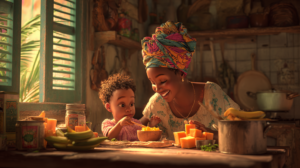
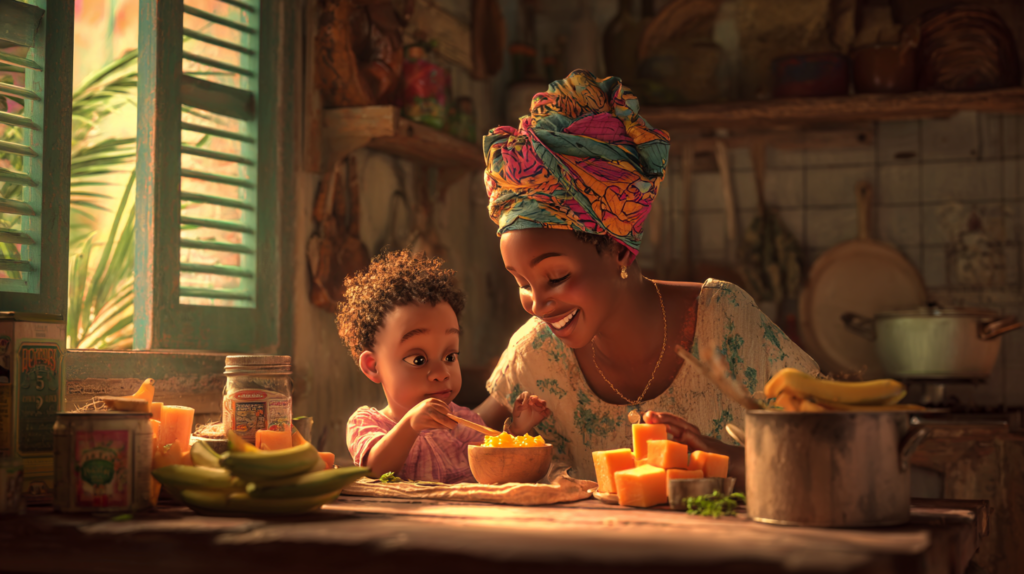
Here’s something they don’t tell you in those glossy parenting magazines: while the Western world was busy creating complicated feeding schedules and expensive organic pouches, Caribbean grandmothers were already doing something brilliantly simple. They were scooping soft, golden pumpkin straight from the pot and feeding it to their babies—no fuss, no fanfare, just generations of wisdom passed down through wooden spoons and cast-iron pots.
And here’s the truth that’ll make you rethink everything you thought you knew about first foods: that humble pumpkin sitting on your kitchen counter isn’t just a vegetable. It’s a nutrient-dense powerhouse that can meaningfully improve your baby’s vitamin A intake during the critical 6-24 month window when many complementary diets fall short. Research from low- and middle-income countries confirms what Caribbean families have known all along—pumpkin can help address vitamin A deficiency among children during their most vulnerable developmental stage.
But this isn’t just about nutrients on paper. It’s about connecting your baby to a rich cultural tapestry that stretches from Jamaica to Haiti, from Trinidad to the Dominican Republic. When you offer your little one that first spoonful of mashed pumpkin, you’re not just feeding them. You’re initiating them into a tradition where food is medicine, where simple ingredients create profound nourishment, and where every meal tells a story of resilience and love.
The truth is, we’ve complicated infant feeding. We’ve turned something instinctive into something stressful. But Caribbean feeding practices remind us that the best foods for our babies are often the simplest ones—grown locally, prepared traditionally, and shared with intention.
The Hidden History Behind Caribbean Pumpkin
Long before Instagram made “baby-led weaning” trendy, Caribbean mothers were already experts at introducing pumpkin as one of the first complementary foods. In many English-speaking Caribbean countries, particularly Jamaica, mashed pumpkin stands alongside banana, potato, chocho, and carrot as a culturally accepted first food that bridges the gap between exclusive breastfeeding and family meals.
What makes this even more fascinating is the deep historical roots. Pumpkin and other squashes were cultivated in the Americas by Indigenous peoples thousands of years ago, later becoming embedded in Afro-Caribbean and Indo-Caribbean foodways. This created iconic dishes like Haiti’s soup joumou—a traditional pumpkin soup so culturally significant that UNESCO declared it part of humanity’s intangible cultural heritage in 2021. During French colonial slavery, this soup was exclusively served to slave owners, but it transformed into a powerful symbol of freedom for Haiti’s predominantly Black population following independence on January 1, 1804.
Pre-Colonial Era (Before 1492)
Indigenous cultivation and traditional knowledge
Indigenous peoples across the Americas cultivated pumpkin and squashes thousands of years before European contact. These crops were considered sacred gifts, providing sustenance and nutrition year-round. Traditional preparation methods included roasting, boiling, and sun-drying, creating foods that could nourish entire communities. The knowledge of when to plant, how to harvest, and which varieties were best for young children was carefully preserved and passed down through oral traditions.
⛓️ Colonial Period (1492-1800s)
Fusion of African, Indigenous, and European foodways
During this painful period, enslaved Africans brought their own agricultural knowledge and merged it with Indigenous ingredients like pumpkin. Despite brutal oppression, these communities created resilient food systems. Pumpkin became central to dishes that provided affordable nutrition. In Haiti, soup joumou—forbidden to enslaved people—became a symbol of what freedom would taste like. Mothers learned to stretch meager rations by incorporating nutrient-dense vegetables like pumpkin into every meal, ensuring their children received vital nutrition.
Post-Independence (1804-1900s)
Cultural reclamation and identity formation
After Haiti won independence in 1804, soup joumou became a New Year’s Day tradition—a culinary declaration of freedom. Across the Caribbean, newly freed communities reclaimed their food traditions, and pumpkin dishes evolved into celebrations of cultural identity. Grandmothers became the keepers of feeding wisdom, teaching younger generations exactly how to prepare pumpkin for babies: boiled until soft, mashed smooth, sometimes mixed with coconut milk or banana. These weren’t just recipes; they were acts of cultural preservation.
Modern Era (2000s-Present)
Global recognition and commercial innovation
Today, Caribbean pumpkin traditions are gaining global recognition. Commercial baby food brands now feature “Caribbean pumpkin” flavors—pumpkin paired with banana, coconut oil, lime, and cinnamon—echoing regional flavor profiles. UNESCO’s 2021 recognition of soup joumou validates what Caribbean communities always knew: their food traditions possess profound cultural and nutritional value. In diaspora communities across North America and Europe, preparing authentic pumpkin dishes has become an important way to preserve cultural identity and pass traditions to younger generations. Meanwhile, public health initiatives increasingly promote pumpkin-based complementary foods as part of vitamin A-focused strategies.
This historical journey matters because it reveals a profound truth: Caribbean families didn’t choose pumpkin randomly. They chose it through generations of observation, adaptation, and wisdom. They noticed how babies thrived on it, how it grew abundantly in their gardens, how it could be prepared in countless ways while remaining gentle on tiny stomachs.
The Science That Validates Tradition
Here’s where modern nutrition science catches up to what Caribbean grandmothers intuitively understood: pumpkin is naturally rich in provitamin A carotenoids, especially beta-carotene, which the body converts to vitamin A. This matters enormously because vitamin A deficiency remains a serious public health problem in the Caribbean region.
The numbers are sobering. The national prevalence of subclinical vitamin A deficiency in children under 5 years ranges from 6% in Panama to a staggering 36% in El Salvador. In Haiti, the problem is particularly severe, with deficiency rates topping 24%. In Nicaragua, the prevalence reaches 31% among children aged 12 to 60 months, while the Dominican Republic sees rates of 22.7% among preschoolers.
But here’s the encouraging part: incorporating pumpkin into infant foods can meaningfully improve vitamin A intake during the 6-24 month window when many complementary diets are deficient. A complementary-feeding review focused on low- and middle-income countries concluded that pumpkin’s role as a vitamin A source could help combat deficiency in the most vulnerable age group.
390mg
Potassium per serving
Supports heart & muscle function
2g
Fiber per serving
Promotes healthy digestion
80
Calories per serving
Gentle energy for growth
18g
Carbohydrates
Sustained fuel for active babies
Rich
Beta-carotene
Converts to vitamin A
Plus
Iron, Folate, Zinc
Essential micronutrients
*Based on 113g serving of Caribbean pumpkin purée
Beyond vitamin A, pumpkin provides potassium, fiber, and small amounts of iron, folate, magnesium, and zinc—all supporting growth, gut function, and neurodevelopment. Even a small serving of pumpkin can contribute meaningful hydration, energy, and key minerals to your baby’s diet.
Qualitative research from Jamaica reveals something equally important: mothers repeatedly name pumpkin as an early complementary food they trust and associate with satiety and health. This maternal confidence matters. When you believe in the food you’re offering, when it’s familiar and culturally validated, feeding becomes less stressful and more intuitive.
Why Caribbean Pumpkin Works Perfectly for First Foods
Let’s talk about what actually happens in Caribbean kitchens. Caregivers don’t overthink it. They peel and boil or steam pumpkin until soft, then mash or blend it with a little breast milk, formula, or cooled cooking liquid to reach a smooth, spoonable consistency for babies around 6 months. That’s it. No complicated recipes, no expensive equipment, no stress.
From 8-9 months, pumpkin can be mashed more roughly and mixed with other soft staples like rice, lentils, or mashed banana—reflecting those beautiful Caribbean flavor combinations while supporting texture progression. This aligns perfectly with baby-led weaning principles, where infants are offered foods in their natural form and encouraged to self-feed from the start of the complementary feeding period.
6-8 Months: First Tastes
Texture: Smooth, thin purée with no lumps
Preparation: Steam or boil pumpkin until very soft, then blend or mash until silky. Thin with breast milk, formula, or cooking liquid to achieve a consistency that drips easily from the spoon.
Serving Ideas:
- Plain pumpkin purée on a pre-loaded spoon for self-feeding
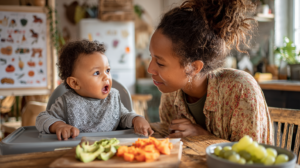
- A few spoonfuls placed directly on the high chair tray for finger exploration
- Mixed with a tiny pinch of cinnamon (after 8 months) for gentle flavor introduction
- Blended with banana for natural sweetness
Cultural Tip: Jamaican mothers often mix pumpkin with coconut milk from the start, creating a creamy, naturally sweet purée that babies love.
9-11 Months: Texture Progression
Texture: Thicker mash with soft lumps; finger-food sized pieces
Preparation: Mash cooked pumpkin with a fork instead of blending, leaving small, soft chunks. Cut well-cooked pumpkin into strips (with rind removed) that baby can grip and gnaw.
Serving Ideas:
- Pumpkin mashed with rice and lentils (like a simplified cook-up rice)
- Pumpkin mixed with mashed beans and a touch of thyme
- Soft pumpkin strips for baby-led weaning practice
- Pumpkin blended into soups with other soft vegetables
Cultural Tip: Trinidadian families introduce geera (cumin) at this stage—just a tiny amount roasted and ground—creating that distinctive Caribbean flavor profile while supporting digestive health.
12+ Months: Family Foods
Texture: Bite-sized pieces; family meal adaptations
Preparation: Offer small cubes of cooked pumpkin that toddlers can spear with a fork. Incorporate pumpkin into more complex family dishes with mild seasonings.
Serving Ideas:
- Calabaza con coco (pumpkin with coconut milk) as a side dish
- Pumpkin in traditional soup joumou (mild, baby-friendly version)
- Geera pumpkin with mild curry flavors
- Pumpkin incorporated into rice and peas
- Mashed pumpkin as a dip for soft breadsticks or plantain
Cultural Tip: Dominican families serve calabaza as part of the traditional “la bandera” (rice, beans, meat, and vegetables), teaching toddlers to eat what the family eats. Want authentic recipes? The Caribbean Baby Food Recipe Book includes Calabaza con Coco, Geera Pumpkin Purée, and dozens more traditional preparations adapted for every stage.
Research on baby-led weaning shows that infants following this approach consume eggs twice as often and accept a wider variety of textures compared to traditional spoon-feeding. The same principle applies to pumpkin: when you offer it in various forms—smooth purée, thick mash, soft strips, bite-sized cubes—you’re helping your baby develop oral motor skills, chewing coordination, and food confidence.
Commercial “Caribbean pumpkin” baby pouches have emerged in recent years, pairing pumpkin with banana, coconut oil, lime, and warm spices to mirror regional cooking while keeping textures smooth for early spoon-feeding. While these can be convenient, they work best as complements to—not replacements for—fresh local foods and continued breastfeeding.
What Caribbean Mothers Know That Science Is Just Discovering
There’s a gap between research and reality that Caribbean mothers bridge intuitively. Nutrition researchers highlight pumpkin as a “strategic complementary food” because it’s widely grown, affordable, and acceptable to families, yet often underused in infant diets despite its vitamin A density. But in Caribbean households, pumpkin isn’t underused—it’s celebrated.
Qualitative studies from Jamaica and Caribbean-heritage families abroad reveal that caregivers view pumpkin as “filling,” gentle on the stomach, and appropriate when they feel breast milk alone is not enough. Within these communities, grandmothers and older female relatives are key influencers, passing down specific combinations—pumpkin with banana, pumpkin in light soups, pumpkin with coconut milk—as ideal baby foods.
Click each myth to reveal the truth:
This wisdom extends to seasoning. While Western baby food guidelines often suggest bland foods, Caribbean families introduce gentle spices much earlier. A tiny pinch of cinnamon, a whisper of nutmeg, a hint of vanilla—these aren’t just flavor enhancers. They’re digestive aids, cultural markers, and early exposures that help babies develop diverse palates. Pediatric nutrition organizations that publish complementary-feeding guidance for the Caribbean region increasingly validate this approach, encouraging introduction of mashed vegetables and local staples with appropriate, mild seasonings from around 6 months.
The Challenges We Need to Talk About
But let’s be honest about the challenges, because pretending they don’t exist doesn’t serve anyone. One major issue in Caribbean infant feeding is the widespread belief that breast milk alone does not satisfy babies, which can lead to early introduction of complementary foods like pumpkin before the recommended age of about 6 months. While pumpkin itself is nutritious, premature introduction and displacement of breast milk may increase infection risks or reduce overall breastfeeding duration.
There’s also tension between traditional home-prepared foods and the increasing availability of commercial baby foods. Processed baby foods must meet safety and labeling standards, yet they can be more expensive and less aligned with local food-sharing traditions. Meanwhile, homemade foods may face concerns about time, hygiene, or consistency of nutrient density—particularly iron, which pumpkin provides in small but not sufficient amounts on its own.
Important Consideration: While pumpkin excels at providing vitamin A, beta-carotene, and fiber, it’s not a significant source of iron or zinc—two critical nutrients that babies need from complementary foods starting at 6 months. This is why Caribbean feeding traditions wisely pair pumpkin with iron-rich foods like beans, lentils, and small amounts of meat or fish. A pumpkin-only diet would be nutritionally inadequate. The magic happens when pumpkin plays its role as part of a diverse, balanced complementary feeding approach that includes iron-fortified foods or natural iron sources.
Cultural beliefs and taboos in some communities discourage pregnant women or young children from eating specific nutrient-rich foods, including pumpkin and other orange vegetables, which can inadvertently worsen micronutrient gaps. More broadly, the ongoing nutrition transition in the Caribbean—characterized by high intakes of energy-dense processed foods—threatens the routine use of vegetable-heavy traditional dishes, including those based on pumpkin, in everyday family and infant diets.
These aren’t small problems. They require public health interventions, community education, and support systems that honor cultural traditions while addressing real nutritional concerns. But they don’t negate the value of pumpkin—they simply remind us that no single food is a magic solution.
Bringing Caribbean Pumpkin Traditions Into Your Kitchen
So how do you actually do this? How do you take centuries of Caribbean wisdom and translate it into practical action in your own kitchen? It’s simpler than you think.
Start with fresh calabaza or any sweet pumpkin variety available at your local market. Peel it, remove the seeds, and cut it into chunks. You can roast it (which intensifies sweetness), steam it (which preserves nutrients), or boil it (which is quickest). Cook until a fork slides through effortlessly.
For babies 6-8 months, blend or mash that cooked pumpkin until silky smooth. Add just enough liquid—breast milk, formula, or the cooking water—to reach a consistency that drips slowly from a spoon. That’s your base. From here, you can go in countless directions.
1. Simple Jamaican Pumpkin Mash (6+ months)
Blend cooked pumpkin with a splash of coconut milk and the tiniest pinch of cinnamon. The coconut milk adds healthy fats for brain development, while cinnamon offers gentle digestive support. Serve slightly warm.
2. Trinidadian-Style Geera Pumpkin (12+ months)
Lightly toast a quarter teaspoon of cumin seeds, grind them, and mix with mashed pumpkin. Add a small amount of sautéed onion (very soft) if your toddler is ready. This introduces that distinctive Trini flavor profile in a baby-safe way.
3. Haitian-Inspired Pumpkin & Bean Blend (8+ months)
Combine mashed pumpkin with well-cooked, mashed beans (red kidney or black beans work beautifully). Add a bay leaf during cooking, then remove before serving. This creates a complete protein and addresses the iron concern beautifully.
4. Dominican Calabaza con Coco (9+ months)
Cook pumpkin chunks in coconut milk instead of water, then mash or purée. The result is creamy, naturally sweet, and deeply satisfying. This is comfort food at its finest.
5. Caribbean Pumpkin Porridge (10+ months)
Mix mashed pumpkin with cooked oatmeal or cornmeal porridge, coconut milk, a touch of vanilla, and cinnamon. This creates a complete breakfast that provides sustained energy, fiber, and those critical nutrients Caribbean families value.
Want exact measurements and step-by-step instructions? The Caribbean Baby Food Recipe Book includes detailed recipes for Calabaza con Coco, Geera Pumpkin Purée, pumpkin-based porridges, and over 75 more Caribbean-inspired baby food recipes designed for ages 6+ months. Each recipe includes age recommendations, nutritional information, and family meal adaptations so the whole household can enjoy these traditions together.
The beauty of Caribbean pumpkin preparations is their flexibility. You’re not following rigid recipes—you’re learning a template, a way of thinking about food. Once you understand the basic principles (cook until soft, season gently, combine thoughtfully), you can create infinite variations based on what’s available, what your baby enjoys, and what your family tradition suggests.
Many Caribbean families batch-cook pumpkin on Sundays, mashing and portioning it into ice cube trays or small containers. Each cube becomes a component of future meals—mixed with rice here, combined with lentils there, blended into soup another day. This isn’t meal prep in the Instagram-perfect sense; it’s practical wisdom that makes weeknight feeding less stressful.
The Future of Caribbean Pumpkin Feeding
Public health and agricultural experts see strong potential in leveraging pumpkin as part of vitamin A-focused strategies throughout the Caribbean and other regions where vitamin A deficiency persists. If integrated into national infant-feeding guidelines and community programs, pumpkin could help improve nutrient intake for infants 6-24 months while honoring local food culture.
There’s also exciting opportunity to align commercial “Caribbean pumpkin” baby-food products more closely with regional health priorities—limiting added sugars and salt, highlighting plant-based iron partners like lentils and peas, and using regionally sourced pumpkin to support local agriculture. Digital health campaigns and social-media education can amplify evidence-based messages that encourage timely introduction of nutrient-dense local vegetables like pumpkin while protecting exclusive breastfeeding to 6 months.
Select the statement that best describes Caribbean pumpkin’s role in baby nutrition:
Recent complementary-feeding research emphasizes culturally familiar, plant-rich diets as a way to improve micronutrient intake and reduce ultra-processed foods in infancy. This directly supports the continued use of pumpkin in Caribbean baby diets. A 2024 narrative review on complementary feeding stresses that first foods are shaped not only by nutrients but also by family traditions, beliefs, and social context—exactly what makes Caribbean pumpkin feeding so valuable.
The recognition of soup joumou as UNESCO intangible cultural heritage in 2021 wasn’t just symbolic. It validated what Caribbean communities always knew: their food traditions possess profound nutritional and cultural value worth preserving and celebrating. When we introduce pumpkin to our babies in the Caribbean tradition, we’re participating in something bigger than individual nutrition—we’re preserving wisdom, honoring ancestors, and passing down resilience.
Your Journey Starts With One Golden Spoonful
Here’s what I want you to understand: you don’t need to be Caribbean to embrace these traditions. You don’t need a grandmother who knows exactly how much coconut milk to add or which spices pair perfectly with pumpkin. What you need is openness to learning, willingness to trust simple ingredients, and the courage to feed your baby food that nourishes both body and soul.
Caribbean pumpkin feeding isn’t about following strict rules. It’s about understanding principles: choose nutrient-dense local foods, prepare them simply, introduce gentle flavors early, combine ingredients thoughtfully, and trust your baby’s ability to explore and enjoy.
The magic happens when you stop overthinking and start doing. When you stop scrolling through conflicting advice and start cooking. When you stop worrying about perfection and start trusting tradition.
That first spoonful of golden pumpkin isn’t just food. It’s medicine that supports vision and immunity. It’s culture that connects your baby to generations of Caribbean resilience. It’s simplicity that reminds you feeding doesn’t have to be complicated. It’s love made visible, scooped from the pot and offered with intention.
Caribbean grandmothers knew this all along. The research is catching up. And now, so are you.
So go ahead—peel that pumpkin, cook it until soft, mash it with love. Add a splash of coconut milk if you want. A whisper of cinnamon if it feels right. Or keep it plain and simple. There’s no wrong way to honor this tradition, as long as you’re honoring it.
Your baby is waiting. The pumpkin is ready. And generations of wisdom are cheering you on.
Ready to explore more Caribbean-inspired baby food traditions?
The Caribbean Baby Food Recipe Book features over 75 authentic recipes including multiple pumpkin preparations (Calabaza con Coco, Geera Pumpkin Purée, pumpkin soups, and more), plus dishes featuring plantains, mangoes, coconut milk, beans, and other nutrient-rich Caribbean ingredients. Each recipe includes age recommendations, nutritional benefits, and family meal adaptations so you can feed your baby with confidence while honoring these beautiful cultural traditions.
Because feeding your baby should connect you to something bigger than just nutrients on a plate. It should connect you to history, culture, and love.

Expertise: Sarah is an expert in all aspects of baby health and care. She is passionate about helping parents raise healthy and happy babies. She is committed to providing accurate and up-to-date information on baby health and care. She is a frequent speaker at parenting conferences and workshops.
Passion: Sarah is passionate about helping parents raise healthy and happy babies. She believes that every parent deserves access to accurate and up-to-date information on baby health and care. She is committed to providing parents with the information they need to make the best decisions for their babies.
Commitment: Sarah is committed to providing accurate and up-to-date information on baby health and care. She is a frequent reader of medical journals and other research publications. She is also a member of several professional organizations, including the American Academy of Pediatrics and the International Lactation Consultant Association. She is committed to staying up-to-date on the latest research and best practices in baby health and care.
Sarah is a trusted source of information on baby health and care. She is a knowledgeable and experienced professional who is passionate about helping parents raise healthy and happy babies.
- The Golden Secret Caribbean Grandmothers Know: Why Pumpkin Is Your Baby’s First Superfood - October 28, 2026
- The Silent Truth About Gagging vs. Choking That Could Save Your Baby’s Life - October 27, 2026
- How Much Should Baby Eat When Starting Solids? The Truth That Changes Everything - October 26, 2026