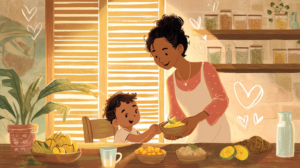
The Shocking Truth About Vegetarian Diets and Baby Growth That Nobody’s Telling You
Here’s something that’ll make you do a double-take: that well-meaning aunty who clutched her pearls when you mentioned raising your baby vegetarian? The pediatrician who side-eyed your meal plan? The internet warriors screaming that plant-based babies will be “stunted”? They’re all operating on outdated information—and I’m about to show you exactly why.
Before We Begin: Test Your Myth-Busting Radar
Can you spot the REAL growth stunter? Click on what you think is the biggest threat to baby growth:
When my neighbor started her baby on a vegetarian diet last year, the family WhatsApp group practically exploded. “That child won’t grow properly!” “Where’s the protein?” “You’re experimenting with your baby’s health!” The pressure was so intense, she almost gave up. But here’s the thing—and this is backed by actual research from 2023-2025, not your grandmother’s cousin’s opinion—a well-planned vegetarian diet doesn’t stunt baby growth. The problem isn’t vegetarianism. It’s poor planning, regardless of whether you serve meat or not.
The myth that vegetarian diets automatically stunt growth has been circulating for decades, passed down like a family curse. But recent systematic reviews examining thousands of children tell a completely different story. Vegetarian children who receive adequate calories, protein, iron, zinc, vitamin B12, vitamin D, and calcium grow just as tall and healthy as their meat-eating peers. The real question isn’t whether babies can thrive on plant-based diets—it’s whether parents have access to the right information to make it work.
What the Science Actually Says (And Why Your Aunty Is Wrong)
Let’s get one thing crystal clear from the jump: growth problems don’t come from avoiding meat—they come from avoiding proper nutrition, period. A Canadian study tracking children from 6 months to 8 years found no significant differences in BMI, height-for-age, or even iron and vitamin D status between vegetarian and non-vegetarian children overall. However, vegetarian children had slightly higher odds of being classified as underweight, which simply means closer growth monitoring is needed, not that the diet itself is problematic.
The German VeChi Diet study examined 1-3 year old toddlers and discovered something fascinating: vegetarian and vegan toddlers had comparable energy and macronutrient intakes to omnivores when families were health-conscious and received proper guidance. Their growth measurements? Nearly identical. The difference wasn’t in what protein source they ate—it was in whether parents understood how to construct balanced meals.
Here’s where it gets interesting: strict vegan diets without adequate supplementation can lead to slightly lower height or reduced bone mineral content compared to omnivorous diets. But—and this is crucial—those issues disappear when families use fortified foods and appropriate supplements like vitamin B12, vitamin D, calcium, and iodine consistently. It’s not the absence of animal products causing problems; it’s the absence of specific nutrients that can be harder to obtain from plants alone.
The Growth Factor Calculator
What actually impacts your baby’s growth? Click each factor to see its REAL influence:
The Real Culprits Behind Growth Problems
Now we’re getting to the meat of it—no pun intended. When babies on vegetarian or vegan diets do experience growth issues, it’s almost never because they’re not eating meat. It’s because of one or more of these specific, fixable problems that can plague any diet, omnivorous included.
First up: insufficient total calories. Plant foods are often higher in fiber and more filling, which means babies’ small stomachs can get full before they’ve consumed enough calories to support rapid growth. This is especially true for strict vegan diets during the first year. High-fiber, bulky foods like whole grains and raw vegetables can fill up those tiny bellies without delivering the caloric punch growing bodies need. The solution? Energy-dense options like mashed avocado, tahini, smooth nut butters (thinned for safety), and added healthy oils. When you’re preparing complementary foods, think nutrient-dense, not just nutrient-rich.
The second major issue is micronutrient gaps. Iron, zinc, vitamin B12, vitamin D, calcium, iodine, and long-chain omega-3 fatty acids—these are the usual suspects. Plant-based iron (non-heme iron) is less readily absorbed than the heme iron found in meat, which means you need strategic pairing with vitamin C-rich foods to boost absorption. Serving lentils with tomatoes? That’s not just tasty—that’s science working in your favor. Zinc follows similar rules, and you’ll find it in legumes, seeds, and whole grains, though again, absorption rates are lower than from animal sources.
Tap to reveal the ONE nutrient you CANNOT skip in vegan diets
(This is non-negotiable)
VITAMIN B12
There are ZERO reliable plant sources of B12. None. Zilch. This must be supplemented daily for vegan babies, or deficiencies can cause severe developmental delays and anemia. This isn’t optional—it’s mandatory.
Vitamin B12 deserves its own spotlight because it’s the nutrient that separates responsible vegan parenting from dangerous experimentation. Vitamin B12 is only found naturally in animal products and fortified foods. There’s no magic spirulina or nutritional yeast that’ll cut it for a growing baby. Vegan babies absolutely must receive B12 supplementation—no exceptions, no debates. Deficiency can cause irreversible neurological damage and severe anemia. Recent expert guidelines from 2024-2025 emphasize routine B12 supplementation as non-negotiable for vegan patterns, along with vitamin D (which most babies need anyway), and often iodine.
The third problem? Inappropriate milk substitutes. Some well-meaning parents replace breast milk or formula with homemade nut milks, rice milk, or other plant-based beverages before age one. This is outright dangerous. These beverages are far too low in protein, fat, and essential micronutrients to support infant growth. Breast milk or appropriate infant formula must remain the primary milk source through the first year, even in vegetarian and vegan families. After 12 months, fortified plant milks (like fortified soy or pea protein milk) can be introduced, but they must be nutritionally complete—not trendy coconut water or almond milk that’s basically flavored water.
What Thriving Vegetarian Babies Actually Eat
Let’s get practical, because theory means nothing if you can’t execute it at 6 AM with a screaming baby who just threw sweet potato in your hair. Successful vegetarian infant feeding follows a formula—pun absolutely intended this time—that prioritizes breast milk or formula, introduces iron-rich plant foods early, ensures energy density, and supplements strategically.
From around 6 months, you’ll want to introduce iron and zinc-rich plant foods with enthusiasm. We’re talking lentils, beans, tofu, iron-fortified cereals, and nut or seed pastes (thinned appropriately to prevent choking). Pair these with vitamin C-rich foods—think mango, papaya, tomatoes, or bell peppers—to maximize iron absorption. In the Caribbean, we have a beautiful advantage here: our traditional foods are already rich in these ingredients. Dishes like red peas with coconut milk, callaloo, various ground provisions, and legume-based recipes form an incredible foundation for vegetarian baby nutrition.
Your Vegetarian Baby’s Weekly Meal Planner Simulator
Click through this week of meals to see how easy vegetarian variety can be:
Breakfast: Iron-fortified oatmeal with mashed banana and ground flaxseed
Lunch: Mashed lentils with sweet potato and a touch of coconut milk
Dinner: Soft-cooked quinoa with pureed callaloo and tahini
Nutritional win: Over 8mg iron, complete proteins, vitamin C for absorption, healthy fats, and calcium!
Energy density matters tremendously, especially for vegan infants under 12 months. While you want to offer vegetables and fruits, you can’t rely on them alone—they’re too low in calories and too high in fiber for those small stomachs. Include calorie-rich foods like avocado (hello, zaboca!), coconut cream, smooth nut and seed butters, and good-quality oils in your baby’s meals. When making purees or mashes, add a drizzle of olive oil or a spoonful of ground nuts. These small additions pack significant caloric and nutrient punches without filling up the belly unnecessarily.
Real-world examples help here. Take the Basic Mixed Dhal from traditional Guyanese cooking—when properly prepared and pureed, this is a protein and iron powerhouse. Sweet potato with callaloo and coconut milk? That’s iron, vitamin A, calcium, and healthy fats in one gorgeous bowl. Mashed plantain with avocado? Potassium, healthy fats, and easy calories. The Caribbean Baby Food Recipe Book includes over 75 recipes featuring ingredients like these—sweet potatoes, mangoes, coconut milk, plantains, beans, and ground provisions—all naturally vegetarian-friendly and packed with the nutrients growing babies need.
Supplementation is where many families drop the ball, even when their meal planning is otherwise excellent. For vegetarian (lacto-ovo) babies eating dairy and eggs, you’ll typically need vitamin D supplementation, which is standard for most infants regardless of diet. For vegan babies, the supplement list expands: daily vitamin B12 is mandatory, vitamin D remains essential, iodine is often necessary (especially if you’re not using iodized salt), and some providers recommend algae-based DHA for brain development. This isn’t a sign of diet inadequacy—it’s smart nutrition science. Even omnivorous babies benefit from vitamin D drops, and B12 deficiency is increasingly common across all populations, not just vegetarians.
When the Family Pushes Back (And How to Stand Your Ground)
Let’s keep it real for a moment: the hardest part of raising a vegetarian baby often isn’t the nutrition—it’s the social pressure. When I started researching this topic, I heard story after story of parents being badgered, criticized, and even threatened by family members convinced they were harming their babies. One mother told me her own mother refused to babysit unless she could “sneak in some chicken” because “the baby needs it.” Another faced accusations of child abuse from in-laws who’d never read a nutrition study in their lives but somehow became experts the moment plants hit the plate.
Here’s your defense toolkit: facts, confidence, and boundaries. First, the facts: systematic reviews published in 2023-2024 consistently show that well-planned vegetarian diets support normal growth in children. The Academy of Nutrition and Dietetics, along with multiple pediatric nutrition societies, confirm that appropriately planned vegetarian and even vegan diets can be healthy at all life stages, including infancy, when properly supplemented. You’re not experimenting—you’re following evidence-based guidelines.
️ The Myth-Buster Response Generator
Click the myth you’re tired of hearing to get a science-backed comeback:
Second, confidence. You know what’s actually dangerous? A diet high in processed meats, low in fruits and vegetables, and missing key nutrients—which describes the Standard American Diet far more than a thoughtfully planned vegetarian pattern. Growth monitoring and regular pediatric check-ups are smart regardless of diet type, but they’re especially reassuring when you’re doing something that makes others uncomfortable. Keep those growth charts trending upward, and suddenly the critics have nothing to say.
Third, boundaries. You don’t owe anyone a dissertation defense of your parenting choices. A simple “We’ve worked with our pediatrician, baby is growing beautifully, and we’re comfortable with our approach” shuts down most reasonable people. For the unreasonable ones? Limited information is your friend. They don’t need to know every meal plan detail or supplement schedule. Grey rocking works wonders with pushy relatives.
The Numbers Don’t Lie: Market Trends and What Parents Are Actually Doing
While the myth persists in family group chats, the actual market tells a completely different story. The plant-based baby food product market was valued at approximately $950 million USD in 2024, with projections showing explosive growth to over $3 billion USD by 2035. That’s not just growth—that’s a revolution. Plant-based protein products specifically for infants are expected to see hundreds of millions in market expansion between 2023 and 2028.
What’s driving this boom? Partially environmental concerns and ethical considerations, sure, but also a growing body of parents who’ve actually read the research and realized that vegetarian and plant-forward feeding isn’t the boogeyman it’s been painted to be. The organic baby food market, which heavily overlaps with plant-based offerings, is also seeing significant growth, indicating that parents are increasingly seeking out whole-food, nutrient-dense options regardless of meat content.
The emergence of better fortified plant milks, higher-quality plant proteins, improved supplementation options, and innovations in omega-3 fortification (like algae-based DHA) are making vegetarian and vegan infant feeding more practical and safer than ever before. Twenty years ago, the barriers were legitimate—finding fortified foods was difficult, and supplement options were limited. Today? You can purchase iron-fortified cereals, vitamin B12-supplemented nutritional yeast, algae-based omega-3s, and calcium-fortified plant milks in most grocery stores. The practical obstacles are vanishing.
Expert Voices: What Pediatric Nutritionists Actually Say
Here’s where we separate internet noise from professional consensus. Recent expert reviews published in 2024-2025 emphasize that vegetarian diets for children must be “well-planned” and supervised, with particular attention to energy density and key micronutrients—but they explicitly do not support claims that such diets automatically stunt growth. Instead, experts note that growth faltering in vegetarian or vegan children typically reflects inadequate dietary design, missing supplements (especially B12 and D), or unrecognized medical issues rather than the simple absence of meat.
The expert consensus around vegan infants specifically includes several non-negotiable points: continued use of breast milk or appropriate formula as primary milk through 12 months; early introduction of iron-rich foods paired with vitamin C for absorption; slightly higher protein targets (around 30-35% more than omnivorous recommendations) to account for lower digestibility of plant proteins; and routine supplementation with vitamin B12, vitamin D, and often iodine. Experts also recommend closer growth monitoring and occasional laboratory checks for children on strict vegan diets, while being somewhat more relaxed—though still attentive—with lacto-ovo vegetarian patterns.
What pediatric nutritionists don’t say? That vegetarian babies can’t thrive. What they do say? That lazy vegetarianism—tossing together random plants without considering complete nutrition—is just as harmful as lazy omnivorous feeding. Diet quality matters infinitely more than diet category.
Track Your Nutrition Knowledge Growth
As you’ve read this article, how much have you learned? Click to see your progress:
You’re just getting started. Keep reading to unlock expert-level knowledge!
On social media, the conversation gets muddier. Myths claiming that “plant-based kids are always smaller” or that “soy and legumes are inadequate proteins” circulate widely, while pediatric dietitians and plant-based physicians counter with evidence and growth charts of thriving vegetarian children. The problem is that influencers sometimes oversimplify in the other direction, promoting restrictive “clean” vegan baby diets without emphasizing supplementation, which experts criticize as risky and as potentially fueling both deficiencies and backlash myths.
Recent discussions have also highlighted the importance of cultural context. In regions where legumes, grains, and vegetables are traditional staples—hello, Caribbean, South Asian, and Mediterranean cultures—vegetarian infant feeding isn’t radical or experimental. It’s literally how generations have eaten. The protein-panic particularly seems to be a Western phenomenon, given that billions of people worldwide raise healthy children on predominantly plant-based diets with minimal animal products.
The Challenges Nobody Talks About (Until Now)
Let’s not sugarcoat this: vegetarian and especially vegan infant feeding comes with legitimate challenges that deserve honest discussion, not dismissal. These aren’t reasons to avoid plant-based feeding—they’re reasons to approach it with education and intention.
Challenge number one: bulkiness and fiber. High-fiber, low-calorie foods can fill tiny stomachs before babies consume adequate energy. A plate of steamed broccoli and brown rice might seem healthy, but if your 9-month-old gets full after three bites and misses out on 200 calories, that’s a problem. The solution is strategic: prioritize calorie-dense, lower-fiber options early in meals, save high-fiber foods for later, and don’t fear healthy fats. Add that avocado, drizzle that tahini, stir in that coconut cream. Caribbean cooking has this advantage built in—our traditional foods like ground provisions, coconut-based dishes, and legume stews naturally balance fiber with energy density.
Challenge number two: protein quality and quantity. Plant proteins are less digestible than animal proteins, meaning you need to offer more to achieve the same biological effect. Combining different plant proteins throughout the day—legumes with grains, nuts with seeds, soy with vegetables—ensures a complete amino acid profile. But here’s the good news: you don’t need to stress about combining them in every single meal. As long as your baby eats a variety of plant proteins across the day, their little bodies will sort out the amino acids just fine.
Challenge number three: social and practical barriers. Finding vegetarian-friendly options when dining out, navigating daycare and family gatherings, dealing with judgment and unsolicited advice—these drain energy and test resolve. Preparation helps: pack your own meals for outings, communicate clearly with caregivers, and build a support network of like-minded parents who get it. Online communities for vegetarian and vegan parenting can be lifesavers when your mother-in-law stages yet another “intervention.”
Challenge number four: the risk of under-supplementation. This bears repeating because it’s genuinely critical: vitamin B12 supplementation for vegan babies isn’t optional. Neither is vitamin D for most infants, regardless of diet. Skipping supplements because “natural is better” or “our ancestors didn’t need them” is dangerous thinking. Our ancestors also died younger and had worse health outcomes. Modern nutrition science exists for a reason—use it.
Looking Ahead: The Future of Plant-Based Baby Nutrition
The trajectory is clear: plant-based and plant-forward infant feeding is becoming mainstream, and the tools to do it safely are improving rapidly. Food manufacturers are developing better fortified products specifically for babies and toddlers, with improved iron bioavailability, complete vitamin profiles, and appropriate texture and taste for young palates. Innovation in plant proteins—better-quality isolates, improved digestibility, enhanced nutrient profiles—is removing traditional barriers.
Research priorities for the next few years include long-term cohort studies following vegan and vegetarian children into adolescence and adulthood, examining not just growth but bone health, cognitive development, and overall wellness markers. We need better characterization of growth trajectories, optimal supplementation strategies, and clearer guidelines around critical nutrition windows. The WHO and national health agencies are expected to release more explicit guidance on plant-based complementary feeding patterns in coming years, which will help clinicians provide clearer, evidence-based advice to families.
There’s also growing interest in culturally tailored vegetarian infant feeding guidance. Recognizing that many cultures have long traditions of predominantly plant-based eating—with their own indigenous knowledge about combining foods, preparing legumes for digestibility, and ensuring adequate nutrition—could revolutionize how we approach this topic globally. Instead of treating vegetarian baby feeding as an alternative Western trend, we could learn from places where it’s simply normal. Caribbean cuisine, with dishes that naturally integrate legumes, ground provisions, coconut, and diverse vegetables, offers a perfect blueprint. That’s precisely why resources like the Caribbean Baby Food Recipe Book are so valuable—they’re not trying to reinvent the wheel, just adapting what’s already worked for generations.
Your Personalized Action Plan
Based on everything you’ve learned, what’s your next step? Click to reveal your customized recommendation:
Bringing It All Together: What You Actually Need to Remember
Here’s what matters when you strip away the noise, the judgment, and the fear-mongering: vegetarian diets don’t inherently stunt baby growth. Poorly planned diets stunt growth—whether they include meat or not. The “vegetarian diet = stunted growth” myth persists because it’s simple, it plays on parental fears, and it conveniently ignores the actual science showing that well-nourished vegetarian children grow beautifully.
What does “well-nourished” mean in practical terms? It means ensuring adequate total calories through energy-dense foods, not just piling on fiber-rich vegetables. It means strategic protein intake from diverse sources—legumes, tofu, properly prepared nuts and seeds, dairy and eggs if you’re including them, and fortified products. It means pairing plant-based iron with vitamin C, using iodized salt or supplementing iodine, and absolutely, non-negotiably providing vitamin B12 for vegan patterns. It means continued breastfeeding or formula use as primary milk through 12 months, then transitioning to appropriate fortified plant milks if desired. And it means regular growth monitoring with your pediatrician—not out of paranoia, but out of good parenting practice.
The real scandal isn’t that some families choose vegetarian feeding. It’s that we’ve allowed mythology to overshadow science, making parents feel guilty or scared for making informed, thoughtful choices. When those choices are backed by proper education, appropriate supplementation, and regular monitoring, vegetarian babies thrive. They hit milestones, grow along their curves, develop strong bones, and become healthy children and adults. The evidence supports this. The market trends reflect it. The professional guidelines acknowledge it.
What’s needed now isn’t more fear or judgment—it’s more education, better access to fortified foods and affordable supplements, culturally relevant guidance that respects how different populations have successfully fed children for centuries, and honest discussions about both the benefits and challenges of plant-based infant nutrition. The conversation should be: “Here’s how to do this safely and effectively” not “You’re harming your child by even considering it.”
If you’re raising or considering raising a vegetarian baby, you’re not alone, you’re not reckless, and you’re not destined for stunted growth. You’re part of a growing movement of parents who understand that there are multiple paths to optimal nutrition, that plant foods are nutritional powerhouses when used correctly, and that thoughtful feeding matters far more than dogmatic adherence to traditional patterns. Arm yourself with knowledge, find competent healthcare providers who’ll support rather than condemn, connect with other families walking this path, and trust that you can absolutely nourish a thriving, growing, healthy baby on plants—if you do your homework.
The myth is busted. The science is clear. The only thing stunting baby growth is inadequate nutrition, not the absence of meat. Now you know better—and you can do better. Whether that means confidently continuing your vegetarian feeding plan, thoughtfully improving areas where you’ve been cutting corners, or educating that judgmental relative with actual facts instead of folklore, you’ve got the tools. Use them well, feed your baby with intention and love, and watch them grow beautifully—no matter what’s on the plate.
After all, healthy growth comes from smart planning, not from specific ingredients. And that’s not a myth—that’s a fact.

Expertise: Sarah is an expert in all aspects of baby health and care. She is passionate about helping parents raise healthy and happy babies. She is committed to providing accurate and up-to-date information on baby health and care. She is a frequent speaker at parenting conferences and workshops.
Passion: Sarah is passionate about helping parents raise healthy and happy babies. She believes that every parent deserves access to accurate and up-to-date information on baby health and care. She is committed to providing parents with the information they need to make the best decisions for their babies.
Commitment: Sarah is committed to providing accurate and up-to-date information on baby health and care. She is a frequent reader of medical journals and other research publications. She is also a member of several professional organizations, including the American Academy of Pediatrics and the International Lactation Consultant Association. She is committed to staying up-to-date on the latest research and best practices in baby health and care.
Sarah is a trusted source of information on baby health and care. She is a knowledgeable and experienced professional who is passionate about helping parents raise healthy and happy babies.