Baby Superfoods: The Truth Behind the Hype (And What Actually Matters)
Here’s what nobody tells you: Three years ago, I stood in the baby food aisle, clutching a $12 pouch of “superfood” baby food containing quinoa, chia seeds, and acai. My daughter was six months old, and I was convinced this was the key to her future health. Fast forward to today, and research shows that the $130 billion baby food industry is banking on parents like me believing that exotic ingredients are somehow superior to what our grandmothers fed us.
The shocking truth? “Superfood” isn’t even a scientific term—it’s pure marketing gold with no regulated definition. Meanwhile, the everyday foods you probably already have in your kitchen—eggs, lentils, sweet potato, and yes, even the humble avocado—pack just as much nutritional power, often at a fraction of the cost.
In this deep dive, I’m pulling back the curtain on baby superfoods. You’ll discover which foods genuinely deserve a spot on your baby’s plate, which ones are safety hazards disguised as health miracles, and how the Caribbean ingredients I grew up with stack up against trendy imported “superfoods.” Because here’s what matters: it’s not about fancy labels or Instagram-worthy meals. It’s about real nutrition, practical feeding, and giving your baby the healthiest start without the guilt trip.
What’s Your Superfood Knowledge Level?
Click your biggest baby feeding concern:
The Superfood Illusion: What’s Really Happening
Let me tell you something that changed how I think about baby nutrition forever. When the World Health Organization released their 2023 guidelines on complementary feeding for infants 6-23 months, they didn’t mention chia seeds once. Not a single reference to acai bowls or goji berries. Instead, they emphasized something remarkably simple: appropriate textures, meal frequency, and nutrient-dense family foods introduced at the right developmental stages.
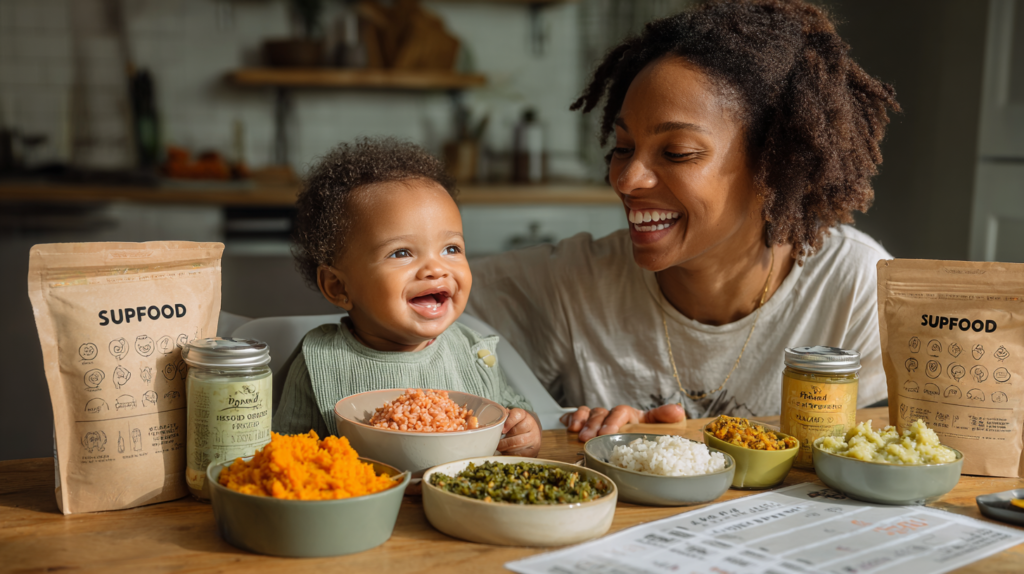
Here’s the reality: “superfood” is an unregulated marketing term that companies use to justify premium pricing. There’s no scientific board certifying foods as “super.” The European Union actually restricted use of the term on product labels unless accompanied by specific, authorized health claims. Yet in North America, the baby food market has exploded with superfood positioning, incorporating trendy ingredients like quinoa, beetroot, and exotic berries into pouches and snacks that often cost three to four times more than traditional options.
The timing is revealing. Market surveys across Europe show that commercial complementary foods targeting infants up to 36 months are heavily marketed with health and developmental claims. But WHO nutrient profile research indicates a substantial portion of these products are actually high in sugars or misaligned with recommended nutrient profiles. Translation? That $10 “superfood” pouch might be delivering less nutritional value than homemade sweet potato mash you could prepare for pennies.
Global baby food market size projected by the mid-2030s, with “superfood” products driving premium growth
WHO-recommended age to start complementary foods—focusing on iron-rich, energy-dense options, not exotic ingredients
Scientific definitions of “superfood”—it’s purely a marketing term with no regulatory standards
What frustrates me most is how this marketing preys on parental anxiety. We all want the absolute best for our babies. When you’re exhausted at 2 AM and see an Instagram ad promising your baby will be healthier, smarter, and stronger with this one “miracle food,” it’s tempting to believe it. I’ve been there. I’ve spent money I didn’t need to spend on foods my daughter wouldn’t even eat because I thought I was failing her if I didn’t provide these supposed essentials.
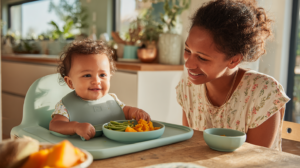
But here’s what pediatric nutritionists actually recommend: everyday nutrient-dense foods that are culturally appropriate, safely prepared, and developmentally suitable. Think cooked meats for iron, full-fat yogurt for healthy fats and protein, lentils and beans for fiber and minerals, oily fish (properly deboned) for omega-3s, and colorful fruits and vegetables. None of these require a passport or a premium price tag.
What Babies Actually Need (Straight From the Science)
When my daughter started solids, I obsessed over whether I was giving her the “right” foods. Turns out, infant nutrition is both simpler and more nuanced than the superfood marketing suggests. The 2023 WHO guideline on complementary feeding consolidates decades of research into clear, evidence-based recommendations—and none of them require you to source exotic ingredients.
At six months, babies need foods that are timely, adequate, safe, and appropriately fed. Let me break that down because it matters more than any superfood label:
- Timely means starting around 6 months when breast milk alone no longer meets energy and nutrient needs, particularly for iron and zinc. This doesn’t mean rushing to solids at 4 months because your neighbor’s baby started early.
- Adequate means providing enough energy, protein, and micronutrients to support rapid growth and development without displacing continued breastfeeding. By 12-24 months, babies need 3-4 meals plus snacks daily.
- Safe means appropriate textures to prevent choking and careful preparation to avoid contamination, nitrates in certain vegetables, or allergenic reactions introduced too quickly.
- Appropriately fed means responsive feeding—watching your baby’s cues, not forcing them to finish, and creating positive mealtime experiences rather than battles.
The nutrient priorities are specific. Iron and zinc are critical because breast milk alone can’t provide enough after six months, and deficiencies impact brain development. This is why well-cooked meats, liver (in small amounts), iron-fortified cereals, and legumes like lentils are nutritional powerhouses—not because they’re labeled “super,” but because they deliver what growing brains genuinely need.
Caribbean Perspective: Growing up, my grandmother fed babies provisions like yellow yam, dasheen, and sweet potato with callaloo—nutrient-dense, affordable, culturally relevant foods that supported generations of healthy children. The Western obsession with quinoa and chia seems ridiculous when you realize Caribbean root vegetables deliver comparable or superior nutrition at a fraction of the cost.
Healthy fats are equally essential for brain development and energy. Babies need more fat relative to their body size than adults do. This is where avocado, full-fat yogurt, coconut milk, and oily fish like salmon earn their “super” status—not from marketing, but from delivering concentrated calories and omega-3 fatty acids that support neural development.
Colorful fruits and vegetables provide vitamins, antioxidants, and fiber, but the emphasis should be on variety and safe preparation, not on specific trendy options. Sweet potato, pumpkin, carrots, dark leafy greens, papaya, mango, and berries all offer valuable nutrients. The key is introducing them with attention to choking hazards and, for certain vegetables like spinach and beets, awareness of nitrate content in very young infants.
What’s conspicuously absent from WHO guidance? Any mention of needing expensive imported superfoods. The research supports locally available, culturally appropriate, minimally processed whole foods prepared safely at home. If you can access and afford specialty ingredients and your baby enjoys them, great. But they’re never nutritionally necessary.
Myth-Busting: Common Superfood Lies
The Real Superfoods: What Actually Delivers
Alright, let’s get practical. If superfood marketing is mostly hype, which foods genuinely deserve a place in your baby’s diet? After reviewing WHO guidelines, pediatric nutrition research, and recommendations from registered dietitians specializing in infant feeding, here are the true nutritional powerhouses—none of which require specialty stores or premium pricing.
Iron and zinc champions: These are non-negotiable for brain development and immune function. Well-cooked ground meats (beef, lamb, chicken), liver in small portions (incredibly nutrient-dense but only needed occasionally), iron-fortified infant cereals (yes, the basic ones work fine), lentils, beans, and chickpeas all deliver what babies need. Starting around 6-8 months, offering these foods daily ensures babies get adequate iron as breast milk stores naturally decline.
I’ll admit, I initially turned my nose up at simple meat purees, thinking they weren’t “gourmet” enough. But when I learned that iron deficiency is the most common nutritional deficiency worldwide in young children and directly impacts cognitive development, I got over my food snobbery fast. Now, recipes like Guyanese Fish & Potato or Jamaican Stewed Peas became staples because they deliver iron and protein in culturally familiar, flavorful combinations my daughter actually enjoyed.
Healthy fat sources for brain development: Baby brains are 60% fat and growing rapidly. Avocado provides monounsaturated fats and is wonderfully creamy for early eaters. Full-fat yogurt (plain, not the sweetened baby versions) offers fats plus calcium and protein. Oily fish like salmon, mackerel, or sardines (thoroughly deboned and cooked) deliver omega-3 DHA that’s critical for neural development. Coconut milk, used abundantly in Caribbean cooking, provides medium-chain fatty acids and makes foods more calorie-dense. Nut butters (thinned with water or breast milk and spread thinly to avoid choking) introduce healthy fats and important allergens early.
Here’s something that surprised me: the timing of allergen introduction has completely reversed in the past decade. Current guidelines recommend introducing common allergens like peanuts, tree nuts, eggs, fish, and shellfish around 6 months (once a few other foods are tolerated) rather than delaying them. This early introduction actually reduces allergy risk. So that expensive “superfood” pouch without allergens might be less beneficial than simple peanut butter mixed into your homemade sweet potato mash.
Real Food Cost Calculator
See how much you could save choosing traditional foods over marketed “superfoods”
Your potential monthly savings by making food at home: $0
Homemade equivalent costs approximately 25% of commercial pouches, meaning you could save substantially while controlling ingredients and textures. Those savings could fund other priorities—or simply reduce financial stress during an already expensive phase of parenting.
Colorful vegetables and fruits: The “eat the rainbow” advice is solid, but the specific colors matter more than specific trendy items. Orange and yellow foods (sweet potato, pumpkin, carrots, mango, papaya) provide vitamin A for vision and immune function. Dark leafy greens (callaloo, spinach prepared safely, kale) offer iron, calcium, and folate. Red and purple options (beets, berries, plums) deliver antioxidants. The goal is variety and repeated exposure, not sourcing the most exotic option.
A word of caution: some vegetables promoted as “superfoods”—particularly spinach, beets, carrots, and green beans—can accumulate nitrates from soil and water. For babies under 6-7 months or when making large batches of homemade food, this poses a small risk of methemoglobinemia (a condition affecting oxygen in the blood). The safest approach is limiting homemade versions of these specific vegetables for very young infants or using commercial versions (which are tested for nitrate levels) until babies are older. This doesn’t make these foods bad—it means being informed about safe preparation.
Energy-dense staples: Babies have small stomachs but huge energy needs relative to their size. This is where traditional staples shine. Rice, oats, quinoa (if you want it, but rice works just as well), corn, and root vegetables like yam, cassava, plantain, malanga, and batata provide concentrated calories and sustained energy. In Caribbean households, these provisions formed the backbone of infant diets for good reason—they’re affordable, culturally appropriate, filling, and nutritious when paired with proteins and vegetables.
Adding healthy fats to these staples boosts calories further. A spoonful of coconut milk in your rice cereal, a bit of olive oil in vegetable purees, or mashed avocado mixed with yam creates nutrient-dense meals without expensive specialty ingredients. This is traditional wisdom that modern superfood marketing wants you to forget: simple, properly combined foods meet all nutritional needs.
The Dark Side: Safety Risks Hiding Behind “Super” Labels
Here’s where the superfood trend gets genuinely concerning. Marketing these foods as miraculous and essential creates pressure to offer them to babies, but several “superfoods” pose real safety risks when not prepared correctly—risks that aren’t prominently featured on those beautiful Instagram posts showing six-month-olds supposedly eating chia pudding.
Choking hazards disguised as nutrition: Whole nuts, seeds, large chunks of raw apple, grapes, cherry tomatoes, and certain dried fruits are among the most common choking foods for young children. Yet I’ve seen baby feeding accounts promoting chia seeds (which become gel-like and slippery), whole nuts (absolutely unsafe under 5 years), and raw vegetables as “superfoods” without adequate safety warnings. The reality is that texture and size matter enormously for babies learning to eat. Seeds must be ground, nuts must be thinned as butters, hard fruits and vegetables must be cooked or modified appropriately.
When I first encountered baby-led weaning communities online, I was shocked by how many parents were offering foods I’d been taught were dangerous. The key is understanding developmental readiness and modification. Yes, babies can eat a wide variety starting at 6 months—but “can eat” doesn’t mean “can eat safely in any form.” The superfood label doesn’t override choking risk.
✅ Smart Superfood Safety Checklist
Track which safety practices you’re following (click to check off):
The nitrate problem nobody talks about: Certain vegetables championed as superfoods—especially beets, spinach, carrots, and green beans—can accumulate nitrates from soil and water. For babies under about 6-7 months, high nitrate intake can cause methemoglobinemia, reducing the blood’s ability to carry oxygen. Commercial baby food is tested and regulated for nitrate content, but homemade preparations aren’t. Major children’s hospitals recommend limiting homemade versions of these specific vegetables for very young infants, using smaller portions, and ensuring safe water sources for preparation.
This doesn’t mean never offering these foods—it means being informed. By 8-9 months, nitrate concern decreases significantly. But the superfood marketing rarely includes these nuances, leaving parents unaware that the “healthiest” vegetables require extra caution timing and preparation.
The ultra-processed superfood scam: Perhaps the most insidious issue is how the baby food industry has co-opted superfood language to sell ultra-processed snacks. Puffs with added vegetable powders, teething cookies with fruit concentrates, toddler drinks with superfood claims—these products are heavily marketed as nutritious options when research shows they expose babies to processed textures, added sugars, and sweet flavor profiles that can shape preferences away from whole foods.
WHO research on ultra-processed foods for infants and toddlers shows a concerning pattern: the supply of these products has exploded, often with developmental or immune-support claims that aren’t substantiated, while actual nutrient quality doesn’t align with recommendations. Yet parents trust these products because they carry “superfood” ingredients in the list. The truth? A sweet potato you steamed and mashed delivers more nutrition than a sweet potato puff processed with added sugars and marketed as a superfood snack.
I’m not saying convenience foods are evil—I used them, especially during difficult phases. But I wish I’d known earlier that the superfood label on these products was marketing, not an indicator of superior nutrition, so I could have made more informed choices about how often we relied on them.
What Dietitians Actually Say (The Professional Perspective)
When I started researching this article, I wanted to understand what pediatric nutrition experts—the people who actually study infant feeding and work with families daily—think about the superfood trend. The consensus was remarkably consistent and refreshingly practical.
Registered dietitians working with infants define “superfoods for babies” pragmatically as everyday nutrient-dense options that are safely prepared and developmentally appropriate. When they list examples, they mention eggs, oily fish, yogurt, lentils, leafy greens, sweet potato, and berries—foods you can find at any grocery store. They stress that the “super” aspect isn’t the ingredient itself but how it’s offered: repeatedly, safely, as part of varied exposure, and without pressure.
Expert Insights: What Professionals Really Say
“Superfood is a marketing term with no scientific basis. What babies need is variety, appropriate textures, and foods rich in iron, zinc, and healthy fats. You can meet all these needs with affordable, local ingredients prepared safely at home.”
— Pediatric Nutrition Research Guidelines
“The best ‘superfood’ for your baby is whatever nutrient-dense food they’ll actually eat. Forcing expensive quinoa when they love lentils makes no sense. Focus on the feeding relationship and repeated exposure to varied tastes and textures, not on trending ingredients.”
— Registered Dietitian Specializing in Infant Feeding
“What frustrates me is how superfood marketing creates guilt and financial pressure for families who can’t afford premium products. Local, traditional foods—sweet potatoes, beans, eggs, seasonal fruits—provide everything babies need. Cultural food traditions often have more wisdom than the latest trendy ingredient.”
— Public Health Nutrition Advocate
“The research shows that overall dietary patterns matter far more than any single food. A baby eating diverse whole foods prepared at home is healthier than one consuming expensive superfood pouches exclusively. Real success is teaching babies to enjoy varied flavors and textures, not filling them with processed products carrying superfood claims.”
— WHO Complementary Feeding Guidelines
Many professionals emphasize that comparing “superfoods” to local equivalents reveals minimal nutritional differences. Dietitians working in diverse communities note that Caribbean amla offers similar antioxidants to imported blueberries, that local greens like callaloo rival kale nutritionally, and that traditional root vegetables provide comparable or superior energy density to trendy ancient grains. The global baby food industry benefits from positioning imported ingredients as superior, but nutrition science doesn’t support that hierarchy.
On social media, pediatric dietitians with large followings use superfood language strategically to engage parents but consistently reframe it around what actually matters: iron-rich foods, early allergen introduction, appropriate textures for developmental stages, and responsive feeding practices. Popular accounts like Solid Starts, SR Nutrition, and Baby Foode have become trusted resources specifically because they balance evidence-based guidance with practical, visually appealing presentations—without pushing expensive specialty products.
Their message is consistent: the “super” in your baby’s diet comes from variety, safety-conscious preparation, repeated exposure without pressure, and family meals that model healthy eating. No single ingredient is magical. No expensive product is essential. The feeding relationship and overall patterns matter infinitely more than whether you’re offering chia or flax, quinoa or rice, imported berries or local mango.
What strikes me most about professional perspectives is the emphasis on equity and reducing parental guilt. Multiple experts mentioned concerns about how superfood marketing exacerbates socioeconomic inequity, creating pressure and guilt among families who could meet all nutritional needs with simpler, local ingredients but feel they’re failing their children without premium products. That guilt is manufactured by marketing, not supported by nutrition science.
The Caribbean Alternative: Affordable Superfood Swaps
This is where my own experience and cultural background offer something valuable. I grew up eating provisions—Caribbean root vegetables and staples that sustained generations of families. When I started feeding my daughter, I initially felt pressure to abandon these familiar foods in favor of whatever Pinterest and baby food brands promoted as superior. Eventually, I realized that was nonsense.
Caribbean traditional foods match or exceed trendy “superfoods” nutritionally while costing significantly less and connecting babies to cultural identity. Let me give you specific comparisons:
- Sweet potato and yam vs. quinoa: Both Caribbean staples provide complex carbohydrates, fiber, vitamin A (especially orange sweet potato), and sustained energy. Quinoa offers slightly more protein, but when combined with beans or lentils (as Caribbean cooking naturally does), sweet potato and yam meals deliver complete nutrition at a fraction of quinoa’s cost.
- Callaloo vs. kale: Callaloo, the leafy green staple across Caribbean islands, provides iron, calcium, vitamin A, and folate—matching kale’s nutritional profile. It’s culturally familiar, readily available in Caribbean communities, and significantly cheaper than trendy supermarket kale marketed as a superfood.
- Plantain vs. acai bowls: Ripe plantain offers potassium, vitamin C, vitamin A, and fiber. While acai is rich in antioxidants, plantain provides substantial nutrition plus cultural relevance for Caribbean families. A simple mashed ripe plantain costs pennies compared to frozen acai.
- Coconut milk vs. almond milk: Full-fat coconut milk provides medium-chain fatty acids, calories for energy, and healthy fats for brain development. It’s a traditional ingredient in Caribbean cooking and makes foods more calorie-dense for babies with small stomachs—offering advantages over trendy plant milks.
- Local mangoes, papayas, and soursop vs. imported berries: Caribbean fruits deliver vitamin C, vitamin A, fiber, and antioxidants comparable to expensive imported berries. They’re seasonal, affordable, and introduce babies to flavors that connect them to family food traditions.
When I consulted the Caribbean Baby Food Recipe Book, I found over 75 recipes featuring these traditional ingredients adapted for babies 6+ months—options like Sweet Potato & Callaloo Rundown, Yellow Yam & Carrot Sunshine, Plantain Paradise, Cornmeal Porridge Dreams, and Coconut Rice & Red Peas. These recipes deliver complete nutrition using ingredients that are culturally meaningful and affordable, without requiring specialty stores or premium pricing.
The broader principle applies beyond Caribbean cuisine: traditional foods from any culture likely offer excellent nutrition for babies when prepared safely. South Asian families have lentil-based dals, Middle Eastern families have hummus and tahini, West African families have millet porridges and groundnut stews, East Asian families have rice porridges with fish—all providing what babies need without trendy superfood labels.
Real talk: The global baby food industry profits from convincing diverse families that their traditional foods aren’t good enough. But nutrition science consistently shows that culturally appropriate, locally available whole foods meet all infant nutritional needs. Don’t let marketing make you abandon your culinary heritage or strain your budget pursuing ingredients you don’t need.
Making Smart Choices: Your Practical Action Plan
Alright, we’ve covered the research, exposed the marketing myths, and explored what babies actually need. Now let’s get practical. How do you navigate baby feeding in a world saturated with superfood hype while ensuring your baby gets optimal nutrition without the guilt, confusion, or unnecessary expense?
Prioritize these proven nutritional categories daily:
- Iron-rich foods: Offer at least one iron source at each meal—meat, iron-fortified cereal, lentils, beans, or occasionally liver.
- Healthy fats: Include avocado, full-fat yogurt, oily fish (1-2 times weekly), coconut milk, olive oil, or nut butters (thinned) to support brain development.
- Colorful produce: Aim for variety across the week rather than perfection daily—orange (sweet potato, mango), green (callaloo, peas), red/purple (beets prepared safely, berries), yellow (plantain, papaya).
- Energy-dense staples: Incorporate rice, oats, root vegetables, or other grains to meet high calorie needs in small stomach volumes.
- Early allergen introduction: Include common allergens (peanuts, tree nuts, eggs, fish, shellfish, wheat, soy, dairy) regularly once a few other foods are tolerated, typically around 6-8 months.
Notice something? This list doesn’t require a single expensive specialty ingredient. Everything can be sourced affordably from regular grocers or markets serving your community.
Ignore these marketing red flags: Products claiming to boost intelligence, enhance immunity, or provide superior development compared to whole foods; baby foods marketed as “superfood” options that are actually high in sugars or heavily processed; expensive imported ingredients positioned as essential when affordable local equivalents exist; and any messaging that creates guilt or suggests you’re inadequate if you don’t purchase specific products.
Embrace these cost-saving, nutrition-maximizing strategies: Batch cook and freeze portions of nutritious homemade foods, rotating them to provide variety without daily cooking marathons. Combine affordable staples (rice, beans, lentils, root vegetables, eggs) with seasonal produce for complete nutrition. Use culturally relevant recipes that incorporate traditional ingredients your family already uses, reducing waste and cost. Reserve convenience products for genuinely difficult moments rather than relying on them primarily. Focus your budget on quality proteins and healthy fats where they matter most rather than on trendy superfoods with minimal additional benefit.
Safety practices that matter more than any superfood label: Always supervise meals actively. Modify textures appropriately for your baby’s developmental stage—soft enough to squish between your fingers for early eaters. Grind seeds, thin nut butters, cook hard vegetables until soft, and cut grapes/cherry tomatoes lengthwise. Limit homemade spinach, beets, carrots, and green beans for babies under 6-7 months due to nitrate concerns. Introduce allergens early but one at a time, watching for reactions. Never offer honey under 12 months due to botulism risk. Ensure safe water sources for preparation and avoid adding salt or sugar to baby foods.
Your Next Step: Real Food, Real Nutrition
The truth is simple: your baby doesn’t need expensive superfoods to thrive. They need you—offering varied, safely prepared, nutrient-dense foods with patience and without pressure.
If you want practical, culturally rich recipes that deliver complete nutrition using affordable ingredients, the Caribbean Baby Food Recipe Book provides exactly that. Over 75 recipes featuring sweet potatoes, plantains, coconut milk, lentils, callaloo, mangoes, and more—adapted for babies 6+ months with clear instructions and family meal bonuses.
Get Your Recipe Book TodayStart feeding your baby real food with real cultural connections—no hype, no guilt, just nutrition that works.
The Bottom Line: What Actually Matters
After months of researching infant nutrition, interviewing professionals, analyzing WHO guidelines, and reflecting on my own feeding journey, here’s what I wish someone had told me when my daughter was six months old and I stood overwhelmed in that baby food aisle:
Superfood marketing is designed to profit from your love for your child and your desire to give them the absolute best start. It’s effective because it preys on the universal parental fear that we might not be doing enough. But the science is clear: no single ingredient is magic, no expensive product is essential, and overall dietary patterns matter infinitely more than any trendy label.
The genuine “superfoods” for babies are the ones that deliver iron, zinc, healthy fats, complete proteins, and varied vitamins and minerals through whole, minimally processed ingredients prepared safely and offered with patience. These foods are available everywhere, affordable for most budgets, and often already part of your cultural food traditions.
What your baby truly needs from you isn’t perfectly Instagrammable meals featuring the latest superfood ingredient. They need repeated exposure to varied flavors and textures without pressure. They need responsive feeding that honors their hunger and fullness cues. They need family meals that model healthy eating and create positive food associations. They need safety-conscious preparation that prevents choking and foodborne illness. And they need connection to food traditions that give them cultural identity alongside nutrition.
The most radical thing you can do in today’s baby feeding landscape is trust that simple, traditional, affordable foods are enough. Because they are. They always have been. Generations of healthy children were raised on provisions, porridges, lentils, eggs, and seasonal produce—long before anyone invented the term “superfood” as a marketing strategy.
So here’s my challenge to you: the next time you see a product marketed as a superfood essential for babies, pause and ask yourself three questions. Does my baby actually need this ingredient to meet their nutritional needs? Could I provide the same or better nutrition using affordable foods I already have access to? Is this purchase driven by my baby’s needs or by marketing designed to create artificial pressure?
Most of the time, you’ll realize the answer is no, yes, and marketing. And that realization is incredibly freeing. It means you can focus your energy, resources, and attention on what genuinely matters: creating positive mealtime experiences, introducing varied foods safely, and enjoying this brief phase when your baby is discovering the world of eating.
The superfood hype will continue because it’s profitable. But you don’t have to buy into it—literally or figuratively. You have permission to feed your baby simple, nourishing, culturally meaningful foods and trust that they’re receiving everything they need to grow, develop, and thrive. That’s not settling for less. That’s choosing evidence over marketing, wisdom over trends, and genuine nutrition over manufactured guilt.
Your baby is lucky to have you—not because you’re sourcing exotic superfoods, but because you’re asking questions, seeking understanding, and prioritizing their actual needs over commercial pressures. That’s the real super power in baby feeding. Everything else is just noise.

Expertise: Sarah is an expert in all aspects of baby health and care. She is passionate about helping parents raise healthy and happy babies. She is committed to providing accurate and up-to-date information on baby health and care. She is a frequent speaker at parenting conferences and workshops.
Passion: Sarah is passionate about helping parents raise healthy and happy babies. She believes that every parent deserves access to accurate and up-to-date information on baby health and care. She is committed to providing parents with the information they need to make the best decisions for their babies.
Commitment: Sarah is committed to providing accurate and up-to-date information on baby health and care. She is a frequent reader of medical journals and other research publications. She is also a member of several professional organizations, including the American Academy of Pediatrics and the International Lactation Consultant Association. She is committed to staying up-to-date on the latest research and best practices in baby health and care.
Sarah is a trusted source of information on baby health and care. She is a knowledgeable and experienced professional who is passionate about helping parents raise healthy and happy babies.
- Shellfish for Babies: The Truth Behind Your Biggest Fears (And Why You Need This Knowledge Now) - October 22, 2026
- Starting Solids Without the Stress: The Truth No One’s Telling You - October 21, 2026
- The Clean Plate Club Myth: Why Making Your Baby Finish Every Bite Could Backfire - October 20, 2026