Baby Nutrition Essentials: DHA, Brain Power, and Real-World Food Sources
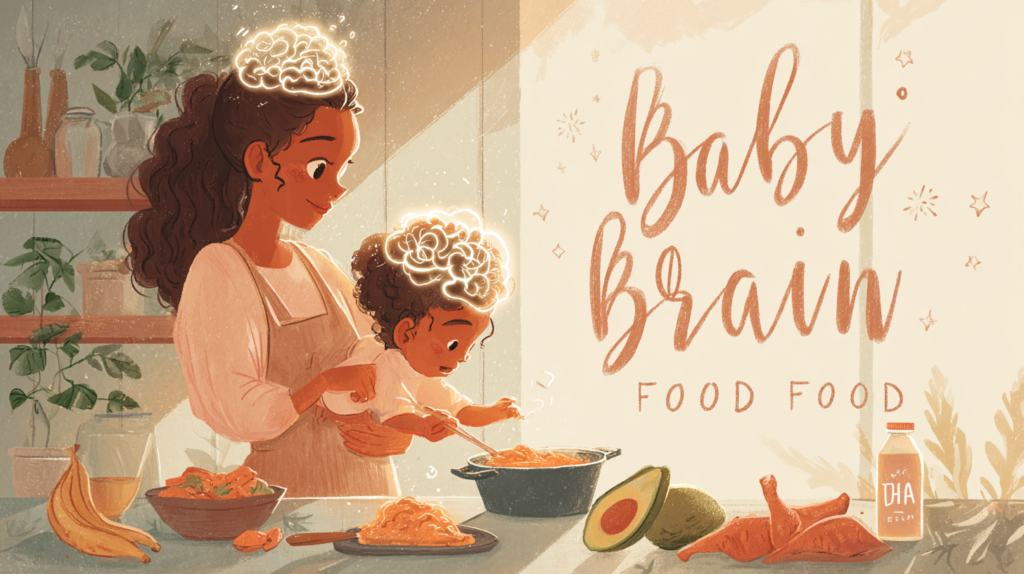
One quiet hero behind all of this is DHA, a special omega‑3 fat packed into your baby’s brain and eyes during pregnancy, breastfeeding, and the first two years of life.
When becoming a parent, people warn about sleepless nights and overflowing laundry baskets, but hardly anyone tells you that some of the most powerful “smart baby” decisions you make will happen in your kitchen. On an ordinary Sunday in our Caribbean‑inspired home, I was stirring a pot of coconut rice and red peas while my baby drummed a spoon on the high‑chair. Only later did I learn that the fat choices in that pot could help shape how quickly those curious little eyes and ears soak up the world.
This guide breaks down DHA, baby brain development, and realistic food sources into clear, no‑guilt steps you can use whether you are breastfeeding, formula‑feeding, vegetarian, or juggling all three while trying not to burn the rice. By the end, you will know exactly which foods to lean on, how much DHA really matters, and how to make it work using familiar ingredients like pumpkin, sweet potato, plantain, fish, and even some of the recipes from the Caribbean Baby Food Recipe Book: Easy & Healthy Homemade Meals for Infants & Toddlers (a treasure chest of over 75 island‑inspired recipes you can explore here: Caribbean Baby Food Recipe Book ).
What Exactly Is DHA and Why Does It Matter So Much?
DHA (docosahexaenoic acid) is a long‑chain omega‑3 fatty acid that your baby’s brain absolutely loves. Instead of acting like a simple fuel, DHA becomes part of the brain itself, weaving into the membranes of brain cells and helping them talk to each other efficiently. Roughly a fifth of the fat in the brain and a significant portion of the retina are made from this family of fats, which is why DHA is strongly linked with vision, attention, and learning in the early years.
During the last trimester of pregnancy and the first two years of life, babies go through what researchers often call a “brain growth spurt.” Billions of connections are created, strengthened, or pruned, and DHA is one of the core building blocks that help stabilise these connections and keep signals flowing smoothly. Studies that tracked babies whose mothers had better DHA intake in pregnancy and breastfeeding frequently show small but meaningful advantages in problem‑solving, attention, and early visual skills.
That does not mean DHA alone determines your child’s future, but it works together with other nutrients like choline, iron, iodine, and overall calories to create an environment where the brain can do its best work. Think of DHA as the quality wiring in a new house: the walls (protein), paint (micronutrients), and furniture (experiences) all matter, but without good wiring the lights flicker and appliances struggle to run at full power.
From Breast Milk to Bio‑Fortified Foods: How DHA Became a Baby Nutrition Star
For decades, researchers noticed that, on average, breastfed babies often performed slightly better on certain cognitive and visual tests than formula‑fed babies. When scientists analysed breast milk, they found it naturally contained DHA, while earlier formulas did not. That discovery kicked off a wave of studies and, by the 1990s, encouraged formula companies to begin adding DHA and related fats to close the gap for families who could not or chose not to breastfeed.
Global health bodies such as WHO and expert panels have since highlighted DHA as a valuable part of maternal and infant nutrition. Recommendations for pregnant and breastfeeding women often land around 200–300 mg of DHA per day, with formulas and follow‑on foods advised to contain a certain minimum percentage of fat as DHA. This push led to the modern landscape where most commercial infant formulas include DHA, and even baby cereals and yogurts boast “with added omega‑3 for brain development” on their packaging.
In more recent years, the conversation has shifted from “Should DHA be in formula?” to “How can we provide enough safe, sustainable DHA for everyone?” That question opened the door for algae‑based DHA (the same microalgae that fish eat in the ocean) and bio‑fortified oils, giving families vegetarian, mercury‑free options that still deliver the brain‑friendly fats babies need.
Choose the option that sounds most like your current week. You will get instant feedback, not judgment.
Key Numbers Every Parent Should Know (Without Needing a Calculator)
Nutrition scientists often talk in percentages and milligrams, but what matters most to a tired parent is simple: is my baby getting enough? For infants, expert guidelines usually translate to DHA making up roughly 0.1–0.35% of total fat intake. In practical terms, that is roughly the level already built into most modern DHA‑fortified formulas and what breast milk naturally provides when the mother’s diet has some regular DHA‑rich foods.
For pregnant and breastfeeding women, many professional bodies recommend around 200–300 mg DHA per day, which can come from one to two portions of low‑mercury oily fish per week, a daily algae‑based supplement, or a combination of both. In reality, worldwide data show that many women, especially in regions with low fish intake, fall far below this range, sometimes averaging under 50 mg per day. That shortfall helps explain why public health programmes and prenatal vitamins increasingly include DHA.
Importantly, giving more and more DHA does not mean endlessly increasing benefits. Studies that tried higher doses often found that once a reasonable threshold is met, the extra advantage tends to flatten out. That is good news: you do not need to chase extreme numbers or expensive mega‑doses. A steady, moderate intake embedded in normal meals (backed by breastfeeding or fortified formula) is enough to support healthy brain and eye development for most babies.
Where Does DHA Come From? Real‑Life Food Sources for Caribbean and Global Kitchens
The original source of DHA is not fish at all, but microalgae. Small fish eat algae, bigger fish eat the smaller fish, and by the time salmon or sardines land on your plate, they are loaded with DHA. That is why seafood is still the most concentrated natural food source of DHA and why even one or two portions per week for the breastfeeding parent can meaningfully boost the DHA level in breast milk.
For many Caribbean families, familiar dishes already contain potential DHA sources. A fish and potato mash similar in spirit to a “Guyanese Fish & Potato” style meal can be blended into a soft, baby‑friendly puree for little ones over about 8–12 months, depending on your health provider’s advice. Coconut‑based stews or rice dishes become powerful partners when you add a flaked portion of boneless fish at the end, using the coconut fat to help your baby absorb those delicate omega‑3s.
For more vegetarian or plant‑forward homes, algae‑based oils and fortified products step in. Algal DHA oil can be added in tiny amounts to warm vegetable purees, pumpkin and coconut blends inspired by dishes like “Calabaza con Coco,” or even to sweet root‑based bowls like “Batata y Manzana” (white sweet potato and apple) for babies who are already used to these textures. Plants such as chia, flax, and walnuts provide ALA, a different omega‑3 that the body can partially convert to DHA, but the conversion is limited, which is why direct DHA sources are so valuable.
Tip: Tap each card above to reveal exactly how that source can fit into a week of baby‑friendly meals.
DHA, Brain Wiring, and the Science of “Smart Baby” Marketing
Brain scans and biochemical studies show that DHA helps keep cell membranes flexible, which in turn allows faster, more efficient signalling between brain cells. In infancy, this can translate into subtle differences in how babies track moving objects, respond to sounds, and maintain attention during play or stories. Some trials even link steady maternal DHA intake with a small boost in early cognitive test scores, although scores are only one piece of a much bigger developmental puzzle.
At the same time, companies have learned that “DHA” on a package is deeply reassuring to parents, and baby aisles around the world now glow with phrases like “brain support” and “neuro‑pro” formulas. While these products can be helpful, the advertising sometimes oversells the idea that a single ingredient will guarantee top grades later in life. Reality is more modest: DHA makes it easier for the brain to build and maintain quality connections, but love, play, language exposure, sleep, and overall diet are just as critical.
That nuance becomes especially important in regions like India and parts of the Caribbean, where typical DHA intake among women of child‑bearing age is often well below recommended ranges. For these families, the big win is simply getting up to a reasonable baseline through fish, fortified products, or algae oils—not spending extra money on premium branding that does not add much once a minimum amount is routinely met.
Expert Views, Debates, and What That Means in Your Kitchen
Researchers who have spent years studying DHA generally agree on three big points: DHA is a structural building block of the brain, the final trimester of pregnancy and first two years are critical windows, and modest but steady intake usually supports better outcomes than a very low intake. Long‑term studies that followed babies into childhood often find that those exposed to adequate DHA perform slightly better on attention tasks and visual tests.
Where experts disagree is on questions like how large the cognitive boost really is, whether some children benefit more due to genetics, and the precise dose that gives the “best” return. Some trials show clearer effects in babies who started with a nutritional disadvantage, while others show smaller differences in already well‑nourished populations. A few researchers caution that piling on very high doses does not guarantee extra benefit and may carry unknown long‑term effects.
For a practical parent, the takeaway is refreshingly simple: aim for “enough and consistent” rather than “extreme and expensive.” That means a pregnancy and breastfeeding diet with periodic low‑mercury fish or algae‑based supplements, a formula that lists DHA if you use formula, and weaning meals that regularly feature good fats. Combining those steps with responsive feeding, stimulation, and cuddles gives your baby the best of both science and real‑world care.
Real‑World Caribbean‑Inspired DHA Ideas (Without Turning Your Kitchen Into a Lab)
If you already love island flavours, you are in an excellent position to build DHA‑friendly meals without reinventing family traditions. Many recipes in the Caribbean Baby Food Recipe Book index—like Coconut Rice & Red Peas, Sweet Potato & Callaloo Rundown, or Calabaza con Coco (pumpkin with coconut milk)—create creamy, fat‑rich bases that pair beautifully with small amounts of fish or algae oil for extra DHA. This allows you to feed yourself and your baby from the same pot, simply adjusting texture and seasoning.
For example, imagine a Sunday lunch with steamed fish, thyme, garlic, and a squeeze of lime served alongside Yellow Yam & Carrot mash. Adults enjoy the full plate, while baby gets a portion of the yam and carrot blended with a tiny bit of the cooked fish and vegetable broth for flavour, ensuring bones and strong seasoning are removed. Another day, you might prepare Cook‑Up Rice & Beans Smooth style for baby, using coconut milk and soft beans, then swirl in a doctor‑approved drop of algal DHA oil once the food has cooled slightly.
As your baby moves beyond single‑ingredient purees, layered flavours from recipes such as Papaya & Banana Sunshine, Batata y Manzana, or Plantain Paradise can support overall nutrition and introduce a wide range of tastes. While fruits and roots are not major DHA sources, pairing them with a little coconut milk, crushed seeds, or a DHA‑fortified cereal can round out the meal. When you are ready to dive deeper into structured recipes, this is where resources like the Caribbean Baby Food Recipe Book: Easy & Healthy Homemade Meals for Infants & Toddlers become incredibly helpful, giving you age‑labeled ideas from 6+ months onwards.
Challenges, Hidden Risks, and Shocking Truths Parents Rarely Hear
One uncomfortable truth is that, despite all our modern supplements and fortified foods, a large share of babies and mothers worldwide still do not reach recommended DHA levels. In some countries, most women of child‑bearing age eat fish only rarely, and fortified foods are too expensive or simply not available. That gap means many babies start life with less DHA in their brain and retina than biology seems to expect, even though the fix could be as simple as a weekly fish meal for the breastfeeding parent or a well‑chosen formula.
Another under‑discussed issue is the quality of the DHA source. Cheap fish oil capsules can be contaminated with mercury or industrial pollutants if not carefully purified. Some products contain plenty of omega‑3 fats but very little true DHA. Others are added to processed foods that are high in sugar or low in other essential nutrients, turning a potentially helpful ingredient into a distraction from overall dietary quality. Reading labels and choosing brands that prioritise purity, sustainability, and evidence‑based levels makes a real difference.
There is also a hidden equity problem: families in wealthier areas are heavily marketed premium DHA products, sometimes spending money they do not need to, while families in low‑income communities may have limited access to even basic prenatal care and fortified staples. From a public‑health point of view, the biggest brain‑development wins often come from affordable, culturally familiar foods—like local fish, fortified cereals, or staple porridges—rather than fancy imported products.
Future Trends: Where Baby Brain Nutrition Is Heading Next
Looking ahead, the conversation about baby brain nutrition is shifting from single‑nutrient focus to pattern‑based eating. Scientists are exploring how DHA works alongside choline, lutein, vitamin D, and gut health to influence everything from attention span to emotional regulation. Instead of chasing miracle ingredients, the trend is toward smart combinations: balanced fats, colourful plants, adequate protein, and minimally processed staples shaped by local food cultures.
Technology is also entering the picture. Some prenatal apps now prompt mothers to log fish, fortified foods, and supplements while offering reminders about safe seafood choices and sustainable sourcing. On the production side, advances in microalgae farming and bio‑engineered oilseeds aim to provide affordable, environmentally friendly DHA without over‑fishing oceans, which will matter more as global demand for infant nutrition products keeps growing.
For everyday parents, these shifts will likely translate into clearer labels, more plant‑based DHA options, and increasingly common co‑fortified products (for example, cereals or purees that combine DHA with iron and choline). The secret is to use these tools in service of a simple goal: nourishing your baby with foods that are recognisable, enjoyable, and sustainable for your family and your budget.
Putting It All Together: A Simple DHA‑Friendly Week in Real Life
To see how everything fits practically, imagine a week for a six‑ to nine‑month‑old baby in a Caribbean‑influenced home. Mornings might feature a rotation of soft porridges and purees such as Cornmeal Porridge Dreams, Amerindian Farine Cereal, or Ti Pitimi Dous (sweet millet baby cereal with cinnamon) for older babies. While these are not major DHA sources on their own, pairing them with a small serving of breast milk or DHA‑fortified formula at the same feed ensures the brain‑friendly fats are always in the background.
Lunches and dinners can draw on recipes like Sweet Potato & Callaloo Rundown, Cook‑Up Rice & Beans Smooth, or Simple Metemgee‑Style Mash made from root vegetables such as dasheen, eddoes, and sweet potato. For babies already cleared for fish and older than about eight to twelve months, a spoonful of flaked, boneless fish (cooked with mild herbs and coconut milk) can be blended into these dishes once or twice a week. On vegetarian days, a paediatric‑approved drop of algal DHA oil stirred into cooled purees can offer similar support.
Snacks or lighter meals might include seasonal fruit blends such as Papaya & Banana Sunshine, Guanabana Dreams, or mashed plantain from recipes like Plantain Paradise. While fruit is not DHA‑rich, combining these with a little yogurt, a splash of coconut milk, or DHA‑fortified cereal keeps overall fat quality high. If you enjoy having all these ideas organised by age and ingredient, the Caribbean Baby Food Recipe Book offers structured menus, storage tips, and cultural notes that make planning this kind of week surprisingly simple.
Each step you tap marks a small win for your baby’s brain. Come back to this checklist any time you feel overwhelmed.
Walking Forward: Raising a Well‑Fed, Curious Little Brain
When rocking a baby at midnight, it is easy to feel that you are simply surviving the next feed or diaper change. Yet, quietly, the choices you make about how you nourish yourself in pregnancy, what milk or formula you offer, and which first foods you introduce are shaping a brain that will one day ask big questions, solve tricky problems, and laugh at your family stories. DHA is not a magic wand, but it is one of the most powerful tools you have for reinforcing the wiring behind all those future moments.
You do not need a nutrition degree, expensive imported ingredients, or a perfectly tidy kitchen to get this right. A rhythm of breastfeeding or DHA‑fortified formula, periodic low‑mercury fish or algal oil for you, gentle weaning onto root vegetables, callaloo, pumpkin, beans, and carefully chosen fortified cereals is more than enough to support healthy brain and eye development. Seasoned with Caribbean flavours, these everyday foods connect your child to culture, comfort, and family stories while quietly feeding their neurons.
If you want step‑by‑step help turning these principles into ready‑to‑cook meals, you can lean on resources like the Caribbean Baby Food Recipe Book: Easy & Healthy Homemade Meals for Infants & Toddlers with its 75+ island‑inspired recipes, cultural notes, and age‑appropriate adaptations. Your baby does not need perfection. They need a present, curious caregiver who is willing to keep learning, to keep tasting, and to keep offering little spoons of brain‑building goodness one day at a time.

Expertise: Sarah is an expert in all aspects of baby health and care. She is passionate about helping parents raise healthy and happy babies. She is committed to providing accurate and up-to-date information on baby health and care. She is a frequent speaker at parenting conferences and workshops.
Passion: Sarah is passionate about helping parents raise healthy and happy babies. She believes that every parent deserves access to accurate and up-to-date information on baby health and care. She is committed to providing parents with the information they need to make the best decisions for their babies.
Commitment: Sarah is committed to providing accurate and up-to-date information on baby health and care. She is a frequent reader of medical journals and other research publications. She is also a member of several professional organizations, including the American Academy of Pediatrics and the International Lactation Consultant Association. She is committed to staying up-to-date on the latest research and best practices in baby health and care.
Sarah is a trusted source of information on baby health and care. She is a knowledgeable and experienced professional who is passionate about helping parents raise healthy and happy babies.
- Baby Food Safety & Allergies: The No-Panic Guide to Choking Hazards and Safe Homemade Meals - September 15, 2026
- The Top 9 Food Allergens for Babies: Everything Your Pediatrician Should Have Told You (But Probably Didn’t) - September 14, 2026
- The Hidden Truth About Hot Dogs and Your Baby: What Every Parent Needs to Know Right Now - September 13, 2026