Baby Myths & Facts: Busting the “Cereal First” Rule (So Your Little One Eats Better For Life)
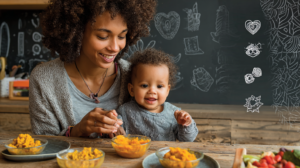
The night before I gave my first baby solid food, three different aunties gave me three very confident orders: “Start with rice cereal,” “Put cereal in the bottle so they sleep,” and “If you don’t give cereal first, the baby will stay hungry.” I smiled, nodded, and then sat on the edge of my bed wondering if one wrong spoonful was about to ruin my child’s entire relationship with food.
If you’ve ever felt caught between grandma’s wisdom, Instagram advice, and what your pediatrician is saying, this guide is for you. We’re going to gently dismantle the myth that a baby needs cereal first, show you what modern research actually says, and give you practical, Caribbean-flavored ideas you can use at your very next meal.
By the end, you’ll not only know whether cereal deserves a place in your feeding journey, but you’ll also feel confident building a first-foods plan that fits your baby, your culture, and your real life (yes, including busy weeknights and picky grandparents).
Where Did the “Cereal First” Rule Even Come From?
The belief that cereal must be a baby’s first solid is not some ancient law of nature—it’s a relatively recent blend of post‑war pediatrics, food industry marketing, and the understandable desire to keep babies full and “safe” from allergies. For decades, iron‑fortified rice cereal was sold as the gentle, tame, perfect first food that wouldn’t upset tiny tummies or cause reactions.
Pediatric advice from the mid‑1900s often prioritized foods that were easy to mass‑produce, easy to mix into formula, and easy to standardize. Cereal checked all three boxes. Over time, families began to repeat this guidance as if cereal were not just one option but the only “right” starting point, and that story has been passed down across generations.
Today, though, we know something important: babies don’t develop best on tradition alone. They thrive when we combine cultural wisdom with up‑to‑date nutrition science—especially around iron, flavor variety, and texture. That’s where the cereal story starts to crack.
Cereal is an option, not a requirement. The real priority is offering iron‑rich, nutrient‑dense foods when your baby is developmentally ready, not following a strict “cereal first” script.
The Myth vs. The Reality (Tap to Flip)
Let’s start by separating the story we’ve inherited from the facts we have now. Tap each card below to flip it and reveal what modern infant nutrition actually supports.
Babies can feel satisfied with a range of first foods, including mashed beans, lentils, egg yolk, meats, or root vegetables. What matters more is iron, overall energy, and responsive feeding than whether the food comes from a box.
Adding cereal to bottles is not recommended and does not reliably improve sleep. It can increase choking risk and teach babies to override their natural fullness cues, which is the opposite of what we want for lifelong healthy eating.
Iron is crucial, but fortified cereal is just one way to get it. Soft meats, fish, lentils, peas, and some grains can meet babies’ iron needs when offered regularly from around 6 months.
Safe textures and age‑appropriate seasonings can help babies accept a wider range of flavors, including gentle herbs and spices. Bland cereal is not inherently safer than soft pumpkin with coconut milk or mashed beans.
When families learn this, the most common response is a mix of relief and regret—relief that they can do things differently now, and regret that they worried so much about ticking the “cereal first” box instead of enjoying those first messy, joyful meals. The good news: it’s never too late to shift from “rule‑following” to “baby‑centered” feeding.
What the Data Actually Says About First Foods
Research over the last decade has pushed experts to focus less on “what comes first on the spoon” and more on when and how babies start solids. Many babies show signs of readiness for complementary foods somewhere between 4–6 months, but the sweet spot is often around the time they can sit with support, hold their head steady, and show active interest in food.
At the same time, many infants worldwide are not meeting their iron needs in the second half of their first year. That’s one reason iron‑fortified cereal became popular in the first place. The more nuanced view now is that iron‑rich foods (including fortified cereal, meats, legumes, and some grains) should show up early and often, rather than cereal being a mandatory starting point.
There is also a noticeable cultural shift: more parents in high‑income countries are choosing a baby‑led or mixed approach to feeding, where babies are offered soft, graspable pieces of real food alongside purées. This trend reflects a growing desire to help babies build motor skills, respect their hunger cues, and connect with family food traditions from the beginning.
- Most babies are solid‑ready between 4–6 months, but readiness cues matter more than age alone.
- Iron needs jump after about 6 months, which is why iron‑rich foods are such a big deal in this conversation.
- The global baby cereal market is still growing, which means industry influence is strong even as feeding styles diversify.
Is Your Baby Ready for Solids? Tap to Check
Before we even talk cereal, dal, pumpkin, or plantain, the first question is: Is your baby ready? Use this quick, tap‑based checklist to get a feel. It doesn’t replace medical advice, but it can sharpen your instincts before you talk to your pediatrician.
When my son started lunging for my plate of callaloo and rice while sitting strongly on my lap, I realized he was less interested in “baby food” as a concept and more curious about the foods he saw us eating every day. That moment changed how I saw my role—from someone following a rigid feeding timeline to a guide inviting him into our family table, one safe texture at a time.
What Experts Now Recommend (Beyond the Box of Cereal)
Modern pediatric and nutrition guidelines emphasize a few big priorities for first foods: support iron and zinc needs, protect against deficiencies, encourage flavor diversity, and honor developmental skills. You’ll notice that none of those goals require cereal to be the first spoonful.
Many pediatric organizations now explain that there is no “correct” order for introducing solid foods. Instead, they point parents toward a mix of iron‑rich options, including soft meats, poultry, fish, egg, beans, and lentils, alongside grains, vegetables, fruits, and healthy fats. Cereals can be part of that rotation, but they no longer occupy the throne.
Dietitians who focus on responsive feeding also highlight the power of early flavor exposure. Babies who are gently introduced to a variety of tastes and textures—including bitterness from certain greens, sweetness from root vegetables, and aromatic notes from herbs and spices—may be more flexible eaters later on. Bland cereal alone doesn’t offer that training ground.
The guiding question has shifted from “Which single food should I start with?” to “How can I use these first months of solids to build iron stores, flavor curiosity, and self‑regulation for my baby?”
Mini Myth Quiz: What Matters Most?
Ready to test how much of the cereal myth you’ve already shaken off? Try this quick mini‑quiz. Tap your answer and get instant feedback.
Question: Which factor should guide your choice of first foods the most?
If you picked the combo of readiness plus nutrient density, you’re already thinking like a modern feeding expert. That frame lets you place cereal where it belongs: as one tool in a much bigger toolbox, not the single defining moment of your baby’s first year.
Why Cereal Became the Default (And Why That’s Changing)
To be fair to cereal, it didn’t become famous by accident. For years, fortified cereals helped reduce iron deficiency in settings where families struggled to access varied proteins. They were easy to store, simple to prepare, and predictable in texture. For sleep‑deprived parents and overcrowded clinics, “Start with cereal” became a quick shorthand.
But as more research emerged about early flavor exposure, allergy prevention, and the benefits of responsive feeding, experts realized the “cereal first” script was too narrow. Studies on early introduction of allergenic foods like peanuts and eggs showed that avoiding variety wasn’t protective in the way once thought. At the same time, public health campaigns started celebrating traditional, whole‑food approaches—like mashed beans, lentils, vegetables, and meats—right alongside, or even ahead of, boxed cereals.
Social media sped up this shift. Parents began sharing videos of babies happily munching on soft plantain fingers, pumpkin with coconut milk, or mashed mixed dal instead of only beige bowls of cereal. Combined with the rise of baby‑led weaning and mixed feeding styles, cereals lost their “must‑have” status and found a more realistic place as a convenient, but optional, part of the mix.
Where Cereal Still Fits (Without Being the Boss)
So should you toss the cereal box out the window? Not necessarily. The more helpful question is: Where does cereal make sense for your family? In some households, fortified cereals provide an affordable, accessible source of iron and calories. In others, they’re simply one of several breakfast options alongside porridges, mashed root vegetables, or grain‑and‑legume mixes.
You might choose to use cereal:
- As a vehicle for extra nutrients, mixing it with breastmilk, formula, or a little coconut milk.
- As part of a broader rotation, not the only food on repeat.
- As a smoother stepping‑stone if your baby initially struggles with textured foods.
What you don’t need to do is treat it like a rite of passage or a non‑negotiable step. Your baby will not fail “Baby Feeding 101” if they start with mashed sweet potato and callaloo, a spoon of soft lentil purée, or flaked fish and yam instead.
Caribbean‑Inspired First Foods That Beat “Plain Cereal”
If you’re raising your baby in a Caribbean household—or you simply love island flavors—you have a secret superpower: everyday dishes that can be adapted early to be safe, soft, and nutritionally rich. Instead of relying solely on cereal, you can draw from a whole pantry of roots, beans, fruits, and gentle spices.
Think about how naturally baby‑friendly some of these combinations can be when prepared the right way:
- Sweet potato & callaloo cooked until soft, then mashed with a little coconut milk for creaminess and healthy fats.
- Pumpkin and coconut cooked down until silky, giving baby beta‑carotene, energy, and a faint hint of island flavor.
- Mixed dhal purée made from lentils simmered soft, offering iron, protein, and fiber in one tiny bowl.
- Plantain blends like smooth, ripe plantain paired with a bit of guava or served alongside mashed beans for extra nutrients.
- Mild cornmeal porridges that use coconut milk and a whisper of cinnamon, adjusted to baby’s age and texture needs.
If you’d love step‑by‑step ideas for transforming these ingredients into safe textures from 6 months onward, you’ll find a whole library of Caribbean‑inspired baby meals inside Caribbean Baby Food Recipe Book: Easy & Healthy Homemade Meals for Infants & Toddlers , including age guides and cultural notes that help you keep the family flavor alive.
Choosing Your First‑Foods Path (Interactive Planner)
Every family’s rhythm is different. Some parents love purées and spoons, others prefer baby‑led chunks, and many end up happily in the middle. Use this mini planner to see what a first‑week menu might look like with or without cereal—and get ideas you can literally use this week.
Example Week: Whole‑Food Focus (approx. 6+ months)
- Day 1: Mashed pumpkin with coconut milk, very soft and smooth.
- Day 2: Mixed dhal purée thinned with breastmilk or formula.
- Day 3: Sweet potato & callaloo mash with a drizzle of olive or coconut oil.
- Day 4: Ripe plantain mash with a spoon of smooth bean purée.
- Day 5: Soft yam & carrot blend, cooked until mashable with a fork.
Many of these ideas echo recipes like “Sweet Potato & Callaloo Rundown,” “Basic Mixed Dhal Purée,” and “Yellow Yam & Carrot Sunshine” from the Caribbean‑inspired recipe collections you might already love.
This path leans heavily on naturally nutrient‑dense foods, using your pot instead of a packet to build flavor and nourishment.
Example Week: Mixed Approach (Cereal + Caribbean Whole Foods)
- Day 1: Iron‑fortified baby cereal mixed with breastmilk or formula.
- Day 2: Cereal plus a spoon of smooth pumpkin and coconut mash stirred in.
- Day 3: Soft lentil or dhal purée, with cereal offered on another day for variety.
- Day 4: Cereal in the morning, mashed plantain and beans in the afternoon.
- Day 5: Sweet millet or cornmeal baby porridge with a hint of cinnamon (age‑appropriate), then vegetables later in the day.
Here, cereal works like a simple base you can enrich over time with vegetables, legumes, and gentle spices, while still moving toward a diverse, island‑inspired plate.
This path can feel comforting if your family expects to see cereal but you also want to respect modern nutrition science and cultural foods.
If this kind of planning excites you, you’ll love how recipes like “Amerindian Farine Cereal,” “Cook‑Up Rice & Beans Smooth,” and “Papaya & Banana Sunshine” can all be adapted for different ages. They’re the kind of dishes brought together in the Caribbean Baby Food Recipe Book: Easy & Healthy Homemade Meals for Infants & Toddlers , which is designed to turn this whole conversation into practical meal plans.
Common Fears, Real Risks, and Honest Trade‑Offs
Whenever we challenge a deep‑rooted myth, a few understandable worries pop up. “If I don’t follow the cereal rule, will I confuse my baby’s stomach?” “What about allergies?” “Isn’t cereal safer than pieces of food?” These questions deserve real responses, not shame.
One concern is iron deficiency. Cereal manufacturers often lean on this fear in their messaging. But when you zoom out, you see that iron‑rich meats, fish, legumes, and some grains can all contribute meaningfully to the picture. In many cultures, soft stewed peas, lentil dishes, or gentle meat purées have been used for generations to nourish babies long before boxes existed.
Another fear is texture and choking. It’s true that babies need safe, age‑appropriate textures and close supervision. That’s why we cook roots until they are very soft, remove hard skins or seeds, and shape foods into mashable spoons or easy‑to‑grasp pieces. Cereal feels predictable, but predictability alone doesn’t make it superior; mindful preparation does.
Finally, there’s the emotional pressure: going against family expectations can feel heavier than any research paper. That’s where using language like “Our pediatrician recommended more variety” or “We’re trying some iron‑rich Caribbean foods too” can help you blend respect for elders with your current knowledge.
You’re not just feeding a baby—you’re slowly reshaping your family’s story about what healthy, culturally rooted eating can look like for the next generation.
Social Media, Trends, and “Everyone Else’s Baby”
Scroll your feed for five minutes and you’ll probably see everything from babies eating only purées to babies gnawing on drumsticks and whole mango slices. It’s easy to think you’re “behind” if your baby hasn’t tried a certain food yet—or “wrong” if you’re still using some purées when others have moved on.
Social media has definitely helped spread awareness that cereal is not the only first food. Baby‑led weaning accounts show confident little ones exploring finger foods from the start, and pediatric dietitians share colorful plates that look nothing like plain cereal. At the same time, it can also make you feel like there’s one new perfect method you must follow or else.
The reality is simpler: the method doesn’t make you a good parent; responsive feeding does. That means watching your baby’s cues, offering a variety of nutrient‑dense options, and staying open to course‑correcting as you learn what works for your unique child. You can borrow ideas from online trends without letting them dictate your every move.
Your Baby, Your Culture, Your Call
One of the most powerful shifts parents are making now is reclaiming their cultural foods as valid baby foods. Instead of thinking “baby food is beige, bland, and bought,” more families are saying, “If it nourishes me, we can often adapt it to nourish my baby too.”
That might look like:
- Taking a family dish like cook‑up rice and beans and creating a smooth “Cook‑Up Rice & Beans Smooth” version for your 8‑month‑old.
- Turning the flavors of cassava, plantain, and pumpkin into softer mash versions that echo classics like metemgee or rundown.
- Serving a sweet millet cereal with cinnamon that nods to traditional Caribbean breakfasts while staying baby‑friendly.
When you do this, cereal loses its status as the “only safe option” and becomes just one more choice in a sea of beautiful, culturally relevant foods. That’s a win for your baby’s body—and for their sense of belonging at the table.
If you want recipe ideas that walk this path with you—from “Baigan Choka Smooth” to “Mangú Morning”—you’ll find them curated in the Caribbean Baby Food Recipe Book: Easy & Healthy Homemade Meals for Infants & Toddlers , which is built exactly for parents who want real flavor without sacrificing nutrition.
Bringing It All Together: One Simple Mindset Shift
Let’s zoom out for a moment. When you look back in 5 or 10 years, your biggest feeding memories probably won’t be about the exact first food you chose. They’ll be about the messy grins, the spoon stolen out of your hand, the time your baby surprised you by loving pumpkin more than anything else on the tray. The “cereal first” myth shrinks quickly when you put it beside those living, breathing moments.
Underneath the marketing, the old guidelines, and the family pressure, one simple truth keeps showing up: your baby mostly needs you—present, curious, and willing to learn alongside them. Whether you start with mashed pumpkin, lentils, cereal, or plantain, the long‑term impact comes from patterns: offering iron‑rich foods regularly, making room for variety, respecting their appetite, and keeping mealtimes as relaxed as real life allows.
When you see cereal as a tool instead of a rule, you free yourself to build a feeding journey that feels more honest and more joyful. You can say “yes” to what supports your baby and “no” to what doesn’t, even if it has been repeated in your family for decades.
Tap the button to get your “Myth Detox” score based on how much you’ve engaged with this guide.
Here’s your gentle invitation: tonight, instead of scrolling another hour for the “perfect” plan, pick just one next step. Maybe it’s talking to your pediatrician about iron‑rich foods beyond cereal. Maybe it’s planning a soft sweet potato and callaloo mash for the weekend. Maybe it’s printing a recipe from a trusted resource and sticking it on the fridge.
And if you want those steps laid out for you in a way that celebrates island flavors and modern nutrition side by side, take a look at Caribbean Baby Food Recipe Book: Easy & Healthy Homemade Meals for Infants & Toddlers . It’s built to help you move beyond the cereal myth into a feeding journey that feels nourishing, culturally rooted, and actually fun—for both you and your baby.
At the end of the day, there’s no single “right” first bite. But there is a right direction: toward informed choices, brave conversations, and tiny bowls filled with foods that carry both nutrients and stories. You’re already walking in that direction just by reading this far. The next spoonful is yours to choose.

Expertise: Sarah is an expert in all aspects of baby health and care. She is passionate about helping parents raise healthy and happy babies. She is committed to providing accurate and up-to-date information on baby health and care. She is a frequent speaker at parenting conferences and workshops.
Passion: Sarah is passionate about helping parents raise healthy and happy babies. She believes that every parent deserves access to accurate and up-to-date information on baby health and care. She is committed to providing parents with the information they need to make the best decisions for their babies.
Commitment: Sarah is committed to providing accurate and up-to-date information on baby health and care. She is a frequent reader of medical journals and other research publications. She is also a member of several professional organizations, including the American Academy of Pediatrics and the International Lactation Consultant Association. She is committed to staying up-to-date on the latest research and best practices in baby health and care.
Sarah is a trusted source of information on baby health and care. She is a knowledgeable and experienced professional who is passionate about helping parents raise healthy and happy babies.
- Baby Food Safety & Allergies: The No-Panic Guide to Choking Hazards and Safe Homemade Meals - September 15, 2026
- The Top 9 Food Allergens for Babies: Everything Your Pediatrician Should Have Told You (But Probably Didn’t) - September 14, 2026
- The Hidden Truth About Hot Dogs and Your Baby: What Every Parent Needs to Know Right Now - September 13, 2026