The Story of Food: Teaching Your Children Where Every Meal Truly Begins
Let’s Start Your Child’s Food Journey: Pick Tonight’s Dinner
Click on what you’re having for dinner tonight, and discover the incredible journey it took to reach your table.
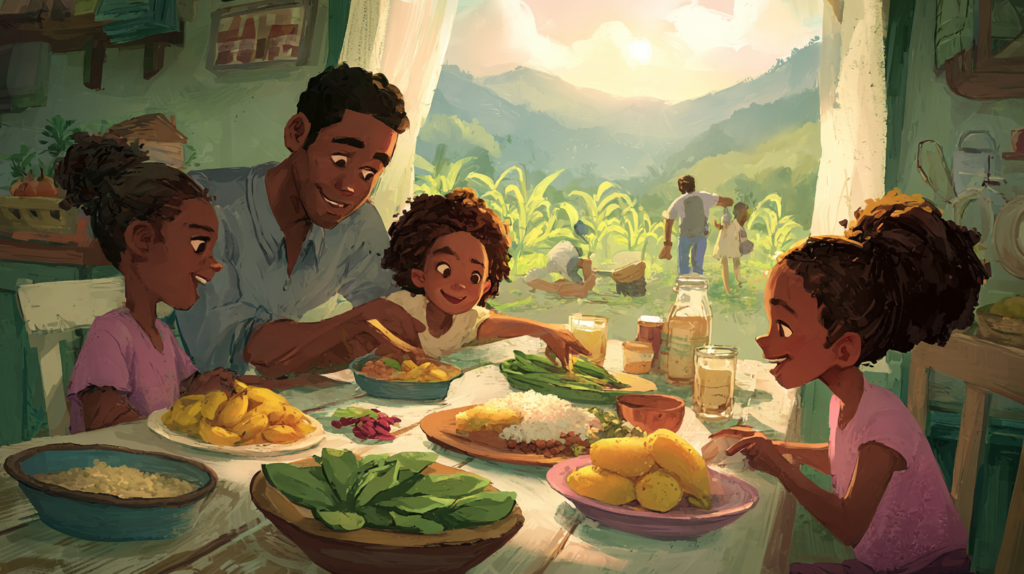
Last Tuesday evening, my niece Amara sat at the dinner table, pushing around rice and peas on her plate with the kind of dramatic sighs only a five-year-old can muster. “I don’t want this,” she declared. My sister, exhausted from a long day, looked at me with those eyes—you know the ones—that say help me out here. I leaned over to Amara and asked one simple question: “Do you know where this rice came from?”
She paused. Looked at her plate. Then at me. “The store?” she offered, uncertainty creeping into her voice.
That moment—that disconnect between food and its origins—is happening at dinner tables across the world every single night. Our children live in a time when meals appear from grocery store shelves, restaurant kitchens, and delivery apps. The story behind each bite, the hands that planted, nurtured, harvested, and prepared that food, has become invisible. And when food’s story disappears, so does our gratitude, our understanding, and our connection to the earth that sustains us.
Here’s what changed everything: I told Amara about the farmer who woke up before sunrise to check on his rice paddy. About how rice grows in water, swaying like ocean waves. About the women who sorted each grain by hand, the truck driver who brought it to market, the store worker who stocked the shelf. By the end of that dinner, she’d eaten every grain of rice on her plate—not because I’d forced her, but because suddenly, that rice meant something. It had a story. It had people behind it who deserved her respect.
This is farm-to-table education, and it’s one of the most powerful gifts we can give our children. Recent data shows that 74% of schools nationwide now participate in farm-to-table programs, reaching over 45 million students. These programs don’t just teach where food comes from—they build gratitude, environmental awareness, and a lifelong appreciation for the people who feed us. The beautiful truth? You don’t need a school program to start this education. It begins at home, in your kitchen, with one conversation at a time.
Why This Education Matters More Than Ever
We’re raising children in an era of unprecedented disconnection from food production. Most kids today couldn’t tell you how a potato grows, whether peanuts grow on trees or underground, or what a farmer actually does all day. This isn’t just about missing facts—it’s about missing the fundamental understanding of how we survive as humans.
The gap between farm and table has widened dramatically over the past few decades. In 2024, schools spent approximately $1.8 billion on local food—that’s only 16% of total school food spending. The rest? Industrially produced, packaged, shipped from distances our grandparents would find unimaginable. While there’s nothing inherently wrong with modern food systems, our children have lost sight of the origins, the labor, and the resources required to feed a family.
Think about it this way: when my grandmother was growing up in Jamaica, she knew exactly where her food came from because she helped harvest it. She understood seasons, soil, weather patterns, and the backbreaking work of farming because it was her daily reality. Today, my own children think tomatoes come from plastic clamshells, available year-round regardless of season. That knowledge gap isn’t just educational—it’s spiritual. It’s about understanding our place in the natural world and our dependence on the earth and its caretakers.
Farm-to-table education fills this gap. It reconnects children to food systems, helping them understand that meals don’t magically appear—they’re the result of countless hours of work, careful planning, environmental stewardship, and community cooperation. Studies from the 2023 USDA Farm to School Census show that students participating in these programs demonstrate improved nutrition knowledge, increased willingness to try new foods, and stronger consumption of fruits and vegetables. But beyond nutrition, they develop something even more valuable: gratitude.
When children understand the journey from seed to plate, they stop taking meals for granted. They begin to see the farmers, truck drivers, market vendors, and parents who make their meals possible. This shift in perspective—from entitlement to appreciation—changes everything about how they approach food and, ultimately, how they move through the world.
Build Your Family’s Food Gratitude Practice
Select 3 people involved in bringing food to your table that you want your child to appreciate:
Understanding the Full Food Journey
Let me paint you the real picture of where food comes from, because this is the story our children need to hear. Every meal on your table is the endpoint of an intricate journey involving dozens of people, complex systems, and careful timing. Understanding this journey transforms how children see their plates.
It starts in the soil—not just any soil, but soil that’s been prepared, tested, and nurtured. Farmers spend months before planting season analyzing their land, determining what nutrients it needs, what crops will thrive. They study weather patterns, plan irrigation systems, and invest significant money in seeds, equipment, and labor. This isn’t romantic—it’s calculated risk-taking. One bad season, one unexpected drought, one pest invasion can wipe out months of work and investment.
When planting begins, it’s usually before dawn. Farmers work with the coolness of early morning, seeding rows that stretch across acres. If you’re talking about rice, those fields must be flooded and maintained at precise water levels. For root vegetables like the sweet potatoes featured in the Caribbean Baby Food Recipe Book, farmers plant slips and wait months for harvest. Each crop has its own timeline, its own requirements, its own challenges.
During growing season, farmers monitor their crops daily. They check for pests, disease, water stress. They adjust irrigation, apply organic or conventional treatments, and pray that weather cooperates. This constant vigilance—morning, noon, and night—is what keeps crops healthy and productive. Small-scale farmers often can’t afford to hire help, so family members work alongside them. Children miss school during harvest. Spouses juggle other jobs to keep the farm financially afloat.
At harvest, the real race begins. Crops must be picked at peak ripeness, which means working long days in heat, rain, or cold. For fruits like mangoes or vegetables like callaloo, this picking is done by hand—one piece at a time. Workers bend, reach, carry heavy loads. Their bodies ache. Their hands develop calluses. Yet they continue because the crop won’t wait. Miss the harvest window, and everything is lost.
After harvest comes sorting, washing, and packing. This step is often done by women in farming communities, sitting for hours grading produce, removing damaged pieces, preparing products for market. Then comes transportation—trucks that must maintain proper temperature, drivers who navigate poor roads and long distances to deliver fresh food before it spoils.
At markets and stores, more workers unload, stock shelves, track inventory. They work early mornings and late nights to ensure food is available when families shop. Finally, someone—usually a parent—selects that food, transports it home, stores it properly, and prepares it into a meal. That meal represents hundreds of hours of labor, expertise, and care across multiple people and systems.
This is the story behind every single bite your child takes. When they understand this—really understand it—food waste becomes unconscionable. Complaining about meals becomes disrespectful. Gratitude becomes natural.
Test Your Farm-to-Table Knowledge
How well do you really know where food comes from? Take this quick quiz!
Where do peanuts grow?
Bringing Farm-to-Table Education Home
You don’t need a farm or even a garden to teach your children about food systems. Some of the most powerful farm-to-table education happens right in your kitchen, at your dinner table, during your weekly grocery shopping. It’s about shifting perspective and creating intentional teaching moments in everyday activities.
Start with conversations. When you’re preparing dinner, narrate the food’s journey. “These plantains came from a farm where they grew for months in hot sun. A farmer checked on them every day, waiting for them to be just right. Then someone picked them by hand, packed them carefully, and brought them to our market.” Even toddlers absorb this information. My friend’s two-year-old now says “thank you, farmers” before meals—unprompted. That’s not cute coincidence; it’s the result of consistent, simple storytelling about food origins.
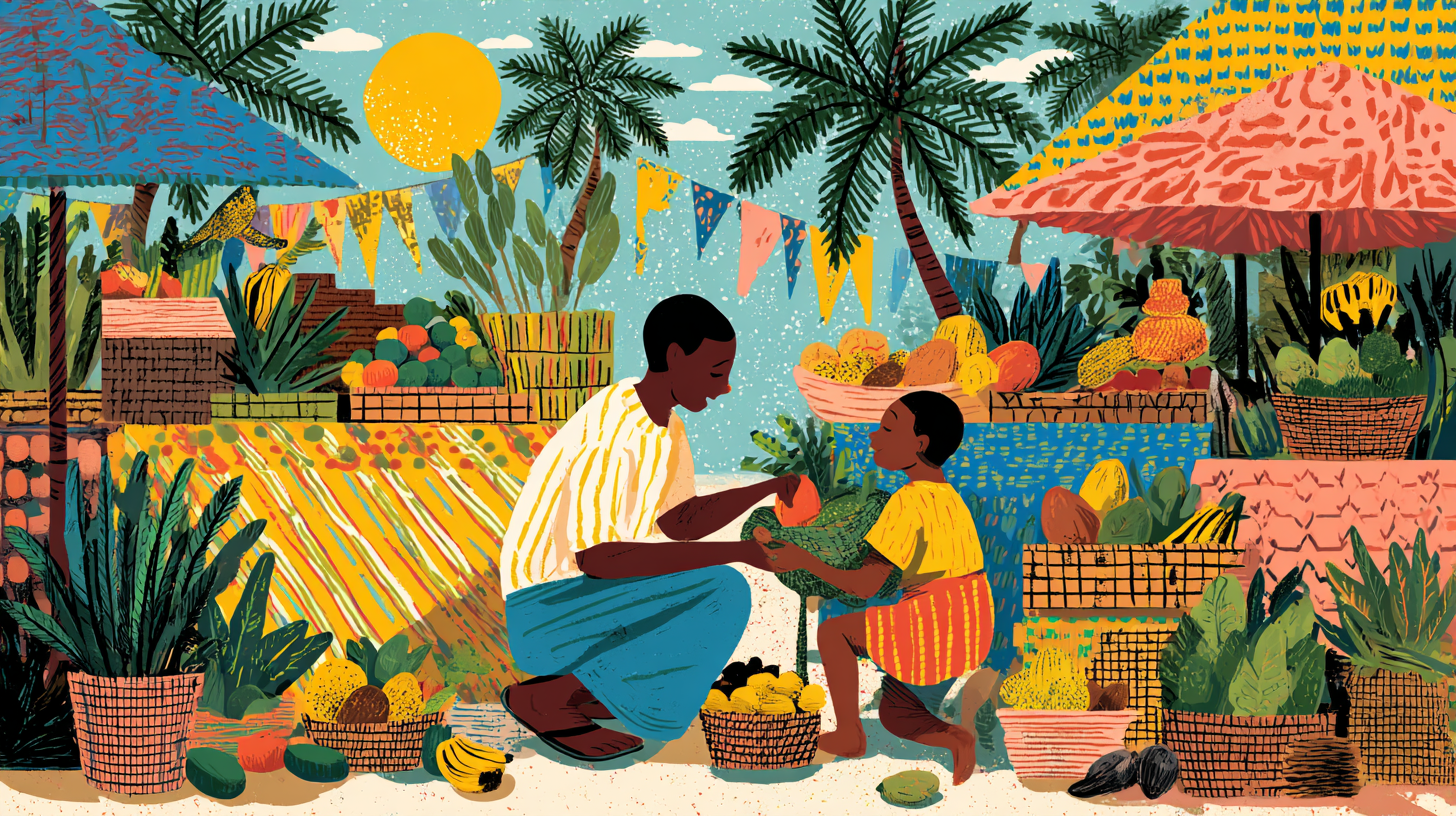
Take your children shopping at farmers markets whenever possible. The direct connection between grower and consumer creates powerful learning opportunities. Let your child ask the farmer questions: How do you grow tomatoes? What’s your favorite crop? What’s the hardest part of farming? Most farmers love sharing their knowledge, especially with children. These conversations humanize food production in ways no classroom lesson can match.
If farmers markets aren’t accessible, regular grocery shopping can still be educational. Play “food detective” games. Challenge your child to find where different foods come from by reading labels. Discuss why local produce might look different from shipped produce. Talk about seasons and why certain fruits aren’t available year-round. These small conversations accumulate into comprehensive understanding.
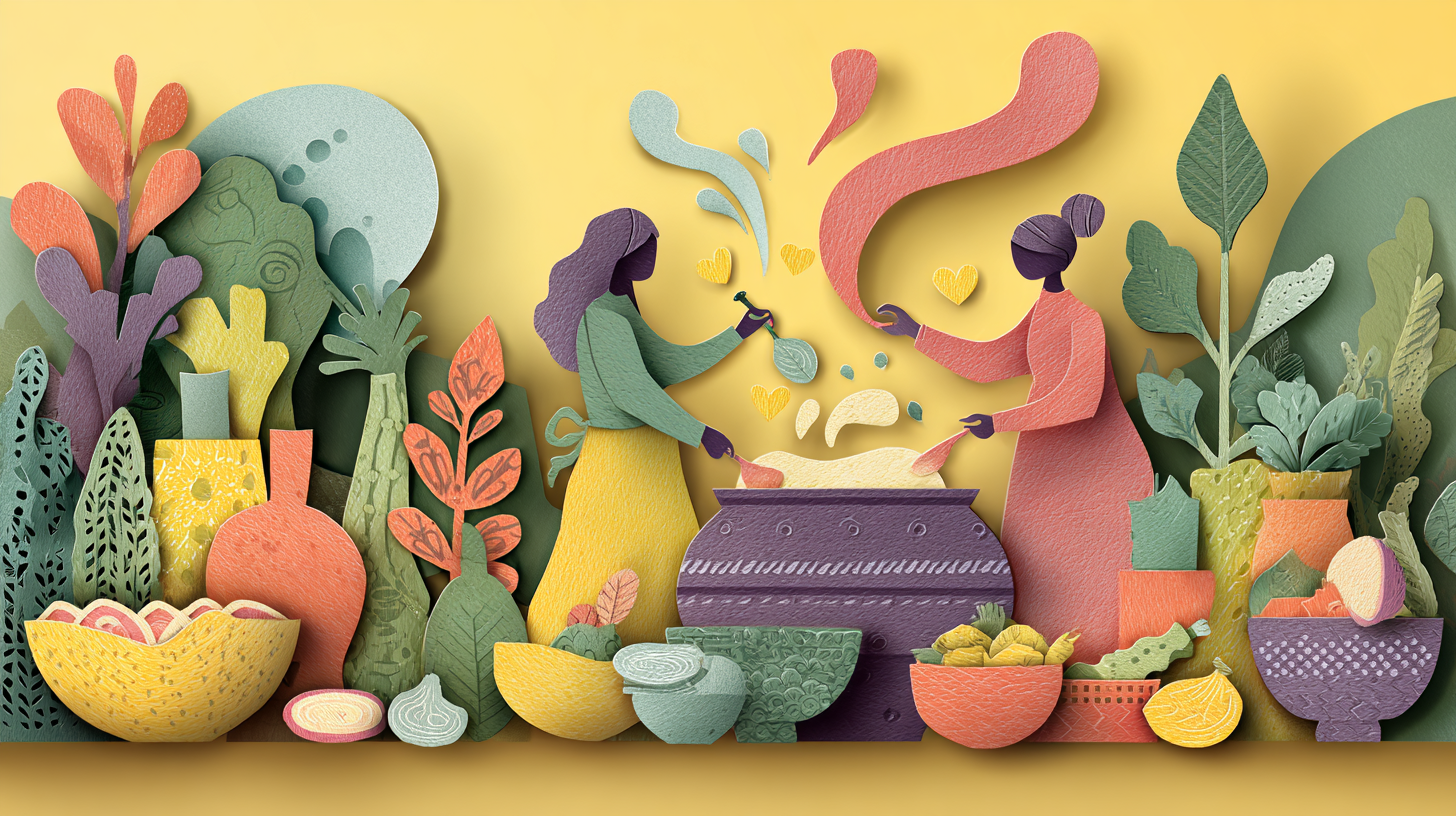
Cooking together is perhaps the most powerful farm-to-table education tool you have. When children participate in meal preparation, they connect effort to outcome. They understand that someone had to peel, chop, season, and cook before that food reached their plate. Recipes like the Calabaza con Coco (pumpkin and coconut milk) or Yellow Yam & Carrot Sunshine from the Caribbean Baby Food Recipe Book use whole ingredients that show children what food looks like in its natural state. When a child sees a whole pumpkin transformed into creamy puree, they grasp the process in tangible ways.
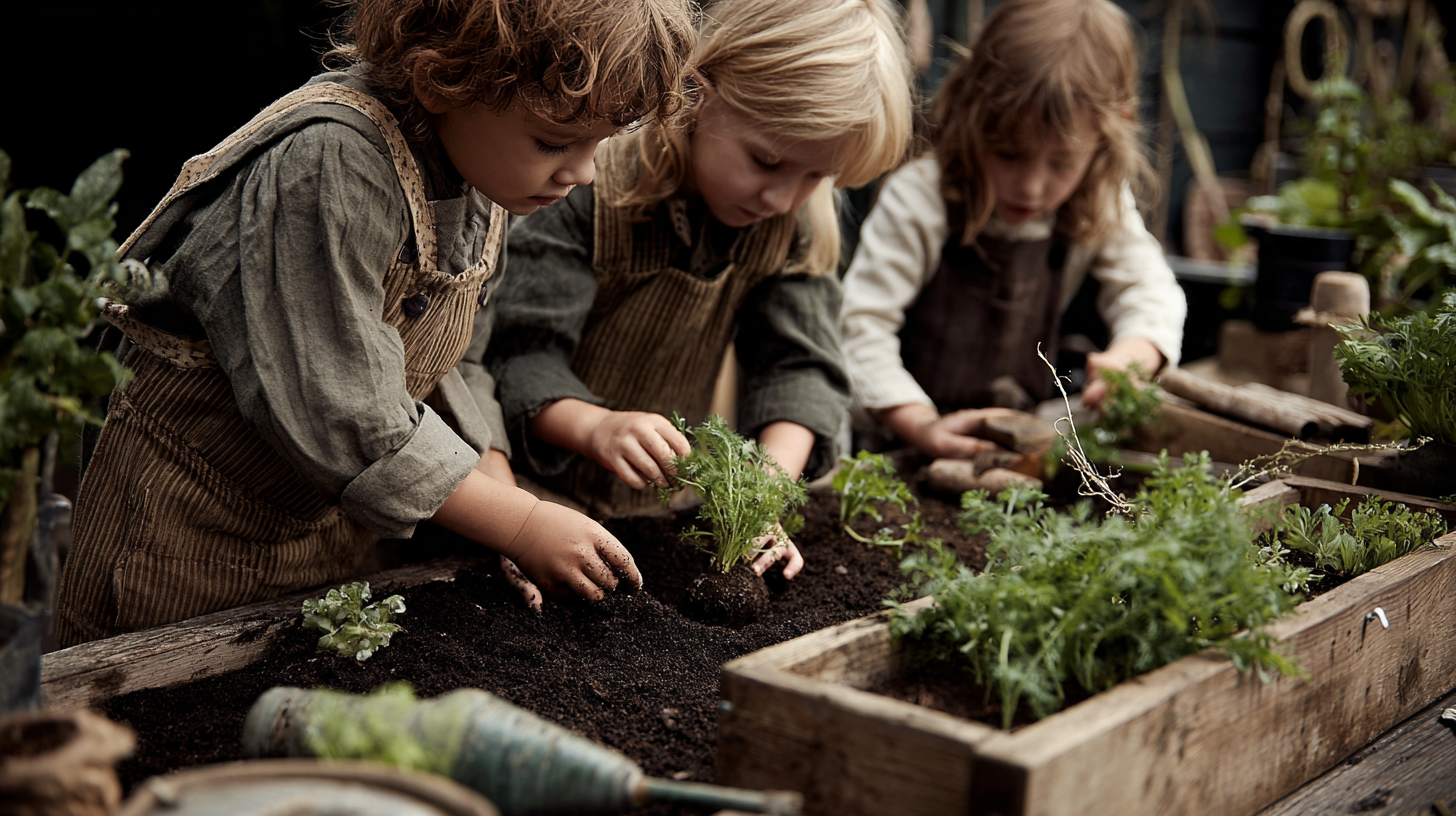
Even if you live in an apartment with no outdoor space, you can grow herbs on a windowsill or sprout seeds in jars. Watching seeds transform into edible plants teaches patience, care, and the miracle of growth. My cousin keeps a small herb garden in her city apartment, and her children water it daily. They’ve learned that basil needs sunshine, that mint grows aggressively, that plants need consistent care. These lessons translate directly to understanding what farmers do on a larger scale.
Reveal the Hidden Steps: From Farm to Your Table
Click each step to discover what really happens before food reaches your plate:
Teaching Respect for Farmers and Food Workers
In Caribbean culture, there’s a saying: “Every hoe have its stick a bush.” It means every person has their own struggles and challenges. Farmers face challenges most of us can’t imagine—unpredictable weather that can destroy months of work overnight, fluctuating market prices that make financial planning nearly impossible, physical labor that wears down bodies over time, and the constant pressure of feeding communities while barely making enough to sustain their own families.
Teaching children to respect farmers means teaching them to see the humanity in every person who contributes to their meals. It means understanding that farming isn’t a fallback career for people who couldn’t “do better”—it’s skilled, essential work that requires expertise, dedication, and incredible resilience. In 2024, small-scale farmers continue to face regulatory burdens, limited access to resources, and systemic challenges that make their work even harder. Yet they persist because they believe in feeding their communities.
One way to build this respect is through direct connection. If possible, visit working farms. Many farms offer tours, especially during harvest seasons. Let your children see farmers in action, ask questions, and understand the scope of farm work. These experiences create empathy that lasts a lifetime. My nephew visited a rice farm as part of a school trip, and months later, he still talks about how hard the work looked, how hot the sun was, how the farmer’s hands were rough from years of labor.
Another powerful approach is incorporating farmer appreciation into your family culture. Before meals, take a moment to acknowledge the farmers who grew your food. This doesn’t need to be religious or formal—just a simple “thank you” directed at the invisible people who made the meal possible. Some families keep a “farmer jar” where they drop coins throughout the week, then donate to farmer-support organizations monthly. Others write thank-you cards to farmers at markets they frequent.
Teach children about the economic realities farmers face. Age-appropriately, explain that farmers often don’t make much money despite their hard work. Discuss why buying local when possible supports farming communities. Help children understand that wasting food disrespects not just the food itself, but everyone who worked to produce it. When a child understands that throwing away half a sandwich means throwing away a farmer’s labor, their behavior changes.
Share stories of farmers from your own family or community. In Caribbean and many immigrant communities, farming heritage runs deep. My grandmother picked coffee in the Blue Mountains of Jamaica. My friend’s father grew cassava in Guyana. These aren’t distant historical facts—they’re family legacy. When children understand that their own ancestors were farmers, they connect more personally to agricultural work and the people who continue it.
Practical Activities for Every Family
Theory is beautiful, but children learn through doing. The following activities work for families of all backgrounds, budgets, and living situations. Pick what resonates with your family and adapt as needed. The goal isn’t perfection—it’s consistent exposure to farm-to-table concepts that build over time.
Grow something edible. It doesn’t matter if it’s a massive garden or three herb pots on your fire escape. Growing food teaches children patience, responsibility, and the reality that food production takes time and care. Start simple—basil, mint, or green onions grow easily and regenerate quickly. Let children be responsible for watering and watching their plants grow. When you harvest and use those herbs in cooking, children experience the complete cycle from seed to meal.
Cook from scratch together. Especially with young children, cooking provides sensory learning about food. Using recipes that feature whole ingredients—like the Stewed Peas Comfort, Cornmeal Porridge Dreams, or Coconut Rice & Red Peas from the Caribbean Baby Food Recipe Book—shows children food in its natural state before processing. Let them wash rice, peel sweet potatoes, snap beans. These hands-on experiences teach that food requires preparation and effort.
Create a food journey map. Choose one ingredient—say, coconut milk or plantains. With your child, research and map its journey from farm to your kitchen. Where does it grow? What climate does it need? Who harvests it? How does it get to your store? Draw or print pictures representing each step and create a visual display. This project makes abstract concepts concrete and visual, helping children grasp the full supply chain.
Start a gratitude practice around meals. Before eating, spend 30 seconds acknowledging everyone involved in the meal. “Thank you to the farmers who grew these vegetables, the workers who picked and packed them, the truck drivers who brought them here, and Mama who cooked this food with love.” Over time, this practice rewires children’s brains to think about food origins automatically. It shifts meals from entitled consumption to grateful receiving.
Visit farms and farmers markets regularly. Make it an adventure, not a chore. Let children pick one new ingredient to try. Encourage them to ask farmers questions. Many farmers markets now offer children’s activities during peak seasons—scavenger hunts, cooking demonstrations, agricultural education stations. Take advantage of these free resources. The direct farmer-to-child interaction can’t be replicated through books or videos.
Document your food stories. Create a family food journal where you record meals, their ingredients, and where those ingredients came from. Include photos, drawings, or stories about farmers you’ve met. Over months and years, this journal becomes a record of your family’s growing food consciousness. Children love looking back and seeing how their understanding has expanded.
Reduce food waste together. When children understand the work behind food, waste becomes painful to them. Involve them in meal planning, proper food storage, and creative use of leftovers. Composting, if possible, closes the loop by returning nutrients to soil. Explain how this cycle works—that food waste can become food for new plants, continuing the cycle of growth.
Choose Your Family’s First Farm-to-Table Activity
Select an activity that fits your family’s lifestyle—get a personalized action plan!
Addressing Modern Challenges
Let’s be real—farm-to-table education isn’t always easy or convenient. In 2025, families face legitimate obstacles that make direct food connection challenging. Time constraints mean parents work long hours and have limited energy for elaborate cooking or farm visits. Financial pressure makes expensive farmers market produce unrealistic for many budgets. Food deserts mean some communities lack access to fresh, local food regardless of desire. These barriers are real and deserve acknowledgment.
But here’s what I’ve learned through my own family and community: farm-to-table education doesn’t require perfection. It requires intentionality. You don’t need to buy exclusively organic, local food to teach your children about food systems. You don’t need hours of free time to grow elaborate gardens. You need consistent small efforts that accumulate into understanding.
If farmers markets are too expensive, visit them just to talk to farmers without buying large quantities. Purchase one item—a bunch of herbs, a single mango—and make a big deal about it with your children. Let that one ingredient become a teaching opportunity. If you can’t visit farms, watch documentary videos together about farming. Read books about food production. Use free online resources from organizations like the USDA Farm to School program, which offers educational materials for families.
If you’re short on time, incorporate food education into existing routines. While driving to school, talk about the farms you pass. While grocery shopping, play identification games. While eating dinner, tell one story about where the main ingredient came from. These micro-moments require no additional time—just intentional reframing of time you’re already spending.
The emotional challenge is also real. Some parents feel guilt or frustration about food choices they’re making due to budget, time, or access constraints. Release that guilt. Teaching children about food systems isn’t about judging your current food choices—it’s about expanding their awareness regardless of what you can afford or access. A child eating packaged food can still learn to appreciate the workers who made that package possible. A child eating fast food can still learn about supply chains and labor. Food education and food reality don’t have to match perfectly to be valuable.
Creating Long-Term Food Appreciation
The goal of farm-to-table education isn’t just short-term compliance or childhood understanding. It’s building lifelong food values that shape how your children interact with food, agriculture, and the environment throughout their lives. The children who learn these lessons now become the adults who support sustainable farming, reduce food waste, respect agricultural workers, and make conscious food choices.
This long-term impact starts with consistency. One farm visit or one conversation won’t transform a child’s food perspective. But repeated exposure, ongoing conversations, and modeled behavior create lasting change. My friend’s daughter is now in college, living on her own. She regularly texts photos of her cooking experiments, farmers market hauls, and the small herb garden on her balcony. That didn’t happen by accident—it’s the result of ten years of consistent food education in her childhood home.
Build traditions around food appreciation. Some families celebrate harvest seasons by learning about and eating foods at peak freshness. Others create “farmer appreciation days” where they research and thank farming communities. One family I know does a monthly “new food challenge” where they try an unfamiliar ingredient and research its origins together. These traditions embed food consciousness into family identity.
Expose children to diverse food systems and cultures. Learning about Caribbean food traditions, like those preserved in recipes for Ackee Adventure, Callaloo, or traditional Jamaican preparations, teaches children that food is cultural heritage. It connects them to ancestry, geography, and history. When children understand that food carries stories across generations and continents, they develop deeper respect for culinary traditions and the people who maintain them.
Encourage children to share their food knowledge. When they learn something new about farming or food production, let them teach siblings, friends, or other family members. Teaching reinforces learning and empowers children to become food educators themselves. Some children give presentations at school, create posters about food journeys, or write stories about farmers. This active sharing transforms passive learning into personal mission.
As children age, deepen the conversations. Discuss food policy, environmental impacts of different farming methods, economic challenges facing agricultural communities, and global food distribution inequities. These complex topics become accessible when children have foundational understanding from earlier farm-to-table education. Teenagers can understand supply chain disruptions, climate change impacts on agriculture, and fair trade practices because they’ve been building food systems knowledge their entire lives.
Track Your Farm-to-Table Education Journey
Check off what you’ve already accomplished or plan to do—celebrate your progress!
What This Really Means for Your Family
The magic of farm-to-table education isn’t just about creating children who eat vegetables without complaint—though that’s a nice bonus. It’s about raising humans who understand interconnectedness, who recognize their dependence on others, who value work they can’t see, and who approach the world with gratitude instead of entitlement.
When Amara, my niece from that Tuesday dinner story, visits now, she asks questions about every meal. Where did this come from? Who grew it? Can we thank them? Last month, she drew a picture of a farmer in the rain and asked her mother to mail it to “any farmer who needs it.” Her mother posted it at their local farmers market, and a farmer took it, said it made his day. That’s the ripple effect of food education—children learning to see and honor invisible labor, to express gratitude to strangers, to recognize their place in vast systems of mutual dependence.
This education shapes food relationships for life. Children who understand food origins waste less, appreciate more, and develop healthier relationships with eating. They’re less likely to develop entitled attitudes about food and more likely to make conscious choices as adults. The research backs this up—farm-to-school programs show increased fruit and vegetable consumption, improved nutrition knowledge, and stronger community connections. These benefits extend far beyond childhood.
But perhaps most importantly, farm-to-table education teaches children to notice and value work that society often overlooks. Farmers, agricultural workers, food service employees, grocery stockers—these essential workers make modern life possible, yet they’re frequently underpaid, underappreciated, and invisible. When we teach our children to see them, thank them, and understand their contributions, we’re teaching basic human dignity and respect. We’re countering the cultural message that some work matters more than others. We’re saying: everyone who feeds us matters. Everyone who makes our survival possible deserves recognition and gratitude.
This shifts how children move through the world. They become people who say thank you to service workers, who don’t waste resources, who think about impacts beyond themselves. They understand that their comfort and convenience rest on others’ labor. That understanding breeds humility, empathy, and social consciousness—qualities our world desperately needs.
Your First Step Forward
If this feels overwhelming, take a deep breath. You don’t need to overhaul your entire life or become a farming expert overnight. Farm-to-table education starts with one small shift, one conversation, one moment of intentionality. Maybe it’s a trip to a farmers market this weekend. Maybe it’s telling your child where tonight’s sweet potatoes came from while you’re mashing them for dinner. Maybe it’s planting one basil seed in a cup on your windowsill and watching it grow together.
Whatever you choose, start now. Not because you need to be perfect, but because every day your child eats food without understanding its origins is a missed opportunity to build gratitude, respect, and awareness. These lessons compound over time, shaping not just what your children eat, but how they see the world and their place in it.
The farmers who wake before sunrise, the workers who harvest in heat and rain, the truck drivers who navigate long routes, the market vendors who make fresh food accessible—they’re all part of your family’s story now. Your children just need to know that story exists. Once they do, everything changes. The complaints decrease. The gratitude increases. And slowly, meal by meal, conversation by conversation, you’re raising children who understand that food is never just food—it’s connection, labor, care, and love, from farm to table, from earth to family, from many hands to yours.
So tonight, at dinner, tell your child one story about where their food came from. Just one. See what happens. And then tomorrow, tell another. That’s how movements begin—not with grand gestures, but with small, consistent choices that honor the people and systems that sustain us. Your children are watching, listening, and learning. Give them the gift of food consciousness. Give them the story behind every meal. Give them gratitude that will last a lifetime.

Kelley's culinary creations are a fusion of her Caribbean roots and modern nutritional science, resulting in baby-friendly dishes that are both developmentally appropriate and bursting with flavor. Her expertise in oral motor development and texture progression ensures that every recipe supports your little one's feeding milestones while honoring cultural traditions.
Join Kelley on her flavorful journey as she shares treasured family recipes adapted for tiny taste buds, evidence-based feeding guidance, insightful parenting anecdotes, and the joy of celebrating food, culture, and motherhood. Get ready to immerse yourself in the captivating world of Kelley Black and unlock the vibrant flavors of the Caribbean for your growing baby, one nutritious bite at a time.
- The Feeding Revolution: Why Your Everyday Meals Are Changing the World - October 13, 2026
- Your Feeding Story Matters More Than The “Perfect” One Online - October 12, 2026
- Looking Forward: Stepping Into Your Confident Feeding Future - October 11, 2026