Teaching Table Manners Without Turning Dinner Into a Battlefield
Think of your family table as a tiny training ground for the world your child will grow up in. Every night, between dropped spoons and spilled juice, your child is quietly practicing how to wait their turn, how to listen, how to say “no thank you” without hurting someone’s feelings, and how to trust their own body’s signals. That’s a lot for a tiny human who still believes socks are optional and chairs are climbing equipment.
The good news? You do not need to become a dinner-sergeant to raise a respectful eater. Research on responsive feeding and family meals shows that kids learn best when adults combine structure with empathy: you set the rhythm and the basic rules of the meal, and your child brings their appetite, curiosity, and very real wiggles. The goal is not a silent, spotless table; it’s a relationship where manners grow naturally inside a peaceful, predictable mealtime routine.
In my own Caribbean home, dinner used to sound like a soca soundtrack mixed with cutlery — bubbling pots, loud laughter, cousins calling across the table. When my toddler first joined the big table, it was messy. Rice on the floor, plantain slices used as “car cars,” grandparents gasping at the things he said out loud. Over time, with small, gentle rituals — a shared “thank you,” a rule that food stays on the table, a short sit-time we could all handle — those chaotic meals turned into something beautiful: imperfect, but deeply connected.
What Table Manners Really Mean (And What They Don’t)
Table manners are simply the social rules that help everyone share food and space comfortably: staying at the table for a little while, keeping hands and food to one’s own plate, using polite words, and learning not to disrupt others while they eat. They are less about impressing strangers and more about helping your child feel confident and considerate in everyday meals at home, school, and later on in restaurants and friends’ houses.
For generations, manners were taught with a “children are seen, not heard” mindset. Long, rigid meals, strict posture, and “clean your plate” orders were normal in many cultures, including Caribbean households. Today, we know that while structure is helpful, harsh control at the table can backfire: it increases mealtime stress, triggers more resistance, and can damage a child’s natural ability to listen to their hunger and fullness cues.
Modern research points to a powerful shift: from controlling what and how much a child eats, to guiding how they participate in the shared meal. You still set the limits around behavior — no throwing food, no grabbing from others, basic safety rules — but you stop fighting over every bite. This responsive approach protects your relationship with your child, supports healthy eating patterns, and makes it much easier to introduce age-appropriate manners without constant conflict.
Why Peaceful Family Meals Matter So Much
Long-term studies tracking families over several years show that the emotional quality of meals — warmth, acceptance, low conflict — is linked to better outcomes in children’s social behavior, school adjustment, and even reduced aggression and delinquency as they grow. In other words, the way dinner feels now can echo into your child’s friendships, classroom behavior, and self-esteem later.
Other research found that regular, pleasant family meals are associated with healthier eating habits in children, like eating more fruits and vegetables and fewer sugary drinks or ultra-processed snacks. Parents in these studies often said they deeply wanted more family dinners, but time pressure, work hours, picky eating, and behavior battles made evening meals feel exhausting. When manners become another battleground, parents understandably start dreading dinner rather than enjoying it.
This is where the “division of responsibility” in feeding becomes a quiet superpower. When adults take charge of what is served, when meals happen, and where they are eaten, and children are allowed to decide whether and how much to eat from what’s offered, battles over bites naturally decrease. Your energy can then shift from counting forkfuls to shaping the atmosphere of the meal: conversation, connection, and those everyday rituals your child will remember long after the last piece of callaloo is gone.
Developmentally Appropriate Expectations (So You Stop Asking a Toddler to Dine Like an Adult)
A huge source of power struggles is expecting little bodies to do big-kid jobs. Toddlers and preschoolers are still building attention spans, motor skills, and emotional regulation. That means sitting still, using utensils, and remembering social rules all at once can feel like juggling plantains with one hand tied behind their back. When expectations match development, conflict drops and cooperation rises.
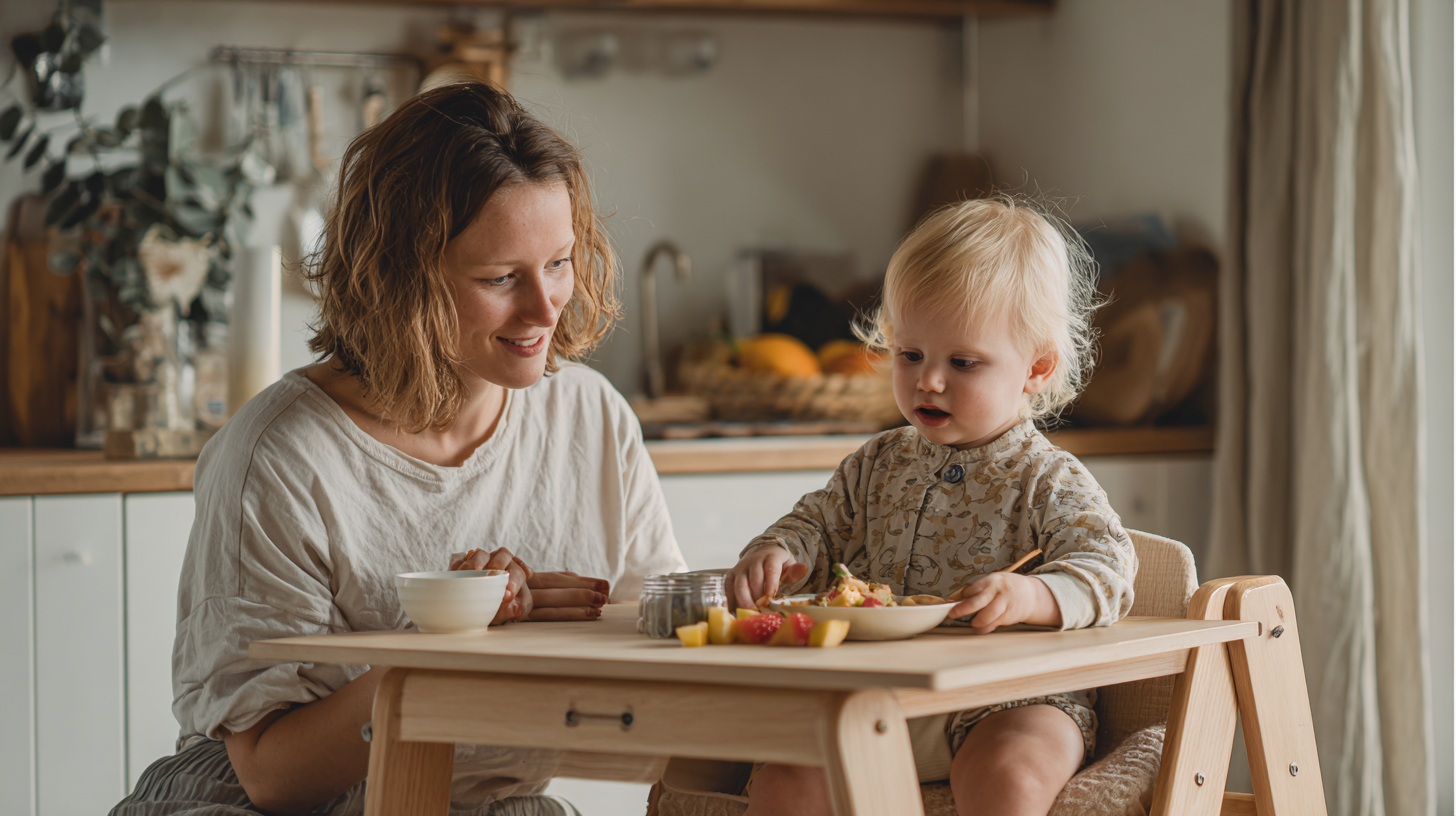
A realistic goal is 5–10 minutes at the table, with plenty of adult support. This is the age of exploring textures, using hands, and practicing basic routines: coming to the table when called, sitting in a safe seat, and keeping food on the tray or table instead of tossing it across the room. You are building familiarity and safety, not formal etiquette.
Focus on simple, consistent phrases such as “Food stays on the table” and “If you’re done, you can say ‘all done.’” Spills and mess are normal and not a sign of disrespect. Toddlers can help with tiny jobs like placing napkins or wiping the table with a damp cloth, which gives them a sense of belonging at the meal.
Most preschoolers can work up to about 10–15 minutes of sitting for a meal, especially if they know what to expect and the meal includes some foods they recognize. At this stage, you can gently introduce more detailed manners: passing items instead of grabbing, using utensils more often, saying “please” and “thank you,” and asking to be excused before leaving.
This is also a beautiful window to teach them how to participate in family-style meals: serving themselves small portions, listening while others speak, and noticing their hunger and fullness cues. Short, predictable routines plus repetition are more effective than long lectures — your child learns by doing the same simple thing many times.
If your mealtime expectations have secretly been “sit still for the entire adult-length meal, use a fork perfectly, eat a balanced plate, and charm the grandparents,” you are not alone. Many parents absorb these standards from social media, older relatives, or their own childhoods. The moment you reset those expectations to match your child’s actual stage, you open the door to calmer dinners, even if the floor still catches half the rice.
Gentle Teaching and Modeling: The Heart of Manners
Children learn the language of the table by watching how you handle yours. When you sit, eat, and speak in the way you hope your child will copy, you are quietly teaching more than any lecture could. Saying “please pass the peas,” describing how the food tastes, and thanking whoever cooked the meal all become mini-lessons your child absorbs over time.
Gentle teaching blends firm, clear boundaries with warmth. Instead of shaming a child for saying “yuck,” you might translate for them: “You mean, ‘no thank you, I don’t want that right now.’ In our family, we say ‘no thank you’ instead of ‘yuck.’” When they try the new phrase, you highlight the effort: “That was very polite.” The focus stays on learning, not on being “a good” or “bad” kid.
A responsive approach to feeding gives everyone clear jobs. Your job as the adult is to offer regular meals and snacks, bring foods that are mostly nourishing (with some fun foods sprinkled in), provide a calm, mostly screen-free space, and set the basic manners you expect. Your child’s job is to decide which foods to eat from what is offered, and how much. When those roles are respected, your words can turn away from pressure and toward connection.
For example, instead of commenting on how much your child eats, you might talk about the sweet mango, the soft callaloo, or the way the rice smells like coconut milk. This kind of neutral, sensory language encourages curiosity and helps your child build a positive relationship with food. If you’re ready to experiment with more adventurous, island-inspired baby meals that naturally invite conversation, a resource like the Caribbean Baby Food Recipe Book: Easy & Healthy Homemade Meals for Infants & Toddlers can give you over 75 ideas to share mangoes, plantains, coconut milk, and beans in ways little ones can actually handle.
The Hidden Pressure Points: Where Power Struggles Sneak In
Most mealtime battles cluster around the same hotspots: how much a child eats, how long they sit, and how “polite” they appear in front of others. Parents often feel stuck between expert advice, cultural expectations, and real-life chaos. Older relatives might push for clean plates and long, quiet meals, while modern guidance talks about autonomy and responsive feeding. It can feel like you are failing someone no matter what you do.
Studies of parents across different backgrounds show that they frequently crave more family meals but struggle with time pressure, fatigue, and picky eating. When you pile high expectations for manners on top of this, stress multiplies. Research on mealtimes in schools and preschools also reveals that overly controlling adult behavior — constant directives, controlling portions, or shaming language — triggers pushback from children, who then resist or “act out” around food.
- Clean plate expectations: Encouraging a child to ignore fullness and eat to please adults, which can weaken their ability to self-regulate appetite.
- Food as currency: Using dessert or special treats as a bribe for eating certain foods, which can make those foods feel like chores and increase cravings for sweets.
- Public performance: Expecting children to demonstrate “perfect” manners in front of guests or elders, leading to anxiety and bigger outbursts once the pressure is too high.
- Shame and labels: Calling a child “rude,” “picky,” or “ungrateful,” which doesn’t teach what to do differently and can damage trust around food.
Spotting these patterns is the first step toward shifting from control to guidance. You can keep firm boundaries about behavior while letting go of pressure about bites and portion sizes.
Research-Backed Gentle Strategies That Actually Work
When researchers and child-development experts zoom in on what works at the table, a few themes keep appearing: predictable routines, calm limits, shared enjoyment, and children being allowed to listen to their own bodies. Families who lean into these patterns tend to report less conflict, while their children show better eating habits and social behaviors over time.
Here are some simple strategies, rooted in those findings, that you can start tonight:
- Protect the “when” and “where” of eating. Offer meals and snacks at predictable times, at a table or designated eating space. This rhythm helps your child arrive at the meal with enough hunger to eat without pressure.
- Always include a “safe” food. Add at least one familiar, usually accepted item to each meal (rice, roti, plain plantain, favorite fruit). This lowers anxiety and makes it easier for your child to sit and engage, even when other foods are new.
- Use “food stays on the table” as your anchor rule. Throwing food or running away from the table is about safety and respect, not nutrition. You are allowed to gently end the meal when these happen, without punishing the child or forcing extra bites.
- Talk about life, not just food. Children in families who share stories and conversation at meals tend to show better language and social skills. You can chat about school, the neighbor’s new puppy, or your favorite beach — anything that turns dinner into a moment of connection.
When you feel ready to introduce new flavors in a way that fits this gentle, connected style, pull ideas from the Caribbean pantry: soft pumpkin with coconut milk, mashed sweet potato with a hint of thyme, or a mild plantain and bean mash. Recipes like “Calabaza con Coco (Pumpkin Coconut Milk),” “Sweet Potato Callaloo Rundown,” or “Papaya Banana Sunshine” from the Caribbean Baby Food Recipe Book: Easy & Healthy Homemade Meals for Infants & Toddlers give you built-in “safe plus new” combinations that support both nutrition and curiosity.
Real-Life Scenarios: From Chaos to Calm
Theory is nice, but what you really need at 6:30 p.m. is a plan for your specific child and your specific family. Let’s walk through a few common situations and how a gentle, research-aligned response might look in real time.
Your one-year-old drops callaloo on the floor, then looks straight at you and laughs before launching a piece of mango. It feels personal, but for them, it is science plus a social experiment. First, check the basics: are they full, tired, or done? Then calmly narrate: “Food stays on the table. If you’re all done, we can say ‘all done’ and clean up.” If the throwing continues, end the meal kindly: remove the plate, wipe hands, and offer a different activity. Over time, this consistent pattern teaches that throwing ends the meal, without adding fear or shame to the equation.
Your three-year-old keeps wandering away after two minutes. Instead of chasing them with bites, experiment with a short, clear expectation like “We sit together until this little timer beeps.” Start with five minutes and build up. Give them a job — placing spoons, choosing which fruit goes in the middle of the table — and plan one simple topic to chat about. You are teaching that mealtimes are shared moments, not just fuel stops, and you are doing it in gentle, realistic increments.
Maybe an elder insists, “You must finish everything; food is expensive.” The concern is real, especially in families that have known scarcity. You can honor that history while still protecting your child’s self-regulation by shifting the script: “In our home, we respect food by taking a small amount first and going back for more if we’re still hungry.” If your child stops eating, you can acknowledge, “That’s enough for you right now — we’ll eat again at snack time,” and avoid making them override their fullness just to satisfy someone else’s comfort.
When your preschooler says “This is gross!” about your carefully seasoned pumpkin coconut mash, your inner island chef may feel offended. Instead of snapping back, try translation plus guidance: “You don’t like that one today. You can say, ‘No thank you, I don’t want it.’” If they manage even a halfway polite version, you can smile and say, “Thanks for telling me in a kind way.” You are slowly building a habit of respectful honesty instead of either forced politeness or full-on rudeness.
Balancing Culture, Family Expectations, and Your Child’s Needs
Many parents feel squeezed between cultural values and modern parenting advice. In Caribbean families, for example, hospitality and respect are deeply tied to food. Elders might equate “good manners” with quiet children, cleared plates, and elaborate thanks for every bite. Meanwhile, experts urge you to avoid pressuring children to eat and to validate their feelings. It can feel like a no-win game.
One way through this tension is to separate values from methods. Respect for elders, gratitude for food, and appreciation of shared meals are powerful values worth keeping. The methods, however — such as forcing bites, shaming picky eating, or demanding long, silent meals — can be updated. You might teach your child to say, “Thank you for cooking,” even when they do not eat much, or encourage them to help prepare traditional dishes in baby-friendly ways, like a smooth “Baigan Choka Smooth,” a mild “Cook-Up Rice Beans Smooth,” or a soft “Papaya Banana Sunshine” inspired by recipes indexed in your baby recipe resources.
These gentle adaptations let your child participate in cultural foods without being overwhelmed. If you want more structured guidance on shaping those island flavors for tiny tastebuds, the Caribbean Baby Food Recipe Book: Easy & Healthy Homemade Meals for Infants & Toddlers includes dishes like “Zaboca Avocado and Green Fig Blend,” “Coconut Rice Red Peas,” and “Sweet Potato Callaloo Rundown,” each designed to bridge family food and baby food. When relatives see your child happily tasting familiar flavors in gentle textures, it often becomes easier to accept your more relaxed approach to manners and intake.
Looking Ahead: Raising Future Dinner Guests You’ll Actually Enjoy
As research continues to explore family meals, one trend is clear: the future of “good manners” is less about rigid etiquette and more about relational skills. Kindness, inclusion, and the ability to read the room are becoming just as important as knowing which fork to use. The family table is one of the first places children learn to speak up, listen, and respect others’ boundaries — including their own body’s signals.
Another emerging focus is equity and diversity in what “polite eating” looks like. Not every family uses utensils in the same way or eats from individual plates. Your child can grow up knowing how to share a dish of rice and peas with their cousins, eat with their hands respectfully, and also navigate a restaurant with napkins and cutlery. Teaching flexibility and respect across different settings is one of the greatest gifts you can give them.
Technology and online resources will likely keep offering bite-sized coaching for parents — short videos, simple scripts, visual routines. Yet even with all the tools, the magic still happens in the here and now: that tiny moment when you choose to breathe instead of shout, when you laugh off a spill, or when you gently say, “You don’t have to eat it, but food stays on the table.” Those are the moments your child’s manners — and your relationship — are quietly being built.
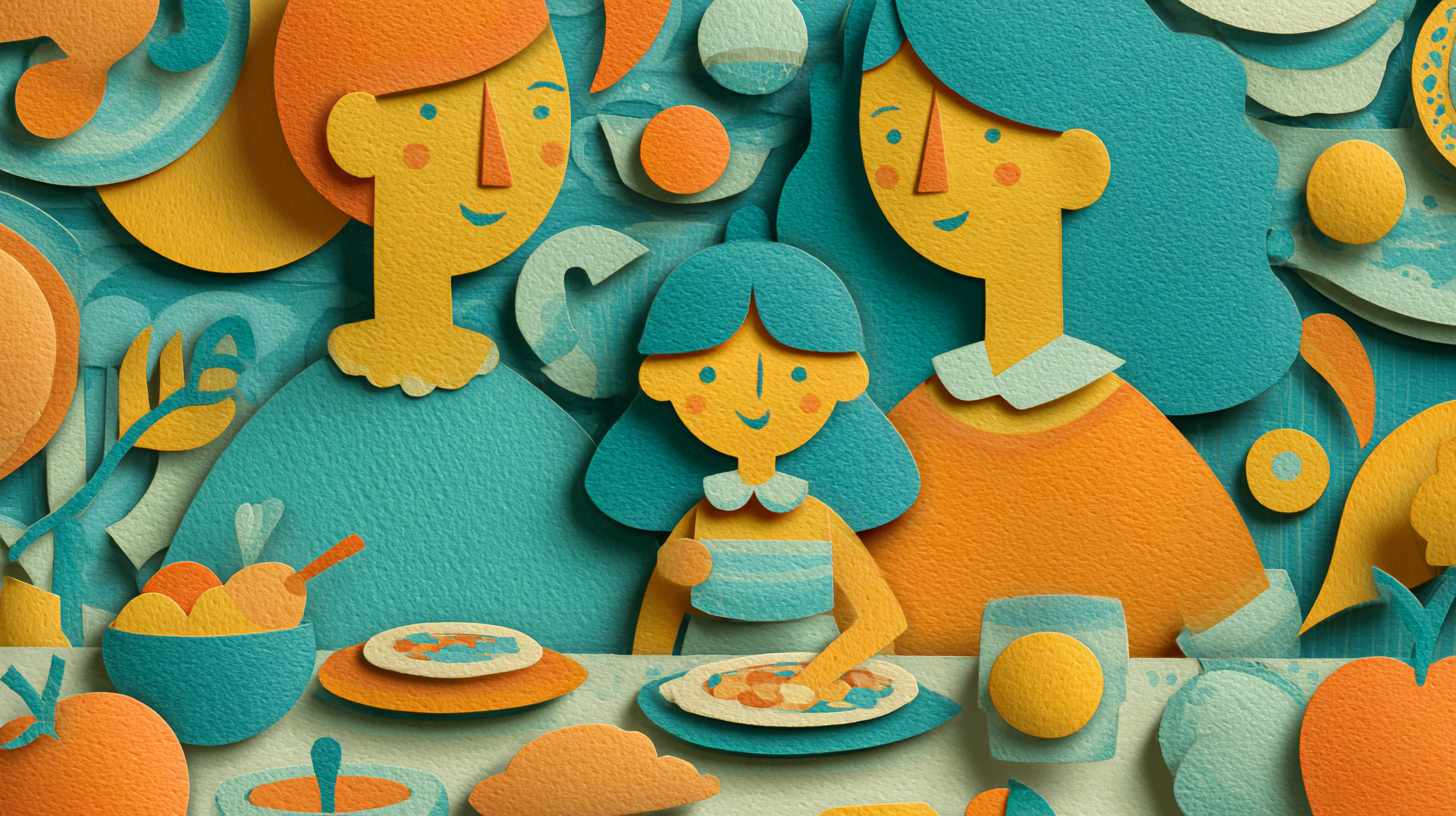
One day, your baby will sit at someone else’s table — a friend’s birthday party, a school lunch, a future partner’s family dinner. The habits you’re steadily cultivating now will shape how they show up in those rooms: whether they feel ashamed or confident, anxious or relaxed, rigid or flexible. When you choose connection over control, you’re not just teaching table manners; you’re shaping how your child relates to food, culture, and community for years to come.
The surprising upside is that this approach is gentler not just on children but on parents too. You can stop tallying bites and start enjoying the soft glow of the kitchen light, the clink of spoons against enamel bowls, the way your child’s eyes light up when they taste something new. Those are the moments that make all the mess worthwhile.
Bringing It All Together: Your Table, Your Rhythm
When caregivers look back on their lives, very few say they wish they had enforced stricter napkin folding. They talk instead about shared meals, laughter, and the comfort of being together. The same is true for your child: the memories that will stick are not of perfectly straight backs but of feeling safe, seen, and welcome at the table. Table manners are important, but they are just one thread in the much bigger tapestry of family life.
You do not have to choose between social skills and sanity. By aligning your expectations with your child’s age, using gentle teaching and modeling, protecting the emotional climate of meals, and letting children listen to their own bodies, you can teach truly meaningful manners without power struggles. The path is rarely flawless — there will still be spilled juice and dramatic “I don’t like it!” moments — but over time, those small, consistent choices grow into a child who knows how to share space, show gratitude, and respect themselves and others.
If you want your child’s manners journey to taste like home, start with the foods that tell your family’s story. Gentle, baby-friendly versions of dishes like “Coconut Rice Red Peas,” “Calabaza con Coco,” or “Cassareep Sweet Potato” turn your table into both a classroom and a celebration. A resource like the Caribbean Baby Food Recipe Book: Easy & Healthy Homemade Meals for Infants & Toddlers can give you structure, safety, and variety so you are not reinventing dinner from scratch every night.
In the end, the most powerful table manners you can teach are these: kindness to others, respect for one’s own body, and gratitude for the meal — whether it is a full Sunday spread or a quick midweek pot of rice and peas. You and your child are learning this dance together. Every evening you come back to the table, even after a rough night, you are quietly voting for connection over perfection.


Kelley's culinary creations are a fusion of her Caribbean roots and modern nutritional science, resulting in baby-friendly dishes that are both developmentally appropriate and bursting with flavor. Her expertise in oral motor development and texture progression ensures that every recipe supports your little one's feeding milestones while honoring cultural traditions.
Join Kelley on her flavorful journey as she shares treasured family recipes adapted for tiny taste buds, evidence-based feeding guidance, insightful parenting anecdotes, and the joy of celebrating food, culture, and motherhood. Get ready to immerse yourself in the captivating world of Kelley Black and unlock the vibrant flavors of the Caribbean for your growing baby, one nutritious bite at a time.
- The Feeding Revolution: Why Your Everyday Meals Are Changing the World - October 13, 2026
- Your Feeding Story Matters More Than The “Perfect” One Online - October 12, 2026
- Looking Forward: Stepping Into Your Confident Feeding Future - October 11, 2026