Growing Confident Cooks: A Real-Life Roadmap to Kitchen-Independent Kids
Choose the option that sounds most like your child right now. In one tap, you’ll see how close they are to true kitchen independence.
One day your child will stand at the stove, tasting a sauce, adjusting the seasoning, and calling you to the table with a proud, “Dinner’s ready!” The question isn’t if they can get there—it’s how intentionally you guide them from stirring their first pot to planning whole meals on their own.
Researchers studying children’s cooking programs keep seeing the same pattern: when kids cook regularly, their cooking confidence rises, their food skills expand, and they start eating a wider variety of foods—especially fruits and vegetables. At the same time, experts in food literacy and independence argue that kitchen skills are not just “nice-to-have”; they’re core life skills that support health, resilience, and self-sufficiency long after childhood.
This article turns that research into a practical, Caribbean-flavored roadmap you can actually use. You’ll see when to hand over the wooden spoon, how to keep little hands safe around knives and heat, and how to nudge your child from helper to confident, independent cook—without turning every meal into a power struggle or a MasterChef audition.
Why Kitchen Independence Matters More Than Ever
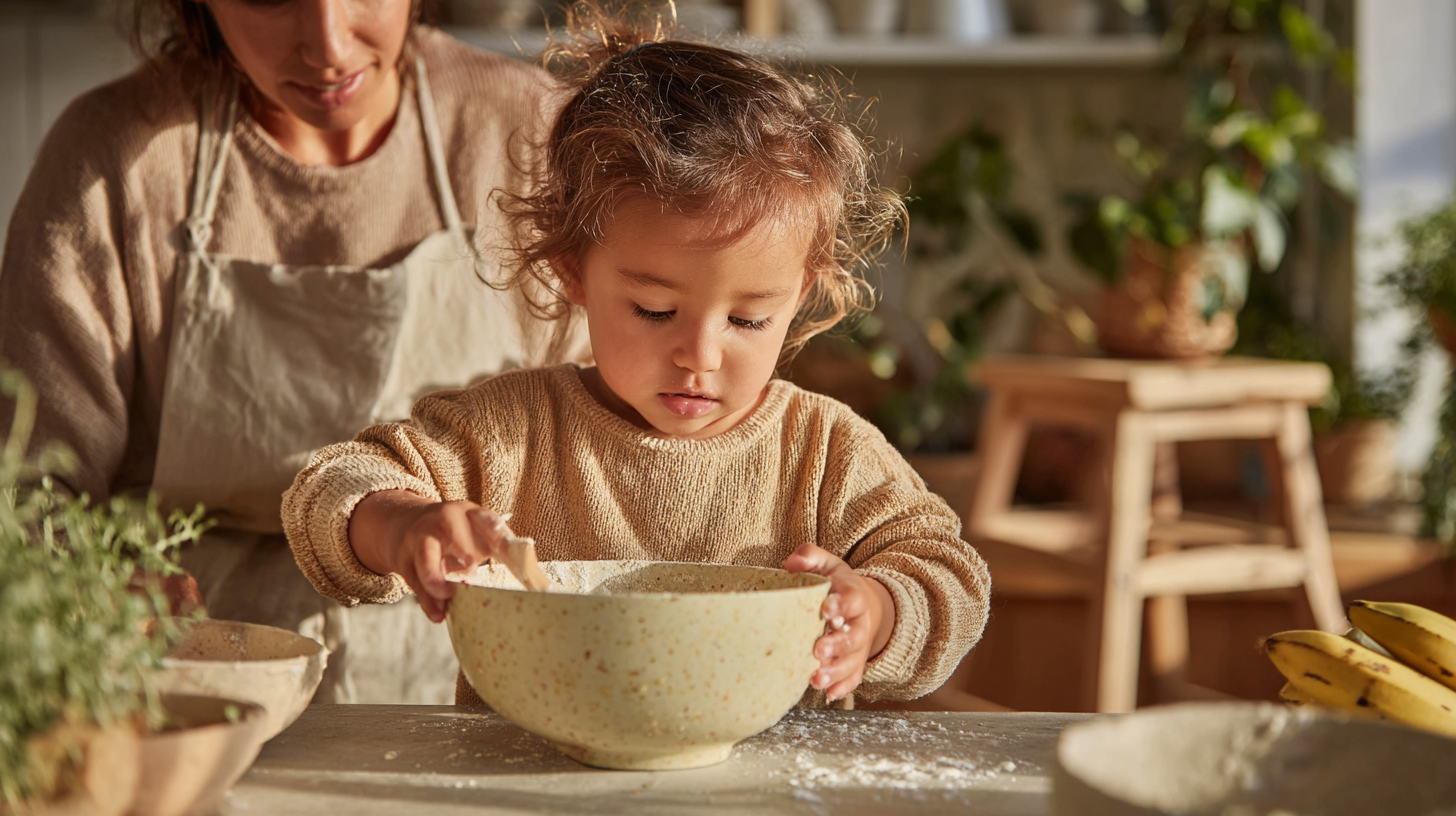
Over the last few decades, many families have shifted toward ultra-processed, convenience foods and fewer shared meals, which quietly reduced the everyday chances children once had to learn basic cooking skills by osmosis. That gap shows up later: young adults who never cooked as kids report lower food skills, more dependence on takeout, and more stress around feeding themselves. When children do gain real cooking experience, however, studies link it to better food literacy, greater confidence, and healthier eating patterns into adolescence and adulthood.
Modern cooking programs for kids are trying to fill this gap with structured lessons, simple recipes, and repeated practice in basic techniques like chopping, mixing, and safely using the stove. Many of these programs now weave in nutrition, budgeting, and sustainability, so children learn not just how to cook, but how to think about food choices. For busy parents, that means you don’t need a culinary degree to raise a capable cook—you just need a clear progression of skills, realistic expectations, and a willingness to let your child get messy while they learn.
There’s also a deeper emotional payoff. Children who feel competent in the kitchen often feel more capable in other areas of life. As they move from “I can’t do this” to “I can make this entire dish by myself,” they are building self-efficacy, problem-solving, and resilience. Those small daily votes of confidence matter more than chasing perfection on any one plate.
The Research-Backed Benefits of Raising a Young Cook
Across multiple studies, children’s cooking interventions consistently boost what researchers call “cooking self-efficacy”—in simple terms, the child’s belief that they can successfully cook. When kids participate in structured cooking programs—whether in school, community centers, or online—they leave with stronger skills, higher confidence, and a clearer sense of what to do in the kitchen. In some trials, children reported significant jumps in how capable they felt following recipes, preparing vegetables, and even improvising simple meals.
Health outcomes matter, too. A growing body of evidence shows that when children feel competent in the kitchen, they tend to eat more vegetables and have a more varied diet overall, even if changes in weight or body size are smaller or slower to appear. Food literacy researchers use the term “food literacy” to capture a broad set of skills: knowing how to prepare basic meals, make safer food choices, understand where food comes from, and balance health and enjoyment. Cooking is the hands-on engine that drives that literacy.
Cooking programs are also becoming more creative in how they reach families. During the COVID era, virtual cooking camps and online lessons proved that children could increase their cooking competence and even their sense of wellbeing through guided at-home sessions. Newer interventions now incorporate elements like food sustainability, budgeting, and cultural recipes, acknowledging that independence in the kitchen is about far more than just cutting an onion properly.
For parents who are starting earlier, it can even begin in the baby and toddler years through flavor exposure. Introducing babies to a variety of herbs, spices, and Caribbean ingredients in purees and family meals can make the later transition to cooking together feel more natural. If you’re still in that early stage, a resource like the Caribbean Baby Food Recipe Book: Easy & Healthy Homemade Meals for Infants & Toddlers is a powerful starting point, because it lays the foundation of adventurous, island-inspired flavors long before your child is tall enough to reach the stove.
The Four Pillars of Kitchen Independence
Every confident young cook stands on four main pillars: progressive skill-building, safety education, supported experimentation, and emotional confidence. Most frustrations in the kitchen—spills, power struggles, or burned dinners—come from skipping one of these pillars or trying to move too fast. When you think like a coach instead of a perfectionist chef, it becomes much easier to pace things in a way that works for your child and your household.
Progressive skill-building simply means your child is given tasks that are just challenging enough for their age and experience. Safety education turns invisible adult “common sense” into explicit, kid-friendly rules and habits, from proper handwashing to knife grips and stove awareness. Encouraging experimentation gives your child room to play with flavors, textures, and recipes so they feel that the kitchen is a place they belong, not just a place they obey. Finally, fostering culinary confidence is about how you respond—praising effort over outcome, normalizing mistakes, and letting your child see their skills evolve over months and years.
Tap the parenting struggle that feels most familiar, and get a tailored suggestion for which pillar to lean into this month.
Experts looking at dozens of cooking interventions note that the most effective programs are not one-off workshops, but multi-session experiences where children practice skills repeatedly, in a safe environment, with opportunities to succeed. You can mirror that at home by choosing one or two focus skills per season—like knife use and basic stovetop safety—and revisiting them every week in low-pressure ways. Over time, these skills compound: today’s “wash the callaloo” becomes tomorrow’s “make the whole callaloo and coconut milk side dish.”
It is also worth noting that independence does not mean absence of supervision. Even older kids benefit from a visible adult presence in the kitchen for tasks involving heat, oil, or sharp blades. The goal is to steadily reduce how much guidance they need—from “hand-over-hand” help when they are tiny, to verbal reminders, to occasional check-ins while they run a recipe largely on their own.
A Developmental Roadmap: From Toddler Helper to Teen Chef
Instead of guessing what your child should be able to do in the kitchen, think in stages. Research on life skills and interventions for daily living often emphasizes breaking complex tasks into small, teachable components. Cooking is no different. By mapping out age-appropriate roles, you remove the mystery about when to move from stirring to chopping, or from chopping to cooking at the stove.
The ages below are guides, not rigid rules—your child’s developmental stage, sensory preferences, and motor skills matter more than the number on their birthday cake. Some three-year-olds can safely tear lettuce or rinse rice with supervision; some eight-year-olds need extra practice using a knife or reading a recipe. Use the roadmap as a flexible scaffold and adjust up or down as needed.
Open the age group that matches your child to see concrete, research-aligned examples of what “helping in the kitchen” can look like.
As you look at this roadmap, notice that every stage includes safety, skills, and responsibility. No one jumps straight to “cook a full Sunday dinner” without a hundred small tasks along the way. That is exactly how researchers structure successful cooking programs: they break complex recipes into achievable components, teach those components explicitly, and repeat them until children can generalize to new dishes.
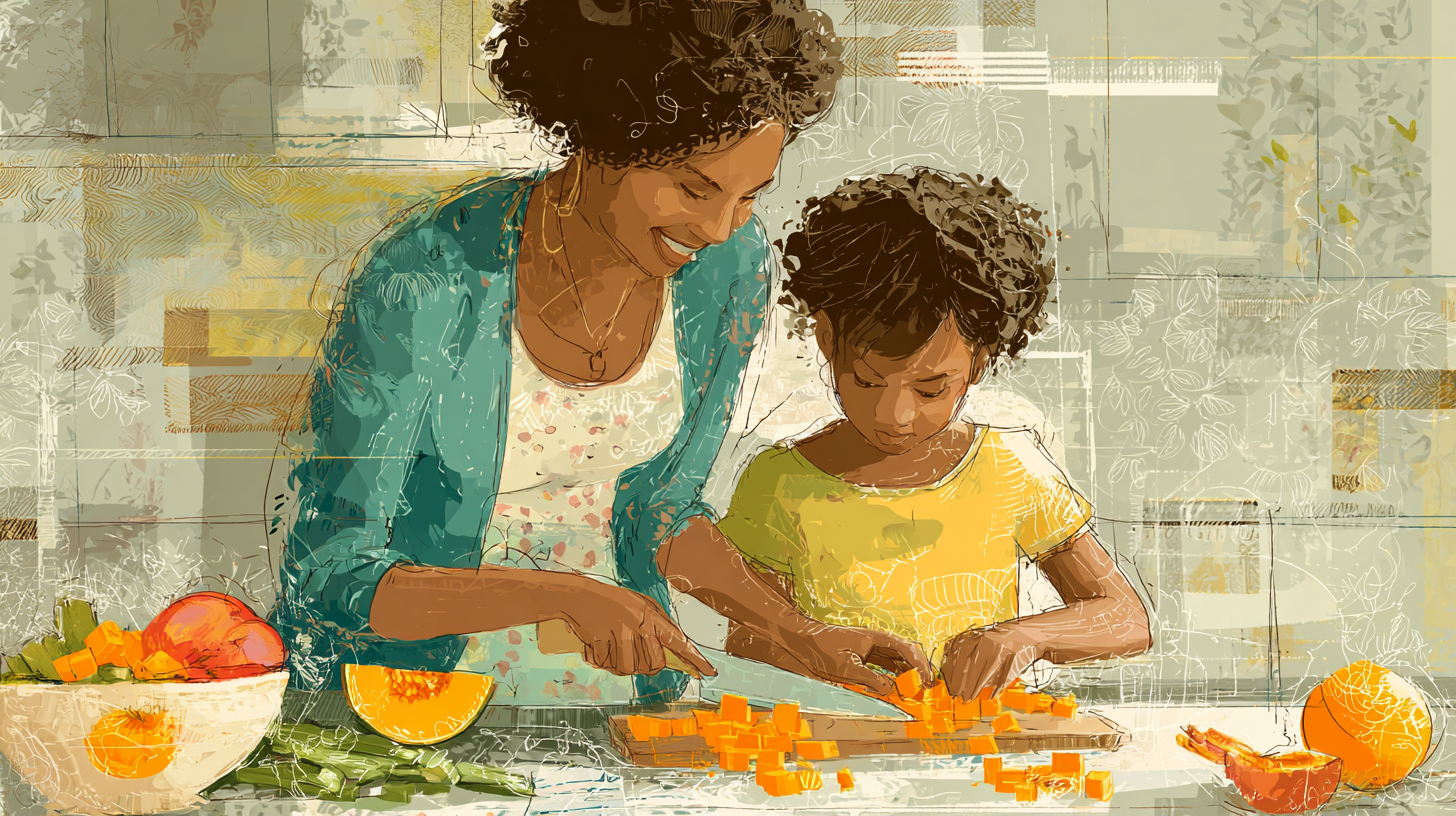
For Caribbean families, this might look like starting with washing callaloo leaves, then later chopping pumpkin for a calabaza and coconut milk dish, then finally planning a whole “rice, peas, and something” meal. The same logic applies whether your comfort dish is mashed sweet potato, dhal, or cornmeal porridge: think in layers, not leaps.
Safety First: Turning Worry into Clear, Kid-Proof Systems
If your stomach clenches when your child grabs a knife or reaches toward the stove, you are not alone. Health professionals repeatedly highlight burns, cuts, and cross-contamination as the major risks when children enter the kitchen, which is why child-focused resources emphasize constant supervision, clear rules, and age-appropriate tools. The goal is not to remove all risk—because risk is part of learning—but to make it predictable, teachable, and as controlled as reasonably possible.
Many pediatric and public health guides agree on a few non-negotiables: handwashing before cooking and after handling raw meat or eggs; keeping pot handles turned inward; creating a “no-run, no-play” zone around hot surfaces; and teaching children that knives are tools, not toys. For younger kids, plastic or small metal knives designed for children can bridge the gap between play and real chopping until their motor skills and judgment catch up.
Caribbean kitchens come with their own safety quirks: big pots of soup, oil for frying, pressure cookers, and heavy cast-iron pans. This makes it even more important to narrate what you are doing. Instead of silently lifting a hot pot of stewed peas, say, “This pot is heavy and full of hot liquid. That’s why only adults move it, and we keep the handle turned away from little hands.” Over time, that narration becomes their inner voice when they cook alone.
Many parents quietly hold back their kids because of hidden fears. Tap one that sounds familiar to see a more research-aligned perspective.
In practice, safety training works best when it’s built into every session, not delivered as one big lecture. Pediatric-guided lists of “kitchen rules for kids” usually include short, memorable phrases like “sharp, hot, heavy” to help children pause before touching something risky. Repetition is your friend here: make a ritual out of safety checks before you start—wash hands, clear the counter, tie back hair, set up a sturdy stool if needed, and agree on who does what.
The surprising truth is that children who are trusted with real responsibility, under guidance, often act more carefully than adults expect. When they know someone is watching, the rules are clear, and they feel proud of being “trusted with the big tools,” they tend to rise to the occasion. The risk doesn’t disappear, but it becomes manageable—and you are gifting them skills that will protect them for the rest of their lives.
From Picky Helper to Confident Experimenter
One of the most exciting findings from cooking research is that enjoyment and experimentation matter just as much as nutrition lessons. In programs where kids are encouraged to play with recipes, try new ingredients, and celebrate small wins, they are more likely to keep cooking and to keep tasting. On the flip side, when the focus is only on “healthy eating,” children sometimes feel pressured and less willing to explore.
Social media reflects this shift, too. You’ll see more child-centered cooking content framed as “fun challenges,” “kids take over the kitchen night,” or “rainbow veggie experiments,” rather than strictly health-focused messaging. This mirrors how some school-based “culinary literacy” projects are designed: they build knife skills through salsa recipes, teach fractions by cutting roti or tortillas, and talk about sustainability while cooking with local produce.
At home, experimentation can be as simple as a “sauce lab” where your child gets to adjust salt, acid (lime juice, vinegar), and herbs, or a “leftover remix” night where they choose how to combine rice, beans, vegetables, and protein into something new. Caribbean ingredients like plantain, pumpkin, callaloo, coconut milk, and mango are perfect playgrounds for this, because they work in both sweet and savory dishes. This is also where your family recipes become a superpower—not a barrier—to creativity.
Tap the ingredient your child already likes to get a simple idea for a kid-involved Caribbean-inspired dish.
If your child is still in the puree stage or just beginning solids, you can start this spirit of experimentation earlier than you might think. Caribbean-inspired baby blends like sweet potato with coconut milk, papaya and banana, or ripe plantain with guava quietly lay the groundwork for later cooking adventures. The Caribbean Baby Food Recipe Book includes combinations such as Pumpkin with Coconut (calabaza con coco), Plantain-based blends like Plantain Paradise, and bright fruit mixes like Papaya Banana Sunshine—perfect for raising a child whose taste buds are already tuned to the flavors they’ll cook with later.
The key is to keep the tone light and curious. When your child suggests something that sounds strange (“What if we put banana in the porridge with cinnamon and coconut?”), try asking, “How could we test that?” Maybe you make a tiny version on the side. Even if it’s not a keeper recipe, the experiment itself builds their courage to try new ideas at the stove and in life.
Common Challenges (and How to Gently Beat Them)
It’s easy to look at polished cooking videos of kids and feel like your family is behind. In reality, researchers and practitioners report a familiar set of obstacles that hold many families back: lack of time, budget constraints, cramped kitchens, parents who never learned to cook themselves, and children with anxiety, sensory differences, or special learning needs. None of these are deal-breakers, but they do require tailored strategies.
Time is the biggest enemy. Cooking with kids usually takes longer in the beginning, which is why programs often schedule multi-week blocks specifically dedicated to skill-building. At home, that might mean reserving one “slow night” per week as your official “kids in the kitchen” time, separate from the nights when you truly just need food on the table as fast as possible. Over months, the time investment starts to pay you back as your child takes over chopping, washing, and even full dishes.
Finances and access also shape what’s possible. Not every family can buy specialized kids’ tools or premium ingredients, and not every neighborhood offers cooking classes. The good news is that many of the most effective cooking interventions rely on simple recipes with widely available staples: rice, beans, seasonal vegetables, affordable cuts of meat, and basic pantry items. Caribbean cooking, in particular, shines here: dishes like stewed peas, coconut rice and pigeon peas, or pumpkin and callaloo use humble ingredients in incredibly flavorful ways.
If you are parenting a child with autism, ADHD, or other neurodivergent traits, research on daily living skills and life skills curricula offers hopeful news. Interventions that use visual supports, step-by-step breakdowns, and repeated practice can help children learn cooking tasks in a structured, predictable way. Some newer programs even use virtual or non-immersive reality tools to rehearse cooking sequences before trying them in a real kitchen. At home, you can borrow that structure with simple picture schedules, checklists, and consistent routines.
Emotional challenges can be subtle but powerful. A child who has been scolded harshly for spills or mistakes may withdraw and insist, “I don’t want to cook.” Likewise, a parent who feels embarrassed about their own skills might unconsciously avoid letting their child see them learning. It can help to adopt a “we’re learning together” mindset. Saying things like, “I didn’t grow up cooking this, but we can figure it out as a team,” models exactly the kind of growth mindset that cooking programs aim to build.
Step-by-Step: Building a Weekly Kitchen Independence Routine
Research-backed programs don’t rely on one big, dramatic gesture; they lean on small, repeated actions. You can create the same effect at home with a simple weekly structure that reinforces both skill and confidence. Think of it as running your own mini life-skills curriculum, with your child as the star student and your kitchen as the classroom.
Start by picking one “anchor meal” each week where your child will have a defined role. This could be a Saturday breakfast, a Sunday Caribbean-style lunch, or a midweek dinner when you have a bit more breathing room. The predictability helps your child know that this is their time to take responsibility and practice what they’re learning.
Tap how often your child currently helps with cooking in a typical week. See how close you are to the “habit zone” where skills really stick.
Once you have your anchor meal, assign a repeating responsibility based on your child’s level: maybe your five-year-old always washes the vegetables and stirs the pot, your eight-year-old always measures and adds the seasonings, and your twelve-year-old rotates through planning the sides. Over time, those “small” jobs become second nature, freeing their mental bandwidth to try more complex tasks like timing multiple dishes or adjusting seasoning.
This is also a great place to link cooking to your baby’s meals if you have younger siblings at home. For example, if you’re preparing sweet potato for dinner, your older child can help roast cubes for the family while also mashing a softer portion with coconut milk for the baby. In that moment, your child is not just learning a technique—they’re experiencing themselves as a caregiver and contributor. It’s a beautiful way to connect generations, especially when you pull ideas from Caribbean baby-friendly recipes that use the same ingredients in both grown-up and baby versions.
If you want ready-made ideas for those baby versions, the Caribbean Baby Food Recipe Book: Easy & Healthy Homemade Meals for Infants & Toddlers includes recipes such as Cassareep Sweet Potato, Amerindian Farine cereal, and geera-spiced pumpkin purees that echo the flavors of adult meals. This makes it incredibly easy for older siblings to “cook for baby” while learning foundational techniques themselves.
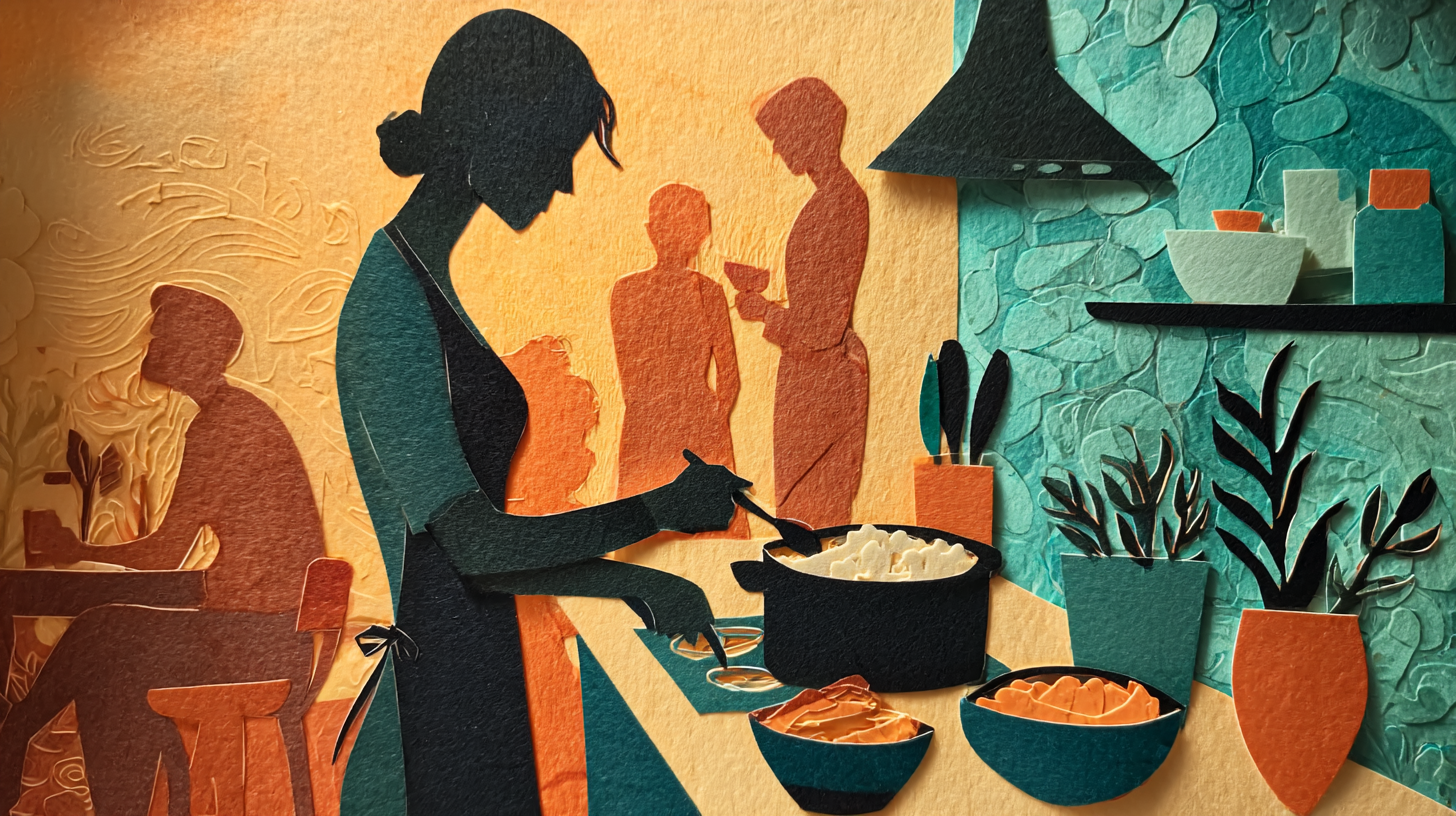
The Future: Your Child as the Family’s Next Great Cook
Looking ahead, educators and public health experts expect cooking and food literacy to become even more integrated into school and community life. Some schools already run multi-week cooking classes that link recipes to science, math, and environmental lessons. Others send home cooking kits with simple ingredients and step-by-step instructions, encouraging children to cook with their families and build independence beyond the classroom walls.
Technology will also keep shaping how children learn to cook. Virtual and augmented reality tools are being tested to teach sequences like “boil pasta safely” or “prepare a stir-fry” in a low-risk environment, especially for children with special learning needs. Online programs that began as pandemic adaptations have proven surprisingly effective at increasing kids’ perceived competence, and many will likely continue or expand.
The opportunity for you as a parent is to decide what kind of cooking story your child grows up inside. Do they see the kitchen as a place where only adults know what to do, or as a place where they are expected and welcomed as active contributors? Do they learn that food is something that just appears, or that it is something they have the power to create, adapt, and share?
Bringing It All Together: A Kitchen Independence Promise
At some point in the future, your child will stand at the stove alone for the first time—maybe making a late-night snack at university, cooking for their own baby, or surprising you with a birthday dinner. That moment won’t come from a single dramatic lesson; it will come from the countless small choices you made to involve them, trust them, and teach them, one chopped scallion and washed pot at a time.
If you’ve ever worried that you “started too late,” remember what long-term studies on skills and habits keep showing: confidence is built by doing, not by waiting for the perfect moment. Whether your child is three and just discovering the joy of stirring, eight and ready for knife skills, or fifteen and itching to cook their own versions of your favorite Caribbean dishes, today’s small step matters. You don’t need to know every step ahead—just the next one.
So here is a simple kitchen independence promise you can quietly make to yourself: “Once a week, my child and I will cook something together that stretches us just a little.” Some weeks that might mean letting your toddler sprinkle cinnamon on cornmeal porridge; other weeks it might mean trusting your tween to make a whole pot of coconut rice and red peas. Either way, you are not just feeding your family—you are raising a human who can feed themselves and others.
And if you are still at the puree-and-mash stage, or cooking for siblings across ages, consider using the Caribbean Baby Food Recipe Book: Easy & Healthy Homemade Meals for Infants & Toddlers as your flavor bridge. Those early sweet potato, plantain, pumpkin, and millet recipes are more than baby food—they’re the first chapter in your child’s lifelong story as a confident, independent cook who carries a little bit of the Caribbean into every kitchen they step into.

Kelley's culinary creations are a fusion of her Caribbean roots and modern nutritional science, resulting in baby-friendly dishes that are both developmentally appropriate and bursting with flavor. Her expertise in oral motor development and texture progression ensures that every recipe supports your little one's feeding milestones while honoring cultural traditions.
Join Kelley on her flavorful journey as she shares treasured family recipes adapted for tiny taste buds, evidence-based feeding guidance, insightful parenting anecdotes, and the joy of celebrating food, culture, and motherhood. Get ready to immerse yourself in the captivating world of Kelley Black and unlock the vibrant flavors of the Caribbean for your growing baby, one nutritious bite at a time.
- The Feeding Revolution: Why Your Everyday Meals Are Changing the World - October 13, 2026
- Your Feeding Story Matters More Than The “Perfect” One Online - October 12, 2026
- Looking Forward: Stepping Into Your Confident Feeding Future - October 11, 2026