The 80/20 Approach to Healthy Eating: Your Family’s Path to Sustainable Nutrition Without the Burnout
What’s Your Biggest Family Nutrition Struggle?
Click your answer below and discover how the 80/20 approach can transform your family’s relationship with food
Here’s what nobody tells you about family nutrition: the families who succeed aren’t the ones following the strictest rules. They’re the ones who’ve learned something that sounds almost too simple to work—eat well most of the time, enjoy the rest without guilt, and watch how everything changes.
Three years ago, I stood in my kitchen at 6 PM, staring at another Pinterest-perfect meal plan I’d abandoned by Tuesday. My daughter was crying for chicken nuggets. My son wanted cereal for dinner. And I was having a breakdown because we’d eaten pizza twice that week and I’d officially failed as a parent. Or so I thought.
That’s when everything shifted. I discovered that the healthiest families aren’t the ones eating kale smoothies every morning or banning sugar from their homes. They’re the ones who’ve cracked the code on something psychologists and nutritionists have been studying for years: sustainable eating that actually works for real life. Recent research shows that families using flexible eating approaches report 40% higher adherence to healthy habits compared to restrictive dieting, and the difference comes down to one powerful principle—the 80/20 approach.
What the 80/20 Approach Really Means (And Why It’s Not Another Diet)
The 80/20 rule for eating is beautifully simple: fill 80% of your family’s meals with nutritious whole foods, and allow 20% for treats, indulgences, and those moments when life happens. But here’s the part that changed everything for me—it’s not about counting every bite or calculating percentages. It’s about building a mindset that protects your family from the all-or-nothing thinking that destroys healthy habits.
Think about it this way: if your family eats 21 meals per week, roughly 17 of those meals focus on vegetables, lean proteins, whole grains, and fruits. The other 4 meals? That’s your pizza night, birthday cake, grandma’s fried plantains, or those Caribbean patties from the shop down the road. No guilt. No shame. Just balance.
Nutritionists emphasize that this approach teaches children moderation from an early age, protecting them from the diet culture and disordered eating patterns that affect millions of adults. When researchers studied families practicing flexible eating patterns, they found something remarkable: children raised with this balanced approach had healthier relationships with food throughout adolescence and adulthood, with significantly lower rates of binge eating and food anxiety.
The Science Behind Why Flexibility Beats Restriction Every Time
Recent data reveals something that might surprise you: around 95% of restrictive diets fail within five years. Not because people lack willpower, but because our brains aren’t wired for deprivation. When you tell yourself you can never have something, your brain immediately wants it more. Psychologists call this the “forbidden fruit effect,” and it’s why your kids obsess over candy the moment you ban it from the house.
The 80/20 approach works with your brain’s natural wiring instead of against it. Studies from behavioral nutrition labs show that people practicing moderate flexibility maintain healthy eating patterns 3-4 times longer than those following strict meal plans. The reason? There’s no deprivation triggering backlash, no “falling off the wagon” because there’s no wagon to fall off in the first place.
Here’s what’s happening in your body when you embrace this balance: you’re teaching your hunger hormones—leptin and ghrelin—to regulate naturally. You’re training your taste buds to appreciate whole foods without demonizing treats. You’re building neural pathways that associate eating with joy and nourishment, not stress and guilt. The National Institutes of Health now recommends moderate, enjoyment-based meal patterns for supporting healthy weight and psychological well-being, and the 80/20 framework fits perfectly into these guidelines.
Your Family’s 80/20 Weekly Meal Calculator
Discover exactly what 80/20 looks like for your household
Why Traditional “All or Nothing” Thinking Destroys Family Health
I learned this lesson the hard way during my daughter’s third birthday party. I’d spent weeks planning the “healthiest” birthday celebration—veggie platters, fruit skewers, whole grain everything. No cake. No sugar. I was so proud of myself until I watched my daughter sneak away to a corner with three other kids, sharing contraband candy they’d smuggled in their pockets.
That image broke something open in me. I realized I wasn’t teaching her healthy eating. I was teaching her that food comes in two categories: virtuous and forbidden. Good and bad. And guess which category becomes irresistible to a child’s developing brain?
Psychologists studying childhood eating behaviors have identified a troubling pattern: children raised in overly restrictive food environments show higher rates of sneaky eating, food hoarding, and binge behaviors when they gain independence. The research is clear—rigidity around food creates the exact problems it’s trying to prevent.
The all-or-nothing mindset shows up in subtle ways. Maybe you’ve thought: “I already had dessert today, so I might as well eat whatever I want for the rest of the week.” Or: “We had McDonald’s yesterday, so now we need to eat perfectly for the next five days to compensate.” This thinking pattern, called “diet cycling,” creates stress hormones that actually make it harder to maintain healthy habits. Your body interprets restriction as scarcity, triggering survival mechanisms that increase cravings and lower your metabolic efficiency.
The 80/20 approach eliminates this cycle entirely. There’s no perfection to achieve, so there’s nothing to fail at. Every meal is a fresh opportunity to nourish your family, whether that’s with a hearty vegetable stew or a slice of your aunt’s rum cake.
Building Your Family’s 80/20 Foundation: The Practical Framework
Here’s where theory meets your actual kitchen, complete with the real-life mess, picky eaters, and time constraints. The families who succeed with 80/20 eating don’t have more willpower or bigger budgets—they have systems that make nutritious eating the default option most of the time.
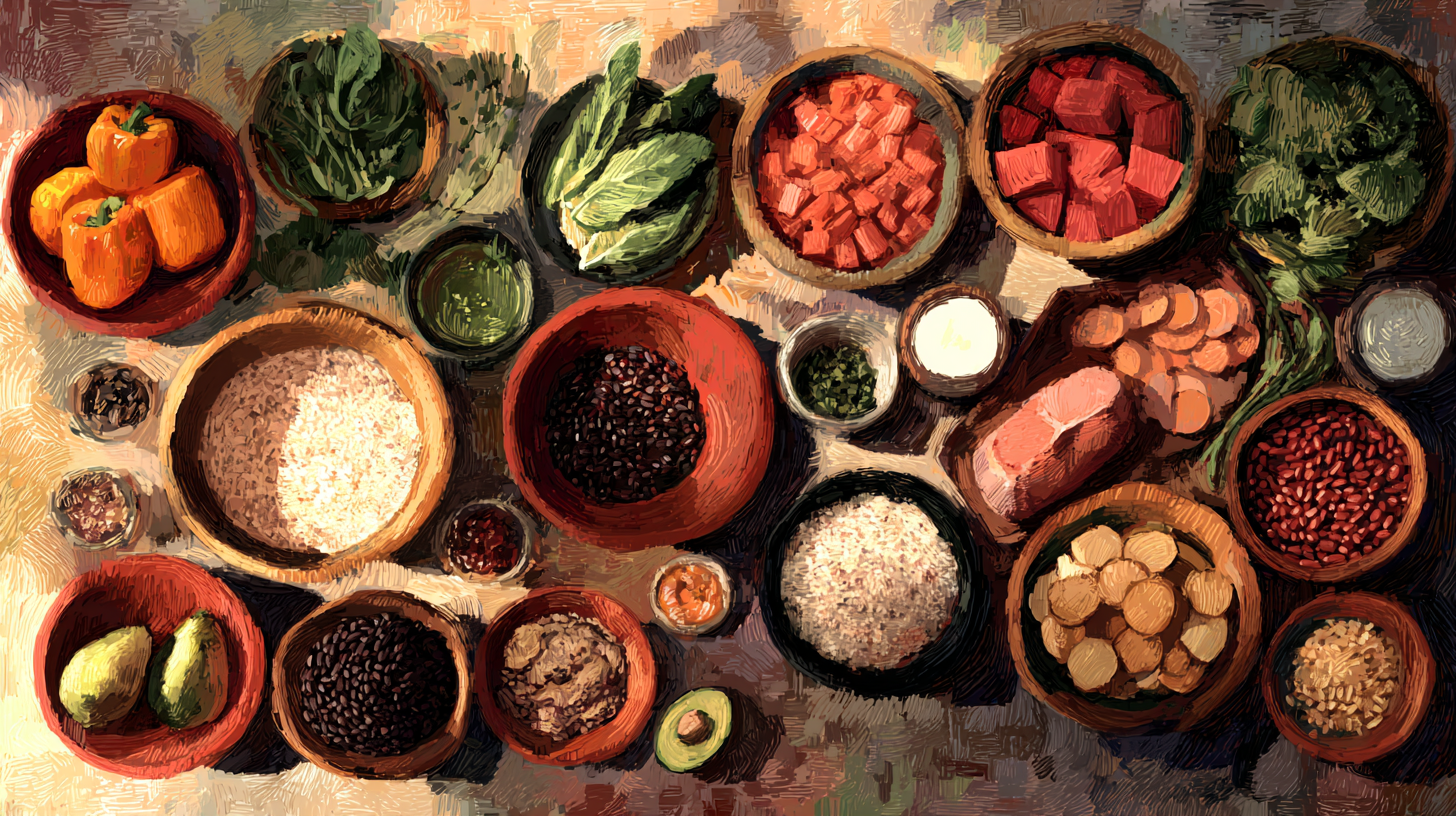
Start with your 80% foundation—these are the meals that show up regularly without drama. Think about the dishes your family already enjoys that happen to be nutrient-dense. Maybe it’s Sunday morning scrambled eggs with peppers and onions. Maybe it’s that Caribbean-style Sweet Potato & Callaloo Rundown that even your pickiest eater devours. These become your rotation meals—the ones you make without thinking, the ones with ingredients you always keep stocked.
For our family, the 80% looks like this: breakfast usually involves eggs, oats, or whole grain toast with fruit. Lunch is often leftovers or simple sandwiches with veggie sides. Dinner rotates through 10-12 family favorites—things like curry chicken with brown rice, baked fish with roasted vegetables, or beans and rice cooked with coconut milk and thyme. Nothing fancy. Nothing Instagram-worthy. Just consistent, nourishing food that everyone eats without complaint.
The 20% is where life gets interesting. Friday night pizza. Weekend pancakes with syrup. Birthday celebrations. The patties you grab when you’re running late. Holiday meals at relatives’ houses where saying no feels impossible. Summer evenings when ice cream is the only dinner anyone wants. These moments aren’t failures—they’re part of a rich, full life.
Here’s the framework that works: in a typical week of 21 meals, aim for 17 that include vegetables, proteins, and whole foods. That’s roughly 3-4 meals per week where flexibility reigns. You don’t need to track this obsessively—your brain starts recognizing the rhythm naturally after a few weeks.
Teaching Moderation to Children: The Skills That Last a Lifetime
The most powerful gift you can give your children isn’t a perfect diet—it’s the ability to navigate an imperfect food world with confidence and joy. Research in developmental psychology shows that children who learn flexible eating patterns develop stronger internal hunger cues, better impulse control around food, and healthier self-esteem related to their bodies.
I started teaching my kids about 80/20 thinking using a simple visualization. We talk about “everyday foods” and “sometimes foods.” Everyday foods give us energy to play, help us grow strong, and make our bodies feel good. Sometimes foods taste delicious and make celebrations special. Both have a place. Neither is forbidden.
When my son asks for cookies at 10 AM, I don’t say no. I say: “That sounds good! Let’s have those after lunch as our treat today. What should we have for lunch that will help your body feel strong for soccer practice?” This response does several things: it validates his desire, teaches delayed gratification without shame, and involves him in thinking about nutrition without moralizing food.
At the grocery store, we practice choosing foods together. My daughter knows that most of our cart should be filled with foods that come from the ground or had a parent—vegetables, fruits, grains, meats, fish. She also knows she gets to pick one or two treats she’s excited about. This simple rule helps children develop decision-making skills around food without power struggles.
The data backs this up. Families who involve children in meal planning and food selection report 60% fewer mealtime battles and significantly higher vegetable consumption. When kids feel ownership over food choices within a healthy framework, they’re more likely to try new foods and develop varied palates.
The Myth vs. Reality Reveal Game
Click each card to discover shocking truths about family nutrition
Navigating Real-Life Challenges: Social Events, Holidays, and Food Culture
The 80/20 approach shines brightest in the moments that trip up rigid eaters—birthday parties, holiday gatherings, vacations, and cultural celebrations where food is central to connection. These are the scenarios where diet culture tells you to either avoid social situations entirely or feel massive guilt afterward. The 80/20 mindset offers a third option: full participation without shame.
Take Carnival season, for instance. Or Christmas celebrations. Or family cookouts. In Caribbean culture, these events center around food that’s been prepared with love, passed down through generations, and tied to our identity. Telling yourself you “can’t” have your grandmother’s pelau or your aunt’s macaroni pie isn’t just sad—it’s missing the entire point of why we eat together in the first place.
Here’s the approach that preserves both health and joy: during special events and celebrations, eat what makes you happy without the mental gymnastics of trying to compensate later. These occasions fall naturally into your 20%. The next day, you simply return to your 80% foundation without drama, guilt, or extreme restriction.
I watched this play out beautifully at my niece’s birthday party last month. While other parents stressed about their kids eating cake and patties, or tried to force fruit plates on uninterested children, my family showed up hungry and ready to celebrate. We ate the party food. We enjoyed every bite. The next morning, we went right back to our usual breakfast routine—scrambled eggs with vegetables and whole grain toast. No “detox.” No punishment workouts. Just the normal rhythm of balanced eating.
Social pressure around food choices is real, especially for parents who feel judged by other adults’ food philosophies. You’ll encounter people at both extremes—those who think you’re too strict for caring about nutrition, and those who think you’re too permissive for allowing treats. The 80/20 approach gives you clear boundaries to communicate: “We focus on nutritious meals most of the time, and we enjoy treats without guilt.”
The Psychology of Sustainable Change: Why 80/20 Works When Other Approaches Fail
Behavioral scientists studying habit formation have identified a crucial insight: sustainable change happens through consistency, not intensity. The 80/20 approach leverages this principle perfectly. You’re not trying to overhaul your entire life overnight. You’re making one meal at a time a bit more nourishing, while keeping enough flexibility that you never feel deprived.
Research from behavioral economics shows that people are far more likely to maintain habits when the barriers to entry are low and the rewards feel immediate. With 80/20 eating, there’s no complicated meal plan to follow, no expensive specialty ingredients to buy, and no feeling of sacrifice. The reward—feeling good in your body while still enjoying life—shows up quickly.
Consider the alternative approaches and why they typically fail. Elimination diets remove entire food groups, creating nutritional gaps and social isolation. Calorie counting turns eating into a math problem that drains mental energy. Meal replacement programs work until you need to eat real food at a real restaurant with real people. All of these approaches share a fatal flaw: they’re not sustainable because they’re not enjoyable.
The 80/20 framework succeeds because it’s built on positive psychology principles. Instead of focusing on restriction and what you can’t have, it emphasizes abundance and what you’re adding to your life—more vegetables, more whole foods, more energy, more joy around meals. This positive framing creates motivation that lasts.
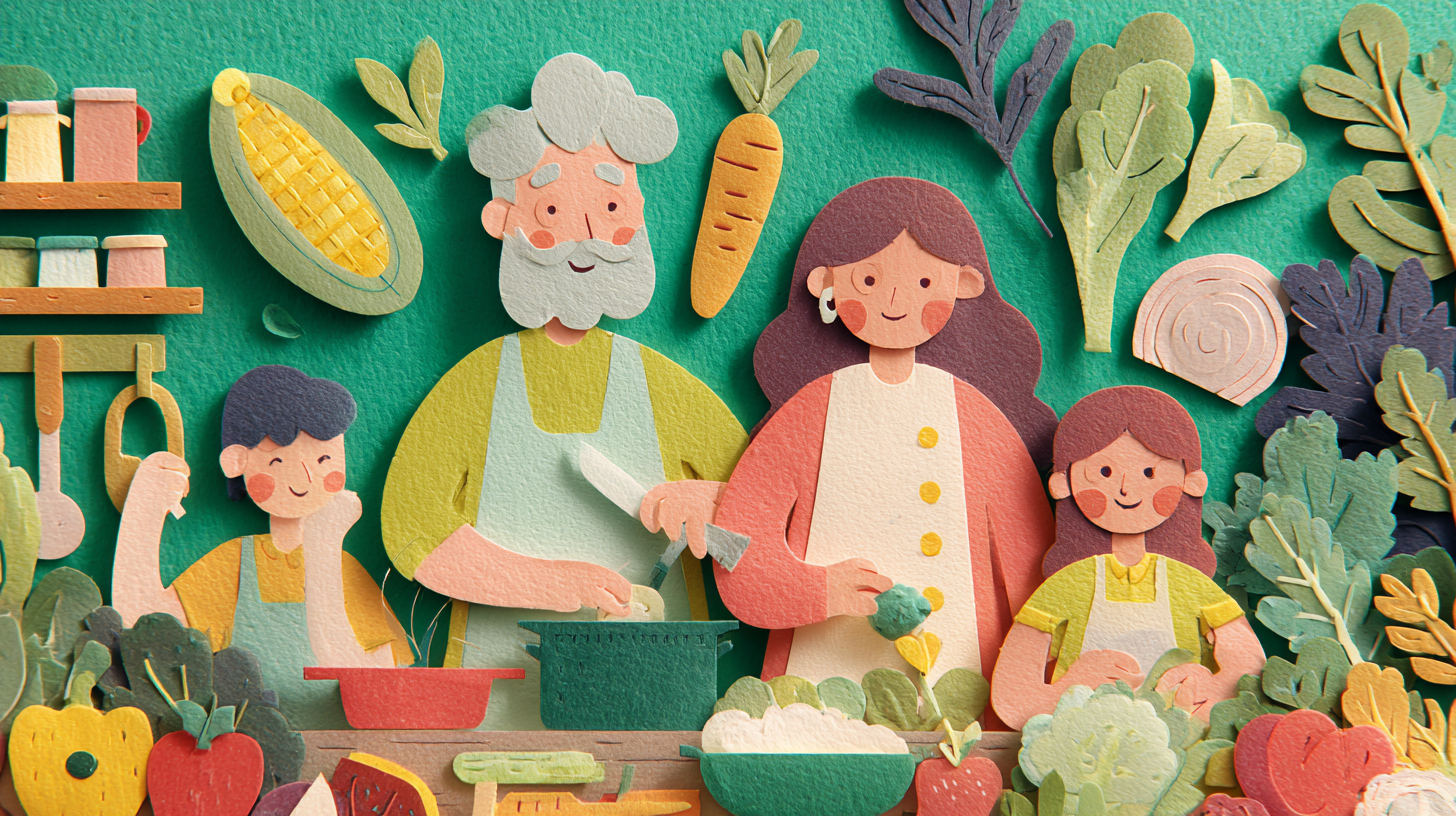
I’ve noticed something remarkable in the three years since our family adopted this approach: we naturally gravitate toward nutritious foods more often now, not because we have to, but because we genuinely want to. My daughter, who once only wanted chicken nuggets, now requests roasted broccoli. Not every time. But regularly enough that I know something fundamental has shifted. When food isn’t a battleground, kids develop authentic preferences based on how foods make them feel, not on rebellion or power struggles.
Adapting 80/20 for Different Life Stages and Family Needs
The beautiful thing about the 80/20 framework is its flexibility across different family situations. Parents with infants and toddlers can start building this foundation early by offering a variety of whole foods most of the time while allowing occasional treats without stress. The Caribbean Baby Food Recipe Book offers over 75 recipes featuring nutrient-dense ingredients like sweet potatoes, plantains, coconut milk, and mangoes—perfect foods for your 80% foundation that introduce authentic flavors from the start.
For families with teenagers, the 80/20 approach becomes even more critical. Adolescence is when disordered eating patterns often emerge, particularly in environments where food rules are rigid or where diet talk dominates family conversations. Teaching teens that they can nourish their bodies well most of the time while still enjoying social eating experiences creates protective factors against eating disorders.
Parents managing food allergies or medical dietary restrictions can adapt 80/20 thinking to their circumstances. The percentages might shift slightly—perhaps 85/15 or 90/10—but the core principle remains: consistency in meeting nutritional needs, with built-in flexibility that prevents burnout and allows for normal childhood experiences within safe boundaries.
Single parents, families with two working parents, and households managing tight budgets can all implement this approach. The key isn’t perfection—it’s finding your family’s sustainable rhythm. Maybe your 80% relies heavily on batch cooking on weekends. Maybe it includes strategic use of frozen vegetables and canned beans. Maybe it means simpler meals during busy weeks. All of these adaptations honor the spirit of 80/20: nourish well most of the time in whatever way works for your real life.
Your 21-Day 80/20 Challenge Tracker
Track your family’s first 21 days of balanced eating (tap each day as you complete it)
Progress: 0/21 Days
What the Critics Get Wrong About Flexible Eating
No nutrition approach escapes criticism, and 80/20 eating has its skeptics. Some argue that the framework reinforces “good food/bad food” thinking by categorizing meals into percentages. Others worry that 20% flexibility is too permissive, particularly for families dealing with metabolic health conditions. Let’s address these concerns with evidence and nuance.
The first critique misunderstands the fundamental philosophy. The 80/20 approach doesn’t label foods as good or bad—it recognizes that different foods serve different purposes. Vegetables and whole grains provide sustained energy and essential nutrients. Cake provides joy and celebration. Both are valuable. The percentages aren’t about morality; they’re about meeting your body’s physiological needs most of the time while honoring that humans don’t eat nutrients—we eat food in social and cultural contexts.
Regarding the second concern, research actually shows that flexible approaches lead to better metabolic outcomes than rigid diets for most people. A 2023 study published in nutritional science journals found that people practicing moderate flexibility maintained healthy blood sugar levels and sustainable weight management at higher rates than those following strict elimination protocols. The reason relates to stress hormones—chronic restriction elevates cortisol, which negatively impacts metabolism, while sustainable eating patterns support hormonal balance.
For families managing specific health conditions like diabetes or heart disease, the 80/20 framework adapts beautifully. The 80% focuses on foods that support medical needs—high fiber, lean proteins, healthy fats, controlled carbohydrates. The 20% allows for controlled portions of foods that make life feel normal and enjoyable. Medical professionals increasingly recognize that dietary adherence matters more than dietary perfection, and flexible approaches improve adherence dramatically.
Some critics point to cultural differences in food relationships as evidence that 80/20 thinking is too Western-centric. This criticism actually reveals the framework’s strength. The specific foods within your 80% and 20% reflect your cultural heritage, taste preferences, and available ingredients. A Caribbean family’s 80% looks different from a Mediterranean family’s, which looks different from an Asian family’s. The principle—nourishment with flexibility—is universal. The application is beautifully personal.
The Unexpected Benefits: What Happens When Food Stops Being a Battleground
When our family shifted to 80/20 eating, I expected we’d see benefits around nutrition and maybe less stress at mealtimes. What actually happened went far deeper than I could have imagined. The changes rippled out into unexpected areas of family life.
First, our kids started regulating their own hunger naturally. Without the drama of forbidden foods, they began noticing how different foods made them feel. My son started commenting that he plays soccer better when he eats protein at lunch. My daughter realized that too much sugar makes her feel “bouncy and then tired.” These observations didn’t come from lectures—they emerged from lived experience in an environment without food fear.
Second, family meals became genuinely enjoyable again. We stopped negotiating, bribing, and fighting about who ate what. Everyone understood the rhythm: most meals include vegetables, proteins, and whole grains. Some meals are purely for joy. This clarity eliminated 90% of dinner table conflicts.
Third, I noticed significant improvements in my own mental health. The constant mental load of meal planning from a place of restriction and fear lifted. I stopped catastrophizing about every food decision. Birthday parties became fun instead of anxiety-inducing. I modeled for my children what peaceful eating looks like, which I now realize is the most important nutrition lesson of all.
Fourth, my children developed food literacy that extends beyond our home. When they’re at friends’ houses or school events, they make reasonable choices without me hovering. They know how to fill a plate with mostly nourishing foods while including something fun. They don’t binge on treats when they encounter them because treats aren’t scarce or forbidden.
Finally, and perhaps most importantly, food stopped being morally charged in our household. We don’t describe ourselves as “good” or “bad” based on what we ate. We don’t earn treats through exercise or punish ourselves for enjoying dessert. We simply eat in a way that supports health, honors culture, and creates joy—all at the same time.
Building Your Personalized 80/20 Meal Strategy
Ready to implement this approach in your own home? Start with observation, not overhaul. Spend one week noticing your family’s current eating patterns without changing anything. What does everyone actually eat? What meals go smoothly? Where are the pain points?
From this baseline, identify your easiest wins—meals that are already nutritious and well-accepted. Maybe breakfast is already solid, with eggs or oatmeal most mornings. Great—that’s part of your 80% locked in. Maybe dinner is chaotic but lunch is typically decent. Build from what’s working rather than trying to fix everything at once.
Next, create your core meal rotation. Choose 8-10 meals that your family enjoys, that include protein and vegetables, and that you can prepare without excessive time or cost. These become your default dinners. For us, that list includes things like baked chicken with roasted sweet potatoes, black bean and rice bowls, curry goat with provisions, baked fish with steamed vegetables, and spaghetti with meat sauce and a side salad. Nothing fancy. But reliable, nutritious, and accepted by everyone.
For your 20% flexibility, define what that means for your family. Maybe it’s Friday pizza night, weekend brunch with pancakes, and room for two random treat occasions. Maybe it’s eating whatever you want on vacation and at celebrations. The specific allocation matters less than having a general framework that prevents the “I already messed up so nothing matters” spiral.
Involve your children in the planning process age-appropriately. Young children can help choose vegetables at the grocery store or pick which protein to have for dinner. Older kids and teens can plan entire meals, learning to balance nutrition with enjoyment. This involvement builds the skills they’ll need to feed themselves well throughout life.
Stock your kitchen to support 80/20 success. Keep a variety of frozen vegetables on hand for busy nights. Have proteins ready—whether that’s rotisserie chicken, canned beans, frozen fish, or pre-cooked ground meat. Store whole grain options like brown rice, quinoa, or whole wheat pasta. When the infrastructure supports healthy eating, it happens naturally most of the time.
Remember that your 80/20 ratio might look different in different seasons of life. During particularly stressful periods, you might temporarily shift to 70/30 or 75/25. During calmer times, you might naturally gravitate toward 85/15. The goal isn’t rigid adherence to specific numbers—it’s maintaining an overall pattern of nourishing your family well while leaving space for the joy and flexibility that makes life worth living.
Your Family’s Nutrition Wins Tracker
Which healthy habits is your family already rocking? Click all that apply!
Regular Breakfast
Veggies Most Days
Water Over Soda
Family Meals
Food Variety
Balanced Plates
Your Next Steps: Starting This Week
The difference between families who transform their eating patterns and families who stay stuck isn’t access to better information—it’s taking that crucial first step before perfect conditions exist. Your family doesn’t need a complete pantry overhaul, a meal plan for the next six weeks, or permission from everyone to start eating better. You need to choose one meal this week to improve.
Maybe that’s adding vegetables to tonight’s dinner. Maybe it’s making sure tomorrow’s breakfast includes protein. Maybe it’s planning one fully nourishing meal for the weekend. Start there. Notice how that one meal makes your family feel. Build momentum from tiny wins rather than trying to change everything at once.
Talk with your family about this new approach, using age-appropriate language. Explain that you’re going to focus on foods that help bodies grow strong and feel energetic most of the time, while still enjoying treats and special foods regularly. Make it clear that no foods are forbidden, and there’s no such thing as being “good” or “bad” based on eating.
Give this approach at least 30 days before evaluating results. The first week might feel awkward as you find your rhythm. The second week, patterns start emerging. By week three or four, the 80/20 approach starts feeling natural rather than effortful. You’ll notice your family gravitating toward nutritious options more often, not from pressure, but from genuine preference.
Expect imperfect execution. Some weeks will skew closer to 70/30. Other weeks might be 85/15. Both are completely fine. The goal isn’t mathematical precision—it’s building an overall pattern of balanced eating that supports health without sacrificing joy, culture, or sanity.
If you’re looking for specific recipes to fill your 80% foundation with foods your family will actually eat, the Caribbean Baby Food Recipe Book offers incredible versatility beyond baby food. Recipes like Sweet Potato & Callaloo Rundown, Coconut Rice & Red Peas, and Yellow Yam & Carrot Sunshine scale beautifully for family meals and introduce authentic island flavors that make nutritious eating exciting.
The Long Game: What Healthy Really Means
After three years of living this way, I’ve realized something profound: the 80/20 approach isn’t really about nutrition at all. It’s about teaching your family that health comes from consistency, not perfection. That balance is more important than extremes. That joy and nourishment aren’t opposites—they’re partners.
The healthiest families aren’t the ones eating perfectly. They’re the ones eating peacefully. They’re the ones showing up to celebrations without anxiety. They’re the ones teaching their children that bodies deserve nourishment and kindness, not punishment and control.
When I think about the relationship with food I want my children to carry into adulthood, it’s not one where they obsessively track macros or feel guilt after enjoying their favorite foods. It’s one where they instinctively nourish themselves well most of the time because it feels good, and where they fully savor treats without shame because life is meant to be enjoyed.
The 80/20 approach gives us that outcome. It creates families who eat vegetables because they taste good, not because they’re performing health. Families who enjoy birthday cake without compensatory restriction. Families who understand that one meal, one day, or one week doesn’t define their health—their overall patterns do.
This is the framework that prevents the burnout and disordered thinking that plagues so many families struggling with nutrition. This is the approach that works for real life, with real children, in real kitchens where perfect doesn’t exist and balance is the highest achievement.
Your family doesn’t need another restrictive meal plan or another list of forbidden foods. You need permission to do what indigenous cultures and our grandmothers always knew instinctively: eat well most of the time, celebrate life with food when it calls for celebration, and trust that consistency matters more than perfection.
The 80/20 approach isn’t a diet. It’s a return to sanity. A return to joy. A return to the simple truth that healthy eating is supposed to support life, not consume it. Start with your next meal. Fill your plate with foods that nourish and satisfy. Then move forward with confidence, knowing that balance isn’t something you achieve once—it’s something you practice, imperfectly and beautifully, meal by meal, day by day, for the rest of your life.

Kelley's culinary creations are a fusion of her Caribbean roots and modern nutritional science, resulting in baby-friendly dishes that are both developmentally appropriate and bursting with flavor. Her expertise in oral motor development and texture progression ensures that every recipe supports your little one's feeding milestones while honoring cultural traditions.
Join Kelley on her flavorful journey as she shares treasured family recipes adapted for tiny taste buds, evidence-based feeding guidance, insightful parenting anecdotes, and the joy of celebrating food, culture, and motherhood. Get ready to immerse yourself in the captivating world of Kelley Black and unlock the vibrant flavors of the Caribbean for your growing baby, one nutritious bite at a time.
- Breaking Generational Feeding Patterns: The Cycle You’re Brave Enough to Change - September 27, 2026
- Your Feeding Wisdom: The Things You’d Whisper To Your Past Self - September 26, 2026
- How Your Feeding Philosophy Evolved (And Why That Makes You a Stronger Parent) - September 25, 2026