 Skip to content

Raising a Brave Allergy Advocate: How to Help Your Child Speak Up About Food Allergies
Right now, millions of children are living with food allergies, and the odds are higher than many parents realize. In some recent national data, roughly one in twenty school‑age children has a diagnosed food allergy, and the rate climbs even higher in the teen years. Many of those families are carrying not just epinephrine, but also daily worry about school lunches, birthday parties, and tiny “mystery ingredients.”
At the same time, research is very clear on one thing: children who gradually learn to speak up for themselves about their allergies tend to enjoy a better quality of life, feel more confident, and navigate real‑world situations with less anxiety. That shift does not happen overnight — it is carefully coached over years, beginning with simple phrases and pretend play and building toward independent restaurant orders and school advocacy.
If you are the default “allergy bodyguard” in your family, you probably already read labels like a detective and scan every party table before your child even gets their shoes off. But at some point — a school field trip, a sleepover, or that first independent island vacation — you cannot be the one standing between your child and every bite. The bridge between you doing all the talking and your child confidently saying, “That is not safe for me,” is built long before that moment arrives.
This guide walks you through how to teach your child to self‑advocate about food allergies using age‑appropriate language, playful role‑playing, and confidence‑building habits rooted in current research and real family experiences. Think of it as a gentle, step‑by‑step handover of the “allergy microphone” from your voice to theirs, with plenty of support, rehearsals, and yes — a little Caribbean flavor along the way.

Why Self‑Advocacy Matters Just as Much as the Epi‑Pen
Food allergy is not “just an upset tummy” — it is an immune system reaction that can turn serious very quickly, which is why strict avoidance and fast access to emergency treatment are the medical gold standard. But the reality is that most risky moments do not happen in a doctor’s office; they happen in cafeterias, on school trips, at cousin cookouts, and by the snack table at church or mas camp. In those spaces, your child’s voice can be as life‑saving as the medication in their backpack.
Researchers looking at families managing food allergies consistently find two things: first, that the condition can heavily impact quality of life by increasing anxiety, limiting social activities, and placing extra weight on parents; and second, that confidence — especially self‑efficacy, the belief that “I can handle this” — is strongly tied to better outcomes. When caregivers feel more confident, they advocate more effectively at school and in community spaces, and when children learn to self‑advocate, they feel less helpless and more able to participate in normal life.
In the last several years, pediatric psychologists and allergists have started designing and testing behavioral programs specifically to help youth build self‑management skills. These programs go beyond “here is your action plan” and include problem‑solving, practicing what to say in tricky social situations, and gradually shifting responsibilities from parent to child as they grow. The message from experts is clear: empower children early with communication skills, not just medical tools.
At this stage, self‑advocacy is all about simple, clear phrases and consistent routines. Many experts recommend teaching little ones to say short scripts like “I am allergic to [food]” and “No, thank you, I cannot have that,” and pairing those words with visual cues such as pointing to their allergy bracelet or lunchbox card.
- Practice call‑and‑response games where you “offer” food and they practice their allergy script.
- Use storybooks and pretend kitchens to introduce the idea of “safe” and “not safe” foods.
- Let them “help” check snack labels with you, even if they cannot read yet, so they see advocacy as normal.
School‑age children can handle more detailed language and more complex situations, especially those involving teachers, lunch staff, and friends. Research on school settings shows that both staff training and parent advocacy are vital, but this is also the perfect window to coach your child to speak up alongside you.
- Teach them to ask, “Does this have any [allergen]? I have a food allergy.”
- Practice what to say if an adult does not seem to take their allergy seriously.
- Involve them in creating their allergy card, 504 plan talking points, or classroom rules.
Early adolescents are navigating independence, peer pressure, and a desire to blend in — all while needing to become more responsible for their allergy. Recent behavioral interventions focus heavily on this age group, combining education, anxiety skills, and communication coaching to prepare them for real‑world challenges.
- Role‑play ordering at restaurants, asking detailed ingredient questions, and clarifying cross‑contact risks.
- Work together on a “non‑negotiables” list: always carrying medication, never sharing food, and telling an adult if they feel off.
- Encourage them to practice explaining their allergy to friends in their own words, not just yours.
Teens and young adults with food allergies often describe a turning point where they realize “this is my responsibility now.” Recent interviews with adolescents highlight how much it helps when parents gradually hand over tasks while staying emotionally supportive instead of simply “cutting the cord.”
- Let your teen lead discussions with servers, coaches, or school staff while you quietly back them up.
- Talk openly about dating, parties, and travel, and create realistic game plans together.
- Shift from giving orders (“You must…”) to collaborative problem‑solving (“How do you want to handle this?”).
What the Numbers and Experts Are Really Telling Parents
Over the last two decades, childhood food allergies have become far more visible. Large national surveys and global studies show that diagnosed food allergies now affect a meaningful slice of the pediatric population, with prevalence rising into the school‑age and teenage years. Behind those numbers are families juggling emergency plans, school forms, and daily decisions about what their child can safely eat at home, at school, and out in the world.
The research does not stop at counting cases. Multiple studies have zoomed in on the emotional side, documenting that both children and caregivers often report high levels of worry, social limitations, and a sense that “normal childhood” requires extra planning. Many children describe feeling different or left out when they cannot participate in classroom treats, cultural foods, or spontaneous outings, and parents frequently report a mix of gratitude for life‑saving medicine and exhaustion from the constant mental load.
To understand what helps, scientists have developed tools to measure how confident parents feel about managing allergies and how skilled they are at advocating in settings like schools. They have found strong links between higher caregiver self‑efficacy and better quality of life — not because the allergy disappears, but because the family develops systems, language, and partnerships that make daily life less frightening. More recently, similar work has begun to explore children’s own confidence and communication skills, especially during the transition to adolescence, reinforcing the idea that self‑advocacy is a teachable skill, not a personality trait.
Tap the statement that feels closest to your current reality:
The good news? Across different studies and expert guidelines, a pattern emerges: when families intentionally practice communication skills — from simple scripts for preschoolers to more complex negotiations for teens — anxiety often becomes more manageable, and children feel safer joining in on everyday experiences. That is the heartbeat of self‑advocacy: not throwing kids into the deep end, but gradually teaching them how to swim, one conversation at a time.
From Parent Protector to Shared Team: How Responsibility Evolves
For many caregivers, the early years after diagnosis are all about survival mode: memorizing ingredient lists, learning to use an auto‑injector, and trying to convince relatives that “just a little bit” of the allergen is not okay. In this phase, it is natural for parents to take the lead and handle nearly all advocacy. But as your child grows, clinging too tightly to full control can quietly create new problems, especially when real‑life situations start to outgrow your reach.
Researchers who study food allergy in families have observed two common patterns when responsibility does not transition smoothly. In one, parents stay in high‑alert mode and keep their child away from many normal activities out of fear, which can protect in the short term but limit social development and increase anxiety for everyone. In the other, children are suddenly expected to manage complex situations alone — like navigating a buffet or a sleepover — without years of guided practice, which can leave them overwhelmed or more likely to take risky shortcuts.
New behavioral interventions designed for early adolescents suggest a middle path: gradually share responsibility in a structured way. That might look like your child starting to read labels beside you, then taking the lead in asking questions at restaurants while you listen, and eventually attending activity planning meetings at school so they can explain their needs themselves. The aim is not to “retire” as an advocate, but to shift your role into a coach who is still in the room, still on their team, but no longer doing every piece of the talking.
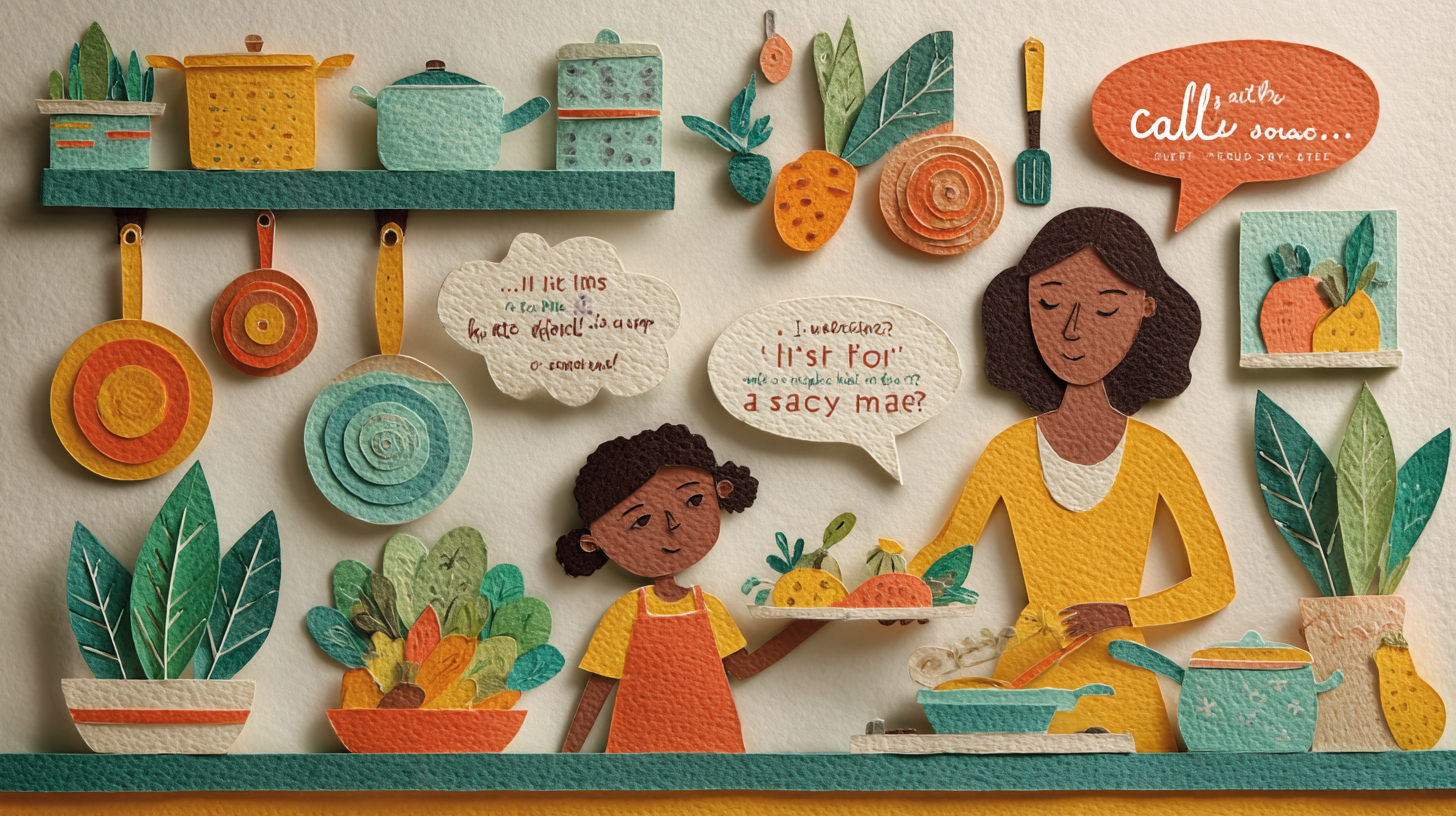
Age‑Appropriate Language That Actually Works in Real Life
Teaching your child to self‑advocate is not about perfect, polished speeches; it is about short, repeatable phrases that feel natural in their own mouth. Experts and advocacy organizations often recommend using clear, direct language focused on three pillars: naming the allergy, checking safety, and saying no. The key is to tailor the language to your child’s age and personality, and to practice it often enough that it comes out even when they feel nervous.
For toddlers and preschoolers, this might be as simple as, “I am allergic to peanuts” and “No, thank you, I cannot have that.” School‑age children can add a question: “Does this have peanuts? I am allergic.” Older kids and teens can go further: “I have a severe peanut allergy. Can you check the ingredients and if there is any risk of cross‑contact?” Short scripts like these give children a “default soundtrack” to play when they are offered food, meeting a new caregiver, or walking into a new eating situation.
In Caribbean households, where food is often communal and full of shared pots, this becomes even more important. A child might need to learn how to ask Auntie if the stew peas were cooked in the same pot that just had salted meat, or whether the sorrel has hidden spices they react to. Practicing these phrases in both standard English and the family’s everyday dialect can help your child advocate across generations, from school staff to grandparents in the countryside or on another island.
The more you tailor scripts to the situations your child actually faces — like the teacher who always hands out surprise snacks or the cousin who loves to bake — the more “real” those words will feel. Consider writing down a few favorite sentences together and posting them on the fridge or by the front door as a quick visual reminder before heading out.
Role‑Playing: Turning Scary Moments into Practice Rounds
Role‑play is one of the most powerful tools experts recommend for teaching children to handle allergy‑related situations, and it shows up again and again in both clinical programs and community resources. When a child gets to “rehearse” a tricky moment — like telling a friend they cannot share a snack, or correcting an adult who forgot about their allergy — they are less likely to freeze when it happens in real life. Play allows kids to experiment with different tones, words, and reactions while still feeling safe.
Families use many creative versions of this: turning the living room into a pretend restaurant where the child orders and asks about ingredients, setting up a classroom role‑play where siblings take turns playing the teacher, or creating a mock “allergy café” where kids practice reading menus and saying no to unsafe options. Some advocates even suggest practicing what to do if someone makes fun of the allergy or tries to talk the child into ignoring it, because peer dynamics can be just as stressful as the food itself.
In Caribbean homes, role‑play can be woven right into the culture of food. You might turn Sunday lunch into a “restaurant at Granny’s house,” letting your child practice asking if the rice and peas were cooked with coconut milk they tolerate, or whether the fried fish shares oil with a breaded item they cannot have. Over time, this turns your extended family into a supportive rehearsal studio — and helps relatives truly understand the seriousness of the allergy.
Tap the one action you feel most ready to try this week:
As you build these habits, pay attention to your own body language and tone. Children take cues from your reactions: if you look panicked every time they mention their allergy, they may associate speaking up with fear; if you nod, thank them for advocating, and calmly problem‑solve what to do next, they begin to see self‑advocacy as a strength instead of a burden. This shift in family culture is exactly what many psychologists now encourage in their work with allergy‑affected households.
Managing Anxiety: The Hidden Ingredient in Self‑Advocacy
Nearly every study on food allergy and family life mentions anxiety — not as a flaw, but as a very understandable response to a condition that can be life‑threatening. Children may worry about having a reaction in front of friends or at school, while parents may lie awake mentally replaying every snack table and bake sale. Left unaddressed, that anxiety can lead to either extreme avoidance of social situations or risky behavior such as skipping medication or hiding symptoms.
That is why psychologists and allergists increasingly encourage families to treat the emotional side of food allergy as a core part of care, not an optional add‑on. Some clinics now include behavioral health providers on the team, offering interventions that teach coping skills, challenge unhelpful thoughts, and practice exposure to anxiety‑provoking situations in a controlled way. Other families use telehealth programs or digital apps that combine education with practical exercises to build both knowledge and confidence over time.
At home, you can borrow this approach by turning advocacy into something your child feels proud of instead of ashamed about. Celebrate the moments they speak up, even if their voice shakes. Normalize checking labels and asking questions, just like buckling a seatbelt. And when anxiety spikes — maybe before a school trip or a big family event — walk through the plan together, rehearse what they will say, and remind them of past times they handled a situation well. You are not trying to erase every worry; you are helping your child build the courage to act even while feeling nervous.
If your child is in the stage of exploring new foods or diversifying their diet within their safe range, you might also enjoy weaving in joyful, allergy‑friendly recipes that celebrate flavor instead of focusing only on restriction. A resource like the Caribbean Baby Food Recipe Book: Easy & Healthy Homemade Meals for Infants & Toddlers can be a fun way to experiment with sweet potato, pumpkin, plantain, and coconut‑based dishes that respect your child’s allergy profile while still carrying that rich island warmth to the highchair or lunchbox.
Working with Schools, Families, and Communities
No matter how skilled your child becomes at self‑advocacy, they still depend on adults and systems that take food allergy seriously. Studies examining school settings show that both teacher knowledge and empowerment make a real difference in safety — not just knowing what anaphylaxis looks like, but feeling confident about prevention, emergency plans, and everyday accommodations. Similarly, research on parents acting as advocates in schools emphasizes the importance of clear communication, written plans, and ongoing collaboration with staff.
In practice, this often looks like creating a detailed action plan for your child’s school, meeting regularly with teachers and administrators, and making sure everyone knows where emergency medication is stored and how to use it. But experts are increasingly urging parents to include their child in those conversations whenever possible, even if they are young. When children see you advocating calmly and clearly — and when they experience adults listening and responding — they learn that their allergy is not a secret to hide, but a legitimate need that deserves respect.
The same is true in extended families and community spaces, from churches and mosques to sports clubs and neighborhood lime spots. Many parents find it helpful to send a concise message before events with clear, kind instructions, and then have their child share a short version in person. Over time, you are not only keeping your child safer; you are also slowly shifting the culture around them, making ingredient questions and allergy conversations feel as normal as asking about the weather.

Caribbean‑Inspired Everyday Practices for Confident Kids
Growing up in a Caribbean home, food is never just food — it is story, memory, and community served on a plate. That makes allergy management more layered: the same pot of callaloo that carries generations of love might also hide an ingredient your child simply cannot have. The goal is not to strip away that culture, but to weave safety into it so your child learns they can still belong at the table, even if their plate looks a little different.
One practical approach is to build a repertoire of allergy‑friendly versions of beloved dishes, so your child can say, “I cannot have that one, but I can have ours.” The index of the Caribbean Baby Food Recipe Book, for example, reads like a tour across the islands: pumpkin and coconut blends, sweet plantain dishes, millet and cornmeal porridges, callaloo and green leafy purées, creamy malanga and yam recipes, and fruit‑forward purées with papaya, guava, and soursop. Many of these can be adapted to respect common allergens, allowing your child to enjoy the same flavors as the rest of the family, just prepared safely for them.
You might invite your child to help choose one dish from that range each week — say, a pumpkin‑coconut mash, a yellow yam and carrot blend, or a mild lentil or pigeon pea purée — and then practice reading labels for any stock, spices, or add‑ins you use. Cooking together becomes both a cultural lesson and a self‑advocacy workshop: they see how dishes are built, where allergens might sneak in, and how to ask informed questions like “Was this made with coconut milk or regular milk?” or “Did this touch any nuts?”
As your child grows, those same dishes can evolve into family meals. A once‑simple squash purée might become a side for the whole family, or a baby‑friendly rice‑and‑beans blend might inspire a heartier “cook‑up” for older siblings. Resources like the Caribbean Baby Food Recipe Book are especially helpful here because they are designed with development stages in mind; you can adjust texture and seasoning while preserving the same core ingredients your child already recognizes as “safe and mine.”
Looking Ahead: Preparing Your Child for the Next Season of Independence
As children move toward adolescence and young adulthood, their relationship with food, peers, and independence shifts quickly. Recent qualitative studies with teens show that many of them appreciate when parents gradually hand over the reins in a collaborative way, rather than through sudden “you are on your own now” moments. They also highlight that navigating social life — dating, parties, travel, late‑night takeout — often feels more complicated than the medical side of their allergy.
This is where your years of small practices pay off. A child who has spent elementary school practicing scripts, reading labels with you, and leading part of the restaurant conversation is far better prepared to handle a new buffet or a weekend trip without you. Many teens also benefit from hearing from older peers with allergies, whether through support groups, social media, or online resources, because it gives them a picture of what successful self‑advocacy can look like in the real world.
Looking to the future, experts expect more integrated care models where medical, psychological, and educational support for food allergies are woven together. Digital tools, telehealth programs, and school‑based training are likely to expand, making it easier for families across different regions — including the Caribbean diaspora — to access high‑quality guidance. But no matter how the systems evolve, the most consistent recommendation remains the same: start early, practice often, and treat your child’s voice as one of their most powerful safety tools.
Tap where you want to start, and get a focused action:
A Brave Little Voice at the Table
One day, far sooner than feels comfortable, your child will be standing at a snack table, in a cafeteria line, or under the glow of party lights without you at their elbow. In that moment, all the tiny choices you have made — the patient label‑reading, the silly role‑plays in the living room, the gentle invitations to speak up at doctor visits — will gather into a single sentence: “I cannot have that. I have a food allergy.” That sentence, backed by years of practice and a deep sense that their safety matters, is what turns a worried child into a brave self‑advocate.
You do not need to get everything perfect to give your child that gift. You only need to keep moving the needle — one script, one role‑play, one shared conversation at a time. Lean on research‑backed strategies, invite other adults into the team, and infuse the journey with as much joy and cultural richness as you can. Dishes that once started as soft baby purées can grow into full family feasts, and that same spirit of growth can shape your child’s confidence too.
If you would love some inspiration for safe, flavorful meals that make your child feel included instead of restricted, explore the Caribbean Baby Food Recipe Book: Easy & Healthy Homemade Meals for Infants & Toddlers and use it as both a recipe guide and a conversation starter about what “safe and delicious” looks like in your family. Your child’s allergy may change what is on their plate, but with your guidance, it never has to silence their voice.

Kelley's culinary creations are a fusion of her Caribbean roots and modern nutritional science, resulting in baby-friendly dishes that are both developmentally appropriate and bursting with flavor. Her expertise in oral motor development and texture progression ensures that every recipe supports your little one's feeding milestones while honoring cultural traditions.
Join Kelley on her flavorful journey as she shares treasured family recipes adapted for tiny taste buds, evidence-based feeding guidance, insightful parenting anecdotes, and the joy of celebrating food, culture, and motherhood. Get ready to immerse yourself in the captivating world of Kelley Black and unlock the vibrant flavors of the Caribbean for your growing baby, one nutritious bite at a time.
- Feeding Therapy: Your Family’s Roadmap from Overwhelm to Progress - September 10, 2026
- When to Seek Professional Feeding Help: Your Complete Guide to Recognizing Warning Signs and Taking Action - September 9, 2026
- Finding Your Feeding Community: The Support That Changes Everything - September 8, 2026


