Skip to content
When Birthday Cake Isn’t the Main Course: Celebrating Connection Over Confection
Choose the celebration style that calls to you most:
Here’s something nobody tells you about birthdays: the best ones your child will remember twenty years from now probably won’t involve a three-tier cake.
I learned this the hard way at my niece’s fourth birthday party in Kingston. We’d spent days preparing—decorating, baking, wrapping presents. But you know what she still talks about two years later? The treasure hunt her uncle created in the backyard. Not a single mention of the elaborate chocolate cake that took me three hours to make.
That moment shifted everything for me. Because here’s the uncomfortable truth we don’t say out loud: we’ve built an entire celebration culture around food when what children actually crave is attention, novelty, and joy. School districts across North America are catching on too—many now explicitly discourage or ban food-based classroom birthdays, citing concerns about allergies, equity, and the relentless “treat creep” undermining nutrition messages throughout the week. And it’s not about being the fun police. It’s about something deeper.
Research shows that about 45% of birthday spending now goes toward entertainment and activities rather than food and décor, signaling a cultural shift toward experience-based celebrations. The birthday party industry continues growing at 4% annually, but the growth is happening in activity venues—trampoline parks, pottery studios, escape rooms—not in bakeries. Parents are voting with their wallets for memories over meringue.
This matters especially if you’re navigating food allergies, trying to create inclusive spaces, or simply exhausted by the pressure to one-up last year’s Pinterest-perfect party. The gap this conversation fills isn’t about deprivation—it’s about abundance. Abundant alternatives. Abundant creativity. Abundant ways to make a child feel celebrated without defaulting to sugar and frosting.

The Hidden Cost of Cake-Centered Celebrations
Let’s start with something that might surprise you: frequent sugary celebrations at school don’t just undermine nutrition education—they create a subtle hierarchy among children. When birthdays mean bringing treats, low-income families face pressure to provide store-bought cupcakes they may not be able to afford. Children with food allergies or chronic conditions like diabetes sit watching others enjoy treats they can’t touch, learning that celebration means exclusion.
Health and wellness experts point out that multiple weekly classroom celebrations contribute to excess added sugar intake and what nutritionists call “treat creep”—the normalization of daily desserts. But the issue runs deeper than nutrition. When we default to food as the primary celebration language, we limit our cultural vocabulary for joy.
Allergy organizations have been particularly vocal about this. For families managing life-threatening food allergies or eosinophilic gastrointestinal disorders, traditional birthday parties create anxiety and social isolation. A child who must refuse shared treats learns that belonging comes with conditions. Schools that shift to non-food celebrations report not just safer classrooms, but more inclusive ones where every child can fully participate.
And here’s where it gets interesting: the research on food reinforcement in youth suggests that social activities can actually substitute for food rewards. When children are given the choice between sedentary food-based rewards and active social alternatives, many choose the movement and connection—especially when the activities are novel and engaging. We’ve been overestimating how much kids value the cupcake and underestimating how much they value the attention.
Ready for the reality check that might change how you plan celebrations forever?
The shocking reality: In studies of children’s birthday memories, food ranked among the least memorable elements. What topped the list? Being the center of attention, playing with friends, feeling special through unique privileges or roles, and novel experiences or surprises.
A parent survey conducted by school wellness coordinators found that when schools switched to non-food birthday policies, initial resistance from parents dropped to near-zero within six months. Why? Because both children and families reported enjoying the celebrations more when they focused on games, activities, and recognition rather than managing food logistics, allergies, and dietary restrictions.
The real gift isn’t the cake—it’s the undivided attention and the memory of feeling valued.
The Experience Revolution
My cousin Shanice made the switch three years ago, and she’s never looked back. Instead of hosting elaborate parties at their home in Portmore, they started taking her son to different experience venues each year. Year one was a pottery painting studio. Year two, a nature reserve with a guided hike and bird-watching. Year three, a martial arts class followed by a pizza lunch (yes, there was food, but it was fuel after activity, not the centerpiece).
The cost? Actually comparable to or less than hosting at home when you factor in decorations, party favors, food preparation time, and cleanup. The stress level? Dramatically lower. The memories? Her son can describe every single experience in vivid detail.
Experience-based parties are surging in popularity for good reason. Activity venues report steady booking increases, with mobile searches for “birthday party near me” climbing year over year. These celebrations work because they align with how children actually experience joy—through play, exploration, novelty, and shared adventure.
Some families worry that skipping the traditional cake-and-presents model means giving up cultural traditions or diminishing the significance of the day. But here’s what I’ve observed in Caribbean communities and beyond: the most meaningful traditions aren’t about the *what*, they’re about the *how*. They’re about gathering people who matter, creating moments of joy, and marking time’s passage. You can honor that through a family beach day just as powerfully as through a formal cake cutting.
Consider these experience-based alternatives that families report as huge successes: skating or roller rink parties where the movement itself becomes the entertainment; bowling alleys that provide built-in activities and structured fun; trampoline parks and bounce house venues that exhaust kids in the best way; movie theater outings for slightly older children who value peer social time; museum or science center visits with hands-on exhibits; nature centers with animal encounters or trail adventures; community pool or splash pad gatherings in warm weather.
The beauty of experience parties is their built-in inclusivity. A child with severe food allergies can participate fully in a trampoline party. A family on a tight budget can attend without bringing a gift because the activity *is* the gift. Movement-based celebrations naturally include children of varying abilities because play is inherently adaptable.
Craft and Creation Celebrations
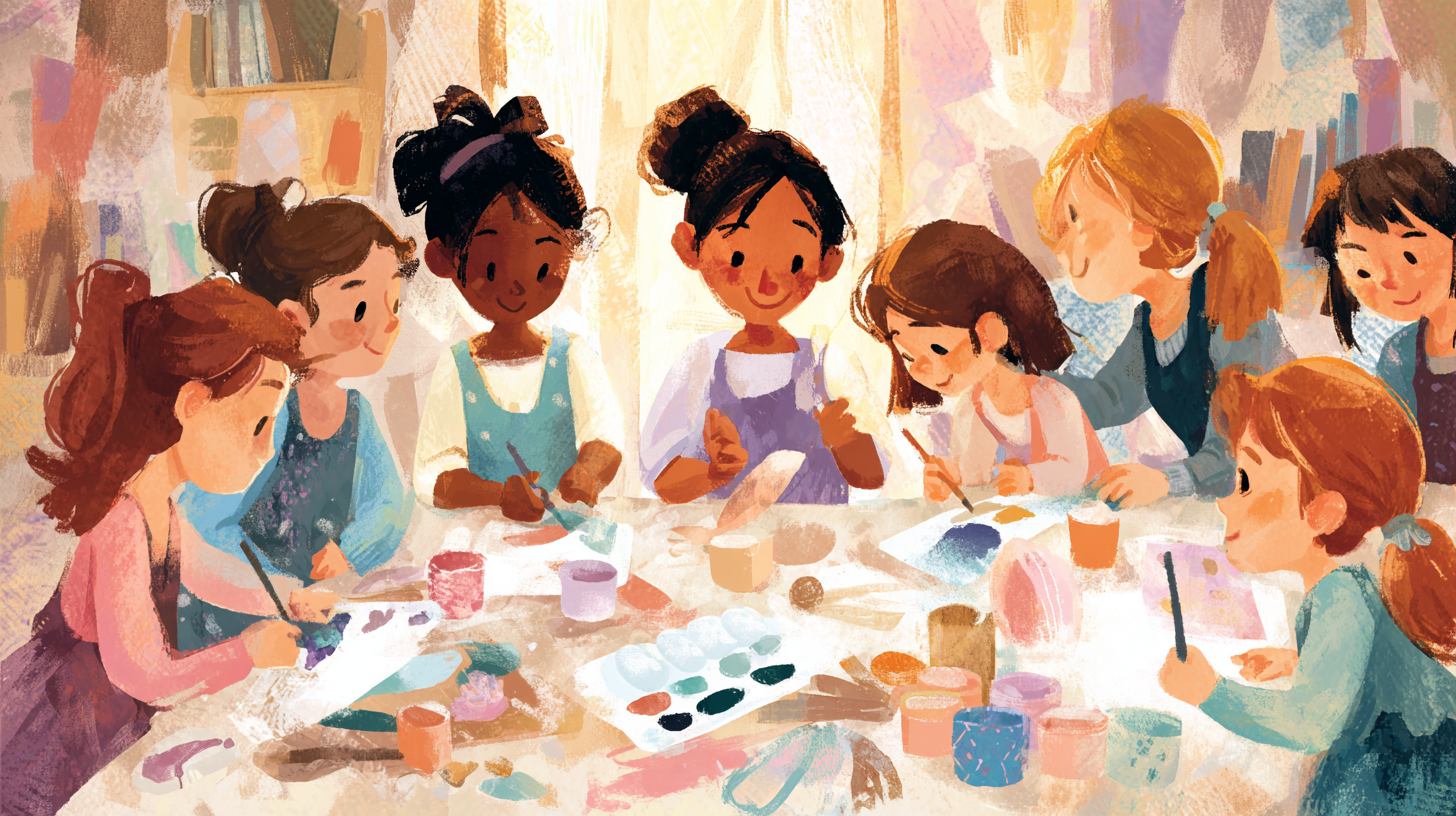
If you’ve got a child who’d rather create than run, craft-focused parties offer another beautiful alternative. My neighbor hosted a “design your own t-shirt” party for her daughter’s seventh birthday that became legendary in our complex. She bulk-ordered plain white shirts, set up stations with fabric markers and stencils, and let kids create wearable art. The birthday girl still wears hers. Her friends still wear theirs. That party lives on in a way that cake crumbs never could.
Creative celebrations work because they give children agency and produce tangible keepsakes. They slow down the frenetic energy of typical parties and create space for focused, satisfying work. And they scale beautifully for different ages and group sizes.
Pottery painting studios have built entire business models around this concept, but you don’t need a professional venue. Home-based craft parties can include: tie-dying shirts, socks, or pillowcases (supervision required, but results are spectacular); painting small canvases or wooden boxes available at craft stores; creating friendship bracelets or beaded jewelry with kits; building and decorating birdhouses or small wooden crafts; making slime, playdough, or other sensory materials to take home; decorating picture frames with photos taken during the party; creating nature collages with collected leaves, flowers, and seeds.
For families deeply involved in cultural traditions, consider craft activities that connect to your heritage. Caribbean-inspired options might include painting mini steel drums, creating colorful carnival masks, designing fabric with traditional patterns, or making maracas from recycled materials. These activities celebrate identity while creating lasting memories and teaching cultural appreciation.
One of my favorite craft party hacks comes from a teacher friend: she calls them “studio parties” to make them sound extra special. She sets up her dining room like an art studio with an easel, palette, and beret for the birthday child to wear as the “master artist.” That simple reframing transforms the experience from “just crafts” to “exclusive art studio experience.”
The key to successful craft parties is preparation and realistic expectations. Choose projects that match the age and attention span of your guests. Set up stations so kids can rotate or work simultaneously. Have extra supplies because someone will always need more glitter. And build in time at the end for kids to share their creations—that show-and-tell moment is often as valuable as the making itself.
Select your party elements and we’ll calculate your celebration success score:
Movement and Active Celebrations
There’s something almost revolutionary about celebrating a birthday by getting sweaty and exhausted. Yet movement-based parties consistently rank among children’s favorites and parents’ sanity-savers.
School-based “rethinking classroom celebrations” initiatives increasingly recommend 10-minute dance parties, extra recess, or outdoor games as birthday recognition. These cost nothing, require minimal planning, create zero waste, and include everyone regardless of dietary needs. State and district wellness materials provide ready-made activity menus: treasure hunts with age-appropriate clues, relay races with silly challenges, freeze dance or musical statues, parachute games for younger children, organized sports or field games for older kids, yoga or movement sequences, obstacle courses using household items or playground equipment.
The genius of movement celebrations is that they’re naturally self-regulating. Kids who need breaks can take them. Kids with endless energy can go full throttle. There’s no finishing line that creates winners and losers—just play for play’s sake.
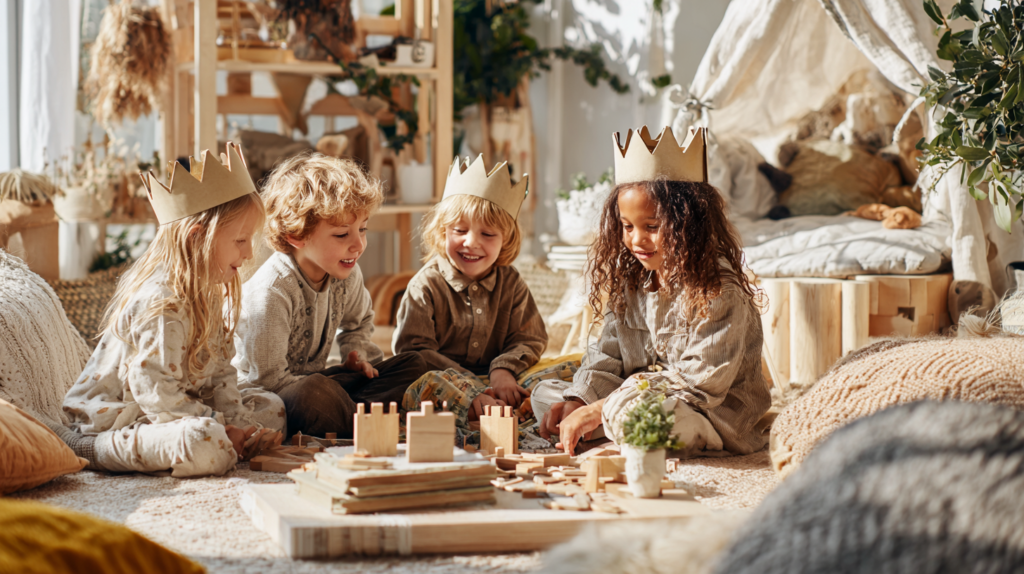
One innovative approach I’ve seen combines movement with tradition: the “birthday privilege menu.” Instead of bringing treats, the birthday child gets to choose from a list of special activities that day—leading the line, choosing the game at recess, picking a book for story time, getting extra outdoor play time, or wearing a birthday crown. These privileges create distinction without exclusion and emphasize celebration over consumption.
For home parties, movement themes provide built-in structure. Consider an “outdoor adventure” party with a nature scavenger hunt, stream exploration, and tree climbing in a local park. Or a “mini-Olympics” with stations for different challenges—jumping, throwing, balancing, racing. Caribbean families might incorporate traditional games like ring games, limbo competitions, or adapted versions of cricket or football.
The nutrition angle here is worth noting: when parties center on movement, any food served becomes functional fuel rather than the main event. A simple lunch after two hours of active play feels appropriately timed and satisfying. Children eat when hungry rather than because there’s cake to be eaten. This subtle shift models a healthier relationship with food and celebration.
For families with children who have different mobility levels or physical abilities, movement parties can be adapted rather than abandoned. Focus on activities that emphasize fun over competition, offer multiple ways to participate, and celebrate diverse forms of movement. Water play, sensory walks, gentle parachute games, or music-based movement can include children across a spectrum of physical abilities.
Redefining Birthday Traditions
Here’s where we get to challenge some deeply held assumptions. Birthday traditions feel sacred, passed down through generations, culturally significant. But when you examine them closely, most are actually quite recent inventions—commercial more than cultural.
The modern American-style birthday party with elaborate cakes, themed decorations, goody bags, and entertainment is largely a post-World War II phenomenon, amplified by the party supply industry and Pinterest culture. Celebrations before that tended to be simpler, more community-focused, and less commodity-driven. So if you’re worried about “losing tradition” by decentering food, you might actually be recovering older, richer traditions of communal celebration and meaningful recognition.
Some families create entirely new traditions that become beloved rituals. One approach that’s gaining traction is the “birthday experience” model where children receive one significant experience annually rather than material gifts. This might look like: a special overnight trip with just the birthday child and parent(s); a day planned entirely by the birthday person with their choices prioritized; a family service project followed by a favorite meal; an annual photo shoot in the same location to mark growth; planting a tree or starting a garden bed for each birthday; creating a time capsule to open on a milestone birthday; hosting a “un-birthday” party on the half-birthday with unusual activities.
The “Fiver Party” movement from the UK offers another interesting model: children invite friends with the explicit request that instead of individual gifts, guests contribute £5 toward one larger gift or experience the child truly wants. This reduces clutter and plastic waste while teaching children about pooled resources and intentional choosing. It also eliminates the pressure on families of varying income levels to purchase comparable gifts.
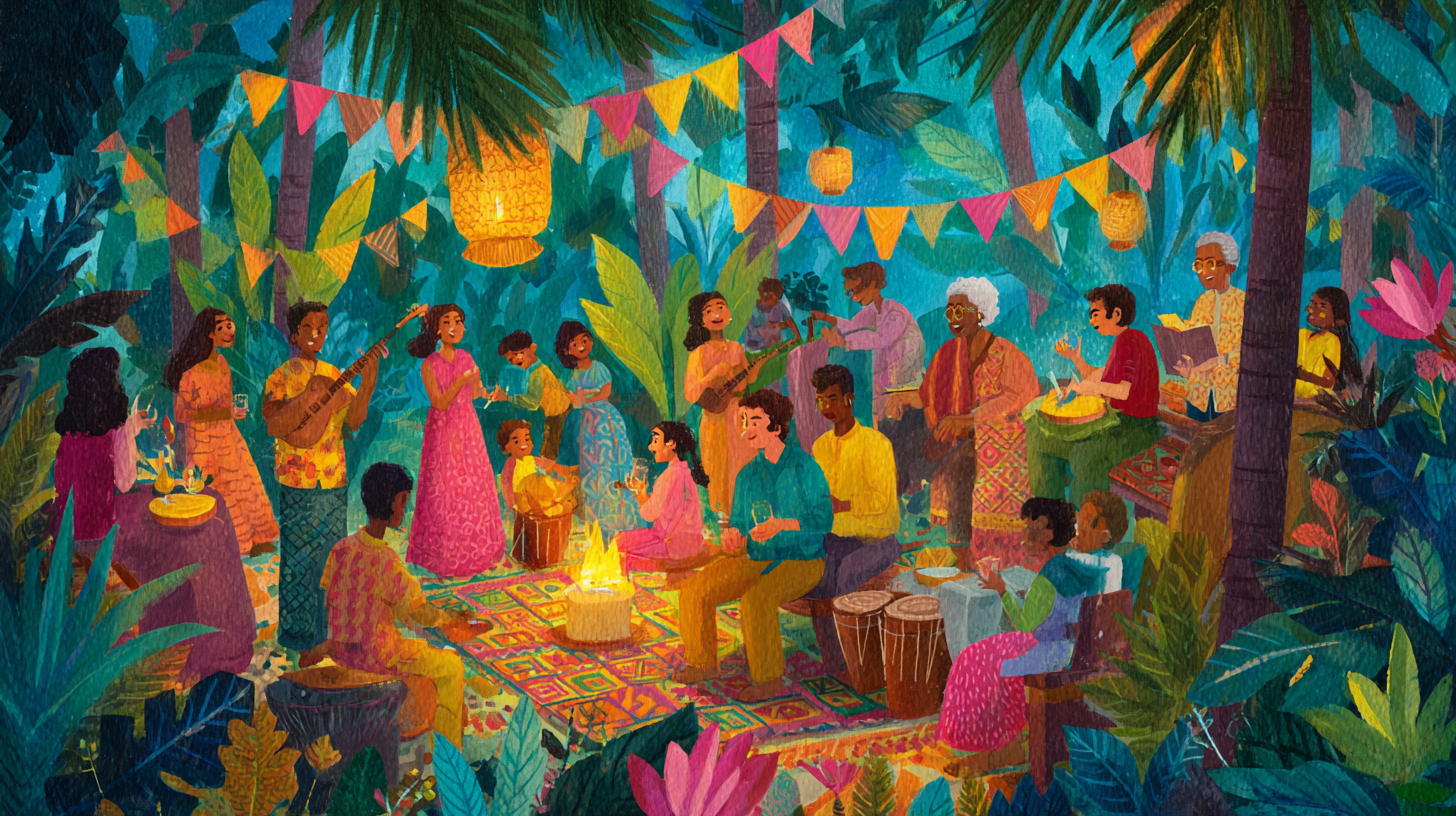
For Caribbean families, reimagined traditions might draw on cultural practices that predate commercial party culture. Consider celebrations that emphasize storytelling, where elders share stories from the birthday child’s birth and early years. Or rituals that involve the whole extended family in active roles—not as passive consumers but as active contributors to the day’s meaning. Music-centered celebrations where family members perform, dance, and create together honor Caribbean cultural strengths while creating connection.
Some families I know have adopted a “birthday book” tradition where the celebrating child receives one special book and everyone signs it with a message. Over years, this creates a library of love and witnessed growth. Others do an annual interview filmed or recorded, asking the same questions each year—favorite color, what you want to be when you grow up, what makes you happy. These become precious time capsules.
The resistance to non-food celebrations often comes from adults, not children. Kids are remarkably adaptable when new models are presented with enthusiasm and consistency. What children need is for the adults to believe in the value of what they’re offering. If you frame non-food celebrations as deprivation, children will feel deprived. If you frame them as special, exciting, and unique, children respond accordingly.
Here’s what the data reveals about celebration trends:
Key Insight: Schools that implemented non-food birthday policies reported near-zero parent resistance after 6 months, with families reporting increased satisfaction because of reduced stress around allergies, dietary restrictions, and logistics.
Practical Implementation for Schools and Classrooms
School environments face unique challenges when shifting away from food-centered celebrations. Teachers operate with limited time, resources, and bandwidth. Room parents coordinate across diverse family cultures and expectations. Yet schools are leading this shift precisely because the stakes—equity, inclusion, health, and learning time—are so high.
Effective school-based non-food birthday policies share several characteristics. They’re clearly communicated to families at the start of the year through handbooks, orientation meetings, and welcome letters. They provide specific alternatives rather than just restrictions—nobody responds well to “you can’t bring cupcakes” without hearing “here’s what you can do instead.” And they’re implemented consistently so no child feels singled out or treated differently.
Successful classroom celebration menus typically offer options like: extra recess or outdoor play time (5-10 minutes is surprisingly meaningful to children); special classroom jobs or responsibilities for the day (line leader, teacher’s helper, book picker); birthday crown or special chair designation; class-created birthday card or poster that everyone signs; favorite read-aloud book chosen by birthday child; brief class game, dance party, or movement break; donation of a book to the classroom library in the child’s name; birthday interview shared with classmates (favorite things, hopes, interests).
These alternatives cost little to nothing, require minimal preparation, create no waste, include all children regardless of dietary needs, and take less time than managing food distribution and cleanup. Teachers report that once families understand the system, compliance is high and satisfaction actually increases because the pressure to provide store-bought treats is eliminated.
For families who deeply want to contribute something tangible, many schools create approved non-food item lists: pencils, erasers, or school supplies; stickers or temporary tattoos; bookmarks; bubbles; small toys from dollar stores (check for safety and age-appropriateness); art supplies like individual paint sets or coloring books; books for the classroom library.
The key is providing items that get distributed to all classmates equally, are age-appropriate and safe, and don’t create excessive waste or trash. Some teachers create a “birthday box” where they keep these items year-round so families don’t have to shop or send anything—the teacher simply pulls out the birthday supplies when needed.
Parent and teacher organizations can support this shift by providing ready-made resources, sample policies, and celebration idea lists. School wellness coordinators increasingly include celebration guidelines in comprehensive wellness policies that address not just birthdays but also rewards, fundraisers, and school events. When celebrations align with broader wellness values, they reinforce rather than undermine the school’s health education efforts.
Navigating Resistance and Cultural Sensitivity
Let’s be honest: not everyone will immediately embrace non-food birthdays. Some grandparents will be confused. Some parents will think you’ve lost your mind. Some family members will interpret it as rejecting cultural tradition. This is normal. Change creates discomfort, especially around practices tied to identity and memory.
The most effective approach is not to demand that others change but to clearly communicate your family’s values and invite understanding. You might explain: “We’re trying to help our child develop a healthy relationship with food where treats are occasional pleasures, not daily expectations or ways we show love.” Or: “We have family members with serious food allergies, so we’re creating celebration models that feel fully inclusive for everyone.” Or: “We’ve noticed that the parties our child remembers most are the ones where we did activities together, so we’re leaning into that.”
Cultural sensitivity requires recognizing that food carries deep meaning in many traditions. Caribbean culture, for instance, has rich food-centered celebrations—birthday cakes are often elaborate, lovingly made, and symbolically significant. The goal isn’t to erase that meaning but to expand the repertoire. You can still have a special family cake at home while adopting non-food celebrations at school. You can still honor Grandma’s traditional cake recipe on birthdays while also creating new activity-based traditions.
For families navigating multiple cultural expectations, consider a hybrid approach. One family I know does a small family cake at home with close relatives, honoring tradition, but hosts activity-based parties with friends, emphasizing inclusion and play. Another family incorporates culturally significant foods as part of a broader celebration—traditional Caribbean dishes served family-style after an afternoon of cultural storytelling, music, and dance, where food is one element among many rather than the centerpiece.
When explaining your choices to skeptical relatives, sharing the research can help. Mention that 45% of birthday spending now goes to experiences. Note that schools across the country are implementing these policies based on health, equity, and inclusion recommendations from pediatric and public health experts. Frame it not as rejection but as evolution—honoring what celebrations are meant to accomplish (joy, connection, recognition) through expanded methods.
It’s also worth acknowledging that resistance sometimes comes from our own nostalgia. We remember birthday cakes from our childhood and want to recreate that feeling for our children. But children don’t know they’re “missing” something if we never establish it as the norm. And the feelings we associate with childhood birthdays—anticipation, being special, feeling loved—can absolutely be created through non-food means.
Special Considerations for Food Allergy Families
For families managing food allergies, non-food celebrations aren’t a nice-to-have—they’re a lifeline. Parents of children with life-threatening food allergies describe the anxiety of typical birthday parties: scanning ingredient lists, calling ahead to ask about food safety, sometimes keeping their child home entirely to avoid risk. When celebrations decenter food, these families can participate fully and joyfully.
Allergy advocacy organizations actively promote experience-based birthday alternatives, providing resources and idea lists specifically for inclusive celebrations. Their recommendations emphasize activities that naturally exclude food: skating, bowling, movies, bounce houses, craft studios, swimming, nature centers, and sports activities. These venues eliminate cross-contamination concerns while creating environments where children with allergies aren’t the “difficult” ones but simply kids having fun like everyone else.
If your child doesn’t have food allergies but you’re planning a party for a mixed group, the most inclusive approach is to simply not serve problematic foods—or to ask directly. When you send invitations, include a line: “Please let us know of any allergies or dietary needs” and then actually adjust your plans accordingly. Better yet, plan an activity-only party where food isn’t part of the equation at all.
For classroom celebrations, children with allergies often bring their own safe treat to eat while others have something different. But this visibly marks them as different and can feel isolating. When classrooms shift to non-food celebrations—extra recess, special songs, birthday books—there’s nothing to substitute because everyone participates identically. The child with allergies isn’t managing their difference; they’re just another kid celebrating a classmate.
Parents of children with allergies also note the social isolation that comes from being repeatedly excluded from food-centered events or treated as high-maintenance. Non-food birthday parties allow these children to accept invitations without caveat, attend without parental supervision for safety, and participate without constant vigilance. For families navigating multiple allergies or severe restrictions, this represents genuine freedom and belonging.
If you’re new to allergy-aware celebrating, some helpful principles: assume that someone in any given group has a restriction (this is statistically likely); default to activities rather than trying to accommodate all possible restrictions with safe foods; if you do serve food, clearly label all ingredients and offer simple, whole foods with minimal processing; never pressure or shame a child for not eating something—make “no thank you” a perfectly acceptable response; teach all children that everyone has different food needs and bodies, and that’s normal and unremarkable.
For Caribbean families where traditional foods form part of cultural transmission, consider teaching cooking and food traditions separately from celebrations. A special cooking day where you make traditional Caribbean recipes like Cornmeal Porridge Dreams or Coconut Rice & Red Peas can honor heritage while keeping parties focused on activity and connection. This separates cultural food education from celebration pressure and allows children to appreciate traditional foods on their own terms rather than as mandatory party elements.
The Environmental and Anti-Consumerism Angle
There’s another compelling reason to reconsider traditional birthday parties: waste. The average child’s birthday party generates significant trash through disposable plates and utensils, food waste, plastic party favors, wrapping paper, and single-use decorations. As environmental consciousness grows, many families are seeking celebration models that align with sustainability values.
Experience-based and activity-focused parties naturally generate less waste. When the celebration is a hike, a craft project, or a movement activity, there’s little to throw away. Some families explicitly frame birthdays as “zero-waste celebrations” and make that part of the event’s identity and teaching moment.
The goodie bag dilemma exemplifies this tension. Traditional party favor bags are filled with plastic trinkets that break immediately, candy that parents confiscate, and cheap toys nobody wants. They’re wasteful, expensive, and unsatisfying. Yet many parents feel obligated to provide them because that’s what’s expected.
Alternatives to plastic-heavy party favors include: seed packets for guests to plant at home; homemade playdough or slime in reusable containers; craft projects made during the party that guests take home; digital goodie bags—a shared photo album or video from the party; donations to a charity chosen by the birthday child in lieu of favors; simple snacks like popcorn or pretzels in paper bags (if no food allergies); used book exchange where each guest brings a book to swap.
Some families simply eliminate party favors entirely and find that no one complains. Children attend for the activity and friend time, not for a plastic bag of junk. When eliminating favors, a simple note on the invitation can set expectations: “Your presence is the only present we need—no party favors, just fun and friendship!”
The anti-consumerism dimension extends beyond waste to values. Many parents report feeling trapped in an escalation cycle where each year’s party must be bigger, more expensive, more elaborate than the last. Children start expecting parties that rival professional events. The stress and cost can be genuinely burdensome, particularly for families managing multiple children’s birthdays.
Opting out of this cycle by choosing simpler, experience-based celebrations can feel counter-cultural but liberating. One parent I know instituted a “rule of three” for birthdays: one small gift from parents, one experience together as a family, and one friend celebration that’s always an activity, never a thing. Her children don’t feel deprived—they’ve never known anything different, so this feels abundant to them.
This approach also models important values about happiness, consumption, and what makes life meaningful. When we teach children that special occasions require excessive buying, we shape their understanding of celebration, worth, and joy. When we show them that meaningful experiences, human connection, and active play create lasting happiness, we give them tools for a more sustainable, satisfied life.
Making the Transition
If you’re convinced but nervous about actually implementing non-food celebrations, start small. You don’t have to revolutionize everything at once. Pick one upcoming celebration and try one alternative approach. See how it feels. Gather feedback. Adjust.
For your first non-food birthday party, consider: hosting it at an activity venue that provides structure (trampoline park, pottery studio, bowling alley); choosing a theme that naturally centers on activity (“outdoor adventure,” “art party,” “superhero training camp”); clearly communicating the plan on invitations so guests know what to expect; keeping it short—90 minutes is often plenty for young children; having a backup plan for weather if outdoor activities are involved; still including a small simple snack or meal *after* the main activity if needed, just not as the centerpiece.
Communication is key. When you send invitations, be explicit about what the party will involve. Instead of leaving families guessing, say something like: “Join us for a nature scavenger hunt at Sunshine Park! We’ll explore the trails, look for hidden treasures, and celebrate Malik’s 6th birthday with outdoor fun. Please wear comfortable clothes and closed-toe shoes. We’ll provide water and a small snack after our adventure.”
For classroom celebrations, if you’re a teacher considering this shift, bring parents along with clear communication and ready-made alternatives. Send a beginning-of-year letter explaining your celebration policy, the reasons behind it (inclusion, health, wellness, learning time), and specific alternatives families can choose from. Provide a simple “birthday menu” with options, and make it easy for families to participate without extra effort or expense.
If you’re a parent in a school that hasn’t adopted non-food policies, you can still choose not to send treats for your child’s birthday. A simple note to the teacher explaining your preference and offering an alternative—”We’d love to donate a book to the classroom library in Maya’s name” or “Would it be possible for Maya to choose a special game at recess to mark her birthday?”—usually goes over well. You’re not demanding that others change, just exercising your choice for your family.
Expect some adjustment period. The first non-food party might feel strange because it breaks expected patterns. Give it time. By the second or third celebration, it will feel normal. And watch what your child actually talks about afterward—that’s your real feedback. If they’re excitedly recounting the treasure hunt or craft project days later, you’ll know you’ve created something memorable.
For families with mixed feelings, remember that you can have multiple celebration models. A small, traditional family cake at home doesn’t preclude an activity-based party with friends. Cultural food traditions can live alongside experience-focused celebrations. This isn’t all-or-nothing—it’s expanding your celebration vocabulary to include more options that serve different purposes and contexts.
When Food Stays in the Picture
Let’s be clear: this isn’t about eliminating food from birthdays entirely if that doesn’t fit your family or culture. It’s about decentering food so it’s not the automatic, unquestioned centerpiece. For many families, a middle path makes the most sense.
If you want to include food but make it less central, consider these approaches: serve a meal or snack *after* the main activity, positioning food as fuel rather than entertainment; keep food simple and functional—think whole fruits, vegetable sticks with dip, cheese and crackers, simple sandwiches—rather than elaborate treats; use food from your cultural tradition as one element of a broader celebration that also includes storytelling, music, or activity; involve children in food preparation as an activity itself—making personal pizzas or decorating individual cupcakes becomes a craft project with an edible result; focus on one special food item (like a traditional birthday cake shared with family) rather than an entire spread of sweets and treats.
For families deeply connected to food as cultural expression, this approach honors that while expanding what celebration includes. Caribbean families might prepare a special traditional dish—maybe Sweet Potato & Callaloo Rundown or Plantain Paradise—as part of a larger day that also includes outdoor play, storytelling from elders, music, and dance. The food becomes one thread in a richer tapestry rather than the whole cloth.
The key shift is intentionality. When we default to food-centered celebrations without thinking, we limit ourselves. When we intentionally choose how food fits into a broader celebration vision, we create something more meaningful, inclusive, and aligned with our actual values.
Some families find that reducing but not eliminating celebration food naturally improves children’s relationship with treats. When sweets aren’t the entire point of celebration, they return to their rightful place as occasional pleasures rather than emotional centerpieces. Children can enjoy a piece of birthday cake without it carrying the weight of being *the thing* that makes the day special. This subtle recalibration supports healthier food relationships long-term.
As you prepare your next non-food birthday celebration, check off these elements:
Living the Change
Three years into our family’s non-food birthday journey, I can tell you the biggest surprise: it’s actually easier. Less stressful. Less expensive. More joyful. My niece’s memorable treasure hunt party cost a fraction of what I spent on that elaborate cake, took less time to prepare, and created memories that have lasted far longer.
We’re not perfect. Sometimes we still do cake. Sometimes my mother-in-law brings her famous coconut drops even though we said we weren’t doing desserts. But the default has shifted. The question isn’t “what treats should we make?” but “what should we *do* together?” That reframing changes everything.
I’ve watched this play out in our community too. The school my nephews attend implemented a non-food birthday policy three years ago. The initial parent meeting had some grumbling. But now? It’s just how things are done. Teachers report smoother celebrations, better inclusion of kids with allergies or diabetes, and more creative recognition of birthdays. Parents report feeling relieved of the pressure to bake or buy treats. And the kids? They don’t miss the cupcakes because they never established that expectation.
This shift is happening at a cultural level, not just individual families. The data shows it—45% of birthday spending going to experiences, steady growth in activity venue bookings, schools across the country implementing wellness policies that restrict or eliminate classroom food celebrations. We’re collectively recognizing that the sugar-centered birthday party is a recent invention, not a timeless tradition, and we can evolve toward something better.
“Better” doesn’t mean more expensive or elaborate. It means more aligned with what children actually need: attention, connection, play, novelty, feeling valued. These needs can be met through a backyard treasure hunt just as fully as through a catered event. They can be met through an extra recess period or a special classroom job. They can be met through a family hike or a pottery painting afternoon.
The beautiful irony is that by focusing less on the perfect cake and more on meaningful experience, we actually create better celebrations. Because we’re focusing on what matters—the relationships, the joy, the memories that persist long after the sugar rush fades.
For families preparing traditional foods as part of cultural transmission, there’s room for both. Teaching your child to make family recipes—whether that’s Jamaican Yellow Yam and Carrot Mash or Trini Karhee Curry—can be its own celebration of heritage that happens separately from birthday parties. This way, food traditions are honored without becoming the sole or central way we mark life’s passages.
If you’re standing at the beginning of this journey feeling uncertain, start with curiosity. What would become possible if your next celebration decentered food? What activities light up your child’s face? What experiences would create stories they’ll retell for years? What traditions might you create that feel truer to your family’s values than another supermarket cake?
The answers to those questions will guide you toward celebrations that nourish in deeper ways than frosting ever could. Because birthdays aren’t really about the cake at all. They’re about marking time, witnessing growth, celebrating the miracle of another year lived. And those things can happen around a bonfire, on a hiking trail, in an art studio, at a bowling alley, or in your own backyard with games and laughter and undivided attention.
The candles and the frosting are optional. The love and the attention aren’t. Lead with those, and you can’t go wrong.

Kelley's culinary creations are a fusion of her Caribbean roots and modern nutritional science, resulting in baby-friendly dishes that are both developmentally appropriate and bursting with flavor. Her expertise in oral motor development and texture progression ensures that every recipe supports your little one's feeding milestones while honoring cultural traditions.
Join Kelley on her flavorful journey as she shares treasured family recipes adapted for tiny taste buds, evidence-based feeding guidance, insightful parenting anecdotes, and the joy of celebrating food, culture, and motherhood. Get ready to immerse yourself in the captivating world of Kelley Black and unlock the vibrant flavors of the Caribbean for your growing baby, one nutritious bite at a time.
- From “Who’s Right?” to “We’ve Got This”: Building a Feeding Partnership That Actually Works - September 13, 2026
- You’re More Than Just the Person Who Feeds Your Baby - September 12, 2026
- You’re Doing Your Best: The Self-Compassion Revolution Every Feeding Parent Needs - September 11, 2026