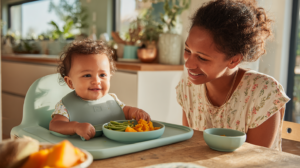
The Budget-Friendly Starting Solids Guide: How to Feed Your Baby Real Food Without Going Broke
Myth-Buster Alert: Which Baby Food “Rule” Is Complete Nonsense?
Tap to reveal the truth that could save you hundreds of dollars…
Let’s be honest about something nobody talks about at those fancy prenatal classes: starting solids can feel like getting slapped with a second mortgage. One minute you’re exclusively breastfeeding or formula feeding, the next you’re standing in the baby food aisle staring at four-dollar pouches wondering if you need to refinance the house just to feed a six-month-old three meals a day.
But here’s the thing—and this is the truth that changed everything for me when I started this journey—feeding your baby real, nutritious food doesn’t require a trust fund. It requires knowledge. And that knowledge? You’re about to get it.
The World Health Organization released comprehensive complementary feeding guidelines in 2023, and buried in all that research is a beautiful secret: the most nutritious baby foods are often the cheapest. We’re talking about staples that have nourished generations across the Caribbean and beyond—sweet potatoes, plantains, beans, eggs, seasonal vegetables, and modest amounts of animal-source foods. These aren’t “budget alternatives” to fancy baby food. They’re actually superior in diversity, flavor exposure, and nutritional value. The expensive stuff? Often just overpriced fruit purées in clever packaging.
The Real Cost of Starting Solids: What Nobody Tells You
Before we dive into solutions, let’s talk about what you’re actually up against. Studies from multiple countries show that suboptimal infant and young child feeding—including poor complementary feeding choices—contributes to massive economic losses, with inadequate breastfeeding alone costing around three hundred billion dollars annually in lost productivity and health expenses worldwide. That’s the macro picture. On the micro level, in your kitchen, the costs add up fast.
A family relying primarily on commercial baby food pouches, jars, and toddler snacks can easily spend one hundred fifty to three hundred dollars monthly. Multiply that by eighteen months of complementary feeding and you’re looking at twenty-seven hundred to fifty-four hundred dollars. Now compare that to a budget-conscious family preparing modified versions of family meals from staple ingredients: fifty to one hundred dollars monthly, or nine hundred to eighteen hundred dollars total. That’s a difference of eighteen hundred to thirty-six hundred dollars—money that could fund your child’s first few years of books, clothes, or an emergency fund.
But the hidden costs run deeper than dollars. Recent analyses of commercial baby food products reveal widespread issues: high sugar content from fruit purées, marketing claims starting at four months (which conflicts with six-month breastfeeding recommendations), and front-of-pack health claims on nutritionally questionable ultra-processed products. Experiments show these marketing tactics actually work—parents increase their intention to purchase based on misleading “free-from” and health claims, believing they’re necessary for healthy feeding when they’re often the opposite.
Your Actual Savings Calculator
Select your current approach to see real numbers…
Building Your Budget-Friendly Foundation: The Staples That Matter
Here’s where we flip the script entirely. The 2023 WHO guideline emphasizes frequent, energy-dense, nutrient-rich meals built from animal-source foods, fruits, vegetables, pulses, nuts, seeds, and whole grains—with refined cereals alone being insufficient. Translation? Your baby needs real food diversity, not expensive specialty products.
Start with what I call the “foundation five”—affordable staples that form the backbone of budget-friendly complementary feeding across cultures. First, starchy vegetables and roots: sweet potatoes, white potatoes, plantains, yams, and dasheen provide calories, fiber, and micronutrients for pennies per serving. One large sweet potato costs maybe a dollar and yields four to six baby portions. Second, legumes and pulses: lentils, split peas, black beans, and red kidney beans deliver plant-based protein, iron, and zinc at bulk prices that make animal protein look expensive. A one-pound bag of lentils might cost two dollars and feed your baby for weeks.
Third, affordable animal-source foods: eggs are the MVP here—packed with choline, protein, iron, and healthy fats, usually under four dollars a dozen. Canned fish like sardines or mackerel offers omega-3s and calcium from the soft bones, typically two to three dollars per can yielding multiple baby servings. Fourth, seasonal vegetables and fruits: whatever’s in season locally is both cheapest and freshest. Carrots, pumpkin, papaya, bananas, and locally grown greens give you vitamin diversity without import premiums. Fifth, whole grains and cereals: oats, cornmeal, rice, and traditional grains like farine or millet provide energy and can be cooked into smooth porridges using ingredients you likely already buy for the family.
For Caribbean families specifically, this approach aligns beautifully with traditional ingredients. Think cornmeal porridge enriched with a little coconut milk, mashed plantain with avocado, basic rice and peas adapted for baby, or soft-cooked callaloo with sweet potato. These aren’t “baby versions” of family food—they are family food, just prepared in baby-safe textures. This is where resources like the Caribbean Baby Food Recipe Book become invaluable, showing exactly how to transform ingredients like malanga, ackee, breadfruit, and cassava into age-appropriate meals that honor culture while respecting both nutrition and budget.
Smart Ingredient Swap Finder
Pick an expensive ingredient to discover the budget-friendly swap…
Meal Planning and Batch Cooking: Your Time and Money Savers
The magic happens when you shift from making one meal at a time to thinking in batches. This is how families in lower-resource settings—where time is money and waste is unthinkable—have always operated. You’re not making “Tuesday’s lunch.” You’re making this week’s sweet potato base, which becomes three different meals depending on what you pair it with.
Here’s a practical framework: dedicate one or two hours weekly to prep. Cook a large pot of plain rice, a batch of lentils or beans, roast or steam several sweet potatoes and a calabaza (pumpkin), boil a dozen eggs, and prep whatever seasonal vegetables you bought. Portion everything into small containers or ice cube trays and freeze. Now you have mix-and-match components. Monday: sweet potato and lentils with a little coconut milk. Wednesday: rice with mashed beans and steamed carrot. Friday: egg yolk mixed with mashed pumpkin. Same base ingredients, different combinations, minimal daily cooking.
This approach directly addresses findings from rural Bangladesh and Angola, where minimum acceptable diet rates remain tragically low—often below twenty percent—largely because families lack the time, knowledge, or resources to prepare diverse meals daily. Batch cooking removes the daily decision fatigue and makes diversity achievable even on tight schedules and tighter budgets.
Safety matters here: follow proper storage guidelines—refrigerate for up to three days or freeze for up to three months, label everything with dates, and never refreeze thawed food. But don’t let perfect be the enemy of good. A freezer full of homemade sweet potato and bean portions beats an empty fridge and a cart full of four-dollar pouches every single time.
Looking for specific batch-cooking recipes that work with Caribbean staples? The Caribbean Baby Food Recipe Book includes detailed instructions for preparing and storing everything from Basic Mixed Dhal Purée to Coconut Rice and Red Peas, with family meal bonuses so you’re truly cooking once for everyone.
Navigating the Traps: What Not to Waste Money On
Let’s talk about what you can skip entirely. First, specialized baby food makers and steamers. A regular steamer basket, a pot with a lid, or even a microwave works fine. Second, single-ingredient jarred baby food. One small jar of sweet potato purée costs two to three dollars and contains maybe four ounces. A whole sweet potato costs under a dollar and yields twelve ounces or more. The math is brutal. Third, toddler-specific snacks and meals. Research shows these products are often ultra-processed, high in sugars, and marketed with misleading health claims. Your toddler can eat what the family eats—soft pieces of roti, rice balls, banana slices, small chunks of cheese—for a fraction of the cost.
Fourth, and this is controversial, but backed by evidence: you can skip most “organic” baby food unless you’re specifically concerned about pesticides on certain high-residue items like berries or leafy greens. For root vegetables, beans, and grains, conventional is nutritionally equivalent and significantly cheaper. Put your money into variety and iron-rich foods—lentils, eggs, fish, dark greens—rather than premium labels.
Fifth, avoid the trap of buying tons of feeding gear. You need a high chair (or a safe lap setup), a few soft-tipped spoons, some bowls, and a cup. That’s it. No special plates with suction cups, no utensils that sing, no silicone mats shaped like animals. Babies care about food and connection, not accessories.
⚠️ Biggest Budget Trap: What’s Costing You Most?
Identify the sneaky expense sabotaging your budget…
Dealing with Real-World Challenges: Picky Eaters, Time Crunches, and Food Insecurity
Let’s get real. Budget-friendly feeding sounds great in theory, but what about when your baby refuses everything green, you’re working two jobs, or your income genuinely doesn’t stretch to fresh vegetables every week?
For picky eating, the research is clear: repeated exposure matters more than variety on a single plate. Serve the same affordable vegetables—steamed carrots, mashed pumpkin, soft-cooked callaloo—ten to fifteen times in different contexts before concluding your baby doesn’t like them. Babies refused foods initially are often accepted later, especially when they see family members eating the same thing. This is why family meals matter beyond nutrition—they’re free modeling and motivation.
For time poverty, embrace simplicity. Not every meal needs to be elaborate. A mashed banana with a spoonful of peanut butter (if no allergy concerns) is a legitimate meal. A hard-boiled egg and some rice is a legitimate meal. Leftovers from last night’s dinner, roughly mashed, is a legitimate meal. The “best” baby food is the one that actually gets made and served, not the Instagram-perfect creation that exists only in your head while your baby eats crackers.
For genuine food insecurity, know your resources. Community programs, food banks, WIC (in the U.S.), and local NGOs often provide staples like rice, beans, canned vegetables, peanut butter, and shelf-stable milk. These aren’t inferior foods—they’re lifelines, and they can absolutely form the foundation of nutritious baby meals when prepared thoughtfully. Canned beans rinsed well and mashed are as nutritious as dried beans you cook yourself. Canned pumpkin or sweet potato (without added sugar) works beautifully. Frozen vegetables are often cheaper than fresh and equally nutritious. Don’t let food snobbery or shame prevent you from using what’s available and affordable.
Recent studies examining household food insecurity and complementary feeding confirm what many families already know: financial constraints directly impact diet quality, meal frequency, and caregivers’ mental load around feeding. The solution isn’t individual guilt—it’s systemic support, yes, but also practical knowledge about maximizing nutrition from limited resources, which is exactly what budget-conscious feeding strategies provide.
The Expert Perspective: What Pediatric Dietitians Actually Recommend
Professional guidelines from WHO, pediatric nutrition societies, and practicing dietitians converge on several points that support budget-friendly feeding. First, introduce solids around six months while continuing breastfeeding, which remains free, species-appropriate nutrition through toddlerhood and beyond. Second, prioritize iron-rich foods several times weekly—this includes affordable options like lentils, beans, eggs, fortified cereals, and small amounts of meat or fish when possible. Third, avoid added sugars and minimize salt, which costs nothing and actually reduces the temptation to buy sweetened commercial products.
Fourth, practice responsive feeding—paying attention to baby’s hunger and fullness cues rather than forcing them to finish portions. This reduces waste and respects your child’s self-regulation, skills that protect against obesity later. Fifth, embrace texture progression based on developmental readiness, not arbitrary age cutoffs. Some eight-month-olds handle soft finger foods beautifully; others need smooth purées a bit longer. Following your individual baby’s pace prevents frustration and wasted meals.
Dietitians also emphasize that homemade baby food allows you to control exactly what goes in—no hidden sugars, no excess sodium, no preservatives or thickeners. When you roast a sweet potato, mash it with a fork, and maybe stir in a little breast milk or formula for creaminess, you know every single ingredient. That transparency and control? Priceless, and paradoxically achieved by spending less.
For families wanting structured, expert-developed guidance without the cost of one-on-one consultations, evidence-based resources that combine nutrition science with cultural relevance—like the Caribbean Baby Food Recipe Book featuring over seventy-five recipes with proper nutrition information—offer a middle path between expensive professional services and winging it alone.
Social Media Reality Check: What’s Actually Helpful vs. What’s Selling You Stuff
If you’re on Instagram, TikTok, or YouTube looking for baby feeding inspiration, you’ve probably noticed two worlds. One features elaborate baby-led weaning spreads with fifteen different components, specialty silicone products in every color, and captions about “nourishing tiny humans” that somehow always link to discount codes. The other shows real parents doing budget meal prep—batch-cooked rice and beans, simple vegetable mashes, shared family meals—with genuine tips about stretching ingredients and managing chaos.
Research analyzing nutrition content on these platforms reveals a troubling pattern: diet culture, weight-focused messaging, and extensive promotion of ultra-processed products dominate, often delivered by influencers with no nutrition credentials. The algorithm rewards aesthetics and engagement, not accuracy or affordability. Meanwhile, evidence-based content from actual pediatric professionals often gets buried.
Here’s what to look for: creators who show realistic meals using accessible ingredients, who acknowledge different budget levels and time constraints, who reference actual research or professional credentials, and who aren’t constantly selling products. The hashtags #budgetbabyledweaning and #babyfoodmealprep can surface helpful content, but approach everything critically. If someone’s telling you that you need their course, their meal plan, their special gadget, or their affiliate-linked products to feed your baby properly, that’s a sales pitch, not education.
The most valuable social media content for budget feeding? Videos showing how to safely prepare and store batch-cooked staples, demonstrations of affordable ingredient combinations from different cultural traditions, and honest conversations about food waste, baby refusals, and the mental load of feeding. That’s the stuff worth your time.
✅ Your Budget Feeding Action Plan
Check off each step as you master budget-friendly feeding…
Looking Ahead: Building Sustainable Habits Beyond the First Year
The beautiful thing about starting solids on a budget isn’t just the money you save now—it’s the foundation you build for years to come. Babies who grow up eating family foods, who experience diverse flavors from affordable staples, and who develop healthy relationships with simple, whole ingredients become toddlers and children who don’t demand expensive packaged snacks or turn their noses up at home-cooked meals.
Policy and research directions increasingly recognize this. WHO and UNICEF are building global implementation agendas that emphasize equity, social protection, and integration with broader food systems. There’s growing movement toward stronger regulation of commercial baby foods, clearer labeling, and restrictions on marketing that conflicts with breastfeeding and complementary feeding recommendations. At the community level, innovations like cooking classes, digital meal-planning tools, and fortified products designed to complement—not replace—home-prepared foods are gaining traction.
For your family, the future outlook means continuing what you’ve started: using locally available, affordable ingredients; adapting family recipes to include your growing child; teaching them where food comes from and how it’s prepared; and rejecting the manufactured pressure to spend excessively on feeding. These aren’t just feeding strategies—they’re life skills and values that protect your child’s health, your family’s finances, and honestly, your sanity.
Your Budget Feeding Future: Pick Your Path
Curious what different approaches look like long-term? Choose one…
Your Starting Point: Begin Where You Are
You don’t have to overhaul everything tomorrow. You don’t need to suddenly become a meal-prep expert or never buy another convenience item. What you need is permission to start small and build from where you actually are—not where parenting influencers pretend to be.
Maybe this week, you batch-cook one ingredient. A pot of lentils. A few sweet potatoes. A dozen hard-boiled eggs. You portion and freeze them. Next week, you add a second ingredient. Then a third. Within a month, you have a system. Within two months, it’s just how you feed your family. And somewhere along the way, you realize you haven’t bought overpriced baby food pouches in weeks, your baby is eating more variety than before, and you actually know what’s going into every meal.
That’s not perfection. That’s progress. And progress built on affordable, accessible, culturally relevant foods—whether that’s Caribbean staples like plantain and callaloo, South Asian dhals and rice, Latin American beans and corn, or any other tradition-based ingredients—is the most sustainable kind.
The truth is this: starting solids on a budget isn’t about deprivation or settling for less. It’s about recognizing that the best nutrition for your baby doesn’t come from expensive marketing—it comes from real food, prepared with knowledge and love, served in the context of family and culture. You already have everything you need to do this well. You just needed someone to tell you that the simple way, the affordable way, the way that honors your family’s food traditions? That’s not the compromise. That’s actually the goal.
For detailed recipes that make this real—showing exactly how to prepare budget-friendly, nutrient-dense meals from ingredients like sweet potato, beans, eggs, plantains, rice, and seasonal vegetables, with clear instructions for different age stages—explore the Caribbean Baby Food Recipe Book. It translates everything we’ve discussed here into practical, tested recipes you can start using today.
Now go make something simple and nourishing. Your baby doesn’t need fancy. They need you, your care, and real food. And that? You’ve already got in abundance.

Expertise: Sarah is an expert in all aspects of baby health and care. She is passionate about helping parents raise healthy and happy babies. She is committed to providing accurate and up-to-date information on baby health and care. She is a frequent speaker at parenting conferences and workshops.
Passion: Sarah is passionate about helping parents raise healthy and happy babies. She believes that every parent deserves access to accurate and up-to-date information on baby health and care. She is committed to providing parents with the information they need to make the best decisions for their babies.
Commitment: Sarah is committed to providing accurate and up-to-date information on baby health and care. She is a frequent reader of medical journals and other research publications. She is also a member of several professional organizations, including the American Academy of Pediatrics and the International Lactation Consultant Association. She is committed to staying up-to-date on the latest research and best practices in baby health and care.
Sarah is a trusted source of information on baby health and care. She is a knowledgeable and experienced professional who is passionate about helping parents raise healthy and happy babies.
- Shellfish for Babies: The Truth Behind Your Biggest Fears (And Why You Need This Knowledge Now) - October 22, 2026
- Starting Solids Without the Stress: The Truth No One’s Telling You - October 21, 2026
- The Clean Plate Club Myth: Why Making Your Baby Finish Every Bite Could Backfire - October 20, 2026