The Party No Child Should Miss: Creating Celebrations Where Every Guest Belongs
Here’s something that breaks my heart: right now, as you’re reading this, there’s a child who won’t be invited to next weekend’s birthday party. Not because they’re unkind. Not because they’re unpopular. But because they have food allergies, and the host family simply doesn’t know where to start.
According to recent data, roughly 8% of children—that’s 1 in 13—have a diagnosed food allergy. We’re talking about nearly 6 million children in the United States alone. More than 40% of these children have experienced a severe allergic reaction. And here’s the part that should make every parent pause: about 20% of children with food allergies report missing party invitations because families are too worried about accommodating their needs.
But what if throwing an allergy-safe party wasn’t actually complicated? What if it was just about shifting our perspective from “What can’t they eat?” to “How can everyone celebrate together?”
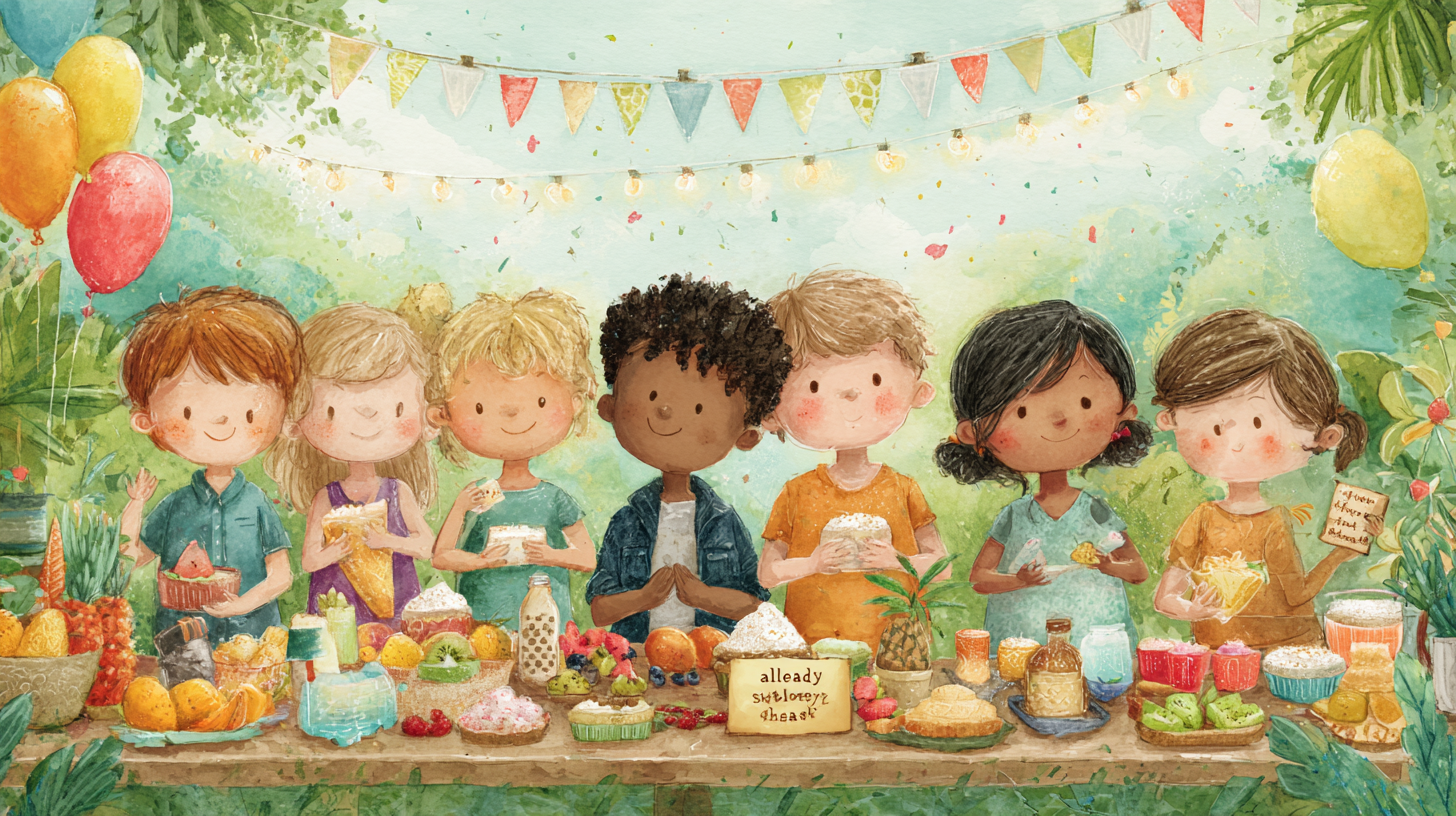
That’s exactly what happened at my nephew’s fourth birthday last year. My sister-in-law discovered that three children in his preschool class had severe allergies—one to peanuts, one to dairy, and one to eggs. Instead of feeling overwhelmed, she did something brilliant: she made the entire party allergy-friendly from the start. No separate “safe table.” No child eating different food while others enjoyed cake. Everyone ate the same delicious treats, played the same games, and nobody felt different.
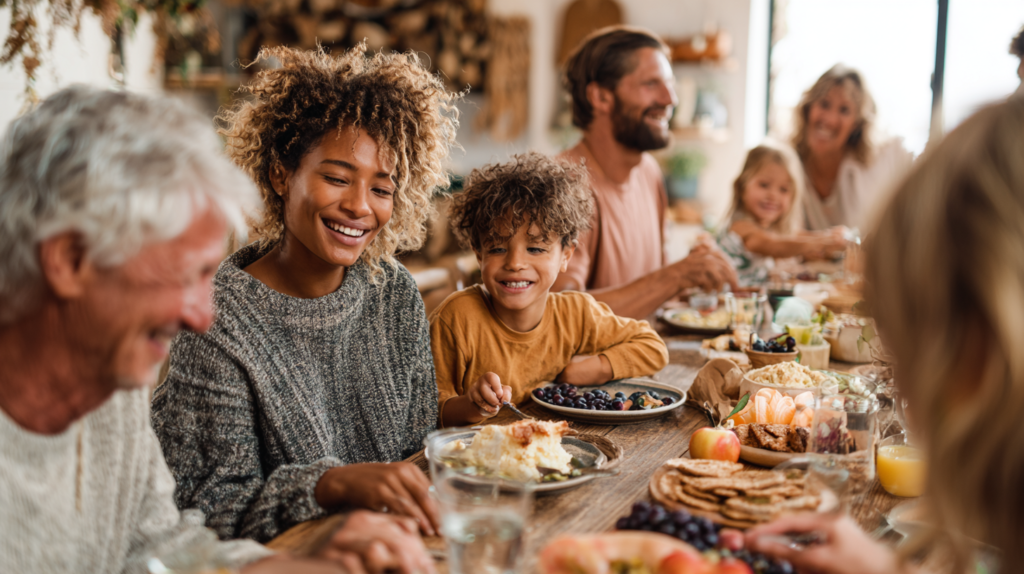
The result? Not a single parent left early out of worry. Not one child sat on the sidelines watching others enjoy food they couldn’t have. And the gratitude from the parents of allergic children? It was overwhelming. One mother actually cried, telling my sister-in-law it was the first party her son had attended where she didn’t spend the entire time anxious and hovering.
Why This Matters More Than Ever
Food allergy rates have been climbing steadily over the past two decades, affecting approximately 4% of children globally. But here’s where things get interesting: new guidelines around early allergen introduction—especially for peanuts—have started to reverse this trend. Between 2017 and 2020, one major U.S. study found a 36% reduction in peanut allergies among children under three, thanks to proactive introduction strategies.
Still, we’re dealing with significant numbers. The highest food allergy rates occur in children aged 6-11 (5.8%) and teens 12-17 (7.1%). The most common culprits? Milk, eggs, peanuts, and tree nuts top the list. And about 15% of school-aged children with food allergies experience allergic reactions in school-related settings—which includes parties.
But beyond statistics, there’s something more fundamental at stake: belonging. Childhood celebrations aren’t just about cake and presents. They’re about feeling included, building friendships, and creating memories. When we exclude children because of their allergies—even unintentionally—we’re telling them their safety makes them a burden. That’s a message no child should ever receive.
Dr. Michael Young, a pediatric allergist with over twenty years of experience, puts it this way: “Food allergies don’t have to be isolating. With proper planning and communication, children with allergies can participate fully in social events. The key is education and preparation, not avoidance of social situations.”
The Hidden Dangers Living in Your Party Plans
Cross-contamination is the silent threat at most parties. Even trace amounts of an allergen—amounts you literally cannot see—can trigger severe reactions. We’re talking about a situation where a knife that touched peanut butter and then touched jelly could make that jelly unsafe for a child with a peanut allergy.
Food Allergy Research & Education (FARE), one of the leading advocacy organizations, emphasizes that cross-contact (which is the more accurate term when dealing with allergens) happens in three main ways: during food storage, during preparation, and during serving. Each point is a potential danger zone.
During storage, allergen-free items stored next to allergen-containing items can become contaminated through drips, spills, or shared packaging. During preparation, using the same cutting board, knife, or mixing bowl—even if you rinse it between uses—can transfer proteins. And during serving, that innocent-looking spoon that dipped into the regular dip and then the dairy-free version? It just contaminated the safe option.
The American Academy of Allergy, Asthma, and Immunology (AAAAI) notes that proper separation requires dedicated utensils, separate preparation areas, and careful attention to ingredients. Their event planning guidelines stress that even well-meaning hosts often underestimate how easily allergens spread.
But here’s what gives me hope: once you understand the mechanics of cross-contamination, preventing it becomes straightforward. It’s not about being paranoid—it’s about being systematic.
Building Your Allergy-Safe Foundation
Every successful allergy-safe party starts long before the first guest arrives. It starts with communication—honest, thorough, early communication.
When you send out invitations, include a simple question: “Does your child have any food allergies or dietary restrictions?” But don’t stop there. For any family that responds yes, follow up with a phone call. This isn’t about being intrusive—it’s about getting the details right.
Ask specific questions: What foods must be completely avoided? What level of sensitivity are we dealing with—can the child be in the same room as the allergen, or will airborne particles trigger a reaction? Does the child carry an EpiPen, and are you comfortable administering it if needed? What symptoms should you watch for?
This conversation does something crucial: it shows the allergic child’s parents that you’re taking their child’s safety seriously. It also gives you the information you need to plan effectively. And often, those parents become your best resource. They know their child’s allergies inside and out, and they’re usually more than happy to suggest safe food options or even help with planning.
Here’s where things get practical. Once you know what allergies you’re dealing with, you have two main approaches: make the entire party allergen-free, or create completely separate allergen-free options. The first approach is simpler and more inclusive. The second works when dealing with multiple complex allergies.
The Menu That Welcomes Everyone
Building an allergy-friendly menu doesn’t mean serving bland, boring food. It means getting creative with ingredients and focusing on what you can include rather than what you can’t.
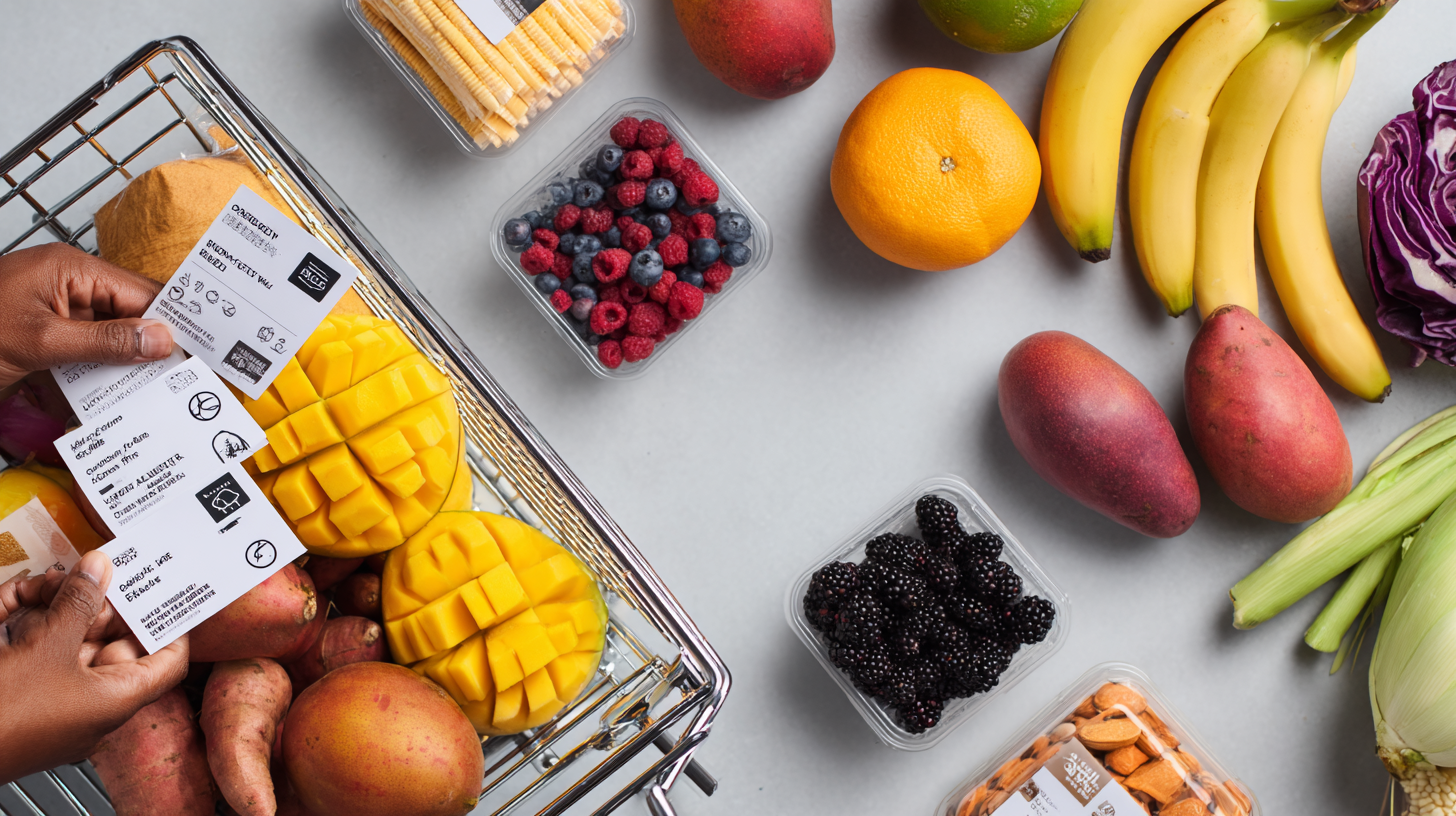
Start with naturally allergy-friendly foods. Fresh fruits and vegetables are almost always safe. Rice, quinoa, and oats (certified gluten-free if needed) make excellent bases. Many Caribbean-inspired dishes are naturally allergen-friendly—think coconut rice with pigeon peas, roasted sweet potato chunks, or fresh mango salsa with plantain chips.
Actually, if you’re looking for inspiration on how to incorporate nutritious, allergen-conscious ingredients into meals, the Caribbean Baby Food Recipe Book offers over 75 recipes featuring ingredients like sweet potatoes, coconut milk, and plantains—many of which can be easily adapted for parties and gatherings. The book even includes a dedicated section on common allergies and introduction tips, which can help you understand how to work with various dietary restrictions.
For protein, think grilled chicken skewers (marinated in safe ingredients), black beans, or lentils. For treats, fruit skewers with coconut cream dip, rice crispy treats made with allergen-free ingredients, or homemade popsicles made from pure fruit juice are crowd-pleasers.
The key is keeping things simple and fresh. Avoid processed foods when possible, as they’re more likely to contain hidden allergens or be processed in facilities with allergens. When you do use packaged items, read every label—twice. Look for certified allergen-free products when available.
Here’s a pro tip from veteran allergy parents: keep original packaging. Even after you open something, save the package or take a photo of the ingredient list. If a parent needs to verify that something is safe, you’ll have the proof right there.
Substitutions That Work (And Some That Don’t)
Learning to substitute common allergens opens up a whole world of possibilities. But not all substitutions are created equal, and some common recommendations can actually backfire.
For dairy, coconut milk and coconut cream work beautifully in most recipes—they’re rich, creamy, and add a subtle sweetness that children love. Oat milk is another excellent option, though make sure it’s certified gluten-free if you’re also avoiding gluten. Avoid soy milk if anyone has a soy allergy, which often accompanies other allergies.
For eggs in baking, ground flaxseed or chia seeds mixed with water create a binding gel that works in many recipes. One tablespoon of ground flaxseed plus three tablespoons of water equals one egg. Applesauce also works for moisture and binding, though it won’t provide the same rise as eggs. Commercial egg replacers are available, but check the ingredients carefully as some contain allergens.
For wheat and gluten, rice flour, oat flour (certified gluten-free), and cassava flour are your friends. A blend typically works better than any single flour. Be aware that gluten-free baking has a learning curve—the texture and moisture content behave differently than wheat flour.
For nuts, sunflower seed butter is the most popular substitute for peanut or tree nut butters—unless someone has a seed allergy, which is becoming more common. Tahini (sesame seed paste) works in some recipes, but check for sesame allergies first. For texture in baking, try pumpkin seeds or dried coconut.
The Caribbean Baby Food Recipe Book includes several egg substitute versions and recipes that naturally avoid common allergens while still delivering bold, satisfying flavors—techniques that translate perfectly to party food when you scale them up.
The Space Where Safety Happens
How you set up your party space matters just as much as what you serve. A well-designed layout minimizes cross-contamination risk and makes supervision easier.
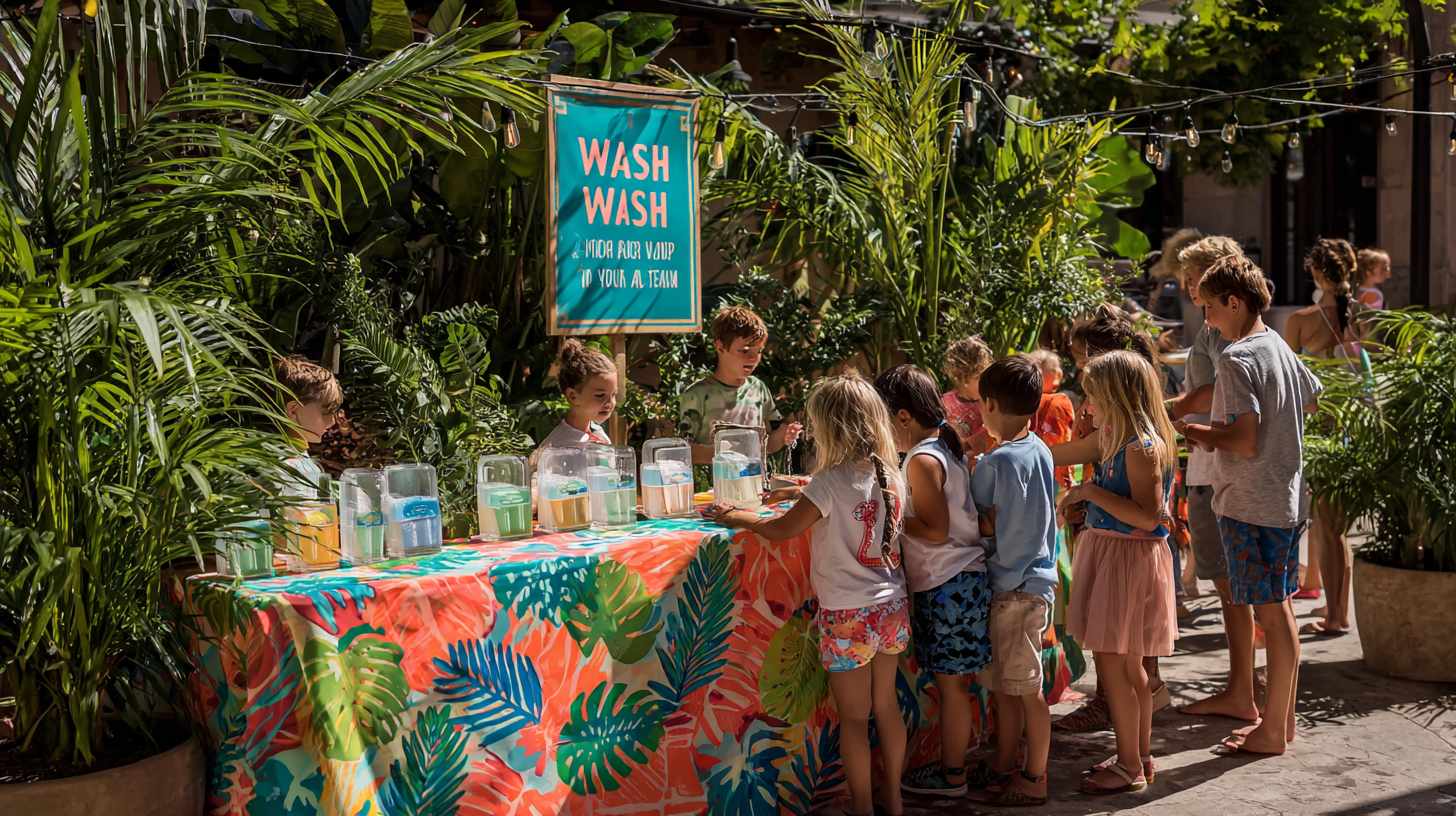
If you’re going fully allergen-free, setup is straightforward: prepare all food in a thoroughly cleaned kitchen, use fresh utensils and serving dishes, and arrange everything buffet-style or pre-plated. Make sure there’s a handwashing station near the food—a large bowl of soapy water, clean water for rinsing, and paper towels work if you don’t have a sink nearby.
If you’re creating separate allergen-free options, physical separation is crucial. Set up an allergen-free table at least six feet away from other food. Use different colored tablecloths or decorations to make it visually distinct. Put up a clear sign: “Allergen-Free Zone—Please Use Clean Hands and Fresh Utensils.” Have hand sanitizer or wipes available, though handwashing with soap is always better.
Prepare allergen-free food first, before any other food touches your kitchen. Once regular food is out, don’t go back to the allergen-free items without thorough hand washing and clean utensils. Keep allergen-free food covered until serving time to prevent airborne contamination.
Label everything clearly. “Contains: milk, eggs, wheat” or “Free from: all top 8 allergens” helps parents and older children make safe choices instantly. Keep original packaging nearby for parents who want to double-check ingredients.
For activities, avoid food-based games or crafts. Nobody needs a pasta necklace craft when a child with wheat allergies might put it in their mouth. Skip the cake walk with prize foods. Instead, focus on active play, music, dancing, or non-food crafts that everyone can enjoy equally.
Talking to Guests (Without Sounding Paranoid)
Communicating about allergies can feel awkward. You don’t want to sound alarmist, but you need people to take it seriously. The solution? Be clear, specific, and frame it positively.
When you invite guests, include allergy information upfront: “We’re making this party allergy-friendly for all our guests. We’ll be serving foods free from peanuts, tree nuts, and dairy. Please don’t bring outside food or snacks. If you have questions about what’s safe, just ask!”
This approach does several things: it normalizes accommodation, it sets expectations clearly, and it prevents the awkward moment when someone shows up with cupcakes loaded with allergens.
For younger children’s parties, brief the parents when they arrive: “Just so you know, we have guests with food allergies, so all the food here is safe for everyone. There’s a handwashing station by the snack table—please help your child wash hands before eating and after playing outside.”
For older children, address them directly: “Hey everyone, before we eat, let’s all wash our hands really well. Some of our friends have food allergies, so we’re all going to make sure to only eat what’s on the tables and not share food from our pockets or bags. Cool?”
Most people want to be helpful once they understand the stakes. The few who get defensive or dismissive about allergies—”It’s just a little peanut butter, what’s the big deal?”—need a reality check. A simple, serious response works: “Exposure could send them to the hospital or worse. We’re keeping everyone safe here.”
When Things Go Wrong: Emergency Preparedness
Despite your best efforts, reactions can happen. Trace contamination you didn’t catch. A child sneaking food they shouldn’t have. An ingredient you didn’t realize was problematic. This is why emergency preparedness isn’t optional—it’s essential.
Before the party, ask parents of allergic children for a written allergy action plan. This should include the child’s photo, specific allergens, symptoms to watch for, and step-by-step instructions for emergency treatment. Keep this somewhere all supervising adults can access it instantly.
Know where the EpiPens are. Most families will keep them with their child or leave them with you. Make sure multiple adults know exactly where they are and how to use them. If you’ve never used an EpiPen, ask for a demonstration or watch a video. It’s not complicated, but in an emergency, you don’t want to be figuring it out for the first time.
Early symptoms of a reaction include itching (especially of the mouth, throat, or skin), hives, swelling (especially of the face, lips, or tongue), stomach pain, nausea, or vomiting. Serious symptoms include difficulty breathing, wheezing, throat tightness, dizziness, rapid heartbeat, or loss of consciousness.
If you suspect a reaction, act fast. For mild symptoms, alert the child’s parents immediately and watch closely—mild reactions can progress. For any serious symptoms, use the EpiPen immediately and call 911. Don’t wait to see if symptoms improve. Don’t hesitate because you’re not sure. Epinephrine is extremely safe, and using it when it’s not needed is far better than not using it when it is needed.
After using an EpiPen, always call 911, even if the child seems better. Reactions can be biphasic—meaning they improve temporarily and then return, sometimes more severely. The child needs medical evaluation and monitoring.
Have emergency numbers posted visibly: 911, poison control, the nearest hospital. In the chaos of an emergency, even finding a phone number can feel overwhelming. Make it easy.
The Social Side of Safe Celebrations
Here’s what breaks my heart about allergy exclusion: it’s often not intentional. It’s fear masquerading as logistics. It’s “I don’t know how” becoming “I can’t.”
But children with allergies aren’t asking you to be perfect. They’re asking to be included. They’re asking for the same thoughtfulness you’d extend to any guest with different needs.
Recent research highlighted something sobering: children with food allergies miss social events at significantly higher rates than their peers. One 2025 study found that these children often feel socially isolated, with parents reporting their kids aren’t invited to parties specifically because of their allergies.
The psychological impact of this exclusion is real and lasting. Food is central to many celebrations, and when a child can’t participate in that fundamental aspect of socializing, it affects their sense of belonging. Some develop anxiety around social situations. Others learn to expect exclusion and stop hoping for inclusion.
But when you throw an allergy-safe party—when you make the effort to ensure every child can participate fully—you’re doing something profound. You’re telling that child: “You matter. Your safety matters. You belong here.”
The gratitude from allergy families is overwhelming because inclusion is still rare enough to be remarkable. But it shouldn’t be. It should be the default. Every child deserves to celebrate without fear, without exclusion, without feeling like their medical condition makes them a burden.
Beyond the Party: Building an Inclusive Community
Individual allergy-safe parties are wonderful, but imagine if your entire school, playgroup, or community adopted allergy-friendly practices as standard. That’s the real goal—not making accommodations feel special, but making them normal.
Some schools have adopted “allergy-friendly” or “nut-free” policies. These aren’t perfect—enforcement is challenging, and they don’t address all allergens—but they represent a cultural shift toward prioritizing safety and inclusion.
Community education is crucial. Many people still don’t understand that food allergies are serious, potentially life-threatening medical conditions. They think kids are “picky” or parents are “overprotective.” Combating this ignorance requires ongoing conversation and education.
Social media has become a powerful tool for allergy awareness. Hashtags like #allergyfriendlyparty and #foodallergyawareness share ideas, recipes, and stories. Parents post photos of successful inclusive celebrations, offering inspiration and proof that it’s possible.
Industry response has been mixed but improving. More restaurants now offer detailed allergen menus and train staff on cross-contamination prevention. More food manufacturers are creating certified allergen-free products and clearly labeling their items. More event venues understand and can accommodate allergy requests.
The Food Allergy Safety Summit, which brings together advocates, researchers, medical professionals, and industry leaders, has pushed for better policies, clearer labeling, and broader awareness. Their work, along with organizations like FARE and the AAAAI, is slowly changing how society approaches food allergies.
But real change happens at the grassroots level—in playgroups and classrooms and birthday parties. It happens when one parent decides to make their celebration inclusive, inspiring another parent to do the same, creating a ripple effect of accommodation and care.
Making It Happen: Your Next Steps
If you’re planning a party right now and feeling overwhelmed, take a breath. You can do this. Start simple:
Three weeks before: Send invitations with allergy questions. Follow up with phone calls to any families who indicate allergies.
Two weeks before: Plan your menu in consultation with allergy families. Shop for allergen-free products, reading labels carefully. Consider purchasing from dedicated allergen-free brands if budget allows.
One week before: Finalize your party setup plan. Decide where food will be served, where handwashing will happen, where EpiPens will be kept. Brief any adults who’ll be helping you supervise.
Day before: Prep any food that can be made ahead. Clean your kitchen thoroughly. Gather all supplies and serving utensils.
Day of: Prepare allergen-free foods first in a clean kitchen. Set up your space with clear labels and separation if needed. Brief guests as they arrive. Supervise eating times closely. Have emergency supplies ready but hope you never need them.
If you’re drawing inspiration from various cuisines—perhaps exploring naturally allergen-conscious ingredients like plantains, coconut milk, or sweet potatoes—the Caribbean Baby Food Recipe Book provides a foundation in working with these ingredients safely, with guidance on food safety and allergen introduction that translates well to party planning.
Remember: the goal isn’t perfection. It’s thoughtfulness. It’s effort. It’s making a child feel like they belong.
The Party That Changed Everything
I’ll end with where I started—my nephew’s birthday party. The one where my sister-in-law went all-in on allergy accommodation.
The menu was simple: fruit skewers, veggie sticks with hummus, chicken skewers marinated in safe ingredients, rice paper rolls, and an allergen-free chocolate cake that actually tasted incredible. Not a single child complained about the food. Nobody missed the peanut butter cups or the dairy-laden cheese pizza.
But here’s what made it special: watching children who often eat separately at parties sitting together at the same table, eating the same food, laughing at the same jokes. Watching the mother who usually hovers anxiously actually relax and enjoy herself. Watching her son—who’d been to parties where he couldn’t eat anything but the apple slices he brought from home—dig into cake with chocolate frosting smeared across his face, just like every other four-year-old at that party.
That’s what inclusive celebration looks like. Not separate. Not less-than. Not “making do.” Just normal childhood joy, accessible to everyone.
My sister-in-law told me later that throwing an allergy-safe party was easier than she expected. Once she shifted her mindset from “What can’t I serve?” to “What can I create that everyone will love?” the stress disappeared. She spent less time worrying about whether foods were safe and more time focusing on what actually matters at a kids’ party: fun, connection, and celebration.
The families of the allergic children stayed in touch afterward. They became friends. Their kids had playdates. And when it was time for their own children’s parties, they returned the favor—creating inclusive celebrations where my nephew, who has no allergies, could celebrate alongside their children.
That’s the beautiful thing about inclusion: it benefits everyone. It builds community. It teaches children—all children—that differences are normal and accommodation is caring, not burdensome.
Your Invitation to Change One Child’s World
Look, the next party you throw might not go perfectly. You might accidentally buy something with a trace allergen. You might forget to set out the handwashing station until someone reminds you. You might feel anxious about whether you’re doing enough.
That’s okay. What matters is that you tried. What matters is that you sent the message—to allergic children and their families—that they’re welcome, they’re valued, and their safety is worth your effort.
Food allergies affect millions of children. That means millions of opportunities for exclusion—or millions of opportunities for radical inclusion. Every party you throw, every celebration you plan, every meal you share is a chance to choose inclusion.
The child who gets invited to your party might remember it for years. Not because of the decorations or the games or even the food. But because someone made them feel like they belonged. Because for once, they weren’t different or difficult or dangerous. They were just a kid at a party, celebrating like everyone else.
That’s the gift you’re really giving when you throw an allergy-safe celebration. Not just a safe space—a space where every child can be fully, joyfully themselves.
So send that invitation. Plan that menu. Read those labels. Ask those questions. Make that effort.
Because somewhere right now, there’s a child hoping someone will invite them to the party. Be the person who does.

Kelley's culinary creations are a fusion of her Caribbean roots and modern nutritional science, resulting in baby-friendly dishes that are both developmentally appropriate and bursting with flavor. Her expertise in oral motor development and texture progression ensures that every recipe supports your little one's feeding milestones while honoring cultural traditions.
Join Kelley on her flavorful journey as she shares treasured family recipes adapted for tiny taste buds, evidence-based feeding guidance, insightful parenting anecdotes, and the joy of celebrating food, culture, and motherhood. Get ready to immerse yourself in the captivating world of Kelley Black and unlock the vibrant flavors of the Caribbean for your growing baby, one nutritious bite at a time.
- The Feeding Revolution: Why Your Everyday Meals Are Changing the World - October 13, 2026
- Your Feeding Story Matters More Than The “Perfect” One Online - October 12, 2026
- Looking Forward: Stepping Into Your Confident Feeding Future - October 11, 2026