
Your Feeding Philosophy Is Supposed To Change (And That’s Your Superpower)
You were never meant to feed your child today with the exact same rules, expectations, and anxieties you had the day they first tasted mashed banana. The quiet secret from feeding research, dietitians, and thousands of real parents is this: the healthiest feeding philosophies are the ones that evolve.
If your views around food feel softer, more flexible, or more “real-life” than they used to—this isn’t failure. It’s growth, and your child’s body and relationship with food can benefit from that evolution.
Maybe you started parenthood convinced you’d do everything “right”: homemade purées only, zero sugar, perfectly balanced plates, the famous “just offer it ten times and they’ll love broccoli.” Then life showed up—sleep regressions, picky phases, sensory quirks, genetics, school schedules, Caribbean aunties handing out snacks, and your own exhaustion—and suddenly your original feeding rulebook didn’t fit anymore.
This article walks you through why that shift is not just okay, but scientifically expected. We’ll blend what researchers know about parental feeding practices with real‑world scenarios, a touch of island kitchen wisdom, and interactive tools to help you see your own feeding story with more compassion and clarity.

What A Feeding Philosophy Really Is (And Why It Refuses To Stay Still)
Your feeding philosophy is the set of beliefs, stories, and rules you carry about how children “should” eat and what it means to be a good parent around food. It includes things like how much you value structure versus flexibility, how comfortable you feel with sweets, how strongly you rely on pressure or rewards, and how much you trust your child’s own hunger and fullness cues.
Over the last few decades, researchers have started to organize these beliefs into patterns or “styles.” On one end are more controlling approaches—heavy pressure to eat, strict restriction, or using food as a reward or punishment. On the other end are responsive approaches—where parents offer structure, variety, and repeated exposure while paying close attention to the child’s signals and letting them decide how much to eat.
Historically, advice to parents leaned strongly toward control: fixed feeding schedules, prescribed amounts, and worry if babies or toddlers refused what was on the plate. Over time, studies on child growth, appetite regulation, and eating disorders pushed professionals to rethink that posture. The shift has slowly moved from “make them eat” to “create the conditions and let them listen to their bodies,” which sits closer to intuitive‑eating principles and the well‑known Division of Responsibility approach.
Here’s the part that often gets missed in parenting advice: feeding style is not a personality test result you get once and keep forever. Daily life data shows parents switch strategies across the week and across meals. The same parent might serve family‑style food on Sunday, pressure a few bites on Monday after a stressful workday, and loosen all rules for Friday movie night. Feeding philosophy is less a static label and more a living, breathing system that shifts as you, your child, and your circumstances change.
Tap a stage to see what it often looks like in real life. You might see yourself in more than one—that’s part of the point.
Many parents move through these stages more than once. A new baby, a picky phase, a weight‑related comment from a doctor, or a diagnosis like ADHD or autism can shake up your old philosophy and force you to rewrite your script. Instead of treating this as “I keep changing my mind,” it helps to see it as healthy responsiveness: adjusting your framework as you learn more about your unique child.
The Science Behind Why Your Views Shift
When researchers follow families over time, they see a pattern: children’s traits and behaviors influence how parents feed, not just the other way around. For example, when a child is very selective or fussy with food, parents are more likely to increase pressure (“just three more bites”) or restrict certain foods more tightly. It is usually a protective instinct—parents are worried about nutrition, growth, or long‑term habits—but these reactive shifts can unintentionally make mealtimes more stressful.
At the same time, there is strong evidence that pressure and overly rigid restriction are linked with less helpful outcomes. Children who are pressured to eat tend to eat less of the very foods parents are trying to push, and they may become less responsive to their own fullness. Restrictive practices, especially when kids know a food is being tightly controlled, can increase preoccupation with that food and make overeating more likely when it finally becomes available.
On the flip side, responsive feeding practices—offering regular meals and snacks, providing balanced options, eating together when possible, and allowing children to decide how much to eat—are associated with better diet quality and more stable growth. Large reviews used for dietary guidelines now explicitly emphasize caregiver responsiveness and children’s internal cues as key parts of healthy feeding, right alongside nutrients and portion sizes.
Another important thread in the research is intuitive eating. Parents who eat more intuitively themselves (not dieting constantly, respecting hunger and fullness, and avoiding moralizing foods as “good” or “bad”) are more likely to feed their children in ways that support those same skills. Their kids, in turn, tend to show more intuitive‑eating behaviors and less emotional reliance on food. This reinforces the idea that as you soften your own relationship with food over time, you are also shifting your parenting philosophy in a protective way.
Finally, moment‑by‑moment studies show how context shapes feeding decisions. On stressful days—after a long commute, a noisy daycare pickup, or a rough bedtime the night before—parents are more likely to grab quick fixes such as screens, bribes, or extra snacks to keep the peace. Knowing this doesn’t mean judging yourself; it explains why your feeding ideals feel different on Saturday morning than on Wednesday at 6:30 p.m. with rice on the floor and a baby on your hip.
Choose the statement that feels closest to your everyday mealtimes. Then hit “Check my pattern” to see what research suggests about your style.
Key Truths: Statistics, Stress, And Social Media Pressure
Modern studies show that many parents are already changing their feeding behaviors—particularly when they receive support or targeted guidance. Programs that coach caregivers toward more responsive practices can reduce pressure, emotional feeding, and chaotic mealtime habits in the short term. The challenge is not whether parents can shift, but how to help them maintain those shifts when life gets messy again.
Large reviews connecting caregiver feeding style with children’s diet quality and growth show a clear trend: more controlling practices correlate with higher risk of overeating, emotional eating, and weight‑related concerns in some children, while responsive structures are associated with more stable, self‑regulated intake. It does not mean every rule or boundary is harmful, but it highlights why loosening a rigid philosophy often feels better for both you and your child.
Another key pattern is the role of parental stress. Meta‑analyses examining parents’ stress and feeding find that higher stress is linked with more pressure, more emotional use of food, and more inconsistency. In Caribbean families, this can look like bouncing between scratch‑made meals and last‑minute fast‑food, or between “You must taste the callaloo” and “Fine, just take the crackers so we can go.” Recognizing that stress pulls you away from your ideal philosophy is not a moral judgment; it is a sign that you might need more support, not more willpower.
Social media adds another layer. Studies analyzing parenting and feeding content on platforms like Instagram, TikTok, and blogs note that feeds are filled with idealized portrayals of motherhood and mealtimes: color‑coordinated plates, perfectly seated toddlers, zero mess. Real‑world research on feeding, however, shows frequent conflict, variability, and compromise. This gap between “Instagram feeding” and actual feeding can make you doubt your own evolution. You might feel guilty that you now allow store‑bought snacks or that your preschooler gets a separate plate some nights, even though those adaptations are serving your real life.
The lesson from the data is blunt but freeing: if your home doesn’t look like curated content, you are aligned with reality, not failing. Most families are improvising between cultural expectations, financial limits, health advice, and their child’s temperament. Evolving your philosophy is how you protect your sanity and your child’s relationship with food at the same time.
Why Letting Go Of Rigid Rules Protects Your Child’s Relationship With Food
One of the most important areas of research looks at how controlling feeding practices connect to disordered eating later on. Pressuring children to eat, forcing “clean plates,” and tightly restricting certain foods are all associated with higher risk of emotional eating and disordered patterns in adolescence. Kids raised in very rule‑heavy environments can learn to ignore hunger and fullness cues, or to sneak and binge foods that were heavily policed.
In contrast, when parents create predictable structure (regular meals and snacks, reasonable choices at each eating time) and then allow children to tune in to their own bodies, kids are more likely to become intuitive eaters. They experience sweets, chips, and special foods as part of life rather than forbidden treasures. They also get more practice noticing how foods make them feel—energized, sluggish, overly full, satisfied—and using that information going forward.
This does not mean abandonment of all limits. Research suggests that certain boundaries, especially those that happen behind the scenes, can be helpful. For example, deciding not to keep sugary drinks as a daily staple in your home, or choosing not to buy every ultra‑processed snack you pass at the supermarket, are forms of “covert restriction” that support health without turning foods into an obsession. Your philosophy can evolve from “never” to “sometimes, in a predictable way,” which is kinder to both your child’s development and your own mental load.
If you grew up hearing diet‑culture messages about “good” and “bad” foods, it makes sense if your first parenting instincts were rigid. As you unlearn those ideas, your feeding philosophy naturally shifts toward neutrality—describing foods by what they offer (energy, fiber, protein, comfort, celebration) rather than by moral labels. That shift is a huge gift to your child, especially in a world where external messages about bodies and food grow louder every year.
Tap the number that best matches how flexible your feeding approach feels this week. You’ll get a tailored reflection, not a grade.
Normal Challenges When Your Philosophy Is Evolving
Changing how you feed your child doesn’t happen in a vacuum. You are also dealing with extended family, cultural expectations, financial realities, and your own history with food. When research teams interview parents about feeding, they consistently hear about tensions between “what I’m supposed to do” and “what I can actually manage.”
Common friction points include worries about weight and growth, picky eating that feels like personal failure, and conflicting advice from different professionals. For example, you might hear one message about avoiding restriction to protect your child’s relationship with food, while another voice emphasizes strict limits to prevent weight gain. Parents in these situations often toggle between philosophies, trying to reconcile competing messages.
There are also measurement challenges at the research level. Scientists are still refining the tools used to capture the complexity of feeding. A parent who “pressures” a child to eat vegetables once a week and a parent who does so at every meal can look similar in a survey score, even though the lived experiences are very different. Knowing that the science is still evolving too can relieve some pressure: you are allowed to be in progress while the experts are, too.
In Caribbean families and diasporas, there’s an extra layer: food is storytelling. Auntie’s stew peas, granny’s cassava porridge, plantain done three ways—these are memories and love languages, not just nutrients. It can feel personally painful to step back from “just eat it, this is what we all ate growing up,” especially if previous generations survived hardship with far fewer options. Recognizing that tension is key. You are not rejecting your culture by embracing responsive feeding; you are translating its wisdom into a form that fits your child’s body and this era.
Real-Life Stories: From Rule‑Keeper To Flexible Guide
Consider a first‑time parent who insists on homemade everything for their 7‑month‑old. They steam pumpkin, blend it with coconut milk, and freeze perfect cubes, following every guideline from a baby‑food book. This phase is often full of pride and delight—and there’s nothing wrong with that. The early rule‑keeping stage is a natural starting point when everything feels new and high‑stakes.
Fast‑forward to the toddler years. The same caregiver now has a child who refuses their once‑favorite calabaza mash and only wants crackers. After a few months of mealtime battles and tears on both sides, this parent is exhausted. They notice they’re starting to say things like, “You can’t get up until you eat three bites,” or “No dessert unless you finish your chicken,” even though they swore they would never say those words.
This is a common inflection point. Some parents double down on control, but others start looking for different frameworks. They might discover ideas like the Division of Responsibility, or learn about intuitive eating for kids, and receive reassurance that picky eating is common and that pressure usually backfires. Slowly, they begin to change the script: serving a shared family meal plus one safe food, allowing their child to decide how much to eat, and focusing on exposure over volume.
Over time, they notice something curious. Without pressure, the child occasionally tries a new bite. Without the high‑stakes clean‑plate expectation, mealtimes feel calmer. The parent still has rules—like sitting at the table for a certain amount of time, or not wandering with food—but they no longer measure their worth by the exact number of peas eaten. They have moved from rule‑keeper to flexible guide.
Caribbean‑Inspired Practical Shifts That Support Evolution
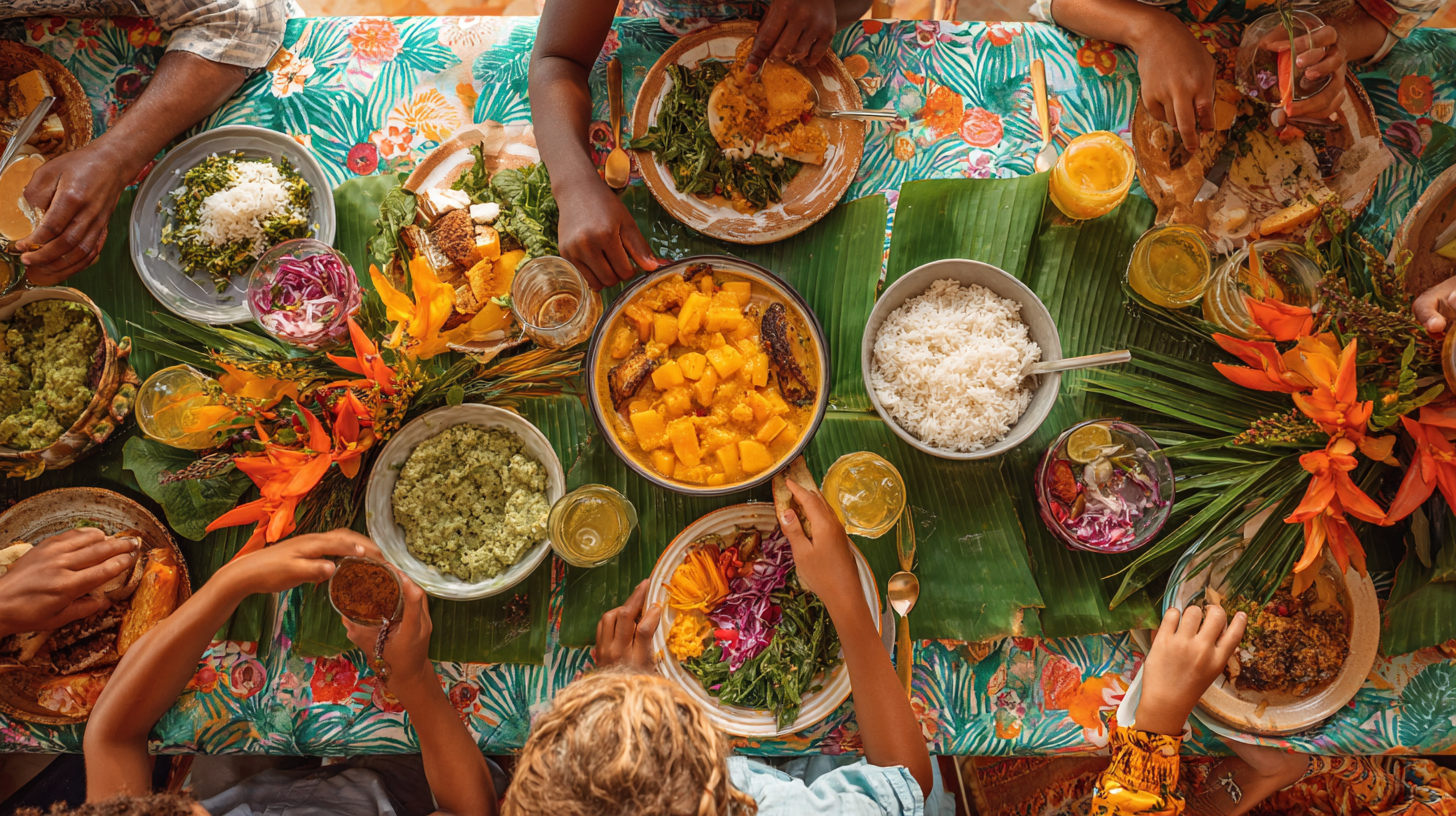
If your roots are in the Caribbean (or your kitchen is heavily influenced by island flavors), your feeding philosophy carries extra spices—literally and figuratively. The same cultural foods that make family gatherings rich and joyful can also be adapted into baby‑ and toddler‑friendly forms that align with a responsive, evolving approach.
For example, instead of a strict rule like “My baby must finish this exact portion of callaloo and rice,” you can focus on offering those flavors in developmentally appropriate textures and letting your child lead the pace. Many Caribbean‑style baby recipes do exactly that: they take familiar dishes and make them softer, milder, or more blended while keeping the core ingredients and cultural soul.
The Caribbean Baby Food Recipe Book: Easy & Healthy Homemade Meals for Infants & Toddlers is designed around this idea of evolution. It walks you from very simple purees and porridges toward chunkier, shared family meals, using ingredients like sweet potato, pumpkin, plantain, callaloo, beans, and coconut milk in baby‑friendly ways. As your mindset shifts from “perfect feeding” to “connected, culturally grounded feeding,” resources like this help bridge the gap between island tradition and responsive, modern practice. You can explore it here: Caribbean Baby Food Recipe Book: Easy & Healthy Homemade Meals for Infants & Toddlers.
Inside, you’ll find recipes that echo the index themes you might recognize: gentle porridges with millet and cinnamon, smooth versions of baigan choka, pumpkin with coconut milk, simple dhal‑based blends, and soft plantain and bean combinations. Each one is an opportunity to practice your evolving philosophy—offering flavor, warmth, and variety without forcing your child to perform.
Tap what you’re craving for your child’s next meal, and get a baby‑friendly Caribbean‑inspired idea you can adapt at home.
For full baby‑friendly versions and more ideas like these, you can dip into the Caribbean Baby Food Recipe Book anytime your feeding philosophy nudges you toward more variety and flavor.
As your philosophy evolves, you may shift how you use these recipes over time. In the beginning, you might follow them closely to build confidence. Later, you may treat them as loose inspiration, swapping ingredients based on what your child enjoys or what is affordable and available. That is feeding evolution in practice: moving from strict rules to flexible creativity, still grounded in culture and nutrition.
Expert Perspectives: You Don’t Have To Get This “Right” From Day One
Food and nutrition professionals increasingly acknowledge that parents are under intense pressure to “get feeding right,” often while juggling career demands, mental health struggles, and limited support. Instead of giving a single perfect formula, more experts are championing the idea that feeding should be dynamic and responsive, just like children’s growth.
These professionals tend to agree on a few core principles: offer structure (regular, predictable meals and snacks), sit and connect when possible, provide a variety of foods over time, and avoid turning mealtimes into power struggles. Within those guardrails, there is a huge range of acceptable philosophies. One family may be mostly plant‑based with occasional fish; another may build meals around rice and peas, salted cod, or chicken stews; another might introduce flavors from several cultures at once.
There is also growing emphasis on supporting parents’ own relationship with food. If you are learning to eat more intuitively yourself—perhaps letting go of a dieting mindset or strict food rules—you are likely to adjust your feeding philosophy accordingly. Experts view this evolution as protective, not indulgent. Children learn powerful lessons from watching caregivers respond to hunger and fullness, enjoy treats without shame, and apologize when old patterns of pressure or bribery slip out.
On social media, a more nuanced wave of parenting voices is beginning to counter the perfectionism. Instead of only posting immaculate lunchboxes, they share the behind‑the‑scenes reality: the days when dinner is frozen nuggets and mango slices, the weeks when a child lives on two favorite foods, the therapy referrals when feeding becomes medically complex. These stories normalize shifts in philosophy and remind parents that adjustments often come from love and learning, not from laziness.
When A Changing Philosophy Feels Scary
Even if you intellectually understand that change is normal, it can still feel like you are “slipping” or “lowering standards” when you let go of older rules. If your original philosophy was built on fear—of weight gain, of judgment from family, of your child struggling later in life—loosening your grip can feel like standing on a cliff edge.
One of the most compassionate things you can do here is name the grief. You might be grieving the fantasy that if you just followed certain rules, feeding would be easy and straightforward. You might be grieving the identity of being the parent who “does everything right,” especially if feeding has been a big part of your sense of competence. You are allowed to feel sad that reality is more complex than the parenting books promised.
At the same time, the data suggests that flexibility is not the enemy of health. In fact, parents who can adjust, soften, and experiment in response to their child’s needs tend to maintain more peaceful mealtimes and protect long‑term regulation. Rather than thinking, “I failed to stick to my philosophy,” you can reframe it as, “My philosophy matured when I finally got to know my child.”
If you find yourself stuck between old rules and new insights, it may help to connect with professionals who specifically embrace responsive, weight‑neutral, or body‑respecting approaches. Many feeding therapists, pediatric dietitians, and parent coaches now work from these frameworks and are familiar with cultural foods from regions like the Caribbean, Latin America, and Africa. Bringing your full story—including your pepperpot, pelau, or rice and beans—into the conversation can lead to a more personalized, respectful plan.
Looking Ahead: How Your Philosophy Might Evolve Next
Your feeding evolution will not stop at toddlerhood. As your child enters school, navigates birthday parties, joins sports, and eventually becomes a tween and teen, your philosophy will keep stretching. You might become more focused on teaching skills like reading hunger and fullness around busy schedules, packing satisfying lunches, handling peer comments about bodies, and listening when your child says, “That food doesn’t feel good in my stomach.”
Long‑term research suggests that the more children practice tuning into their bodies early on, the better equipped they are to navigate later pressures—including dieting messages, social media influence, and changing appetites during puberty. Your current shift away from rigid rules is not just about surviving picky eating; it is about building internal tools your child will carry into adulthood.
Practically, this might look like involving your child more in planning meals, especially culturally meaningful ones. Maybe you sit together and choose a Sunday dish from a list: sweet potato callaloo rundown, coconut rice and red peas, or a plantain and bean combo. You can use recipes from resources like the Caribbean Baby Food Recipe Book and gradually “age them up,” keeping the core flavors but adding more texture and independence. Over time, your philosophy may move from “I control all the food decisions” to “We collaborate, and I guide.”
Technology will likely keep playing a role, too. New parent programs and apps already support caregivers in tracking feeding patterns, practicing responsive strategies, and receiving personalized feedback. The key will be choosing tools that reduce shame and perfectionism rather than increasing them—resources that celebrate evolution instead of promising one rigid way.
Bringing It All Together: Your Quietly Brave Feeding Story
At the heart of all this research, reflection, and real‑life mess is a simple truth: your feeding philosophy is supposed to evolve. You are not meant to feed a 6‑month‑old, a 3‑year‑old, and a 9‑year‑old with the same mindset or the same level of control. Changing your approach is not proof that you were wrong before; it is proof that you are paying attention now.
When you shift from rigid rules to responsive structure, you do more than reduce mealtime battles. You teach your child that their body is worthy of listening to, that culture is something to savor instead of fear, and that it’s okay to adjust when life changes. You also send yourself a powerful message: you are allowed to grow. You can apologize, experiment, and try again tomorrow.
If you are looking for practical tools to support this evolution, especially through Caribbean flavors, consider keeping resources on hand that already assume you will grow over time. A cookbook that moves from smooth purées to family meals, for example, is built on the idea of progression and flexibility. The Caribbean Baby Food Recipe Book: Easy & Healthy Homemade Meals for Infants & Toddlers is one such companion, offering over 75 island‑inspired recipes that can flex with your child’s age and your shifting philosophy. You can check it out here whenever you need a fresh idea or a reminder that simple, flavorful food is enough: discover the Caribbean Baby Food Recipe Book.
One day, your child may look back and remember not the exact number of vegetables on their plate, but the feeling at the table—the laughter when the plantain fell on the floor, the warm spice of pumpkin and coconut, the way you gradually stopped forcing “one more bite” and started trusting their “I’m full.” That is your feeding philosophy evolution, written in real time. It is quieter than the online debates, but far more powerful.

Kelley's culinary creations are a fusion of her Caribbean roots and modern nutritional science, resulting in baby-friendly dishes that are both developmentally appropriate and bursting with flavor. Her expertise in oral motor development and texture progression ensures that every recipe supports your little one's feeding milestones while honoring cultural traditions.
Join Kelley on her flavorful journey as she shares treasured family recipes adapted for tiny taste buds, evidence-based feeding guidance, insightful parenting anecdotes, and the joy of celebrating food, culture, and motherhood. Get ready to immerse yourself in the captivating world of Kelley Black and unlock the vibrant flavors of the Caribbean for your growing baby, one nutritious bite at a time.
- Your Voice Is Your Child’s Most Powerful Tool: The Art of Feeding Advocacy - September 18, 2026
- Building Your Feeding Village: How to Find the People Who Truly Have Your Back - September 17, 2026
- When Love Meets the Dinner Table: Navigating Grandparent Feeding with Grace & Grit - September 16, 2026