Proper Food Temperatures: The Safety Guide Parents Need
Your Kitchen Safety Score: Discover What You Don’t Know
Let’s start with a question that might surprise you: You’ve just reheated your toddler’s leftover chicken curry from last night. It’s steaming hot to the touch. Is it safe?
Here’s something that still keeps me up at night sometimes: Last summer, my cousin’s little one ended up in the emergency room with food poisoning. The culprit? Grilled chicken that looked perfectly cooked on the outside but was still raw in the center. No thermometer. Just a guess. And that guess cost them three days in the hospital, countless tears, and a lesson none of us will ever forget.
The truth is, you can’t see bacteria. You can’t smell it most of the time. And when it comes to feeding our children, “it looks done” just isn’t good enough anymore. The Centers for Disease Control estimates that 48 million Americans get sick from foodborne illnesses every year, and children are among the most vulnerable. But here’s what they don’t tell you: most of these cases happen at home, in kitchens just like yours and mine, by parents who genuinely believed they were doing everything right.
What if everything you thought you knew about cooking temperatures was incomplete? What if that thermometer collecting dust in your drawer could be the difference between a regular Tuesday dinner and a trip to urgent care? Today, we’re going to change the way you think about food safety forever. Because protecting our children isn’t just about love and good intentions—it’s about knowing the exact numbers that keep them safe.
The Numbers That Could Save Your Child’s Life
Let me share something that changed my entire approach to cooking: temperature isn’t just a suggestion, it’s the only reliable defense against invisible threats. According to the USDA and FDA, harmful bacteria like Salmonella, E. coli, and Listeria thrive in conditions we can’t detect with our eyes or instincts alone. These pathogens can multiply rapidly, and for children whose immune systems are still developing, the consequences can be severe.
The science is clear and unforgiving. Poultry—whether it’s chicken, turkey, or duck—must reach an internal temperature of 165°F (74°C) to be safe. Not 160°F. Not “close enough.” Exactly 165°F. This temperature is what microbiologists call the “kill point” where dangerous bacteria are destroyed instantly. Ground meats need to hit 160°F (71°C) because the grinding process can spread bacteria throughout the meat, unlike whole cuts where bacteria typically remain on the surface.
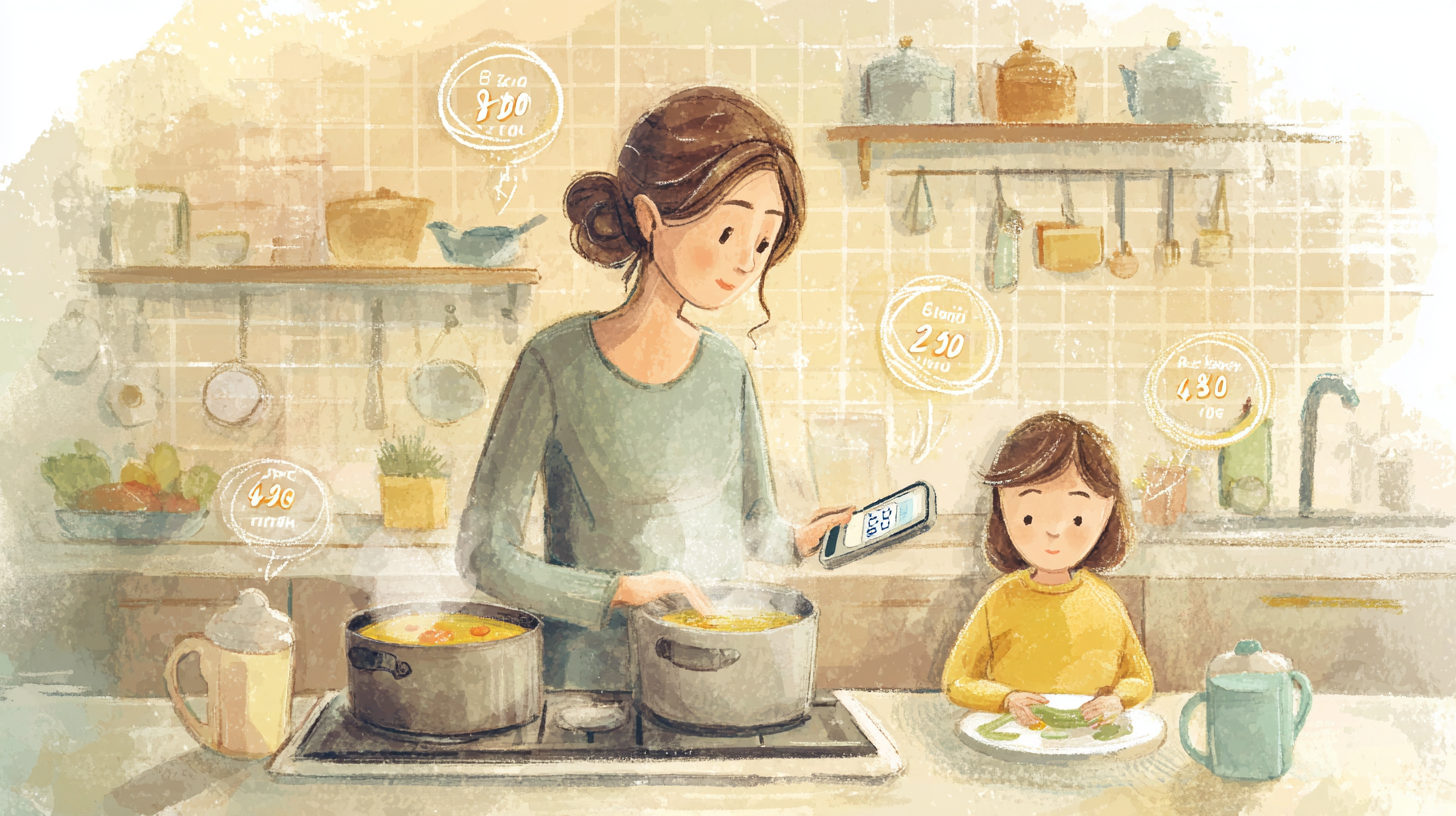
Whole cuts of beef, pork, lamb, and veal require 145°F (63°C) with a three-minute rest time. That rest time isn’t optional—it allows the temperature to remain constant or continue rising, ensuring that any remaining bacteria are eliminated. Fish and seafood also need 145°F, but they’re more delicate and can dry out quickly, so precision matters even more. Eggs and egg dishes should reach 160°F, which is particularly important because raw or undercooked eggs are a common source of Salmonella poisoning in young children.
But here’s where most parents stumble: these aren’t the temperatures you measure at the surface. You need to check the thickest part of the meat, away from bone, fat, or gristle. A chicken breast might be 180°F on the outside and 150°F in the center—and that center is where your child’s health is at risk. Minnesota Department of Health emphasizes that visual cues like color and texture are unreliable indicators of doneness. Pork can be slightly pink at 145°F and still be perfectly safe, while chicken can look fully cooked but harbor dangerous bacteria if it hasn’t reached 165°F internally.
When you’re preparing ingredients that will eventually become meals for your baby—perhaps you’re cooking chicken to puree for homemade baby food or preparing sweet potatoes for a Caribbean-inspired dish like those found in the Caribbean Baby Food Recipe Book—these temperature guidelines become even more critical. Infants and toddlers have developing immune systems that make them particularly vulnerable to foodborne pathogens.
️ Interactive Temperature Guide: Click to Learn Safe Temps
Click each food type to reveal its safe minimum internal temperature:
The Temperature Danger Zone: Where Bacteria Throw a Party
There’s a window of opportunity that bacteria love, and most parents have no idea they’re operating in it multiple times every day. Food safety experts call it the “temperature danger zone,” and it exists between 40°F and 140°F (4°C to 60°C). In this range, bacteria don’t just survive—they multiply exponentially, doubling in number every 20 minutes under ideal conditions.
Think about your typical morning routine: you prepare scrambled eggs for your toddler, the phone rings, you answer it, come back ten minutes later, and those eggs are still sitting on the counter at room temperature. Or you pack a lunch with a yogurt cup and a cheese stick, and it sits in a backpack for four hours before snack time. These everyday scenarios are exactly where the danger zone becomes a real threat. According to research from food safety authorities, bacteria like Staphylococcus aureus and Clostridium perfringens thrive in this temperature range, producing toxins that can cause severe gastrointestinal illness in children.
The two-hour rule is non-negotiable: perishable foods should never be left at room temperature for more than two hours. But here’s the part that surprises most parents—if the ambient temperature is above 90°F (like during a summer picnic or in a hot car), that window shrinks to just one hour. This is particularly important in Caribbean climates where I grew up, where the heat can turn a kitchen counter into an incubator for bacteria in minutes.
Cold foods must be kept at 40°F (4°C) or below, and hot foods need to stay at 140°F (60°C) or above. The challenge is that this zone feels normal to us. Room temperature seems safe and comfortable. Your refrigerator might be set to 45°F and you’d never notice—but that five-degree difference could mean the difference between safe milk and spoiled milk that makes your child sick. The FDA recommends using an appliance thermometer to verify your refrigerator maintains 40°F or below and your freezer stays at 0°F (-18°C) or below.
⚠️ Is Your Food in the Danger Zone?
Refrigeration doesn’t kill bacteria—it just slows their growth dramatically. Freezing at 0°F essentially pauses bacterial growth, but it doesn’t eliminate bacteria that are already present. This is why proper cooking temperatures are so crucial even for foods that have been frozen. When you thaw frozen meat, you’re essentially reactivating any bacteria that were present before freezing, which is why thawing should always happen in the refrigerator, never on the counter.
Your Thermometer: The Kitchen Tool You’re Probably Misusing
I used to think owning a food thermometer was enough. I had one tucked away in a drawer, and I’d pull it out occasionally when cooking a whole chicken for Sunday dinner. But here’s what nobody tells you: having a thermometer and knowing how to use it properly are two completely different things. And using it incorrectly can give you a false sense of security that’s arguably more dangerous than not using one at all.
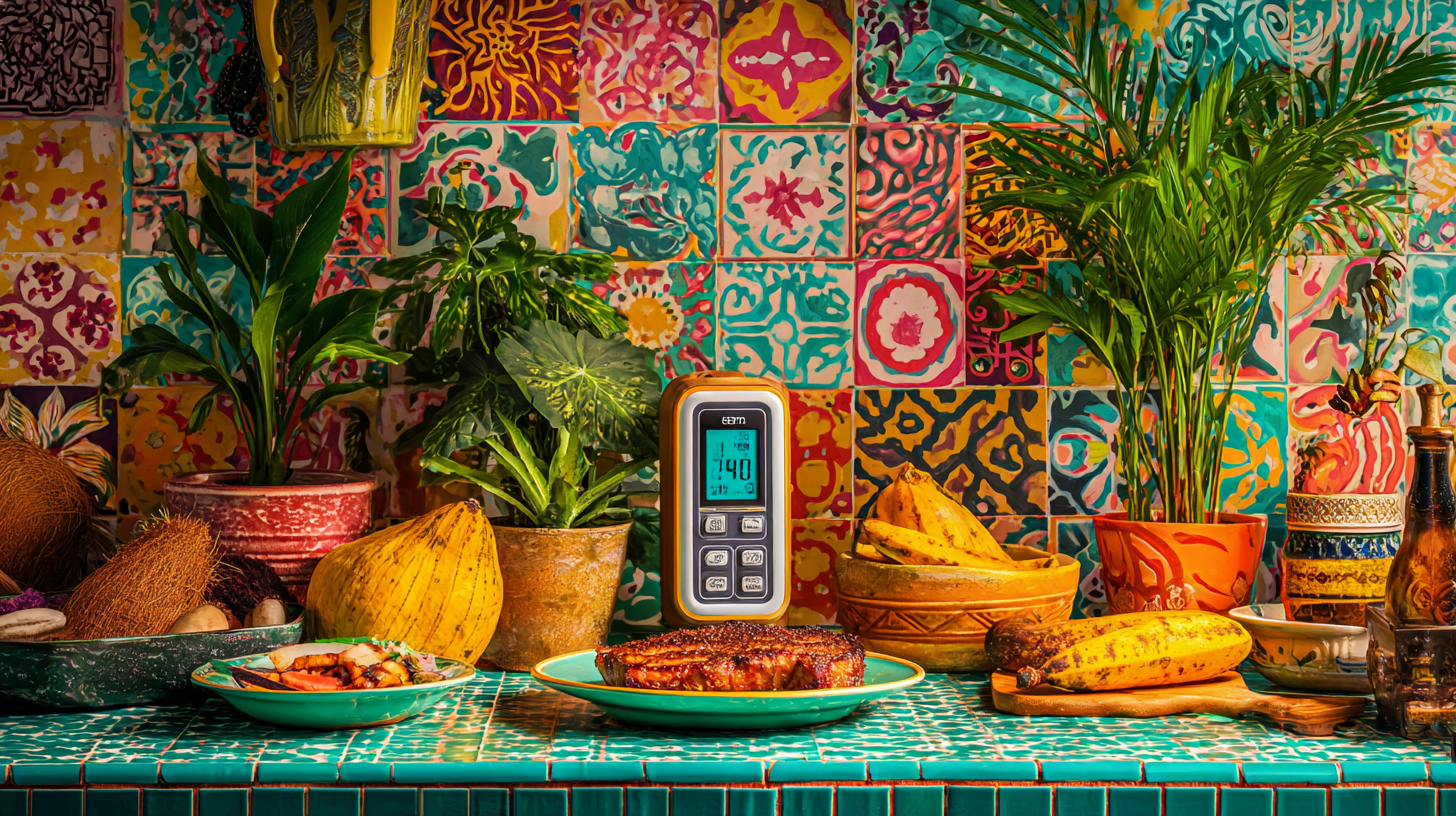
There are several types of thermometers, and each has its strengths. Instant-read digital thermometers are the gold standard for home cooks—they provide a reading in 2-5 seconds and are accurate to within 1-2 degrees. Dial thermometers are less expensive but take longer (15-20 seconds) and can lose accuracy over time. Infrared thermometers seem high-tech, but they only measure surface temperature, making them unreliable for checking if meat is cooked through. Pop-up thermometers that come inserted in turkeys are notoriously unreliable and often pop before the bird has reached a safe internal temperature.
The placement technique is everything. For poultry, you need to insert the thermometer into the thickest part of the breast or the innermost part of the thigh, without touching bone. Bone conducts heat differently than meat and will give you an artificially high reading. For hamburgers and other ground meats, insert the probe sideways into the patty to reach the center. For thin foods like chicken breasts or fish fillets, you might need to insert the thermometer sideways or even check multiple spots to ensure even cooking.
Calibration is something most people never think about. Food thermometers can drift out of accuracy over time, especially if they’ve been dropped or exposed to extreme temperatures. You can test your thermometer’s accuracy by placing it in ice water (it should read 32°F) or boiling water (212°F at sea level, lower at higher altitudes). If it’s off by more than 2 degrees, it needs to be recalibrated or replaced. The University of Minnesota Extension recommends checking your thermometer’s accuracy at least once every few months if you use it regularly.
Cross-contamination through thermometer probes is an often-overlooked risk. That probe you just stuck into raw chicken is now covered with bacteria. If you don’t clean it thoroughly before checking another food, you’re transferring those bacteria. Always wash the probe with hot, soapy water between uses, or use disposable sanitizing wipes designed for food contact surfaces. Some food safety experts recommend having multiple thermometers—one dedicated to raw meats and another for cooked foods and other temperature checks.
The Reheating Rules Nobody Taught You
Reheating leftovers seems straightforward, right? Just heat it until it’s hot and serve. But this is where many parents unknowingly put their children at risk. Reheating isn’t just about making food warm—it’s about reaching a temperature high enough to kill any bacteria that may have multiplied during storage. And yes, bacteria can multiply in your refrigerator, just much more slowly than at room temperature.
All leftovers must be reheated to 165°F (74°C) throughout, not just on the surface. This applies to everything: last night’s rice and peas, that curry chicken from Sunday dinner, even pizza from yesterday’s lunch. The Food Standards Agency emphasizes that food should be reheated only once. Each time you cool and reheat food, you’re giving bacteria another opportunity to multiply. Multiple heating and cooling cycles create the perfect environment for heat-resistant bacteria and toxins that can survive even proper reheating temperatures.
Microwave reheating is particularly tricky because microwaves heat unevenly. You might have a section that’s scalding hot and another that’s barely warm—and that cool spot is where bacteria survive. Always stir food thoroughly halfway through microwave reheating, and let it stand for at least one minute after heating to allow the temperature to equalize. Cover foods during reheating to trap steam and promote even heating. For dense foods like casseroles or thick soups, consider using a food thermometer to check multiple spots.
Stovetop reheating is actually more reliable for most foods because you can stir constantly and ensure even heating. Bring soups, sauces, and gravies to a rolling boil. For solid leftovers, use medium heat and stir frequently, checking with a thermometer to confirm you’ve reached 165°F. Oven reheating works well for larger portions—cover the dish with foil to prevent drying out and heat at 325°F until the food reaches 165°F internally.
When I’m preparing traditional Caribbean dishes that I know my family will eat throughout the week—like the sweet potato and callaloo combinations or coconut rice recipes inspired by the Caribbean Baby Food Recipe Book—I portion them into smaller containers right after cooking. This allows for faster, more even reheating and reduces the number of times I need to reheat the entire batch.
The Shocking Truth About “Safe” Foods
Think you know which foods are most dangerous? Click below to discover the surprising truth:
When Hot Foods Turn Cold: The Storage Timeline
The moment food comes off the heat, the clock starts ticking. But most parents don’t realize how quickly bacteria can reach dangerous levels in cooked food that’s cooling down. The goal is to get food out of the danger zone (40°F to 140°F) as quickly as possible, and that means cooling hot foods rapidly before refrigeration.
Here’s a technique that changed everything for me: divide large portions into smaller, shallow containers before refrigerating. A big pot of soup can take hours to cool down in the refrigerator—during which time the center of the pot remains in the danger zone. But if you divide that same soup into three or four shallow containers (no more than 2 inches deep), it cools to safe temperatures in a fraction of the time. Some food safety experts recommend using an ice bath for very large quantities—placing the container of hot food in a larger container filled with ice water and stirring frequently to promote rapid cooling.
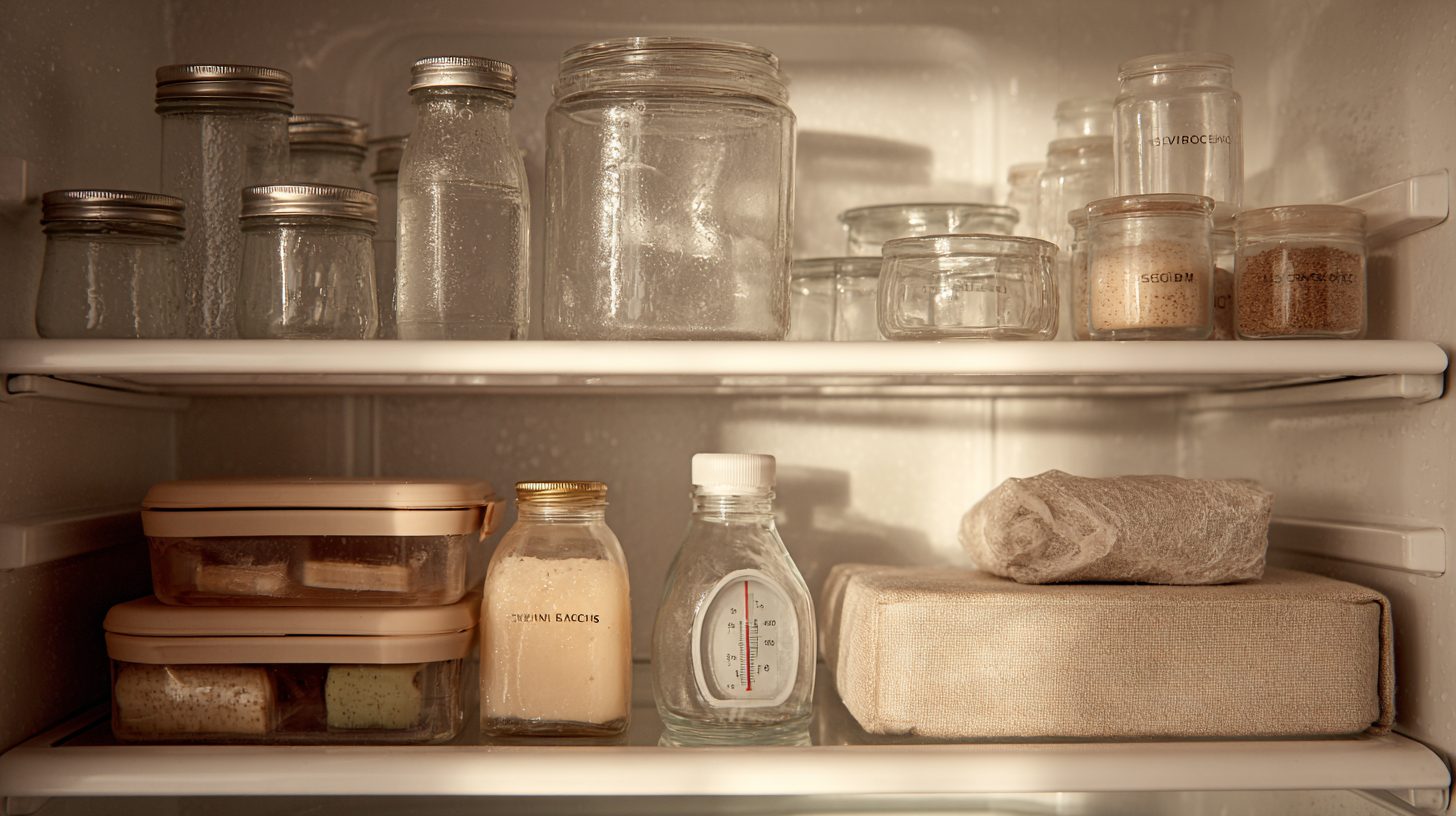
Never put hot food directly into the refrigerator if it’s still steaming hot—this can raise the temperature of your entire refrigerator, putting other foods at risk. Let food cool for 20-30 minutes at room temperature first, but no longer than that. Once it stops steaming, transfer it immediately to the refrigerator. Your refrigerator should be able to bring properly portioned food from room temperature to 40°F within 2-4 hours.
Storage duration matters more than most parents realize. According to USDA guidelines, cooked leftovers should be used within 3-4 days when refrigerated at 40°F or below. But for baby food and foods intended for young children, many pediatricians recommend an even shorter window of 2-3 days to minimize risk. Ground meat dishes and seafood have the shortest refrigerator life—use within 1-2 days or freeze immediately. Cooked poultry can last 3-4 days, while soups and stews typically remain safe for 3-4 days as well.
Label everything. Every single container should have the date it was cooked written clearly on it. It sounds obsessive, but in a busy household with multiple people cooking and storing food, it’s the only reliable way to track what’s still safe to eat. I use masking tape and a permanent marker—quick, cheap, and effective.
The Caribbean Kitchen Adaptation
Growing up in a Caribbean household, food was always meant to be shared, cooked in large batches, and enjoyed over several days. My grandmother would make a massive pot of stewed peas on Sunday, and we’d eat from it throughout the week. But she understood something crucial: keeping food safe in a warm climate requires extra vigilance. The techniques she used—though she never called them “food safety protocols”—were rooted in generations of experience keeping families healthy in tropical conditions.
Caribbean dishes often involve coconut milk, which is particularly vulnerable to spoilage. Coconut milk has a high fat content and a near-neutral pH, creating an ideal environment for bacterial growth once opened. Any dish containing coconut milk—whether it’s a rich curry, a creamy porridge, or a traditional rundown—should be cooled quickly and refrigerated promptly. These dishes also have a shorter refrigerator life than tomato-based or acidic dishes. Plan to use coconut milk dishes within 2-3 days, not the full 4-day window.
Rice dishes are staples in Caribbean cooking, but they’re also high-risk foods. Bacillus cereus loves rice, and this bacteria produces toxins that can survive reheating. The key is rapid cooling and proper storage. Spread cooked rice on a baking sheet to cool it quickly before transferring to shallow containers and refrigerating. Never leave rice at room temperature for more than 1 hour, and always reheat to 165°F before serving.
When preparing traditional ingredients like plantains, sweet potatoes, and callaloo for baby food—recipes similar to those in the Caribbean Baby Food Recipe Book—the cooking and cooling process is even more critical. Pureed foods have more surface area exposed to potential contamination, and babies lack the robust immune systems that adults have developed. Cook these ingredients thoroughly, puree while still hot to minimize contamination, cool quickly, and portion into small containers that will be used within one feeding.
Match the Food to Its Safety Rule
Click cards to match each food with its proper safety guideline:
Teaching Children Temperature Safety
One of the most valuable lessons I’ve learned as a parent is that food safety isn’t just our responsibility—it’s something we can teach our children from a surprisingly young age. Obviously, toddlers aren’t going to be using thermometers, but even preschoolers can learn basic concepts that will protect them for a lifetime.
Start with temperature awareness. Let your five-year-old see you use the thermometer when cooking chicken. Explain in simple terms: “We need to make sure the chicken is hot enough inside to be safe for our tummies.” Show them the numbers on the thermometer and explain that certain foods need to reach certain numbers to be safe. This demystifies the process and plants seeds of understanding that will grow as they do.
Create visual reminders. A simple chart on the refrigerator showing safe temperatures for different foods can be a conversation starter. Use pictures for younger children who can’t read yet—a chicken icon with “165°F” next to it, a hamburger icon with “160°F.” As children get older and start helping in the kitchen, these reminders become teaching tools.
Model good habits consistently. Children are incredible observers, and they absorb our behaviors whether we intend them to or not. When they see you always checking meat with a thermometer, washing your hands after handling raw food, and immediately refrigerating leftovers, these actions become normalized. They become “just what we do” rather than optional extra steps.
Make it age-appropriate. By age 8-10, many children are capable of using a digital thermometer under supervision. Teaching them to check their own grilled cheese sandwich or chicken nuggets for proper temperature is empowering and educational. It transforms food safety from abstract parent rules into concrete life skills they can use when they start cooking independently.
The Technology Revolution in Kitchen Safety
We’re living in an era where technology can genuinely make food safety easier and more reliable. Smart thermometers that connect to your phone can alert you when meat reaches the target temperature, even if you’re in another room. Bluetooth-enabled refrigerator thermometers can notify you if your fridge temperature rises above 40°F, allowing you to address issues before food spoils.
But technology is only as good as the person using it. A $100 smart thermometer won’t protect your family if you don’t actually insert it into the food properly, and a refrigerator thermometer app is useless if you ignore its alerts. The fundamentals remain the same: understanding what temperatures matter, knowing how to measure them accurately, and taking appropriate action based on those measurements.
That said, if technology helps you maintain consistency, embrace it. Set phone reminders for when leftovers need to be used or discarded. Use apps that track how long food has been in your refrigerator. Create a shared family calendar where everyone marks when they cook large batches of food. These digital tools can supplement your knowledge and help you implement best practices consistently, especially during busy weeks when it’s easy to lose track.
The Reality Check: When Good Enough Actually Isn’t
There’s a phrase that keeps echoing in food safety discussions: “We’ve always done it this way and never gotten sick.” I hear it from friends, family members, even strangers in online parenting groups. And here’s what makes that statement so dangerous: foodborne illness often presents as a stomach bug, a mild flu, or just an “off day.” We attribute it to a virus going around or something that didn’t agree with us. But many of those episodes are actually mild cases of food poisoning that we never identified as such.
The standards we’re discussing aren’t arbitrary numbers created by bureaucrats trying to make cooking complicated. They’re based on decades of research into bacterial growth patterns, disease outbreaks, and the temperatures at which pathogens are reliably destroyed. When the USDA says poultry needs to reach 165°F, that’s not a suggestion—it’s the temperature at which Salmonella, Campylobacter, and other common poultry pathogens are killed instantly.
Yes, our grandparents cooked without thermometers. Yes, people in many cultures have been preparing food safely for generations using traditional methods and sensory cues. But they also had much higher rates of foodborne illness, and they developed their techniques in specific contexts—often cooking over open flames that reached very high temperatures, or using fermentation and preservation methods that created inhospitable environments for bacteria. Replicating “traditional” cooking in a modern kitchen with different equipment, storage methods, and meal timing patterns isn’t the same thing.
For those of us raising children in households where we’re blending traditional Caribbean cooking methods with modern food safety awareness, the goal isn’t to abandon our cultural foodways. It’s to enhance them with knowledge that keeps our families safer. When I make my grandmother’s recipe for coconut sweet potato pudding or prepare traditional fish rundown, I honor her techniques while adding the temperature checks and storage practices that give me confidence the food is truly safe for my children.
Your Food Safety Action Plan
Check off each item as you implement it in your kitchen:
Building Habits That Stick
Knowledge without implementation is just trivia. The real question is: how do you take everything we’ve discussed and turn it into consistent habits that protect your family without making every meal feel like a science experiment?
Start with one change at a time. If you’re not currently using a food thermometer, make that your first priority. For one week, check the temperature of every meat dish you prepare. It will feel tedious at first, but by day four or five, it becomes automatic. You’ll start to develop an intuitive sense for what properly cooked meat looks and feels like, and the thermometer becomes confirmation rather than discovery.
Create systems that support good practices. Keep your thermometer in the same place every time—preferably somewhere visible and easily accessible when you’re at the stove. Designate a specific drawer or cabinet section for containers you use for leftovers, and keep your labeling supplies right there. The easier you make it to do things the right way, the more likely you are to maintain those practices long-term.
Involve your whole household. If you have a partner who also cooks, make sure you’re both following the same protocols. Explain to children why these practices matter in age-appropriate ways. When everyone in the house understands that checking temperatures and promptly refrigerating food aren’t optional steps, compliance becomes culture rather than constant negotiation.
Forgive the imperfect days. There will be times when you’re exhausted, overwhelmed, or distracted, and you’ll realize you left something on the counter too long or didn’t check the temperature before serving. When that happens, err on the side of caution. If you’re not sure how long food was in the danger zone, throw it out. The cost of replacing a meal is infinitely smaller than the cost of treating food poisoning in a child.
The Investment That Pays Forever
At this point, you might be thinking this all sounds like a lot of work. And yes, initially, it requires conscious effort to implement new practices. But here’s what I want you to understand: every single one of these measures is an investment in your child’s health that pays dividends every single day.
A quality instant-read thermometer costs about the same as one pediatrician copay. A set of appropriate storage containers runs about the same as one lost day of work when you’re home caring for a sick child. The time it takes to properly cool, store, and reheat food is measured in minutes—the time it takes to recover from food poisoning is measured in days or weeks.
When you’re preparing meals with the rich flavors and nourishing ingredients of Caribbean cooking—whether following traditional family recipes or exploring new dishes like those featured in the Caribbean Baby Food Recipe Book—you’re already investing time and love into feeding your family well. Adding proper temperature practices to that foundation doesn’t diminish the joy or tradition of cooking. It enhances it by ensuring that every meal you serve is both delicious and safe.
Food safety isn’t about fear or perfectionism. It’s about empowerment. It’s about knowing that when you serve your child a meal, you can be confident it’s not just nourishing but truly safe. It’s about having reliable standards rather than crossing your fingers and hoping for the best. And it’s about teaching the next generation that caring for ourselves and others includes being mindful about how we prepare and store the food we eat.
Your Kitchen, Your Rules, Your Peace of Mind
That story I started with—my cousin’s child in the hospital from undercooked chicken—had a silver lining. It became a turning point for our entire extended family. We all bought thermometers. We all started paying closer attention to storage times and reheating practices. And in the five years since that incident, not one person in our family has had a serious case of food poisoning. Not one.
The thing is, you can’t eliminate every risk in parenting. There will always be uncertainties and variables you can’t control. But food temperature safety is one area where you have complete control. Every single time you cook, store, or reheat food, you have the opportunity to make choices that protect your child. You have access to simple, affordable tools that provide concrete, reliable information. And you have clear, evidence-based guidelines developed by experts whose entire careers are dedicated to understanding how to keep food safe.
This isn’t about achieving perfection or never making mistakes. It’s about establishing a baseline of practices that significantly reduce risk. It’s about trusting science and technology over guesswork and assumptions. And it’s about recognizing that the few extra minutes it takes to check a temperature or properly store leftovers is time invested in your child’s wellbeing.
Your kitchen is where nourishment happens—where you create the meals that fuel your child’s growth, where family memories are made around shared food, where cultural traditions are passed down through treasured recipes. By making temperature safety a non-negotiable part of your cooking routine, you ensure that those experiences remain joyful and healthy. Because the most important ingredient in any meal isn’t the spices or the technique or even the love you put into cooking. It’s the confidence that what you’re serving is safe.
So here’s my challenge to you: this week, pick one practice we’ve discussed and implement it consistently. Maybe it’s buying and using a food thermometer. Maybe it’s setting a timer to remind yourself to refrigerate food within two hours. Maybe it’s reorganizing your leftover storage system with proper labeling. Start there. Master that one practice until it becomes automatic. Then add another. And another. Before you know it, temperature safety won’t be something you think about consciously—it will just be part of how you cook, how you store food, how you operate in your kitchen.
Your children are counting on you to keep them safe, even from threats they can’t see and you can’t taste. You’re already doing a thousand things right every day as a parent. This is just one more—and it might be one of the most important. Because when it comes to foodborne illness, the best cure isn’t treatment. It’s prevention. And prevention starts with knowing the numbers, using the tools, and respecting the science that keeps our families healthy.
The thermometer is in your drawer or on its way from the store. The knowledge is now in your head. All that remains is the decision to make this a priority. To trust that these practices matter. To commit to protecting your child from invisible threats with visible action. You’ve got this. One temperature check at a time, one properly stored meal at a time, one safe reheating at a time—you’re building a foundation of food safety that will serve your family for years to come.

Kelley's culinary creations are a fusion of her Caribbean roots and modern nutritional science, resulting in baby-friendly dishes that are both developmentally appropriate and bursting with flavor. Her expertise in oral motor development and texture progression ensures that every recipe supports your little one's feeding milestones while honoring cultural traditions.
Join Kelley on her flavorful journey as she shares treasured family recipes adapted for tiny taste buds, evidence-based feeding guidance, insightful parenting anecdotes, and the joy of celebrating food, culture, and motherhood. Get ready to immerse yourself in the captivating world of Kelley Black and unlock the vibrant flavors of the Caribbean for your growing baby, one nutritious bite at a time.
- The Feeding Revolution: Why Your Everyday Meals Are Changing the World - October 13, 2026
- Your Feeding Story Matters More Than The “Perfect” One Online - October 12, 2026
- Looking Forward: Stepping Into Your Confident Feeding Future - October 11, 2026