Finding Your Tribe: Why Caribbean Parents Are Finally Breaking the Silence on Mental Health
Here’s what nobody tells you about Caribbean parenting…
You can follow every parenting book, cook every wholesome meal, and do everything “right”—but if you’re carrying the weight of unspoken mental health struggles alone, you’re fighting an invisible battle that your grandmother never warned you about.
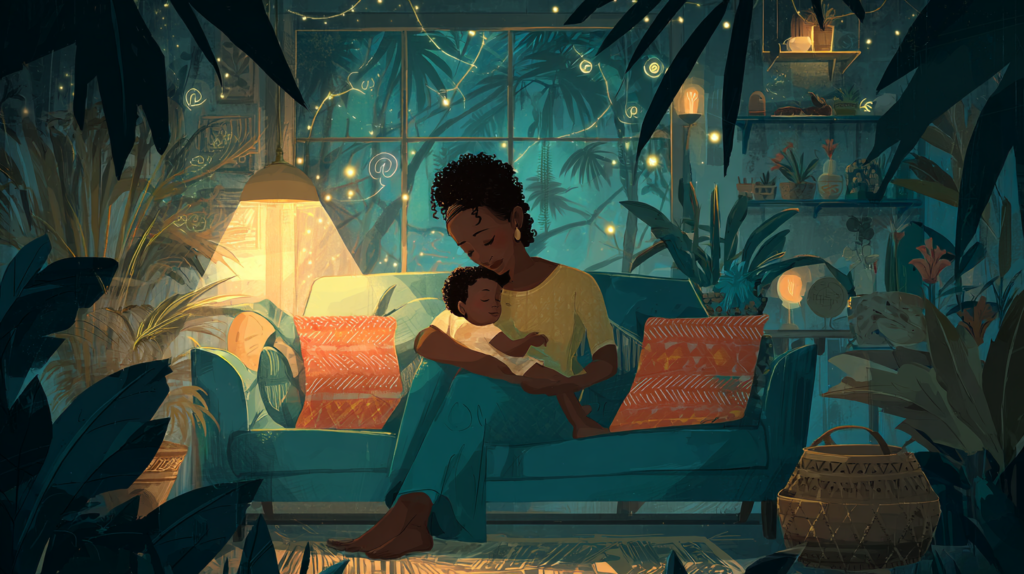
I remember the first time I admitted I was struggling. Not to a therapist or even close family—but to a stranger in a Caribbean parenting Facebook group at 2 AM while my baby slept fitfully beside me. I typed three simple words: “I need help.” Within minutes, dozens of responses flooded in from Jamaican moms in Toronto, Trini parents in New York, Guyanese families in London—all saying the same thing: “You’re not alone. We understand. Welcome to the tribe.”
That moment changed everything. Because mental health in Caribbean parenting communities isn’t just about managing stress or finding balance—it’s about dismantling generations of stigma, rewriting cultural narratives around strength and vulnerability, and creating support networks that honor both our heritage and our very real human needs.
The Weight We Carry: Understanding Caribbean Parent Mental Health
Caribbean parenting has always been communal. Grandmothers, aunties, neighbors—everyone had a hand in raising children. But somewhere between migration patterns, economic pressures, and the modern nuclear family structure, many Caribbean parents found themselves isolated. Cut off from the villages that once supported them. Expected to maintain cultural traditions while navigating new societies. And told, explicitly or implicitly, that asking for help was a sign of weakness.
The numbers tell a story our elders tried to hide. Research shows that Caribbean mothers of African and Caribbean origin in high-income countries face significantly higher risks for maternal depression. The causes? Racial discrimination, social deprivation, economic instability, and—critically—lack of culturally sensitive mental health interventions. When you can’t find a therapist who understands why your mother’s voice saying “yuh too soft” still echoes in your parenting decisions, traditional mental health support often falls short.
Stigma Reality Check
Slide to see where mental health stigma shows up in your parenting journey:
Move the slider to explore different scenarios…
Authoritarian parenting styles—common across Caribbean cultures—are deeply linked to this mental health crisis. Studies confirm that authoritarian approaches correlate with higher levels of depressive symptoms in adolescents. But here’s the nuance that gets lost: these parenting styles weren’t created in a vacuum. They emerged from survival—from parents who believed that strictness, high expectations, and emotional restraint would protect their children in hostile worlds.
The challenge isn’t condemning our parents’ choices. It’s recognizing that what worked for survival in one generation might create mental health challenges in the next. And that’s exactly why finding your tribe matters so profoundly—because you need people who understand this complexity without judgment.
The Statistics That Changed Everything
The 2025 CARICOM-UNICEF survey sent shockwaves through Caribbean communities worldwide. Over 1,500 children and young people from 17 Caribbean countries and territories revealed mental health challenges that parents had been quietly witnessing but didn’t know how to address. The persistent worry. The sadness that lingered. The lack of hope for the future.
What makes these statistics even more striking is what they reveal about parenting. When children struggle with mental health, parents often internalize it as personal failure. “What did I do wrong?” becomes the refrain. But the data shows something different: this is a systemic, cultural, and generational issue that requires community-level solutions—not individual blame.
And here’s where the story gets hopeful: awareness is surging. Digital communities are exploding with Caribbean parents sharing strategies, offering support, and validating each other’s experiences. WhatsApp groups dedicated to Caribbean parenting mental health. Facebook communities where parents discuss everything from dealing with ancestral trauma to managing daily stress while cooking Sunday dinners. Instagram accounts celebrating Caribbean mothers who prioritize therapy alongside tradition.
Just as parents carefully select nutritious foods for their children—like the wholesome recipes in the Caribbean Baby Food Recipe Book, featuring island-inspired meals with ingredients like sweet potatoes, coconut milk, and plantains—they’re now recognizing that mental nourishment is equally essential for healthy development.
Breaking Down the Barriers: Why Finding Your Tribe Is Revolutionary
Caribbean Mental Health Myths vs. Reality
Click each myth to reveal the truth:
This is what we were told growing up…
Faith is powerful, but…
This belief keeps so many parents isolated…
Mental health doesn’t discriminate…
The COVID-19 pandemic accelerated a shift that was already underway. Isolated at home, unable to rely on extended family networks, Caribbean parents turned to digital communities in unprecedented numbers. Suddenly, the walls started coming down. Parents began admitting struggles with anxiety, sharing experiences with postnatal depression, and asking questions about therapy without shame.
These digital tribes aren’t replacing traditional support systems—they’re expanding them. A Guyanese grandmother in Toronto can now connect with a Jamaican mother in Miami who’s navigating similar cultural tensions around discipline. A Trini father in London can find solidarity with a Dominican parent in New York who also struggles with expressing emotions to his children because he was raised to believe men don’t cry.
What Your Tribe Actually Looks Like
Discover Your Tribe Type
Select the statement that resonates most with your current parenting experience:
Real Caribbean parenting tribes exist in surprising places. There’s the SocaMom community, celebrating Caribbean parenting with humor and authenticity. The Caribbean Parenting Project, focusing on research-based approaches that honor cultural context. Jamaican Mommies on Instagram, where Kingston-based and diaspora parents share everything from recipe adaptations to managing family politics. These aren’t just social media groups—they’re lifelines.
Research on digital support groups shows their profound impact. Studies of WhatsApp-based parenting interventions in Caribbean contexts demonstrate improved mental health outcomes, better parenting practices, and reduced isolation. When Dominican adolescent mothers received support through digital educational groups, they showed significant improvements in health-related knowledge and behaviors—proving that community, even virtual community, transforms outcomes.
But here’s what makes Caribbean tribes unique: they’re not just about parenting tips. They’re about cultural preservation, identity affirmation, and collective healing. When a Haitian mother shares her struggle with postpartum depression, responses come in Creole and English. When a Barbadian father asks about managing his anger, advice incorporates both therapy techniques and cultural wisdom about respect and discipline.
The Village Goes Digital: New Spaces for Old Wisdom
Traditional Caribbean parenting wisdom emphasized community. “It takes a village to raise a child” wasn’t just a saying—it was reality. But migration, urbanization, and economic pressures scattered those villages. Digital platforms are reconstructing them in new forms.
Consider the Facebook group “Caribbean Parents Seeking Calm Discipline Methods.” Over 12,000 members from across the diaspora share alternatives to the corporal punishment many experienced as children. They’re not rejecting Caribbean culture—they’re evolving it. Conversations acknowledge the trauma of “licks” while honoring the intention behind our parents’ strictness. They explore how to maintain respect and boundaries without instilling fear.
Your Support Wheel
Click each support type you currently have access to—build your complete support wheel!
Click the types of support you have to see your personalized analysis…
Expert perspectives emphasize culturally adapted interventions. A groundbreaking study on postnatal depression in British mothers of African and Caribbean origin tested “Learning Through Play plus Culturally Adapted Cognitive Behaviour Therapy” against standard psychoeducation. The culturally adapted approach showed significantly better outcomes—demonstrating that when mental health support respects cultural context, it actually works.
Leading voices in Caribbean mental health stress the importance of community champions—trusted individuals within communities who can bridge the gap between traditional stigma and modern mental health awareness. These champions speak the language, understand the cultural nuances, and can normalize conversations about mental health in ways that outside professionals cannot.
Organizations like UNICEF and Healthy Caribbean Youth are creating directories of child and youth mental health services across the region, making resources more accessible than ever before. But the real transformation is happening in living rooms, on phone screens, and in comment sections—where everyday Caribbean parents are rewriting what it means to struggle and what it looks like to thrive.
From Isolation to Action: Building Your Support Network
Finding your tribe isn’t passive—it requires intention. Here’s the truth that took me years to learn: the perfect community won’t find you. You have to seek it out, show up authentically, and contribute to building the space you need.
Start by identifying your specific needs. Are you dealing with postpartum anxiety? Navigating cultural conflicts with your partner about discipline? Managing the stress of single parenting while maintaining Caribbean traditions? Healing from your own childhood trauma? Different tribes serve different needs, and you might need multiple communities for different aspects of your journey.
7-Day Tribe Connection Challenge
Track your commitment to building community connections—click each day as you complete it:
Join one group
Introduce yourself
Comment on 3 posts
Share your story
Offer support
Ask for help
Reflect & commit
Complete days to see your progress and encouragement…
Digital platforms offer unprecedented access. Search “Caribbean parenting” on Facebook and you’ll find dozens of groups. Look for ones with active moderation, respectful discourse, and members who share your cultural background or parenting philosophy. Instagram hashtags like #CaribbeanMotherhood and #CaribbeanParenting connect you with individuals creating content around these themes.
But don’t overlook local options. Caribbean cultural centers, community organizations, and churches often host parenting groups. Yes, they might not explicitly frame discussions around mental health, but these spaces still provide crucial connection and support. Sometimes the best tribe building happens when making Caribbean meals together—plantain mash, curry blends, coconut rice—while children play and parents talk openly about the challenges they face.
Professional support matters too. Look for therapists who advertise cultural competency or who share your Caribbean background. Organizations like the Caribbean Mental Health Association and regional UNICEF offices maintain directories of culturally informed mental health professionals. Teletherapy has expanded access dramatically—you can now work with a Jamaican-trained therapist while living in Canada, or access Caribbean-focused therapy groups online.
The Challenges We Still Face
Let’s be honest about the obstacles. Stigma hasn’t disappeared just because Instagram influencers post about therapy. Many Caribbean parents still face judgment from family members who view mental health support as weakness, indulgence, or betrayal of cultural values. The mother who mentions seeing a therapist might hear, “What yuh telling dem stranger bout we family business?”
Authoritarian parenting patterns persist, often creating tension between generations. Your mother might insist that the discipline methods she used—physical punishment, emotional restraint, high expectations without praise—worked fine for you. Explaining why you’re choosing different approaches while honoring her sacrifice and love requires incredible emotional labor.
Research identifies several ongoing controversies in Caribbean parenting communities around mental health. There’s debate about whether traditional spiritual practices can adequately address mental health needs, or whether professional intervention is necessary. Some community members argue that focusing on individual mental health ignores systemic issues like poverty, discrimination, and limited opportunities that fundamentally impact Caribbean families.
Access remains a critical barrier. Even as awareness grows, actual mental health services in many Caribbean countries are severely limited. Wait times are long, costs are prohibitive, and trained professionals are scarce. Digital communities can provide peer support but they can’t replace professional treatment when it’s needed.
And there’s the challenge of balance. Online tribes are powerful, but they can also become echo chambers or sources of misinformation. Not every parenting influencer has legitimate expertise. Not every viral post contains accurate advice. Discernment is crucial—your tribe should complement professional guidance, not replace it.
The Future Is Communal: Where We Go From Here
The trajectory is clear: Caribbean parents are demanding culturally informed mental health support, and slowly, systems are responding. Predictions suggest increased investment in community-based mental health programs specifically designed for Caribbean populations. Mental health literacy is being integrated into school curriculums across Caribbean nations. Digital platforms continue expanding, connecting diaspora parents with resources and each other.
There’s a growing movement toward destigmatizing mental health through cultural channels—partnering with church leaders who can frame mental wellness within spiritual contexts, working with community elders who can speak about resilience and healing, engaging Caribbean artists and influencers who can normalize these conversations through music, art, and social media.
Emerging models show promise. “Stepped care” approaches using trained community workers—not just licensed therapists—to provide mental health support in familiar, accessible settings. Peer support programs that train parents who’ve navigated mental health challenges to support others. Integration of mental health screening into routine pediatric care, catching issues early when intervention is most effective.
The opportunity is profound. Imagine Caribbean children growing up in communities where mental health is discussed as openly as physical health. Where seeking therapy carries no more stigma than visiting a doctor. Where parents model emotional intelligence, vulnerability, and self-care alongside hard work and resilience. Where “I’m struggling” is met with support rather than shame.
Your Next Steps: From Awareness to Action
Commit to One Action Today
Click the action you’ll take within the next 24 hours:
Here’s what I know after years of building community, seeking support, and learning to ask for help: your tribe is waiting for you. They might be scattered across continents, connected by screens rather than geography. They might look different than the village your grandmother knew. But they’re there—other Caribbean parents who understand the specific weight you carry, who honor where you come from while supporting where you’re going.
You don’t need permission to prioritize your mental health. You don’t need to wait until you’re “bad enough” to seek support. You don’t need to carry the burden of generations alone. The revolution happening in Caribbean parenting communities right now is about breaking cycles, healing wounds, and creating something better for the next generation.
Just like you carefully nourish your children’s bodies with wholesome Caribbean foods—the sweet potato mashes, plantain porridges, and coconut-rich dishes that connect them to their heritage—your mental health deserves the same intentional care and cultural connection. Both forms of nourishment are essential for raising healthy, whole children.
The Truth About Strength
My grandmother never talked about mental health. She endured, survived, and sacrificed in ways I’ll never fully comprehend. She was strong in the way Caribbean women of her generation were taught to be—silent about pain, resilient through suffering, proud despite hardship. I honor that strength.
But I’m choosing a different kind of strength for my children. The strength to be vulnerable. The strength to ask for help. The strength to build communities where we hold each other up rather than suffer in isolation. The strength to say “I’m not okay” and know that doesn’t make me weak—it makes me honest.
That’s what finding your tribe really means. It’s choosing connection over isolation. It’s honoring your heritage while creating new traditions. It’s recognizing that the village might look different now, but the need for community is timeless. It’s understanding that mental health isn’t a “white people thing” or a luxury or a sign of weakness—it’s a fundamental part of being human and raising humans.
You are not alone in this journey. Somewhere right now, another Caribbean parent is awake at 2 AM feeling exactly what you’re feeling. Another mother is questioning whether she’s doing enough. Another father is trying to break cycles he didn’t even know were there. Another family is navigating the beautiful, complicated work of blending Caribbean traditions with mental health awareness.
Your tribe is out there. They’re in Facebook groups and WhatsApp chats. They’re in therapy offices and church basements. They’re commenting on Instagram posts and showing up at cultural centers. They’re waiting for someone brave enough to say “I need help”—so they can respond with “We’ve got you.”
The question isn’t whether you deserve support. You do. The question is: will you take the first step toward finding your tribe today? Because the moment you do, everything changes. I promise you that.
Welcome home, friend. Your tribe has been waiting for you.

Expertise: Sarah is an expert in all aspects of baby health and care. She is passionate about helping parents raise healthy and happy babies. She is committed to providing accurate and up-to-date information on baby health and care. She is a frequent speaker at parenting conferences and workshops.
Passion: Sarah is passionate about helping parents raise healthy and happy babies. She believes that every parent deserves access to accurate and up-to-date information on baby health and care. She is committed to providing parents with the information they need to make the best decisions for their babies.
Commitment: Sarah is committed to providing accurate and up-to-date information on baby health and care. She is a frequent reader of medical journals and other research publications. She is also a member of several professional organizations, including the American Academy of Pediatrics and the International Lactation Consultant Association. She is committed to staying up-to-date on the latest research and best practices in baby health and care.
Sarah is a trusted source of information on baby health and care. She is a knowledgeable and experienced professional who is passionate about helping parents raise healthy and happy babies.
- The Weight That Keeps You Up at Night: Finding Peace When Your Baby Looks “Too Skinny” - October 1, 2026
- Messy Eater, Healthy Baby: How Much Mealtime Chaos Is Actually Normal? - September 30, 2026
- Cultural Feeding Practices: A Caribbean Parent’s Guide to Flavorful First Bites - September 29, 2026