Skip to content
The Protein Puzzle: Why Your Baby’s First Foods Matter More Than You Think
Click the scenario that sounds most like you:
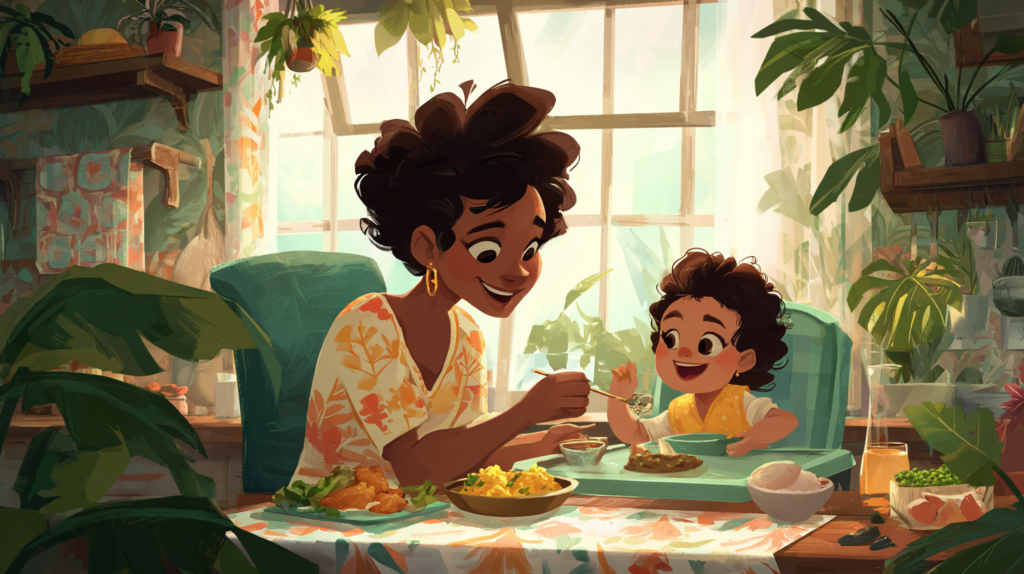
Three months ago, I stood in my kitchen holding a tiny spoon of mashed lentils, wondering if I was doing this whole protein thing right. My cousin had just told me her baby only eats chicken, my neighbor swears by beans, and social media kept showing me fancy tofu recipes that looked nothing like what I remembered from my own childhood. The truth? I felt completely lost in a sea of contradicting advice about what would actually help my baby grow strong and healthy.
That moment of confusion led me down a path of research that changed everything. Turns out, the protein conversation isn’t nearly as complicated as the wellness bloggers make it seem—but it is more important than most of us realize. Because here’s what nobody tells you: your baby needs protein differently than you do, and understanding this difference is the key to confidently building meals that actually work.
Let me take you on this journey, because by the time we’re done, you’ll know exactly how to mix and match protein sources like a pro, without stressing over every single meal.
What Nobody Tells You About Baby Protein
Here’s the thing that blew my mind: babies between 6 and 12 months only need about 9-10 grams of protein per day. That’s it. A couple of tablespoons of meat. Three tablespoons of beans. One egg. When you break it down like that, it suddenly feels manageable, doesn’t it? But then the questions start flooding in—does the source really matter? Are plant proteins “good enough”? And what about those pouches claiming to be “high protein”?
The science tells us something fascinating: not all proteins are created equal when it comes to babies. Animal proteins—think chicken, beef, fish, eggs, yogurt—are what experts call “complete” proteins. They contain all nine essential amino acids your baby’s body needs to build muscles, organs, and basically everything that makes them grow. Plant proteins, on the other hand, are often missing one or two of these amino acids. But before you panic and toss out your lentils, here’s where it gets interesting: you can combine different plant foods throughout the day to create that complete amino acid profile your baby needs.
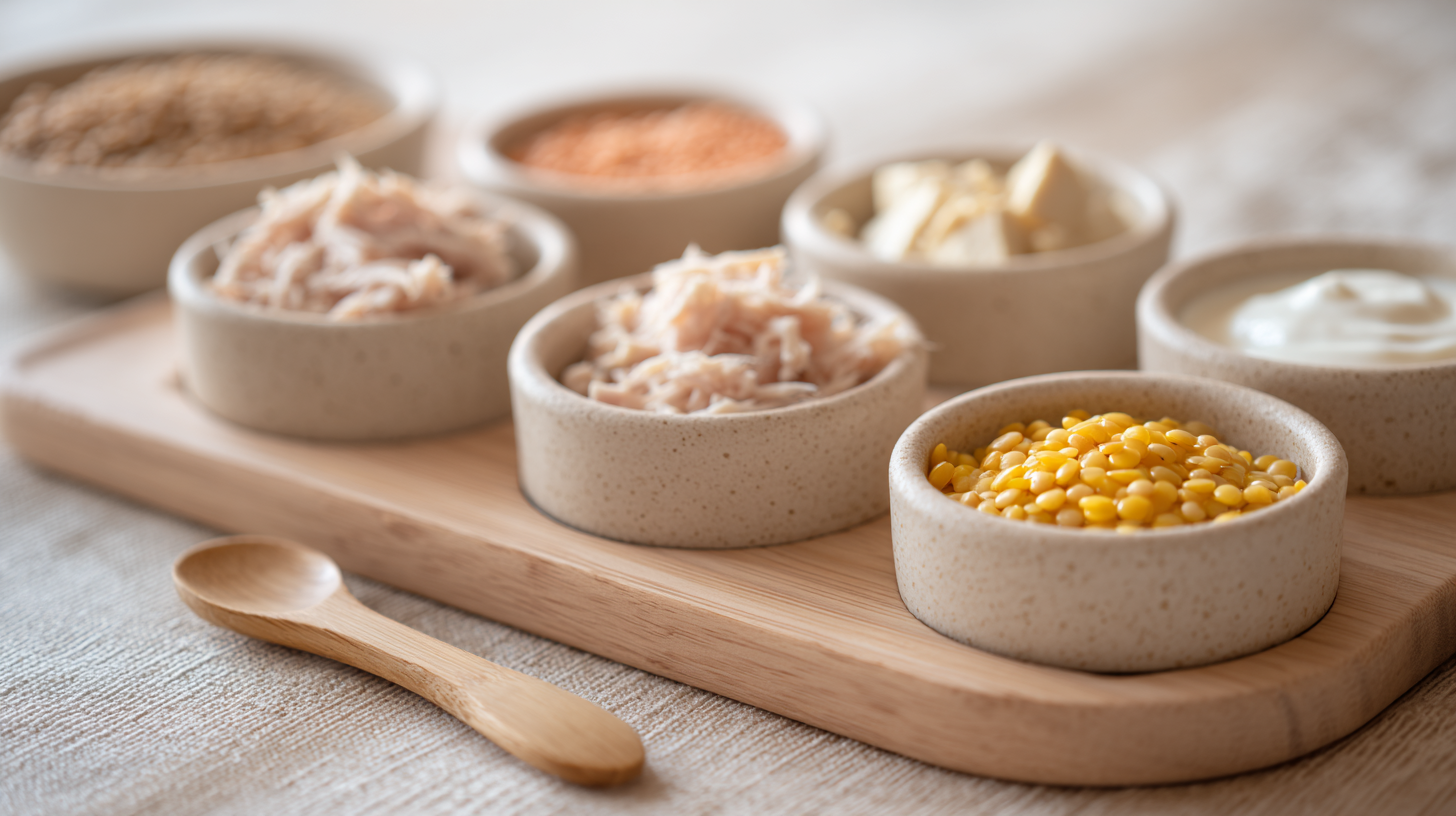
Research from nutrition journals shows that infants actually need more protein per kilogram of body weight than adults do—about 1 to 1.5 grams per kilogram daily—because they’re growing at lightning speed. But here’s the catch: they’re also getting a significant chunk of that protein from breast milk or formula. So those complementary foods you’re offering? They’re really just topping up what’s already there, adding maybe 2-6 grams per day depending on age and milk intake.
The global baby food market has exploded to over $100 billion, with everyone from major brands to small startups claiming their products are the protein solution parents need. But the World Health Organization’s latest complementary feeding guidelines emphasize something much simpler: diverse, nutrient-dense foods introduced early, including both animal and plant sources where available.
Tap each card to reveal whether it’s a complete or incomplete protein source:
Contains all 9 essential amino acids
Low in methionine—pair with grains
Gold standard for amino acids
Low in lysine—pair with beans
Plus healthy omega-3 fats
Combine with whole grains
The Plant-Animal Protein Showdown
Let’s get real about the differences, because this is where most parents get stuck. Animal proteins have a natural advantage: they’re highly digestible and deliver amino acids in ratios that closely match what babies need. Studies in complementary-feeding populations consistently show that protein from animal sources supports linear growth more effectively than plant-only protein when diets are otherwise limited. This doesn’t mean plant proteins are bad—it just means they work differently.
Think of it like building with LEGO. Animal proteins give you complete sets right out of the box. Plant proteins give you pieces from different sets, and you need to mix and match them to build the same structure. The classic combination? Beans and rice. Lentils and oats. Chickpeas and whole-wheat bread. These pairings work because cereals (like rice and wheat) are typically low in the amino acid lysine but rich in methionine, while legumes (beans, lentils, peas) are the opposite—high in lysine but lower in sulfur-containing amino acids.
One fascinating study showed that carefully designed blends of legumes, starchy vegetables, and cereal proteins can closely match the amino acid profile of animal protein or even breast milk. But here’s the thing: achieving this balance for infants requires more planning than it does for adults. This is why many pediatric nutrition experts see animal-source foods as a practical “anchor” protein during the 6-12 month window, especially in settings where diets might otherwise be heavy on just one type of grain.
For families exploring more plant-based approaches, the key is variety and frequency. If you’re offering hummus and pita for lunch, that’s a complete protein combination right there. Black beans mashed into oatmeal? You’re covering your bases. The important part is rotating these combinations throughout the week rather than relying on just one or two plant foods repeatedly. Looking for inspiration? The Caribbean Baby Food Recipe Book features over 75 recipes that naturally combine proteins like red peas with coconut rice, and Basic Mixed Dhal Pure that brings together multiple legume types—perfect examples of complementary plant protein pairings rooted in cultural wisdom.
Preparation Methods That Actually Work
Now let’s talk about the practical stuff—how to actually prepare these proteins so your baby can eat them safely and get the most nutrition out of them. This is where I see parents making the same mistakes I did at first.
For meats and fish: cook them thoroughly (no pink centers), remove all bones, skin, and gristle, then purée them smooth or shred them very finely depending on your baby’s stage. The trick I learned? Add a little breast milk, formula, or even a splash of bone broth to the purée to make it creamier and easier to swallow. Iron-rich meats like beef, lamb, and dark chicken meat are especially valuable because they’re delivering both protein and the highly bioavailable iron that babies desperately need once their birth stores run out around 6 months.
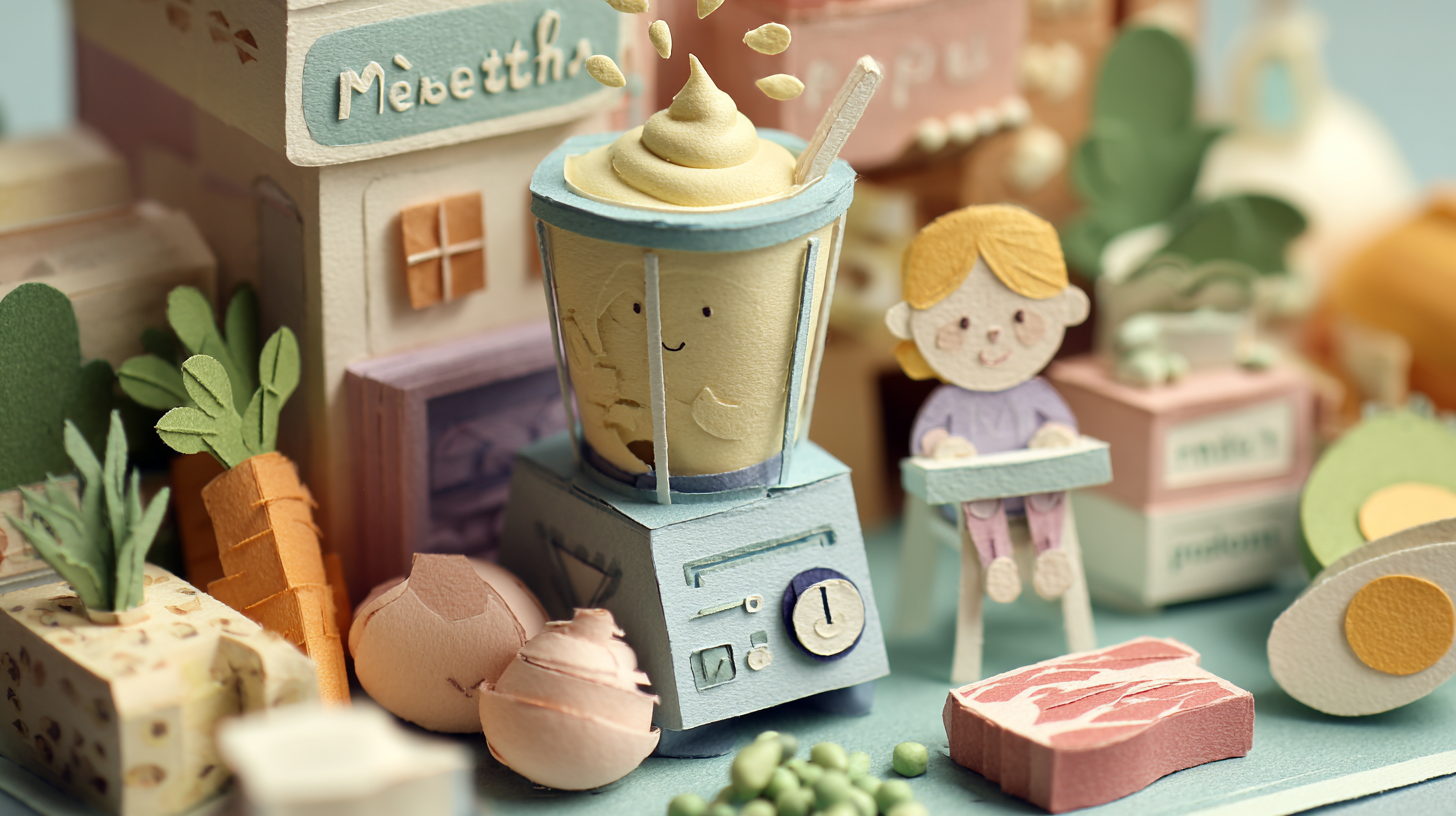
For eggs: scramble them well-cooked, mash a hard-boiled yolk with a bit of liquid, or finely chop them into other foods. Some pediatricians now recommend introducing eggs early and keeping them in regular rotation to potentially reduce allergy risk, assuming your baby tolerates them well.
For legumes: this is where many parents stumble. Beans and lentils need to be cooked until they’re very soft—much softer than you’d cook them for yourself. Then remove any tough skins (especially on chickpeas and some beans) and mash or purée them thoroughly. Here’s a pro tip: add a small amount of oil, avocado, or nut butter (well-thinned, never in chunks) to legume purées. This increases the energy density, which matters because babies have small stomachs and can fill up quickly on high-water, low-calorie foods.
Processing matters for nutrient absorption too. Soaking, cooking, sprouting, or fermenting legumes and grains reduces compounds like phytate and trypsin inhibitors that can interfere with how well your baby absorbs protein and minerals like iron and zinc. This is particularly important when plant foods make up a large portion of your baby’s protein intake.
For tofu: this one is beautifully simple. Soft or silken tofu can be mashed into purées, while firmer tofu can be cut into tiny cubes for older babies practicing self-feeding. Choose calcium-fortified tofu when possible, as it doubles as both a protein and a calcium source.
Here’s what actually counts as a portion for 6-12 month olds:
• Meat or fish: 2-4 tablespoons (about the size of your thumb)
• Mashed beans or lentils: 2-4 tablespoons
• Tofu: 2-4 tablespoons cubed or mashed
• Egg: 1 whole egg (or 2 tablespoons scrambled)
• Yogurt: 2-4 tablespoons
Frequency: Offer a protein food 1-3 times per day, depending on how many meals your baby is eating. Remember, breast milk or formula is still doing heavy lifting on the protein front.
The Reality Check: These are MUCH smaller amounts than most parents think. You’re not trying to replace milk feeds—you’re just adding variety and additional nutrients to complement them.
Building Your Weekly Protein Rotation
This is where it all comes together. Instead of stressing about every single meal, think in terms of weekly variety. A sample week for a mixed-diet baby around 8-9 months might include: Monday—beef with sweet potato; Tuesday—lentils with rice and carrots; Wednesday—scrambled eggs; Thursday—chicken with pumpkin; Friday—white fish with green beans; Saturday—black beans with avocado; Sunday—tofu and broccoli.
Notice what’s happening here? You’re rotating complete animal proteins with complementary plant-protein combinations, which means your baby is getting diverse amino acids, different minerals, various types of fats, and a range of flavors and textures. This approach covers all your nutritional bases without requiring you to calculate amino acids at every meal.
For families leaning more plant-based, the rotation would emphasize legume-grain pairings, fortified foods, and working with a pediatric dietitian to ensure adequate iron, zinc, B12, and omega-3s—nutrients that are naturally more abundant in animal foods. Position statements on vegan infant diets make clear that it can be done safely, but it requires meticulous planning, fortified foods, and usually supplementation to avoid deficiencies.
Get a personalized estimate based on your baby’s weight:
The Commercial Baby Food Reality
Walk down any baby food aisle and you’ll see pouches and jars boasting “high protein” or “complete nutrition.” The baby food market is projected to continue rapid growth through 2030, with premium, protein-focused products capturing an increasing share. Plant-based protein products for infants alone are expected to grow by over $600 million between 2023 and 2028.
Here’s what you need to know: many commercial baby foods, even those labeled as protein-rich, have been found to be relatively low in energy density due to high water content. This matters because if your baby fills up on diluted purées, they might not have room for breast milk or more nutrient-dense foods. Some products do provide adequate protein levels, but research shows they often can’t replace the broader nutrient profile of home-prepared foods or whole-food combinations.
Plant-based infant formulas beyond soy (like those made from pea, rice, or other plant protein isolates) are newer to market, and long-term safety data is limited. Regulatory agencies currently recognize only soy-based infant formulas as suitable plant alternatives for healthy full-term babies, and even those come with some caveats regarding early allergenicity concerns. Regular plant-based “milks” sold in grocery stores (almond, rice, oat beverages) are absolutely not appropriate as breast milk or formula replacements in infants and can cause serious nutritional deficiencies.
If you’re using commercial products: read labels carefully, check that protein content is meaningful (not just marketing fluff), ensure energy density is adequate, and use them as occasional conveniences rather than daily staples that crowd out breast milk or homemade meals.
What the Experts Are Actually Saying
Major pediatric nutrition organizations agree on the core principles, even if emphasis varies. The World Health Organization’s 2023 complementary feeding guideline stresses timely introduction of diverse, nutrient-dense foods including animal-source foods to prevent micronutrient deficiencies and growth faltering. The American Academy of Pediatrics and the European Society for Paediatric Gastroenterology, Hepatology and Nutrition echo similar recommendations: variety, inclusion of iron-rich foods (including meats), early allergen introduction, and continued breastfeeding or formula through at least 12 months.
Where debate exists is around the margins. Some experts emphasize animal proteins more strongly based on data from settings where stunting and micronutrient deficiencies are common. Others point out that in well-planned, diverse diets with adequate variety and fortified foods, plant proteins can absolutely meet infant needs. Position papers on pediatric vegan diets acknowledge feasibility but underscore the need for professional guidance, B12 supplementation, attention to iron and zinc sources, and often omega-3 supplementation.
Social media adds another layer. Influencer-driven trends around “high-meat” baby-led weaning or exclusively plant-based infant feeding can oversimplify complex nutrition science. The best approach? Take the fundamental principles from established guidelines and adapt them to your family’s values, culture, and circumstances with input from your pediatrician or a registered dietitian.
Check off each goal as you go—build your confidence one meal at a time:
When you check off all 7 items, you’re officially a Protein Pro!
The Challenges Nobody Warns You About
Let’s talk about the stuff that actually trips parents up. First, there’s the double burden problem: in some parts of the world, inadequate protein and micronutrients contribute to stunting, while in others, excessive protein intake—especially from dairy and some formulas—has been linked to faster weight gain and potentially higher obesity risk later. Studies have associated higher protein intake in infancy, particularly from cow’s milk-based sources, with elevated insulin-like growth factor-1 and accelerated weight gain.
This creates confusion: is protein good or bad? The answer is nuanced. Babies need enough protein from quality sources to support growth, but they don’t need “high-protein” products that push intake well above requirements. Moderation and variety are key.
Then there’s the allergenicity question. Common protein sources—eggs, fish, soy, dairy—are also major allergens. Current guidance encourages early introduction (around 6 months) of allergenic foods to potentially reduce allergy risk, but this requires parental confidence and sometimes makes protein planning feel risky. Work with your pediatrician on timing and monitoring if you have concerns.
Ultra-processed baby foods add another challenge. Some products might technically provide adequate protein but have poor overall nutrient profiles or displace more nutrient-dense home foods and breast milk. Reports show that commercial baby foods can contribute to overconsumption of ultra-processed foods in early life, setting patterns that may persist.
For plant-based families, challenges include ensuring amino acid complementarity, getting enough bioavailable iron and zinc, securing adequate B12 (only from fortified foods or supplements in plant diets), and meeting omega-3 needs without fish. It’s doable, but it requires more deliberate planning than mixed diets.
Test your knowledge—click your answer for each statement:
1. “Babies need high-protein foods at every meal to grow properly.”
2. “Plant proteins can’t support baby growth as well as animal proteins.”
3. “You must combine plant proteins in the same meal to make them ‘complete.'”
Looking Ahead: The Future of Baby Protein
Where is all this heading? Research is refining our understanding of infant protein requirements, including better methods for assessing protein quality and needs across different growth patterns. Scientists are working to design plant-protein blends that closely mimic breast-milk amino acid profiles, which could support more sustainable, safe plant-based infant foods if proven effective.
Market forecasts suggest continued growth in both premium animal-based baby foods (emphasizing meat content, organic sourcing, clean labels) and plant-based infant products. This will likely come with tightening regulatory oversight on nutrient composition, labeling accuracy, and marketing claims, especially as concerns about ultra-processed foods for infants gain more attention.
There’s also growing interest in improving complementary food quality in low- and middle-income countries through fortification, inclusion of locally available legumes and pulses, and promotion of small amounts of animal-source foods where culturally appropriate and accessible. These efforts recognize that thoughtful protein choices early in life can have lasting impacts on growth, development, and lifelong eating patterns.
Your Protein Game Plan
So where does this leave you standing in your kitchen with that tiny spoon? Right where you need to be—armed with knowledge, not confusion. Here’s your actionable game plan:
Start with what works for your family. If you eat meat, include small portions of tender, well-cooked meats, poultry, and fish several times a week. These deliver complete protein plus critical iron and zinc. If you’re plant-based or plant-forward, build meals around legume-grain combinations—lentils with rice, chickpeas with whole-grain bread, black beans with corn—and rotate different types throughout the week.
Keep portions realistic. You’re aiming for about 2-4 tablespoons of a protein food per meal, 1-3 times daily depending on how many meals your baby is eating. That’s it. No need to load up every spoonful with protein powder or stress if a meal skips the protein entirely—milk feeds are still covering most needs.
Prioritize variety over perfection. Rotate through at least 4-6 different protein sources each week. This naturally balances amino acids, delivers diverse micronutrients, and exposes your baby to different flavors and textures. Think weekly variety, not meal-by-meal perfection.
Prepare proteins safely and thoughtfully. Cook meats and fish thoroughly, remove bones and skin, purée or finely shred as needed. Cook legumes until very soft, remove tough skins, add a bit of fat for energy density. Scramble or mash eggs well. Cube or mash tofu. Simple techniques, big nutritional payoff.
Use commercial products wisely. They’re fine as occasional conveniences, but check labels for meaningful protein content and adequate energy density. Don’t let them crowd out breast milk, formula, or nutrient-dense home meals. And definitely don’t use plant-based “milks” as formula substitutes.
Seek support when needed. If you’re planning a fully plant-based diet, work with a pediatric dietitian to ensure your baby gets adequate B12, iron, zinc, and omega-3s through fortified foods and/or supplements. If you have concerns about growth, allergies, or food refusal, loop in your pediatrician early.
Cultural foods are your secret weapon here. Caribbean cuisine naturally features protein-rich combinations—red peas and rice, callaloo with coconut milk, stewed meats with ground provisions, dhal with roti. These aren’t just comfort foods; they’re nutritionally brilliant, time-tested protein pairings that babies love. If you’re looking to bring these flavors into your baby’s meals with proper preparation guidance and age-appropriate modifications, the Caribbean Baby Food Recipe Book walks you through over 75 recipes that do exactly this—from Basic Mixed Dhal Pure and Coconut Rice & Red Peas for younger babies, to Pastelón Style (Sweet Plantain & Beef) and Yaroa Baby for older ones exploring more complex flavors.
The Real Truth About Protein
Here’s what I wish someone had told me three months ago when I stood in that kitchen feeling overwhelmed: you don’t need to be a nutritionist to feed your baby well. You just need to understand a few core principles and then trust yourself to apply them.
Protein matters, yes—but it’s not the only thing that matters, and more isn’t always better. Your baby’s growth is supported by a constellation of nutrients working together: protein for building, iron for blood and brain development, healthy fats for brain growth and energy, zinc for immune function, vitamins for countless processes. Protein is one piece of this puzzle, not the whole picture.
Both animal and plant proteins have legitimate roles in infant nutrition. Animal proteins offer convenience and completeness; plant proteins offer variety, sustainability, and cultural connection. The best approach for most families is a flexible one that draws from both worlds, adapting to your values, your baby’s needs, and what’s practically achievable in your daily life.
And here’s the most important thing: babies are remarkably resilient. If you offer a variety of whole foods, continue milk feeds, and pay attention to your baby’s hunger and fullness cues, you’re almost certainly giving them what they need to thrive. The anxiety-inducing pressure to get every meal exactly “right” isn’t helping you or your baby. What helps is showing up with real food, reasonable portions, and a willingness to keep trying even when meals go sideways.
Standing in my kitchen now, I don’t second-guess myself the way I used to. Some days my baby eats chicken and sweet potato. Other days it’s mashed beans with a bit of rice. Sometimes we try new things from recipes that celebrate the foods I grew up with—those warm, flavorful combinations that my own grandmother made without ever worrying about amino acid profiles. She just knew they worked, because generations of babies had grown strong on them.
That’s the kind of confidence I want for you. Not the confidence that comes from calculating protein grams or obsessing over labels, but the confidence that comes from understanding the science well enough to trust your instincts. The confidence to mix a little of this with a little of that, to rotate through the week, to embrace both the convenience of eggs and the comfort of lentils, and to know that your baby is getting exactly what they need.
Because at the end of the day, the best protein for your baby isn’t the one with the perfect amino acid score or the trendiest marketing—it’s the one that nourishes their body, introduces them to flavors that matter to your family, and comes from a parent who feels capable and confident rather than anxious and overwhelmed.
You’ve got this. Every spoonful, every meal, every small choice—they’re all adding up to something bigger than you might realize right now. Your baby is growing, learning, and thriving, one tiny portion of protein at a time. And you? You’re doing better than you think.

Kelley's culinary creations are a fusion of her Caribbean roots and modern nutritional science, resulting in baby-friendly dishes that are both developmentally appropriate and bursting with flavor. Her expertise in oral motor development and texture progression ensures that every recipe supports your little one's feeding milestones while honoring cultural traditions.
Join Kelley on her flavorful journey as she shares treasured family recipes adapted for tiny taste buds, evidence-based feeding guidance, insightful parenting anecdotes, and the joy of celebrating food, culture, and motherhood. Get ready to immerse yourself in the captivating world of Kelley Black and unlock the vibrant flavors of the Caribbean for your growing baby, one nutritious bite at a time.
- You’re More Than Just the Person Who Feeds Your Baby - September 12, 2026
- You’re Doing Your Best: The Self-Compassion Revolution Every Feeding Parent Needs - September 11, 2026
- Feeding Therapy: Your Family’s Roadmap from Overwhelm to Progress - September 10, 2026