
The Truth Your Pediatrician Wishes You Knew About Baby Feeding (But Nobody’s Telling You)
Here’s what nobody warned me about becoming a parent: it wasn’t the sleepless nights or the endless diaper changes that nearly broke me. It was the feeding advice. The contradictory, guilt-inducing, fear-mongering feeding advice that came from everywhere—Instagram influencers swearing by baby-led weaning, my mother-in-law insisting rice cereal would help my baby sleep, the pediatrician’s office handout saying something completely different, and that one mom at the playground giving me the side-eye because my six-month-old was eating mashed plantain instead of organic quinoa puffs.
Sound familiar? You’re exhausted from googling “is my baby eating enough” at 2 AM, only to find ten different answers that contradict each other. One article says purees create picky eaters. Another warns that baby-led weaning causes choking. Your grandmother thinks you’re starving your child. And somewhere in the back of your mind, you’re wondering if you’re completely ruining your baby’s relationship with food before they even have teeth.
But here’s the truth that changed everything for me: most of what you’ve been told about baby feeding is either outdated, oversimplified, or straight-up wrong. And it’s not your fault for being confused—because even the “experts” can’t seem to agree.
Quick Check: What’s YOUR Biggest Feeding Fear?
Let’s start by identifying what’s really keeping you up at night. Tap the fear that resonates most with you:
Let me be clear about something right from the start: I’m not here to tell you there’s only one “right” way to feed your baby. Because there isn’t. What I am here to do is cut through the noise, share what the actual research says (not what social media says the research says), and give you the evidence-based information you need to make confident decisions for your family. No judgment. No dogma. Just real talk from someone who’s been in the trenches and studied the science.
The Great Feeding Method Debate: What the Science Actually Says
Let’s tackle the elephant in the room: baby-led weaning versus traditional purees. This debate has become so heated you’d think we were choosing political parties instead of how to introduce sweet potatoes. But here’s what the research actually shows—and it might surprise you.
A 2025 study published in medical journals found something fascinating: babies who used baby-led weaning showed greater autonomy in eating decisions and had more frequent exposure to varied food textures. Sounds like a win for BLW, right? But wait—there’s more to the story. The same research found that few infants, regardless of which method they used, actually met recommended intake guidelines for energy, with many deficient in iron and zinc.
Here’s the truth that both “camps” don’t want to admit: neither method is inherently superior. Traditional spoon-feeding doesn’t automatically create dependent eaters who only want smooth foods. And baby-led weaning doesn’t magically prevent picky eating or create adventurous eaters. The research shows that by around one year of age, infants eat similar foods and have similar skills with textures and solids, no matter how they were weaned.
So what does this mean for you? It means you can stop feeling guilty about that pouch of puree you grabbed at the airport, or the stress you felt when your baby rejected the perfectly cut avocado fingers. The best feeding method is the one that works for your family, fits your lifestyle, and doesn’t make you want to cry into your cold coffee.
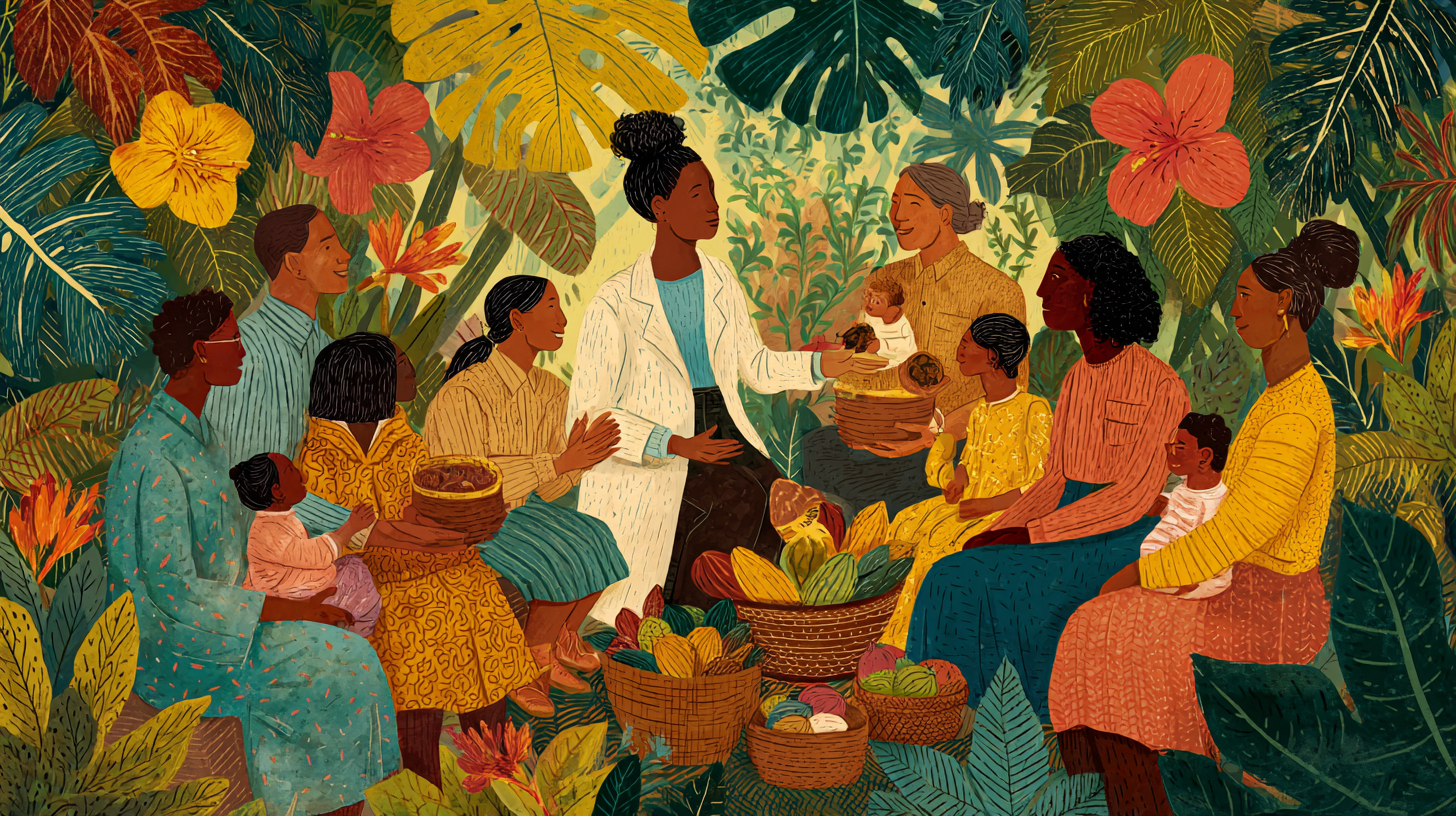
Many pediatricians now recommend what I call the “flexible middle path”: start with some purees in the very beginning (we’re talking days or maybe a week, not months), then quickly progress to soft, mashable foods and finger foods by eight months. This approach combines the best of both worlds—it respects your baby’s developmental readiness for different textures while giving you the flexibility to use pouches when you’re running late or need something quick.
When I was weaning my first child, I wish someone had told me that mixing methods is not only okay, it’s actually what most families end up doing anyway. My daughter ate Caribbean-inspired purees like plantain and coconut milk mash at breakfast, grabbed pieces of soft mango at lunch, and gnawed on steamed carrot sticks at dinner. And you know what? She turned out perfectly fine—no feeding issues, no texture aversions, just a kid who eats a variety of foods without drama.
The Choking Myth That’s Stealing Your Peace
Let’s talk about the fear that keeps parents up at night: choking. I’ve sat across from countless parents in my practice who are terrified to give their baby anything that isn’t completely smooth. And I get it—the fear is real and valid. But here’s what you need to know: the statistics don’t support the level of anxiety most parents are experiencing.
Research from 2016 involving babies between six and eight months found that approximately one-third of infants experienced gagging at least once during this period. Gagging. Not choking. There’s a crucial difference: gagging is your baby’s natural protective reflex that actually prevents choking. It looks scary—your baby might make harsh sounds, their eyes might water, they might even briefly vomit—but it’s their body working exactly as designed.
A comprehensive 2022 study found that actual choking occurred in 5.42% of spoon-fed children and 6.94% of children fed with baby-led weaning—rates that are not statistically different. More importantly, severe choking requiring medical intervention was reported in only 0.31% of traditionally fed babies and 0.45% of BLW babies. To put that in perspective, you’re more likely to experience complications from excessive worrying than your baby is to have a serious choking incident when you follow proper safety guidelines.
Choking vs. Gagging: Know the Difference (It Could Save Your Sanity)
The modified baby-led weaning approach, called Baby-Led Introduction to SolidS (BLISS), provides specific safety guidelines that research shows are effective: avoid foods that cannot be easily mashed with the tongue (like nuts, whole grapes, raw vegetables, under-ripe fruits), and always cut foods into appropriate shapes. When parents follow these guidelines and receive proper education, baby-led weaning does not increase choking risk compared to traditional methods.
Here’s my advice: take an infant CPR class if you haven’t already. Not because you’ll definitely need it (statistically, you probably won’t), but because knowing what to do in an emergency will give you the confidence to relax during meals. That relaxation matters more than you think—babies pick up on parental anxiety, and tense, fearful mealtimes can actually contribute to feeding difficulties down the road.
Cultural Feeding Practices: Your Grandmother Might Be Right
One of the most frustrating things about modern feeding advice is how incredibly Western-centric it is. If you grew up in a Caribbean household like I did, you know that babies have been eating seasoned foods, rich stews, and complex flavors for generations—long before Instagram told us that babies should only eat bland, unseasoned foods served on silicone plates that cost more than your electricity bill.
Recent research is finally catching up to what many cultures have known all along: there is no universal “right” way to introduce solids. A 2025 study examining cultural foundations of global health found that Western middle-class feeding practices promoted as “responsive feeding” by WHO and UNICEF may not be universally optimal. The research shows that feeding practices vary considerably across the world according to food cultures, parenting styles, and ways of building social relationships.
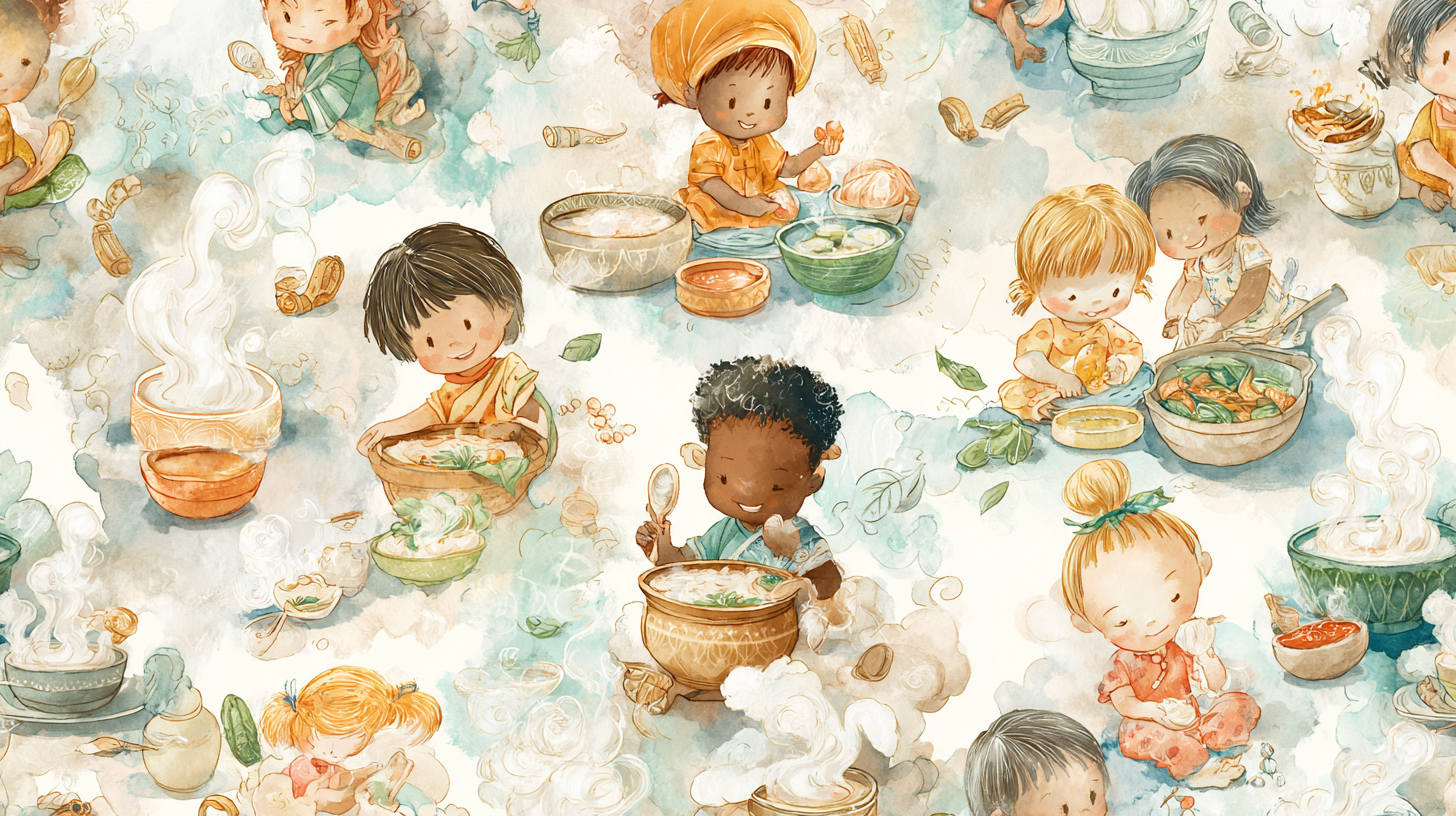
What does this mean practically? It means that feeding your baby the foods of your culture—whether that’s Caribbean dishes like callaloo and provisions, Indian dal and rice, or Mexican beans and tortillas—is not only acceptable, it’s beneficial. Babies exposed to their cultural foods early develop diverse palates and maintain connections to their heritage. That matters.
Studies of non-industrial societies between 1873 and 1998 showed diverse patterns of complementary food introduction and breastfeeding duration, challenging assumptions about universal feeding recommendations. Some cultures introduce complementary foods earlier, some later. Some emphasize parent-controlled feeding, others encourage baby autonomy. And you know what? Babies thrive in all of these contexts when their basic nutritional needs are met.
My grandmother used to make a simple mash of sweet potato, coconut milk, and a tiny pinch of cinnamon for babies in our family. The modern feeding advice I read said babies shouldn’t have “added flavors” and that coconut milk was “too rich.” But generations of healthy, well-fed Caribbean children prove otherwise. Now research supports what she knew instinctively: babies can handle more complex flavors than we’ve been led to believe, and introducing cultural foods early may actually prevent picky eating later.
That said, there are universal safety guidelines that do apply across cultures: honey before age one (botulism risk), avoiding choking hazards, ensuring adequate iron intake, and watching for allergic reactions. But within those parameters, there’s enormous flexibility. Your baby can eat foods with flavor. Your baby can eat the foods your family eats. Your baby doesn’t need a separate meal plan unless you choose to provide one.
The Rice Cereal Sleep Myth (And Other Lies We Need to Stop Telling)
If I had a dollar for every time someone told a exhausted parent that feeding their baby rice cereal before bed would help them sleep through the night, I could retire tomorrow. This myth is so pervasive that it’s practically folklore. So let’s set the record straight with actual science.
A randomized study of 106 infants compared babies given rice cereal at 5 weeks versus 4 months and found—wait for it—no statistically significant difference in sleeping through the night. None. Zero. Zip. In fact, research shows that babies started on solids prior to four months were actually worse sleepers because their digestive systems weren’t ready to handle food yet.
Sleep is developmental, not nutritional. Your baby will sleep through the night when their brain is developmentally ready, not when their stomach is full. Feeding solids early won’t speed up that process; it might actually interfere with it by causing digestive discomfort.
Myth-Busting Game: Can You Spot the Feeding Fiction?
Tap each statement to discover if it’s FACT or FICTION:
Another persistent myth: babies need separate, specially prepared food. While there are legitimate safety reasons to modify certain foods (cutting grapes, avoiding honey, watching sodium levels), babies don’t need their food to be tasteless or served in expensive specialized dishes. They can eat modified versions of family meals, which actually supports their development by exposing them to varied flavors and textures.
Here’s a myth that affects Caribbean and other diverse families particularly hard: the idea that babies can’t handle “spicy” or “exotic” foods. Babies around the world eat their cultural cuisines successfully. Your baby can absolutely eat foods seasoned with cinnamon, ginger, garlic, and mild spices. What you want to limit is added salt (babies’ kidneys aren’t fully mature) and honey before age one (botulism risk). But flavor? Babies are designed to explore flavor. That’s how they develop varied palates.

And let’s bust one more: the myth that starting solids before six months is always harmful. While the WHO recommends exclusive breastfeeding for six months, research shows that introducing complementary foods between 4-6 months is safe for most babies who show readiness signs. In fact, babies introduced to complementary foods before 4 months were 3.7 times more likely to eat a limited variety of foods later on—but babies introduced between 4-6 months did fine. The key is readiness, not a specific calendar date.
Red Flags vs. Normal Concerns: When to Actually Worry
One of the questions I hear most often is: “Is this normal or should I be worried?” The truth is that many behaviors parents stress about are completely normal developmental phases, while some genuine red flags get overlooked because we’re so focused on the wrong things.
Let’s start with what’s normal—even if it’s frustrating. Gagging when learning new textures? Normal. Some degree of mess? Normal. Eating different amounts from day to day? Normal. Preferring certain foods for a while then rejecting them? Normal. Spitting out new foods the first few times? Completely normal. Waking every 3-4 hours at one month old? Developmentally appropriate, though exhausting.
About one-third of babies will experience gagging between 6-8 months as they learn to manage different textures. This is their protective reflex working correctly. Similarly, varying appetite is normal—babies are remarkably good at self-regulating intake when we let them. Some days they’ll eat voraciously; other days they’ll seem disinterested. As long as growth is on track, this variation is healthy.
Your Personalized Red Flag Checker
Check off any of these TRUE RED FLAGS that apply to your baby. These warrant a conversation with your pediatrician:
Now for the actual red flags that deserve attention: Poor weight gain or consistent weight loss over time is always worth investigating. Not just one week of slower gain, but a pattern. Inability to latch well to breast or bottle, with persistent struggles despite support, may indicate tongue tie or other anatomical issues that can be corrected.
Excessive milk coming out during feedings—not just spit-up, but soaking through burp cloths regularly—could signal reflux or swallowing difficulties. Persistent coughing or choking with most feedings (different from occasional gagging) suggests a possible swallowing coordination issue. Refusal to eat any solid foods by 9-10 months with no progress might indicate oral motor delays or sensory issues worth evaluating.
Here’s what matters: your parental instinct. If something feels wrong, even if you can’t articulate what it is, talk to your pediatrician. I’ve never been upset with a parent for bringing up a concern. The parents who wait because they’re worried about “bothering” me? Those are the ones I wish had come in sooner.
That said, try not to compare your baby to the Instagram baby eating entire avocados at 6 months or the neighbor’s baby who supposedly slept through the night at 6 weeks. Those snapshots don’t tell the whole story. Your baby’s journey is their own, and normal has a remarkably wide range.
The Iron Question Nobody’s Answering Honestly
Let’s talk about the nutrient that causes the most confusion and controversy: iron. This is where the BLW versus puree debate gets especially heated, and it’s also where well-meaning advice can actually cause problems.
Here’s the straightforward truth: breastfeeding after six months does not provide enough iron to satisfy infant requirements. Babies are born with iron stores that last approximately 4-6 months, after which they need iron from complementary foods. This applies to all babies, regardless of feeding method.
Research shows that BLW infants may be at risk of inadequate iron intake because iron-fortified cereals and commercial meat-based infant foods are difficult for babies to self-feed effectively. Most easily graspable foods introduced during BLW—fruits, steamed vegetables, bread—are generally low in iron. However, here’s the important part: when parents receive advice to offer high-iron foods with each meal, baby-led weaning does not appear to increase iron deficiency risk.
A 2018 randomized controlled trial found that a modified version of baby-led weaning that emphasized iron-rich foods did not increase the risk of iron deficiency. The key was education and intentionality about iron sources.
So what are good iron sources for babies? Meat is the most bioavailable source—small pieces of well-cooked ground beef, chicken, or fish work well. Beans and lentils provide iron, though it’s less easily absorbed (pairing with vitamin C foods like tomatoes or mango helps). Iron-fortified infant cereals are useful—you can mix them into purees or make them thick enough for babies to grab.
For Caribbean families, dishes featuring red beans, pigeon peas, or beef can be modified for babies—think of softened peas from rice and peas, or tender meat from stew. The traditional Caribbean diet actually offers excellent iron sources when adapted appropriately for babies.
Dark leafy greens like callaloo are iron-rich, though again, the iron is less bioavailable than from meat. Still, variety matters, and including these foods alongside iron-rich options creates a balanced approach.
Here’s what I tell parents: aim to include at least one iron-rich food at each meal once solids are established. Don’t stress about perfectly calculated intake daily—focus on the week overall. If your baby is growing well, meeting milestones, and has good energy, they’re likely getting adequate nutrition. Routine well-child checks include hemoglobin screening around 9-12 months to catch any issues early.
The Division of Responsibility: Your Secret Weapon Against Food Battles
One of the most powerful frameworks I share with parents—and one that would have saved me so much stress with my own kids—is Ellyn Satter’s Division of Responsibility. This isn’t a feeding method like BLW or purees; it’s a philosophy about who’s responsible for what during feeding. And it’s backed by research showing it helps children become “eating competent”—sensible, joyful eaters.
Here’s how it works: Parents are responsible for the what, when, and where of feeding. You decide what foods are offered, when meals and snacks happen, and where eating takes place. Your baby or child is responsible for how much they eat and whether they eat of the foods offered.
This division respects your role as the provider and guide while honoring your baby’s internal hunger and fullness cues. It’s recognized as the best-practice childhood feeding model by professional organizations including the American Dietetic Association. And most importantly, it takes the pressure off both of you.
Your Baby’s Feeding Journey Timeline
Tap each stage to see what’s actually important at that age (not what social media says should be happening):
0-6 Months: The Milk-Only Era
Baby’s job: Eat when hungry, stop when full.
Normal: Varying feeding intervals. Growth spurts. Fussiness.
Not a concern: Different amounts each feed. Cluster feeding periods.
6-8 Months: The Exploration Phase
Baby’s job: Explore tastes and textures. Decide how much to eat.
Normal: More food on floor than in mouth. Gagging occasionally. Refusing foods.
Not a concern: Small amounts consumed. Milk is still primary nutrition.
9-12 Months: The Transition Year
Baby’s job: Self-regulate intake. Practice self-feeding skills.
Normal: Varying appetite day to day. Food preferences changing. Some mess.
Not a concern: Days of eating less. Milk intake gradually decreasing.
12+ Months: The Family Table
Baby’s job: Eat as much as they need. Try new foods when ready.
Normal: Picky phases. Strong preferences. Appetite swings.
Not a concern: Refusing certain foods. Eating different amounts than siblings.
What this looks like practically: You put nutritious foods on your baby’s tray—let’s say soft pieces of steamed breadfruit, mashed black beans, and ripe mango. Your baby decides to eat all the mango, smush the beans around, and throw the breadfruit on the floor. Your job is done. You offered nutritious variety. Their job was to eat what they wanted. That’s it.
You don’t coax, cajole, or count bites. You don’t make special alternatives if they don’t eat what’s offered. You don’t celebrate when they eat a lot or show disappointment when they don’t. You just provide the food, trust their internal regulation, and try again at the next meal or snack.
Research shows that picky eating and pressuring feeding often go hand in hand, but no direct link exists between pressure feeding and future growth or eating behavior. Translation: pressuring your child to eat more doesn’t help and might hurt. But providing structure, variety, and repeated exposure to foods—without pressure—does help.
This framework saved my sanity. When my son went through a phase where he only wanted to eat yellow foods, I kept offering other colors alongside his preferred yellows. No pressure, no battles. Just consistent exposure. Eventually, he expanded his palate. The Division of Responsibility gave me the confidence to trust the process.
What I Wish Every Parent Knew
After years of working with families and navigating my own children’s feeding journeys, here’s what I’ve learned matters most—and it’s not what the Instagram experts are selling.
First: your baby’s relationship with food matters more than their intake at any single meal. Breastfed babies who were exclusively breastfed for six months were 81% less likely to reject food as preschoolers, 78% less likely to develop preferences for specific food-preparation methods, and 75% less likely to develop food neophobia (fear of new foods). The common thread? Early varied exposure and responsive feeding without pressure.
Second: there’s no such thing as perfect feeding. Every approach has tradeoffs. Purees are convenient but may delay texture exposure if used too long. BLW promotes autonomy but can be messier and requires more supervision. Mixed feeding offers flexibility but might feel less “pure” to those attached to a specific method. Choose what works for your family, not what looks best on social media.
Third: most feeding “problems” resolve themselves with time and consistency. Babies who seem to eat nothing but air one day will surprise you the next. Toddlers who reject everything green will eventually come around with repeated, pressure-free exposure. The key is maintaining regular mealtimes, offering variety without pressure, and trusting your child’s internal cues.
Fourth: cultural foods are not just acceptable—they’re valuable. Babies benefit from early exposure to the foods of their heritage. Don’t let anyone make you feel like you need to feed your baby bland, Westernized foods because that’s what the baby food aisle offers. Your baby can eat the foods your family eats, appropriately modified for safety and development.
Fifth: your pediatrician is your partner, not your judge. If you have concerns, ask. If something doesn’t feel right, speak up. If the advice you’re receiving doesn’t work for your family, say so. Good pediatricians work with families, not against them. We understand that theory and reality don’t always align, and we’d rather help you find a workable solution than have you struggle in silence.
And finally: you know your baby better than anyone else, including the internet experts with perfect lighting and suspiciously clean high chairs. Trust your instincts. If something feels off, investigate. If something is working, keep doing it regardless of what the latest trend says.
Your Feeding Journey Starts Now
Here’s what I want you to take away from all of this: feeding your baby doesn’t have to be a source of constant stress and second-guessing. The research shows that babies are remarkably resilient, that multiple approaches work, and that most of what we’re told to worry about isn’t actually dangerous.
Yes, there are legitimate safety guidelines to follow—no honey before one, watch for choking hazards, ensure adequate iron intake, supervise mealtimes. But within those parameters, you have so much more flexibility than you’ve been led to believe.
Your baby can eat purees, finger foods, or a mix of both. They can eat the foods of your culture with appropriate modifications. They can have meals where they eat heartily and meals where they barely touch anything. They can gag without it being a crisis. They can prefer certain foods for a while and then move on to others. All of this is normal.
What’s not normal—and what’s actually harmful—is the constant anxiety, guilt, and comparison that modern feeding culture creates. Worrying that you’re doing it wrong. Feeling judged for your feeding choices. Comparing your real baby to Instagram babies. Spending more time reading feeding advice than actually feeding your child.
✨ Your Personal Feeding Confidence Check
Take a moment to acknowledge what you’re already doing right. Check off everything that applies to your feeding approach:
The best feeding approach is one that works for your family, fits your lifestyle, honors your culture, and doesn’t leave you in tears of frustration. It’s one where your baby gets adequate nutrition (which has a wider definition than social media suggests), stays safe, and develops a positive relationship with food. That’s it. That’s the goal.
Everything else—the perfect bite-sized pieces arranged artfully on a divided plate, the photogenic high chair setup, the baby who enthusiastically eats every food offered without mess—that’s performance, not reality. And your baby doesn’t need performance. They need presence, consistency, variety, and a caregiver who trusts both the baby’s signals and their own judgment.
You’re going to make mistakes. You’re going to have meals that end with more food on the walls than in the baby. You’re going to worry about things that turn out fine and overlook things you should have noticed. You’re going to get contradictory advice and have to make decisions with incomplete information. Welcome to parenting. We’re all figuring it out as we go.
But you’re also going to have moments of joy—when your baby tries a new food and their face lights up, when they independently grab a piece of mango and successfully get it to their mouth, when you realize they’re eating modified versions of your family meals and connecting to their heritage through food. Those moments matter more than the perfect feeding schedule or method.
So here’s my real advice, stripped of dogma and judgment: Feed your baby with love. Offer variety when you can. Respect their cues. Follow basic safety guidelines. Trust the process. And for heaven’s sake, stop comparing your reality to someone else’s curated highlight reel.
Your baby doesn’t need you to be perfect. They need you to be present, consistent, and confident in your choices. And the research? It’s on your side. Multiple approaches work. Babies are resilient. Feeding isn’t as fragile as we’ve been led to believe.
Now go enjoy a meal with your baby. Put away your phone, ignore the feeding rules bouncing around in your head, and just be together. That connection—that relaxed, joyful time together—matters more than whether you’re doing purees or BLW, whether every meal has perfect nutritional balance, or whether your baby’s food looks Instagram-worthy.
You’ve got this. Your baby’s got this. And when in doubt? Your pediatrician’s got your back. Now take a deep breath, trust yourself, and go feed your baby with confidence.

Kelley's culinary creations are a fusion of her Caribbean roots and modern nutritional science, resulting in baby-friendly dishes that are both developmentally appropriate and bursting with flavor. Her expertise in oral motor development and texture progression ensures that every recipe supports your little one's feeding milestones while honoring cultural traditions.
Join Kelley on her flavorful journey as she shares treasured family recipes adapted for tiny taste buds, evidence-based feeding guidance, insightful parenting anecdotes, and the joy of celebrating food, culture, and motherhood. Get ready to immerse yourself in the captivating world of Kelley Black and unlock the vibrant flavors of the Caribbean for your growing baby, one nutritious bite at a time.
- Co-Parenting Across Households: How to Keep Feeding Your Child Consistent (Even When Life Isn’t) - September 15, 2026
- Feeding and Your Relationship: How to Protect Your Partnership When Mealtimes Feel Like a War Zone - September 14, 2026
- From “Who’s Right?” to “We’ve Got This”: Building a Feeding Partnership That Actually Works - September 13, 2026