The Sweet Potato Truth: Why Perfect Kitchens Are Overrated (And Your Messy Baby Is Winning)
Quick Honesty Check
How many times this week have you cleaned mashed plantain off your ceiling?
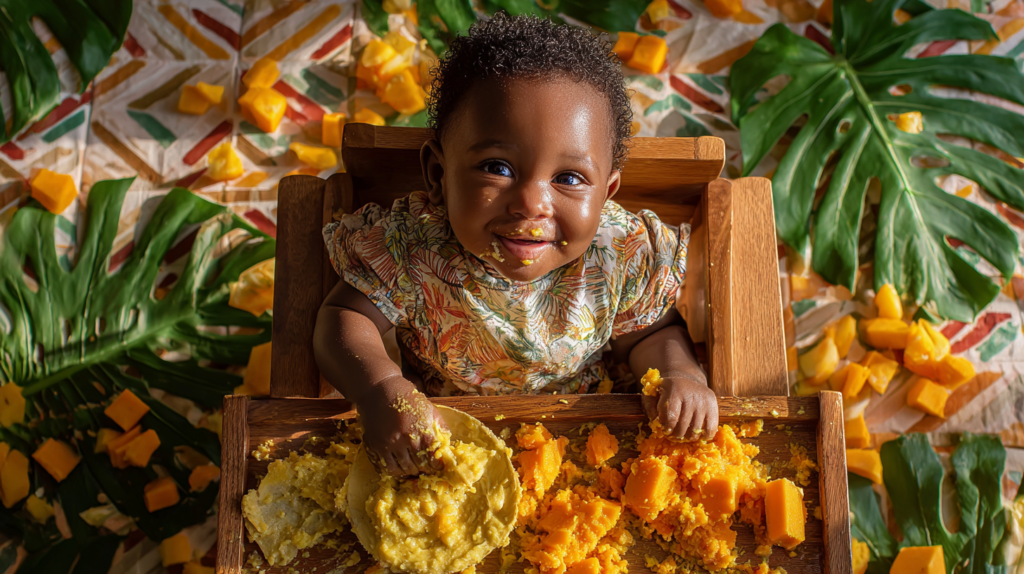
Let me tell you something they don’t put in the parenting books: the moment my daughter grabbed a fistful of mashed yellow yam and smeared it through her hair like she was at a spa, I had a choice. I could cry about the upcoming bath time marathon, or I could laugh at the sheer audacity of this tiny human turning my kitchen into an abstract art installation.
I chose laughter. Eventually.
Because here’s what nobody tells you when you’re standing in the baby aisle, carefully selecting the “perfect” high chair: that chair is going to become a crime scene. Multiple times a day. For months. And the real question isn’t how to prevent the mess—it’s how to maintain your sanity while your baby does exactly what they’re supposed to be doing: learning.
The gap between what we see on social media (pristine high chairs, babies delicately nibbling cucumber slices) and reality (sweet potato on the dog, coconut rice in the light fixture, your toddler wearing more food than they ate) is massive. And it’s making parents feel like failures when they’re actually winning.
Why Your Baby’s Mess Is Actually Genius (Even When It Feels Like Chaos)
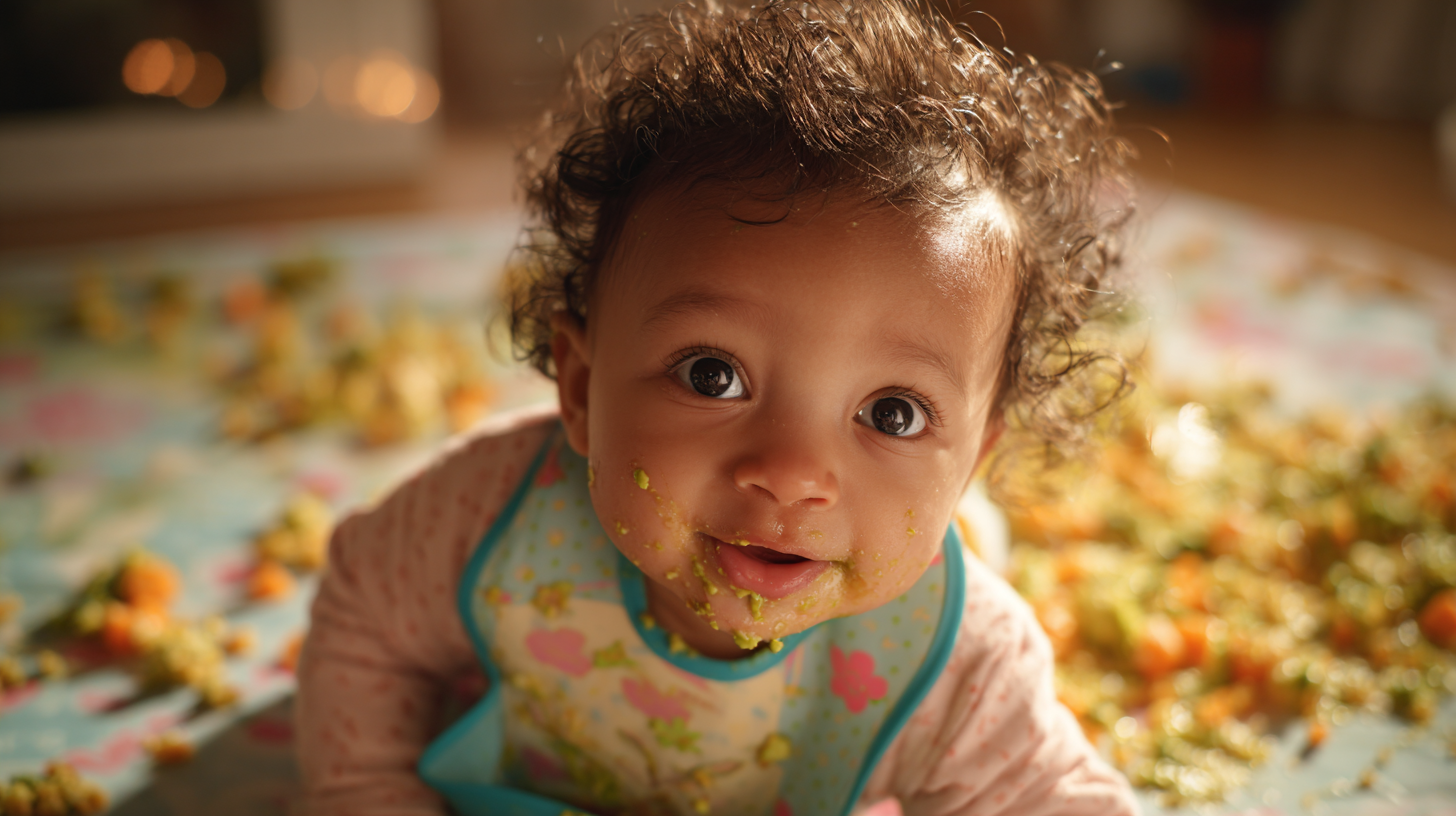
Let’s start with the truth that’ll change how you see every food-splattered wall: mess isn’t a side effect of learning to eat. Mess IS the learning.
When your baby squishes avocado between their fingers, they’re not being difficult—they’re conducting sensory research. Occupational therapists call this “sensory integration,” and it’s literally teaching their brain how to process different textures, temperatures, and consistencies. That squished mango? It’s preparing them to eventually tolerate foods they might otherwise refuse.
Research shows that babies who engage in messy play during feeding develop better sensory processing skills, stronger oral-motor coordination, and—here’s the kicker—are less likely to become picky eaters later. Every time you let your baby explore that bowl of plantain porridge with their hands instead of immediately wiping them clean, you’re investing in years of easier mealtimes ahead.
But here’s where it gets real: 72% of new mothers report that feeding their baby was significantly more challenging than anticipated. We’re not prepared for the volume of mess, the frequency of cleanup, or the mental load of constant vigilance. And when you add that to the fact that parents already feel like they’re failing about 156 times per year, the pressure becomes overwhelming.
The Mess Psychology Matcher
What’s your biggest mental block about mealtime mess?
So the question becomes: how do we honor the developmental necessity of mess while protecting our mental health and living spaces? That’s where strategic mess management comes in—not mess prevention, but mess wisdom.
The Caribbean Grandmother Principle: Work Smarter, Not Harder
My Jamaican grandmother had a saying: “You can’t stop the rain, but you can carry an umbrella.” She wasn’t talking about weather—she was talking about life with children.
Strategic mess management starts before the food even hits the high chair. It’s about creating containment systems that let your baby fully explore while keeping cleanup from consuming your entire day.
The Foundation Layer: Splat Mats
Think of splat mats as umbrellas for your floor. The market has evolved significantly—gone are the flimsy blanket-style mats that slide around. Modern waterproof mats with non-slip grip-dot backing stay in place even during the most enthusiastic food launches. Look for mats that are at least 4-5 feet in diameter (trust me, babies have surprisingly good aim when throwing). The best ones fold up for outdoor meals and can either be wiped clean with a damp cloth or tossed in the washing machine.
One parent reported that switching from constantly sweeping to using a large splat mat reduced her post-meal cleanup from 15 minutes to 3 minutes. That’s an hour saved per day. An hour you can spend doing literally anything else—including sitting down with a cup of coffee while the high chair stays messy during naptime.
The Catch-All System: Bibs That Actually Work
Cloth bibs are adorable. They’re also completely useless for messy eaters. Silicone bibs with wide, stay-open pockets are the gold standard for one simple reason: they catch food that would otherwise hit the floor, and they’re dishwasher safe.
Look for bibs with snap closures or magnetic fasteners that your baby can’t easily remove. Some parents swear by full-coverage apron-style bibs (like the Bapron Baby style) that protect clothing entirely. When my daughter started eating curry-spiced pumpkin puree, these saved every single outfit from permanent turmeric staining.
The Forgotten Hero: Strategic Cloth Rotation
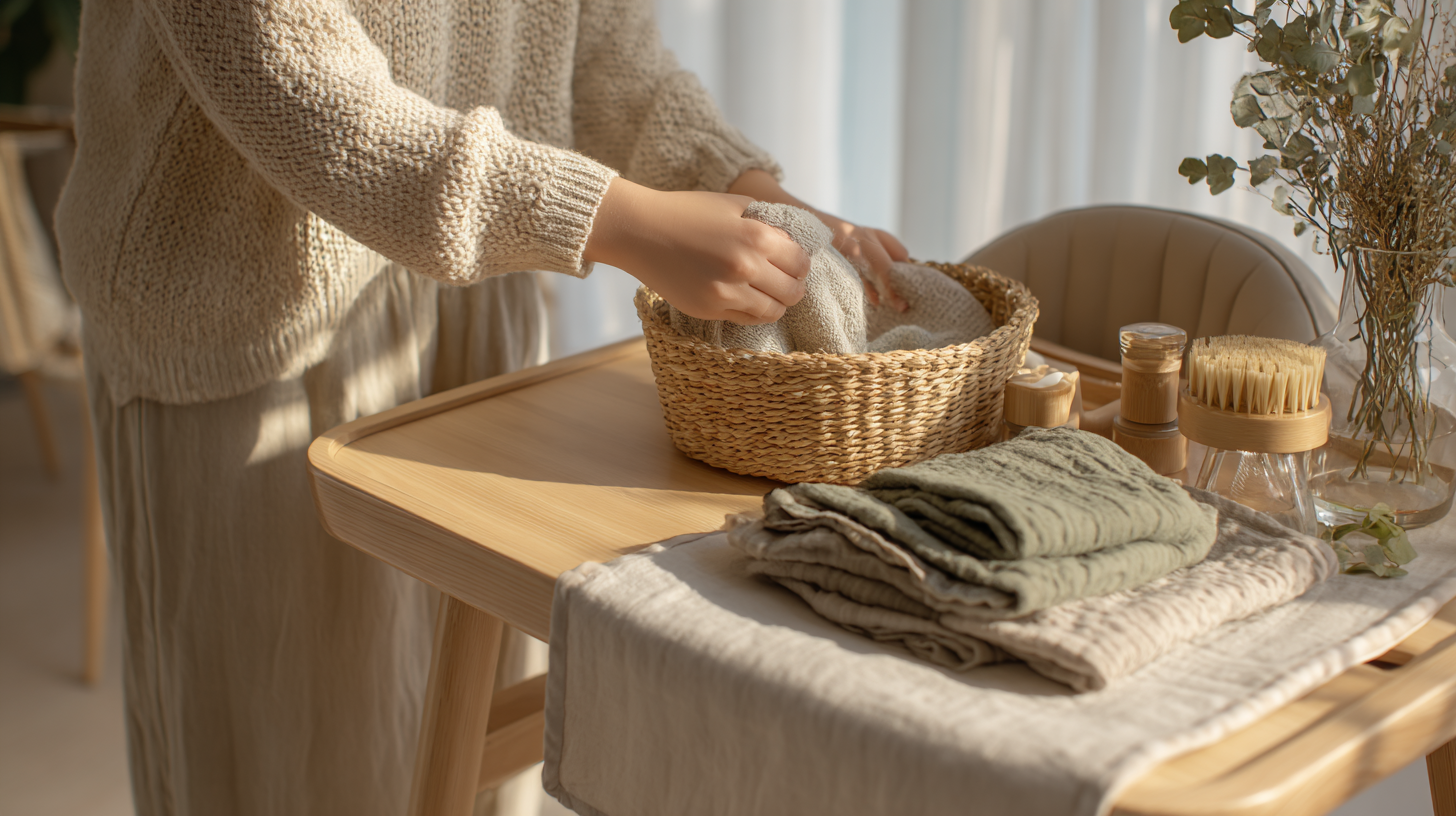
One of the most practical tips from experienced parents: keep a stack of 15-20 microfiber cloths in your kitchen. Use them once, toss them in a designated bin, wash them in batches. This eliminates the paper towel waste (both environmental and financial) and gives you an endless supply of wipe-down tools. Some parents keep a spray bottle of water mixed with a tiny bit of dish soap for quick spray-and-wipe cleanups.
The Timing Trick That Changes Everything
Here’s where Caribbean practicality meets modern child development research: when you clean up matters as much as how you clean up.
Research consistently shows that wiping your baby’s face and hands during meals interrupts sensory exploration and can create negative mealtime associations. Babies need to touch, squish, and yes, smear food to learn about it. When we constantly intervene, we’re sending the message that exploration is wrong.
The solution? Save ALL cleanup until after the meal concludes. Let your baby be fully messy during eating time. Then, when they’re clearly done (turning away, pushing food, getting fussy), end the meal and transition to cleanup as a completely separate activity.
⏰ Your Perfect Cleanup Schedule Builder
When does your messiest meal happen?
Many parents have found that scheduling their messiest meals right before bath time is transformative. When dinner happens 30 minutes before bath, you can let your baby get fully covered in food—because it doesn’t matter. They’re going straight into water anyway. This removes the stress of constant wiping and actually makes meals more enjoyable for everyone.
One parent described it perfectly: “My son can have coconut rice in his hair, and I don’t even flinch anymore. Bath time is coming. It’s all temporary.”
Teaching Cleanup: When Your Tiny Human Becomes Your Helper
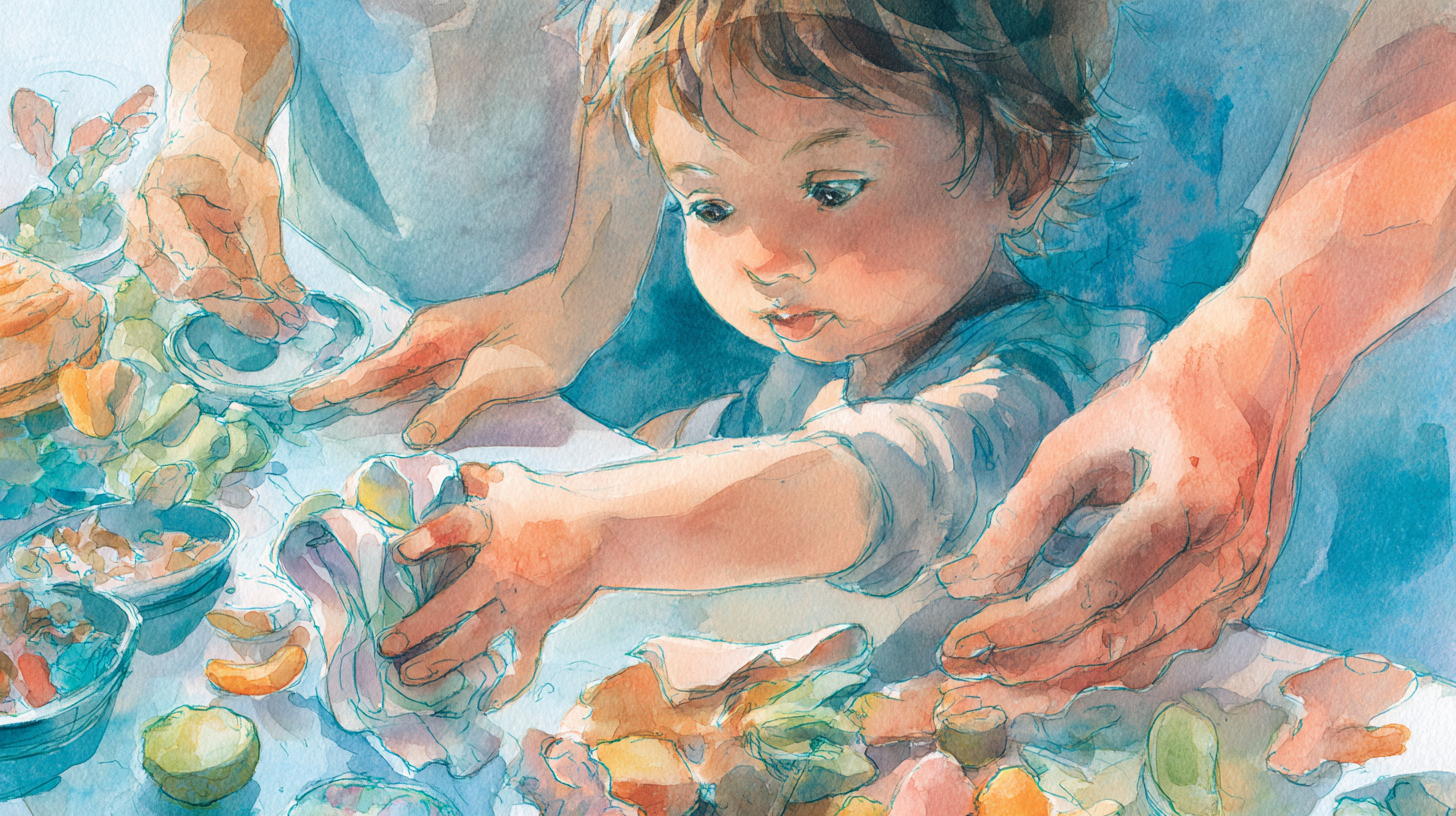
Here’s something fascinating from child development research: babies as young as 18 months can participate in cleanup, and doing so actually supports their prosocial development. But—and this is crucial—the goal isn’t perfect cleaning. The goal is participation.
Studies on early helping behaviors show that children who are involved in household tasks (even when they’re “unhelpfully helpful”) develop stronger executive function skills and greater sense of competence. The key is offering age-appropriate tasks that feel successful, not overwhelming.
18-24 months: Wiping their tray with a damp cloth (it won’t be clean—that’s fine), bringing their empty dish to the counter with supervision, putting used bibs in a designated bin.
2-3 years: Wiping up spills with help, putting items in the correct bins (food scraps in compost, dishes in sink), helping wipe down their chair.
3-4 years: Actual helpful cleaning—wiping tables, setting and clearing their place setting, even helping prep their next meal.
The secret? Make it playful, not punitive. “Can you help the spoon jump into the sink?” works better than “Clean up this mess you made.” Framing cleanup as teamwork rather than consequence keeps it positive.
One Caribbean tradition that works beautifully: singing cleanup songs. My grandmother used to sing while we cleaned, turning the task into a game. Now when my daughter helps wipe her tray, we sing a little made-up tune about “washing the food away.” She thinks it’s hilarious. I think it’s genius.
Your Mess Tolerance Score
Discover your mess management personality and get your custom survival guide
How do you feel when you see food on the floor during meals?
Your high chair cleaning routine is:
The Foods That Forgive (And the Ones That Don’t)
Not all foods create equal mess—and more importantly, not all foods create equal cleanup challenges. Understanding which foods are “high-maintenance” helps you make strategic choices about when to serve them.
Easy-Cleanup Champions:
- Bananas (wipe clean easily, minimal staining)
- Steamed vegetables like carrots and green beans (solid pieces, easy to pick up)
- Plain rice (sweeps up cleanly when dry)
- Scrambled eggs without added sauces (protein wipes clean)
- Plain sweet potato (comes off surfaces easily when fresh)
The Stubborn Ones (Save for Pre-Bath Meals):
- Anything with turmeric or curry powder (stains everything permanently—learned this the hard way with my favorite Geera Pumpkin recipe)
- Tomato-based sauces (stain clothing and surfaces)
- Berries, especially blueberries (tiny purple fingerprints everywhere)
- Porridge or oatmeal once dried (becomes cement-like)
- Sticky fruits like mango (leaves residue that requires actual scrubbing)
- Avocado (stains and oxidizes, turning brown on everything)
Strategic meal planning means serving easy-cleanup foods when you’re rushed or stressed, and saving the high-maintenance foods for times when you have more flexibility—like right before bath time or on weekends when you have help.
Some parents take this even further: they dress their babies in “food clothes” for meals (old onesies they don’t care about) or feed them in just a diaper and bib during particularly messy meals. This isn’t lazy parenting—this is strategic parenting.
When Mess Becomes More Than Mess: Knowing Your Limits
Here’s something we don’t talk about enough: the connection between household chaos and mental health is real, documented, and significant.
Research shows that living in cluttered environments can increase stress levels by 27%, affect memory and impulse control, and contribute to feelings of overwhelm. For parents already experiencing depression or anxiety, inability to maintain basic cleaning tasks may indicate a concerning mental health situation that needs professional support.
The question becomes: how do you distinguish between normal “life with a baby is messy” versus “I’m drowning and need help”?
Some signs that mess has crossed from developmental necessity to mental health concern:
- You’re unable to clean up even hours after meals end
- Food mess is spreading to other areas of your home and staying there
- You feel paralyzed by the thought of mealtimes
- You’re avoiding feeding your baby certain foods purely to avoid cleanup
- You’re experiencing intrusive thoughts about the mess
- The mess is affecting your sleep or causing panic symptoms
If you’re nodding your head to several of these, please hear this: getting help is not weakness. Forty-five percent of parents report handling more parenting responsibilities than their partners, and the unequal burden of household management is contributing to significant parental burnout.
Whether that help looks like therapy, medication, hiring a cleaning service, demanding more equitable division of labor from your partner, or joining a support group—it’s all valid. Your mental health matters just as much as your baby’s developmental needs.
One parent shared: “I finally admitted to my doctor that I was having intrusive thoughts about the mess. She diagnosed me with postpartum anxiety. Getting treated didn’t just help with the mess anxiety—it helped with everything. I wish I’d spoken up sooner.”
Letting Go: The Hardest and Most Important Skill
At the end of the day—or more accurately, at the end of this messy, chaotic, beautiful feeding phase—the biggest skill we need to develop isn’t better cleaning techniques. It’s better mess tolerance.
Research on parental perfectionism shows it’s strongly linked to depression, anxiety, and decreased parenting satisfaction. Learning to tolerate imperfection isn’t just nice—it’s necessary for your wellbeing and your child’s development.
My grandmother used to say, “A clean house is a sign of a wasted life.” She didn’t mean we should live in filth—she meant that if your house is always perfect, you’re missing the living that happens in imperfection. The sticky fingerprints on the wall, the splattered high chair tray, the sweet potato in unexpected places—these are evidence of a child exploring their world.
When researchers interviewed people at the end of their lives about their regrets, not a single person said, “I wish my kitchen had been cleaner when my kids were small.” They regretted missing moments. They regretted not being present. They regretted chasing external validation instead of internal peace.
Your baby will be in a high chair for such a short time. The mess phase is temporary. But the relationship you build during meals—whether it’s stressed and focused on cleanliness or relaxed and focused on connection—that lasts forever.
Your 30-Day Mess Tolerance Challenge
Pick your starting point and commit to 30 days of practice
Gentle Start
Delay high chair cleanup by 30 minutes after one meal per day
Building Strength
No wiping baby’s face/hands during meals; cleanup only at meal end
Full Practice
Deep clean high chair only once daily; embrace all mealtime mess
The Real Victory
Six months ago, I would have told you that my biggest parenting struggle was the mess. The constant cleaning. The feeling that I could never catch up. The anxiety that my home looked like a disaster zone.
Today? The mess is still here. My daughter still gets food everywhere. I still find dried rice in impossible places.
But something fundamental changed: I stopped seeing the mess as the problem.
The real problem was my relationship with imperfection. My belief that a good parent keeps a clean house. My fear of judgment. My perfectionist programming that said mess equals failure.
Now when I see plantain smashed into the high chair cushion, I think: “She was exploring texture today. She’s learning.” When there’s coconut rice scattered across the floor, I think: “Her pincer grasp is getting stronger—look how many pieces she picked up before dropping them.”
The mess hasn’t changed. I have.
And that shift—from fighting the inevitable to accepting the temporary—has given me something more valuable than a clean kitchen. It’s given me presence. Peace. The ability to actually enjoy mealtimes instead of white-knuckling my way through them.
Your baby is going to make a mess. That’s not a problem to solve—it’s a phase to survive with strategic tools and mindset shifts. The splat mats, the bibs, the timing tricks, the cleanup systems—these aren’t about achieving perfection. They’re about creating enough containment that you can relax into the chaos.
Because here’s the truth that nobody can tell you loud enough: this phase is temporary, but the memories you create during it last forever. Your child won’t remember whether the kitchen was clean. They’ll remember if you were stressed and distant, or present and warm.
You’re not maintaining your home during these months—you’re building a human. And humans are messy. Gloriously, developmentally, necessarily messy.
So let the sweet potato stay in their hair until bath time. Let the high chair be sticky during naptime. Let the splat mat do its job. Save your energy not for maintaining perfection, but for being present in imperfection.
That’s where the real parenting happens. That’s where the real life happens.
And when this phase ends—and I promise you, it ends—you won’t miss the mess itself. But you might miss the small human who created it, the one who’s growing up faster than you can believe, the one who needed to squish and smear and explore to become who they’re meant to be.
Clean up smart. Let go of perfect. Be present for the mess.
That’s the real victory.

Kelley's culinary creations are a fusion of her Caribbean roots and modern nutritional science, resulting in baby-friendly dishes that are both developmentally appropriate and bursting with flavor. Her expertise in oral motor development and texture progression ensures that every recipe supports your little one's feeding milestones while honoring cultural traditions.
Join Kelley on her flavorful journey as she shares treasured family recipes adapted for tiny taste buds, evidence-based feeding guidance, insightful parenting anecdotes, and the joy of celebrating food, culture, and motherhood. Get ready to immerse yourself in the captivating world of Kelley Black and unlock the vibrant flavors of the Caribbean for your growing baby, one nutritious bite at a time.
- The Feeding Revolution: Why Your Everyday Meals Are Changing the World - October 13, 2026
- Your Feeding Story Matters More Than The “Perfect” One Online - October 12, 2026
- Looking Forward: Stepping Into Your Confident Feeding Future - October 11, 2026