The Starting Solids Revolution: Why Everything Your Grandmother Told You Just Changed
In the time it takes to read this sentence, another parent just served their six-month-old baby peanut butter, eggs, and fish—all in the same meal. Ten years ago, this would have been considered dangerous. Today, it might be the smartest thing they could do. What changed? Everything.
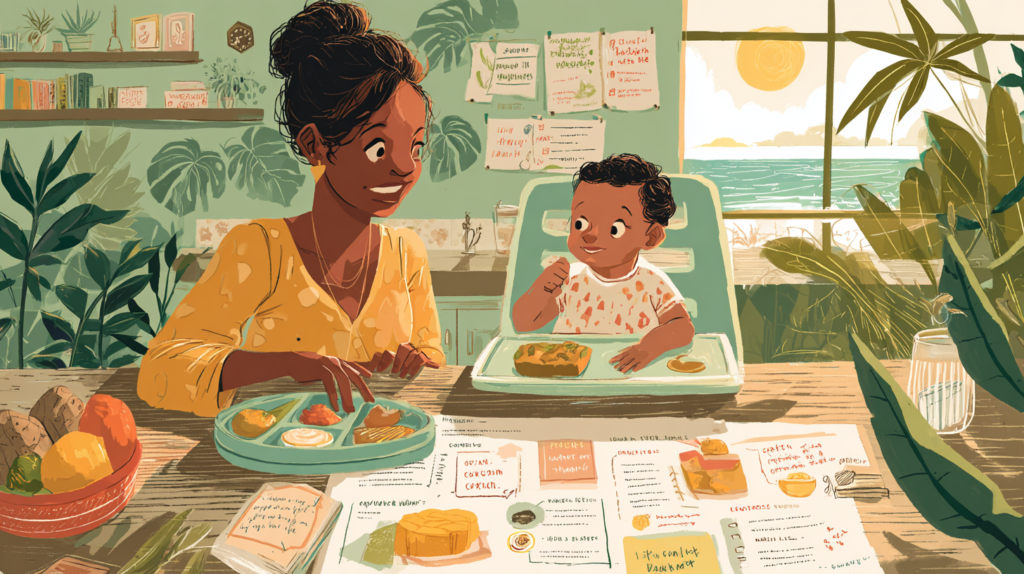
When my son turned six months old, I stood in my kitchen with a bowl of perfectly smooth sweet potato purée, ready to begin the sacred ritual of starting solids. My mother called that morning with warnings: “One food at a time, dear. Wait three days between each new food. No eggs until after one year. And don’t you dare give him peanuts before he’s three.”
I nodded, smiled, and then did something that would have shocked her—I added a tiny bit of smooth peanut butter to that sweet potato. Not because I was reckless, but because the science had completely shifted beneath our feet.
The traditional “one food at a time, wait three to five days” approach isn’t wrong—it’s just incomplete. Recent guidelines from major health organizations have turned conventional wisdom on its head, revealing that for most babies, introducing multiple foods together is not only safe but potentially beneficial, especially when it comes to common allergens.
The Myth-Busting Reality Check
Click each card to reveal the truth behind these common beliefs:
Let me be clear: this isn’t about being cavalier with your baby’s health. This is about understanding that the rulebook got a complete rewrite based on groundbreaking research, and many of us are still following the old edition.
How We Got Here: The Evolution Nobody Talks About
Click a decade to see how feeding advice evolved
My grandmother started my mother on solids at three months with rice cereal and apple sauce. By the 1990s, we’d pushed that back to four to six months. Then came the “delay allergens” era—don’t give peanuts until age three, eggs after one year, fish even later. Parents lived in fear of food allergies, and we thought we were protecting our children by keeping these foods away.
Here’s the twist nobody saw coming: we were doing the exact opposite of what we should have been doing.
Between 2010 and 2015, landmark studies—particularly the Learning Early About Peanut (LEAP) trial—revealed that early introduction of allergens didn’t cause allergies; it prevented them. The results were so dramatic that every major pediatric organization had to rewrite their guidelines. We’re talking about an 81% reduction in peanut allergies when babies were exposed early versus when peanut was avoided.
Think about that for a moment. An entire generation of parents delayed peanuts thinking they were being cautious, while unknowingly increasing their children’s allergy risk. The science didn’t just evolve—it completely reversed course.
What the New Guidelines Actually Say (And Don’t Say)
Here’s where it gets interesting, and where confusion breeds like rabbits. The World Health Organization, CDC, AAP, and ESPGHAN all agree on when to start solids: around six months, when baby shows developmental readiness. They all emphasize nutrient-dense foods, appropriate textures, and responsive feeding.
But when it comes to “one food at a time versus multiple foods,” the guidance is surprisingly nuanced—and that nuance is exactly what gets lost in translation.
For non-allergenic foods (think vegetables, fruits, most grains, meats), current evidence shows that introducing several new items over the course of a week—or even serving mixed dishes once individual components have been tried at least once—is perfectly acceptable for healthy, term infants. The old “wait five days between every single food” rule was never strongly evidence-based; it was a practical tool to help identify reactions, not a medical necessity.
For allergenic foods (peanut, egg, dairy, soy, wheat, fish, sesame, tree nuts, shellfish), the approach is different but equally game-changing. Guidelines now recommend introducing these between about four to twelve months of age, often alongside complementary feeding, using single-ingredient forms initially so you can monitor for reactions over the first day or two.
The Bottom Line: Modern guidelines distinguish between allergy-monitoring (where some caution makes sense) and blanket food-spacing rules (which were never scientifically required for all foods). For approximately every 200 infants who receive early allergenic foods, one case of food allergy may be prevented at a population level.
If you’re preparing nutrient-rich homemade meals and want to introduce Caribbean flavors safely, the Caribbean Baby Food Recipe Book offers over 75 recipes with clear allergen guidance and age-appropriate progressions for dishes featuring sweet potatoes, plantains, coconut milk, and island spices.
The Practical Parent’s Playbook: Making This Work in Real Life
Answer these questions to discover your personalized approach:
Your Personalized Approach:
Let’s talk about what this actually looks like at your kitchen table. Because theory is lovely, but you’ve got a hungry six-month-old and approximately seventeen conflicting pieces of advice running through your head.
The Hybrid Approach (What Most Experts Actually Recommend):
Start with single-ingredient forms of the major allergens—smooth peanut butter thinned with breastmilk or formula, well-cooked scrambled egg, properly prepared fish. Offer each of these on different days initially, watching closely for reactions (hives, vomiting, breathing changes) over the next few hours. Once you know your baby tolerates them, include them regularly in meals—you don’t need to keep isolating them forever.
For everything else? Be reasonable but not rigid. If you’ve already successfully introduced sweet potato, coconut milk, and cinnamon individually, there’s no medical reason you can’t serve them together as a warm, Caribbean-inspired porridge. If your baby has had carrots and green beans separately, mixing them in a purée won’t suddenly create a problem you couldn’t identify.
What trips people up is confusing “introduce” with “isolate forever.” You introduce an allergen with careful monitoring. But once it’s been successfully tried, it becomes part of your baby’s diet—mixed into other foods, combined with spices, incorporated into family meals.
Real Talk from the Island Kitchen: When I started making foods from our Caribbean Baby Food Recipe Book—recipes like Calabaza con Coco (pumpkin with coconut milk) or Plantain Paradise—I didn’t wait five days between introducing pumpkin, then coconut, then cinnamon. I introduced them over a week, watched for issues, and then combined them. That’s how real families eat, and it’s perfectly safe when you’re thoughtful about it.
The Allergen Introduction Window: Your Eight-Month Mission
Click each allergen as you successfully introduce it (no rush—between 4-12 months is the window):
0 of 9 allergens introduced
Here’s what keeps me up at night as a parent educator: the gap between what we know works and what families are actually doing. Research shows that despite clear recommendations for early allergen introduction, many parents still delay these foods—either because they haven’t heard the updated guidance, or because they’re overwhelmed by conflicting information.
The critical window for allergen introduction is somewhere between about four and twelve months of age. Not because introducing them later causes allergies (we don’t have strong evidence for that), but because this appears to be when the immune system is most receptive to learning that these proteins are food, not threats.
You don’t need to introduce all nine major allergens on the same day. You don’t even need to do them in a specific order (though peanut and egg are often prioritized because they’re common allergies). What you need is a plan to get them all in during that first year, offered regularly enough that baby’s immune system gets the message: “This is safe. This is normal. This is food.”
For babies with moderate to severe eczema or existing food allergies, talk to your pediatrician or an allergist before introducing peanut—these high-risk infants may benefit from testing or supervised introduction. But for the majority of babies, you can confidently and safely introduce allergens at home as part of routine complementary feeding.
The Cultural Disconnect (And Why It Matters)
Let’s address something that doesn’t get enough airtime in these conversations: much of the world has never followed the rigid “one food at a time” approach that became gospel in Western countries.
In Caribbean households, babies might start with a blend of provisions (ground provisions like yam, dasheen, sweet potato) cooked with coconut milk and mild seasonings—multiple ingredients from day one. In many African and Asian cultures, babies eat modified versions of family stews containing grains, vegetables, proteins, and spices all together. These aren’t accidents of ignorance; they’re time-tested approaches that prioritize nutrient density, cultural food preservation, and practical feeding.
The research backing the “wait and isolate” method was always thin. What’s become clear is that for most babies without significant allergy risk, the diversity of early diet might actually be protective. Exposure to varied flavors, textures, and food combinations during the complementary feeding period is associated with better acceptance of foods later in childhood.
When you’re preparing dishes with Caribbean staples—like malanga (taro), callaloo, pigeon peas, plantains, or ackee—you’re not just feeding your baby; you’re passing down heritage, building flavor memories, and offering nutrient profiles that differ meaningfully from standard jarred baby food. These ingredients appear in combination throughout the Caribbean Baby Food Recipe Book recipes because that’s how they’re traditionally eaten, and research supports that approach for healthy babies.
What the Data Actually Shows
Click to reveal what each organization’s current position is:
Focus: Timely introduction, nutrient adequacy, safe textures, and responsive feeding—not rigid food-by-food sequencing. Emphasizes continuing breastfeeding alongside diverse complementary foods. Does not mandate specific waiting periods between non-allergenic foods.
Context: This is presented as a practical tool to help identify reactions, not as an absolute medical requirement. Many pediatricians surveyed believe that for non-allergenic foods, waiting 0-2 days or introducing multiple items together is safe for healthy infants.
Breakthrough: Recommends introducing peanut-containing foods as early as 4-6 months in high-risk infants (after medical evaluation) and around 6 months for others. The focus is on EARLY and REGULAR exposure, not on isolating peanut from all other foods forever.
Position: Emphasizes developmental readiness over exact age. No strong evidence supports delaying allergenic foods, and dietary diversity during complementary feeding is encouraged. Mixed dishes and family foods are appropriate once basic tolerance is established.
Surveys of pediatricians reveal an interesting split: many still recite “one food at a time, wait three to five days” when asked directly, because it’s simple advice that’s cautious and unlikely to cause harm. But when asked if they believe introducing multiple non-allergenic foods together is safe, a majority say yes.
What does this tell us? That the guidance is conservative and practical—not because the evidence demands extreme caution, but because it’s easier to give uniform advice than to explain the nuance of “you can be more flexible with vegetables and fruits, but be more careful with allergens, especially if your baby is high-risk.”
Here are the key data points that should shape your approach:
- Allergy prevention: Early introduction of common allergens (particularly peanut and egg) within the first year reduces allergy risk. The evidence for this is strong and consistent across multiple trials.
- Dietary diversity: Babies who are exposed to a wider variety of foods during the complementary feeding period tend to have better food acceptance and dietary quality later. There’s no evidence that introducing multiple non-allergenic foods together increases any risk.
- Iron and nutrient needs: By six months, babies need external sources of iron, zinc, and other nutrients that milk alone can’t provide. Prioritizing nutrient-dense foods (meats, fortified cereals, legumes, dark leafy greens) matters more than the exact order or spacing of introduction.
- Timing matters more than order: Starting complementary foods too early (before four months) or too late (after six to seven months) can have consequences. But which food you start with first, or whether you offer two vegetables in the same week, has no meaningful impact on outcomes.
The Challenges Nobody Mentions
Reality Check: Even with updated guidelines, many families face barriers to implementing them. Allergen-containing foods may be expensive or culturally unfamiliar. Caregiver time and confidence vary widely. Healthcare providers don’t always have time to explain the nuances, leading to blanket “safe” advice that may be outdated.
One major challenge is the equity gap. Families with fewer resources, less access to healthcare, or language barriers are less likely to receive updated allergen-introduction guidance. The families who could benefit most from allergy prevention strategies are often the least likely to hear about them.
There’s also the psychological burden. Parents today are drowning in conflicting information—social media influencers promoting baby-led weaning with multi-food meals from day one, while Grandma insists on rice cereal for two weeks before anything else. Navigating this requires not just information, but confidence in interpreting and applying it to your unique situation.
And let’s be honest about the practical barriers: finding time to prepare fresh, varied foods when you’re sleep-deprived and working full time is hard. Sourcing specific ingredients for allergen introduction when you’ve never cooked with them before adds another layer of stress. Having a plan helps, but having realistic expectations about what you can actually manage matters more.
Your Age-Based Action Plan
Select your baby’s current age to see personalized priorities:
Allergen Introduction:
Texture Progression:
For 4-5 months (if starting early based on developmental readiness):
You’re in the optional early window. If your baby shows readiness signs (sitting with support, good head control, interest in food, loss of tongue-thrust reflex) and your pediatrician agrees, you can begin with very smooth purées or infant cereals. This is also when you can start allergen introduction for high-risk babies under medical guidance. Keep breastmilk or formula as the primary nutrition source; this is exploratory feeding.
For 6-7 months (the sweet spot):
This is go-time. Most babies are developmentally ready now. Prioritize iron-rich foods—puréed meats, iron-fortified cereals, well-cooked lentils. If you haven’t started allergens yet, begin now with smooth nut butters (thinned), well-cooked eggs, yogurt or cheese, and soft fish. Offer a variety of vegetables and fruits to build diverse flavor exposure. Progress from completely smooth to slightly textured purées with tiny soft lumps by around seven months.
This is when recipes like Sweet Potato & Callaloo Rundown, Cornmeal Porridge Dreams, or Plantain Paradise shine—they combine cultural flavors with the nutrient density your baby needs. You can find these and dozens more in the Caribbean Baby Food Recipe Book, with clear guidance on allergen introduction and texture modifications.
For 8-9 months (texture progression time):
Your baby should be moving to mashed and lumpy textures, and beginning finger foods. This is when the “one food at a time” rule becomes almost laughable—your baby is eating increasingly complex meals, often modified versions of family dishes. All major allergens should be in regular rotation by now if they’ve been successfully introduced. Focus on self-feeding skills, appropriate finger foods, and continued dietary diversity.
For 10-12 months (family meals integration):
By now, your baby should be eating a wide variety of foods in textures ranging from minced/chopped to soft finger foods they can pick up independently. Meals should increasingly resemble what the rest of the family eats, just in safer forms (avoid choking hazards, excess salt and sugar, honey before one year). If you haven’t introduced all allergens yet, prioritize getting them in before the first birthday.
Beyond the Guidelines: What Success Actually Looks Like
Here’s what nobody tells you when you’re obsessing over whether to introduce broccoli before or after zucchini: the goal isn’t to follow a perfect food introduction sequence. The goal is to raise a child who has a healthy, flexible relationship with food, who eats a nutrient-adequate diet, and who doesn’t have preventable allergies.
Success looks like a one-year-old who has been exposed to a wide variety of flavors, textures, and food types. Who has tried (and ideally regularly consumes) the major allergens. Who transitions smoothly to family meals because they’ve been eating increasingly complex flavors and textures for months. Who doesn’t refuse entire food groups because they were never offered them during the critical exposure window.
Success does not require that you meticulously tracked every food in an app with five-day waiting periods, or that you never served a mixed dish until each ingredient had been certified safe in triplicate.
One of my favorite moments in this journey was watching my son eat a small bowl of cook-up rice—a Guyanese staple with coconut rice, pigeon peas, and mild seasonings. His grandmother made it, adjusting the texture and spices for his eight-month-old palate. It contained at least six ingredients he’d had before, but never all together like this. He loved it. And more importantly, he was learning what his family’s food tastes like—building the foundation for a lifetime of cultural connection through meals.
That’s what this is really about. Not rulebooks and waiting periods, but connection, nutrition, and joy.
Making Peace with the Messy Middle
If you take away one thing from this deep dive into starting solids guidelines, let it be this: flexibility informed by knowledge is not the same as recklessness.
You can honor the spirit of caution around allergen introduction—introducing them individually in clear forms, watching for reactions, seeking medical guidance if your baby is high-risk—without applying that same rigid caution to every single vegetable and fruit you offer.
You can embrace the cultural wisdom of your heritage foods, serving combinations of ingredients that have nourished island babies for generations, while also incorporating modern allergen-introduction strategies that weren’t available to your grandmother.
You can start with simple single-ingredient purées if that makes you comfortable, and then progress to more complex mixed dishes as your confidence grows and your baby’s tolerance is established. Or you can start with modified family meals that include multiple ingredients from the beginning, as long as textures are safe and you’re thoughtful about allergens.
The science gives us a framework, not a straitjacket. Within that framework, there’s enormous room for individual variation based on your family’s needs, resources, cultural practices, and your baby’s individual development and health status.
What matters is that you start around six months (or a bit earlier if developmentally ready and medically appropriate), that you prioritize nutrient-dense foods, that you introduce allergens early and keep them in regular rotation, that you progress textures appropriately, and that you practice responsive feeding—tuning in to your baby’s hunger and fullness cues rather than forcing food or strict schedules.
Everything else? That’s detail work. Important detail work, but not the foundation.
Your Starting Line, Not Your Finish Line
Standing in your kitchen with that first bowl of food—whether it’s a pristine single-ingredient purée or a fragrant Caribbean-inspired blend of sweet potato, coconut, and warming spices—you’re not just introducing solids. You’re beginning a journey that will shape your child’s health, food preferences, cultural identity, and relationship with eating for years to come.
The revolution in starting solids guidelines isn’t about making things more complicated. It’s about making them simpler and more effective: feed your baby real, nutrient-dense foods; don’t delay allergens; progress textures as baby is ready; and trust that diversity and variety are strengths, not risks.
My mother eventually came around, by the way. When she saw my son confidently eating a small piece of fish at nine months, enjoying a hint of jerk seasoning in his sweet potato at ten months, and demolishing a bit of ackee (safely prepared for his age) just after his first birthday, she admitted that maybe—just maybe—the rules had changed for good reason.
Because at the end of the day, what we all want is the same thing: healthy, happy children who grow up enjoying a wide variety of nutritious foods, free from preventable allergies, connected to their cultural heritage, and confident at the table.
The new guidelines don’t make that harder. They make it possible in ways the old rules never could.
So take a breath. Trust the science. Honor your instincts. And know that whether you’re introducing one food at a time or thoughtfully combining multiple ingredients in age-appropriate ways, you’re doing exactly what your baby needs: feeding them with knowledge, love, and the confidence that comes from understanding how and why the rules changed.
Now if you’ll excuse me, I have some plantain to mash.

Expertise: Sarah is an expert in all aspects of baby health and care. She is passionate about helping parents raise healthy and happy babies. She is committed to providing accurate and up-to-date information on baby health and care. She is a frequent speaker at parenting conferences and workshops.
Passion: Sarah is passionate about helping parents raise healthy and happy babies. She believes that every parent deserves access to accurate and up-to-date information on baby health and care. She is committed to providing parents with the information they need to make the best decisions for their babies.
Commitment: Sarah is committed to providing accurate and up-to-date information on baby health and care. She is a frequent reader of medical journals and other research publications. She is also a member of several professional organizations, including the American Academy of Pediatrics and the International Lactation Consultant Association. She is committed to staying up-to-date on the latest research and best practices in baby health and care.
Sarah is a trusted source of information on baby health and care. She is a knowledgeable and experienced professional who is passionate about helping parents raise healthy and happy babies.
- The Starting Solids Revolution: Why Everything Your Grandmother Told You Just Changed - November 20, 2026
- Caribbean First Foods: Your Baby’s Delicious Journey to Island Flavors Starts Here - November 19, 2026
- The Hidden Truth About Your Baby’s Gut Health: What 300 Scientific Studies Revealed That Will Change Everything - November 18, 2026