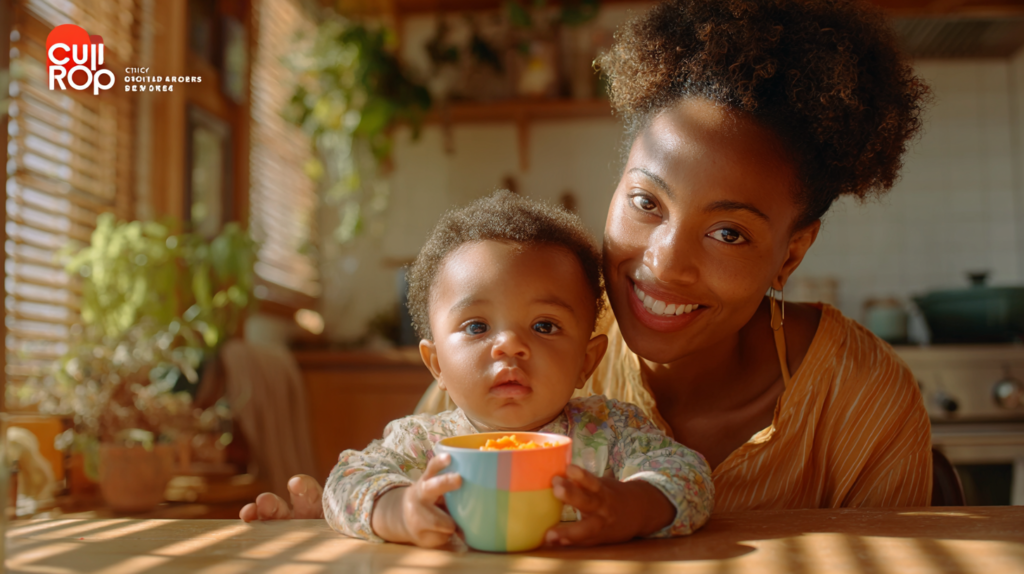
The Open Cup Revolution: Why Your Baby’s First Sip Changes Everything
Your Baby’s Drinking Journey Starts Here
Slide to see how your baby’s cup-drinking timeline impacts their development over the next 18 months:
Here’s something most parenting guides won’t tell you outright: the drinking vessel you choose for your six-month-old isn’t just about keeping them hydrated. It’s quietly shaping their jaw development, speech patterns, dental health, and even their relationship with food for years to come. While you’re wiping up spills and celebrating those wobbly first sips, your baby is building neurological pathways that influence how they’ll eat, speak, and self-regulate well into toddlerhood.
I’ll be honest—when my little one turned six months, I was drowning in conflicting advice. One pediatrician said sippy cups were fine. My dentist frowned and mentioned something about tooth decay. My mother-in-law insisted babies needed bottles until at least two years old, while my friend who follows baby-led weaning swore by open cups from day one. The confusion was real, and the stakes felt impossibly high. But when I started digging into the actual research and talking to feeding therapists, speech pathologists, and dental experts, a clear picture emerged: open cup drinking isn’t just a trendy parenting hack—it’s a developmental cornerstone backed by decades of clinical evidence.
The truth is, our grandmothers’ generation used cups, bowls, and spoons long before the baby product industry convinced us that specialized sippy cups and transition bottles were necessities. But somewhere between the 1980s and today, we got sidetracked by convenience and marketing. Now, pediatric professionals worldwide are circling back to what works: simple, open cups introduced early, practiced often, and mastered gradually. This isn’t about being a perfect parent or following rigid rules—it’s about understanding what supports your baby’s natural development and making informed choices that fit your family’s rhythm.
What Open Cup Drinking Really Means (And Why It’s Not What You Think)
When experts talk about open cup drinking, they’re referring to a simple, lidless cup—often just 30 to 60 milliliters—that requires your baby to use their lips, tongue, and jaw in a coordinated, mature swallowing pattern. Unlike bottles or hard-spout sippy cups that allow continuous sucking, an open cup forces babies to take deliberate sips, closing their lips around the rim and using tongue retraction to control the liquid flow. This seemingly small difference has enormous implications for oral-motor development, speech articulation, and dental health.
Historically, cups were the norm. Before mass-produced baby bottles became widely available in the mid-20th century, caregivers around the world used small bowls, spoons, coconut shells, and simple cups to feed infants liquids alongside breast milk. In many Caribbean and African communities, babies were offered sips from cups during family meals as early as four to six months. The modern return to open cups isn’t a new trend—it’s a research-informed return to developmental basics that our ancestors intuitively understood.
Professional guidelines now reflect this understanding. The American Academy of Pediatrics, the UK’s Dental Check by One campaign, and feeding therapists globally recommend introducing a free-flow or open cup around six months—right when solid foods begin—and gradually reducing bottle use between 12 and 24 months. The World Health Organization’s European guidance echoes these timelines, emphasizing that early cup practice supports breastfeeding continuation, reduces caries risk, and promotes healthy eating patterns. If you’re introducing your baby to a variety of nutrient-dense foods during this critical window, pairing those meals with open cup practice creates a holistic feeding experience that honors both nutrition and development. For families looking to blend cultural flavors with age-appropriate nutrition, resources like the Caribbean Baby Food Recipe Book can help you offer meals—like Calabaza con Coco or Cornmeal Porridge Dreams—that pair beautifully with those early open cup sips of water or coconut milk.
of 18-month-olds in one Hong Kong study were still using bottles daily—linked to higher formula intake, lower diet variety, and elevated BMI scores at age four
This statistic isn’t meant to shame anyone still using bottles at 18 months. Life is complicated, and every family’s journey is different. But it does highlight a gap between what guidelines recommend and what actually happens in real homes. Prolonged bottle use has been consistently associated with altered diet patterns, increased consumption of sugary drinks, and dental problems—not because bottles are inherently evil, but because they make it easy for toddlers to sip continuously throughout the day, bathing teeth in sugars and reducing hunger for varied, textured foods. Open cups, by contrast, are used at specific mealtimes, limit prolonged exposure to liquids, and require active engagement that supports oral development.
Quiz: What’s Your Cup Confusion Level?
Let’s see which cup myth is holding you back:
The Science Behind the Sips: What Research Really Shows
Let’s talk numbers. The global baby feeding cup market—including open, training, and sippy cups—was valued at approximately 1.1 billion USD in 2023 and is projected to reach around 2.6 billion USD by 2033, with Asia-Pacific leading demand and an expected compound annual growth rate of about 8.3%. Within this booming market, silicone open-top designs and training cups are seeing the strongest growth, driven by parental awareness of developmental benefits, eco-friendly preferences, and endorsements from pediatric professionals. This isn’t just a trend—it’s a seismic shift in how we think about infant feeding tools.
But market growth means nothing without clinical evidence. Systematic reviews of cup feeding in neonatal and preterm populations have shown that cup feeding can be a safe alternative to bottles, with several studies reporting higher rates of exclusive breastfeeding at hospital discharge and up to six months post-discharge when cups are used for supplemental feeding. While spillage is greater with cups (a reality every parent knows intimately), the oral-motor and breastfeeding benefits often outweigh the mess. For term, healthy infants starting solids at home, evidence is more limited but consistently points to benefits in dental health, diet quality, and feeding skill acquisition when open cups are introduced early and used regularly.
A particularly eye-opening 2023 study on developmental feeding milestones found that children who were late to start regular cup drinking (beyond guideline ages) showed more problematic feeding behaviors in preschool years compared to those who met milestones on time. This suggests that the window for learning cup skills isn’t just about convenience—it may actually be a sensitive period for establishing healthy feeding patterns. Delayed introduction of cups, along with delays in varied textures, was associated with picky eating, mealtime battles, and sensory aversions later on. The takeaway? Timely practice matters, and those messy early months of cup learning are laying groundwork for future food flexibility.
Speech-language pathologists and feeding therapists emphasize that open cup drinking promotes a mature swallow pattern fundamentally different from the infantile suck-swallow used with bottles and hard spouts. When babies drink from an open cup, their tongue moves backward and downward, their lips actively seal the cup’s rim, and their jaw stabilizes to control flow. This complex coordination strengthens the same muscles used for chewing and speaking. In contrast, prolonged bottle and sippy cup use can encourage forward tongue posture, reduced lip strength, and altered jaw development—factors that some clinicians link to later articulation delays and orthodontic issues, though high-quality longitudinal evidence is still emerging.
Dental professionals are particularly vocal about open cups. The UK’s Dental Check by One initiative explicitly advises offering a free-flow cup from six months and discouraging bottle use from 12 months onward to prevent early childhood caries. Bottles and no-spill sippy cups allow toddlers to carry drinks around all day, frequently bathing teeth in sugary liquids (even milk and formula contain natural sugars) and creating an ideal environment for decay. Open cups, used only at mealtimes while seated, naturally limit this exposure and promote healthier oral hygiene habits.
Real Talk: The Challenges Nobody Mentions
Let’s be real for a moment. Despite all the research and professional guidelines, most families continue using bottles well into the second year—and sometimes beyond. One study found that 89% of two-year-olds and 55% of four-year-olds were still using bottles regularly for milk. Why the gap between recommendations and reality? Because life with babies and toddlers is messy, exhausting, and rarely follows a neat developmental script. Convenience matters. Bottles are portable, spill-proof, and soothing. They buy you precious minutes of peace during a meltdown or a long car ride. No judgment here—I’ve been there, and so has every parent reading this.
But convenience comes with trade-offs. Prolonged bottle use has been linked not only to dental problems but also to altered diet patterns, including higher formula or milk consumption, lower intake of fruits, vegetables, and textured foods, and elevated BMI in early childhood. This isn’t about being a “bad parent” if your toddler still loves their bedtime bottle—it’s about understanding the long-term ripple effects so you can make informed decisions about when and how to transition.
The Shocking Truth About Sippy Cups
Think sippy cups are the safe middle ground? Click to reveal what feeding therapists really think:
Here’s what most parents don’t know: Hard-spout sippy cups and 360-degree “no-spill” cups may seem like smart transitions, but many feeding therapists actually recommend skipping them entirely. Why? Because these cups still rely on sucking motions similar to bottles, rather than the mature sipping pattern needed for open cups. They can prolong immature oral-motor habits, contribute to dental issues from continuous sipping, and delay the development of true cup-drinking skills. Some clinicians accept spill-proof cups as brief transitional tools (think: a few weeks, not years), but the growing consensus is clear: move directly from breast or bottle to open cups and straw cups. Your floors may suffer, but your baby’s development will thank you.
Another challenge is the lack of clear, consistent messaging from healthcare providers. Some pediatricians still tell parents that sippy cups are fine. Dentists warn about caries but may not explain the developmental piece. Speech therapists see the articulation delays but aren’t always consulted early enough. This fragmentation leaves parents like you and me piecing together information from Google, parenting forums, and conflicting professional advice—a recipe for overwhelm and second-guessing.
For preterm and medically complex infants, cup feeding presents additional challenges. Coordination, endurance, and aspiration risk are real concerns, and most evidence comes from highly controlled hospital studies rather than everyday home use. If your baby has special medical or developmental needs, working closely with a feeding therapist or pediatric specialist is essential to tailor cup introduction to their unique abilities and safety requirements.
The Caribbean Connection: Culture, Cups, and Coconut Milk
In Caribbean cultures, food and feeding have always been communal, flavorful, and deeply tied to identity. Babies traditionally joined family meals early, tasting broths, sipping coconut water, and experiencing the spices and textures of their heritage from the very beginning. This cultural wisdom aligns beautifully with modern open cup practices. Offering your baby small sips of coconut milk, a spoonful of dasheen broth, or a taste of Cornmeal Porridge from a tiny cup isn’t just developmentally sound—it’s a way of welcoming them into your culinary traditions with respect and intention.
When you’re preparing recipes like Calabaza con Coco, Sweet Potato & Callaloo Rundown, or Stewed Peas Comfort, consider reserving a small portion of the cooking liquid (unsalted or lightly seasoned) for your baby to sip from their open cup during the meal. This practice mirrors the traditional Caribbean approach of offering babies flavorful liquids alongside solid foods, reinforcing the connection between drinking, eating, and family. It also makes mealtimes richer sensory experiences, helping your baby develop a palate for diverse flavors early on—a key factor in reducing picky eating later.
If you’re looking for more ways to blend traditional island flavors with evidence-based infant nutrition, the Caribbean Baby Food Recipe Book offers over 75 recipes designed specifically for babies six months and older. From Ackee Adventure to Yellow Yam & Carrot Sunshine, each recipe respects Caribbean culinary heritage while meeting modern nutritional guidelines—and many are perfect for pairing with those early open cup sips.
Pro Tip: When introducing coconut milk, choose full-fat, unsweetened canned coconut milk diluted with water or breast milk. Full-fat provides essential calories and brain-building fats for growing babies, while dilution ensures it’s not too rich or overwhelming. Offer just a teaspoon or two in an open cup during meals featuring coconut-based dishes like Coconut Rice & Red Peas or Kremas Inspired Porridge. Your baby gets a taste of authentic island flavor, and you’re honoring cultural traditions while supporting their development.
Your Step-by-Step Open Cup Game Plan
Enough theory—let’s talk practical steps you can start today. Introducing an open cup doesn’t require fancy equipment, a perfect setup, or a baby who never makes a mess. It requires patience, consistency, and a willingness to embrace the chaos. Here’s how to do it:
Your Open Cup Milestone Tracker
Click each milestone to mark it complete and reveal the next step:
Start Small and Simple: At six months, choose a small, lightweight cup—30 to 60 milliliters is ideal. Ezpz, Doidy, and similar brands make baby-specific open cups, but honestly, a shot glass or small juice glass works just fine. Fill it only about one-third full with breast milk, formula, or water. Sit your baby upright in a high chair or on your lap, bring the cup to their lips, and tip it gently so a tiny amount of liquid touches their mouth. Let them taste, explore, and make a mess. This is sensory learning, not hydration. Do this once a day at a mealtime, and keep sessions short—two to three minutes max.
Use Hand-Over-Hand Guidance: For the first several weeks (or even months), you’ll be doing most of the work. Place your hands over your baby’s hands on the cup, guiding it to their mouth and controlling the tilt. This teaches them the motion, builds their confidence, and prevents frustration. Gradually reduce your support as they gain strength and coordination. Some babies catch on quickly; others take months. Both are completely normal.
Embrace the Mess: I cannot stress this enough—open cup learning is messy. Water will drip down chins. Milk will soak bibs. You will wipe the high chair tray seventeen times per meal. This is not a sign of failure; it’s a sign of learning. Use a large bib with a pocket, lay a towel under the high chair, and let go of perfection. The mess is temporary. The skills are lifelong.
Pair Cups with Flavorful Foods: Make cup drinking part of the whole mealtime experience. If you’re serving a Caribbean-inspired dish like Basic Mixed Dhal Puree, Geera Pumpkin Puree, or Majarete Cream, offer a few sips of water or diluted coconut milk from the cup between bites. This reinforces the natural rhythm of eating and drinking together, just as adults do. It also helps your baby learn that the cup is part of the meal, not a separate “drink time” activity. For recipe ideas that pair beautifully with early cup practice, the Caribbean Baby Food Recipe Book is packed with age-appropriate meals that celebrate island flavors while supporting developmental milestones.
Introduce Straw Cups Alongside Open Cups: While open cups are the gold standard, straw cups are also excellent for oral-motor development and are often easier for on-the-go use. Straws require a different but equally beneficial sucking pattern, strengthening lip and cheek muscles. By nine to twelve months, many babies can handle both open cups at meals and straw cups for snacks or outings. This dual approach gives you flexibility without sacrificing developmental benefits.
Reduce Bottles Gradually from 12 Months: The American Academy of Pediatrics and dental professionals recommend phasing out bottles between 12 and 18 months, with a goal of stopping entirely by 24 months. Start by replacing one bottle feed with a cup feed (usually the midday bottle is easiest), then gradually work through the rest. Morning and bedtime bottles are often the last to go—they’re deeply tied to comfort and routine. Be patient with yourself and your baby. If you need to keep one bedtime bottle a bit longer for everyone’s sanity, that’s okay. Just aim to brush teeth after the bottle and before bed to protect those little teeth.
What Experts Wish Every Parent Knew
I reached out to feeding therapists, speech-language pathologists, and pediatric dentists to ask what they wish parents understood about open cup drinking. Here’s what they said:
“Start earlier than you think you should.” Most parents wait until their baby can sit independently and hold the cup alone before trying an open cup. But babies can start learning at six months with full adult support. The earlier you start, the more practice they get, and the easier the eventual transition becomes. Don’t wait for perfect readiness—create it through consistent practice.
“Spills are data, not disasters.” Every spill teaches your baby something about gravity, volume, and control. When they tip the cup too far and water runs down their chin, they’re getting real-time feedback about cause and effect. Frustrating for you, essential for them. Reframe the mess as learning in action.
“Bottles aren’t evil, but timing matters.” There’s nothing inherently wrong with bottles for young infants. They serve an important purpose. The problem is prolonged use beyond 12 to 18 months, when bottles begin to interfere with diet diversity, dental health, and skill development. If you’re still using bottles at 15 months, you’re not a bad parent—but it’s worth making a plan to transition soon.
“Social media can help—and hurt.” Instagram and TikTok are full of pediatric feeding therapists sharing brilliant tips for open cup practice, and these resources can be incredibly empowering. But they can also create unrealistic expectations and comparison traps. Remember that what you see online is curated, edited, and often doesn’t show the full picture. Your baby’s journey is unique. Trust your instincts and your baby’s cues, not someone else’s highlight reel.
Challenge: Pick Your Starting Point
Where is your baby right now? Choose one to get a personalized next step:
Looking Ahead: The Future of Feeding
As awareness grows about the developmental importance of cup drinking, we’re likely to see stronger integration of these milestones into routine pediatric visits. Anticipatory guidance at the six-month well-child visit should include specific discussion of cups, bottles, and feeding skills—not just a passing mention, but concrete demonstrations and resources. Public health campaigns are beginning to focus more on clear messaging around bottle weaning and cup introduction, with better labeling of products so parents understand the difference between free-flow, straw, and spouted designs.
The baby product market is responding, too. We’re seeing growth in thoughtfully designed, eco-friendly open cups made from silicone, stainless steel, and bamboo fiber—materials that align with sustainability values and safety standards. Many of these products are explicitly marketed with developmental claims, reflecting a shift from convenience-focused design to skill-building design. As more parents demand evidence-based tools, manufacturers will continue innovating in this space.
Digital education is also exploding. YouTube videos, Instagram reels, and online courses from occupational therapists, speech-language pathologists, and pediatric dietitians are democratizing access to expert guidance that used to be available only through costly private therapy sessions. Parents can now watch detailed demonstrations, ask questions in real-time, and connect with communities of other families navigating the same challenges. This peer-to-peer and expert-to-parent education is powerful and will likely remain a major driver of behavior change in the coming years.
Bringing It All Together at Your Table
At the end of the day, introducing open cups isn’t about following a rigid checklist or proving you’re a “good enough” parent. It’s about giving your baby the tools—literally and figuratively—to become a confident, healthy eater and drinker. It’s about honoring their developmental needs while also honoring your cultural traditions, your family’s rhythm, and your own sanity. You don’t have to be perfect. You just have to start.
Imagine your baby at eighteen months, sitting at the family table, confidently holding their own cup and sipping water between bites of Plantain Paradise, Stewed Peas Comfort, or Mangú Morning. They’re part of the meal, part of the conversation, part of the culture. They didn’t get there overnight, and there were plenty of spills along the way. But you stuck with it, trusting the process and trusting your baby’s ability to learn. That’s the real win—not perfection, but persistence. Not avoiding mess, but embracing the learning hidden inside it.
If you’re ready to make mealtimes richer, more flavorful, and more connected to your heritage, the Caribbean Baby Food Recipe Book is your go-to resource. With over 75 recipes rooted in island traditions and backed by modern nutrition science, it’s the perfect companion to your open cup journey—helping you raise a baby who loves bold flavors, embraces new textures, and carries your family’s food story forward.
So grab that tiny cup, fill it with a few teaspoons of water or coconut milk, sit down with your baby, and take that first wobbly sip together. The journey is messy, beautiful, and absolutely worth it. Your baby is ready. And so are you.

Expertise: Sarah is an expert in all aspects of baby health and care. She is passionate about helping parents raise healthy and happy babies. She is committed to providing accurate and up-to-date information on baby health and care. She is a frequent speaker at parenting conferences and workshops.
Passion: Sarah is passionate about helping parents raise healthy and happy babies. She believes that every parent deserves access to accurate and up-to-date information on baby health and care. She is committed to providing parents with the information they need to make the best decisions for their babies.
Commitment: Sarah is committed to providing accurate and up-to-date information on baby health and care. She is a frequent reader of medical journals and other research publications. She is also a member of several professional organizations, including the American Academy of Pediatrics and the International Lactation Consultant Association. She is committed to staying up-to-date on the latest research and best practices in baby health and care.
Sarah is a trusted source of information on baby health and care. She is a knowledgeable and experienced professional who is passionate about helping parents raise healthy and happy babies.
- The Open Cup Revolution: Why Your Baby’s First Sip Changes Everything - November 25, 2026
- Salt, Sugar, and Spices: The Starting Solids Truth That Changes Everything - November 24, 2026
- Baby Myths & Facts: The No-Guilt, Science-Backed Guide to Feeding Your Little One - November 23, 2026